


A chandelier full of dead moths or a lobby fixture dulled by two years of dust is a visible, embarrassing problem, and the buyer looking to fix it is usually searching Google within minutes of noticing it. For light fixture cleaning businesses, Google Ads plays a critical role in capturing high-intent prospects at the exact moment they're searching for solutions. It bridges the gap between broader awareness efforts and your sales process by intercepting decision-makers at their precise moment of need, targeting with precision based on unique industry terminology, and measuring ROI from click to closed deal. Paired with other channels, Google Ads can remarket to trade publication readers and other digital audiences, extending the reach of your marketing spend.
How to Generate Light Fixture Cleaning Leads with Google Ads: A Step-by-Step Guide

Light fixture cleaning companies require precise targeting and a data-driven approach to win high-value commercial and residential clients. The right digital advertising strategy not only captures active buyers but also aligns outreach with real-time audience intelligence, ensuring that every marketing dollar is invested where results are measurable.
Integrating Google Ads into your demand generation mix enables direct access to prospects searching for trusted cleaning services. By optimizing each stage of your campaign, from keyword research to lead tracking, you create a repeatable engine for qualified lead generation and revenue growth. Missing prospects who slip through standard CRM processes can stall pipeline momentum, but advanced marketing platforms can close these gaps by identifying the companies behind anonymous website visits and syncing enriched audiences into your remarketing workflows.
This guide provides a comprehensive framework tailored for B2B marketers and service providers in the light fixture cleaning sector. You'll discover actionable keyword targeting strategies, landing page best practices, and campaign optimization techniques designed to lower cost per acquisition and maximize conversion rates. Each step focuses on leveraging unified go-to-market data, enabling your team to capture, nurture, and close more deals with greater efficiency. Ready to put these strategies into action? Get started for free with Sona.
Why Google Ads Matter for Light Fixture Cleaning Businesses

Light fixture cleaning firms face intense competition and a narrow buying window, with prospects often searching for immediate solutions. Google Local Services Ads delivers unmatched visibility by connecting your business to high-intent buyers exactly when they are ready to book services, increasing lead quality and accelerating sales cycles.
Marketing teams in this sector benefit from advanced analytics that close the gap between anonymous website visits and qualified leads. By leveraging sophisticated ad platforms, revenue teams can identify and engage buyers as soon as interest is shown, creating actionable opportunities that drive pipeline growth.
The ability to reach specific segments, such as property managers, facility directors, or homeowners searching for "light fixture cleaning near me", means marketing budgets are allocated with precision. Modern tools allow marketers to track conversions from click through to contract, revealing which campaigns, keywords, and audiences deliver the highest ROI.
Integrating data-driven platforms into your strategy ensures that every ad impression, click, and form fill is connected to a real account or contact. Marketers can dynamically update audiences as prospects move through the buying funnel, syncing enriched profiles into their CRM and ad platforms for seamless retargeting and nurture. This ensures local light fixture cleaning ads are shown to the right people at the right time, maximizing every marketing dollar spent. To see how this works in practice, get started for free with Sona.
Common Types of Google Ads Campaigns for Light Fixture Cleaning

- Search Campaigns: Search campaigns put light fixture cleaning businesses at the top of search results when customers are actively seeking these services. By targeting high-intent queries such as "light fixture cleaning near me" or "commercial chandelier cleaning," businesses capture demand at the moment of purchase consideration. Granular keyword selection and negative keyword lists help eliminate wasted spend and deliver leads primed for conversion. Integrating CRM data ensures that search ads are shown to decision-makers in relevant accounts, not just anonymous web visitors. For a deeper dive into best practices, explore this overview of Google Local Services Ads for Canadian cleaning businesses.
- Display Ads: Display campaigns increase brand visibility across industry sites, facility management blogs, and local news outlets. These ads serve as visual reminders to property managers and business owners, keeping services top-of-mind for future projects. Display targeting can be improved by syncing enriched company and contact data, allowing marketing teams to prioritize exposure to accounts showing recent cleaning inquiries or website activity. Dynamic audience lists update automatically as prospects move through the sales funnel, ensuring that only qualified leads receive repeated impressions.
- Video Ads: Video campaigns offer a compelling way to showcase before-and-after results, safety protocols, and specialized cleaning techniques for light fixtures. Short, informative videos on platforms like YouTube build trust and communicate expertise. Marketers can refine targeting by analyzing real-time engagement metrics, then shifting budget toward segments that demonstrate higher intent, such as viewers who watch key service demonstrations to completion.
- Remarketing Campaigns: Remarketing strategies re-engage past website visitors who browsed light fixture cleaning services but did not convert. By leveraging advanced visitor identification, marketers can segment audiences based on service pages viewed, form completions, or level of interest. Automated audience syncing ensures that follow-up ads reflect the prospect's stage in the buying journey, and cross-channel attribution connects online clicks to offline sales calls, delivering a precise measurement of campaign ROI.
Light fixture cleaning businesses often miss opportunities when lead information is delayed or incomplete, allowing competitors to make first contact. Automating audience updates, lead routing, and priority outreach helps ensure that every marketing interaction is both timely and relevant, maximizing the impact of every campaign dollar.
Where to Find Growth Opportunities?

High-growth light fixture cleaning businesses leverage data-driven targeting and specialized messaging to reach untapped market segments. By addressing unique pain points in commercial and residential lighting maintenance, teams can drive higher-quality inbound leads and improve client retention.
Uncovering growth opportunities starts with targeting vertical keywords tied to niche cleaning services, such as chandelier cleaning, exterior fixture restoration, or industrial lighting maintenance. These tightly focused keywords attract buyers with urgent, specialized needs who are more likely to convert.
Competitor gap analysis is essential for identifying under-served segments or service differentiators. Audit direct competitors' ad copy, keyword coverage, and landing page offers to find gaps in value proposition or audience targeting. Dynamic audience tools can automatically adjust targeting as leads progress through the sales funnel, ensuring that campaigns capitalize on new signals and avoid wasted spend.
Industry forums and professional networks present another avenue for growth. Placing ads within these platforms connects the business with property managers, facility directors, or interior designers who influence light fixture cleaning contracts. Discussion threads and Q&As can reveal trending needs, feeding back into audience segmentation and campaign messaging strategies.
Retargeting with educational content is a proven way to nurture prospects who have shown initial interest but have not yet converted. Sharing value-driven guides, safety tips, or case studies not only builds trust but also keeps the brand top-of-mind for future service needs. Leveraging advanced visitor identification, marketers can go beyond anonymous web traffic to pinpoint organizations expressing strong intent, then sync enriched audiences into Google Ads and CRM platforms for precise follow-up.
Churn risk and missed upsell opportunities often occur when marketing teams lack visibility into client engagement. When real-time intent signals are surfaced, such as repeat site visits to specialty service pages or engagement with cleaning guides, teams can activate timely, personalized campaigns to re-engage or cross-sell additional services. Proactive campaign adjustment and unified data workflows are essential to maximize every growth lever within the light fixture cleaning market.
How to Apply Audience Segmentation for Light Fixture Cleaning

Effective audience segmentation transforms generic campaigns into tailored experiences that connect with the right prospects at the right time. For light fixture cleaning businesses, segmenting audiences by service needs, property type, or buying intent enables greater relevancy and higher conversion rates. Marketers who tap into detailed data and intent signals consistently outperform those relying on outdated or broad targeting.
Customizing targeting with segment-specific ad groups is essential for reaching diverse client profiles, from commercial property managers to residential homeowners. Creating defined segments allows for precise messaging that addresses unique pain points, such as safety concerns for high-ceiling fixtures or the value of regular maintenance for office lighting. For a practical look at how these services are promoted, see these house cleaning ad examples.
Conversion path validation ensures each segment receives messaging and offers aligned with their stage in the buying journey. This involves mapping out touchpoints, tracking keyword-to-lead attribution, and analyzing which audience cohorts convert most effectively. Incomplete or outdated account data can stall this process, leading to missed opportunities and wasted spend. To solve this, light fixture cleaning marketers increasingly enrich their CRM and ad data with actionable insights, including real-time visitor identification. Platforms that unify these sources update audiences dynamically as leads progress, automatically syncing enriched segments back into ad platforms for precise retargeting and lookalike expansion. This advanced approach drives more qualified traffic, improves campaign efficiency, and validates ROI through granular, end-to-end attribution.
This is also where measurement changes the economics. With Sona Marketing Measurement you can identify the companies behind your ad clicks, not just anonymous sessions, and segment audiences by which accounts actually become customers. That lets you build bid adjustments and audience signals around the segments that convert and de-prioritize the ones that don't, so you feed Google's algorithms "this click became a paying light fixture cleaning customer" instead of just "someone filled out a form."
Keyword Strategy & Sample Target Terms
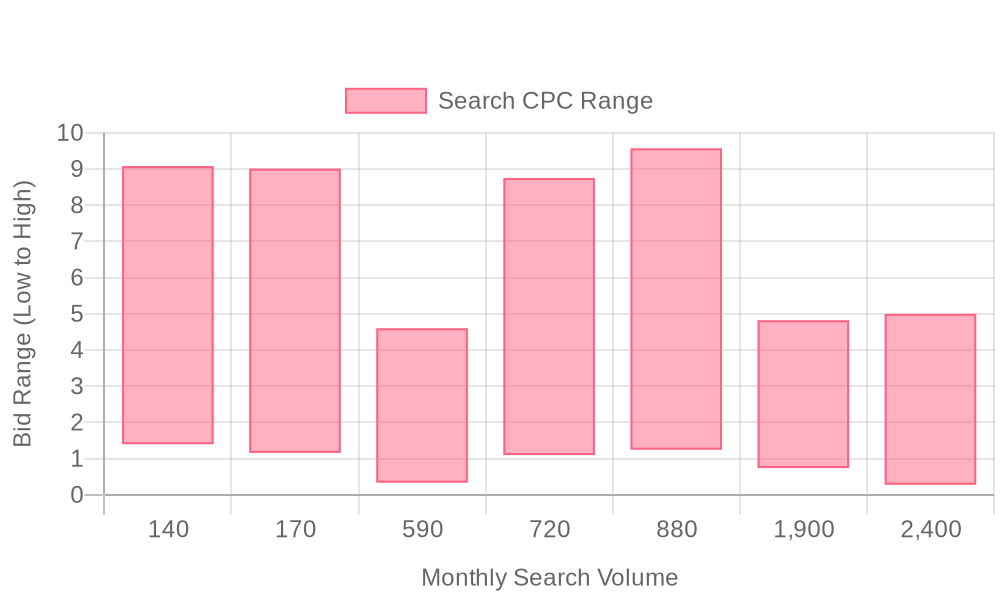
| Industry | Keyword | Monthly Search Volume | Competition Level | Low Bid | High Bid |
| Light Fixture Cleaning | light fixture cleaning | 140 | LOW | 1.4 | 9.08 |
| Light Fixture Cleaning | chandelier cleaning service near me | 170 | MEDIUM | 1.16 | 9.01 |
| Light Fixture Cleaning | crystal chandelier cleaner | 590 | HIGH | 0.34 | 4.6 |
| Light Fixture Cleaning | chandelier cleaners near me | 720 | MEDIUM | 1.1 | 8.75 |
| Light Fixture Cleaning | chandelier cleaning service | 880 | LOW | 1.25 | 9.57 |
| Light Fixture Cleaning | wall washer light | 1900 | HIGH | 0.74 | 4.82 |
| Light Fixture Cleaning | chandelier cleaner | 2400 | HIGH | 0.28 | 5 |
Precision in keyword targeting drives measurable results for light fixture cleaning businesses seeking to capture high-intent leads. By analyzing both transactional and informational queries, teams can ensure ad spend focuses on prospects ready to engage and convert. For a comprehensive overview of campaign analytics and actionable marketing insights, visit our blog.
- Primary Keywords: Use target phrases like 'local light fixture cleaning ads' and 'Google Ads for cleaning services' to attract leads who are actively searching for professional cleaning solutions. These keywords reflect a clear service intent, narrowing your audience to those most likely to convert. Explore Google Local Services Ads to better understand how local search placements can drive more qualified leads.
- Supporting Terms: Integrate secondary keywords such as 'light fixture cleaning marketing', 'light fixture cleaning business', and 'Google Ads optimization for cleaning' to cover broader and related search behavior. This approach widens reach without sacrificing relevance.
- Strategic Negative Keywords: Build comprehensive negative keyword lists to exclude unrelated searches, such as 'DIY', 'cheap', or 'repair', and prevent wasted spend. Refining your list over time ensures ad visibility remains tightly aligned with profitable customer profiles.
- Real-Time Intent Signals: Incorporate real-time behavioral data to dynamically adjust keyword bids and priorities. As audience intent shifts, ad groups can be automatically updated to reflect evolving demand and emerging opportunities.
- Dynamic Audience Targeting: Sync keyword-driven audience segments directly with CRM and ad platforms, ensuring campaigns always target prospects progressing through the pipeline. This keeps messaging relevant and maximizes the efficiency of every ad dollar.
A robust keyword strategy for light fixture cleaning marketing is foundational to campaign ROI. By combining intent-driven targeting with adaptive, data-backed adjustments, B2B revenue teams can consistently surface their services to decision-makers at the right moment. For more on campaign structure and strategic refinement, see retargeting strategies.
Step-by-Step Campaign Execution Framework
A high-impact Google Ads strategy for light fixture cleaning companies requires precision at every stage. B2B teams seeking growth must combine granular targeting, relevant messaging, and conversion-focused landing experiences to consistently generate qualified leads. Maximizing campaign ROI calls for a disciplined approach that goes beyond surface-level tactics to connect every data point and audience signal.
Step 1: Build Targeted Keyword Lists
Effective campaigns for light fixture cleaning start with robust keyword research. Segment keywords by service clusters, such as "chandelier cleaning," "commercial light fixture cleaning," and "outdoor light cleaning", and pair them with location modifiers like city names or neighborhoods. For an overview of paid search options for local service providers, see Google Local Services Ads. This structured approach ensures ads appear for the most relevant searches, driving higher intent traffic and reducing wasted spend.
Modern platforms enable marketers to go beyond anonymous clicks by identifying which companies are researching these services. Syncing enriched audience data with Google Ads allows for hyper-targeted list building and better alignment with active in-market accounts. As audiences evolve, dynamic updates ensure targeting always reflects real-time demand, keeping campaigns efficient and relevant.
The upgrade most light fixture cleaning advertisers miss is going beyond raw keyword volume to layer in intent and identity signals. By connecting website-visitor data and CRM records with Sona Marketing Measurement, you can see which specific search terms bring in the accounts and customers that actually convert, and weight your keyword and bidding strategy toward those rather than the terms with the highest search volume alone.
Step 2: Develop Compelling Ad Copy
Ad copy should immediately address the pain points of light fixture cleaning customers: safety concerns, expertise with delicate fixtures, and proven results. Use ad assets to showcase trust factors like certifications, insurance, and customer testimonials. For inspiration on effective messaging, explore these house cleaning ad examples. Incorporate callout assets highlighting unique differentiators, such as "ladder safety trained" or "Google Screened provider," to build credibility and improve click-through rates.
Data-driven platforms streamline the process by surfacing real visitor intent, enabling teams to tailor messaging to high-converting segments. Marketers can segment copy by audience stage, ensuring decision-makers see the most relevant offers while new prospects receive educational content. This personalized approach increases engagement and drives more qualified leads to landing pages.
Step 3: Design Effective Landing Pages
Landing pages must align tightly with ad messaging, reinforcing the promise made in the ad while providing a clear path to conversion. Use concise headlines, service-specific value propositions, and visual proof of results, such as before-and-after photos or client logos. Strong calls-to-action like "Request a Same-Day Estimate" or "Book Your Cleaning" reduce friction and prompt immediate engagement.
Integrating real-time visitor identification enables revenue teams to personalize landing pages based on company, industry, or account status. When CRM data syncs seamlessly with digital experiences, prospects receive tailored offers and forms, streamlining the lead capture process. This alignment between audience intelligence and on-page experience significantly boosts conversion rates for cleaning services.
Step 4: Implement Data-Driven Optimizations
Ongoing optimization is non-negotiable for sustainable growth. Leverage smart bidding strategies that adjust in real time based on conversion likelihood, search behavior, and historical performance. Import offline conversions, such as closed deals from CRM systems, back into Google Ads to train bidding algorithms on revenue-generating outcomes rather than just form fills or clicks.
Unifying attribution data across digital and offline channels lets marketers accurately measure ROI for local light fixture cleaning ads. With advanced analytics, teams can identify which campaigns, keywords, and audiences drive the most profitable outcomes. By syncing conversion and audience data between platforms, every optimization is rooted in actionable insight, enabling teams to maximize budget efficiency and scale high-performing segments. For a closer look at effective retargeting strategies, examine how unified data can drive repeat engagement and nurture leads through the funnel.
Sona Marketing Measurement closes the gap between clicks and revenue. It captures every ad click with first-party, company-level tracking, then ties that click through UTM capture and ad-platform APIs to the actual record in your CRM, and reports ROAS by keyword and campaign instead of by last-click form fill. Feeding that revenue signal back into Smart Bidding and Performance Max compounds over time: the algorithms optimize toward booked light fixture cleaning revenue, not cheap leads.
Tips on Expanding Your Light Fixture Cleaning Presence
Expanding market presence in the light fixture cleaning sector requires a blend of education, strategic partnerships, and data-driven marketing. Businesses that take a proactive approach to delivering value and anticipating customer needs outperform those relying on static campaigns or generic outreach. For actionable playbooks to elevate your approach, visit the B2B marketing playbook library.
- Cross-promote educational content: Develop and distribute guides, videos, and webinars on proper fixture maintenance, safety best practices, and the benefits of regular cleaning. By sharing these across email, social, and your website, you position your brand as a trusted authority and create touchpoints for both new and returning clients. For inspiration, review effective house cleaning ad examples to refine your messaging and content formats.
- Upsell related services using CRM data: Leverage your CRM to segment clients by purchase behavior, location, and service history. When a customer books a chandelier cleaning, suggest add-ons such as outdoor fixture washing or ceiling fan cleaning. Streamline this process further by syncing audience segments automatically from your CRM into ad platforms for real-time updates.
- Partner with industry associations: Forge relationships with property management groups, interior designers, or facility maintenance organizations. Joint webinars, co-branded content, and referral programs can mutually expand reach and credibility. These partnerships provide not only leads but also valuable content for nurturing campaigns, helping to establish your business within broader industry networks. Access the content strategy Q&A hub to discover partnership ideas and campaign best practices.
- Localize marketing efforts: Tailor campaigns for specific neighborhoods or cities by highlighting local testimonials, case studies, and seasonal promotions. Google Local Services Ads for Canadian businesses offers geographic targeting that, when combined with real-time audience data, ensures ads are shown to high-value prospects actively searching for light fixture cleaning services nearby.
- Use search query data to drive new initiatives: Analyze Google Ads and organic search queries to uncover unmet customer needs or trending service requests. For example, an uptick in searches for "safe chandelier cleaning for high ceilings" could prompt creation of targeted landing pages or instructional videos. Feeding this data into your content roadmap ensures your marketing remains agile and directly tied to in-market demand, supporting sustained engagement and growth in the light fixture cleaning business.
By focusing on these tactics and maintaining tight alignment between CRM, ad platforms, and content strategy, light fixture cleaning providers can accelerate customer acquisition, nurture loyalty, and capture new market opportunities with precision.
Beyond Google Ads: Winning the AI Answers Light Fixture Cleaning Buyers Now Trust
Paid search captures demand at the moment someone types a query. But a fast-growing share of light fixture cleaning buyers no longer start at Google at all, they ask ChatGPT, Gemini, or Perplexity before they ever run a search, and Google's own AI Overviews increasingly summarize an answer above the traditional results. If your business isn't referenced in those AI answers, you're invisible at the exact moment buyers build their shortlist.
Sona AI Visibility shows where your business shows up across ChatGPT, Gemini, Perplexity, Google AI Overviews, and 10+ engines, and, much like a keyword report, which prompts actually send you buyers, so you can prioritize the ones that convert. Run the two together and you cover the entire buyer path: get cited where buyers research (AI Visibility), then prove which of that demand turns into booked revenue (Marketing Measurement).
Helpful resources
Conclusion
The mechanics covered here, keyword segmentation, ad copy built around safety and trust, landing pages that mirror the ad's promise, are what separate a light fixture cleaning campaign that burns budget from one that fills a schedule.
The businesses winning this category now are the ones treating every ad click as a data point tied to a real customer, not just a form fill. As AI tools reshape how buyers search, being visible where they look, and provable in what you spend, will matter more, not less. Start for free to see how Sona connects your ad spend to booked light fixture cleaning revenue.
FAQ
What are the best practices for Google Ads targeting light fixture cleaning services?
Best practices include precise keyword targeting, using negative keywords to avoid irrelevant searches, and integrating CRM data for targeted ad visibility to decision-makers.
How can I create effective Google Ads for my light fixture cleaning business?
To create effective ads, start with robust keyword research, develop compelling ad copy addressing customer pain points, and design landing pages that align with ad messaging and offer clear calls-to-action.
What are some successful examples of Google Ads for light fixture cleaning?
Successful examples include using search ads targeting high-intent queries like 'light fixture cleaning near me,' and display ads to increase brand visibility on industry sites.
How do I target local customers with Google Ads for light fixture cleaning?
Use Google Local Services Ads for geographic targeting, highlight local testimonials, and tailor campaigns with location-specific modifiers to attract high-value local prospects.
What is the cost-effectiveness of Google Ads for promoting light fixture cleaning services?
Google Ads are cost-effective as they offer precise targeting of high-intent buyers, allowing for a measurable ROI by connecting ad impressions to qualified leads and conversions.







