


Lamp shades trap dust, mildew, and yellowing in ways that are easy to overlook until a client notices the smell or the discoloration under a bright bulb. Businesses in this trade often lose prospects simply because they're invisible at the moment someone searches for help, and they have no way to see who was interested but didn't call. Google Ads solves both problems: it puts your service in front of people searching for lampshade cleaning right when they need it, and it gives you visibility into who's engaging with your ads before they ever fill out a form. This guide lays out why Google Ads matters for lamp shade cleaning businesses and how to build a strategy that turns searches into booked jobs.
How to Generate Lamp Shade Cleaning Leads with Google Ads: A Step-by-Step Guide
Lamp shade cleaning businesses face unique challenges in capturing qualified leads and maximizing marketing budgets. A precise, data-driven Google Ads strategy brings measurable clarity to every stage of lead generation, ensuring resources reach households and businesses actively seeking specialized cleaning services. For more tips on digital marketing for cleaning services, you can reference this step-by-step guide to cleaning lampshades to better understand your audience’s pain points.
By aligning creative campaigns and landing pages with real buyer intent, lamp shade cleaning companies can systematically move prospects from initial interest to conversion. The following framework provides practical, actionable steps for integrating Google Ads into a unified demand generation approach that consistently delivers high-quality leads. Explore more actionable strategies in our marketing playbooks for service businesses.
- Utilize data-driven approaches for keyword and audience targeting focused on the cleaning industry: Leverage granular targeting to identify individuals and organizations searching for lamp shade cleaning services, lamp shade cleaning products, or related solutions. Modern platforms enhance this targeting by identifying the companies behind anonymous website visitors and mapping them to real accounts, preventing wasted ad spend on low-intent traffic. Real-time intent signals inform which audience segments are actively evaluating cleaning providers, allowing dynamic budget allocation to high-value prospects.
- Align landing pages with creative ads for maximum conversion: Streamline the path from ad click to conversion by tightly matching ad copy, visuals, and offers to landing page content. This approach ensures that prospects immediately see relevance, increasing demo requests and quote submissions. For leads who visit but do not fill out forms, advanced analytics and visitor identification tools can trigger follow-up workflows, enabling ongoing engagement and nurturing until conversion.
- Optimize performance continuously to improve ROI and avoid inconsistency caused by disconnected campaigns: Integrating conversion data from both online and offline sources enables a full view of marketing effectiveness. Automated audience updates ensure that as leads progress through your funnel, they receive messaging tailored to their buying stage, reducing wasted impressions and increasing the likelihood of closing.
- Integrate cross-channel methods to enhance marketing effectiveness: Combine search, display, and remarketing campaigns with CRM and email outreach integration to create a cohesive, multi-touch journey. Synchronizing marketing and sales data across platforms ensures that every team interacts with the most up-to-date, enriched profiles, resulting in higher engagement and faster deal cycles. This cross-channel cohesion is critical for lamp shade cleaning businesses aiming to convert interest into steady revenue growth.
Ready to maximize your Google Ads investment? Get started for free with Sona.
Why does Google Ads matter for Lamp Shade Cleaning
Lamp shade cleaning businesses operate in a highly specialized niche where customer intent and immediate service needs drive conversions. Google Ads provides a direct channel to reach both residential and commercial clients actively searching for expert lamp shade cleaning services, ensuring that marketing investments reach those most likely to convert. For practical cleaning tips and step-by-step guides, explore this resource on how to clean lampshades.
By leveraging Google Ads, lamp shade cleaning providers overcome visibility gaps common in the industry. Marketers can identify and engage nuanced audience segments, even when website visitors remain anonymous, by enriching audience data and custom affinity segments. This approach eliminates wasted ad spend and ensures campaigns align with actual market demand.
Professional cleaning companies benefit from Google Ads’ ability to promote higher-margin services to clients ready for premium solutions. Campaigns can be fine-tuned using real-time behavioral and intent data, enabling dynamic audience updates as leads move through the sales funnel and increasing the efficiency of every marketing dollar.
When peak cleaning seasons or weather-driven surges occur, Google Ads allows lamp shade cleaning businesses to rapidly adjust messaging, budget, and targeting. This responsiveness ensures ads remain relevant, capturing new demand as it arises and maximizing lead generation when market interest is at its highest.
Expanding into new neighborhoods or regions becomes more strategic with Google Ads' geographic targeting and reporting. Lamp shade cleaning companies can identify untapped local opportunities, ensuring that growth initiatives are data-driven and that budget allocation matches true market potential.
Integrating CRM data with Google Ads provides end-to-end visibility into the sales cycle, connecting digital ad performance with offline bookings. This closed-loop attribution empowers businesses to measure true ROI, optimize spend, and sync enriched leads and audiences seamlessly across systems, supporting sustained revenue growth in a competitive market.
Common Types of Google Ads Campaigns for Lamp Shade Cleaning Services

- Search Campaigns: Capture high-intent prospects searching for lamp shade cleaning services by aligning ad copy and keywords with the specific problems and solutions your audience seeks. Dynamic audience updates ensure that ads reflect the current stage of the buyer’s journey, improving conversion rates as leads progress from inquiry to appointment. With advanced attribution, you can measure which keywords and ad groups drive true appointments and revenue, allowing for efficient budget reallocation to the top-performing segments.
- Display Ads: Build and maintain brand awareness across relevant websites by targeting users interested in home cleaning, interior design, or household maintenance. By integrating enriched firmographic and behavioral data, display campaigns become more precise, reducing wasted spend on irrelevant impressions. Real-time syncing of audience segments, such as property managers or commercial cleaning buyers, ensures that your ads are served to the right decision-makers as soon as they show in-market intent.
- Video Ads: Elevate your lamp shade cleaning business with compelling video ads that demonstrate before-and-after results or showcase specialized cleaning techniques for delicate materials. These visual stories can convert viewers who are comparison shopping or unsure about the value of professional cleaning. A video tutorial on cleaning delicate lampshades can inspire your own content, while leveraging unified visitor data lets you retarget viewers who interacted with your video but didn’t convert, delivering tailored follow-ups that address their specific interests.
- Remarketing: Re-engage visitors who explored your service pages or started but didn’t complete a booking for lamp shade cleaning. Syncing first-party website data with your CRM allows you to identify both known and anonymous visitors, then serve personalized ads reminding them of unfinished requests or offering limited-time incentives. Dynamic audience segmentation ensures that remarketing lists update in real time as leads take new actions, so your campaigns always reflect the latest buyer intent. To see how easily you can put these strategies into action, get started for free with Sona.
Where to Find Growth Opportunities?
Expanding into untapped market segments requires more than running standard search ads. Modern lamp shade cleaning businesses that leverage precise audience intelligence and advanced data consistently uncover new revenue streams through targeted campaigns.
- Vertical keyword targeting: Moving beyond general cleaning keywords allows you to reach customers searching for specialized lamp shade cleaning services. By targeting niche terms like "fabric lampshade cleaning" or "removing mildew from lampshades," you address specific needs that general campaigns often miss. Explore step-by-step cleaning guides to inform your content and ad copy, reducing wasted spend and focusing your budget on intent-driven prospects.
- Competitor gap analysis: Analyze competitors’ ad coverage to pinpoint underserved queries or demographics. Identifying gaps in their strategies enables you to capture overlooked audiences, such as commercial property managers or boutique hotels seeking bulk lamp shade cleaning. Integrating real-time visitor identification further sharpens your approach, allowing you to serve tailored ads to organizations that show in-market signals but have not yet converted.
- Industry-specific placements: Placing ads and sponsored content on interior design forums and homemaker communities connects your brand with highly relevant audiences. These placements allow for consistent messaging in contexts where potential clients are already researching lamp shade cleaning products and services. With automated CRM sync, your targeting remains accurate as your audience evolves.
- Retargeting with content: Retarget visitors who engaged with educational guides or instructional videos about lamp shade cleaning. This strategy reinforces your brand and accelerates the buyer journey by delivering value-driven touchpoints at each stage. Learn more about optimizing your funnel and staying top-of-mind with actionable marketing playbooks.
How to Apply Audience Segmentation for Lamp Shade Cleaning

Audience segmentation is a precision lever for lamp shade cleaning businesses aiming to maximize campaign relevance and ROI. Segmenting prospects based on real-world intent and company profile allows for customized outreach, eliminating wasted impressions and boosting conversion rates.
- Define Segments: Residential clients and commercial operations require distinct messaging and service offerings. For example, homeowners may prioritize gentle cleaning solutions for delicate shades, while hotels or offices look for scalable, recurring maintenance. Missing this segmentation often means squandered budget and diluted brand impact. Properly structured segments ensure that each audience receives content and offers tailored to its unique needs, increasing response rates and reducing friction in the sales process. For step-by-step advice, review this guide on cleaning various lampshade materials.
- Overlay Intent Signals: Layering in-market intent data, such as search queries for lamp shade cleaning products or specific service packages, enables real-time optimization. Identifying the companies behind anonymous visitors via Sona's Identity Resolution lets marketers retarget high-value accounts even before they submit a form. This strategy closes the gap between website engagement and lead capture, funneling interested prospects directly into nurture streams based on behavioral signals.
- Create Ad Groups: Ad groups should mirror your segmentation logic, with unique creative and landing pages for each cohort. Residential segments might see ads for one-time stain removal or fabric-safe cleaning methods, while commercial prospects receive messaging around volume discounts or priority scheduling. Allocating budgets at the segment level ensures spend is proportional to intent, and dynamic audience sync between CRM and ad platforms keeps targeting fresh as leads progress through the funnel.
- Validate Conversion Paths: Full-funnel tracking is essential for understanding which segments drive real business outcomes. Unified attribution, connecting ad clicks to completed bookings in your CRM, reveals gaps and opportunities in the customer journey. Syncing enriched audience data back into ad platforms allows for ongoing optimization, ensuring each campaign iteration continually improves on both lead quality and cost efficiency. If you want to simplify this process, get started for free with Sona.
This is also where measurement changes the economics. With Sona Marketing Measurement you can identify the companies and buyers behind your ad clicks, not just anonymous sessions, and segment audiences by who actually becomes a customer. That lets you build bid adjustments and audience signals around the segments that convert and de-prioritize the ones that don't, so you feed Google's algorithms "this click became a paying lamp shade cleaning customer" instead of just "someone filled out a form."
Keyword Strategy & Sample Target Terms
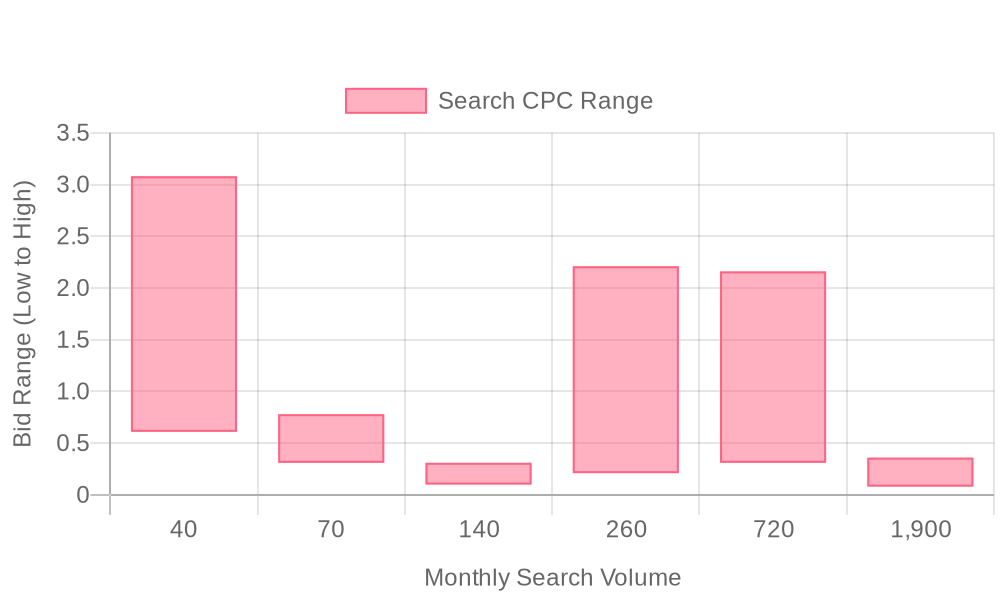
| Industry | Keyword | Monthly Search Volume | Competition Level | Low Bid | High Bid |
| Lamp Shade Cleaning | lamp shade cleaning near me | 40 | LOW | 0.61 | 3.08 |
| Lamp Shade Cleaning | lamp shade cleaning | 70 | HIGH | 0.31 | 0.78 |
| Lamp Shade Cleaning | best way to clean a lampshade | 140 | LOW | 0.1 | 0.31 |
| Lamp Shade Cleaning | lampshade cleaner | 260 | MEDIUM | 0.21 | 2.21 |
| Lamp Shade Cleaning | clear lamps | 720 | HIGH | 0.31 | 2.16 |
| Lamp Shade Cleaning | how to clean lamp shades | 1900 | LOW | 0.08 | 0.36 |
Precision in keyword targeting drives direct impact on lead quality and campaign ROI for lamp shade cleaning businesses. By combining symptom-based search terms with localized modifiers, marketers can capture high-intent traffic at moments of need, and using step-by-step illustrated instructions for cleaning lampshades can inspire content that resonates with DIY searchers.
- Long-tail keywords: Targeting search phrases such as "how to remove stains from fabric lampshades" or "best lamp shade cleaning service near me" ensures visibility to users actively seeking solutions. Explore additional tactics for building effective campaigns in our B2B marketing reports guide.
- Symptom-related queries: Phrases like "yellowed lampshade cleaning," "mildew spots on lampshade," or "dust removal from pleated lampshades" align ads with users experiencing specific pain points, increasing relevance and engagement.
- Localized modifiers: Including city, neighborhood, or regional references, such as "lamp shade cleaning in Brooklyn" or "professional lampshade cleaning Los Angeles," drives more qualified, geographically relevant leads.
- Service and product intent: Addressing both sides of user intent with terms like "lamp shade cleaning products" and "lamp shade cleaning services" covers DIY researchers and those ready to purchase professional help.
- Business-focused terms: Phrases such as "lamp shade cleaning business solutions" and "commercial lamp shade cleaning providers" attract B2B prospects, including property managers and commercial cleaning firms.
Integrating these keyword strategies supports a unified approach to campaign setup and optimization. When these targeted terms are combined with real-time audience insights and CRM-enriched audience data, teams can identify and nurture high-value prospects with greater precision. Tailoring keyword lists in this way ensures ad budgets focus on audiences most likely to convert, while also providing a scalable foundation for ongoing campaign refinement. Ready to put these strategies into practice? Get started for free with Sona.
Step-by-Step Campaign Execution Framework
Step 1: Build Targeted Keyword Lists
Effective lamp shade cleaning campaigns start with precise keyword segmentation. Build lists by cleaning service type, such as fabric lamp shade cleaning, mildew removal, or express cleaning, and overlay location-specific modifiers to capture high-intent, local searchers. This granular approach eliminates wasted spend and ensures outreach aligns with genuine demand. Enhance this targeting with Sona's Identity Resolution, which reveals which companies and people are visiting your website and scores visitor intent, letting teams prioritize keywords that generate qualified traffic and higher conversion rates. For additional keyword segmentation inspiration, review this step-by-step guide on cleaning lampshades.
The upgrade most lamp shade cleaning advertisers miss is going beyond raw keyword volume to layer in intent and identity signals. By connecting website-visitor data and CRM records with Sona Marketing Measurement, you can see which specific search terms bring in the accounts and customers that actually convert, and weight your keyword and bidding strategy toward those rather than the terms with the highest search volume alone.
Step 2: Write High-Impact Ad Copy
Craft ad copy that addresses the core pain points for lamp shade cleaning customers: dust, stains, discoloration, and time-sensitive needs. Position offers like eco-friendly cleaning solutions, same-day service, or specialty product expertise to increase relevancy and engagement. Use dynamic copy variants to match user search intent and service type. By harnessing real-time intent data, marketing teams can dynamically shift messaging and budgets toward high-converting prospects, ensuring each ad impression aligns with the user's buying journey. To further refine your copy, explore expert-approved techniques for cleaning lampshades.
Step 3: Design Conversion-Optimized Landing Pages
Develop landing pages that mirror ad messaging and deliver seamless user experiences. Each page should focus on a single cleaning service, reinforce offered solutions, and provide direct calls to action such as booking online or scheduling a consultation. Integrate trust signals, before-and-after visuals, and transparent pricing for lamp shade cleaning services to reduce friction. When landing page behavior is tracked in real time, marketers can identify drop-off points and optimize for higher conversion, while syncing enriched lead data directly into CRM systems for immediate sales follow-up. For a visual walkthrough on cleaning, check out this video tutorial on cleaning delicate lampshades.
Step 4: Execute Data-Driven Optimization
Continual campaign improvement relies on smart bidding, A/B testing, and importing offline conversion data. Apply automated bidding strategies based on real conversion outcomes, not just click volume, to maximize ROI. Set up A/B tests for ad copy, landing pages, and offers to discover high-performing combinations. By unifying ad performance with CRM and sales data, teams gain clear attribution across online and offline channels, enabling precise audience retargeting and real-time budget shifts. Platforms that sync enriched audiences and track the full customer journey let revenue teams measure the true impact of their campaigns, closing the loop from impression to closed deal. If you’re ready to optimize your campaigns, get started for free with Sona.
Sona Marketing Measurement closes the gap between clicks and revenue. It captures every ad click with first-party measurement rather than third-party cookies, then ties that click through UTM capture and ad-platform APIs to the actual record in your CRM, and reports ROAS by keyword and campaign instead of by last-click form fill. Feeding that revenue signal back into Smart Bidding and Performance Max compounds over time: the algorithms optimize toward booked lamp shade cleaning revenue, not cheap leads.
Tips on Expanding Your Lamp Shade Cleaning Presence
Growing a lamp shade cleaning business online takes precise targeting, cross-channel visibility, and content that answers the questions customers actually have about their delicate or discolored shades. Revenue teams see the most traction when they deliver useful information at every stage of the buyer journey. Start by leveraging real-time audience intelligence to deliver relevant messaging and drive engagement.
- Cross-promote educational content in retargeting ads: Sharing practical guides or how-to materials in retargeting campaigns re-engages past visitors, nurturing relationships while positioning your brand as an authority in lamp shade cleaning services. Integrating retargeting with first-party intent signals ensures these ads appear for users actively researching cleaning solutions, not just general site visitors.
- Create focused upsell strategies based on user data: Incomplete or outdated account records limit upsell opportunities. By syncing enriched user profiles and behavioral data directly into ad platforms and CRM systems, lamp shade cleaning businesses can segment audiences more effectively using automated data activation. This approach drives timely, personalized offers for services like deep cleaning, stain removal, or recurring maintenance, increasing average order value.
- Collaborate with niche industry associations: Partnering with organizations focused on home cleaning or interior design can deliver referral traffic from highly engaged audiences. Joint webinars or co-branded content helps expand reach and builds trust within new customer segments seeking specialized lamp shade cleaning products or expertise. For more actionable strategies, check out the collection of marketing and sales playbooks.
- Localize efforts for underserved regions: Data-driven localization identifies untapped markets where lamp shade cleaning demand outpaces supply. Utilizing search insights on local queries and customer intent, marketers can craft geo-targeted campaigns that highlight unique offerings, such as eco-friendly cleaning agents or rapid service turnarounds, tailored to each region’s needs. Learn how to use market sizing techniques to inform your expansion into new areas.
- Fuel new content with search insights: Analyzing search trends and user queries reveals gaps in existing lamp shade cleaning content. Producing targeted resources, like troubleshooting guides for mildew removal or best practices for delicate materials, helps capture organic traffic and supports paid campaign performance. Continuous content innovation, informed by actual user behavior, keeps the brand top-of-mind and opens new acquisition channels.
Beyond Google Ads: Winning the AI Answers Lamp Shade Cleaning Buyers Now Trust
Paid search captures demand at the moment someone types a query. But a fast-growing share of lamp shade cleaning buyers no longer start at Google at all, they ask ChatGPT, Gemini, or Perplexity before they ever run a search, and Google's own AI Overviews increasingly summarize an answer above the traditional results. If your business isn't referenced in those AI answers, you're invisible at the exact moment buyers build their shortlist.
Sona AI Visibility shows where your business shows up across ChatGPT, Gemini, Perplexity, Google AI Overviews, and 10+ engines, and, much like a keyword report, which prompts actually send you buyers, so you can prioritize the ones that convert. Run the two together and you cover the entire buyer path: get cited where buyers research (AI Visibility), then prove which of that demand turns into booked revenue (Marketing Measurement).
Helpful resources
Conclusion
Google Ads gives lamp shade cleaning businesses something rare in this trade: a way to reach customers at the exact moment they notice a stain, a musty smell, or a yellowed shade and start searching for help. Precise keywords, ad copy built around real pain points, and landing pages that match intent turn that moment into a booked job rather than a missed opportunity.
The businesses that pull ahead in this space won't just be the ones running ads, they'll be the ones who can prove which keywords and campaigns actually produce booked cleanings, and who show up when buyers ask an AI assistant for a recommendation before they ever open Google.
FAQ
What are the best practices for running Google Ads for lamp shade cleaning services?
The best practices include utilizing data-driven keyword and audience targeting, aligning landing pages with ad copy for maximum conversion, continuously optimizing performance, and integrating cross-channel methods for enhanced marketing effectiveness.
How can I target the right audience with Google Ads for my lamp shade cleaning business?
Target the right audience by leveraging granular targeting to identify individuals and organizations searching for lamp shade cleaning services, using real-time intent signals to allocate budget dynamically, and segmenting audiences based on residential and commercial needs.
What are the most effective keywords for Google Ads in the lamp shade cleaning industry?
Effective keywords include long-tail terms like 'how to remove stains from fabric lampshades,' symptom-related queries such as 'mildew spots on lampshade,' localized modifiers like 'lamp shade cleaning in Brooklyn,' and business-focused terms for B2B prospects.
How can I track and measure the success of my Google Ads campaign for lamp shade cleaning?
Track and measure success by integrating conversion data from online and offline sources, using full-funnel tracking for attribution, and syncing enriched audience data back into ad platforms for ongoing optimization.
What are some creative ad copy ideas for Google Ads targeting lamp shade cleaning?
Creative ad copy ideas include addressing core pain points like dust and stains, offering eco-friendly solutions and same-day service, and using dynamic copy variants to match user search intent and service type.







