


A single letterpress commission, a wedding suite or a run of engraved business cards, can be worth more than a hundred ordinary print jobs, which is why Google Ads rewards precision over volume in this trade. Search captures the designer who just typed "foil letterpress wedding invitations" and the office manager sourcing embossed cards before a launch. Paired with clear offline tracking, that intent-level targeting turns a niche craft into a searchable, biddable channel, and lets a small studio compete for the exact buyers who already want what it makes.
How to Generate Letterpress Printing Service Leads with Google Ads: A Step-by-Step Guide

Letterpress printing businesses operate in a high-value, niche market where every lead counts toward profitability. Leveraging Google Ads for printing services enables B2B marketers and local operators to capture high-intent prospects precisely when they are seeking premium print solutions.
This guide delivers a systematic framework for integrating Google Ads into your letterpress marketing strategy. Following these steps allows you to refine keyword targeting, segment real-time audiences, align creative assets, and implement ongoing campaign optimization to drive efficient, scalable lead acquisition and maximize ROI.
Why Google Ads Matters for Letterpress Printing
Online advertising for printing offers unmatched visibility at the critical moment when decision-makers are actively searching for specialized print solutions. Letterpress print services, with their emphasis on craftsmanship and premium quality, require a campaign structure that highlights differentiation and appeals to discerning buyers. Google Ads for printing empowers you to deliver tailored messaging and capture leads before they turn to competitors.
With advanced audience insights, marketers can identify not just anonymous traffic but the companies and professionals behind visits and clicks using Sona's Identity Resolution. Intent signals help shift budget toward high-converting accounts, ensuring your marketing dollars are spent where they deliver measurable business growth. Connecting Google Ads to unified go-to-market data enables you to sync enriched audiences and leads across platforms, ensuring seamless engagement from first touch to closed deal.
Common Types of Google Ads Campaigns for Letterpress Printing

- Search Campaigns: Appear in front of users searching for terms like "custom letterpress invitations" or "bespoke business cards," capturing demand at the moment of intent.
- Display Campaigns: Use visually compelling banners to build brand awareness among design agencies, event planners, and corporate buyers browsing relevant sites.
- Remarketing Campaigns: Re-engage visitors who explored your gallery or pricing, driving them back with new offers or client testimonials.
- Local Campaigns: Target nearby businesses and individuals looking for letterpress services in their area, driving studio visits or consultations.
- Performance Max Campaigns: Leverage automated placements across Google’s network, optimizing for conversions using machine learning to reach high-value audiences.
These campaign types work best when paired with audience segmentation, letting marketers update targeting as prospects move through the sales funnel. Unifying CRM and ad data ensures every ad dollar supports pipeline progress, and conversion tracking measures both online and offline actions for complete ROI visibility.
Step-by-Step Campaign Execution Framework
The following steps guide you through building, launching, and optimizing Google Ads for Letterpress Printing Services:
Step 1: Build Targeted Keyword Lists
Effective PPC for letterpress starts with keywords that mirror how clients actually search: "letterpress wedding invitations," "custom letterpress business cards," "luxury print stationery." Add geographic modifiers for local studios and long-tail phrases ("foil letterpress save the dates," "engraved corporate stationery") to reduce competition and match specific occasions. Wedding season and corporate holiday-card cycles drive predictable spikes in search volume, so build seasonal keyword sets ahead of those windows rather than reacting to them. For help generating ideas, consult Google's keyword matching options. Matching real-time search data against your CRM surfaces which terms are producing qualified leads, not just traffic.
The upgrade most letterpress printing services advertisers miss is going beyond raw keyword volume to layer in intent and identity signals. By connecting website-visitor data and CRM records with Sona Marketing Measurement, you can see which specific search terms bring in the accounts and customers that actually convert, and weight your keyword and bidding strategy toward those rather than the terms with the highest search volume alone.
Step 2: Structure Campaigns and Ad Groups
Organize campaigns around distinct service categories, like invitations, business cards, and packaging. Within each, create tightly themed ad groups to match the searcher’s intent and ensure high relevance. Syncing audience data between your CRM and ad platform allows you to deploy tailored message variations, increasing engagement and conversion rates as leads progress through the pipeline.
Step 3: Write Compelling Ad Copy
Ad creative must speak directly to the premium, tactile nature of letterpress print services. Highlight craftsmanship, turnaround time, and material quality in headlines and descriptions. Use sitelink, call, and location assets to improve the user's path and direct prospects to the most relevant next step. Audience insights inform which value propositions resonate with each segment, ensuring every impression is optimized for conversion.
Step 4: Optimize Landing Pages
Drive ad clicks to dedicated landing pages that mirror the ad’s promise and showcase your letterpress work. Feature galleries, testimonials, and clear calls to action for quotes or consultations. Ensure rapid load times and mobile responsiveness. Connecting landing page engagement data with your ad platform enables attribution of every conversion, whether the lead submits an online form or books a call offline.
Sona Marketing Measurement closes the gap between clicks and revenue. It captures every ad click with first-party measurement, ties that click through UTM capture and ad-platform APIs to the actual record in your CRM, and reports ROAS by keyword and campaign instead of by last-click form fill. Feeding that revenue signal back into Smart Bidding and Performance Max compounds over time: the algorithms optimize toward booked letterpress printing services revenue, not cheap leads.
Step 5: Launch and Monitor Campaigns
Set initial bids based on keyword value and expected conversion rates. Monitor key metrics like CTR, conversion rate, and cost per lead, making adjustments as data flows in. Real-time bid optimization empowers you to reallocate budget to top-performing segments or pause underperforming placements before wasted spend accrues.
Step 6: Retarget and Nurture High-Intent Prospects
Use remarketing lists to re-engage site visitors who have demonstrated interest but not yet converted. Serve sequential ads with new offers, success stories, or seasonal promotions. As audiences evolve, dynamic updates ensure messaging stays relevant and personal, supporting long-term letterpress business growth.
Step 7: Track, Attribute, and Report ROI
Implement advanced conversion tracking to capture both online actions and offline outcomes, such as studio visits or phone consultations. Tie ad spend to closed deals for true Google Ads ROI for printing, enabling continuous improvement and clear visibility into profitability. Syncing all data streams across marketing and sales provides a single source of truth for performance, supporting smarter budget allocation and sustained success in letterpress marketing strategies.
Why Does Google Ads Matter for Letterpress Printing Services?
Letterpress printing thrives on exclusivity and craftsmanship, attracting clients who value tactile, visually stunning results. For businesses in this niche, finding the right prospects is a matter of precision targeting, not broad exposure.
Google Ads offers a direct line to individuals and organizations searching for specialized printing, driving higher-quality leads than general digital marketing for printing services. By focusing on intent-rich keywords and custom audience segments, letterpress shops can capture demand from clients seeking premium invitations, business cards, and branded collateral.
Unlike traditional advertising, Google Ads enables granular tracking of every customer touchpoint, from initial click to final purchase. This transparency empowers revenue teams to optimize campaigns in real time, reallocating budget toward the highest-converting audiences. Advanced solutions now identify the companies behind site visits as soon as prospects land, helping marketers move beyond anonymous traffic and personalize follow-up.
The ability to sync enriched lead data from CRM and website activity with Google Ads ensures that high-value audiences are always up to date. As prospects engage with letterpress services, downloading samples, requesting quotes, or completing purchases, dynamic audience lists evolve, keeping retargeting and remarketing efforts sharply focused. With advanced conversion tracking, shops can measure both online and offline sales, ensuring full ROI attribution for every campaign. To see how you can optimize your campaigns and attribution, get started for free with Sona.
Common Types of Google Ads Campaigns for Letterpress Printing Services
- Search Campaigns: Search campaigns drive immediate results for letterpress print services by targeting high-intent keywords such as “custom letterpress wedding invitations” or “luxury business cards.” These campaigns capture prospects actively searching for specialized printing, giving revenue teams direct access to buyers close to a purchasing decision. Real-time identification of in-market accounts allows marketers to prioritize spend and messaging for those most likely to convert, closing the gap between online research and offline sales for premium print solutions.
- Display Ads: Display campaigns build broad brand awareness by positioning letterpress businesses visually across relevant sites and placements. Stunning imagery of tactile print finishes and exclusive designs resonates with both B2B buyers and creative professionals. Dynamic audience segmentation ensures that ads are shown to those who have previously engaged or resemble existing high-value clients, keeping your brand top-of-mind throughout the lengthy decision cycle common in bespoke printing.
- Video Ads: Video campaigns showcase the craftsmanship and artistry unique to letterpress printing. Short, visually rich videos can highlight the press process, material selection, and project outcomes, offering a behind-the-scenes look that differentiates your services. Marketers can target decision-makers at agencies, luxury brands, and event planners, using engagement signals and video views to build remarketing lists for future outreach. For inspiration, see this video demonstration of the letterpress printing process.
- Remarketing Campaigns: Remarketing keeps your letterpress business in front of prospects who have previously interacted with your website or content but have not yet converted. By leveraging advanced visitor identification, marketers can tailor ads to showcase case studies, testimonials, or seasonal offers based on the visitor’s previous behavior. Automated audience updates ensure that as leads move through the sales funnel, messaging evolves in real-time, maximizing relevance and conversion rates.
The integration of unified data across these campaign types enables precise targeting, smarter budget allocation, and full-funnel attribution. Marketers can connect CRM insights, offline conversions, and audience signals directly into campaign optimization, ensuring that every advertising dollar contributes to measurable letterpress business growth. To streamline your advertising efforts, get started for free with Sona.
Where to Find Growth Opportunities?

Growth opportunities for letterpress printing businesses emerge from precise keyword expansion, competitive analysis, and leveraging data-driven insights to capture market share from larger players. By strategically combining these tactics, companies can position their letterpress print services in front of high-intent audiences searching for premium, artisanal printing solutions.
Expanding keyword targeting is essential for increasing reach and driving relevant traffic. Instead of relying solely on broad terms like "printing services," focus on granular keywords such as "letterpress wedding invitations," "custom business cards," and "luxury event stationery." Layering in geographic modifiers and seasonality (for example, "NYC letterpress invitations" or "holiday letterpress cards") ensures your ads surface for buyers with immediate needs. Enhanced intent data enables marketers to dynamically prioritize spend on keywords that consistently convert, aligning budget with real-time demand.
Competitor gap analysis uncovers untapped search and placement opportunities. Review rival ad copy, landing pages, and keyword presence to identify weaknesses, then craft messaging that highlights your unique craftsmanship and turnaround speed. Industry-specific placements, such as design blogs, print trade publications, and event planning platforms, can extend your digital presence beyond Google Search, reaching audiences when they are in the discovery phase. For an overview of how printing businesses can use Google Ads to attract new customers and boost sales, see this resource on Google Ads for printing services. Integrating first-party data from site visitors and CRM records with your ad platform allows you to create dynamic audiences that evolve as leads engage with your brand. This synchronization ensures remarketing efforts are always relevant and personalized, ultimately boosting conversion rates and growing your share of the letterpress market.
Aligning content retargeting with your broader marketing assets maximizes every prospect interaction. Using advanced visitor identification, marketers can move beyond anonymous web traffic to pinpoint which companies and decision-makers are engaging with your portfolio or requesting quotes. This actionable data helps sales teams prioritize outreach to warm accounts while digital teams retarget these prospects with tailored offers and testimonials. As audiences move through the funnel, real-time engagement signals update your campaigns, ensuring that remarketing and cross-sell efforts are always aligned with buyer intent and stage. This unified approach accelerates pipeline growth and supports sustained visibility for letterpress advertising in a competitive landscape. Ready to move beyond guesswork and drive measurable results? Get started for free with Sona.
How to Apply Audience Segmentation for Letterpress Printing Services

Precise audience segmentation is essential for letterpress printing services aiming to reach discerning buyers and maximize every marketing dollar. When revenue teams segment audiences with intent signals, messaging and offers become sharper and more relevant, reducing wasted impressions and driving higher-quality leads into the funnel.
By carefully defining customer groups, letterpress businesses can align marketing campaigns with each segment's unique needs. For example, wedding and event planners, boutique retailers, and creative agencies each respond to different value propositions, product highlights, and service assurances. Audience segmentation enables marketers to serve tailored creatives, landing pages, and offers that resonate at every stage of the decision-making process. For an introduction to letterpress printing and its marketing appeal, explore this overview of letterpress printing.
Overlaying behavioral and intent data on top of these segments enables teams to spot which companies and individuals are actively researching premium print solutions. This dynamic identification moves businesses beyond anonymous website traffic and lets them prioritize outreach to in-market accounts. With unified data flows, marketers can see which users return to view specialty products, such as custom invitations or luxury packaging, allowing for real-time budget shifts toward higher-converting prospects.
Custom ad groups can be structured around these audience insights within Google Ads. Marketers can build separate campaigns for each use case, then further refine copy and creative for sub-segments, such as high-volume corporate stationery buyers versus boutique branding agencies. As leads advance through the funnel, requesting samples, downloading price lists, or booking consultations, audiences update in real time, ensuring that retargeting and nurture campaigns always reflect the latest engagement.
Thorough conversion path tracking is critical for validating segmentation strategy and optimizing ROI on Google Ads for printing services. By unifying online and offline attribution, revenue teams can connect every ad click and form fill to closed deals, repeat orders, and long-term customer value. Syncing enriched audience data directly from CRM to Google Ads ensures that segmentation not only informs targeting, but also powers automated workflows, real-time reporting, and actionable insights for continuous improvement. This holistic approach empowers letterpress providers to deliver relevant messages precisely when and where prospects are most likely to convert, fueling measurable business growth. If you’re ready to put these strategies to work, get started for free with Sona.
This is also where measurement changes the economics. With Sona Marketing Measurement you can identify the companies and buyers behind your ad clicks, not just anonymous sessions, and segment audiences by who actually becomes a customer. That lets you build bid adjustments and audience signals around the segments that convert and de-prioritize the ones that don't, so you feed Google's algorithms "this click became a paying letterpress printing services customer" instead of just "someone filled out a form."
Keyword Strategy & Sample Target Terms
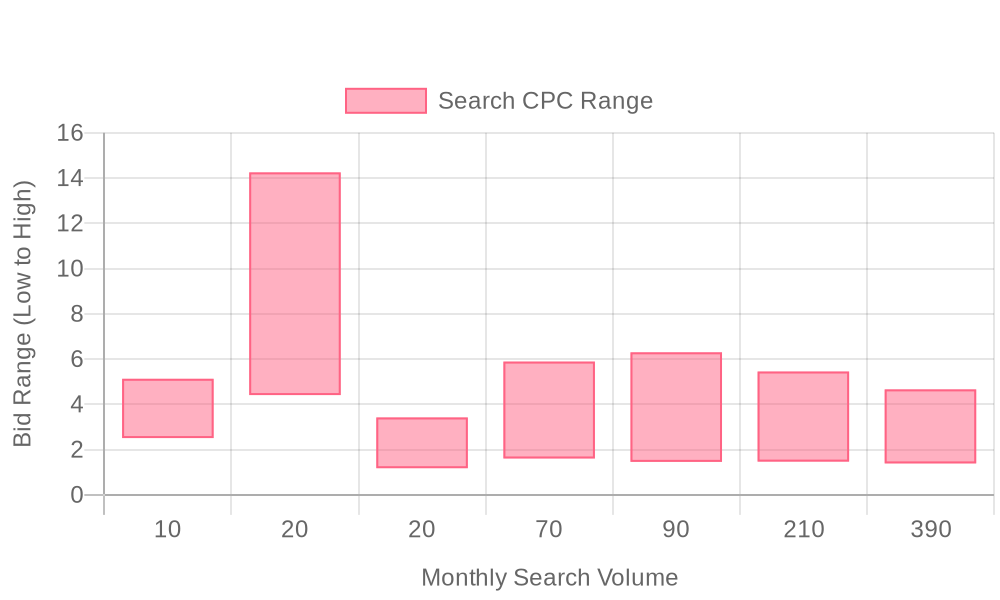
| Industry | Keyword | Monthly Search Volume | Competition Level | Low Bid | High Bid |
| Letterpress Printing Services | design your own letterpress invitations | 10 | HIGH | 2.51 | 5.13 |
| Letterpress Printing Services | letterpress business card printing | 20 | HIGH | 4.41 | 14.25 |
| Letterpress Printing Services | printing press wedding invitations | 20 | HIGH | 1.18 | 3.42 |
| Letterpress Printing Services | letterpress invitation printing | 70 | HIGH | 1.61 | 5.89 |
| Letterpress Printing Services | letterpress printing online | 90 | HIGH | 1.46 | 6.3 |
| Letterpress Printing Services | letterpress printing services | 210 | LOW | 1.47 | 5.45 |
| Letterpress Printing Services | letterpress printing near me | 390 | HIGH | 1.39 | 4.66 |
A precise keyword strategy drives the effectiveness of Google Ads for Letterpress Printing Services by ensuring your campaigns reach buyers ready to invest in premium, tactile print products. Focusing on high-intent search terms specific to letterpress enables your ads to stand out, reduce wasted spend, and attract leads with genuine interest in this specialized craft. For a comprehensive overview of how printing businesses can leverage Google Ads to attract new customers and boost sales, see this guide for printing businesses.
Start with keywords that closely match your core offerings, such as "letterpress wedding invitations," "custom letterpress business cards," and "luxury letterpress printing." These target terms capture searchers who already understand the value of artisanal print and are more likely to convert. Incorporate local modifiers for capturing demand in specific geographies, for example, "letterpress print shop near me," "San Francisco letterpress invitations," or "NYC custom letterpress." Explore more marketing strategies and insights to help you dominate regional searches where intent and urgency are often higher.
Negative keywords are essential for filtering out irrelevant clicks, which can quickly erode your budget in a niche market. Exclude broad or unrelated terms like "cheap printing," "digital printing," or "DIY letterpress kit" to ensure your ads are shown only to prospects with the right intent. Regularly update your negative keyword lists based on search term reports to keep traffic quality high and eliminate wasted spend.
To move beyond surface-level intent, leverage dynamic keyword strategies that adjust in real time as your audience moves through the funnel. As new visitor behaviors emerge, such as repeated visits to your portfolio or pricing pages, audience lists can update automatically, ensuring your ads target the most engaged prospects. Integrating visitor identification tools allows you to pinpoint which companies or decision-makers are expressing interest, enabling precise follow-up and remarketing efforts. This unification of keyword precision and real-time behavioral signals maximizes relevancy, improves lead quality, and ensures your marketing dollars are directed to the accounts most likely to convert. To see these strategies in action, get started for free with Sona.
Step-by-Step Campaign Execution Framework
A robust Google Ads strategy for letterpress printing services brings high-value opportunities directly to sales teams. By aligning each campaign phase with clear business objectives and leveraging actionable data, marketers can achieve immediate visibility, higher-quality leads, and measurable revenue impact. This approach prioritizes clarity, efficiency, and ongoing optimization for B2B teams ready to advance their letterpress advertising and digital marketing for printing services. For more strategies on maximizing marketing effectiveness, explore our blog insights.
Step 1: Build Targeted Keyword Lists
Effective keyword selection is the foundation of Google Ads for letterpress printing services. Start by clustering keywords based on the specific types of printing you offer, such as custom stationery, vintage invitations, or luxury packaging. This granular approach ensures your ads appear for users searching for exactly what you provide, improving both relevance and conversion rates. Expand reach by localizing keyword sets with city names or “near me” modifiers to connect with buyers who prioritize proximity and personal service.
For deeper market penetration, incorporate niche queries that reflect unique offerings, like special edition prints or personalized letterpress gifts. Filtering out irrelevant search traffic matters: negative keywords prevent wasted spend on users seeking digital or lower-end printing solutions. To generate effective ad targeting ideas and optimize your keyword lists, consult the Google Ads keyword planning documentation. Integrating Sona's Identity Resolution ensures high-intent website visitors can be recognized and nurtured with tailored ad experiences, making each keyword investment more accountable.
Step 2: Develop Compelling Ad Copy
Ad copy for letterpress print services must bridge the gap between technical expertise and emotional appeal. Address the most common pain points in the industry, such as difficulty finding authentic craftsmanship or reliable turnaround times. Clearly articulate your unique value propositions, handcrafted quality, premium materials, or rapid design proofs, so buyers know what sets your shop apart from digital competitors.
Trust matters more than usual in this trade, since buyers are committing to a process, not a product they can preview instantly. Back your claims with visible trust signals: certifications, trade association memberships, and client testimonials in the ad copy or ad assets themselves. Build urgency with real seasonal deadlines, wedding season proof deadlines or holiday card order cutoffs, rather than generic discounts, since letterpress buyers respond to timelines they already understand. Consistent messaging across channels keeps the brand experience unified from first click to final purchase. When audience data syncs into your ad platform in real time, you can update ad copy to reflect a lead's stage in the buying journey, making each touchpoint personalized and timely. For an overview of how printing businesses use Google Ads to attract customers, review this Google Ads for printing services guide.
Step 3: Design Effective Landing Pages
Landing pages for letterpress business growth must be tightly aligned with ad messaging for optimal conversion. Use headline and imagery continuity so visitors immediately recognize they’re in the right place. Segment landing pages for different services, such as wedding invitations, corporate folders, or art prints, to deliver a tailored experience to each buyer persona. Personalization extends to dynamic content blocks that speak directly to the visitor’s interests or industry, driving higher engagement and trust.
Maximize conversions with compelling calls to action and visible trust elements, such as real project galleries, video walkthroughs of your press process, or testimonials from recognizable clients. Connect your landing pages to your CRM or lead management platform, enabling automatic tracking of every inquiry and quote request. This integration provides full-funnel visibility, so sales teams can respond quickly to qualified leads and marketing can attribute each closed deal back to the original ad spend. Using advanced conversion tracking, both online and offline actions are captured, offering a complete view of Google Ads ROI for printing. If you’re ready to automate and optimize your sales pipeline, get started for free with Sona.
Step 4: Implement Data-Driven Optimizations
Ongoing optimization is the key to sustainable success in PPC for letterpress. Monitor every conversion action, from sample kit requests to final purchase, and use those insights to refine keyword targets, ad messaging, and budgeting strategies. Smart bidding tools can allocate spend towards the highest-converting segments, automatically adjusting bids in real time to maximize ROI.
Continuous A/B testing of ads and landing pages uncovers which creative assets resonate best with your target audiences. Use these learnings to inform not just advertising, but also broader content and engagement strategies across all digital channels. When your CRM and ad audiences update dynamically as leads progress through the funnel, you can retarget decision-makers with hyper-relevant offers or nurture early-stage prospects until they’re ready to buy. For a comprehensive guide to Google Ads best practices and campaign optimization, see this Google Ads best practices article. This closed-loop measurement framework enables B2B revenue teams to precisely attribute every sale, optimize every dollar spent, and drive scalable demand generation for letterpress print services.
Tips on Expanding Your Letterpress Printing Service Presence

Expanding your letterpress printing service requires a multi-pronged approach that maximizes reach, fosters authority, and uncovers new revenue streams. By leveraging data-driven tactics and cross-channel engagement, your business can transcend local saturation and tap into high-value audiences nationwide.
Promote educational content on multiple platforms to showcase your expertise and build trust with both creative professionals and business buyers. Webinars, step-by-step guides, and behind-the-scenes videos help demonstrate the craftsmanship of letterpress print services, while answering common questions about substrates, turnaround times, and customization. Sharing these resources on industry blogs and email newsletters increases brand authority and ensures your services are top-of-mind when decision-makers seek premium printing partners.
Upsell services by analyzing audience data from your campaigns and CRM. When you identify which segments are most likely to purchase add-ons, such as envelope liners, foil stamping, or bespoke packaging, tailor Google Ads for Letterpress Printing Services to promote bundled offers or exclusive design upgrades. Platforms that unify CRM and ad data make it easy to sync newly enriched audience segments into live campaigns, ensuring your offers reach the right buyers at the right time.
Partnering with industry associations and event organizers can extend your letterpress advertising reach. Collaborations with wedding planners, design schools, or luxury branding agencies open the door to referral traffic and co-branded content opportunities. Featuring your work in association newsletters or at trade events positions your business as a go-to resource for high-touch projects, which often leads to larger, recurring contracts.
Localizing campaigns for targeted regions is essential when aiming to win business from surrounding cities or states. Adjust your digital marketing for printing services with location-specific ad copy, local landing pages, and geo-targeted offers. As your campaigns run, leverage search query data to spot emerging trends, regional preferences, or new service requests. This intelligence should guide your next content topics, product offerings, and ad messaging, helping you stay a step ahead of market shifts.
With unified audience insights and real-time intent tracking, your team can dynamically shift budget toward campaigns that are attracting high-converting accounts. To see how advanced audience solutions can drive your growth, get started for free with Sona.
Beyond Google Ads: Winning the AI Answers Letterpress Printing Services Buyers Now Trust
Paid search captures demand at the moment someone types a query. But a fast-growing share of letterpress printing services buyers no longer start at Google at all, they ask ChatGPT, Gemini, or Perplexity before they ever run a search, and Google's own AI Overviews increasingly summarize an answer above the traditional results. If your business isn't referenced in those AI answers, you're invisible at the exact moment buyers build their shortlist.
Sona AI Visibility shows where your business shows up across ChatGPT, Gemini, Perplexity, Google AI Overviews, and 10+ engines, and, much like a keyword report, which prompts actually send you buyers, so you can prioritize the ones that convert. Run the two together and you cover the entire buyer path: get cited where buyers research (AI Visibility), then prove which of that demand turns into booked revenue (Marketing Measurement).
Helpful resources
Conclusion
Letterpress advertising works when the keyword list, the creative, and the measurement all point at the same buyer, someone who wants the specific texture and permanence of a pressed impression, not the cheapest print run available. The studios that win paid search treat every campaign as a filter for that buyer, not a megaphone for general awareness.
The next shift in buyer behavior is already underway: prospects are asking AI assistants for print recommendations before they ever open a search bar. Letterpress shops that get cited in those answers, and that can prove which of that traffic actually books a job, will set the pace for the category over the next few years.
Ready to see where your letterpress business stands, both in Google Ads and in AI answers? Start for free with Sona.
FAQ
What are the benefits of using Google Ads for letterpress printing services?
Google Ads increases online visibility and captures high-intent searchers looking for specialized print solutions, helping letterpress businesses drive significant growth by targeting prospects at the precise moment of need.
How can I create effective Google Ads for my letterpress business?
Create effective Google Ads by refining keyword targeting, aligning creative assets, and implementing ongoing campaign optimization to drive efficient lead acquisition and maximize ROI.
What budget should I allocate for Google Ads in the printing industry?
Allocate your Google Ads budget based on keyword value and expected conversion rates, monitoring key metrics like CTR, conversion rate, and cost per lead for adjustments.
What keywords should I target for letterpress printing services?
Target high-intent keywords like 'letterpress wedding invitations,' 'custom letterpress business cards,' and 'luxury print stationery,' using geographic modifiers for local targeting.
How do I measure the success of my Google Ads campaigns for letterpress printing?
Measure success by implementing advanced conversion tracking to capture both online actions and offline outcomes, tying ad spend to closed deals for true ROI visibility.







