


Identity verification providers live and die by speed: the compliance officer who searches "enterprise KYC solutions" at 4pm on a Tuesday is often ready to buy within the week, and Google Ads is the fastest way to be in front of them. But Google's own advertiser verification requirements, designed to keep the ad ecosystem trustworthy, add friction that this industry feels more than most. Skip a step and you risk having ads paused mid-campaign, missing exactly the high-value prospects who came looking for you. This guide walks through Google's verification requirements and how to build campaigns around them, so compliance work strengthens your pipeline instead of stalling it.
How to Generate Identity Verification Services Leads with Google Ads: A Step-by-Step Guide

Identity verification services operate in a highly regulated, trust-driven environment where every lead represents a significant opportunity. High-value prospects expect a seamless, relevant journey from ad click to conversion, so every touchpoint matters. Sona's Identity Resolution reveals which companies are visiting your site, even before they fill out a form, giving your team a head start on engaging qualified pipeline.
A campaign built on real user data and intent signals consistently outperforms those relying on intuition or broad targeting. Connecting the dots between ad interactions, website engagement, and CRM outcomes enables revenue teams to prioritize accounts with genuine buying intent, reducing wasted spend and accelerating lead capture. For a deeper dive into using intent data signals, explore how top B2B teams refine targeting and messaging.
- Data-Driven Approach: Start by analyzing historical paid search performance for patterns in lead quality and conversion velocity. Use that insight to refine bidding, segment by industry or company size, and identify which ad placements deliver leads ready to engage. With unified visitor identification and intent scoring, marketers can see which companies are landing on the site and reach out before a competitor does.
- Keyword Strategy: Focus on industry-specific keywords such as "enterprise KYC solutions," "business identity verification," or "AML compliance verification." Avoid generic terms like "ID check" or "verify identity," which tend to attract consumer traffic and inflate costs without delivering actionable leads. Precision keyword mapping, enhanced by real-time behavioral data, enables quick pivots as market demand shifts and new regulations emerge.
- Landing Page Alignment: Make sure every ad group drives to a landing page that mirrors the ad's promise and addresses the unique pain points of compliance officers, IT buyers, or risk managers. Consistency in messaging and value propositions reduces friction, increases trust, and boosts conversion rates. Dynamic content personalization, based on company profile and visitor intent, further elevates engagement and drives more qualified form fills.
- Performance Optimization: Continuous monitoring and adjustment are essential. Use real-time analytics to track which campaigns, ad groups, and keywords are generating pipeline, not just clicks. Integrating advanced conversion tracking, including offline attribution and revenue data, enables a full-funnel view of ROI. As leads progress, dynamic audience updates ensure only the most relevant prospects remain in retargeting pools, increasing efficiency and minimizing spend on unqualified users.
- Cross-Channel Integration: Successful lead generation rarely happens in a vacuum. Sync Google Ads data with CRM, marketing automation, and outbound channels to maintain cohesive messaging and avoid fragmentation. Audience enrichment and seamless data transfer keep both marketing and sales aligned, allowing for unified nurture sequences and timely follow-ups that increase the odds of closing high-value identity verification deals. For an overview of Google's advertiser verification program and compliance requirements, reference this Google advertiser verification guide.
Applying each step and unifying go-to-market data lets B2B teams drive precise, high-value lead generation in the identity verification services market while minimizing missed opportunities. Ready to transform your pipeline? Get started for free with Sona.
Why Google Ads Matter for Identity Verification Services Businesses
Identity verification service providers operate in a market where decision-makers perform urgent, high-intent searches when evaluating solutions. Google Ads enables these businesses to intercept demand at the moment a prospect is actively seeking a compliant, trustworthy provider. This direct access to intent-driven audiences dramatically increases the quality of leads compared to organic or passive channels.
- Complex Audience Targeting: Modern targeting capabilities allow identity verification companies to segment and reach buyers based on specific behaviors and criteria. Instead of broadcasting messages to anonymous users, marketers can identify companies and decision-makers visiting their website, ensuring ad spend focuses only on prospects showing genuine purchase signals. This level of granularity results in fewer wasted impressions and higher conversion rates.
- Rapid Demand Response: The nature of identity verification means prospects often have immediate needs, whether for regulatory compliance, new product launches, or risk mitigation. Google Ads gives providers the flexibility to adjust bids and messaging in real time, capturing in-market buyers before competitors do. Integrating visitor intent and engagement data further supports the ability to shift budget instantly to high-converting accounts, ensuring spend aligns with true demand peaks.
- Integration and Analysis: Connecting Google Ads with advanced analytics and CRM data helps unify digital touchpoints with offline conversions, such as sales consults or partnership requests. This seamless integration prevents lost attribution on multi-channel journeys and reveals upsell opportunities among existing customers. When new leads enter the funnel, dynamic audience features ensure they're nurtured with relevant messaging as they progress toward decision.
- Competitive Edge: Identity verification buyers often compare multiple vendors within a short window. By harnessing insights from buyer activity, such as content consumption, demo requests, or trial sign-ups, businesses can position their offering more precisely when prospects are ready to engage. Maintaining consistent messaging across channels, including retargeting and email, reinforces brand trust and helps win deals in a crowded marketplace.
Ready to capture high-intent leads and maximize campaign ROI? Get started for free with Sona.
Common Types of Google Ads Campaigns for Identity Verification Services

- Search Campaigns: Search campaigns allow identity verification providers to capture high-intent prospects at the precise moment they are searching for compliance solutions. By leveraging granular keyword targeting, teams ensure ads are only shown to users actively researching identity verification or regulatory requirements. Marketers can further amplify performance by integrating real-time visitor identification, enabling a shift of budget to keywords and audiences most likely to convert based on in-market behavior.
- Display Ads: Display campaigns maintain a persistent presence for verification services on industry-relevant websites, such as fintech news outlets, compliance blogs, or SaaS marketplaces. This omnichannel visibility strengthens brand recall and builds authority among compliance officers and procurement teams. Dynamic audience segmentation ensures ads stay in front of decision-makers as they move between research and evaluation stages, updating targeting as leads progress through the funnel. For more on effective audience strategies, explore our playbook library.
- Video Ads: Video campaigns offer an effective way to explain complex identity verification workflows and build trust with prospective clients. Educational video ads can break down intricate regulatory concepts, address common pain points, and highlight differentiation in service offerings. Conversion tracking can be optimized by attributing both online and offline actions, such as demo bookings or compliance consultations, back to specific video interactions for a holistic view of ROI. Learn how ad conversions can be tracked to maximize impact.
- Remarketing: Remarketing campaigns re-engage previous site visitors who may have started but not completed a verification inquiry or demo request. By analyzing visitor engagement and intent signals, marketers can craft personalized ads that address specific objections or next steps, moving prospects closer to conversion. Automated audience sync keeps remarketing lists current with CRM or sales data, ensuring outreach is relevant and timely.
- Performance Max: Performance Max campaigns let identity verification providers reach in-market buyers across Search, Display, YouTube, and Gmail from a single campaign, guided by conversion goals rather than manual channel-by-channel targeting. Feeding it clean conversion signals, such as demo requests or compliance consultations booked, lets the algorithm find pockets of demand a single-channel campaign would miss, particularly useful given how fragmented research behavior is in this category.
- Ad Assets: Ad assets (formerly known as extensions) enhance text ads with additional information such as verification process steps, compliance credentials, or customer testimonials. These assets increase ad visibility and reinforce trust, directly addressing concerns that can cause audience drop-off during the research phase. Connecting real-time CRM insights lets teams tailor assets to the prospect's stage in the buying journey, driving higher engagement and qualified lead volume. For an official overview of Google's advertiser verification program, review this Google support resource.
Where to Find Growth Opportunities?

Growth in the identity verification sector depends on precision targeting and continuous adaptation to industry shifts, such as new KYC/AML rules or a competitor's pricing change. Revenue teams need actionable insight, not just more data, to find and act on high-value demand in this specialized market. Sona's Identity Resolution reveals which companies are visiting your site and their engagement intent, while the Sona blog offers ongoing strategies for B2B growth.
- Vertical Keyword Targeting: Focusing on granular, industry-specific keywords transforms broad search activity into qualified pipeline. For identity verification services, targeting terms like "real-time KYC solutions" or "enterprise ID authentication platforms" attracts prospects who are actively seeking compliance-driven solutions. By analyzing search intent and segmenting by verticals such as fintech, healthcare, or e-commerce, marketers can prioritize budget on keywords that directly correlate with sales-qualified leads. Explore vertical targeting strategies and optimize campaign relevance by building real-time audience segments.
- Competitor Analysis: A robust competitor review uncovers missed opportunities and informs campaign pivots. Tracking which keywords and ad placements competitors are investing in reveals market gaps, underutilized content themes, and messaging strategies that resonate with your shared audience. Integrating intent data signals and visitor identification allows revenue teams to see which accounts engage with competitor campaigns, enabling timely outreach and increasing win rates. For a community perspective on verification processes, see this Reddit discussion on Google Ads verification.
- Content Retargeting: Educational content, whitepapers, webinars, or compliance guides, serves as a catalyst for ongoing engagement. Retargeting visitors who engage with this content ensures that high-intent prospects remain in your nurture stream. Dynamic audience segmentation, powered by real-time funnel movement, keeps campaigns relevant as leads progress from research to purchase consideration. Syncing CRM and ad platforms with Sona Destinations streamlines this process, reducing leakage and boosting conversion rates.
- Industry-Specific Placements: Placing ads on platforms frequented by C-suite and security decision-makers focuses spend on the highest-value prospects. Leveraging advanced attribution, teams can track which placements drive both online and offline conversions, optimizing media budgets for true ROI. By enriching ad audiences with first-party data and ongoing engagement signals, marketers ensure that campaigns reach both known buyers and anonymous stakeholders showing purchase intent.
How to Apply Audience Segmentation for Identity Verification Services

Segmenting audiences for identity verification services requires precise alignment with the diverse needs of B2B buyers. Successful segmentation ensures marketing resources target the right decision-makers, leading to higher pipeline velocity and stronger deal quality. To learn more about driving predictable revenue through segmentation, explore our overview of revenue operations.
- Define Segments: Identity verification platforms serve a range of organization types: fintechs, SaaS companies, regulated enterprises, and e-commerce giants. Segmenting by industry, company size, and compliance requirement prevents generic messaging and missed sales opportunities. Financial institutions may seek KYC compliance, while SaaS startups prioritize frictionless onboarding. Unifying first-party CRM and web engagement data ensures segment definitions reflect real buying behavior, not just static firmographics. Sona's Identity Resolution reveals which companies and individuals are visiting your website, even if they don't fill out a form.
- Overlay Intent Signals: Real-time intent data turns audience segmentation from a static exercise into a dynamic growth lever. By tracking which companies actively research verification topics or engage with high-value content, teams can prioritize in-market buyers over passive audiences. Behavioral signals, such as pricing page visits or demo requests, let campaign budgets shift toward accounts most likely to convert. Sona surfaces intent signals so you can create and track custom behavioral triggers, identifying your most engaged prospects in real time.
- Ad Group Customization: Tailoring ad creative and offers to each segment drives relevance across the funnel. For example, ads targeting enterprise compliance officers emphasize regulatory coverage, while campaigns for SMB founders highlight fast implementation. Dynamic audience syncing ensures as prospects move from awareness to consideration, messaging and retargeting sequences evolve accordingly. To learn more about the Google Ads verification process, consult this step-by-step overview. Marketers seeking to build hyper-personalized segments can activate real-time audience data for precise targeting across platforms.
- Conversion Path Validation: Ensuring every segment has a clear, frictionless path to conversion is essential. Syncing enriched lead and account data directly between CRM and Google Ads guarantees that high-fit prospects receive personalized follow-up, preventing valuable leads from slipping through the cracks. With robust attribution, revenue teams validate which segments and touchpoints drive qualified pipeline, allowing for continuous optimization and accurate measurement of ROI. For strategies to measure marketing's impact, review methods for quantifying marketing's influence.
This is also where measurement changes the economics. Sona Marketing Measurement identifies the companies behind your ad clicks, not just anonymous sessions, and segments audiences by which accounts actually become customers. That lets you build bid adjustments and audience signals around the segments that convert and de-prioritize the ones that don't, so you feed Google's algorithms "this click became a paying identity verification services customer" instead of just "someone filled out a form."
Keyword Strategy & Sample Target Terms
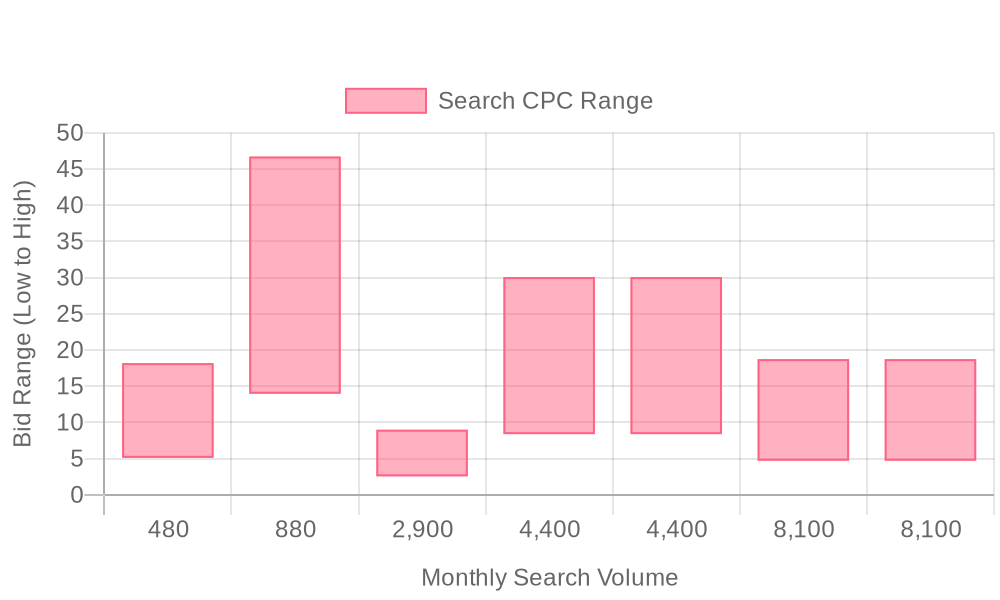
| Industry | Keyword | Monthly Search Volume | Competition Level | Low Bid | High Bid |
| Identity Verification Services | jumio id verification | 480 | MEDIUM | 5.11 | 18.19 |
| Identity Verification Services | id verification software | 880 | LOW | 13.97 | 46.72 |
| Identity Verification Services | id check | 2900 | MEDIUM | 2.56 | 9 |
| Identity Verification Services | identity verification services | 4400 | LOW | 8.39 | 30.08 |
| Identity Verification Services | id verification service | 4400 | LOW | 8.39 | 30.08 |
| Identity Verification Services | id verification | 8100 | LOW | 4.72 | 18.75 |
| Identity Verification Services | identity verification | 8100 | LOW | 4.72 | 18.75 |
Identity verification services operate in a digital landscape where trust and compliance are paramount. Reaching decision-makers at the right moment requires a nuanced keyword strategy that targets professionals actively seeking solutions, while efficiently filtering out low-intent traffic. Leveraging precise audience intelligence ensures campaigns are always focused on your ideal buyer.
- Google Ads Identity Verification Process: Focus campaigns on keywords that map directly to each stage of the verification journey. Targeting terms like "Google Ads identity verification," "Google Ads verification process," and "Google Ads verification deadline" ensures visibility among users researching requirements, preparing documentation, and seeking step-by-step guidance. For a comprehensive overview of the verification process, review the Google's advertiser verification program.
- Secondary Keywords: Integrate terms such as "Google Ads verification requirements," "identity verification for digital advertising," and "Google Ads verification for businesses" to capture broader research queries. These keywords support educational content that informs and nurtures potential buyers early in their evaluation, establishing brand authority and trust through valuable marketing resources.
- Negative Keywords: Proactively exclude queries unrelated to purchasing or implementing identity verification, such as "free Google Ads verification tips" or "Google Ads verification issues forum." This filtering reduces wasted spend and directs budget toward leads with commercial intent, improving efficiency and campaign ROI.
- Intent Mapping: Align keyword groups to each stage of the funnel. High-intent terms, such as "Google Ads verification solution for enterprise," are reserved for lower-funnel campaigns targeting purchase-ready organizations. Informational queries support top- and mid-funnel efforts, nurturing prospects until they signal readiness to convert. To track each engagement and milestone, use Sona Buyer Journeys for actionable funnel optimization.
Integrating CRM and ad platform data lets marketers build dynamic keyword lists and audience segments that adapt in real time as prospects move through the funnel, so spend keeps targeting the most relevant accounts at every stage.
Step-by-Step Campaign Execution Framework
Step 1: Build Targeted Keyword Lists
Effective keyword selection in identity verification services requires more than just basic short-tail phrases. Clustering keywords by specific service offerings and verification types, such as "business identity authentication" or "KYC compliance solutions," ensures campaigns align with high-intent queries. Segmenting by vertical lets teams prioritize resources where demand is strongest, while integrating local and long-tail modifiers (e.g., "online identity verification for banks in Texas") captures niche market segments often overlooked by broader competitors. For a deeper dive on structuring keyword lists for B2B, explore this guide on calculating TAM, SAM, and SOM for strategic growth.
A robust keyword list also uses negative filters to exclude irrelevant search traffic, refining intent and reducing wasted spend. Leveraging Sona Identification, marketers can pinpoint both anonymous and known companies frequenting their website, then build keyword clusters around real buyer interests. This approach ensures that campaigns surface for high-value, in-market accounts and exclude generic or unqualified inquiries, increasing the likelihood of quality conversions.
The upgrade most identity verification services advertisers miss is going beyond raw keyword volume to layer in intent and identity signals. By connecting website-visitor data and CRM records with Sona Marketing Measurement, you can see which specific search terms bring in the accounts and customers that actually convert, and weight your keyword and bidding strategy toward those rather than the terms with the highest search volume alone.
Step 2: Craft Resonant Ad Copy
Ad copy for identity verification services must directly address the challenges faced by target personas, such as compliance risk, onboarding delays, or fraud prevention. Highlighting verifiable credentials and certifications within the copy builds immediate trust and demonstrates regulatory alignment, a key differentiator in a category where credibility is paramount. For requirements on verification and compliance, check this overview of Google's advertiser verification program. Incorporate urgency triggers rooted in industry trends, like new compliance deadlines, to prompt faster action from decision makers.
Dynamic audience insights can inform messaging variations, ensuring ad creative adapts as prospects move through the funnel or as their intent signals shift. By syncing enriched data from CRM and web activity, marketers can serve hyper-relevant ads to repeat visitors or retarget in-market leads with messaging that answers their latest pain points. This not only increases engagement but also accelerates the buyer journey by maintaining message consistency across touchpoints.
Step 3: Design High-Converting Landing Pages
Landing pages for identity verification campaigns must deliver a seamless experience from ad click to conversion. Consistent messaging and visual cues reassure visitors they're in the right place, reducing drop-off and boosting trust. Integrating conversion tools, such as trust badges, customer testimonials, or compliance seals, directly addresses skepticism, critical for prospects evaluating sensitive verification solutions. For a practical walkthrough, see this step-by-step overview of the Google Ads verification process.
Advanced buyer journeys tracking follows visitor journeys from ad click through to offline conversions, providing a holistic view of ROI by tying ad spend to actual revenue outcomes. When landing page forms are pre-populated with data from unified customer profiles, friction drops and conversion rates rise. Real-time intent data enables teams to adapt CTA placement, content blocks, or offers based on live visitor segments, increasing relevance and boosting lead quality.
Step 4: Optimize Continuously With Real-Time Insights
Optimization in identity verification campaigns hinges on the ability to track conversions accurately, segment by buyer stage, and pivot quickly as trends emerge. Sophisticated platforms enable marketers to monitor both online and offline conversions, tying ad engagement directly to closed deals or pipeline value. This granular attribution uncovers which keywords, ad groups, and audiences drive the highest ROI. For actionable strategies, review these methods for measuring marketing's influence on the sales pipeline.
Smart bidding strategies can be dynamically adjusted based on Sona's Ad Conversions, letting teams shift budget toward high-converting accounts while suppressing spend on low-intent segments. Automated audience updates, triggered by shifts in lead stage or engagement, keep retargeting aligned with pipeline movement. Syncing CRM and ad platform data in real time lets marketers deploy new creative, update offers, or pause underperforming segments without lag.
Sona Marketing Measurement closes the gap between clicks and revenue. It captures ad clicks with first-party measurement, ties them through UTM parameters and ad-platform APIs to the actual record in your CRM, and reports ROAS by keyword and campaign instead of by last-click form fill. Feeding that revenue signal back into Smart Bidding and Performance Max compounds over time: the algorithms optimize toward booked identity verification services revenue, not cheap leads.
Tips on Expanding Your Identity Verification Services Presence

Expanding your presence in the identity verification services market means more than just increasing ad spend; it demands a multi-channel strategy tailored to engage and convert high-value prospects. Focusing on practical, data-driven tactics helps revenue teams reach targeted audiences, establish authority, and drive measurable growth in a highly regulated space. Explore more strategies in our B2B marketing blog.
- Cross-Promote Assets: Engage audiences by retargeting visitors who have interacted with educational webinars, whitepapers, or compliance guides. Using advanced platforms to identify both companies and key decision-makers, marketers can personalize messages and re-engage users across Google Ads and other channels, turning initial interest into actionable leads.
- Localized Targeting: Enhance your reach by segmenting campaigns at the state or metro level to reflect local compliance needs or regulatory updates. By syncing CRM and enriched audience data, teams ensure their ads are shown to the right business segments based on geography, improving both relevance and conversion rates.
- Partnerships: Establish referral links and content exchanges with industry partners such as fintech providers or compliance consultants. This symbiotic approach not only extends your reach but also drives high-quality traffic from trusted sources, often pre-verified by partner platforms, supporting downstream qualification and conversion tracking.
- New Content Topics: Identify trending issues in verification services, such as new regulatory requirements or emerging fraud tactics, and create timely, authoritative content. By analyzing real-time search and intent data, teams can quickly produce resources that answer urgent industry questions, positioning their brand as a go-to resource while generating traffic primed for conversion.
Each tactic above benefits from unified data and real-time insights. Integrating solutions that pinpoint visitor identities, update audiences dynamically as leads progress, and sync engagement data directly into ad platforms and CRMs empowers revenue teams to optimize spend, tailor messaging, and close the loop on ROI. Aligning these efforts with Google's advertiser verification program and intent signals ensures that every campaign is both compliant and high-performing. If you're ready to streamline your identity verification marketing, get started for free with Sona.
Beyond Google Ads: Winning the AI Answers Identity Verification Services Buyers Now Trust
Paid search captures demand at the moment someone types a query. But a fast-growing share of identity verification services buyers no longer start at Google at all, they ask ChatGPT, Gemini, or Perplexity before they ever run a search, and Google's own AI Overviews increasingly summarize an answer above the traditional results. If your business isn't referenced in those AI answers, you're invisible at the exact moment buyers build their shortlist.
Sona AI Visibility shows where your business shows up across ChatGPT, Gemini, Perplexity, Google AI Overviews, and 10+ engines, and, much like a keyword report, which prompts actually send you buyers, so you can prioritize the ones that convert. Run the two together and you cover the entire buyer path: get cited where buyers research (AI Visibility), then prove which of that demand turns into booked revenue (Marketing Measurement).
Helpful resources
Conclusion
Google Ads verification isn't a compliance box to check once and forget. It's an operating condition for reaching identity verification buyers who are actively comparing vendors under real deadlines, whether that's a new AML rule taking effect or a fintech's board asking for a KYC vendor by quarter's end.
The providers pulling ahead are pairing verified, compliant campaigns with tighter measurement, so every dollar spent chasing a compliance officer's search is judged by whether it produced a signed contract, not just a form fill. That's the next competitive line in this category: not who spends more, but who can prove which keyword, ad, and audience actually closed.
See how Sona connects your Google Ads spend to closed identity verification revenue, not just leads.
FAQ
What is the purpose of identity verification in Google Ads?
The purpose of identity verification in Google Ads is to enhance transparency and maintain the integrity of the advertising ecosystem, ensuring that high-value prospects are tracked promptly to prevent missed opportunities and potential sales loss.
How does the Google Ads verification process work?
The Google Ads verification process involves adhering to specific protocols and requirements to ensure compliance and transparency, enhancing trust with audiences and preventing ad disruptions.
What are the consequences of not completing Google Ads verification?
Failing to complete Google Ads verification can lead to missed high-value prospects, impacting potential sales and causing disruptions in ad performance.
What documents or information are required for Google Ads verification?
The specific documents or information required for Google Ads verification are not detailed in the article. However, it suggests referencing Google's advertiser verification guide for compliance requirements.
How long does it take to complete Google Ads verification?
The article does not specify a time frame for completing Google Ads verification.
Can I advertise on Google without completing verification?
The article implies that completing verification is necessary to avoid ad disruptions and maintain access to high-value prospects.
What happens if I fail Google Ads verification?
If you fail Google Ads verification, it may result in missed high-value prospects and potential disruptions in your advertising efforts.
How does Google Ads verification affect my ad performance?
Completing Google Ads verification helps ensure that your ads are not disrupted and that you can effectively track high-value prospects, enhancing ad performance.
Is there a deadline for Google Ads verification?
The article does not specify a deadline for Google Ads verification but suggests that failing to adhere to verification protocols can impact ad performance.
What are the benefits of completing Google Ads verification?
Completing Google Ads verification builds trust with your audience, prevents ad disruptions, and ensures high-value prospects are tracked promptly, maximizing potential sales.







