


Identification card providers rarely lose deals because a prospect never visited the site. They lose deals because that visit went unrecorded, a compliance officer researches badge vendors for a week, compares vendors quietly, and leaves no trace in the CRM until, if ever, a form gets filled out. Google Ads can close that gap: it identifies and engages decision-makers at the moment they're evaluating secure ID solutions, so ad spend tracks real buying committees instead of anonymous traffic, and marketing can finally show its work in revenue terms.
How to Generate Identification Card Services Leads with Google Ads: A Step-by-Step Guide

In the identification card services industry, every anonymous website visitor is a potential high-value lead. Revenue-focused teams can now use Sona's Identity Resolution to reveal which companies and people are visiting their site, even if they don't fill out a form, automatically surfacing qualified opportunities for sales and marketing.
Modern identification card services marketing relies on much more than impressions and clicks. By integrating data-driven strategies with advanced ad platforms, marketers achieve better audience segmentation, tighter campaign alignment, and higher conversion rates. For hands-on guidance, explore practical tips in the Sona blog to transform your ad campaigns into scalable lead-generation engines.
Google Ads lets identification card services move beyond generic targeting by identifying website visitors, mapping intent signals, and building dynamic audience lists. As leads progress through the funnel, enriched audience data and real-time behavioral cues shift spend toward accounts researching badge systems, credentialing platforms, or compliance-driven ID rollouts. Marketers can retarget those decision-makers and sync qualified leads directly into their CRM, creating a seamless handoff from ad click to sales outreach.
Adhering to Google Ads policy compliance and verification requirements is essential, especially for regulated services like identification cards. Completing Google’s advertiser verification process and submitting the correct documents not only ensures campaign continuity but also builds trust with prospective buyers. These steps enable identification card service providers to maintain transparency, align with ad compliance for identification services, and maximize campaign reach and efficiency. To streamline your lead generation efforts, you can get started for free with Sona and see how easy it is to connect ad performance with pipeline growth.
Why Does Google Ads Matter for Identification Card Services

Identification card providers deal with long procurement cycles, strict compliance requirements, and buyers who often only surface once they've already narrowed their shortlist. Reaching decision-makers at the moment they're searching for secure, compliant solutions, often triggered by a badge system renewal, a new campus rollout, or an audit finding, is critical to winning business in this sector.
Google Ads lets these businesses capture demand as it emerges, capitalizing on intent signals that indicate a prospect is ready to purchase or inquire. By tracking digital touchpoints, search, display, and retargeting, marketers gain granular insight into the path from initial interest to offline contract, so resources focus on the right accounts. For more on Google's requirements, see this overview of Google's advertiser verification program, and for tactics, our marketing analytics blog.
The industry's buyers are rarely a single persona: HR departments, university registrars, hospital security offices, and government agencies all evaluate ID solutions differently, and each requires distinct messaging. Traditional web analytics leave most of this traffic anonymous, making it hard to prioritize outreach. Modern platforms now enable visitor identification, letting teams pinpoint which organizations land on a site and align ad spend accordingly.
Company-level identification paired with intent data changes how identification card services allocate budget. Marketers can recognize when an organization is actively researching ID solutions and shift spend toward accounts most likely to convert. This approach cuts wasted impressions and shortens deal cycles by keeping campaigns aligned with high-value prospects.
Ultimately, integrating digital and offline sales data provides a complete view of every conversion, from ad click to signed agreement. This unified perspective is essential for accurate attribution, continuous optimization, and demonstrating ROI in a competitive, procurement-driven market. Ready to see how this works in practice? Get started for free with Sona.
Common Types of Google Ads Campaigns for Identification Card Services

- Search Campaigns: Search campaigns target high-intent queries from individuals or businesses actively seeking identification card services, terms like "corporate ID badge system" or "employee ID card printing near me" that signal an active procurement need rather than idle browsing. Because these searches often spike around fiscal-year budget cycles, new-hire onboarding waves, or compliance deadlines, precise keyword targeting and timely ad copy matter more than broad reach. Integrating CRM data lets marketers refine keywords and messaging based on actual buyer profiles, using tools that identify companies visiting your site and their specific interests.
- Display Campaigns: Display ads drive brand reinforcement across relevant industry websites, keeping identification card services top of mind for potential buyers throughout their research phase. Visual creatives can highlight unique selling points, such as secure personalization or rapid delivery, which are central to B2B decision making. Programmatic audience segmentation, powered by real-time intent signals, ensures display creatives reach those progressing through the funnel, rather than disinterested traffic.
- Video Campaigns: Video campaigns provide a high-impact way to educate and engage audiences with complex offerings, such as biometric authentication or multi-site access management. Short explainer videos, testimonials, or product demos can simplify the buying process and boost trust. Marketers can track which companies view and engage with these assets, allowing for dynamic follow-up via customized email campaigns or retargeting sequences.
- Remarketing Campaigns: Remarketing reconnects with previous site visitors who may have shown interest but did not convert, utilizing custom segments based on user behavior. Dynamic audience lists update as leads take key actions, ensuring follow-up ads reflect current needs and intent. Integration with your sales pipeline enables personalized ad sequencing and prioritizes spend on accounts showing genuine purchasing signals.
- Ad Assets: Ad assets, such as callouts, sitelinks, and structured snippets, add credibility and increase engagement by highlighting certifications, customer reviews, or fast application processes. Assets can be tailored to match each audience segment, ensuring that decision-makers see the most relevant proof points. Syncing asset content with CRM and recent buyer data helps maintain message consistency across all touchpoints, which is essential for regulated identification services.
Modern digital marketing for identification services relies on unified data to ensure campaign messaging is relevant and timely. By connecting CRM, intent, and engagement data, marketers build a seamless journey from the first search to final conversion, minimizing confusion and maximizing results. For a detailed overview of Google Ads’ advertiser verification program, review these compliance requirements. To see how unified data can power your campaigns, get started for free with Sona.
Where to Find Growth Opportunities

Growth in the identification card services sector hinges on identifying overlooked market segments and capitalizing on trends before competitors react. Teams who harness granular data and advanced analytics uncover gaps that remain invisible with surface-level research, enabling precision in campaign planning and budget allocation.
Analyzing search intent data and competitor ad placements reveals untapped keyword clusters and underserved niches. By leveraging dynamic audience insights, marketers can quickly pivot campaigns to align with real-time demand signals, ensuring high-value accounts receive targeted content when they are most receptive.
- Specialized Keyword Research: Using advanced tools, uncover long-tail and industry-specific keywords that competitors have not fully optimized. These terms, when deployed in targeted campaigns, capture high-intent traffic looking for identification card issuance, secure ID solutions, or compliance services. For more strategies, explore our B2B marketing reports guide.
- Strategic Content Retargeting: Reinforcing brand presence through retargeting drives repeat engagement from warm prospects. Sophisticated platforms enable marketers to identify previously anonymous visitors and segment them based on behavior, serving personalized ads across channels to improve both recall and conversion rates.
- Competitor Gap Analysis: Deep analysis of competitor activity reveals where they may be underinvested. For example, reviewing ad copy, frequency, and landing pages highlights areas to outperform with more relevant offers or clearer value propositions. Learn how to use intent signals for sales outreach.
- Audience Sync and Activation: Unifying CRM, website, and ad platform data delivers real-time updates to audience lists. This ensures that as leads progress, only the most relevant prospects see tailored offers, maximizing both reach and efficiency in digital marketing for identification services with seamless data activation.
- Ad Verification and Compliance: Staying ahead of Google Ads verification requirements is essential for uninterrupted campaign performance. By proactively managing documentation for Google Ads verification for businesses, identification card service providers avoid costly ad pauses and maintain trust through transparent, policy-compliant messaging.
Identifying these growth opportunities and executing with precision gives B2B identification card providers a measurable edge in a highly regulated, competitive landscape. Ready to accelerate growth? Get started for free with Sona.
How to Apply Audience Segmentation for Identification Card Services

Precise audience segmentation is the foundation for impactful digital marketing in identification card services. B2B teams that define, enrich, and activate distinct customer groups consistently outperform broad campaigns, reducing wasted spend and increasing marketing-qualified lead rates. Learn more about segmenting and syncing your real-time audiences for dynamic, personalized outreach.
Start by differentiating core client segments: government agencies require strict compliance and audit trails, while corporate clients look for scalable issuance and integration capabilities. Overlay these segments with intent signals such as regulatory deadlines, recent RFP activity, or compliance framework searches. Leveraging intent signals ensures your message reaches stakeholders at the right moment, see how you can track custom intent signals to further refine your approach.
For each segment, develop dedicated ad groups that reflect unique value propositions, messaging, and calls to action. Syncing enriched audience data between your CRM and Google Ads enables advanced conversion tracking, capturing both digital and offline touchpoints, critical when procurement processes span multiple channels. Review Google’s advertiser verification requirements to ensure your campaigns remain compliant during segmentation and targeting.
Validate your segmentation strategy by testing conversion paths for each group. Monitor engagement and refine based on which paths result in completed applications, demo requests, or documentation downloads. With unified data and real-time audience sync, identification card providers can personalize outreach, improve ad relevance, and accelerate deal cycles. For deeper strategies, explore our retargeting playbook to reinforce brand messaging and nurture prospects across the funnel.
Ready to put segmentation into action? Get started for free with Sona.
This is also where measurement changes the economics. With Sona Marketing Measurement you can identify the companies behind your ad clicks, not just anonymous sessions, and segment audiences by which accounts actually become customers. That lets you build bid adjustments and audience signals around the segments that convert and de-prioritize the ones that don't, so you feed Google's algorithms "this click became a paying identification card services customer" instead of just "someone filled out a form."
Keyword Strategy & Sample Target Terms
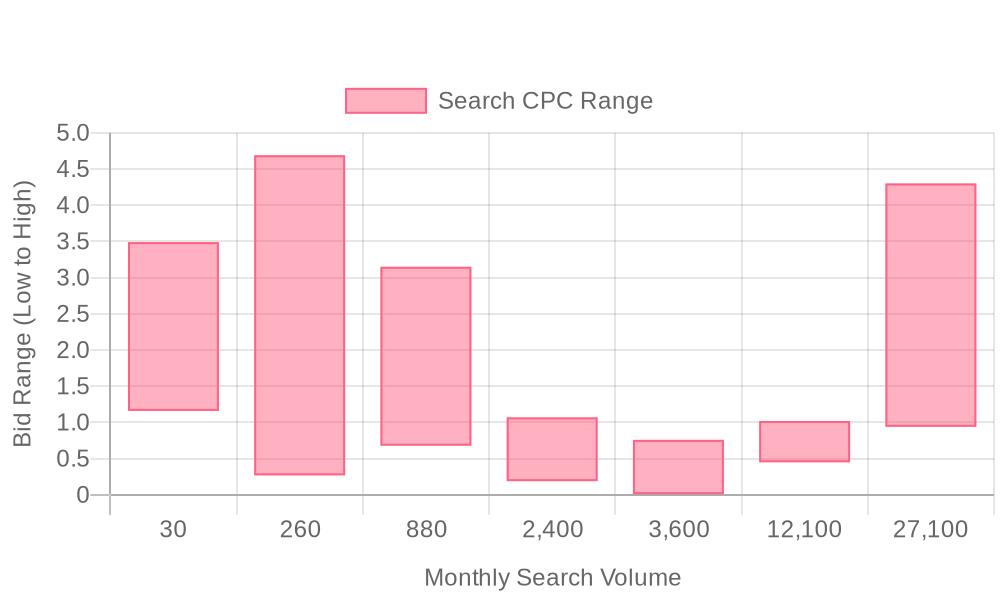
| Industry | Keyword | Monthly Search Volume | Competition Level | Low Bid | High Bid |
| Identification Card Services | identification card services | 30 | LOW | 1.16 | 3.49 |
| Identification Card Services | real id verification | 260 | LOW | 0.27 | 4.69 |
| Identification Card Services | photo id card | 880 | MEDIUM | 0.68 | 3.15 |
| Identification Card Services | id replacement online | 2400 | LOW | 0.19 | 1.07 |
| Identification Card Services | dmv id card | 3600 | LOW | 0.01 | 0.76 |
| Identification Card Services | dmv id replacement | 12100 | LOW | 0.45 | 1.02 |
| Identification Card Services | id card | 27100 | LOW | 0.94 | 4.3 |
Effective digital marketing for identification card services starts with building a keyword strategy that targets intent-driven, high-value prospects. Businesses in this sector operate in a competitive space where generic traffic can quickly exhaust budgets without generating meaningful leads. For more insight on structuring your campaigns, explore our marketing analytics blog.
Prioritizing terms like "Identification Card Services near me," "corporate ID card printing," and "secure identification card solutions" ensures campaigns reach audiences searching for specific services rather than broad, unrelated queries. Integrating negative keywords such as "free templates," "DIY ID cards," and "school project" further filters out unqualified clicks, safeguarding ad spend and improving lead quality. A full overview of Google Ads’ advertiser verification requirements is available here.
Strategic keyword grouping is essential for campaign structure. Organize keywords into tightly themed ad groups based on service type, location, or client segment, which boosts Quality Score and ad relevance. This approach reduces wasted impressions and increases the likelihood that ads appear for high-intent searches.
Using visitor identification, B2B marketers can pinpoint which keyword themes attract actual buying committees versus casual browsers. Dynamic audience enrichment ensures that as leads progress through the funnel, keyword targeting evolves to match their intent and readiness. By monitoring real-time audience behavior, marketers can shift budget allocation toward keyword groups that drive conversions and higher ROI, consistently optimizing performance for identification card services.
To see how advanced identification and segmentation can improve your campaigns, get started for free with Sona.
Step-by-Step Campaign Execution Framework
Step 1: Build Targeted Keyword Lists
Effective campaign execution for identification card services begins with highly granular keyword research. Segment your keyword lists by specific service types, such as employee badges, student IDs, or government identification, and pair these with geographic modifiers to zero in on your core audience. This approach ensures your ads only reach users actively searching for relevant identification solutions within your service area.
Leveraging unified go-to-market data enables marketers to move beyond guesswork. By identifying not only the keywords driving traffic but also the companies and decision-makers behind those searches, teams can focus spend on the highest-value prospects. Real-time audience enrichment helps you keep keyword lists and targeting strategies aligned with shifting demand and company intent. To reveal which companies and people are visiting your website, even if they don’t fill out a form, explore Sona Identification. For additional insights on building audience segments, see Sona’s Audiences tool.
The upgrade most identification card services advertisers miss is going beyond raw keyword volume to layer in intent and identity signals. By connecting website-visitor data and CRM records with Sona Marketing Measurement, you can see which specific search terms bring in the accounts that actually convert, then weight your keyword and bidding strategy toward those instead of the terms with the highest search volume alone.
Step 2: Craft Compelling Ad Copy
High-performing ad copy for identification services speaks directly to the urgent needs of your target audience: compliance, security, and fast turnaround. Use concise, benefit-driven language to address specific pain points and demonstrate how your service addresses regulatory and operational requirements. Highlight time-sensitive offers or streamlined processes to encourage immediate action.
Data-driven segmentation allows you to tailor messaging by segment or funnel stage. For example, if your platform syncs CRM-enriched audiences into your ad campaigns, you can dynamically adjust copy to reflect the decision-maker’s role or industry. This level of personalization increases engagement and amplifies conversion rates, turning ad impressions into qualified leads. For more actionable tactics, browse our marketing playbooks.
Step 3: Design Mobile-Optimized Landing Pages
Landing pages for identification card services must be mobile-first, with clear calls to action and frictionless navigation. Prioritize fast load times, concise messaging, and prominent contact or order forms to reduce drop-off and maximize conversions. Align landing page content with your ad messaging to maintain relevance and trust.
Integrating offline conversion data and visitor identification tools bridges the gap between digital engagement and real-world sales outcomes. By capturing both online and offline signals, you can attribute revenue back to specific campaigns, keywords, and audience segments, providing a holistic view of campaign performance and true ROI. Learn more about connecting offline and online attribution by reading our guide to offline attribution. For a technical overview of ad conversion tracking, see Google’s advertiser verification program.
Step 4: Optimize with Data-Driven Insights
Continuous optimization is essential for identification card services facing diverse audiences and compliance demands. Implement smart bidding strategies and run A/B tests to refine ad copy, keyword targeting, and bid adjustments. Incorporate offline conversion data into your bidding algorithms to ensure you're optimizing for actual revenue rather than just clicks or form fills.
Advanced conversion tracking and CRM sync capabilities allow you to update audiences in real time as leads progress through your sales funnel. This ensures that retargeting campaigns, upsell initiatives, and audience exclusions are always based on the most current data, resulting in higher efficiency and lower wasted spend. For more on refining your approach, review our playbook on intent-driven retargeting. If you’re ready to see these strategies in action, get started for free with Sona.
Sona Marketing Measurement closes the gap between clicks and revenue. It captures ad clicks with first-party measurement, ties them through UTM capture and ad-platform APIs to the actual record in your CRM, and reports ROAS by keyword and campaign instead of by last-click form fill. Feeding that revenue signal back into Smart Bidding and Performance Max compounds over time: the algorithms optimize toward booked identification card services revenue, not cheap leads.
Tips on Expanding Your Identification Card Services Presence
Expanding the reach of identification card services requires a precise mix of digital tactics and industry partnerships. Leading providers achieve greater brand visibility by integrating education, data insights, and localized efforts into their marketing strategies. For more on optimizing marketing performance, explore our marketing analytics blog.
- Leverage educational content: Publishing authoritative guides on compliance, identity verification, and digital onboarding positions your business as an industry resource. Advanced campaign platforms support content-driven demand generation by pinpointing which topics drive the highest engagement, allowing teams to refine their editorial calendar based on in-market search data. To understand advertiser verification requirements, review Google’s advertiser verification program.
- Form strategic partnerships: Collaborating with professional associations and regulatory bodies can unlock high-value referral traffic. These alliances not only strengthen credibility but also create a pipeline of pre-qualified leads, particularly when combined with CRM-integrated ad platforms that allow for real-time syncing of lead and audience data across paid channels. Sona’s Destinations makes it easy to automatically sync high-quality audience and intent data directly into your CRM and ad platforms.
- Enhance localization tactics: Tailoring campaigns to specific regions or regulatory jurisdictions boosts relevance for government agencies, universities, and enterprises seeking ID solutions. Geotargeting features within ad platforms enable tight audience definitions, while visitor identification tools surface intent signals from organizations researching localized card solutions.
- Analyze search and intent data: Regularly mining platform analytics and search trends uncovers emerging content themes and service needs. Teams can then create targeted landing pages and resources, using real-time audience updates to ensure ongoing alignment with evolving buyer journeys.
- Expand channel reach: Diversifying beyond search into display, video, and retargeting increases omnichannel touchpoints. Dynamic audience segments update as prospects engage with your content, ensuring remarketing efforts stay focused on accounts displaying real purchase intent. For actionable strategies on retargeting and segmentation, see our intent-driven retargeting playbook.
By adopting a data-driven, multi-channel approach, identification card service providers consistently outpace less agile competitors. Integrating unified marketing data with campaign orchestration tools allows teams to identify high-intent leads, measure true ROI across online and offline touchpoints, and scale market presence while ensuring strict compliance with Google Ads policy requirements for regulated industries. If you’re ready to take your marketing to the next level, get started for free with Sona.
Beyond Google Ads: Winning the AI Answers Identification Card Services Buyers Now Trust
Paid search captures demand at the moment someone types a query. But a fast-growing share of identification card services buyers no longer start at Google at all, they ask ChatGPT, Gemini, or Perplexity before they ever run a search, and Google's own AI Overviews increasingly summarize an answer above the traditional results. If your business isn't referenced in those AI answers, you're invisible at the exact moment buyers build their shortlist.
Sona AI Visibility shows where your business shows up across ChatGPT, Gemini, Perplexity, Google AI Overviews, and 10+ engines, and, much like a keyword report, which prompts actually send you buyers, so you can prioritize the ones that convert. Run the two together and you cover the entire buyer path: get cited where buyers research (AI Visibility), then prove which of that demand turns into booked revenue (Marketing Measurement).
Helpful resources
Conclusion
Google Ads verification is table stakes, not the finish line. The identification card providers pulling ahead are the ones pairing that compliance work with visibility into which companies are actually researching their services, and measurement that connects ad spend to signed contracts rather than form fills.
As AI tools increasingly shape how buyers shortlist vendors before they ever run a search, the providers who combine compliant, verified campaigns with identity resolution and first-party measurement will be the ones whose pipeline keeps compounding, while competitors still guessing from click data fall further behind.
FAQ
What are the specific requirements for Google Ads verification for identification card services?
Identification card service providers must adhere to Google's advertiser verification process, which involves submitting documentation to ensure compliance and transparency, maintaining campaign continuity.
How does the Google Ads verification process impact identification card service providers?
The verification process builds trust with prospective buyers by ensuring that campaigns align with Google Ads policies, leading to improved transparency and compliance.
What documents are needed for Google Ads verification in the identification card services industry?
Specific documents required for verification are not detailed, but providers must complete Google's advertiser verification process to maintain campaign compliance.
How can identification card service businesses ensure compliance with Google Ads policies?
Businesses can ensure compliance by completing Google's advertiser verification process and aligning their marketing strategies with Google's advertising policies.
What are the potential consequences of not completing Google Ads verification for identification card services?
Failure to complete the Google Ads verification process could lead to campaign interruptions and a loss of trust with potential clients.
How long does the Google Ads verification process take for identification card service businesses?
The article does not specify the duration of the Google Ads verification process for identification card service businesses.
What are the best practices for managing Google Ads campaigns for identification card services?
Best practices include leveraging audience segmentation, retargeting, and dynamic audience lists to focus on high-value leads and maintaining compliance with verification requirements.
How can identification card service providers build trust and increase transparency through Google Ads verification?
By completing Google's advertiser verification process, providers can ensure their campaigns are compliant and transparent, which builds trust with potential buyers.
What are the steps to complete Google Ads verification for businesses in the identification card services sector?
The article advises businesses to adhere to Google's advertiser verification process, although specific steps are not detailed in the content.
How does Google Ads verification affect the cost and effectiveness of advertising for identification card services?
Verification helps focus ad spend on real prospects, improving return on investment by aligning online and offline strategies and increasing transparency.







