


A bride researching wedding transport, a tourism board booking a downtown route, a park service renewing a seasonal permit: all of them now start on Google before they call anyone. Google Ads catches these decision-makers at the moment they're searching, closing the gap between an anonymous site visit and a real inquiry. The trouble is that most horse carriage operators can't see who that anonymous traffic actually is. Tools that identify visiting companies and individuals change that, feeding real, in-market prospects into customer match lists instead of leaving ad spend to chase cold clicks.
How to Generate Google Ads for Horse Carriages Leads: A Step-by-Step Guide
Horse carriage businesses benefit from digital strategies that directly connect their unique services to high-value customers. A well-built Google Ads program provides measurable lead generation, sustained visibility during peak seasons, and consistent pipeline growth, delivering a level of precision unmatched by traditional advertising. For a deeper dive into why Google Ads are effective in this niche, see this guide on Google Ads for horse businesses.
With the right approach, online marketing for horse carriages turns website visitors into qualified leads by aligning ad spend to real-time demand and in-market intent. Leveraging precise audience intelligence, teams can move beyond basic keyword targeting to identify decision-makers from both consumer and B2B segments, capturing revenue opportunities faster than competitors relying on outdated methods.
Common Types of Google Ads Campaigns
- Search Campaigns: These campaigns reach people actively searching for services like "wedding carriage rental" or "historic carriage tours." Structuring ad groups around specific service offerings and locations puts the ad in front of a prospect at the moment they're ready to inquire or book. Access our marketing playbooks for proven campaign structures.
- Display Campaigns: Visual ads on websites and apps showcase the brand’s unique horse-drawn experiences to audiences interested in events, tourism, or equestrian activities. This approach supports brand awareness and retargeting, reminding previous visitors to revisit and complete bookings.
- Remarketing Campaigns: Retargeting re-engages visitors who explored booking pages or pricing but did not convert. Dynamic audience updates ensure ads reflect each user’s journey stage, guiding them toward the next step with personalized offers and timely reminders.
- Performance Max Campaigns: These campaigns automate placement across Search, Display, YouTube, and Maps, drawing conversions from a single budget pool. That's useful for horse carriage businesses facing sudden seasonal surges, wedding season, holiday tours, festival bookings, where demand needs to scale fast without rebuilding campaigns from scratch.
Why Google Ads Matter for Horse Carriage Services
Horse carriage rental advertising is highly localized and event-driven. Prospective clients expect immediate, relevant options when searching for transport or unique experiences for weddings, city tours, or corporate events. Digital marketing for equestrian services ensures every dollar is spent on audiences most likely to convert, dramatically increasing Google Ads ROI for equine services.
Real-time analytics and advanced attribution empower revenue teams to measure which channels and keywords yield the most bookings and highest-value clients. By syncing CRM and ad data, marketers can automate audience-building, track offline conversions, and prioritize follow-up with the hottest leads, enabling faster engagement and improved close rates.
Step 1: Build Targeted Keyword Lists
Effective Google Ads for Horse Carriages start with tightly focused keyword research. Prioritize transactional phrases such as "book horse carriage ride," "horse-drawn carriage for weddings," and "historic carriage tour near me." Segment keywords by intent and geography to ensure ads appear for both high-value B2B and consumer searches. Incorporate negative keywords to avoid irrelevant traffic and maximize ad relevance. For more on the importance of keyword analysis in equestrian marketing, refer to this keyword strategy guide.
Most horse carriages advertisers stop at keyword volume. The real upgrade is layering in intent and identity signals: connect website-visitor data and CRM records with Sona Marketing Measurement, and you can see which search terms actually bring in accounts and customers who book, then weight your keyword and bidding strategy toward those terms rather than whichever ones simply get the most searches.
Step 2: Define High-Intent Audiences
Identify the target audience for horse carriage ads by layering demographic, geographic, and behavioral data. Use Sona's Identity Resolution to pinpoint which companies, such as event planners or tourism boards, are showing strong intent. As visitors interact with the site, dynamic audience segments update automatically, keeping ads relevant as leads move through the funnel.
Step 3: Craft Effective Ad Copy and Creative
Develop effective ad copy for horse carriages that highlights unique selling points, luxury, authenticity, and memorable experiences. Use clear calls-to-action such as "Reserve Your Carriage" or "Schedule a Private Tour." Incorporate trust factors like licensed operators, insurance coverage, and customer testimonials. Get ideas for your creative from this guide to designing effective equine ads. Visuals should reflect real carriages, happy clients, and iconic locations, appealing to both emotional and practical motivations.
Step 4: Optimize Landing Pages for Conversion
Direct all ads to dedicated landing pages customized for each service or audience segment. Ensure booking forms are prominent and mobile-friendly, with transparent pricing, availability calendars, and instant confirmation options. Social proof, such as reviews from recent weddings or tours, reinforces credibility. Align landing page messaging with the ad to create a seamless conversion path, minimizing friction and drop-offs. For more practical tips on improving conversion, explore our landing page best practices.
Sona Marketing Measurement closes the gap between clicks and revenue. It captures every ad click with first-party measurement, ties that click through UTM capture and ad-platform APIs to the actual record in your CRM, and reports ROAS by keyword and campaign instead of by last-click form fill. Feeding that revenue signal back into Smart Bidding and Performance Max compounds over time: the algorithms optimize toward booked horse carriages revenue, not cheap leads.
Step 5: Set Smart Budgets and Bidding Strategies
Set a Google Ads budget for horse carriages that reflects seasonality, expected booking values, and campaign objectives. Use automated bidding strategies like target CPA or ROAS to allocate spend toward the highest-performing keywords and placements. Monitor spend in real time, shifting budget to campaigns delivering the strongest return. For an in-depth look at pay-per-click strategies, review this PPC best practices guide.
Step 6: Implement Advanced Conversion Tracking
Track every lead and booking with robust online and offline attribution. Integrate CRM and booking system data to measure the true impact of each ad click, including phone inquiries and walk-in appointments. This closed-loop attribution enables teams to report on marketing-sourced revenue and refine campaigns for continuous improvement.
Step 7: Launch and Optimize Retargeting
Retarget visitors who engaged but did not convert with tailored ads reflecting their specific interests and journey stage. Use dynamic retargeting to update offers in real time as leads progress, ensuring maximum relevance and higher conversion rates. Sync enriched audiences into Google Ads and CRM platforms for coordinated outreach across channels.
This framework helps horse carriage businesses capture high-intent leads, speed up bookings, and get more out of every advertising dollar. If you're ready to put it to work, get started for free with Sona.
Why Does Google Ads Matter for Horse Carriages?
Horse carriage businesses operate in a niche where high-value bookings depend on precise timing and compelling visibility. Google Ads empowers these operators to connect with clients at the moment intent is strongest, from couples planning weddings to tourists seeking unique city tours.
Generic marketing misses what makes horse-drawn carriage audiences distinct, a bride is not a tour operator, and a tourism board is not a wedding planner, so campaigns built for one audience waste spend on the other two. Sona's Audiences lets marketers build messaging for each segment separately, which lifts engagement and conversion versus a single generic campaign.
Digital marketing for equestrian services now makes it possible to move beyond anonymous website visits by identifying which organizations are showing genuine buying intent. As that visitor data becomes actionable, revenue teams can prioritize outreach, adjust ad spend in real time, and sync enriched lead information across sales and marketing platforms. This kind of integration streamlines lead management and drives higher ROI on Google Ads for Horse Carriages by pointing every marketing dollar at the prospects most likely to convert.
Common Types of Google Ads Campaigns for Horse Carriages Services
- Search Campaigns: Search campaigns are ideal for capturing high-intent prospects who are actively looking for horse carriage rentals or tours. By targeting transactional keywords like "book horse carriage ride" or "wedding carriage service near me," marketers can ensure ads appear at the top of relevant search results. Leveraging website visitor identification makes it possible to identify which companies and individuals are most engaged, so bids can be optimized for audiences with the highest likelihood to convert.
- Display Campaigns: Display campaigns help increase brand awareness among broader audiences, such as tourists researching local attractions or couples planning wedding transportation. Visual banners and responsive display ads serve as an introduction to the unique experience of horse-drawn carriage services. To maximize impact, review practical tips on designing effective ads for equine businesses and prioritize display placements using real-time audience segments.
- Video Campaigns: Video ads bring the ambiance and charm of horse-drawn carriages to life, letting potential customers picture the experience before they book. Short, engaging content can showcase scenic tours, elegant wedding arrivals, or historic city rides. Sona surfaces intent signals showing which viewers are most interested, so budget and messaging can shift toward nurturing those leads through the funnel.
- Remarketing Campaigns: Remarketing re-engages site visitors who have shown interest but have not yet booked or inquired. By delivering tailored ads to these warm prospects, marketers can highlight limited-time offers, showcase testimonials, or remind users of event availability. Dynamic audience syncing ensures remarketing efforts remain targeted and relevant as prospects move through the decision process.
- Local Campaigns: Local campaigns are essential for horse carriage businesses operating in specific cities or tourist districts. These campaigns use Google’s location signals to drive foot traffic, online bookings, or phone inquiries from audiences within defined geographic boundaries. By pinpointing which companies and individuals are engaging in key service areas, marketers can adjust bids and ad copy for maximum local impact using account identification techniques.
- Performance Max Campaigns: Performance Max campaigns leverage automation to deliver ads across all Google channels, including Search, Display, YouTube, and Maps. This format uses comprehensive audience and intent data to optimize placements in real-time, allowing marketers to capture demand wherever prospects are most active. For inspiration on industry-specific strategies, see how Google Ads drive growth for horse businesses.
- Discovery Campaigns: Discovery campaigns deliver visually rich ads to users across Google’s Discover feed, YouTube Home, and Gmail Promotions. For horse carriage businesses, this approach introduces services to audiences actively exploring new experiences or planning future events. Automated audience syncing ensures that lead and account data stays current, so Discovery ads reach the right prospects at the right moments.
Where to Find Growth Opportunities?
Horse carriage businesses operate in a niche market where traditional advertising rarely delivers predictable growth. To stay ahead, leaders must pursue digital-first tactics that surface untapped demand and connect directly with high-intent audiences searching for memorable experiences, event transportation, and heritage tours.
Advanced targeting strategies unlock new revenue streams for equestrian service providers. Vertical keyword targeting enables precise reach to users searching for horse carriage rentals, vintage carriage rides, or horse-drawn wedding transport, ensuring ad spend prioritizes high-value segments. Competitor gap analysis reveals overlooked keyword clusters and regional opportunities, helping marketers outmaneuver rivals and capture market share in both established and emerging locations. For practical inspiration on designing effective ads, explore these equine advertising tips.
Industry-specific placements and content retargeting drive engagement with decision-makers planning weddings, corporate events, or luxury tourism experiences. By leveraging visitor identification technology, marketers can pinpoint companies and individuals expressing intent, enabling outreach beyond anonymous clicks and building dynamic audiences that update as prospects move through the booking funnel. Such real-time insights power budget shifts toward accounts most likely to convert, supporting personalized engagement from the first interaction to final booking.
Relying solely on online conversion metrics can yield an incomplete view of marketing effectiveness. Offline conversion tracking, such as monitoring phone inquiries and showroom visits, closes the attribution gap and enables smarter budget allocation. Integrating CRM and ad platforms ensures that enriched audience data and lead activity flow seamlessly across systems, allowing revenue teams to measure true ROI and continually optimize every stage of their demand generation engine.
How to Apply Audience Segmentation for Horse Carriages
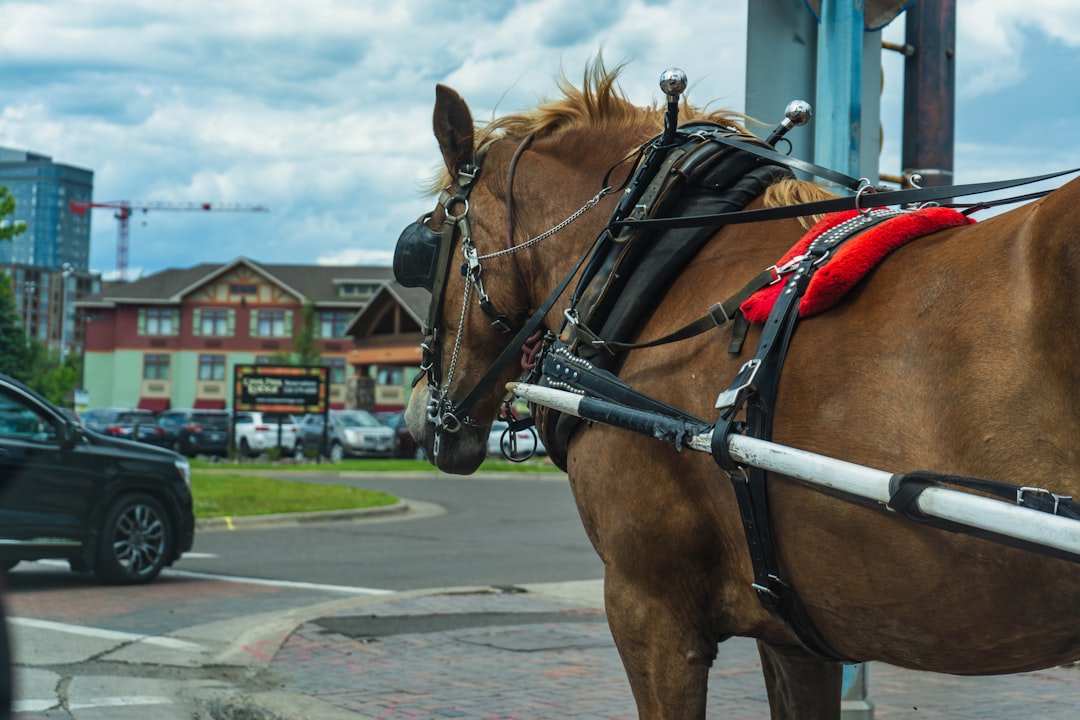
Audience segmentation for horse carriage businesses enables tailored messaging and higher campaign relevance. By structuring segments around customer intent, operators can directly address wedding planners, tourists, or local residents seeking unique transportation, resulting in more efficient ad spend and stronger lead quality. For a practical look at how segmentation and Google Ads increase bookings, see why you need Google Ads for your horse business.
To avoid generic campaigns, start by defining audience segments reflecting your core service lines. Segmenting between wedding event organizers, city tourists, and business clients lets you speak to each group's actual need, romance and reliability for couples, local color and history for tourists, logistics and licensing for corporate planners. Overlaying Sona's Intent Signals helps identify which users are actively researching horse carriage rentals or local equine experiences, so budget stays focused on accounts most likely to convert.
Creating ad groups by segment further refines targeting: group keywords, ad copy, and landing pages to match each audience’s decision journey. For wedding planners, highlight premium packages and flexible booking; for tourists, showcase local attractions and authentic carriage experiences. As prospects engage across the funnel, leveraging a unified data platform automatically updates audience membership, reflecting changes in account engagement or sales stage. This dynamic approach ensures that messaging and offers remain relevant, even as customer needs evolve.
Validating conversion paths is essential for maximizing ROI. Advanced conversion tracking enables attribution across both online bookings and offline inquiries, providing a complete picture of campaign effectiveness. Integrating CRM and ad platforms ensures that every qualified lead is synced in real time, so marketing and sales teams can prioritize follow-up and nurture high-value opportunities. This data-driven segmentation and attribution approach transforms horse carriage advertising from a broad, generic effort into a personalized, high-impact strategy that drives measurable outcomes for equestrian service providers.
This is also where measurement changes the economics. With Sona Marketing Measurement you can identify the companies behind your ad clicks, not just anonymous sessions, and segment audiences by who actually becomes a customer. That lets you build bid adjustments and audience signals around the segments that convert and de-prioritize the ones that don't, so you feed Google's algorithms "this click became a paying horse carriages customer" instead of just "someone filled out a form."
Keyword Strategy & Sample Target Terms
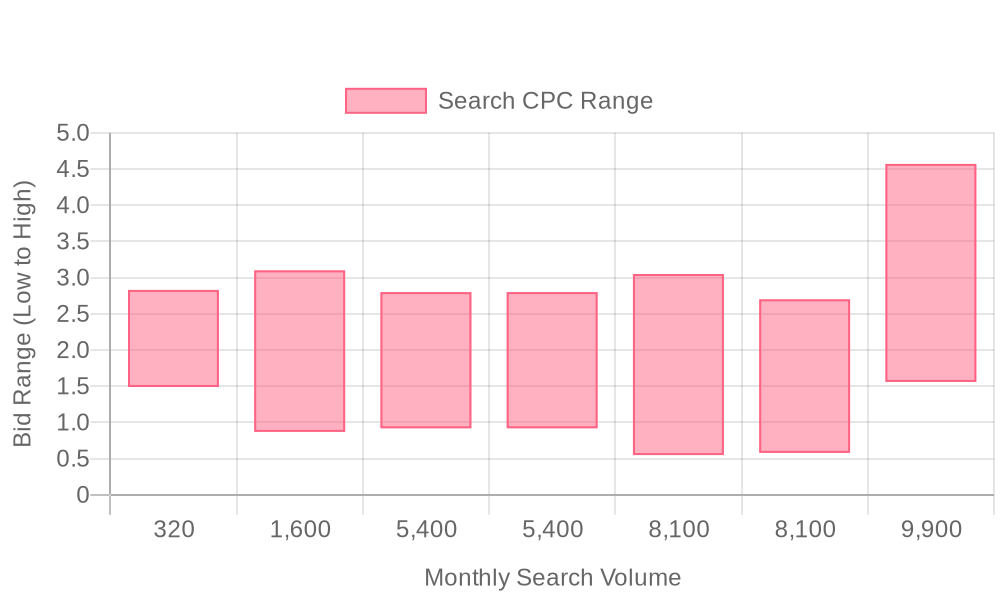
| Industry | Keyword | Monthly Search Volume | Competition Level | Low Bid | High Bid |
| Horse Carriages | cinderella carriage rental | 320 | LOW | 1.49 | 2.83 |
| Horse Carriages | horse and carriage rental near me | 1600 | LOW | 0.87 | 3.1 |
| Horse Carriages | horse and carriage rental | 5400 | LOW | 0.92 | 2.8 |
| Horse Carriages | horse carriage rental | 5400 | LOW | 0.92 | 2.8 |
| Horse Carriages | horse carriages | 8100 | LOW | 0.55 | 3.05 |
| Horse Carriages | horse drawn carriage | 8100 | LOW | 0.58 | 2.7 |
| Horse Carriages | horse and buggy | 9900 | LOW | 1.56 | 4.57 |
A strong keyword strategy is essential for horse carriage businesses aiming to attract high-value bookings and streamline their digital marketing spend. By focusing on intent-driven search terms, operators can ensure their ads reach prospects most likely to convert, whether for weddings, tourism, or private events. This approach creates a direct path from discovery to action, minimizing wasted impressions and maximizing advertising ROI.
Comprehensive keyword selection begins with mapping the full spectrum of buyer intent relevant to horse-drawn carriage promotions. High-intent phrases such as "book horse carriage tour," "wedding carriage rental near me," and "historic carriage rides downtown" consistently signal ready-to-engage prospects. For practical tips on designing ads that highlight these offerings and boost engagement, explore this guide to equine business ad design. Supplementing core terms with industry-specific modifiers like "vintage," "Victorian," "private event," and prominent local landmarks further refines targeting, capturing unique value propositions that set each operator apart.
To avoid wasted clicks and irrelevant traffic, negative keywords play a critical role. Excluding terms such as "DIY," "free carriage rides," "toy horse carriage," or unrelated transportation types helps focus budget on searchers with genuine purchase intent. For additional strategies to keep your marketing efforts sharp, visit our blog for equestrian marketing insights.
With modern audience intelligence and visitor identification, marketers can move beyond basic keyword lists to see the companies behind each search. Real-time audience insights let you shift budget dynamically toward segments most likely to book. As audiences move through the funnel, keyword targeting adapts, keeping ads relevant and personalized at every stage, and lifting qualified lead volume without inflating spend.
Step-by-Step Campaign Execution Framework
A strategic approach to Google Ads for horse carriages ensures every marketing dollar is targeted, measurable, and aligned with real business growth. Revenue teams benefit when execution is consistent, data-driven, and responsive to changing lead intent, especially in specialized markets like equestrian services and horse-drawn carriage promotions. For a deeper look at why Google Ads drives client acquisition and growth in equine industries, see this overview of Google Ads benefits for horse businesses. If you want ongoing tips for marketing analytics in specialized segments, explore our marketing blog.
This framework provides a reliable blueprint for executing high-impact Google Ads campaigns in the horse carriage industry. It covers each critical phase, from building targeted keyword lists and crafting compelling ad copy to landing page design and performance optimization, ensuring that every step directly supports demand generation and revenue objectives.
Step 1: Build Targeted Keyword Lists
Effective keyword selection is foundational for online marketing for horse carriages. Begin with a blend of high-intent transactional phrases such as “book horse carriage ride,” “wedding carriage rental,” and “historic carriage tours,” supplemented by local modifiers like city names or notable landmarks. Include broader terms for brand awareness, but anchor your strategy around queries with clear purchase or booking intent.
Using real-time visitor identification, marketers can go beyond anonymous web traffic and discover which companies and decision makers are actively searching for equestrian services. This insight enables dynamic expansion or contraction of keyword lists based on actual demand, ensuring the campaign targets only the most valuable audiences.
Step 2: Develop Compelling Ad Copy
Ad copy must immediately resonate with the target audience for horse carriage ads, emphasizing unique value points such as luxury, tradition, or memorable experiences. Use language tailored to each service, whether it’s romantic wedding transport, historical city tours, or exclusive event rides. For practical advice on designing eye-catching ads, consult these tips for equine business advertising. Highlight trust factors like licensed service, animal welfare, and flexible booking to overcome buyer hesitation.
As dynamic audiences update in real time, ad copy can be adjusted on the fly to reflect shifting customer needs or seasonal trends. This ensures promotional messaging remains relevant as leads progress through the buying journey, increasing conversion rates and maximizing Google Ads ROI for equine services.
Step 3: Design Conversion-Optimized Landing Pages
A landing page built for horse carriage rental advertising should focus on a single call to action, such as booking a ride or requesting a quote. Essential elements include high-quality imagery, trust badges, testimonials, and mobile-responsive design. Integrate a streamlined form or booking widget above the fold for minimal friction.
By unifying online and offline conversion data, advanced tracking provides clarity on which landing page variants and traffic sources drive the most qualified leads. This enables iterative improvements and ensures every campaign decision is grounded in measurable outcomes.
Step 4: Launch and Monitor Campaign Performance
Once your campaign is live, continuously monitor key performance indicators: click-through rate, cost per acquisition, and total conversions. Adjust budget allocation based on peak booking seasons or high-intent lead influx, ensuring resources are focused where demand is highest. Use automated alerts to flag anomalies or underperforming segments quickly.
When CRM and ad platforms are tightly integrated, audiences and leads sync in real time. This eliminates manual data silos, aligns campaign targeting with sales priorities, and keeps retargeting lists fresh as prospects engage across multiple channels.
Step 5: Optimize and Scale
Optimization is ongoing. Run A/B tests on ad copy, landing page design, and bidding strategies to refine results. Analyze both online and offline conversions to identify the most profitable customer segments. For deeper insights into PPC optimization, review this guide to pay-per-click best practices. Scale budget and expand keyword sets only after achieving consistent, positive ROI.
With unified intent and attribution data, marketers can confidently scale campaigns by prioritizing high-converting audiences and reallocating spend dynamically. This step-by-step execution framework creates a feedback loop that continuously improves performance and positions horse carriage operators for long-term digital marketing success.
Tips on Expanding Your Horse Carriage Presence...
Delivering standout experiences in the horse carriage industry requires a strategic blend of digital visibility and targeted customer engagement. Modern carriage operators who invest in robust online marketing consistently capture more high-value bookings and build lasting brand equity in both local and tourist-driven markets. Explore additional strategies in our marketing and sales playbooks.
A comprehensive approach combines educational content, audience-building, and real-time data to ensure every campaign dollar drives measurable growth. By integrating dynamic audience insights and conversion tracking into your marketing stack, you unlock actionable intelligence that turns website visitors into loyal customers and maximizes campaign ROI.
- Educational Asset Promotion: Publishing guides on horse-drawn carriage history, safety standards, or event planning tips establishes your authority and draws organic traffic from in-market researchers. For practical advice on crafting effective ads that boost visibility, visit this resource. Promoted content can be synchronized with paid campaigns to nurture interest, especially when using tools that identify high-intent website visitors and segment them for retargeting.
- Upsell Opportunities: Packaging carriage rides with photo sessions, special event add-ons, or themed tours increases average transaction value. With dynamic audience data, marketers can automatically surface these offers to returning visitors and past customers, adapting messaging to each user’s previous interactions for greater impact.
- Industry Partnerships: Collaborating with event planners, wedding venues, and local tourism boards expands reach and credibility. Sharing enriched audience segments between partners ensures that joint campaigns tap into a wider pool of qualified leads, improving the efficiency of your horse carriage advertising and digital marketing for equestrian services.
- Localized Targeting: Focusing spend on the specific areas where your carriages operate prevents wasted impressions and ensures relevance. Advanced targeting solutions allow you to pinpoint visitors from key geographies, adjust messaging based on local search trends, and measure the incremental impact of your Google Ads budget for horse carriages.
- Search Query Insights: Analyzing the actual terms users employ to find horse carriage rentals or tours reveals new keyword opportunities and gaps in your messaging. Real-time intent signals help you prioritize budget allocation for ads that reach customers ready to book, while ongoing attribution ensures your horse carriage rental advertising is always optimized for the highest-performing segments.
Beyond Google Ads: Winning the AI Answers Horse Carriages Buyers Now Trust
Paid search captures demand at the moment someone types a query. But a fast-growing share of horse carriages buyers no longer start at Google at all, they ask ChatGPT, Gemini, or Perplexity before they ever run a search, and Google's own AI Overviews increasingly summarize an answer above the traditional results. If your business isn't referenced in those AI answers, you're invisible at the exact moment buyers build their shortlist.
Sona AI Visibility shows where your business shows up across ChatGPT, Gemini, Perplexity, Google AI Overviews, and 10+ engines, and, much like a keyword report, which prompts actually send you buyers, so you can prioritize the ones that convert. Run the two together and you cover the entire buyer path: get cited where buyers research (AI Visibility), then prove which of that demand turns into booked revenue (Marketing Measurement).
Helpful resources
Conclusion
Google Ads works for horse carriage operators because it meets a narrow, high-intent audience at the exact moment they're ready to book, not because it's a generic marketing checkbox. Get the keyword targeting, ad copy, and landing pages right, and the channel turns seasonal spikes and one-off event inquiries into a dependable pipeline.
The operators who pull ahead won't be the ones who spend more, they'll be the ones who can prove which keyword, which ad, and which click actually turned into a booked wedding or tour, and who feed that proof back into their bidding. That loop, not a bigger budget, is what compounds.
To see how a unified platform can sharpen your advertising, start for free with Sona.
FAQ
What are the best practices for Google Ads in the horse carriage industry?
Best practices include building targeted keyword lists, defining high-intent audiences, crafting effective ad copy, optimizing landing pages for conversion, setting smart budgets and bidding strategies, implementing advanced conversion tracking, and launching optimized retargeting campaigns.
How can I create effective Google Ads for my horse carriage business?
To create effective Google Ads, prioritize transactional keywords, define high-intent audiences, develop ad copy that highlights unique selling points, and optimize landing pages to ensure a seamless conversion path.
What budget should I allocate for Google Ads targeting horse carriages?
Your budget should reflect seasonality, expected booking values, and campaign objectives, using automated bidding strategies like target CPA or ROAS to optimize spend towards high-performing keywords.
What keywords should I use for Google Ads related to horse carriages?
Use high-intent transactional phrases such as 'book horse carriage ride,' 'wedding carriage rental,' and 'historic carriage tours,' supplemented by local modifiers like city names or landmarks.
How do I measure the success of my Google Ads for horse carriages?
Measure success by tracking online and offline conversions, integrating CRM and ad data, and using real-time analytics to determine which channels and keywords yield the most bookings and highest-value clients.







