


A heavy hauler stuck on a job site costs money every minute it sits there, and the company that gets a call back first usually wins the contract. Google Ads matters for heavy equipment towing services because it puts your business in front of that buyer, a fleet manager or construction supervisor searching under pressure, at the moment the need is real. Used well, it complements dispatch and referral relationships with precision targeting and clear ROI measurement, reaching decision-makers exactly when they're deciding who to call.
How to Generate Leads with Google Ads: A Step-by-Step Guide

Heavy equipment towing providers operate in a landscape where rapid response and precision targeting separate market leaders from those missing out on lucrative contracts. Maximizing visibility at the exact moment industrial buyers search for urgent solutions is fundamental to capturing high-value leads and driving business growth. For a step-by-step overview of setting up and optimizing Google Ads campaigns tailored to towing companies, review this guide for towing businesses.
Digital marketing for towing companies now demands more than basic ad placements or generic messaging. Modern strategies use actionable data to identify not just anonymous web traffic, but specific companies and decision-makers showing intent, a real edge in a sector where a single missed lead can mean a missed contract. Sona's Identity Resolution reveals which companies and people are visiting your website and scores visitor intent, helping you turn anonymous traffic into qualified pipeline.
- Keyword and Audience Targeting: Utilize industry-specific keywords to attract the right audience, ensuring your ad spend focuses on prospects already trending toward purchase.
Selecting the right phrase match and exact match keywords, such as "heavy equipment towing near me," "load recovery service," or "emergency machinery transport," ensures ads surface only for buyers who need help now. Solutions that identify the organizations behind website visits let marketers build real-time, signal-based audiences made up of verified, in-market decision-makers. As these accounts move through the sales funnel, their activity data refines audience segments and informs budget shifts automatically, keeping spend focused on the prospects most likely to convert.
- Ad Copy and Creative Alignment: Develop compelling ad copy that resonates with your target market.
Ad copy for Heavy Equipment Towing Services needs clarity, authority, and urgency. Certifications, response times, and equipment capabilities build trust and compel action faster than a generic pitch. Enriched with Sona's Intent Signals, messaging can be personalized to verticals or job roles, raising relevance and click-through rates. Marketers can vary creative by recent site behavior or seasonal demand, such as storm season recoveries or winter breakdowns, so every impression speaks to a buyer ready to engage.
- Landing Page Optimization: Ensure landing pages are aligned with ad content to maximize conversions.
Dedicated landing pages for each service type, such as “rotator recovery” or “oversized load transport”, should mirror ad messaging and provide fast access to conversion actions. Seamless integration between ad campaigns and CRM systems allows for automatic audience data syncs that pre-populate details or route inquiries based on company profile and intent stage. This data-driven approach shortens the sales cycle and improves lead quality, making it easier for sales teams to prioritize outreach and close deals efficiently.
- Performance Optimization: Continuously refine campaigns for the best ROI using data-driven insights.
Continuous optimization is essential for delivering strong ROI in PPC for towing services. By connecting online and offline conversion events, teams gain a full view of which search terms, audiences, and creatives actually result in booked jobs. Automated workflows update audiences as accounts advance through the buyer journey, while granular attribution models reveal what drives true revenue, enabling smarter bidding and ongoing campaign refinement. This unified, insight-driven process turns every ad dollar into measurable business impact and sustainable towing business growth.
To streamline your lead generation and campaign optimization efforts, get started for free with Sona and unlock advanced tools for targeting, attribution, and marketing ROI.
Why Does Google Ads Matter for Heavy Equipment Towing Services

Heavy equipment towing businesses face urgent, high-value requests where minutes can define contract wins or losses. Rapid digital visibility is essential; Google Ads delivers immediate reach to decision-makers who are actively searching for specialized towing solutions, as detailed in this step-by-step guide for Google Ads in towing.
With Google Ads, companies laser-target fleet managers and site supervisors at the precise moment breakdowns occur, ensuring that their message appears at the top of search results. This targeted exposure allows providers to capture high-margin projects, securing contracts for heavy machinery recoveries, intercity transports, and emergency response during critical hours. For more strategies to reach high-intent audiences, explore how real-time audience insights can fuel hyper-personalized ad targeting.
Google Ads empowers heavy equipment towing services to respond instantly to unpredictable spikes in demand, such as weather events or industrial incidents. By monitoring search trends and in-market behaviors, marketers can prioritize budget toward keywords and audiences with the highest conversion potential, ensuring rapid engagement when it matters most. Learn more about optimizing your campaigns with actionable guidance from the Sona blog.
Visibility in untapped markets becomes possible through granular geographic targeting, enabling expansion into new service areas or industrial parks without traditional overhead. Campaign performance data further supports ongoing optimization, guiding teams to double down on profitable segments, refine ad messaging, and maintain a competitive edge in heavy equipment towing marketing. If you're ready to make data-driven decisions and capture more high-value contracts, start for free.
Common Types of Google Ads Campaigns for Heavy Equipment Towing Services

Precision in targeting is fundamental for heavy equipment towing companies competing in digital channels. When marketers gain real-time visibility into which organizations interact with priority service pages, campaign strategies can be tailored to capitalize on every serious inquiry. Leveraging unified data platforms, teams can identify not just anonymous visitors but actual companies, ensuring that every high-intent interaction drives timely and relevant follow-up.
- Search Campaigns: Search campaigns deliver immediate reach to prospects actively searching for heavy equipment towing services. Responsive search ads, an ad format within Search, let you test multiple headlines and descriptions to see which combination wins for queries like "emergency rotator recovery." By aligning ads with high-value site interactions and real-time visitor identification, marketers can prioritize spend on the highest-converting queries and shift budget as urgency signals emerge, so the most lucrative leads see your offer first. For step-by-step guidance, see this guide to PPC advertising strategies for towing companies.
- Display Ads: Display campaigns maintain brand presence across industry-specific forums, news sites, and resource networks frequented by operational decision-makers. When audience lists are built using enriched firmographic and behavioral data, ad impressions extend beyond generic placements and consistently reach key accounts as they move through the buying process. Dynamic audience updates ensure messaging stays relevant as prospects progress from initial research to urgent service needs.
- Video Ads: Video campaigns offer a compelling way to showcase unique heavy equipment capabilities, complex recoveries, and specialized fleet assets. With advanced conversion tracking, marketers can attribute video engagement to downstream actions such as quote requests or direct calls, providing a true measure of ROI. Videos also allow teams to retarget viewers who demonstrate high intent but haven’t yet converted, maximizing the value of every impression.
- Remarketing: Remarketing campaigns re-engage high-potential visitors who previously explored service pages but did not complete a conversion. By integrating CRM and web analytics, remarketing lists can be automatically updated as leads advance or exit the sales funnel, ensuring messaging is always contextually appropriate. This approach increases efficiency, as spend targets only those with demonstrated business need and recent engagement.
- Assets: Ad assets (formerly called extensions) add critical service and location information directly to your ads, lending credibility and shortening the path from search to action. By automatically syncing enriched business profile data, marketers can ensure that phone numbers, service regions, and specialized towing capabilities stay current. This boosts user confidence and improves ad rank and click-through rates, driving more qualified inquiries to your team.
Where to Find Growth Opportunities

Heavy equipment towing companies face unique challenges when seeking growth through digital channels. Incomplete or outdated account data often leads to missed opportunities, wasted spend, and campaigns that fail to reach high-intent buyers, especially during seasonal surges like storm cleanup or construction-season equipment moves. Addressing these data gaps is critical for expanding reach and maintaining an edge in a market where a single qualified lead can mean a high-value contract. For teams looking to turn anonymous website visitors into qualified leads, Sona's Identity Resolution reveals visiting companies and can trigger sales or marketing actions automatically.
Advanced solutions now make it possible to enrich, validate, and unify fragmented customer records. By leveraging these tools, marketers can confidently build campaigns that target the right accounts at the right moment. With real-time audience insights and enriched data, each campaign touchpoint becomes more precise, and the true value of Google Ads for Heavy Equipment Towing Services is unlocked. For a step-by-step approach to setting up and optimizing campaigns, see this guide for Google Ads in towing.
- Explore New Keyword Verticals: Targeting niche services such as “crane recovery” or “lowboy transport” opens doors to underserved market segments. With accurate and unified data, revenue teams can quickly identify emerging search trends and pivot budget toward high-converting verticals. This approach minimizes wasted impressions while tapping into new demand pockets within the heavy equipment towing landscape. Teams can further explore best practices with this guide to PPC advertising for heavy equipment or review actionable strategies in our B2B marketing playbooks.
- Conduct Competitor Analysis: Auction insights and share-of-voice tools help identify which competitors are bidding on similar keywords and how their ads perform. When layered with real-time visitor identification, marketers move beyond surface-level analysis, pinpointing which accounts are engaging with competitor ads and adjusting their own outreach accordingly. This level of granularity supports agile campaign adjustments and rapid reallocation of spend to outperform rivals.
- Industry Placements: Direct placements on forums, equipment dealer directories, and industry news outlets reach decision-makers where they research and transact. Enriched company-level data enables targeting of specific business types or even individual high-value accounts, ensuring ads appear only in the most relevant contexts. As audiences update dynamically, campaigns remain aligned with shifting intent signals, maximizing relevance and return.
- Content Retargeting: Retargeting audiences with educational content, such as buyer’s guides or safety checklists, strengthens brand recall and nurtures hesitant prospects. Advanced conversion tracking measures both online engagement and offline actions, allowing marketers to attribute closed deals to earlier content touches. When CRM and ad platforms are synced, audiences refresh automatically as leads progress, ensuring messaging always matches buyer stage and intent.
By combining data hygiene, intent signals, and dynamic audience management, heavy equipment towing companies can uncover and capture growth opportunities others overlook. This unified approach turns Google Ads from a basic lead source into a strategic engine for towing business growth and sustained market leadership.
How to Apply Audience Segmentation for Heavy Equipment Towing Services
Precise audience segmentation is fundamental for heavy equipment towing providers looking to drive high-value contracts and reduce wasted ad spend. By mapping unique audience attributes to each service line, marketers can reach procurement managers, construction supervisors, and logistics coordinators at the exact moment they signal an urgent need. The inability to tie specific marketing touchpoints to revenue often stems from fragmented data and generic audience targeting, resulting in missed opportunities and inefficient campaigns. For a comprehensive guide on PPC strategies specifically for heavy equipment and towing companies, see PPC advertising strategies.
- Define Segments: Separate your audience into relevant categories such as industrial clients seeking heavy haul recoveries versus residential customers searching for large vehicle towing. Each segment displays different search behaviors, urgency levels, and decision cycles. For industrial audiences, prioritize terms like “emergency loader recovery” or “crane transport,” while residential segments respond to broader queries such as “heavy-duty tow truck near me.” This distinction ensures each campaign message aligns with the intent and operational context of the prospect. To dive deeper into identifying target accounts, explore account identification best practices.
- Overlay Intent Signals: Use behavioral data to pinpoint high-intent prospects, focusing budget on those displaying urgent service needs. By integrating real-time in-market signals, B2B marketers can shift spend toward accounts actively searching for “24/7 heavy equipment towing” or “off-road machinery recovery.” This approach minimizes wasted impressions and amplifies ROI by prioritizing the accounts most likely to convert during critical breakdowns or time-sensitive hauls.
- Create Targeted Ad Groups: Build ad groups that reflect the unique challenges of each segment. For industrial machinery incidents, highlight technical certifications, rapid response times, and specialized equipment capacity within your ad copy. Residential groups should emphasize service area coverage and cost transparency. Dynamic audience updates ensure that as leads move through the funnel, such as from site visitor to quote request, their exposure to relevant messaging evolves, nurturing prospects with increasing relevance. Learn how to build and optimize towing campaigns for better conversion rates.
- Track Conversion Paths: Connect Google Ads with CRM and analytics platforms to establish clear attribution between digital touchpoints and closed revenue. Advanced conversion tracking allows revenue teams to analyze both online form fills and offline job bookings, providing full-funnel visibility into which audience segments and campaigns drive the most profitable jobs. Syncing enriched audience data into Google Ads and CRM systems ensures targeting remains accurate as client status changes, enabling a continuous feedback loop for audience optimization.
This data-driven approach to segmentation transforms heavy equipment towing marketing from broad outreach to precision engagement. By combining unified audience insights with real-time behavioral signals, B2B teams create a seamless path from first impression to booked contract, ensuring every dollar drives measurable business growth.
This is also where measurement changes the economics. With Sona Marketing Measurement you can identify the companies behind your ad clicks, not just anonymous sessions, and segment audiences by which accounts actually become customers. That lets you build bid adjustments and audience signals around the segments that convert and de-prioritize the ones that don't, so you feed Google's algorithms "this click became a paying heavy equipment towing services customer" instead of just "someone filled out a form."
Keyword Strategy & Sample Target Terms
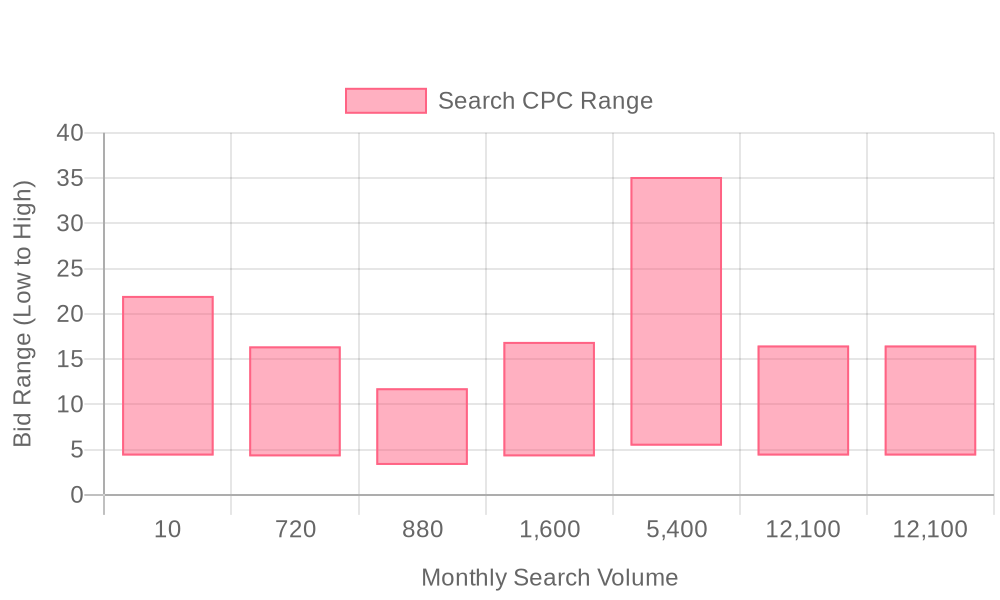
| Industry | Keyword | Monthly Search Volume | Competition Level | Low Bid | High Bid |
| Heavy Equipment Towing Services | heavy equipment towing services | 10 | MEDIUM | 4.35 | 21.98 |
| Heavy Equipment Towing Services | heavy truck towing near me | 720 | MEDIUM | 4.26 | 16.4 |
| Heavy Equipment Towing Services | equipment hauling | 880 | MEDIUM | 3.31 | 11.78 |
| Heavy Equipment Towing Services | heavy duty tow truck near me | 1600 | LOW | 4.26 | 16.9 |
| Heavy Equipment Towing Services | heavy towing | 5400 | LOW | 5.44 | 35.12 |
| Heavy Equipment Towing Services | semi towing near me | 12100 | LOW | 4.35 | 16.5 |
| Heavy Equipment Towing Services | semi tow truck near me | 12100 | LOW | 4.35 | 16.5 |
Precision in keyword strategy is foundational for heavy equipment towing marketing. Well-chosen keywords ensure your ads appear before decision-makers facing urgent, high-value equipment breakdowns or transport needs. Clarity in intent and relevance not only drives qualified clicks but also improves ad rank and reduces wasted spend. For a step-by-step framework on optimizing keyword selection and campaign structure, explore this guide to PPC for heavy equipment companies. For further insights into marketing analytics and campaign performance, visit our blog.
- High-intent keywords: Prioritize phrases like "heavy equipment towing near me," "construction machinery transport," and "industrial equipment recovery." These terms signal immediate commercial need and attract buyers actively seeking services, not just information.
- Local modifiers and long-tail keywords: Incorporate location-based terms such as "emergency crane towing in Dallas" or "bulldozer towing service Chicago." Long-tail keywords like "24 hour excavator towing for construction sites" capture more specific intent, lower your CPC, and reduce competition.
- Specialized industry terms: Include terminology relevant to the audience’s technical demands, such as "rotator service for semi-trucks," "winch-out heavy machinery," or "lowboy trailer transport." These phrases distinguish your ads from generic towing company advertising and improve engagement among prospects needing specialized solutions.
- Negative keywords for lead quality: Actively exclude irrelevant searches by adding negative keywords such as "car towing," "motorcycle towing," and "roadside assistance." This filters out consumer-focused clicks, so your budget is reserved for high-value commercial leads.
Marketers using real-time visitor identification can further refine keyword lists by analyzing which accounts consistently search for heavy-duty towing and related services. These insights allow rapid shifts in budget toward high-converting terms and enable dynamic audience-building as prospects move through the research and purchase funnel. When CRM and ad platforms are kept in sync, enriched account and contact data can be pushed directly into Google Ads, keeping keyword targeting aligned with current pipeline opportunities and sales priorities.
Step-by-Step Campaign Execution Framework
Precision targeting and data-driven optimization are essential for heavy equipment towing providers competing in high-value, time-sensitive markets. Marketers who unify intent signals, lead data, and accurate attribution outperform generic campaigns by connecting with urgent buyers and accurately measuring outcomes that matter for revenue growth. To see how advanced strategies translate to real-world results, review this case study demonstrating successful marketing strategies and lead generation results for a full-service towing company.
A campaign structure built for Google Ads for Heavy Equipment Towing Services must address unique industry needs: segmenting by service type and geography, surfacing high-intent searchers, and driving fast conversions from urgent, commercial accounts. Each step below ensures campaigns are both relevant and measurable, delivering results that scale with operational capacity.
Step 1: Build Targeted Keyword Lists
Effective keyword segmentation begins with mapping every heavy equipment towing service and target region to its own dedicated list. This means identifying terms like “industrial equipment transport,” “emergency bulldozer towing,” and “24/7 heavy haul recovery” for each key service area. Segmenting keywords by location and service type enables coverage of both broad and specialized intent, ensuring ads appear for high-value commercial searches. For practical guidance, explore this guide to PPC advertising strategies for heavy equipment and towing companies.
Marketers can maximize campaign relevance by integrating real-time visitor intelligence, allowing them to track which companies are hitting landing pages and which keywords drive enterprise-level demand. With dynamic keyword management, budgets shift toward the best-performing segments, cutting wasted spend and securing more urgent leads from the markets that matter most.
The upgrade most heavy equipment towing services advertisers miss is going beyond raw keyword volume to layer in intent and identity signals. By connecting website-visitor data and CRM records with Sona Marketing Measurement, you can see which specific search terms bring in the accounts and customers that actually convert, and weight your keyword and bidding strategy toward those rather than the terms with the highest search volume alone.
Step 2: Write Compelling Ad Copy
Ad copy should reflect the technical expertise, fast response, and reliability required by heavy equipment operators. Highlighting pain points, such as costly downtime, compliance needs, and site-specific recovery, builds trust and urgency. Headlines and descriptions should emphasize certifications, specialized fleet capabilities, and response times, making clear why your team is the solution for high-stakes breakdowns.
Taking advantage of real-time account identification enables marketers to tailor copy for in-market buyers, referencing local challenges or industry-specific scenarios. As intent shifts, dynamic creative optimization ensures your ads always speak directly to the needs of the most valuable accounts, driving higher click-through and conversion rates.
Step 3: Align Landing Pages with Ad Content
Landing pages must deliver on the promises made in ads, providing clear paths to conversion for time-pressed decision makers. Each page should mirror the service and location focus of the corresponding ad group, featuring rapid contact options, proof of capability, and trust signals such as certifications and client logos.
Enriched audience data ensures visitors land on pages matched to their company profile and stage in the buying journey. Sophisticated platforms allow for real-time updates to landing page content, reflecting the latest search terms or pain points, which increases relevance and accelerates the path from click to booked job.
Step 4: Optimize Using Conversion Data
Data-driven optimization powers the best Google Ads strategies for towing. Smart bidding strategies, fueled by a unified view of online and offline conversions, allocate spend to keywords and audiences that demonstrably drive revenue. Marketers should connect CRM and ad data so every job booked through paid search is attributed to the correct campaign, ad group, and keyword.
With advanced conversion tracking, including calls, form fills, and offline sales, marketers see which channels and messages produce the highest value contracts. Dynamic audience updates reflect lead progress through the funnel, allowing for precise retargeting and budget reallocation in real time, ensuring marketing and sales stay synchronized and focused on the accounts most likely to convert.
Sona Marketing Measurement closes the gap between clicks and revenue. It captures every ad click with first-party tracking, ties that click through UTM capture and ad-platform APIs to the actual record in your CRM, and reports ROAS by keyword and campaign instead of by last-click form fill. Feeding that revenue signal back into Smart Bidding and Performance Max compounds over time: the algorithms optimize toward booked heavy equipment towing services revenue, not cheap leads.
Tips on Expanding Your Presence
Expanding your reach in heavy equipment towing services requires a blend of strategic partnerships, technology-driven remarketing, and content innovation. Brands that maximize their online footprint see stronger lead pipelines and higher conversion rates across local and regional markets.
- Co-Market with Local Businesses: Developing alliances with complementary service providers, such as construction suppliers, equipment rental agencies, and logistics firms, opens the door to untapped audiences. Joint campaigns and bundled offers not only increase exposure but also position your towing brand as an essential part of the local industrial ecosystem. This collaborative approach can fuel referral traffic and enhance brand trust, especially when integrated with shared digital events.
- Leverage Retargeting: Effective retargeting strategies keep your business top-of-mind for decision-makers comparing heavy equipment towing options. By dynamically segmenting audiences based on their site interactions, marketers can deliver tailored ads to those with real intent. Sona's Identity Resolution helps teams go beyond anonymous retargeting by identifying high-value prospects and syncing those audiences directly into Google Ads for towing services, so campaigns focus on those most likely to convert.
- Optimize for Mobile: With urgent requests often originating from job sites or on-the-go project managers, a seamless mobile experience is critical for heavy equipment towing marketing. Mobile-friendly landing pages, click-to-call CTAs, and fast load times ensure every interaction leads smoothly to conversion. Synchronized CRM and ad audience data allow you to personalize mobile ad experiences based on real-time engagement, making every touchpoint more relevant and actionable.
- Explore New Content Topics: Mining search query data uncovers emerging trends and new service opportunities within the heavy equipment towing industry. By creating educational content around growing needs, such as specialized machinery transport, emergency recovery protocols, or regulatory compliance, brands assert thought leadership and capture early-stage buyers. Advanced analytics tools help marketers track which content drives the most qualified traffic, enabling continuous refinement and expansion of your online advertising for towing.
Beyond Google Ads: Winning the AI Answers Heavy Equipment Towing Services Buyers Now Trust
Paid search captures demand at the moment someone types a query. But a fast-growing share of heavy equipment towing services buyers no longer start at Google at all, they ask ChatGPT, Gemini, or Perplexity before they ever run a search, and Google's own AI Overviews increasingly summarize an answer above the traditional results. If your business isn't referenced in those AI answers, you're invisible at the exact moment buyers build their shortlist.
Sona AI Visibility shows where your business shows up across ChatGPT, Gemini, Perplexity, Google AI Overviews, and 10+ engines, and, much like a keyword report, which prompts actually send you buyers, so you can prioritize the ones that convert. Run the two together and you cover the entire buyer path: get cited where buyers research (AI Visibility), then prove which of that demand turns into booked revenue (Marketing Measurement).
Helpful resources
Conclusion
The towing companies that win the most valuable contracts aren't necessarily the ones with the biggest fleets, they're the ones that show up first when a fleet manager searches at 2 a.m. for emergency crane recovery. Google Ads, paired with clean audience data and real conversion tracking, is how that visibility gets built and defended.
As buyers increasingly research through AI assistants as well as search, the businesses that pair strong Search campaigns with clear measurement, and with visibility in AI-generated answers, will be the ones still winning the call when the next breakdown happens.
To fully harness these capabilities and drive your business forward, start for free to experience our platform's innovative solutions and insights today.
FAQ
What are the best practices for Google Ads in the towing industry?
Best practices include precise keyword targeting, crafting compelling ad copy, aligning landing pages with ad content, and continuously optimizing campaigns using data-driven insights to maximize ROI.
How can I optimize my Google Ads for heavy equipment towing services?
Optimize your ads by using industry-specific keywords, creating targeted ad groups, ensuring landing pages match ad content, and leveraging real-time data to refine audience segments and budget allocation.
What budget should I allocate for Google Ads in towing services?
The budget allocation should be based on targeting high-intent keywords and audiences, with dynamic adjustments as campaign performance data reveals the most profitable segments.
What keywords should I target for heavy equipment towing ads?
Target high-intent keywords like 'heavy equipment towing near me,' 'industrial equipment recovery,' and specific location-based terms to capture urgent commercial needs.
How do I measure the success of my Google Ads campaigns for towing services?
Success can be measured by tracking conversion paths, connecting Google Ads with CRM and analytics platforms, and analyzing both online and offline conversions to evaluate which segments and keywords drive the most revenue.







