


When a furnace fails at midnight in January, the homeowner searching for help isn't comparison shopping, they're booking the first contractor who answers. That urgency is what makes Google Ads different for heating contractors than for almost any other trade: demand spikes with the weather, and missing an anonymous visitor because they never filled out a form means losing a job to whoever called back first. Advanced tools can close that gap by identifying anonymous visitors and sharpening audience targeting. Google Ads becomes the bridge between online awareness and a booked job, but only when the campaigns are built around how heating customers actually search. This guide covers the strategies that make that possible.
How to Generate Google Ads Leads for Heating Contractors: A Step-by-Step Guide

Heating contractors need more than basic advertising to compete in a crowded market. Success comes from building campaigns that target the right searchers and convert high-value leads, using precise data to guide every decision. For an in-depth, step-by-step walkthrough on building winning campaigns, this guide on Google Ads for HVAC services offers actionable tips tailored to the heating industry.
A data-driven approach with Google Ads uncovers where real demand exists for heating services. By analyzing search behavior and engagement patterns, you can focus spend on the prospects most likely to book repairs, maintenance, or installation. Learn more about maximizing your marketing insights in our marketing blog.
- Precise keyword targeting for heating services: Choosing keywords that match urgent heating needs ("emergency furnace repair," "boiler replacement near me") reduces wasted clicks and maximizes lead quality. Pairing Sona's Identity Resolution with Google Ads targeting reveals which companies or homeowners are searching, letting you shift spend to accounts already showing in-market intent. That granularity keeps budget off anonymous, low-intent traffic and puts it behind ready-to-buy contacts instead.
- Creative alignment for conversion optimization: Ad copy and landing pages must reflect the urgency and specifics of heating service requests. Tailored messaging such as “Same-Day Heating Service for Businesses” or “Residential Furnace Repair in [City]” increases click-through rates. Leveraging advanced conversion tracking that connects both online form fills and offline phone calls to specific keywords and audiences provides a clear picture of what drives true ROI for your business.
- Cross-channel plans to strengthen broader strategies: Integrating Google Ads with other marketing channels, like email, paid social, and CRM nurturing, amplifies reach and message consistency. Dynamic audiences update automatically as leads move through the funnel, allowing for retargeting that adapts to each prospect’s behavior. This keeps your brand visible to both new prospects and previous visitors, reinforcing trust until they’re ready to book.
- Continuous performance analysis for ROI refinement: Ongoing analysis of campaign data reveals which ads, keywords, and audiences yield the highest returns. Automated reporting and segmented attribution models let heating contractors track every dollar spent against booked jobs, from initial click to closed sale. By syncing enriched lead data back into both ad platforms and CRM systems, you ensure that future campaigns target only the most engaged and profitable segments, driving continual improvement in lead quality and cost efficiency.
- Use Identity Resolution to sharpen targeting so budget reaches decision-makers: Sona's Identity Resolution matches anonymous website visitors to the companies or households behind them, enabling more personalized follow-up and smarter ad retargeting. That unlocks prioritizing high-value accounts, adjusting bids in real time, and closing the loop on measurement across online and offline conversions. The result: a data-first approach to Google Ads for heating contractors that consistently delivers more qualified leads and measurable growth.
Ready to build smarter, more effective campaigns? Get started for free with Sona.
Why Google Ads Matter for Heating Contractors
Heating contractors operate in a fast-moving environment where service demand can surge unexpectedly, especially during cold snaps or system failures. Reaching property managers and homeowners precisely when they search for urgent solutions is critical, and digital ad platforms provide a direct line to these high-intent prospects with measurable results. Discover a step-by-step guide to Google Ads for HVAC services to boost qualified leads and maximize campaign performance.
Targeting specialized audiences at the right moment is no longer limited to broad keyword lists or generalized local campaigns. Modern platforms enable contractors to leverage Sona’s Audiences tool, allowing for smarter bidding that prioritizes prospects most likely to act.
For services like emergency repairs, visibility at the exact time of need can make or break a contractor’s monthly lead volume. Advanced segmentation and fit scoring techniques ensure that ad spend is allocated toward the highest-value accounts, increasing engagement rates while reducing wasted impressions.
Integrating real-time visitor identification and behavioral intent data means marketers can move beyond anonymous website traffic. By pinpointing specific companies and individuals showing in-market signals, heating contractors can dynamically update audiences and shift budgets toward those moving through the funnel.
When these tactics are unified with Sona's Destinations feature, teams can push enriched lead and account lists into Google Ads, ensuring campaigns always target the most promising opportunities. Every touchpoint becomes measurable, every segment actionable, and ROI transparent across both online and offline conversion paths. Ready to optimize your campaigns? Get started for free with Sona.
Common Types of Google Ads Campaigns for Heating Contractors
- Search Campaigns: Search campaigns are the foundation for heating contractor lead generation, capturing urgent, high-intent queries such as "emergency furnace repair near me" or "boiler installation quotes." These campaigns consistently deliver strong ROI because they engage prospects at the precise moment of need, driving qualified traffic to service-specific landing pages. When integrated with visitor identification, marketers can move beyond anonymous clicks to recognize which companies and buyers are searching, enabling tailored outreach and higher close rates.
- Display Ads: Display ads keep your brand visible when potential customers are browsing home improvement sites or local forums, even when they aren't actively searching for heating services. This persistent presence nurtures awareness during the off-season, priming homeowners for the moment a furnace or boiler finally fails. Using Sona's Intent Signals, budget can shift dynamically toward homeowners who recently visited heating-related content, so spend follows the most likely converters. For a detailed walkthrough of PPC setup and optimization, see this HVAC PPC overview.
- Video Ads: Video campaigns allow heating contractors to visually demonstrate complex installations, energy-efficient upgrades, or seasonal maintenance tips. These ads increase engagement and build trust by educating viewers on the value of professional service. Dynamic audience management ensures that as prospects move from awareness to consideration, video content is adapted to match their buying stage, keeping messaging relevant and driving them toward conversion.
- Remarketing: Remarketing campaigns re-engage visitors who explored your website but did not convert, serving them personalized ads across Google’s network to bring them back before they choose a competitor. By synchronizing audience segments with CRM and sales data, marketers ensure that remarketing efforts prioritize high-value, in-market leads and exclude existing customers, maximizing efficiency and minimizing wasted impressions.
- Assets: Ad assets such as callouts, structured snippets, and review ratings are vital for heating contractor marketing, surfacing trust signals like licensing, certifications, and star ratings directly in the ad. These additions boost click-through rates by making ads more informative and credible before a click ever happens. Assets can be updated dynamically as new certifications or awards are added to a business profile, so campaigns always reflect current proof points.
Where to Find Growth Opportunities?

Revenue teams in the heating contractor space can accelerate growth by zeroing in on verticals that are often overlooked or underserved. Using niche keywords with precise modifiers, such as “emergency boiler repair downtown” or “commercial furnace installation suburban,” increases relevance and conversion rates from high-intent searches. Integrating real-time audience updates into your keyword and audience strategy ensures that targeting evolves as new service demands or regulatory changes emerge, preventing wasted budget on static or outdated search profiles.
Growth also requires a keen understanding of competitor positioning and gaps in the digital marketplace. By analyzing where competitors underperform, such as slow response times on local service ads for HVAC or neglecting seasonal PPC for heating contractors, teams can strategically allocate budget to capture unserved demand. Leveraging visitor identification technology, marketers can pinpoint which businesses are engaging with their ads and content, moving beyond anonymous traffic to actionable lead insights that fuel tailored outreach.
Expanding reach further involves diversifying platform investment and nurturing engagement through content retargeting. Underused platforms like specialized trade forums or regional business directories can yield incremental leads when layered with Google Ads optimization for HVAC. Educational assets such as maintenance checklists or energy-saving guides not only retain engagement but also build trust, keeping prospects warm throughout longer sales cycles. Dynamic audience management ensures that as leads interact with these assets, segments update in real time, enabling highly relevant retargeting and streamlining the path from interest to conversion.
How to Apply Audience Segmentation for Heating Contractors
Heating contractors face a complex mix of service calls, from planned maintenance to urgent repairs, each demanding unique messaging and budget prioritization. Audience segmentation empowers marketing teams to identify, isolate, and engage these distinct buyer groups, ensuring that advertising spend drives maximum relevance and measurable ROI. For a step-by-step approach to crafting successful ad campaigns that boost qualified leads, review this guide to Google Ads for HVAC services.
- Define Segments: Segmentation starts by separating audiences by intent and service need. For heating contractors, that usually means distinguishing routine seasonal tune-up customers from those urgently searching for emergency repair. Layering in signals like recent cold-weather patterns, property type, and browsing behavior helps campaigns surface the right offer at the right moment. Sona's Intent Signals enrich web visitor profiles with firmographic and behavioral data, helping marketers work with both anonymous traffic and known accounts to sharpen targeting.
- Customize Ad Groups: Tailoring ad groups for each segment is essential to deliver messaging that resonates and converts. For example, ads focused on "24/7 emergency furnace repair" should reach homeowners flagged by in-market behavior, while campaigns for annual tune-ups are best delivered to property managers scheduling ahead. Integrating CRM and historical service data ensures each audience is dynamically updated, so that only the most relevant prospects receive your offer. When your CRM syncs seamlessly with audience targeting tools, audiences automatically update as leads move from awareness to booking, enabling real-time optimization of PPC for heating contractors.
Recognizing disconnected signals, like targeting users who already converted or failing to exclude non-serviceable locations, protects conversion rates and cuts wasted spend. Feedback from advanced conversion tracking, covering both online form fills and offline call bookings, closes the loop on attribution. Using unified customer profiles and intent signals, marketers can shift budget toward high-converting accounts, respond quickly to new demand, and scale local service ads with more efficiency. To see how segmentation can drive results in your business, get started for free with Sona.
This is also where measurement changes the economics. With Sona Marketing Measurement you can identify the companies and buyers behind your ad clicks, not just anonymous sessions, and segment audiences by who actually becomes a customer. That lets you build bid adjustments and audience signals around the segments that convert and de-prioritize the ones that don't, so you feed Google's algorithms "this click became a paying heating contractors customer" instead of just "someone filled out a form."
Keyword Strategy & Sample Target Terms
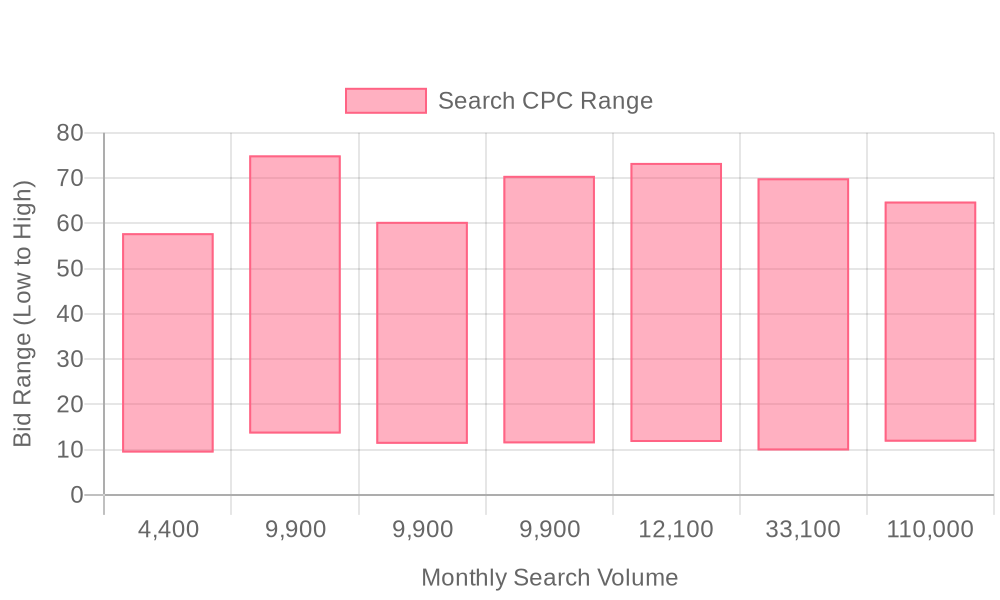
| Industry | Keyword | Monthly Search Volume | Competition Level | Low Bid | High Bid |
| Heating Contractors | hvac installers near me | 4400 | MEDIUM | 9.36 | 57.82 |
| Heating Contractors | heating company near me | 9900 | MEDIUM | 13.56 | 75 |
| Heating Contractors | commercial hvac companies near me | 9900 | MEDIUM | 11.28 | 60.32 |
| Heating Contractors | heating service near me | 9900 | LOW | 11.39 | 70.49 |
| Heating Contractors | heating and cooling companies near me | 12100 | MEDIUM | 11.68 | 73.34 |
| Heating Contractors | heating contractors | 33100 | LOW | 9.83 | 69.94 |
| Heating Contractors | hvac contractors near me | 110000 | LOW | 11.75 | 64.8 |
Heating contractors who want to maximize lead generation with Google Ads must prioritize high-intent, local keywords that reflect urgent buyer needs and specific service areas. This approach filters out low-value traffic and ensures that every ad dollar is aligned to prospects who are most likely to convert. For more insights on how HVAC businesses can structure Google Ads campaigns to boost qualified leads, review this step-by-step guide for HVAC Google Ads.
Effective keyword strategies for Google Ads for Heating Contractors start with granular geo-targeting: phrases like "furnace repair in [city]," "emergency heating service near me," and "boiler installation [zip code]" deliver stronger returns than generic, non-localized terms. By focusing on these targeted queries, heating contractors can reduce wasted spend and improve their cost per lead, which is crucial in a competitive market where cost per click varies widely based on intent and seasonality. Geographic targeting performance is a key lever for optimizing spend allocation.
To further refine targeting, negative keywords play a decisive role. Excluding terms such as “DIY,” “free estimate,” or “troubleshooting guide” prevents budget being siphoned off by searchers with no intent to buy professional services. Smart use of negative keywords can increase Google Ads ROI for HVAC by ensuring ads are only shown to high-value segments. For a deeper dive into campaign setup and optimization, explore this comprehensive breakdown of HVAC Google Ads.
Modern B2B teams gain a significant edge when keyword targeting is integrated with real-time, signal-based audiences. By linking search engagement data with dynamically updated CRM audiences, marketers can target not just by search term, but by actual account or visitor identity. As leads progress through the funnel, dynamic audiences allow campaigns to shift focus automatically, for example, suppressing install offers to customers who already scheduled service, or launching remarketing to companies that recently requested quotes. This data-driven synchronization enables heating contractor marketing teams to deliver highly relevant ads, avoid redundancy, and allocate budget to accounts with the highest likelihood of conversion.
In advanced setups, marketers can identify anonymous website traffic and match it to company-level data, which means ad targeting moves beyond keywords to focus on real decision-makers at in-market businesses. Real-time intent signals, such as repeated visits to service pages or interaction with pricing calculators, prompt campaigns to shift spend and creative messaging to these high-converting accounts. By syncing enriched audiences from CRM or marketing automation into Google Ads, revenue teams ensure their PPC for heating contractors is always targeting the most sales-ready opportunities, boosting both lead quality and overall campaign efficiency.
Ready to align your keyword strategy with advanced audience targeting and real-time insights? Get started for free with Sona.
Step-by-Step Campaign Execution Framework
Step 1: Build Targeted Keyword Lists
Effective Google Ads for heating contractors begin with comprehensive keyword research that captures every relevant search behavior. This includes not only core terms like "emergency furnace repair" but also synonyms and local modifiers such as "boiler installation in [city]" or "24/7 heating services near me." Expanding the keyword set with variations ensures visibility across a spectrum of buyer intent, while geo-specific targeting helps contractors dominate local searches and minimize wasted spend. When enriched with real-time visitor data, marketers can pinpoint which neighborhoods or commercial zones drive the highest value, allowing budget reallocation to the most promising market segments.
A unified approach to keyword management enables teams to identify which terms convert into qualified leads and which drive non-productive clicks. By integrating online behaviors and CRM data, marketers can refine their keyword lists dynamically, excluding irrelevant search queries and focusing on intent signals that correlate with actual revenue. As audience segments are updated based on observed behaviors, campaign managers can quickly shift spend to high-performing keywords and locations. For step-by-step guidance on keyword strategy and campaign setup, review this HVAC Google Ads campaign guide.
The upgrade most heating contractors advertisers miss is going beyond raw keyword volume to layer in intent and identity signals. By connecting website-visitor data and CRM records with Sona Marketing Measurement, you can see which specific search terms bring in the accounts and customers that actually convert, and weight your keyword and bidding strategy toward those rather than the terms with the highest search volume alone.
Step 2: Write Compelling Value-Based Ad Copy
Ad copy is the frontline of any PPC for heating contractors campaign. Every headline and description must instantly communicate the contractor’s unique value, from guaranteed same-day service to transparent pricing or verified five-star reviews. Including location references and service differentiators in the copy builds local trust and boosts click-through rates among homeowners seeking immediate solutions. When audience insights are synced with creative assets, marketers can personalize messaging based on previous interactions or account status, ensuring every ad is timely and relevant.
By mapping ad messaging to in-market behaviors, campaigns adapt to the actual needs of high-intent prospects. For example, if a homeowner has viewed multiple service pages or requested a quote, ad copy can pivot to highlight financing options or time-limited discounts, driving urgency and increasing the likelihood of conversion.
Step 3: Align Landing Pages with Intent and Fast Follow-Up
High-performing Google Ads for HVAC campaigns rely on landing pages that are tightly matched to ad intent. Each page must deliver what the ad promises, whether it’s a detailed breakdown of heating repair options or an instant booking form for emergency service. Clear, visually prominent calls-to-action (“Book a Technician Now,” “Get a Free Quote”) reduce friction and help capture leads on the first visit. Connecting landing page analytics with ad engagement data enables teams to track which combinations produce the highest conversions and quickly adjust underperforming assets. For insights on building conversion-focused PPC campaigns, see this PPC for HVAC industry resource.
Seamless integration between form fills, call tracking, and CRM systems ensures no lead falls through the cracks. When offline conversions (like phone bookings or in-person consultations) are matched back to the originating campaign and keyword, marketers gain a full-funnel view of true ROI. This enables smarter optimization by focusing spend on campaigns that consistently deliver booked jobs, not just clicks. For teams ready to connect and activate data across platforms, Sona Destinations automates syncing high-quality audience and lead data to your GTM tools.
Step 4: Optimize with Testing and Unified Conversion Tracking
Continuous improvement is the foundation of best practices for HVAC Google Ads. Structured A/B testing of headlines, images, and landing page layouts allows marketers to determine which elements drive the highest engagement and lead quality. Test results should inform iterative changes, with winning variants deployed across campaigns for compounding gains.
Merging online and offline conversion data gives a holistic picture of campaign effectiveness. By tracking each touchpoint, from initial search to final service booking, teams can attribute revenue to the specific ads and keywords that matter most. When audience and lead data sync automatically across platforms, remarketing becomes more precise, targeting homeowners who showed interest but didn't convert.
Sona Marketing Measurement closes the gap between clicks and revenue. It captures every ad click through first-party measurement, ties it via UTM capture and ad-platform APIs to the matching record in your CRM, and reports ROAS by keyword and campaign instead of by last-click form fill. Feeding that revenue signal back into Smart Bidding and Performance Max compounds over time: the algorithms optimize toward booked heating contractor revenue, not cheap leads.
Tips on Expanding Your Google Ads Presence
Heating contractors can accelerate growth by diversifying their Google Ads approach, moving beyond search campaigns to deeper funnel tactics that engage and convert high-value leads. Leveraging insights from real-time visitor behavior and intent signals allows marketing teams to allocate spend more efficiently, driving higher Google Ads ROI for HVAC and heating contractor marketing. For actionable ideas on crafting effective campaigns, explore this step-by-step guide to Google Ads for HVAC.
Cross-promoting educational content in remarketing campaigns cultivates longer-term engagement with prospects who may be researching heating solutions but are not yet ready to contact a vendor. By identifying these visitors and tracking their in-market behaviors, marketers can deliver tailored resources, such as maintenance checklists or energy-saving guides, that nurture trust and keep the brand top of mind. As audiences evolve, dynamic segmentation ensures that those who have engaged with educational assets are automatically moved into more conversion-focused remarketing pools, increasing the likelihood of qualified lead generation without manual list management.
Using geographic-specific data enables highly customized ads that capitalize on local demand surges, such as weather-driven spikes in furnace repairs or service inquiries in specific neighborhoods. Targeting based on location not only increases relevancy but also optimizes ad spend by focusing budget on communities most likely to convert. Integrating enriched CRM data and syncing it with Google Ads ensures that campaigns respond instantly to new service calls, seasonal patterns, or shifts in local market needs, making PPC for heating contractors more adaptive and data-driven.
Building partnerships with industry entities, such as local trade associations, equipment manufacturers, or home improvement platforms, broadens reach and adds credibility. These collaborations allow for co-branded content and referral-based audience sharing, expanding the pool of in-market prospects without maintaining static email or ad lists. Syncing new partner leads into the ad ecosystem enables timely, personalized follow-up as prospects move through the sales funnel, improving Google Ads optimization for HVAC and lifting campaign effectiveness.
Beyond Google Ads: Winning the AI Answers Heating Contractors Buyers Now Trust
Paid search captures demand at the moment someone types a query. But a fast-growing share of heating contractors buyers no longer start at Google at all, they ask ChatGPT, Gemini, or Perplexity before they ever run a search, and Google's own AI Overviews increasingly summarize an answer above the traditional results. If your business isn't referenced in those AI answers, you're invisible at the exact moment buyers build their shortlist.
Sona AI Visibility shows where your business shows up across ChatGPT, Gemini, Perplexity, Google AI Overviews, and 10+ engines, and, much like a keyword report, which prompts actually send you buyers, so you can prioritize the ones that convert. Run the two together and you cover the entire buyer path: get cited where buyers research (AI Visibility), then prove which of that demand turns into booked revenue (Marketing Measurement).
Helpful resources
Conclusion
Google Ads works for heating contractors when it's built around how these customers actually search: urgently, locally, and often in the middle of a system failure. Targeting the right audience and tracking spend through to booked jobs, not just clicks, turns ad budget into a reliable channel for filling the schedule.
The contractors who pull ahead won't just run more ads, they'll close the loop between the click and the invoice, feeding Google's bidding algorithms real signal about which searches actually turn into service calls. That's what separates a campaign that spends well from one that merely spends.
To see how a unified view of your go-to-market data can sharpen that loop, start for free and connect your ad spend to the jobs it actually books.
FAQ
What are the best practices for Google Ads in the HVAC industry?
Best practices include precise keyword targeting, creative alignment for conversion optimization, and continuous performance analysis for ROI refinement.
How can heating contractors optimize their Google Ads campaigns?
Heating contractors can optimize their campaigns by using data-driven approaches, integrating cross-channel plans, and utilizing tools like real-time visitor deanonymization.
What budget should heating contractors allocate for Google Ads?
The budget should be focused on high-intent prospects most likely to book services, using data to guide spending decisions.
Do Google Ads effectively generate leads for HVAC businesses?
Yes, when tailored effectively, Google Ads can bridge the gap between online awareness and offline sales for HVAC businesses.
What keywords should heating contractors target in Google Ads?
Heating contractors should target high-intent, local keywords like 'emergency furnace repair' and 'boiler replacement near me' to maximize lead quality.







