


Heat pump maintenance contracts rarely close on the first click. A homeowner researching a failing unit in January, or a property manager scheduling a spring tune-up, moves through weeks of comparison before booking, and most of that research happens outside any CRM a contractor can see. Google Ads gives HVAC businesses a way to catch these prospects at the moment of intent, but only if campaigns are built on data that connects the click to the customer. This guide lays out how to structure, target, and measure Google Ads for heat pump maintenance so that spend tracks to booked revenue, not just form fills.
How to Generate Google Ads for Heat Pump Maintenance Leads: A Step-by-Step Guide
HVAC service providers can rapidly scale their pipeline by leveraging precision-focused Google Ads campaigns built on unified, real-time data. Identifying the most valuable intent signals and aligning them with tailored keyword strategies ensures efficient budget allocation and higher-quality heat pump maintenance leads.
Modern revenue teams unlock superior results when every stage of their Google Ads for Heat Pump Maintenance workflow is informed by live audience insights and attribution data. This approach turns HVAC advertising from a cost center into a sustainable growth engine, driving measurable improvement in customer acquisition and retention. To see how your team can put this approach into action, get started for free with Sona.
Keyword and Audience Targeting
Success in competitive HVAC ad campaigns begins with keyword research that reflects how buyers actually search. Homeowners tend to search reactively, "heat pump not heating" or "emergency heat pump repair", especially during the first hard cold snap or heat wave, while facilities managers search on a schedule, looking for "commercial heat pump PM contract" or "HVAC tune-up near me" ahead of a seasonal changeover. Building keyword sets around both urgency and seasonality, rather than one generic "HVAC service" theme, is what separates campaigns that book jobs from ones that just generate clicks.
Advanced audience targeting goes beyond basic demographics. By unifying CRM, website, and ad platform data, marketers can pinpoint companies and decision-makers who have engaged with heat pump marketing content, requested service quotes, or shown high in-market intent. This enables dynamic audience creation, where segments update automatically as prospects move from research to booking, ensuring ad spend flows to the most sales-ready accounts. Real-time integration with CRM and marketing automation tools allows these enriched audiences to sync directly into Google Ads, making retargeting and lookalike expansion more effective.
Landing Page and Creative Alignment

Maximizing conversion rates for heat pump maintenance campaigns requires seamless message alignment from keyword to landing page. Each ad group should link to a dedicated page tailored to the searcher’s intent, with clear messaging on service scope, pricing, and technician credentials. For step-by-step guidance on setting up high-converting landing experiences, review this step-by-step HVAC Google Ads campaign launch.
Creative assets must resonate with HVAC decision-makers. Incorporating before-and-after visuals, maintenance checklists, or short video walkthroughs educates prospects and reinforces value. When ad creative and landing pages reflect the keywords and user challenges, bounce rates drop and lead quality rises. Marketers can further personalize experiences by identifying the companies behind returning visits and updating landing content based on prior engagement, enabling a tailored journey that converts more browsers into qualified leads.
Performance Optimization
Continuous performance optimization is essential for maintaining profitability in HVAC ad campaigns. Integrating advanced analytics and attribution provides granular insights into every click and conversion, revealing which keywords, audiences, and creatives drive the highest ROI. For a detailed overview of HVAC-specific performance tactics, see this comprehensive guide to HVAC Google Ads.
Combining online and offline conversion tracking ensures that marketers capture the full impact of their Google Ads investment, including calls, booked appointments, and closed deals. Attribution models can be customized to reflect complex buyer journeys in B2B HVAC, delivering a true picture of which campaigns generate lasting revenue. Syncing conversion data across platforms and into sales workflows enables teams to refine targeting, messaging, and bidding strategies in real time for continuous improvement.
Cross-Channel Integration

A unified cross-channel approach amplifies the effectiveness of Google Ads for Heat Pump Maintenance by connecting insights and audiences across digital touchpoints. Syncing CRM data, website analytics, and campaign performance creates a single source of truth, allowing marketers to orchestrate cohesive messaging and retargeting across search, display, video, and even offline channels. For insights into the value of routine maintenance and cross-channel education, explore this heat pump maintenance overview.
Why Google Ads Matter for Heat Pump Maintenance
Digital marketing for HVAC is rapidly evolving, and precision targeting has become essential for capturing homeowners and property managers seeking heat pump maintenance. Google Ads empowers HVAC businesses to place their services in front of audiences with active, high-intent searches, increasing both qualified leads and service bookings. This channel excels in surfacing heat pump maintenance solutions exactly when customers are most receptive, which directly drives higher engagement rates and return on ad spend. For practical tips on optimizing HVAC campaigns, explore our blog resources.
- Specialized Audiences: Advanced advertising platforms allow HVAC companies to reach decision-makers looking for targeted services such as "heat pump tune-up" or "seasonal heat pump inspection." By capturing these signals of intent, marketers can allocate budget toward the most valuable prospects, ensuring every ad impression is relevant and timely. When visitor identification and enrichment tools are integrated, anonymous website traffic transforms into actionable lead data, letting teams respond faster and with more personalized messaging.
- High-Value Projects: Properly segmenting campaigns for heat pump service ads or emergency response enables businesses to prioritize high-margin maintenance opportunities. Dynamic audience management ensures that as leads move through research, scheduling, and follow-up stages, ad messaging remains relevant and conversion-focused. Data unification across CRM and ad platforms allows seamless handoff from online engagement to offline sales, giving HVAC teams a holistic view of which campaigns truly drive revenue.
- Urgent Demand Response: With the ability to trigger ads for urgent queries like "immediate heat pump repair" or "emergency HVAC technician," companies can quickly connect with customers during critical service windows. Sona surfaces intent signals so budget shifts toward high-converting accounts as soon as they display urgent needs. Advanced conversion tracking closes the loop, attributing every booked service back to the precise ad and audience that drove the action, so teams can invest in what consistently delivers results.
Common Types of Google Ads Campaigns for Heat Pump Maintenance

- Search Campaigns: HVAC businesses use search campaigns to capture high-intent prospects actively seeking heat pump maintenance. These campaigns are built on targeted keywords like “heat pump service near me” or “annual heat pump maintenance,” ensuring visibility at the exact moment customers are ready to book. When integrated with visitor identification, marketers can direct more budget to high-value accounts, personalize ad copy based on company-level attributes, and optimize for conversions that reflect actual buyer intent.
- Display Ads: Display campaigns extend brand visibility across industry websites and relevant placements, reinforcing trust and awareness for heat pump maintenance services. Creative assets can highlight seasonal promotions, energy efficiency benefits, or expert credentials, keeping your brand top-of-mind long before a customer schedules service. By syncing CRM data and account signals, it becomes possible to dynamically update display audiences, ensuring only the most relevant prospects see your offers as they move through earlier research stages. For more on strategic campaign setup, see this comprehensive guide to HVAC Google Ads.
- Video Ads: Video campaigns provide a dynamic way to educate homeowners and facilities managers about the importance of regular heat pump maintenance. Short, informative videos can demonstrate the maintenance process, showcase technician expertise, or visualize the cost savings associated with proper servicing. With real-time intent tracking, marketers can trigger video ads for viewers showing increased engagement on educational pages or service comparison content, maximizing relevance and engagement.
- Remarketing: Remarketing campaigns re-engage previous website visitors or form-fill leads who haven’t yet converted, keeping your heat pump maintenance brand present during prolonged decision cycles. This approach leverages intent-based segmentation, showing tailored messages based on past site behavior, service interest, or account stage. When audience updates are powered by live CRM and site data, remarketing lists remain current, letting advertisers prioritize follow-up with those most likely to book soon and align messaging to their latest interactions. To see how these strategies can work for your business, get started for free with Sona.
Where to Find Growth Opportunities
Vertical Keyword Targeting: Identifying specialty service keywords in the heat pump maintenance space unlocks new revenue streams and ensures every marketing dollar focuses on high-intent prospects. By analyzing search intent and layering in nuanced terms such as "biannual heat pump tune-up" or "energy-efficient heat pump maintenance," marketers can align ad spend with audiences most likely to convert, outpacing generic HVAC advertising approaches. Integrating real-time behavioral insights makes it possible to dynamically shift budget toward segments that show a sudden spike in in-market activity, such as property managers preparing for seasonal system checks. For a deeper dive into optimizing Google Ads for HVAC, review this comprehensive guide on HVAC Google Ads.
Competitor Analysis: Advanced competitive research tools offer a clear view of market saturation, highlighting niches where heat pump marketing efforts can achieve greater traction. By mapping competitor keyword coverage and ad placements, revenue teams can detect underserved geographies, service tiers, or customer personas that present immediate growth opportunities. As new market gaps surface, marketers can quickly pivot Google Ads for Heat Pump Maintenance campaigns and deploy custom landing pages to secure first-mover advantages. When marketing data is unified and mapped to pipeline outcomes using Sona's Identity Resolution, teams can prioritize campaigns with the highest revenue potential and minimize wasted ad spend.
Content Retargeting: Leveraging educational assets such as maintenance checklists, troubleshooting guides, and explainer videos extends engagement beyond the first click, nurturing leads through a longer decision cycle typical of heat pump service ads. By tracking which content assets resonate with specific audience segments, marketers can retarget those with the highest engagement scores using personalized offers or time-sensitive promotions, steadily advancing them toward conversion. When CRM and ad platforms are seamlessly connected, enriched audience data fuels dynamic retargeting: audiences automatically update as leads download new guides, request service estimates, or engage with technician reviews. To maintain a conversion-focused funnel, consider centralizing your marketing analytics and tactics in the Sona blog.
How to Apply Audience Segmentation for Heat Pump Maintenance
Accurate audience segmentation is fundamental to maximizing the efficiency and ROI of HVAC ad campaigns targeting heat pump maintenance. By distinguishing between residential and commercial clients, marketers can tailor messaging, offers, and landing pages to address the specific needs and decision cycles of each audience. This approach reduces wasted ad spend and ensures that every impression and click aligns with prospect intent, increasing both relevance and conversion rates across digital marketing for HVAC.
Defining these audience segments begins with a granular review of existing customer data and online behaviors. For residential clients, segmentation may factor in property type, household size, location, and seasonal service urgency. Commercial segments, in contrast, often require analysis of business size, building usage, facility management schedules, and compliance requirements. These distinctions are crucial for structuring PPC for HVAC campaigns that deliver maintenance messaging attuned to each group’s priorities, such as energy savings for homeowners or regulatory compliance for facility managers.
Aligning intent signals ensures that campaigns capture prospects at the right stage in their maintenance journey. Predictive analytics, powered by unified go-to-market data, identifies which accounts are showing in-market behaviors, such as searching for “heat pump service ads” or engaging with heat pump maintenance checklists. This allows marketers to dynamically shift budget and ad placements to high-potential segments, ensuring that Google Ads targeting is always focused on audiences most likely to convert. Real-time intent data also enables revenue teams to prioritize outreach and accelerate follow-ups, especially when integrated into CRM systems for coordinated engagement.
Creating customized ad groups for each segment further enhances campaign performance. Distinct ad groups for residential and commercial audiences allow for tailored creative, keywords, and value propositions, which can be automatically updated as leads progress through the funnel. For example, residential ad groups may focus on “annual heat pump maintenance specials,” while commercial groups highlight “preventative maintenance contracts for multi-unit buildings.” With advanced audience syncing, enriched segment data seamlessly updates targeting criteria across Google Ads and connected platforms, allowing marketers to refine messaging as prospects engage with websites, content, and sales teams. This approach improves lead quality, optimizes spend, and drives measurable results throughout the HVAC advertising lifecycle.
This is also where measurement changes the economics. With Sona Marketing Measurement you can identify the companies and buyers behind your ad clicks, not just anonymous sessions, and segment audiences by who actually becomes a customer. That lets you build bid adjustments and audience signals around the segments that convert and de-prioritize the ones that don't, so you feed Google's algorithms "this click became a paying heat pump maintenance customer" instead of just "someone filled out a form."
Keyword Strategy & Sample Target Terms
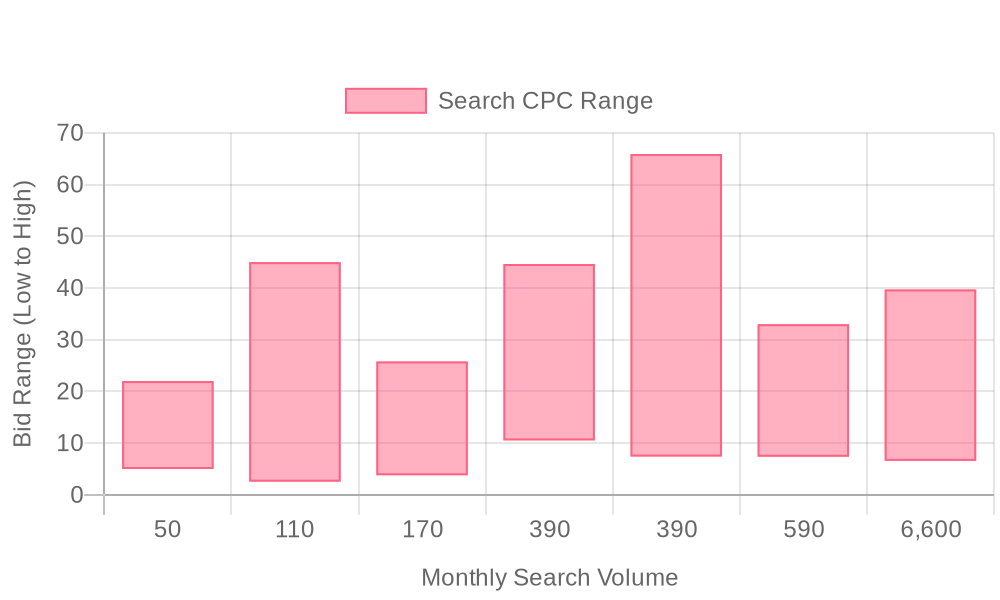
| Industry | Keyword | Monthly Search Volume | Competition Level | Low Bid | High Bid |
| Heat Pump Maintenance | heat pump repair in my area | 50 | MEDIUM | 5 | 22 |
| Heat Pump Maintenance | heat pump repair companies | 110 | LOW | 2.55 | 45 |
| Heat Pump Maintenance | heat pump maintenance cost | 170 | LOW | 3.79 | 25.79 |
| Heat Pump Maintenance | heat pump tune up | 390 | LOW | 10.53 | 44.64 |
| Heat Pump Maintenance | emergency heat pump repair | 390 | LOW | 7.41 | 65.89 |
| Heat Pump Maintenance | heat pump maintenance service | 590 | LOW | 7.37 | 33 |
| Heat Pump Maintenance | heat pump maintenance | 6600 | LOW | 6.58 | 39.71 |
A robust keyword strategy forms the foundation of profitable Google Ads for Heat Pump Maintenance campaigns. By focusing on intent-driven search terms such as "heat pump maintenance near me," "heat pump service ads," and "emergency heat pump repair," HVAC marketing teams can directly address the needs of homeowners and property managers searching for solutions. For campaign inspiration and tactical insights, explore this comprehensive guide to HVAC Google Ads. High-performing campaigns begin with deep research into keyword volume and competitive density, ensuring that each target keyword aligns with common search queries and actual buyer intent within the heat pump maintenance niche.
For B2B revenue teams, segmenting keywords by service type, urgency, and location strengthens campaign granularity. For example, terms like "Google Ads targeting for HVAC" or "PPC for heat pump tune-up" capture both service and advertising intent, while long-tail variants such as "energy efficient heat pump checkup" attract value-oriented leads. By leveraging intent signals, marketers can prioritize keywords with high conversion potential and low wasted spend, refining their list as market data evolves.
Prioritization should be dynamic. Marketers benefit from leveraging real-time visitor identification to surface which companies and decision-makers are searching for specific services. This insight enables the shifting of budget and bids to high-converting terms as in-market behavior changes, rather than relying on static quarterly reviews. Dynamic audience lists update automatically as leads engage with ads or progress through the sales funnel, ensuring that keyword targeting always reflects the true state of pipeline demand. By syncing enriched audiences and lead data into platforms like Google Ads and CRM systems, HVAC businesses keep every campaign aligned with revenue goals and maximize the impact of every keyword dollar spent.
Step-by-Step Campaign Execution Framework
Step 1: Build Targeted Keyword Lists
Successful HVAC ad campaigns start with highly specific keyword research. Rather than casting a wide net, focus on clusters tied directly to heat pump maintenance, such as “heat pump service near me,” “scheduled heat pump tune-up,” or “emergency heat pump maintenance.” Layer in geographic modifiers to capture intent from local homeowners or property managers seeking specialized support. Precise targeting reduces wasted spend and improves lead quality, especially in competitive markets. By segmenting keywords by service type and region, marketers can immediately identify which geographic pockets drive the most valuable traffic. Integrating real-time search intent data further sharpens this process, ensuring budget shifts toward in-market accounts that demonstrate urgency or fit high-value criteria.
Platforms that recognize visitors beyond anonymous clicks can reveal which companies and decision-makers are landing on your HVAC service pages. This level of granularity transforms keyword targeting into a strategic asset, allowing continual refinement based on the segments and buyer personas who actually convert. Marketers are then empowered to sync enriched keyword audiences into downstream sales and marketing systems, which closes the loop between digital engagement and booked appointments. For a comprehensive overview of Google Ads strategies tailored for HVAC, see this HVAC Google Ads guide.
The upgrade most heat pump maintenance advertisers miss is going beyond raw keyword volume to layer in intent and identity signals. By connecting website-visitor data and CRM records with Sona Marketing Measurement, you can see which specific search terms bring in the accounts and customers that actually convert, and weight your keyword and bidding strategy toward those rather than the terms with the highest search volume alone.
Step 2: Develop Compelling Ad Copy
Effective ad copy for heat pump maintenance must address pressing industry challenges while delivering a direct, solution-oriented message. Highlight tangible benefits such as reduced energy costs, extended equipment lifespan, or compliance with manufacturer warranties. For HVAC professionals, clarity outperforms cleverness: use headlines like “Prevent Winter Breakdowns, Book Your Heat Pump Tune-Up Today” or “Certified Technicians for Reliable Heat Pump Service.” Speak to the pain points your market faces, such as unexpected failures or rising utility bills, then immediately position your offering as the proven remedy.
Responsive campaigns adapt messaging in real time, using behavioral signals to personalize offers or highlight timely promotions. When audience segments update dynamically as leads move through the funnel, marketers can automatically serve tailored messages, like escalating from educational tips to urgent scheduling prompts. This ensures every ad impression is contextually relevant, increasing engagement and driving higher conversion rates from both new and returning prospects. Explore more tactics in the HVAC marketing playbooks.
Step 3: Design Effective Landing Pages
The landing page is the critical juncture where digital interest becomes a qualified lead. Design pages with a singular focus, clear, explicit calls to action like “Schedule Your Maintenance Visit” or “Get a No-Obligation Heat Pump Assessment.” Employ service-specific benefits, customer testimonials, and transparent pricing. Ensure that mobile responsiveness and rapid load times are prioritized, as most HVAC research now originates from mobile devices.
Conversion rates rise when landing pages are connected to CRM and attribution systems, allowing every form fill or call to be tracked back to specific keywords, campaigns, and even original company sources. Online and offline attribution provides an accurate view of ROI, helping revenue teams double down on the highest-performing channels. With enriched lead and company data automatically syncing into both the Google Ads platform and sales tools, follow-up can be instant and personalized, turning web traffic into real revenue. For more landing page best practices, visit our blog.
Step 4: Implement Data-Driven Optimizations
Continuous optimization is the backbone of high-performing heat pump marketing campaigns. Monitor results daily, reviewing which keywords, ads, and landing pages drive the most qualified leads and lowest cost per acquisition. Make bid adjustments based on time of day, location, and device to maximize reach among your best customers. Real-time analytics allow teams to quickly identify underperforming segments and reallocate spend toward high-converting audiences.
Advanced platforms empower marketers to attribute every lead, whether it originated online or over the phone, back to its original campaign. Dynamic retargeting ensures that as prospects engage with educational content, request quotes, or schedule service, they are moved automatically into relevant nurture streams or sales workflows. By integrating ad data with CRM and marketing automation, marketers not only see which tactics generate pipeline but can also refine lookalike audiences and retargeting pools for even more efficient future spend.
Sona Marketing Measurement closes the gap between clicks and revenue. It captures every ad click with first-party measurement, then ties that click through UTM capture and ad-platform APIs to the actual record in your CRM, and reports ROAS by keyword and campaign instead of by last-click form fill. Feeding that revenue signal back into Smart Bidding and Performance Max compounds over time: the algorithms optimize toward booked heat pump maintenance revenue, not cheap leads.
Tips on Expanding Your Heat Pump Maintenance Presence
Expanding your presence in the heat pump maintenance market requires a sharper focus on customer signals and a disciplined, data-centric approach to marketing. Businesses that prioritize enriched CRM insights can identify upsell and cross-sell opportunities with precision, translating to higher lifetime value and stronger retention rates. By tracking how existing customers interact with maintenance offers, you can craft timely, hyper-relevant campaigns that surface the right service at the ideal moment, seamlessly syncing these audience segments into Google Ads for campaign activation.
Localizing your heat pump maintenance campaigns ensures that messaging resonates with regional needs and conditions. Leveraging granular location data, marketers can adapt ad copy and offers to reflect neighborhood-specific concerns, such as climate-driven maintenance schedules or incentives unique to the area. This level of targeting not only improves relevance but also sharpens budget allocation, focusing spend on the highest-opportunity zones and minimizing wasted impressions outside your true service footprint. For a detailed look at tailoring Google Ads for HVAC and heat pump services, explore this comprehensive guide for Google Ads campaigns.
Content creation rooted in search intelligence drives ongoing growth for heat pump service providers. By analyzing trending heat pump maintenance keywords, industry-specific questions, and seasonal shifts in consumer interest, teams can develop resources that attract both new prospects and current customers. This content, mapped to each stage of the buying journey, feeds both organic and paid campaigns, fueling everything from educational blog posts to high-converting landing pages, all while informing dynamic audience building for retargeting and nurture strategies.
To maximize results from Google Ads for Heat Pump Maintenance, integrating CRM and ad platform data is essential. This allows businesses to sync qualified leads and audience updates in real time, ensuring that every ad dollar works harder as prospects move through the funnel. With enriched audience data and live intent signals, marketers can automate campaign adjustments, push high-intent leads directly into sales workflows, and attribute conversions with accuracy, driving measurable gains in both marketing efficiency and revenue impact.
Beyond Google Ads: Winning the AI Answers Heat Pump Maintenance Buyers Now Trust
Paid search captures demand at the moment someone types a query. But a fast-growing share of heat pump maintenance buyers no longer start at Google at all, they ask ChatGPT, Gemini, or Perplexity before they ever run a search, and Google's own AI Overviews increasingly summarize an answer above the traditional results. If your business isn't referenced in those AI answers, you're invisible at the exact moment buyers build their shortlist.
Sona AI Visibility shows where your business shows up across ChatGPT, Gemini, Perplexity, Google AI Overviews, and 10+ engines, and, much like a keyword report, which prompts actually send you buyers, so you can prioritize the ones that convert. Run the two together and you cover the entire buyer path: get cited where buyers research (AI Visibility), then prove which of that demand turns into booked revenue (Marketing Measurement).
Helpful resources
Conclusion
The advantage now belongs to heat pump maintenance advertisers who connect their Google Ads spend to actual booked revenue, not just clicks or form fills, and who show up in the AI-generated answers buyers increasingly consult before they ever search. Contractors who unify that data early will keep tightening their targeting and messaging while competitors are still guessing at which keywords pay off.
Start for free to see how Sona unifies your go-to-market data and turns it into actionable insight for your business.







