


Hair care buyers move fast: a client searching for a keratin treatment or a salon owner sourcing a new sulfate-free line typically books or buys within days, not weeks. Google Ads lets hair care brands and salons intercept that intent at the exact moment someone searches, closing the gap between broad brand marketing and the focused work of turning a searcher into a client. Prospects who go untracked are opportunities lost, especially in crowded metro markets where several salons or product lines compete for the same search terms. Ensuring ad spend targets real decision-makers, not just clicks, lets a business capture:
How to Generate Leads with Google Ads: A Step-by-Step Guide
Modern hair care brands and salons operate in an environment where rapid lead capture is critical. The ability to engage buyers at the earliest sign of intent gives marketers a powerful edge in a crowded digital landscape.
By implementing a structured Google Ads strategy, salons, product brands, and digital marketers can efficiently convert high-value prospects before competitors intervene. Leveraging real-time behavioral signals, marketers can optimize campaigns to reach motivated buyers and accelerate revenue growth.
- Keyword And Audience Targeting Strategies Tailored For Hair Care Buyers: Lead generation in hair care advertising starts with precise targeting. High-intent keywords such as “best sulfate-free shampoo” or “top hair salon near me” put ads in front of people ready to buy or book. Layering in demographic, location, and in-market audience segments keeps spend focused on the searchers most likely to convert, whether that's a bride booking a trial run before a wedding or a stylist restocking professional-grade color.
- Landing Page And Ad Alignment Tips For Maximum Conversion: Alignment between ad copy and landing pages is essential in digital marketing for hair care. Every ad should speak directly to the user’s intent, reflecting their search terms and needs. For instance, a user who clicks on an ad for “hair loss clinic consultation” should land on a page dedicated to that specific service, with clear calls-to-action and trust-building elements. Dynamic landing page personalization, informed by real-time audience insights, can increase conversion rates by tailoring content to each visitor’s profile and intent.
- Performance Optimization Tactics Focused On ROI Enhancement: Optimizing hair care PPC campaigns means watching click-through rate, cost per lead, and ROAS continuously, not just at month's end. Combining online conversions with offline ones, in-clinic bookings, in-salon purchases, gives a full picture of which keywords and creative actually drive revenue rather than just traffic.
- Cross-channel Methods To Fortify Your Hair Care Marketing Mix: Building a robust marketing mix means using Google Ads alongside social, email, and organic channels. Marketers can deploy retargeting to re-engage site visitors who expressed interest but didn’t convert, or sync CRM-enriched lead data into Google Ads for more effective lookalike and exclusion audiences. This unified approach boosts efficiency, shortens the path to purchase, and helps hair care brands and salons stay top-of-mind until the moment buyers are ready to act.
This holistic framework is designed for salon owners, marketers, and product brands seeking to drive qualified leads, maximize advertising ROI, and accelerate growth in a highly competitive industry.
Why does Google Ads matter for hair care

Hair care brands and salon suppliers operate in a landscape where capturing the attention of stylists, salon owners, and beauty influencers is highly time-sensitive. Google Ads enables these businesses to reach decision-makers exactly when they are searching for specific products or services, especially during launches or time-limited promotions. Hair salon Google Ads provides a deeper look at how timing impacts campaign results in the beauty industry.
For high-margin services like advanced hairstyling, luxury treatments, or premium product kits, Google Ads delivers immediate visibility to audiences most likely to convert. The platform's ability to drive traffic during key promotional windows ensures that marketing budgets are allocated where they create the most impact. Emerging brands can also boost their presence in untapped regional markets or target urban centers where demand for innovative hair care is rapidly growing.
Modern ad management tools now offer visibility into which companies are engaging with your ads. Sona's Identity Resolution helps brands identify high-value visitor companies from ad campaigns at the company level, so teams can prioritize follow-up based on real engagement rather than guesswork. Closed-loop analytics tie ad spend to pipeline outcomes, sharpening campaign strategy and directing budget toward tactics with proven ROI.
Common Types of Google Ads Campaigns for Hair Care

Brands in the hair care industry need to move beyond broad, generic campaigns to achieve measurable growth and stronger customer acquisition. Highly segmented Google Ads strategies let companies tailor messaging and creative to each stage of the buyer journey, driving better engagement and higher returns.
- Search Campaigns: Search campaigns are the core of high-intent lead generation for hair care. These campaigns target users actively searching for services or products, such as “best hair salon near me” or “sulfate-free shampoo.” By using granular keyword segmentation, marketers ensure that ads appear only for the most relevant queries. Hair Keywords provides a deeper look at effective keyword targeting for this sector.
- Display Ads: Display advertising keeps a brand visible across beauty and lifestyle sites, reaching people who aren't actively searching for hair care yet but match the right demographic and interest profile. Audience segments can update in real time as users interact with ads or site content. Sona's Identity Resolution lets teams see which companies are engaging with top-of-funnel content, so they can prioritize follow-up and retargeting.
- Video Ads: Video campaigns on platforms like YouTube are effective for demonstrating product benefits and showcasing salon services. Short, educational videos or customer testimonials help establish credibility and trust. By syncing CRM data with Google Ads, marketers can ensure their video content targets in-market prospects and past clients, delivering relevant messaging that moves leads to the next stage.
- Remarketing: Remarketing campaigns re-engage previous website visitors or lapsed clients who haven’t booked services or completed a purchase. These ads keep the brand top-of-mind and encourage return visits. With real-time intent signals, marketers can dynamically adjust remarketing lists to focus on users who have shown the highest engagement, improving conversion rates for hair care PPC campaigns. For more insights on retargeting strategies, check out our guide on Intent Retargeting.
- Assets: Ad assets, such as star ratings, service availability, or structured snippets, build credibility and increase the likelihood of clicks. For salons and hair care brands, these can highlight differentiators like “Vegan Formulas” or “Same-Day Appointments.” Sona strengthens this by keeping ad assets aligned with the latest customer insights, so every touchpoint stays relevant and persuasive.
Successful hair care advertising relies on mapping creative and messaging across all these formats to address each buyer’s needs at the right time. Hair Care ROAS Benchmarks shares industry benchmarks for Google Ads ROI in the hair care category. By leveraging unified data and dynamic audience management, brands achieve higher engagement, more efficient spend, and a measurable boost in ROI.
Where to Find Growth Opportunities

Expanding reach in the hair care market demands a methodical approach to both targeting and campaign structure. Teams that identify untapped search intent and align their strategies across channels consistently outperform reactive advertisers. By combining granular keyword research with audience insights, marketers can accelerate growth and minimize wasted spend.
- Vertical And Long-tail Keyword Targeting: Exploring overlooked verticals and employing long-tail keywords, such as “sulfate-free shampoo for curly hair” or “salon keratin treatment near me,” allows brands to reach consumers with highly specific needs. Using competitive intelligence tools like SEMrush helps uncover gaps in competitor keyword portfolios, revealing opportunities to own niche terms that convert at higher rates. Hair Keyword Trends provides a deeper look at this trend and how brands can capitalize on high-intent, long-tail queries. When these insights are brought into campaign planning, revenue teams can allocate budget more confidently to segments with proven demand. Modern platforms can also surface visitor-level intent by identifying which companies or individuals are searching for these terms, enabling more personalized engagement and better-informed bidding strategies.
- Industry-specific Placements: Positioning ads on beauty directories and authoritative industry platforms builds brand presence where high-intent audiences already congregate. This targeted approach enhances trust and increases the likelihood of clicks from users actively seeking hair care solutions. Integrating CRM and ad platforms ensures that enriched audiences, such as previous buyers or frequent website visitors, are dynamically synced to these placements, keeping messaging relevant and timely as leads progress through the funnel.
- Content Retargeting With Value-driven Offers: Leveraging guides, exclusive tips, or educational content in retargeting campaigns turns anonymous site visitors into engaged prospects. Marketers who track real-time content consumption can identify which users are displaying strong intent, allowing rapid budget shifts toward accounts most likely to convert. For more insights on maximizing impact with intent-based retargeting, check out our guide on Intent Retargeting. Advanced attribution connects both online and offline engagement, such as booking a salon appointment after reading a guide, so every touchpoint informs future campaign refinement and ROI analysis.
Disconnected campaigns and generic audience buckets often result in inefficient spend and missed opportunities. By unifying intent data, dynamic audience updates, and cross-channel attribution, hair care brands and salons can seize growth opportunities with greater precision and impact. To get started with smarter segmentation and intent-driven targeting, begin your onboarding with Sona Onboarding.
How to Apply Audience Segmentation for Hair Care
Highly targeted audience segmentation is critical to maximize ROI and relevance in digital marketing for hair care. Modern brands and salons need to deliver messaging that aligns precisely with each customer's journey stage, avoiding generic campaigns that fail to address unique needs. Leveraging segmentation allows for personalized engagement that builds trust and accelerates conversions.
Defining clear customer segments improves campaign efficiency and message precision. For the hair care industry, segments often include salon visitors seeking local services and online product shoppers browsing for hair treatments or styling solutions. By analyzing behaviors such as appointment bookings, repeat visits, or online shopping cart activity, marketers can distinguish between these groups and craft tailored messaging for each segment. Haircare marketing strategies provides a deeper look at proven segmentation strategies in the sector.
Intent signals are powerful indicators for optimizing PPC for hair salons and hair care advertising. Someone searching "new hairstyle inspiration" has very different intent than someone searching "best anti-frizz treatment", and treating them the same wastes budget. Real-time monitoring of these signals keeps ad spend aimed at the audiences most likely to convert. Sona surfaces intent signals to help identify and prioritize high-value intent, so marketers can shift budget dynamically toward high-converting accounts.
Creating ad groups that align with each audience segment is essential for message consistency. Hair salon marketing campaigns can be structured so that each group receives creative and offers relevant to their journey, local customers might see promotions for in-salon treatments, while online shoppers are presented with limited-time product bundles. Dynamic audiences that update as leads move from awareness to purchase enable ongoing campaign optimization and prevent wasted impressions.
Seamless conversion tracking, integrated with your CRM, ensures that every click and offline interaction is accounted for. For more insights on tracking and attribution best practices, check out our guide on self-reported attribution. By syncing enriched audience data and conversion events directly from your CRM to Google Ads and platforms like HubSpot or Salesforce, you achieve a unified view of the customer journey. This level of tracking not only measures true ROI for hair care PPC campaigns but also reveals which segments and touchpoints drive the most revenue, fueling more precise, data-driven marketing decisions for future campaigns.
This is also where measurement changes the economics. With Sona Marketing Measurement you can identify the companies behind your ad clicks, not just anonymous sessions, and segment audiences by who actually becomes a customer. That lets you build bid adjustments and audience signals around the segments that convert, and de-prioritize the ones that don't, so you feed Google's algorithms "this click became a paying hair care customer" instead of just "someone filled out a form."
Keyword Strategy & Sample Target Terms
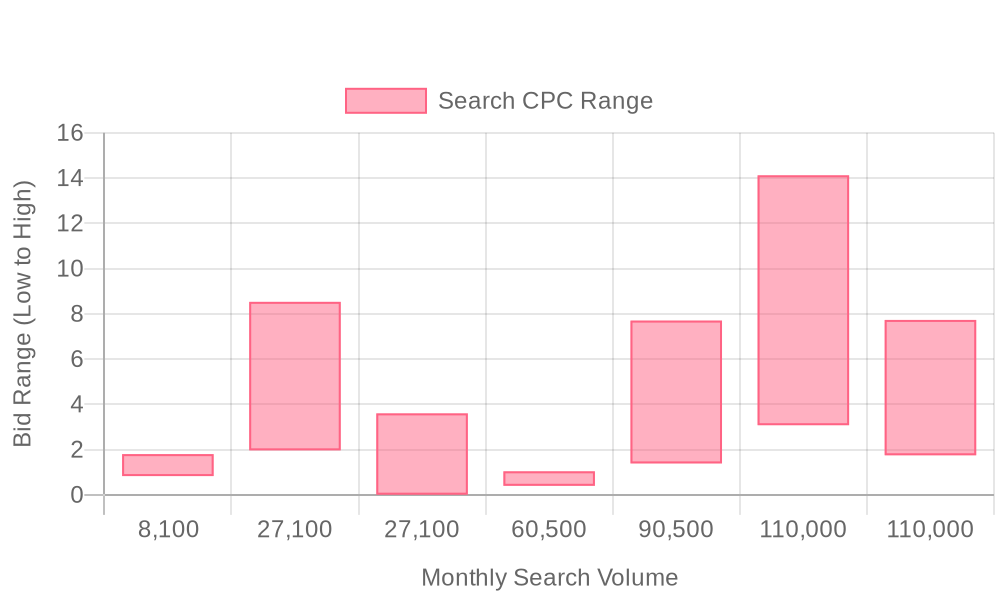
| Industry | Keyword | Monthly Search Volume | Competition Level | Low Bid | High Bid |
| Hair Care | virtue hair products | 8100 | HIGH | 0.83 | 1.8 |
| Hair Care | hair care | 27100 | HIGH | 1.97 | 8.53 |
| Hair Care | prose hair | 27100 | HIGH | 0.01 | 3.6 |
| Hair Care | wow hair products | 60500 | HIGH | 0.4 | 1.04 |
| Hair Care | curly hair products | 90500 | HIGH | 1.39 | 7.7 |
| Hair Care | hair loss treatment | 110000 | LOW | 3.08 | 14.12 |
| Hair Care | hair growth products | 110000 | HIGH | 1.75 | 7.73 |
Capturing in-market buyers for hair care solutions requires a nuanced keyword approach that reaches prospects with strong purchase intent. By focusing campaigns on precise, lower-funnel terms, brands can connect with individuals actively seeking hair care products and services, reducing wasted ad spend and improving lead quality.
- Sale Keywords: Terms like "hair care product promotions using Google Ads" put campaigns in front of high-intent buyers actively hunting for discounts or seasonal offers. Paired with dynamic audience updates, these keywords help ads reach the users most likely to convert as real-time engagement shifts. Google Ads for Salons provides a deeper look at targeting high-intent audiences in this space.
- Seasonal Opportunities: Mining terms such as "seasonal Google Ads campaigns for hair care services" positions brands to capitalize on peak demand windows, like holiday gift sets or summer hair treatments. With real-time intent data, teams can reallocate budget toward trending seasonal keywords as search volume spikes, maximizing campaign efficiency.
- Niche Topics: Specialized terms, like "Google Ads guide for mobile hairstyling services," help a brand stand out and attract audiences seeking something specific. When company-level identification pinpoints high-value segments, such as mobile stylists or on-demand hair care providers, bidding strategies can prioritize these prospects for higher ROI. Sona's Identity Resolution supports accurate identification of these valuable site visitors.
Smart bidding, fueled by unified audience data and advanced conversion tracking, ensures each click is evaluated for potential value. As leads progress through the funnel, audience segments refresh automatically, allowing marketers to retarget and nurture prospects with tailored offers. For more insights on optimizing ad campaigns, check out our guide on Google Ads ROI Guide. This approach transforms keyword-driven PPC for hair salons and hair care PPC campaigns into a scalable, data-informed growth engine for modern revenue teams.
Step-by-Step Campaign Execution Framework
Step 1: Build Targeted Keyword Lists
Getting the right keywords drives the success of any google ads for hair care initiative. Begin by grouping keywords based on the specific services or products you offer, such as haircuts, coloring, or restorative treatments. This detailed segmentation ensures every campaign resonates with the needs of potential clients searching for hair salon marketing or hair care advertising. For more tactical ideas, haircare ad marketing best practices provides a deeper look at this trend. Always include local modifiers, like neighborhood names or city references, to capture nearby customers ready to engage. Applying negative keywords prevents wasted spend on irrelevant searches, like DIY guides or unrelated beauty services.
Integrating keyword research with your social media and content strategy amplifies reach. For example, when a trending hair treatment is promoted via Instagram, ensure tightly aligned paid keywords support the campaign. With advanced data platforms, marketers can identify which search terms are driving not only website visits but also actual conversions, allowing for real-time adjustments to keyword lists. This means budget shifts instantly to the search phrases proven to generate qualified leads, driving a higher ROI from every PPC for hair salons campaign. We’ve covered additional strategies for boosting Google Ads ROAS in boosting Google Ads ROAS.
The upgrade most hair care advertisers miss is going beyond raw keyword volume to layer in intent and identity signals. By connecting website-visitor data and CRM records with Sona Marketing Measurement, you can see which specific search terms bring in the accounts and customers that actually convert, and weight your keyword and bidding strategy toward those rather than the terms with the highest search volume alone.
Step 2: Craft Compelling Ad Copy
Effective ad copy is essential for standing out in the crowded online advertising for salons landscape. Focus headlines on the real pain points your customers experience, such as “Eliminate Frizz Instantly” or “Book a Same-Day Hair Makeover.” Demonstrate trust with visible reviews, professional certifications, or awards. Create urgency by highlighting timely offers like a “first visit discount” or free consultation, motivating prospects to act quickly.
Sync all messaging with your ongoing social and email campaigns. With unified data, your paid ads can mirror customer journeys and preferences captured from other channels. For example, if a customer has engaged with an email campaign about new hair care products, they can be retargeted instantly with relevant search and display ads. This consistency ensures prospects see a seamless story, growing both brand trust and conversion rates.
Step 3: Design Effective Landing Pages
Landing pages must match the expectations set by your ads and keywords for optimal conversion rates in hair care PPC campaigns. Each campaign should lead to a page that mirrors the specific offer or service promoted. For example, an ad for “Color Correction Specialists” should direct users to a page showcasing before-and-after photos, customer testimonials, and a clear appointment booking form. Google Ads landing page examples provides a collection of real-world examples for inspiration. Implement ROI calculators and trust badges to provide transparency and drive confidence.
Connect your landing page forms directly with your CRM to ensure every lead is captured and routed for follow-up. With enriched visitor data, you can identify not just the contact, but the company and role, making it easier for sales teams to prioritize outreach. Solutions such as visitor identification support this by connecting anonymous web visits to actionable company insights for better lead management. This seamless flow between ad clicks and CRM records supports more efficient pipeline management and campaign attribution.
Step 4: Implement Data-Driven Optimizations
Optimizing your google ads for hair care campaigns requires ongoing experimentation and analysis. Deploy smart bidding strategies like Target CPA to automatically adjust bids toward the most cost-effective conversions. Routinely test new headlines, calls-to-action, and visual assets to discover what resonates best with your audience. Monitor performance at a granular level, shifting spend to the highest-performing keywords and audiences.
Leverage insights from your unified data ecosystem to inform broader marketing strategies. For example, real-time intent signals from ad engagement can identify leads ready for sales outreach or further nurturing. Syncing audiences between your CRM and Google Ads ensures that targeting evolves as leads move through the funnel, reducing wasted spend and increasing the likelihood of closing high-value accounts. This builds on the strategies outlined in Google Ads ROI playbook, enabling full-funnel attribution and a true picture of campaign ROI.
Sona Marketing Measurement closes the gap between clicks and revenue. It captures ad clicks with first-party measurement, then ties that click through UTM capture and ad-platform APIs to the actual record in your CRM, and reports ROAS by keyword and campaign instead of by last-click form fill. Feeding that revenue signal back into Smart Bidding and Performance Max compounds over time: the algorithms optimize toward booked hair care revenue, not cheap leads.
Tips on Expanding Your Hair Care Presence
A unified approach to digital marketing for hair care brands uncovers revenue opportunities that would otherwise remain hidden. By combining sharp keyword targeting with real-time audience insights, teams can capture demand from both new and returning prospects at the exact moment of intent.
- Use Retargeting To Support Content Initiatives: Disconnected content and advertising dilute brand messaging, leading to inefficient spend and missed conversions. Aligning content initiatives with retargeting ensures visitors who engage with tutorials, product pages, or styling guides get pulled back into the funnel. Identifying visitors at the company level lets marketers tailor follow-up to where a prospect actually sits in the buying journey, improving conversion odds and content ROI. Sona's Identity Resolution helps marketers recognize anonymous website visitors and tailor remarketing to boost engagement.
- Upsell Through Audience Segmentation: Not all visitors are ready to convert on the first interaction. Leveraging dynamic audience segmentation, hair care brands can set up targeted upsell campaigns that surface premium treatments or product bundles to high-value segments. As users progress from awareness to consideration, live intent signals allow marketing teams to shift budget and creative to the prospects most likely to buy, delivering relevant offers and capturing incremental revenue from existing customers. Haircare ad best practices provides a deeper look at this trend for beauty and wellness brands.
- Optimize Ads Locally To Increase Share-of-voice: Hair salons and clinics see outsized returns when campaigns are hyper-targeted to their service areas. By syncing CRM data with Google Ads, marketers can exclude existing clients from acquisition campaigns and focus spend on lookalike audiences within a specific radius. This local optimization increases the brand’s visibility in high-intent searches like “hair care near me” or “best salon in [city]” and drives higher share-of-voice in competitive metro markets.
- Generate New Content Topics From Search Data: Search query data is a goldmine for uncovering emerging trends. Analyzing this data helps hair care teams identify fresh content themes, like “sulfate-free hair products” or “scalp health”, that resonate with their audience. Feeding these insights into both organic and paid strategies ensures ongoing relevance and positions the brand as a go-to resource, while automatically updating ad audiences to reflect changing interests and search behaviors. For more insights on optimizing campaigns with first-party data, check out our guide on intent retargeting.
Beyond Google Ads: Winning the AI Answers Hair Care Buyers Now Trust
Paid search captures demand at the moment someone types a query. But a fast-growing share of hair care buyers no longer start at Google at all, they ask ChatGPT, Gemini, or Perplexity before they ever run a search, and Google's own AI Overviews increasingly summarize an answer above the traditional results. If your business isn't referenced in those AI answers, you're invisible at the exact moment buyers build their shortlist.
Sona AI Visibility shows where your business shows up across ChatGPT, Gemini, Perplexity, Google AI Overviews, and 10+ engines, and, much like a keyword report, which prompts actually send you buyers, so you can prioritize the ones that convert. Run the two together and you cover the entire buyer path: get cited where buyers research (AI Visibility), then prove which of that demand turns into booked revenue (Marketing Measurement).
Helpful resources
Conclusion
Running Google Ads well for a hair care business means treating every click as a specific person with a specific need, not a generic lead. The salon owner and the product brand both win the same way: by putting the right offer in front of the right searcher at the moment they're ready to book or buy.
The next shift is already underway: buyers increasingly research hair care brands through AI answers before they ever type a search query. Pairing tight Google Ads execution with visibility into those AI answers, and with measurement that ties clicks to booked revenue, is what will separate hair care brands that grow from those that just spend.
FAQ
What are the best practices for Google Ads in the hair care industry?
Best practices include precise keyword targeting, aligning ad copy with landing pages, optimizing for ROI through continuous performance measurement, and integrating cross-channel marketing strategies.
How much should I budget for Google Ads for my hair salon?
While the exact budget depends on your specific goals and market, it's important to ensure your ad spend targets high-intent audiences and maximizes ROI through strategic targeting and optimization.
What keywords should I target for hair care Google Ads?
Target high-intent keywords such as 'best sulfate-free shampoo' or 'top hair salon near me,' and use long-tail keywords to reach consumers with specific needs.
How can I measure the success of my Google Ads campaigns for hair care?
Success can be measured by tracking performance metrics such as click-through rates, cost per lead, ROAS, and integrating both online and offline conversion data.
What types of ads work best for promoting hair care services?
Search campaigns for high-intent leads, display ads for brand awareness, video ads for product demonstration, and remarketing campaigns to re-engage users are effective for hair care promotion.








