


A cracked foundation doesn't wait for a convenient time to fail, and the homeowner who spots one rarely waits either; they search, they call, and they hire whoever answers first with credible proof of expertise. Google Ads has become the fastest way for foundation contractors to be that first call, intercepting property owners at the exact moment a hairline crack or a sinking slab turns into an urgent project. But search clicks alone don't tell you which of those leads actually became paying jobs. Connecting online ad activity to offline events, phone calls, in-person inspections, signed contracts, gives contractors a full picture of what's actually working. This guide walks through how to build that connected approach, from campaign structure to measurement.
How to Generate Google Ads for Foundation Contractor Leads: A Step-by-Step Guide

Foundation contractors face a unique challenge: connecting with property owners at the precise moment when urgent repairs become a necessity. Successful lead generation in this sector requires not just exposure, but immediate, relevant engagement that speaks directly to homeowner pain points. With Google Ads, revenue teams can accelerate visibility among high-intent prospects and capture these moments of demand with precision.
To maximize the effectiveness of Google Ads for foundation contractors, marketers should employ a holistic, data-driven approach that unifies online activity, offline interactions, and real-time behavior signals. This methodology helps teams prioritize the highest-value opportunities, adjust budget allocation dynamically, and streamline sales follow-up, all while improving campaign efficiency and ROI. For a comprehensive resource on effective strategies tailored to concrete and foundation businesses, see this ultimate Google Ads guide for concrete businesses.
- Establish data-driven methodologies: Integrate Google Ads with robust analytics to monitor campaign performance, including identification of anonymous visitors who show in-market behavior. Knowing which companies or individuals are engaging with your website lets you prioritize outreach to the accounts most likely to convert.
- Tailor keyword and audience targeting: For foundation repair advertising, it is critical to select keywords that reflect the urgency and specificity of customer needs, such as "emergency foundation repair" or "slab leveling near me." Audience segmentation should go beyond demographics, incorporating signal-based segments and company-level data to personalize campaigns for different client segments.
- Optimize landing pages for conversion: High-converting landing pages require more than compelling visuals; they must align precisely with the ad copy and keyword intent. Every element, from messaging to form placement, should reduce friction and encourage immediate action. Strategic call-to-actions tailored to foundation repair decision-makers, such as "Book Your Free Inspection," drive engagement by addressing the specific concerns and motivations of your audience. Continuous A/B testing, informed by unified campaign and CRM data, reveals which layouts and offers generate the highest conversion rates.
- Apply cross-channel strategies: The most effective Google Ads strategies for foundation contractors do not operate in isolation. By integrating data from both online and offline interactions, marketing teams can create comprehensive profiles of ideal buyers and sync these audiences across platforms. For a step-by-step approach on campaign setup and optimization, see this step-by-step guide for concrete contractors.
This step-by-step approach ensures that every stage of the Google Ads journey, from initial impression to closed deal, is powered by actionable insights, unified data, and a focus on high-value outcomes. If you're ready to put these strategies into action, get started for free with Sona.
Why Does Google Ads Matter for Foundation Contractors?

Foundation contractors face a distinct marketing landscape, where urgent customer needs and high-value projects converge. Capturing high-intent prospects is essential, as the majority of homeowners searching for foundation services are actively looking to hire, not just gather information. By targeting in-market audiences with Google Ads, contractors can ensure their services appear precisely when prospects are ready to engage, increasing the likelihood of converting searches into qualified leads.
Responsive ad delivery allows contractors to tailor campaigns to immediate requests such as emergency repairs, post-storm inspections, or urgent structural assessments. This real-time adaptation helps connect with property owners at critical decision moments, ensuring that marketing budgets focus on the most actionable opportunities. For underserved or emerging markets, Google Ads enables foundation contractors to expand their footprint strategically, reaching untapped regions where competition is lower and growth potential is higher.
With unified data flows and predictive lead scoring, marketing teams can analyze which campaigns attract prospects closest to booking a service call. Advanced analytics reveal which keywords and audience segments yield the highest-value opportunities, well beyond basic clicks and impressions. That clarity lets teams double down on top-performing channels, shift spend away from underperforming regions, and continuously refine their foundation repair advertising for better profitability and steadier growth.
Common Types of Google Ads Campaigns for Foundation Contractors
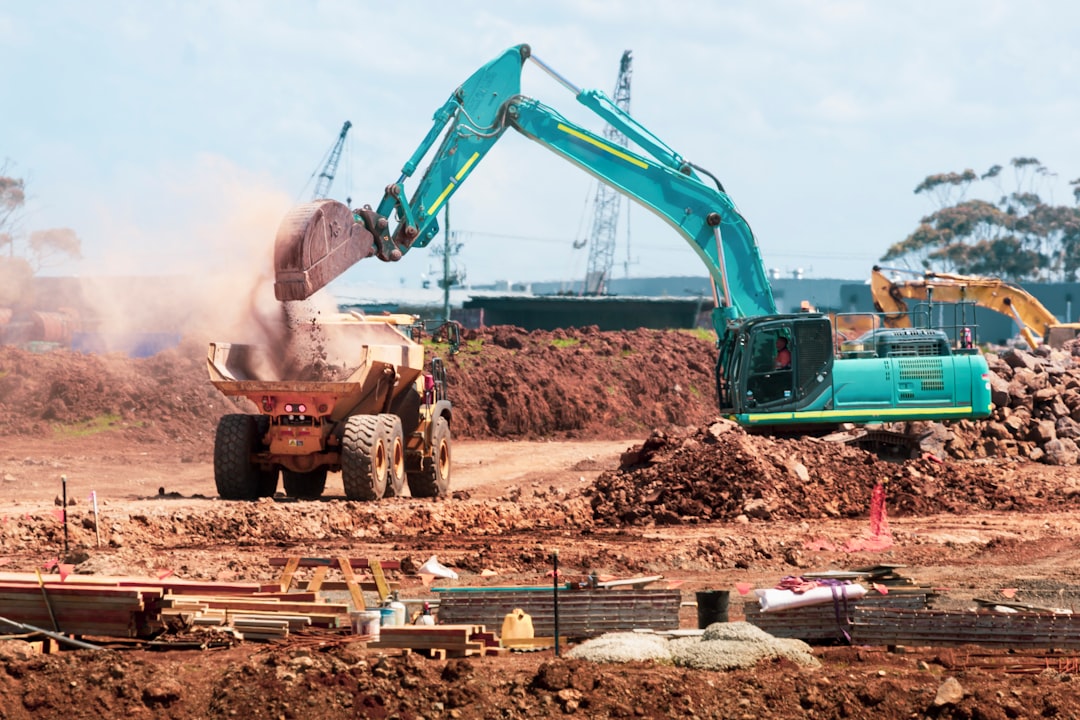
- Search Campaigns: Direct search campaigns reach prospects actively seeking foundation repair services, often capturing high-value, bottom-of-funnel leads. By serving ads for terms like “foundation contractors near me” or “emergency structural repair,” contractors can intercept intent-driven buyers ready to make contact or request a quote. When marketers use visitor identification and intent data, they move beyond generic targeting, identifying which companies or high-potential homeowners are searching, and prioritizing spend on those most likely to convert. For a step-by-step approach, explore this guide on running Google Ads for concrete contractors.
- Display Ads: Display campaigns keep your brand top-of-mind as property owners research solutions or compare contractors across industry sites. These ads build early-stage awareness and reinforce trust, especially when visuals showcase certifications or before-and-after project results. By leveraging real-time intent signals, marketers can boost relevance by shifting impressions to users who have demonstrated recent interest in foundation repair, optimizing spend by focusing on buyers moving toward vendor selection.
- Remarketing: Remarketing campaigns are essential for recapturing prospects who visited your site but left before taking action. By targeting these previous visitors with tailored ads, such as seasonal offers or reminders about free inspections, contractors can improve conversion rates and keep their services top-of-mind during the decision process. Dynamic audience updating ensures that remarketing lists reflect current funnel positions, so messaging stays personalized and relevant as leads progress from research to purchase.
- Performance Max: Performance Max campaigns let contractors reach prospects across Search, Display, YouTube, and Gmail from a single campaign, using Google's automation to find high-intent homeowners and property managers wherever they're browsing. This works especially well for foundation contractors expanding into new service areas, since the algorithm can surface demand you wouldn't catch with manually built search campaigns alone.
Where to Find Growth Opportunities?

Growth for foundation contractors depends on identifying and acting on industry-specific keyword opportunities that align with genuine search demand. Pinpointing terms like "foundation inspection," "structural crack assessment," or "basement waterproofing cost" allows marketers to capture buyers at the research and decision stage. To ensure your strategy is robust, studying competitor gaps and emerging trends is essential, as is leveraging real-time audience insights to maximize the value of each advertising dollar.
Competitor analysis remains essential for navigating dynamic market shifts in the foundation repair space. By examining which services competitors are emphasizing, analyzing their ad copy, and tracking shifts in their keyword focus, contractors can quickly pivot to capture unmet demand. For a practical step-by-step guide to optimizing Google Ads in the construction industry, review this step-by-step guide for concrete contractors. Integrating campaign data into a unified source, such as connecting Sona with your CRM and ad platforms, will enrich your competitive intelligence and accelerate your response to new opportunities.
Expanding beyond search, foundation contractors can reach untapped audiences through strategic placements on industry trade forums and community sites where property owners and commercial managers gather. These digital communities are valuable for driving direct referrals and reinforcing your online presence, boosting authority in both organic and paid channels. By tracking campaign performance holistically, marketers gain a complete view of which placements drive qualified leads, enabling continuous optimization and smarter budget allocation.
How to Apply Audience Segmentation for Foundation Contractors
Defining clear audience segments is essential for foundation contractors aiming to maximize the impact of their Google Ads investments. Commercial clients typically seek large-scale structural solutions, while residential clients prioritize immediate repairs and home safety, each segment has distinct project timelines, decision-makers, and budget expectations. Segmenting audiences ensures that marketing messages and offers are relevant, increasing the likelihood of engagement and conversion. For a deeper dive into segmenting by buyer profile, explore signal-based audience segmentation for more effective targeting.
Identifying intent signals helps differentiate between prospects searching for minor home repairs and those requiring full-scale commercial foundation work. For example, searches mentioning "emergency basement crack repair" often signal urgent homeowner needs, while phrases like "structural evaluation for office buildings" indicate a commercial opportunity. By analyzing these intent cues, contractors can tailor ad groups and creative assets to match the specific requirements of each audience, reducing wasted spend and improving response rates. Learn more about leveraging custom intent signals to boost Google Ads performance.
Designing segmented ad groups within Google Ads for foundation contractors enables precise targeting and message alignment. Campaigns structured around audience types, such as residential slab repair, commercial foundation stabilization, or crawl space encapsulation, allow for more relevant ad copy, higher quality scores, and improved click-through rates. When audience lists are dynamically updated based on lead behavior, such as engagement with specific service pages or form submissions, marketers can deliver timely, personalized follow-ups that nudge leads through the sales funnel. Review this step-by-step guide for Google Ads optimization tailored to the construction industry.
Ensuring conversion tracking integrates seamlessly with your CRM is critical for capturing every qualified lead and attributing results accurately. When online and offline conversion data flows between Google Ads and the CRM, contractors gain a comprehensive view of which segments drive the most revenue and which campaigns underperform. Unified data lets marketing and sales teams act on real-time insights, optimize budget allocation, and automate follow-up for high-intent opportunities, resulting in a measurable lift in Google Ads ROI for contractors.
This is also where measurement changes the economics. With Sona Marketing Measurement you can identify the companies behind your ad clicks, not just anonymous sessions, and segment audiences by who actually becomes a customer. That lets you build bid adjustments and audience signals around the segments that convert and de-prioritize the ones that don't, so you feed Google's algorithms "this click became a paying foundation contractors customer" instead of just "someone filled out a form."
Keyword Strategy & Sample Target Terms
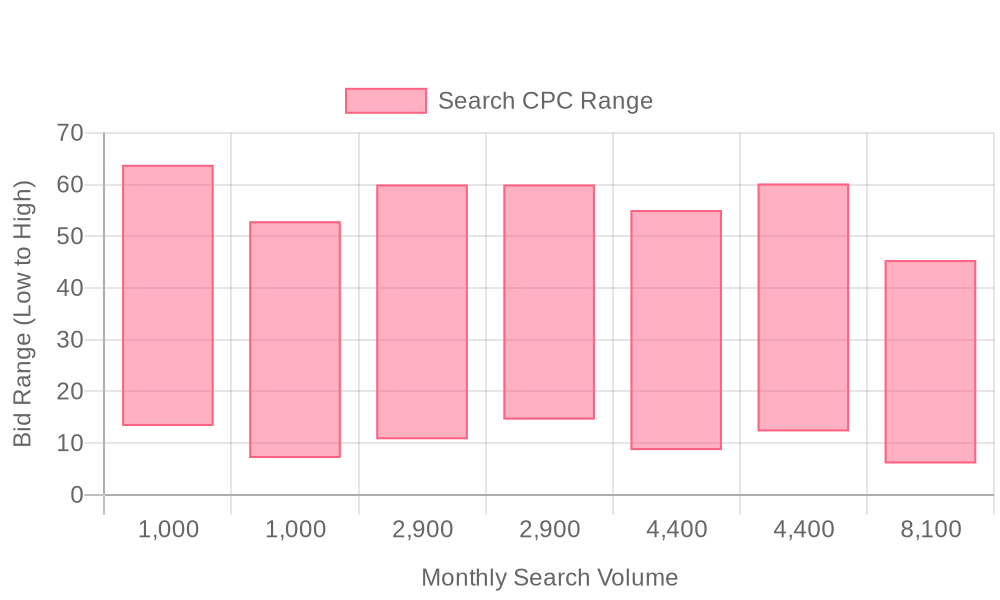
| Industry | Keyword | Monthly Search Volume | Competition Level | Low Bid | High Bid |
| Foundation Contractors | foundation experts near me | 1000 | MEDIUM | 13.33 | 63.8 |
| Foundation Contractors | foundation repair contractors near me | 1000 | LOW | 7.13 | 52.9 |
| Foundation Contractors | foundation repair companies near me | 2900 | MEDIUM | 10.76 | 60 |
| Foundation Contractors | foundation specialists | 2900 | LOW | 14.57 | 60 |
| Foundation Contractors | foundation contractors | 4400 | LOW | 8.66 | 55.08 |
| Foundation Contractors | foundation companies near me | 4400 | MEDIUM | 12.28 | 60.19 |
| Foundation Contractors | foundation contractors near me | 8100 | LOW | 6.09 | 45.4 |
Effective Google Ads for foundation contractors begin with a keyword strategy rooted in intent, specificity, and audience qualification. Identifying the search terms that signal urgency or specialized needs enables teams to prioritize spend toward those most likely to engage and convert. By focusing on buyer-ready language and filtering out irrelevant traffic, marketers create a foundation for measurable ROI and lead quality. For more actionable insights, explore our collection of marketing playbooks designed to help optimize your campaign results.
- High-Intent Keywords: These terms, such as "emergency foundation repair near me," are critical for targeting prospects who are ready to act. Bidding on high-intent keywords ensures marketing dollars are spent intercepting homeowners or property managers at their point of need. This focus aligns ad budgets with moments of peak buying intent, improving both conversion rates and cost efficiency. Advanced platforms can help identify in-market behaviors and shift spend dynamically to keywords driving the strongest engagement, so revenue teams never miss an opportunity due to delayed data.
- Niche Keywords: Long-tail and highly specific phrases like "crawl space encapsulation experts in [city]" or "slab jacking specialists for commercial buildings" allow contractors to capture demand in specialized segments. These keywords often have less competition and attract leads with defined requirements, which drives higher engagement and lifetime value. By analyzing visitor profiles and keyword opportunities based on real-time firmographic and behavioral data, marketers can continuously refine and expand their niche targeting.
- Negative Keywords: Filtering out searches such as "DIY foundation repair," "foundation repair tutorial," or "free foundation inspection tips" is essential for preventing budget waste. Negative keywords eliminate unqualified clicks, ensuring campaigns only capture prospects with purchase intent. With robust audience intelligence, negative keyword lists can be updated as new low-quality patterns emerge, making each campaign iteration more efficient.
Combining these keyword strategies with unified data insights allows B2B revenue teams to build campaigns that not only attract high-quality leads but also deliver clear attribution for every conversion. By connecting CRM, website, and ad platform data, marketers gain a full picture of which term combinations drive real business outcomes, further optimizing PPC advertising for contractors and maximizing ROI.
Step-by-Step Campaign Execution Framework
Step 1: Build Targeted Keyword Lists
Effective Google Ads for Foundation Contractors begins with a meticulously organized keyword structure. The most successful campaigns group keywords by both service type and local modifiers, such as “foundation repair Austin” or “crawl space encapsulation Dallas.” This granular approach ensures each ad group targets prospects seeking specific solutions within your service area, significantly improving click quality and lead intent. For a comprehensive look at building high-performing campaigns in this industry, see this step-by-step guide to Google Ads for concrete contractors. Prioritizing long-tail queries, like “emergency foundation crack repair near me” or “licensed basement waterproofing in Houston”, further tailors your spend to high-value, bottom-funnel searchers who are ready to engage.
By closely aligning keyword selection with ongoing content marketing insights, marketers can capture users already primed for conversion. When these lists are dynamically updated using real-time audience signals, such as recent site visits or high-value page interactions, campaigns remain aligned with evolving market trends. Solutions that identify visitor companies and connect the dots between anonymous impressions and actual business interest allow revenue teams to refine targeting and prioritize spend on the most likely-to-convert accounts. This data-driven targeting is essential for maximizing Google Ads ROI for contractors and eliminating wasted budget on irrelevant clicks.
The upgrade most foundation contractors advertisers miss is going beyond raw keyword volume to layer in intent and identity signals. By connecting website-visitor data and CRM records with Sona Marketing Measurement, you can see which specific search terms bring in the accounts and customers that actually convert, and weight your keyword and bidding strategy toward those rather than the terms with the highest search volume alone.
Step 2: Develop Compelling Ad Copy
Every touchpoint in foundation repair advertising must address core homeowner concerns: safety, property value, and urgency. Ad copy should speak directly to those pain points, offering clear solutions and highlighting trust factors like certifications, warranties, and verified customer reviews. For example, messages such as “Certified Foundation Experts, Free Same-Day Inspections” or “Lifetime Warranty on All Repairs” build confidence and drive action.
Advanced platforms enable teams to segment audiences by engagement level, serving custom messaging to prospects who have previously interacted with your site or downloaded a resource. This ensures your ad text remains contextually relevant, increases click-through rates, and accelerates the path to conversion. As audiences shift through the funnel, dynamic updates to ad copy keep your campaigns agile and responsive, reinforcing your authority in a crowded contractor marketing landscape. For more actionable guidance, explore contractor marketing playbooks designed to elevate campaign performance.
Step 3: Design Effective Landing Pages
Landing page design is the linchpin of high-performing Google Ads strategies for foundation contractors. A strict 1:1 alignment of keyword, ad, and landing page content eliminates user confusion and drives conversion rates higher. Each landing page should present a clear, compelling call-to-action, such as “Book Your Free Structural Assessment”, and reinforce trust with proof points like project photos, accreditation logos, and client testimonials.
Conversion rates improve dramatically when landing pages are personalized based on the visitor’s journey and campaign source. Connecting intent signals from ad clicks to individualized page experiences addresses specific needs, whether it’s urgent repair or preventative consultation. Integrating accurate form tracking and click-to-call features ensures every qualified lead is captured and attributed, empowering revenue teams to measure the true impact of each campaign and optimize accordingly.
Step 4: Implement Data-Driven Optimizations
Continuous improvement is at the core of effective Google Ads management, adapted here for foundation contractors and the construction industry. Marketers must monitor conversions, cost-per-lead, and engagement data in real time, then adjust bids, budgets, and targeting to reflect market shifts, including the seasonal spikes that follow heavy rains or freeze-thaw cycles, when foundation cracks and basement leaks send search volume climbing. Rapid feedback loops let teams identify which service areas, messages, or search terms are driving the highest ROI and reallocate spend to capitalize on new opportunities.
Unified campaign analytics provide a comprehensive view of both online and offline conversions, closing the loop between digital engagement and actual job bookings. When CRM and ad platforms are synchronized, enriched audience data flows seamlessly, ensuring that follow-up campaigns nurture the right prospects and exclude closed opportunities from retargeting pools. These agile, data-driven optimizations set leading foundation repair companies apart and drive sustained growth even in competitive local markets.
Sona Marketing Measurement closes the gap between clicks and revenue. It captures every ad click with first-party measurement, ties that click through UTM capture and ad-platform APIs to the actual record in your CRM, and reports ROAS by keyword and campaign instead of by last-click form fill. Feeding that revenue signal back into Smart Bidding and Performance Max compounds over time: the algorithms optimize toward booked foundation contractors revenue, not cheap leads.
Tips on Expanding Your Foundation Contractor Presence
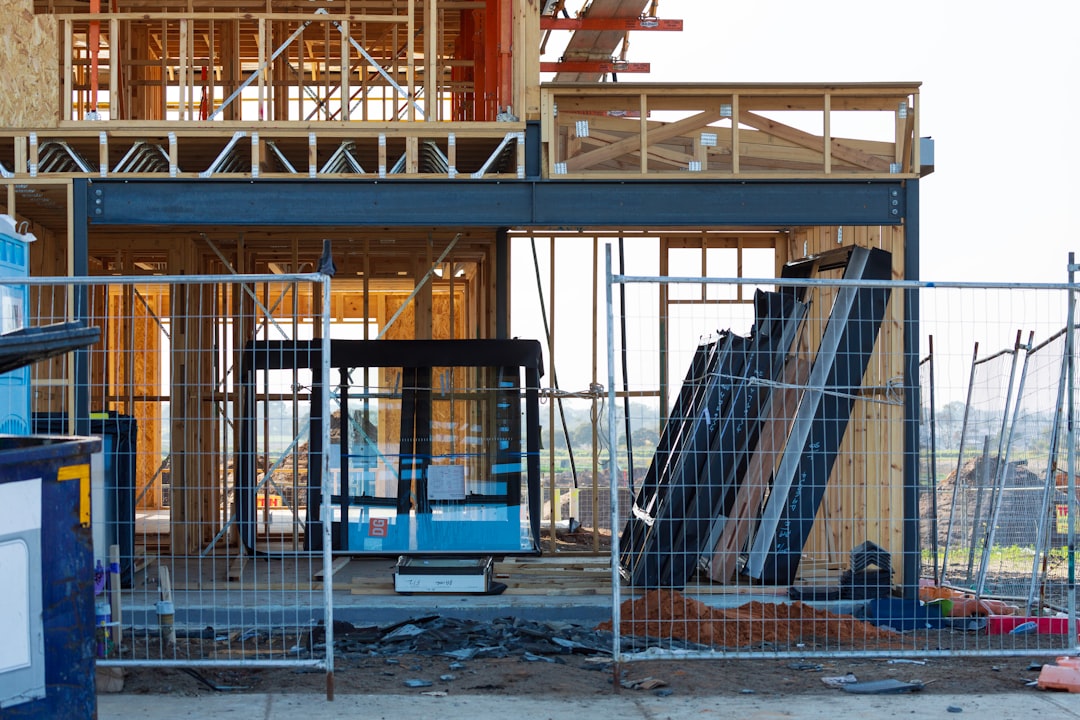
Expanding your presence as a foundation contractor requires a multi-pronged approach that reaches prospects across the buying journey. Leveraging educational retargeting, strategic partnerships, and localized targeting can help build trust and ensure your brand resonates with high-value audiences. To deepen your knowledge, explore our marketing and analytics insights for actionable strategies tailored to foundation services.
- Educational retargeting for authority building: Implementing educational retargeting campaigns supports larger content strategies by keeping your expertise visible to previously engaged visitors. When a prospect reads a technical blog on foundation repair best practices, targeted display or video ads can follow up with checklists, case studies, or video walkthroughs. This ongoing engagement fosters credibility and positions your brand as the go-to resource, especially when audiences see consistent value at every touchpoint. Using identification tools, marketers can track which visitors engaged with specific content, then automatically trigger ads or nurture emails tailored to their in-market behavior. For a step-by-step approach to Google Ads optimization in the construction space, see this concrete contractor campaign guide.
- Partner with industry associations for trust and reach: Collaborating with respected industry associations can dramatically improve both traffic and credibility. By co-creating content or hosting educational webinars with association partners, foundation contractors benefit from built-in trust signals that matter to discerning property owners. Association endorsements and backlinks also enhance search visibility, driving higher-quality leads to your landing pages. Additionally, integrating visitor identification and CRM sync enables you to capture enriched company and contact data from association-driven site traffic for personalized follow-up and improved conversion rates.
- Localize ad targeting to maximize ROI: Foundation repair is hyper-local, so success hinges on prioritizing regions with demonstrated demand. Advanced targeting tools allow you to pinpoint neighborhoods or zip codes where foundation issues are most prevalent, based on signal-based audience segments and historical campaign performance. Marketers can further refine audiences as leads progress through the funnel, adjusting bids or creative for segments with the highest close rates. To ensure your targeting is always up-to-date, dynamic audience updates keep your messaging relevant so every dollar invested in Google Ads works harder for your business.
Final Thoughts
Google Ads gives foundation contractors precision targeting and accurate ROI measurement, so every dollar spent goes toward visibility and conversions rather than guesswork. Real-time optimization, built on advanced targeting strategies, helps contractors overcome the incomplete or siloed data that often blunts outreach. Connecting campaign analytics, CRM engagement, and website interactions into one workflow means every stage of the buyer journey informs the next.
Sophisticated data integration lets foundation contractors identify not just anonymous web visitors, but the actual companies behind each click, through Sona's Identity Resolution. As audiences move through the funnel, dynamic segmentation keeps retargeting and messaging aligned with their current buying intent. Conversion tracking extends beyond online form fills to include offline calls and booked jobs, giving a true picture of Google Ads ROI for contractors.
A unified, tech-savvy approach to Google Ads elevates lead generation and stretches marketing budgets further. Deep audience insights and scalable automation let contractors reach the right prospects and nurture them from initial click to closed deal. To see how you can streamline your campaign data and maximize results, get started for free with Sona.
Beyond Google Ads: Winning the AI Answers Foundation Contractors Buyers Now Trust
Paid search captures demand at the moment someone types a query. But a fast-growing share of foundation contractors buyers no longer start at Google at all, they ask ChatGPT, Gemini, or Perplexity before they ever run a search, and Google's own AI Overviews increasingly summarize an answer above the traditional results. If your business isn't referenced in those AI answers, you're invisible at the exact moment buyers build their shortlist.
Sona AI Visibility shows where your business shows up across ChatGPT, Gemini, Perplexity, Google AI Overviews, and 10+ engines, and, much like a keyword report, which prompts actually send you buyers, so you can prioritize the ones that convert. Run the two together and you cover the entire buyer path: get cited where buyers research (AI Visibility), then prove which of that demand turns into booked revenue (Marketing Measurement).
Helpful resources
Conclusion
The foundation contractors who win with Google Ads treat it as one connected system, not a set of disconnected settings. Targeting the right geographies, highlighting the licenses and warranties that build trust, and pairing search intent with landing pages built for urgency all compound each other rather than working in isolation.
The contractors pulling ahead right now are the ones closing the loop between ad spend and booked jobs, then feeding that signal back into their bidding. As AI tools increasingly shape where buyers start their search, the same discipline, know which channels produce paying customers, not just clicks, will decide who gets found next.
FAQ
How can foundation contractors effectively use Google Ads?
Foundation contractors can effectively use Google Ads by integrating online and offline data, employing targeted keyword strategies, and optimizing landing pages to intercept potential clients at their moment of need.
What are the best practices for Google Ads in the construction industry?
Best practices include integrating Google Ads with robust analytics, tailoring keyword and audience targeting, optimizing landing pages for conversion, and applying cross-channel strategies to create comprehensive buyer profiles.
What budget should foundation contractors allocate for Google Ads?
The budget allocation should be dynamic, allowing for adjustments based on campaign performance and prioritizing high-value opportunities to maximize ROI.
What keywords should foundation contractors target in Google Ads?
Contractors should target high-intent keywords like 'emergency foundation repair' and niche-specific phrases such as 'slab leveling near me,' while also using negative keywords to filter out unqualified traffic.
How do Google Ads compare to other advertising methods for contractors?
Google Ads provide precision targeting and real-time adaptation, allowing contractors to reach high-intent prospects more effectively than some traditional advertising methods.







