


Foster care agencies rarely lose prospective parents to disinterest, they lose them to slow follow-up and thin tracking. A family searches late at night, fills out a form, and waits days for a callback while their attention drifts elsewhere. Google Ads gives foster care organizations a way to close that gap, meeting prospective parents, donors, and volunteers at the moment they're searching and following through with the data to prove which campaigns actually produce placements. This article walks through the strategy and mechanics needed to make that happen.
How to Generate Foster Care Services Leads with Google Ads: A Step-by-Step Guide

A high-performing foster care marketing strategy depends on precision audience targeting and continuous data refinement. Organizations that leverage digital insights consistently uncover untapped prospect pools and convert more high-value leads.
Google Ads lets foster care teams identify, nurture, and engage families or advocates at every stage of readiness, from a first late-night search to a completed application. With good measurement in place, providers can trace online interactions back to their source, optimize spend, and focus budget on the inquiries most likely to become placements. The Google Ads nonprofit guide offers a detailed overview of how charitable organizations can put these tools to work.
- Data-driven Digital Presence: Foster care organizations can track which channels and messages actually move a prospective parent from a first click to a completed inquiry. Watching engagement signals across the funnel, teams spot where interest stalls, whether that's at the application form or the home-study explainer page, and shift budget toward what's working. For more on optimizing these campaigns, see our guide on Google Ads ROI.
- Targeting Complex Demographics: The foster care ecosystem contains diverse segments, from first-time foster parents to seasoned advocates or community partners. Audience frameworks informed by in-market behavior and enriched data sets allow for precise targeting, ensuring messaging reaches those most likely to take action.
- Landing Page Customization: Tailored landing experiences drive higher conversion rates for foster care inquiries and applications. Dynamic content and personalized forms reduce drop-offs, enabling organizations to capture qualified leads and nurture them efficiently.
- Roi Maximization And Offline Capture: Performance evaluation goes beyond online forms; effective strategies include tracking offline conversions and understanding how digital ads translate into real-life engagement. This holistic view empowers marketing teams to justify budget allocation and refine their approach as new insights emerge.
Foster care agencies can automate follow-up and route enriched lead data directly into their CRM and ad platforms. Solutions such as Sona Destinations support seamless integration of lead data, so every inquiry, whether from a website visit, phone call, or event, is tracked and followed up on, shortening the distance between interest and placement.
Why Google Ads Matter for Foster Care Services

Foster care organizations face unique challenges in reaching families and advocates at the moment they are most likely to act. Online advertising for foster care elevates visibility precisely when prospective foster parents are searching, ensuring your message meets them at critical decision points.
Effective foster care outreach relies on more than just broad awareness: it demands targeting high-intent audiences and maximizing limited nonprofit budgets. Google Ads allows teams to direct spend toward those most likely to engage, controlling exposure while maintaining cost efficiency. This is especially vital for nonprofits with tight margins and a need to prove real program impact from every dollar spent.
Immediacy is crucial during recruitment cycles, as families explore their options in real time. This builds on the strategies outlined in Google Ads ROI Tips, where maximizing results at key decision moments is essential for campaign success.
Common Types of Google Ads Campaigns for Foster Care Services

- Search Campaigns: Search campaigns are the foundation of effective online advertising for foster care organizations. By targeting urgent, high-intent queries such as “how to become a foster parent” or “foster care support near me,” marketers reach people who are already motivated to act. These campaigns, often built with Responsive Search Ads, direct prospective foster parents and advocates to informative landing pages, increasing the likelihood of meaningful engagement. Paired with visitor identification, search campaigns also let organizations see which households or organizations are actively researching foster care, so outreach can focus on high-potential leads. Sona's Identity Resolution helps organizations pinpoint and prioritize those high-intent visitors for more effective follow-up.
- Display Ads: Display campaigns help foster care services stay visible among prospects who aren't actively searching but frequent relevant online spaces, foster care resources, child welfare content hubs, and community forums. Dynamic audience segmentation lets these ads adjust as users engage with different parts of your site, keeping messaging aligned with where each visitor sits in their decision process.
- Video Ads: Video campaigns are ideally suited for sharing powerful stories that drive emotional connection and awareness. Foster care organizations can use short films, testimonials, or educational clips to reach audiences across YouTube and other video platforms. Video ads are particularly effective for re-engaging users who have visited your site but have not yet inquired or applied. When real-time intent data is layered into video campaigns, budget and creative can shift toward segments demonstrating higher engagement, increasing the overall impact and efficiency of your outreach.
- Remarketing Campaigns: Remarketing is essential for staying connected with potential foster parents and supporters who have previously interacted with your website or resources but did not convert. By serving tailored ads based on their actions, such as downloading an information packet or visiting a foster parent FAQ page, remarketing campaigns deliver relevant follow-ups that keep your organization top-of-mind. For more strategies on maximizing remarketing and retargeting effectiveness, check out our guide on Intent Retargeting. Integration with CRM and ad platforms ensures that audience lists update automatically as leads progress through the funnel, driving more personalized and timely communications. This approach also supports offline conversion tracking, delivering a clear view of which campaigns directly contribute to inquiries, applications, and successful foster placements.
Where to Find Growth Opportunities in Foster Care Services

Growth in foster care outreach comes from precise targeting and campaigns that adapt as interest shifts by season, licensing cycles, and local need. Getting more from Google Ads means finding new channels, segmenting audiences by intent, and turning subject-matter expertise into campaigns people act on. Platforms like Sona Audiences help identify and segment high-potential visitor groups, making ad spend more efficient.
- Refine Keyword Strategy: Use foster care-specific keywords that map to each stage of the user journey, from "how to become a foster parent" to "foster care support resources." Integrate nuanced terms reflecting user interests and regional needs to expand reach beyond generic queries. When platforms can connect visitor-level data to actual search intent, you gain the clarity to prioritize spend on audiences most likely to convert.
- Conduct Competitor Analysis: Map the competitive landscape, which keywords similar agencies target, what messaging they use, and where their campaigns fall short, whether that's ignoring respite care inquiries or under-serving Spanish-language searches. Visitor identification helps you spot those gaps and redirect effort toward untapped segments. See foster care keywords for a deeper look at keyword opportunities within the sector.
- Target High-value Placements: Seek out advertising opportunities on industry-related sites, local news platforms, and trusted community domains where your audience is already engaged. Focusing spend on these placements increases relevance and drives deeper connections with decision-makers and caregivers. Dynamic intent data and company-level insights allow you to shift budget in real time as new growth pockets emerge.
- Repurpose Educational Content For Retargeting: Transform existing assets such as whitepapers, guides, and checklists into remarketing campaigns that nurture initial visitors through the funnel. Retargeting with contextually relevant content ensures each touchpoint builds on prior engagement, driving higher lead quality and accelerating conversion. When audience lists update automatically as users interact with your resources, your campaigns remain aligned with real-time interest and readiness to act.
Innovative digital marketing for foster care hinges on these strategies, with the greatest gains realized when data, intent, and personalized outreach work in unison. For more insights on maximizing paid campaigns, check out our guide on Google Ads ROAS.
How to Apply Audience Segmentation for Foster Care Services

Precise audience segmentation is the cornerstone of high-performance foster care advertising. Marketers who leverage data-driven segmentation consistently see stronger engagement, higher conversion rates, and more efficient spending when running google ads for foster care services. My Adoption Advisor provides a deeper look at this trend.
- Segment By Service Type Or Demographic: Start by mapping your audience into distinct categories such as prospective foster parents, current caregivers, community advocates, or supporters interested in child welfare marketing. Further refine segments using demographic variables like age, location, and household status to ensure that each touchpoint strategy aligns directly with unique interests and needs. For example, messaging to young couples exploring foster care differs substantially from outreach aimed at retired professionals seeking ways to give back.
- Activate Intent Signals For Sharper Targeting: Monitor which users engage with high-value site content, such as application forms, success stories, or information about becoming a foster parent. Tracking these intent signals lets teams prioritize ad spend and follow-up toward leads showing genuine interest. Sona surfaces intent signals to reveal the households and organizations behind anonymous web sessions, making it easier to engage in-market prospects.
- Ensure Messaging Synergy Across Ad Groups: Use real-time page interaction data to inform creative and copy for each audience segment. When campaign messaging resonates with the audience’s current context, engagement and click-through rates increase. Dynamic audience management ensures that lists update as contacts engage with new content or move between consideration stages, so each ad group remains tightly aligned with the right prospects.
- Validate Conversion Paths With Crm Insights: Integrate CRM data to confirm whether ad-driven leads progress through onboarding, training, or inquiry processes. This alignment enables comprehensive engagement tracking, connecting online ad engagement to offline actions such as phone calls, event attendance, or completed applications. For more insights on maximizing ad strategies, check out our guide on Google Ads ROAS.
Effective audience segmentation for foster care services transforms generic outreach into targeted campaigns that attract and convert high-quality leads, maximize nonprofit Google Ads strategies, and drive measurable impact for every dollar spent.
This is also where measurement changes the economics. With Sona Marketing Measurement you can identify the companies and organizations behind your ad clicks, not just anonymous sessions, and segment audiences by who actually becomes a foster parent or donor. That lets you build bid adjustments and audience signals around the segments that convert and de-prioritize the ones that don't, so you feed Google's algorithms "this click became an engaged foster care applicant" instead of just "someone filled out a form."
Keyword Strategy & Sample Target Terms for Foster Care Services
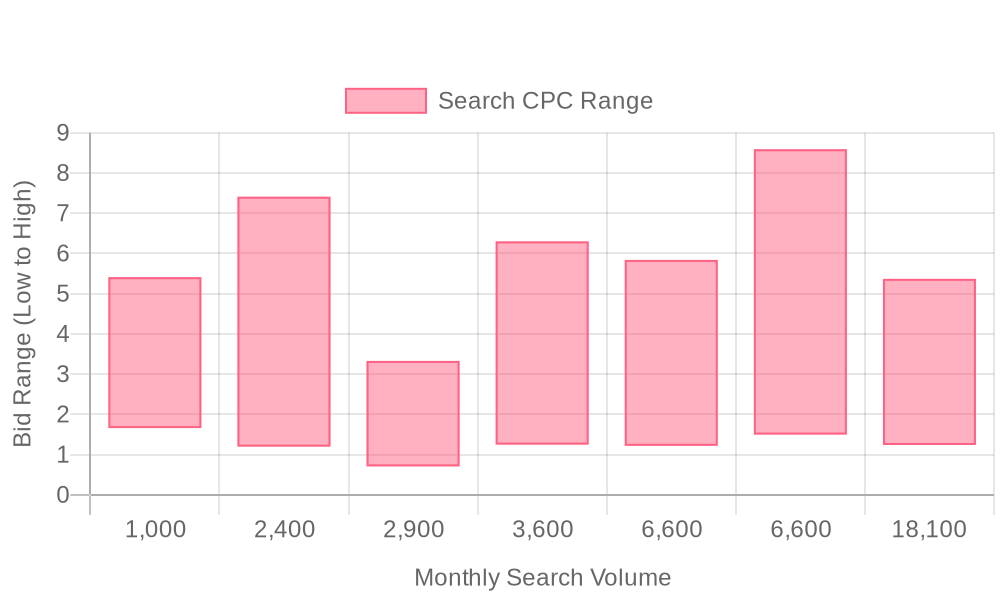
| Industry | Keyword | Monthly Search Volume | Competition Level | Low Bid | High Bid |
| Foster Care Services | foster care services | 1000 | LOW | 1.66 | 5.41 |
| Foster Care Services | become a foster parent | 2400 | LOW | 1.2 | 7.41 |
| Foster Care Services | foster care adoption | 2900 | LOW | 0.71 | 3.33 |
| Foster Care Services | foster care near me | 3600 | LOW | 1.25 | 6.3 |
| Foster Care Services | foster parent | 6600 | LOW | 1.22 | 5.84 |
| Foster Care Services | fostering agencies near me | 6600 | LOW | 1.5 | 8.59 |
| Foster Care Services | foster care | 18100 | LOW | 1.24 | 5.37 |
A precise keyword strategy drives higher-impact results for foster care advertising by surfacing your message to those most likely to engage. Thoughtful keyword planning empowers outreach that is both meaningful and cost-effective, ensuring each dollar allocated to digital marketing for foster care produces measurable value.
- High-intent Keyword Focus: Prioritize terms that reflect immediate interest in foster care support, such as “how to become a foster parent,” “foster care programs near me,” and “requirements for fostering a child.” These terms attract individuals actively seeking to take action, enabling efficient use of your Google Ads budget for nonprofits and increasing the likelihood of qualified conversions.
- Strategic Use Of Negative Keywords: Implement negative keywords like “animal,” “dog,” or “job” to filter out irrelevant searches. This step ensures campaigns avoid wasted spend and only reach potential foster families or supporters, reducing noise in your lead funnel and improving ROI. The Ad Grants guide provides a deeper look at how nonprofits can leverage negative keywords for better ad performance.
- Long-tail Community Engagement Keywords: Incorporate long-tail terms such as “support foster children in [city],” “foster care volunteer opportunities,” and “foster care events near me.” These highly specific phrases connect with community members seeking targeted ways to get involved, increasing relevance and driving higher engagement rates for nonprofit Google Ads strategies.
Integrating these keyword tiers into your campaign structure allows for granular targeting and audience segmentation. Platforms like Sona Audiences help marketers identify and engage the right visitor segments based on the keyword groups they interact with. This data-driven approach enables real-time budget optimization toward high-converting audiences and updates campaign audiences as leads progress through the funnel, creating a closed-loop system for continuous improvement in foster care outreach.
Step-by-Step Campaign Execution Framework for Google Ads for Foster Care Services
A well-structured framework transforms online advertising for foster care into a scalable, results-driven engine. Each step below integrates digital marketing best practices with advanced data techniques, delivering high-quality leads and measurable performance improvements.
Step 1: Build Targeted Keyword Lists
- Service Segmentation: Segmenting keywords by core services, such as foster parent recruitment, donation drives, or informational outreach, ensures ad relevance and controls budget allocation. This specificity attracts motivated individuals ready to take action, whether inquiring about fostering or making a contribution.
- Crm-driven Enrichment: Enriching account and contact data from your CRM surfaces high-value keyword opportunities beyond basic search term reports. Data on previous inquiries, location, and intent lets you build segmented keyword lists that match real audience needs, licensing questions in one region, respite care interest in another. With enriched visitor identification, marketers can pinpoint the households and organizations most likely to convert, refining spend toward the highest-quality traffic. Solutions such as Sona's Identity Resolution support this by helping organizations reveal and segment web visitors for higher-performing keyword targeting.
The upgrade most foster care services advertisers miss is going beyond raw keyword volume to layer in intent and identity signals. By connecting website-visitor data and CRM records with Sona Marketing Measurement, you can see which specific search terms bring in the accounts and customers that actually convert, and weight your keyword and bidding strategy toward those rather than the terms with the highest search volume alone.
Step 2: Write Persuasive Ad Copy
- Incentive-driven Messaging: Strong ad copy communicates the unique benefits of foster care engagement, such as stipends, community support, and the impact on children's lives. Using real testimonials and stories makes the ads credible and emotionally resonant, increasing click-through rates and engagement. FosterMore campaign explores how authentic storytelling can boost recruitment efforts and drive action.
- Dynamic Personalization: Dynamic keyword insertion and audience customization ensure that ads match the searcher's language and context. When real-time intent signals are incorporated, messaging can shift to target in-market audiences with tailored offers, maximizing conversion potential and relevancy.
Step 3: Design Hyper-Targeted Landing Pages
- Message Alignment: Landing pages must mirror the promise and tone of the ad to maintain user trust and drive action. For foster care advertising, this means 1:1 alignment on topics like the application process, support provided, or policy information.
- Social Proof And Validation: Integrating authentic testimonials, success metrics, or endorsements from community partners increases credibility. Real-time data enrichment enables organizations to personalize landing content for each visitor segment, further improving engagement and conversion rates. For more insights on personalizing visitor experiences, check out our guide on personalizing at scale.
Step 4: Optimize with Data-Driven Techniques
- Continuous Testing: Regular A/B testing of ad copy, headlines, and calls to action helps uncover what resonates best with target audiences. Monitoring performance data in real time allows for rapid iteration and improved cost efficiency.
- Offline Conversion Integration: By syncing offline conversion events, such as application submissions or phone inquiries, back into Google Ads, teams gain a complete view of ROI. Connecting CRM and ad platforms enables accurate attribution, helping shift budget to high-performing channels and audiences. This unified data approach guides smarter bidding and ensures resources are allocated where impact is greatest. For a practical overview of optimizing Google Ads ROI, see our guide on Google Ads ROI.
Sona Marketing Measurement closes the gap between clicks and revenue. It captures ad clicks with first-party measurement, no reliance on third-party cookies, then ties that click through UTM capture and ad-platform APIs to the actual record in your CRM, and reports results by keyword and campaign instead of by last-click form fill. Feeding that signal back into Smart Bidding and Performance Max compounds over time: the algorithms optimize toward completed foster care applications and placements, not cheap form fills.
Tips on Expanding Your Foster Care Services Presence...
Maximizing exposure for foster care services requires a nuanced digital strategy that goes beyond one-off campaigns. Organizations that consistently engage and educate prospective foster parents, donors, and advocates gain a measurable advantage in awareness and lead quality.
- Leverage Educational Content Through Retargeting Efforts To Keep Your Audience Engaged Beyond Initial Interactions: Delivering value repeatedly to visitors who have shown interest keeps your message present over time. Segmenting retargeting audiences by behavior lets foster care marketers surface the right resource, a guide on becoming a foster parent, or a placement success story, at the right stage in someone's decision process. Sona's Identity Resolution helps teams move beyond anonymous traffic, pinpointing organizations or households that revisit key pages so follow-up reflects actual intent.
- Upsell Relatable Services To Select Audiences Identified Through Enhanced Analytics: Not all website visitors are equal. Using advanced analytics, foster care providers can identify segments most likely to engage further, such as volunteers ready for training or families interested in sibling placements. Audience enrichment helps marketers sync these high-value segments directly into ad platforms, ensuring upsell campaigns (like support services or informational webinars) reach those most responsive, improving conversion rates and resource allocation. Learn more at Adtargeting foster keywords.
- Partner With Child Welfare Organizations For Collaborative Campaigning, Maximizing Impact Through Shared Goals: Joint campaigns extend reach and credibility. By syncing CRM data and tracking shared conversions, foster care agencies and their partners can coordinate messaging, avoid overlap, and measure the holistic impact of their collaborative digital marketing for foster care efforts. Real-time data enrichment and attribution tools clarify which campaigns, partners, or channels yield the highest engagement and foster parent inquiries.
- Use Search Data Insights To Inform Upcoming Content And Marketing Projects, Directing Effort Towards High-interest Areas: Monitoring keyword trends and search intent reveals which aspects of foster care most interest your audience. This data-driven approach guides content planning, whether launching a blog on “how to become a foster parent” or producing video testimonials aligned with top search queries. For more insights, check out our guide on intent retargeting.
By adopting these strategic practices, foster care services harness the full potential of targeted ads for foster services, advanced analytics, and collaborative outreach. Marketers who unify real-time insights, intent data, and dynamic audience management consistently deliver stronger outcomes, growing their network of supporters and changing more lives.
Beyond Google Ads: Winning the AI Answers Foster Care Services Buyers Now Trust
Paid search captures demand at the moment someone types a query. But a fast-growing share of foster care services buyers no longer start at Google at all, they ask ChatGPT, Gemini, or Perplexity before they ever run a search, and Google's own AI Overviews increasingly summarize an answer above the traditional results. If your business isn't referenced in those AI answers, you're invisible at the exact moment buyers build their shortlist.
Sona AI Visibility shows where your business shows up across ChatGPT, Gemini, Perplexity, Google AI Overviews, and 10+ engines, and, much like a keyword report, which prompts actually send you buyers, so you can prioritize the ones that convert. Run the two together and you cover the entire buyer path: get cited where buyers research (AI Visibility), then prove which of that demand turns into booked revenue (Marketing Measurement).
Helpful resources
Conclusion
The agencies that win foster families aren't the ones running the most ads, they're the ones who show up first in the search and follow through fastest afterward. Pair Google Ads with real measurement, so every campaign decision is grounded in which searches actually produce foster placements, and the funnel that once leaked interest starts converting it into homes.
Ready to see how powerful your ads can be? Start a free trial to see Sona's platform in action.
FAQ
What are the best practices for Google Ads in foster care services?
Best practices include precise audience targeting, continuous data refinement, landing page customization, and ROI maximization through tracking both online and offline conversions.
How can foster care organizations effectively use Google Ads?
Foster care organizations can effectively use Google Ads by targeting complex demographics, using tailored landing pages, and integrating advanced measurement to trace online interactions and optimize spending.
What budget should nonprofits allocate for Google Ads?
Nonprofits should allocate their Google Ads budget towards high-intent audiences and cost-efficient strategies, prioritizing those most likely to engage and ensuring every dollar is focused on promising opportunities.
Are there specific keywords that work best for foster care ads?
Effective keywords include high-intent terms like 'how to become a foster parent' and 'foster care programs near me,' while using negative keywords like 'animal' or 'dog' to avoid irrelevant searches.
What metrics should be tracked for Google Ads campaigns in foster care?
Key metrics include online engagement signals, offline conversions, ROI, and the effectiveness of various ad campaigns in driving inquiries, applications, and successful foster placements.







