


A parent searching for help at 11 p.m., after a rough bedtime or a worrying school report, is exactly the kind of high-intent moment Google Ads is built to catch. For businesses in Parenting Education Services, that means reaching parents seeking courses, coaching, or certifications right as they're comparing options, not weeks later. Precise targeting turns that momentary search into an enrollment, and it solves a persistent problem in this trade: high-value prospects who visit a site, read a curriculum page, and leave without ever appearing in a CRM. Catching them early keeps ad spend pointed at people who are actually ready to engage.
How to Generate Parenting Education Services Leads with Google Ads: A Step-by-Step Guide

Parenting education services operate in a results-driven environment where every inquiry, registration, and conversion directly impacts business growth. High-performing Google Ads strategies enable teams to attract parents actively seeking educational support, leveraging precise audience intelligence to reach decision-makers at key moments in their journey.
Precision in targeting, messaging, and follow-up transforms anonymous website visitors into qualified leads, while unified campaign measurement ensures no marketing investment goes unaccounted for. By connecting intent signals with CRM workflows, teams can amplify campaign relevance and accelerate the path from first click to conversion.
- Understand the Parents' Journey: Parents exploring educational services move through a series of intent-driven stages: awareness, evaluation, and action. Effective lead generation begins with mapping this journey, identifying the touchpoints where parents search for solutions, compare providers, and assess credibility. Recognizing friction points, like incomplete form submissions or delayed responses, enables teams to address drop-off risks early. By identifying the companies and accounts behind anonymous website engagement, marketers can proactively spot high-intent prospects and trigger timely, personalized outreach. For a deeper dive into mapping the customer journey, explore our playbooks.
- Keyword and Audience Targeting: Successful Google Ads for parenting education services hinge on aligning search intent with granular audience segments. By selecting keywords that mirror parental needs, such as “best parenting classes for toddlers” or “online parenting course for teens”, ads appear for those most likely to convert. For practical strategies on refining Google Ads targeting for educational services, see this guide to Google Ads targeting for schools. Additionally, real-time audience enrichment enables revenue teams to shift budget to segments demonstrating the strongest buying signals, maximizing Google Ads ROI.
- Ad Copy and Creative: Messaging must address specific parental pain points and articulate clear educational benefits. Instead of generic slogans, top-performing ads use empathetic language and outcome-focused headlines: “End bedtime battles, join our expert-led workshop” or “Build stronger parent-teen communication now.” For creative best practices and insights, browse our marketing analytics blog. Responsive ad formats allow for multiple creative variations, ensuring each segment sees the most relevant message.
- Performance Optimization: Continuous improvement relies on robust measurement and predictive analytics. Integrating advanced conversion tracking, spanning online form fills, phone inquiries, and offline enrollments, provides a true picture of Google Ads ROI for educational services. Learn how to measure marketing’s impact on the sales pipeline in our in-depth guide.
- Integration: A unified marketing strategy connects Google Ads data with other platforms, social media, email, and community forums, so parents receive consistent messaging no matter where they engage. Seamless CRM integration ensures that enriched lead profiles and audience lists flow directly into nurture workflows. This cross-channel approach allows for personalized follow-ups at peak moments of interest, increasing conversions while reducing lead response times. Ready to streamline your lead generation? Get started for free with Sona.
Why does Google Ads matter for Parenting Education Services

Google Ads delivers measurable value for Parenting Education Services by aligning campaigns to the intent signals parents display during online research. Providers gain a direct channel to parents actively seeking guidance, courses, or certifications, resulting in fewer missed opportunities and more efficient follow-up.
Campaigns can be tailored to showcase unique educational offerings, such as evidence-based methods or accredited certifications, which immediately resonate with parents during their decision process. During high-demand windows, like back-to-school season, real-time adjustments ensure messaging stays timely, budgets shift toward surging intent, and leads remain engaged before they cool off. For practical marketing tactics tailored for this space, explore how to market parenting classes business.
By leveraging advanced audience targeting, Parenting Education Services expand their reach in newly developing regions where competition is lower but parent demand is growing. Dynamic audience updates ensure that as parents progress from initial interest to enrollment, ad content and offers remain relevant, maximizing the impact of every impression.
Integrated analytics from Google Ads inform broader strategy by highlighting which demographic segments and campaign elements drive actual sign-ups, not just clicks. When Sona unifies web, ad, and CRM data, teams can pinpoint true buying intent, attribute enrollments to the right channels, and sync enriched audiences directly to Google Ads and sales systems for faster, more personalized follow-up.
Common Types of Google Ads Campaigns for Parenting Education Services
Most parenting education advertisers lean on Search and Display, but Performance Max deserves a place in the mix too: it lets Google's automation blend search, display, YouTube, and Discover placements to find parents wherever they're actively researching, which suits a category where research happens across blogs, forums, and video before anyone searches by name.

- Search Campaigns: Target parents actively seeking solutions by appearing directly in search results for high-intent queries such as "parenting classes near me" or "help with child behavior." This approach aligns ad spend with genuine demand, allowing marketing teams to capture interest at the moment parents are ready to engage. Integrating real-time visitor identification ensures that marketers not only see anonymous clicks but also understand which high-value prospects are searching, enabling better prioritization and customized follow-up.
- Display Ads: Expand reach by placing visually engaging banners across parenting blogs, educational forums, and relevant networks where parents spend time researching advice. This format is ideal for maintaining brand awareness and reintroducing services to parents who may have visited your site but left without enrolling. With dynamic audience segmentation, teams can ensure message relevance as parents’ interests evolve.
- Video Ads: Leverage the power of visual storytelling by presenting short educational demonstrations, instructor highlights, or testimonials. Video campaigns are particularly effective for conveying teaching style, curriculum, and outcomes, offering parents a firsthand look at what distinguishes your programs. By tracking in-market behavior and video engagement, teams can shift budgets toward the parents most likely to convert, optimizing for true buying intent rather than passive views.
- Remarketing: Reconnect with parents who previously explored your offerings but did not convert, addressing the reality that initial interest does not always translate to immediate action. Remarketing enables hyper-relevant follow-ups, such as showcasing upcoming sessions or limited-time offers, timed to a parent’s stage in the decision process. With advanced conversion tracking and CRM syncing, marketers can unify online and offline interactions, delivering personalized messaging that reflects where each parent left off.
- Assets: Enhance ad effectiveness by adding structured details that facilitate decision-making, such as class schedules, expert credentials, and quick links to FAQs or testimonials. These assets not only boost credibility and click-through rates but also surface essential information without requiring parents to dig through landing pages. Real-time data sync ensures these details remain accurate and aligned with the latest program updates, further supporting trust and transparency throughout the funnel.
Where to Find Growth Opportunities in Parenting Education Services

Growth in parenting education services hinges on identifying and acting on untapped market segments. The most effective teams prioritize data-driven expansion strategies that surface new audiences, close attribution gaps, and maximize campaign performance at every stage of the buyer journey. For more tactical insights, explore this library of actionable playbooks to enhance your go-to-market approach.
- Target value-driven keywords: Focus on high-intent search terms such as "affordable parenting classes" and "online parenting courses with certification." These keywords appeal directly to parents seeking convenience, budget-friendly options, and practical credentials. Leverage proven marketing tactics for parenting classes and use precise audience intelligence to ensure your messaging resonates with parents actively searching for solutions that fit their lifestyle and financial needs.
- Analyze competitor performance for conversion gaps: Dive into competitor campaigns to uncover overlooked segments and behavioral patterns not visible in your CRM. By benchmarking against other Google Ads for childcare services, you can identify missed opportunities, such as parents who engage with content but fail to convert. Unified go-to-market data from Sona's Identity Resolution helps revenue teams pinpoint which audiences respond best to specific offers and reallocate spend in real time toward segments showing the highest in-market intent and fastest deal velocity.
- Leverage underutilized forums and directories: Expand beyond organic reach by placing targeted ads on parenting forums, local directories, and niche communities where organic SEO may not penetrate. This approach ensures your Google Ads for parenting products and educational services reach all relevant decision-makers, not just those already captured by your website traffic. Marketers can further refine targeting by dynamically updating audience lists as new intent signals are detected, ensuring every dollar is spent on parents most likely to engage and enroll.
- Re-engage with content retargeting: Use content-based retargeting to reconnect with parents who have visited educational blogs, downloaded guides, or interacted with resources but didn't complete registration. By segmenting these audiences based on their real-time behaviors and funnel stage, teams can deliver hyper-relevant messaging that addresses their specific concerns. Integrating audience movement data with Sona Destinations enables true lead nurturing by syncing enriched profiles into your preferred CRM, ad platforms, and email systems, ultimately driving higher ROI and measurable enrollment growth.
How to Apply Audience Segmentation for Parenting Education Services

Audience segmentation transforms the effectiveness of outreach for parenting education services by allowing organizations to refine who sees each ad. By moving away from broad campaigns and instead grouping parents by their unique educational needs, marketers avoid wasted ad spend and achieve higher engagement rates. For example, a parent seeking toddler behavioral guidance has distinct priorities from one preparing for a child’s transition to school; segmentation ensures messaging resonates for each segment. To discover practical marketing tactics tailored for parenting classes, explore how to market a parenting classes business.
Segmenting by intent signals further personalizes campaigns. Overlaying signals for first-time parents, those seeking certification, or parents interested in specific developmental milestones ensures that ad content aligns with where each parent is in their decision journey. Recognizing these signals in real time enables revenue teams to shift budget toward the audiences most likely to convert, reducing acquisition costs and supporting higher campaign ROI.
Custom Audiences let marketers take segmentation a step further. Instead of generic messaging, teams can deploy creative tailored to developmental stages, such as “Navigating Toddlerhood” or “Parenting Teens with Confidence.” By dynamically updating audiences as leads engage or move through the funnel, teams maintain relevance and continually nurture interest, increasing the likelihood of enrollment.
Conversion tracking is crucial in this segmented approach. When form fills, calls, and other engagement signals are automatically synced into CRM systems and matched back to ad campaigns, organizations can measure the true impact of each segment and optimize daily. Integrated systems ensure that follow-up happens in real time, preventing leads from cooling off before conversion. This unified view of parent engagement allows teams to connect outreach, enrollment, and revenue data, producing actionable insights to drive ongoing growth for parenting education services.
This is also where measurement changes the economics. With Sona Marketing Measurement you can identify the companies and buyers behind your ad clicks, not just anonymous sessions, and segment audiences by who actually becomes a customer. That lets you build bid adjustments and audience signals around the segments that convert and de-prioritize the ones that don't, so you feed Google's algorithms "this click became a paying parenting education services customer" instead of just "someone filled out a form."
Keyword Strategy & Sample Target Terms
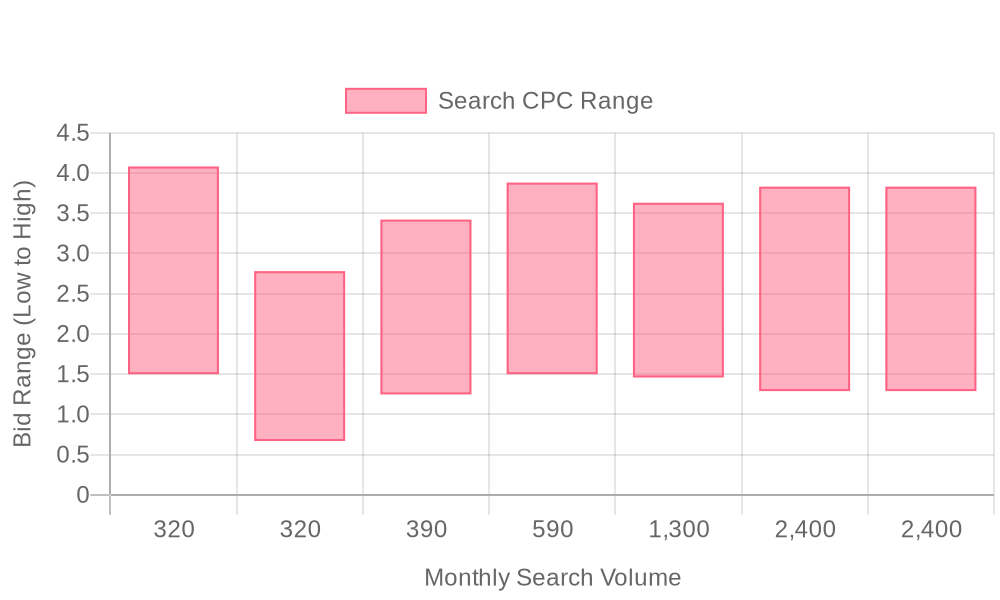
| Industry | Keyword | Monthly Search Volume | Competition Level | Low Bid | High Bid |
| Parenting Education Services | online divorce education | 320 | MEDIUM | 1.5 | 4.08 |
| Parenting Education Services | online parenting classes free court approved | 320 | MEDIUM | 0.67 | 2.78 |
| Parenting Education Services | online parenting classes with certificate | 390 | MEDIUM | 1.25 | 3.42 |
| Parenting Education Services | online parenting classes court approved | 590 | MEDIUM | 1.5 | 3.88 |
| Parenting Education Services | co parenting classes online | 1300 | MEDIUM | 1.46 | 3.63 |
| Parenting Education Services | online parenting classes | 2400 | MEDIUM | 1.29 | 3.83 |
| Parenting Education Services | online parenting courses | 2400 | MEDIUM | 1.29 | 3.83 |
High-performing marketing in the parenting education sector begins with a keyword strategy that aligns intent, geography, and audience segmentation. Precision matters: targeting users with high-intent keywords such as "online parenting courses" and "parent education programs for new parents" enables teams to capture those actively seeking solutions and ready to engage. For a deeper dive into how childcare and parenting businesses can refine their keyword approach, review this guide to crafting a winning childcare SEO strategy.
Geo-modified keywords like "parent support classes near [Location]" enable localized reach, ensuring campaigns surface when parents search for resources in their community. This approach not only improves relevance but often drives better conversion rates, as parents are more likely to enroll in programs nearby or relevant to their location. Explore more actionable insights in our marketing playbooks.
Negative keyword lists are critical for filtering out low-value queries. By excluding terms such as "parenting advice," "job openings," and "DIY," marketers focus budget on prospects with genuine enrollment intent. This improves lead quality and reduces wasted spend on irrelevant traffic.
When marketers integrate keyword targeting with real-time visitor identification and intent tracking, they move beyond surface-level engagement. Dynamic audience updates ensure that as parents express new interests or move closer to conversion, campaigns automatically adjust targeting and messaging. This continuous alignment between keyword strategy and audience behavior optimizes every dollar spent.
By syncing enriched audience segments and real lead data into Google Ads and connected CRM platforms, revenue teams close the loop between search behavior, campaign targeting, and sales outreach. This connection supports full-funnel attribution and maximizes ROI on campaigns targeting parents, caregivers, and educators researching parenting education services.
Step-by-Step Campaign Execution Framework
Step 1: Build Targeted Keyword Lists
A successful campaign for parenting education services starts with a deliberate, data-backed approach to keyword selection. Cluster terms around specific parental goals, such as "toddler classes," "parent coaching," or "newborn care," to reach parents actively seeking relevant solutions. Incorporate location-based modifiers like "near me" or city names to ensure ads surface for local searches, which can drive higher intent inquiries for both in-person and virtual offerings. Broaden reach with long-tail keywords capturing nuanced concerns, such as "how to manage toddler tantrums" or "first-time parent support group," reflecting the real questions parents ask, see this guide to marketing parenting classes for more ideas.
Precision in keyword targeting improves campaign efficiency and lead quality. Integrating enriched audience insights from your CRM allows for seamless identification of high-value segments. When CRM and ad platforms are connected, marketers can sync their most promising parent profiles and lookalike audiences directly into Google Ads using tools like Sona’s Audiences. This real-time data flow helps ensure campaigns are never limited to static segments and instead evolve as new parent leads emerge or move through the funnel, delivering a measurable lift in both engagement and conversion rates.
The upgrade most parenting education services advertisers miss is going beyond raw keyword volume to layer in intent and identity signals. By connecting website-visitor data and CRM records with Sona Marketing Measurement, you can see which specific search terms bring in the accounts and customers that actually convert, and weight your keyword and bidding strategy toward those rather than the terms with the highest search volume alone.
Step 2: Craft Engaging Ad Copy
Ad copy for parenting education must resonate with what keeps parents up at night. Headlines should directly address common parenting challenges, such as "Tired of Bedtime Struggles?" or "Build Positive Discipline Skills." Use the body of your ad to reinforce credentials, mentioning evidence-based approaches or certifications that set your classes apart. Highlight tangible benefits like "personalized feedback from certified educators" or "supportive community for new parents," and always include an enticing offer, whether a "free webinar" or "first class discount" to encourage immediate action.
Responsive search ads ensure your message adapts to the way parents search, testing multiple headlines and descriptions automatically to uncover the top-performing combinations. Continuous syncing between your CRM and ad accounts means your ad creative can reference the latest parent concerns, class updates, or success stories. This dynamic approach keeps your messaging relevant, timely, and impactful, helping you outpace static campaigns and drive stronger ROI from your Google Ads for parenting education services.
Step 3: Design Targeted Landing Pages
Landing pages must create a seamless journey from ad click to conversion, reinforcing the promise made in your ad copy. Align page headlines and subheaders with the keywords and challenges highlighted in your ads, ensuring parents feel understood from the outset. Include testimonials from parents who have experienced measurable results, as well as concise course outlines that detail what parents will learn and achieve by enrolling. Clear, prominent CTAs such as "Reserve Your Spot Today" or "Get Your Free Guide" should be accessible on every device, reducing friction for busy parents.
For optimal lead tracking and nurturing, connect all landing page forms to your CRM. This integration not only captures each inquiry but also enriches parent profiles with campaign, keyword, and behavioral data. As a result, you can attribute enrollments and engagement back to specific ads and keywords, refine nurturing sequences based on real interest, and dynamically update audience segments for future retargeting by leveraging tools like Sona’s Destinations. This closed-loop approach maximizes the value of every ad dollar spent and provides a single source of truth for ongoing campaign optimization insights.
Step 4: Optimize with Data-Driven Insights
Optimization for parenting education ad campaigns goes beyond basic metrics. Monitor both micro-conversions (like resource downloads or webinar signups) and macro-conversions (such as full course enrollments) to understand the full impact of your campaigns. Smart bidding strategies, powered by conversion data, can be leveraged to maximize conversions and lower cost per acquisition, ensuring your budget is allocated to the highest-converting segments and keywords.
Incorporate offline feedback from post-class surveys and phone inquiries with Google's data integration tools to further refine your campaigns. This feedback loop enables rapid adjustment of audience segments, bid strategies, and creative assets based on what actually moves parents to enroll, see this case study on reaching teachers and parents for practical inspiration.
Sona Marketing Measurement closes the gap between clicks and revenue. It identifies the companies behind ad clicks using first-party, cookieless data, then ties that activity through UTM capture and ad-platform APIs to the actual record in your CRM, and reports ROAS by keyword and campaign instead of by last-click form fill. Feeding that revenue signal back into Smart Bidding and Performance Max compounds over time: the algorithms optimize toward booked parenting education services revenue, not cheap leads.
Tips on Expanding Your Parenting Education Services Presence
Aligning your marketing with modern parent needs requires a data-driven approach that recognizes not just who your prospects are, but also how and why they engage. Revenue teams in the parenting education sector can now unify fragmented touchpoints and move beyond surface-level metrics by using dynamic audience segmentation, driving meaningful enrollment growth through actionable insights.
- Promote educational resources using retargeting ads to support ongoing learning initiatives, acknowledging past interactions for renewed interest: Retargeting campaigns are highly effective for re-engaging parents who previously visited your site or downloaded a resource but did not enroll. By identifying visitors at the account and contact level with website visitor identification, marketers can serve tailored ad content that speaks directly to their earlier interests, such as a follow-up on a viewed webinar or downloadable parenting guide. For additional strategies on promoting your parenting classes, explore these promotional resources and strategies to boost attendance and engagement.
- Increase cross-selling opportunities with segmented audiences derived from CRM insights, recognizing behavior patterns to better suggest additional resources: Leveraging CRM data to build behavior-based segments allows you to identify families who completed one course and are ideal candidates for advanced workshops or sibling-focused programs. Syncing enriched audience data into your ad platforms is easier with automated data destination syncing, ensuring cross-sell opportunities are timely and personalized. Dive deeper into actionable tactics with our marketing playbooks for proven methods to improve lead generation.
- Partner with parenting associations for co-branded visibility and referrals, expanding credibility and reach: Strategic alliances with trusted parenting associations create new referral pipelines and allow for co-branded campaigns that boost credibility. These partnerships can be tracked through collaborative UTM parameters and audience sharing, ensuring both organizations benefit from shared visibility and increased engagement across their combined networks.
- Localize content to enhance presence in specific communities or regions, aligning with segment preferences for smoother communication: Localized ad creative and landing pages resonate more deeply with parents in targeted regions by reflecting community-specific language, cultural touchpoints, and relevant workshop schedules. Segmenting audiences by location and syncing these insights with advertising and email platforms enables precise outreach that feels truly personal, driving higher engagement and conversion rates.
- Leverage search data to determine new content creation opportunities that address parent needs, focusing on informed awareness-building: Analyzing search queries and audience intent data reveals emerging concerns and interests among your parent segments, such as anxiety management for children or digital safety tips. For a comprehensive guide on selecting SEO keywords for your preschool or daycare business, check out this ultimate childcare SEO strategy.
Successfully expanding your presence in the parenting education space hinges on strategic keyword targeting, audience-focused segmentation, compelling ad creative, and real-time optimization. Integrating these elements with a unified data infrastructure unlocks the ability to identify, engage, and convert high-intent parents at scale, ensuring no opportunity is missed and every marketing dollar delivers measurable impact.
Beyond Google Ads: Winning the AI Answers Parenting Education Services Buyers Now Trust
Paid search captures demand at the moment someone types a query. But a fast-growing share of parenting education services buyers no longer start at Google at all, they ask ChatGPT, Gemini, or Perplexity before they ever run a search, and Google's own AI Overviews increasingly summarize an answer above the traditional results. If your business isn't referenced in those AI answers, you're invisible at the exact moment buyers build their shortlist.
Sona AI Visibility shows where your business shows up across ChatGPT, Gemini, Perplexity, Google AI Overviews, and 10+ engines, and, much like a keyword report, which prompts actually send you buyers, so you can prioritize the ones that convert. Run the two together and you cover the entire buyer path: get cited where buyers research (AI Visibility), then prove which of that demand turns into booked revenue (Marketing Measurement).
Helpful resources
Conclusion
The parenting education services that win with Google Ads treat the channel as a system, not a set of isolated tactics: targeting, ad copy, landing pages, and measurement all feeding each other rather than running in parallel.
The next competitive edge in this trade won't come from better keywords alone. It will come from connecting ad performance to who actually enrolls, and from showing up in the AI answers parents now consult before they ever type a search. Providers who close that loop will spend less to find the parents who were always going to say yes.
To take your Google Ads strategy to the next level, consider exploring a platform that unifies your go-to-market data for actionable insights. Start for free to see how it can sharpen your approach to digital advertising.
FAQ
What are the best practices for using Google Ads in parenting education?
Best practices include understanding the parents' journey, precise keyword and audience targeting, using empathetic ad copy, and integrating conversion tracking with CRM systems to optimize ad spend and engagement.
How can I target parents effectively with Google Ads?
Target parents effectively by aligning search intent with specific audience segments, using real-time audience enrichment, and focusing on high-intent keywords that reflect parental needs.
What budget should I allocate for Google Ads in parenting education?
Allocate your budget towards segments demonstrating the strongest buying signals and adjust in real-time according to demand and campaign performance metrics.
What keywords should I focus on for Google Ads in parenting education?
Focus on high-intent search terms like 'online parenting courses' and 'parent education programs for new parents' along with geo-modified keywords to capture localized interest.
How do I measure the success of my Google Ads campaigns for parenting services?
Measure success by integrating advanced conversion tracking to capture online and offline engagements, syncing data with CRM, and analyzing both micro and macro-conversions for a full picture of ROI.







