


Flood insurance is a distress purchase: a homeowner sees a forecast, gets a mortgage-renewal notice, or hears a neighbor's basement flooded, and starts searching within the hour. Google Ads is the channel built for that moment, catching people between vague awareness and a signed policy. For flood insurance providers, that means Google Ads can put a quote form in front of a homeowner while the urgency is still fresh, rather than waiting for a slower brand campaign to work. Paired with tight targeting and real measurement of what happens after the click, insurers can track ROI from that first search all the way to a bound policy, including the seasonal surges around storm season and renewal cycles when demand spikes hardest.
How to Generate Google Ads for Flood Insurance Leads with Google Ads: A Step-by-Step Guide
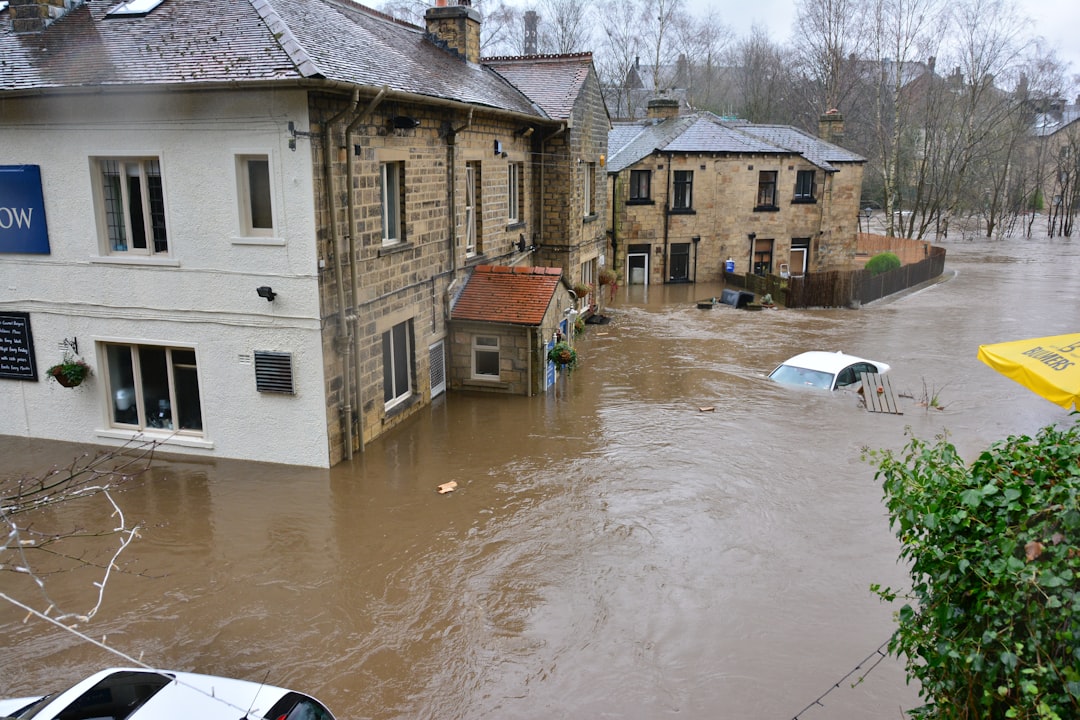
Flood insurance advertisers face a narrow, urgent window: prospects search hardest right after a storm warning, a home purchase, or a mortgage renewal notice, and relevance at that moment matters more than reach. Google Ads lets insurers meet that urgency directly, aligning offers with local risk factors and the regulatory realities (NFIP rules, waiting periods, lender requirements) that shape how people search. JEMSU overview provides further context on how Google Ads elevates online presence for insurance providers.
This guide provides a clear, actionable framework for B2B marketers seeking efficient lead generation within the flood insurance sector. Each section focuses on practical steps to optimize campaigns, maximize budget impact, and ensure your ad spend delivers measurable business value.
Align Marketing Goals with Flood Insurance Campaigns
Successful flood insurance advertising begins with well-defined objectives, such as increasing qualified lead volume, improving conversion rates, or reducing acquisition costs. Analyzing historical performance data and integrating insights from CRM systems help shape these objectives into actionable KPIs. Using unified go-to-market data, marketers can map out the buyer journey and set campaign benchmarks for each stage of the funnel, ensuring that Google Ads activity directly supports broader sales and marketing goals.
Cross-functional alignment between marketing and sales teams ensures that messaging, targeting, and follow-up processes are consistent. When campaign data is seamlessly shared across platforms, teams can quickly identify which channels, keywords, and creative approaches yield the highest ROI, driving continuous improvement in both lead quality and close rates. For more insights on aligning sales and marketing, check out our guide on revenue attribution.
Develop Flood Insurance-Specific Keyword and Audience Strategies
The foundation of effective Google Ads for flood insurance lies in precise keyword targeting and robust audience segmentation. Focus on long-tail keywords such as "affordable flood insurance options," "flood insurance premium savings," or "buy flood insurance near me," which capture high-intent searches and reduce wasted spend on generic queries. Group keywords into tightly themed ad groups based on policy types, risk factors, and geographic locations for better Quality Scores and relevancy.
Advanced audience strategies leverage demographic, geographic, and behavioral signals to reach households or businesses in flood-prone regions. Marketers can refine targeting by layering on data from site visitor identification tools, which reveal the companies and user segments showing in-market intent. Sona's Identity Resolution helps uncover which organizations are visiting your site, enabling dynamic audience creation and smarter budget allocation.
Optimize Landing Pages and Creative Assets for Conversions
Landing pages tailored to flood insurance prospects play a critical role in converting clicks into qualified leads. Craft content that clearly addresses coverage benefits, cost savings, and regulatory nuances specific to flood insurance policies. Use conversion-optimized forms that request only essential information, and embed location or risk assessment tools to reinforce value and drive urgency.
Creative assets, including ad copy and visuals, should highlight unique selling propositions and build trust through clear credentials and compliance statements. Integrating real-time behavioral data allows marketers to personalize headlines or calls-to-action based on visitor history, further increasing engagement rates. SiteTuners case study provides a deeper look at landing page experiments that boost conversion rates for insurance advertisers.
Employ Performance Optimization and Cross-Channel Integration
Continuous performance monitoring is critical for maximizing the ROI of Google Ads campaigns in the flood insurance space. Leverage advanced conversion tracking solutions that combine online and offline attribution, providing a complete view of which touchpoints lead to closed deals. Automated rules and bid adjustments can shift spend toward top-performing keywords or geographies as real-time intent signals emerge, preventing budget waste and seizing opportunity during weather-driven demand spikes.
Integrating Google Ads data with CRM and marketing automation platforms ensures audiences and conversion events stay synchronized across the funnel. Marketers can retarget high-value website visitors or nurture unconverted leads with tailored offers, while seamless audience sync keeps both sales and ad teams focused on the most promising accounts. This builds on the strategies outlined in our guide to boosting Google Ads ROAS.
Track Anonymous Prospects and Gather Intent Signals
In flood insurance PPC campaigns, reaching anonymous website visitors and uncovering their intent is key to scaling lead generation, especially since so much research (comparing NFIP versus private coverage, checking a specific flood zone) happens well before anyone fills out a form. By deploying advanced visitor identification solutions, marketers can associate anonymous sessions with company-level data, enriching the lead pool and enabling account-based retargeting. Sona Audiences segments and activates high-value visitor audiences for more precise retargeting.
Dynamic audience lists update automatically as leads progress through the funnel, ensuring that retargeting and lookalike campaigns stay relevant and efficient. Marketers can then focus ad spend on segments most likely to convert, reducing acquisition costs and improving sales team productivity. For a clear next step, get started with a custom onboarding to see how these strategies can accelerate your results.
Why does Google Ads matter for Flood Insurance

Flood insurance providers face a landscape defined by unpredictable weather, complex regulatory environments, and sporadic demand. Traditional marketing often misses the crucial window when property owners actively search for flood coverage, resulting in missed revenue from high-value prospects.
- Complex Audience: Industry marketers use broad platforms for awareness, but Google Ads brings flood insurance offerings directly to homeowners and businesses as they research coverage. With advanced visitor identification, you can pinpoint the companies and accounts behind your traffic, closing the gap that opens when anonymous visits go untracked and no one follows up. Sona's Identity Resolution reveals key website visitors so marketers can act when intent is highest.
- Service Visibility: Digital marketing for insurance thrives on targeted visibility. Google Ads elevates high-margin products such as comprehensive flood insurance packages at the exact moment prospects are ready to engage. Insights from Google Ads for insurance show that integrating CRM data can drive more relevant and timely offers, increasing both engagement and conversion rates.
- Demand Response: Sudden weather events create urgent coverage needs. Google Ads enables instant campaign activation in response to real-time weather or local flooding, letting insurers reach customers at the point of highest intent. Real-time intent data from integrated platforms ensures budget allocation shifts to in-market accounts with the highest conversion likelihood, preventing wasted spend and capturing market share during critical demand spikes.
- Emerging Markets: Flood insurance advertising is most effective when it adapts to evolving risk maps and demographic shifts. Google Ads targets new, high-precision regions often overlooked by traditional channels, expanding reach into untapped markets. For more insights on using intent signals to find high-value prospects, check out our guide on intent retargeting.
- Data Integration: Closed-loop measurement is essential in insurance PPC campaigns. Google Ads for flood insurance provides granular analytics, but when combined with advanced attribution and real-time audience sync, marketers gain a unified view of performance. Insurance Ads best practices provide a deeper look at how attribution across online and offline conversions fuels smarter decisions and continuous optimization across every marketing channel.
Common Types of Google Ads Campaigns for Flood Insurance
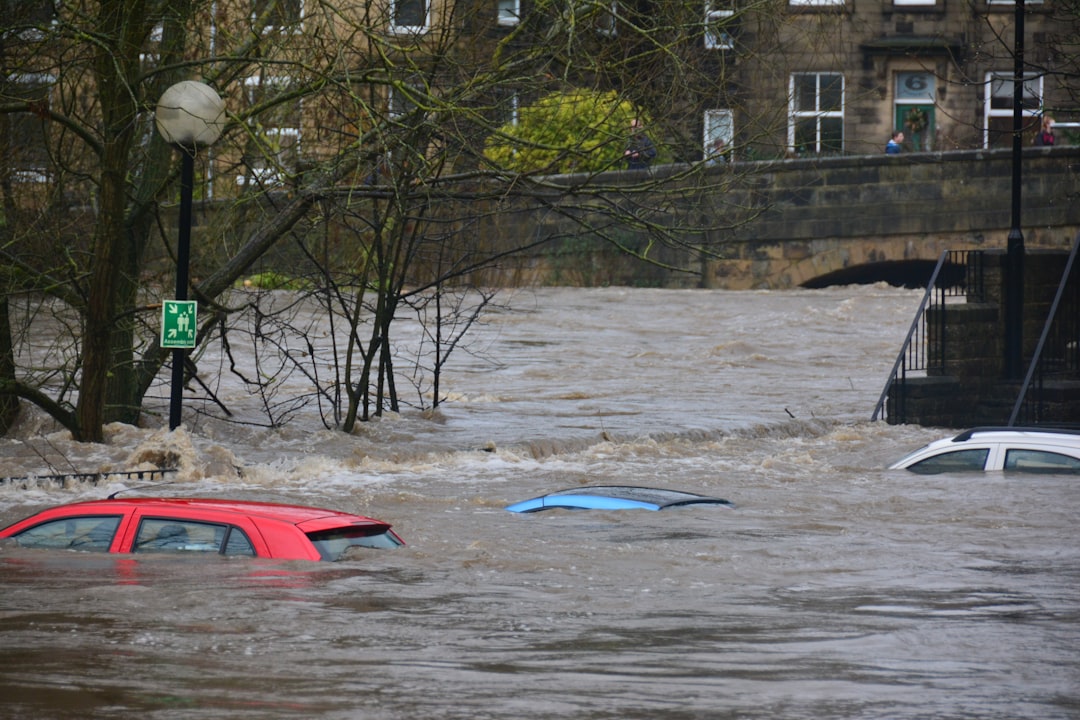
Flood insurance providers leverage multiple Google Ads campaign types to address the unique dynamics of the insurance buying journey. Each campaign format targets specific moments of intent, awareness, or consideration, ensuring a comprehensive approach to digital marketing for insurance. By integrating advanced data and automation, marketers can optimize every touchpoint, from initial brand exposure to final policy purchase.
- Search Campaigns: Search captures prospects already looking for flood insurance, often right after a weather alert, a home purchase, or a mortgage renewal. These queries carry real urgency: someone comparing NFIP premiums against a private policy, or checking whether their new address needs coverage at all. Precise keyword targeting puts your offer in front of buyers mid-comparison, and layering in real-time intent signals lets you prioritize budget toward the visitors most likely to convert. One analysis in Aged Lead Store explores how Google Ads can deliver high-quality insurance leads.
- Display Ads: Display campaigns position your brand prominently on industry news sites, local blogs, and homeownership resources. This approach increases visibility among homeowners and commercial property managers who may not yet be actively seeking flood insurance but are in flood-prone regions. With robust audience data, display ads maintain consistent brand presence, ensuring that when flood protection becomes urgent, your agency is top-of-mind.
- Video Ads: Video gives insurers room to explain what a static ad can't, why a home outside the 100-year floodplain can still flood, how the NFIP's 30-day waiting period works, or what a private policy covers that a federal one doesn't. That kind of explanation builds trust and pre-empts the objections that stall a quote request. Distributed across YouTube and partner sites, video nurtures prospects from vague awareness toward an actual comparison of policies. JEMSU's guide looks at how video and other Google Ads formats can extend your reach.
- Remarketing: Remarketing campaigns re-engage users who visited your website, started a quote, or abandoned a form. Tailored messaging based on their previous actions helps convert interest into policy sales, especially during seasonal surges or after severe weather events. Dynamic audience updates ensure remarketing lists reflect the latest interactions, enabling personalized follow-up and accelerating the path to conversion.
- Assets: Ad assets such as location, call, and sitelink assets reinforce your expertise and accessibility. Displaying agency locations, direct phone lines, or quick links to quote forms removes friction and builds confidence at the moment someone decides to act. Synced with CRM and lead data, these assets can surface the most relevant option for each segment, supporting stronger engagement and measurable ROI. For more on maximizing Google Ads ROI, see our guide on Google Ads ROI.
Where to Find Growth Opportunities?

Flood insurance marketers seeking to accelerate lead generation and revenue growth must look beyond conventional digital marketing channels. The most successful teams identify untapped segments and intent signals, transforming data into actionable opportunities that drive measurable impact for their pipeline.
- Vertical Keyword Targeting: Expanding keyword strategies to include specialized, adjacent service terms is essential for capturing demand from audiences actively seeking flood insurance solutions. By analyzing in-market behaviors and focusing on high-intent phrases like “commercial flood risk assessment” or “NFIP alternatives for condos,” marketers reach prospects closer to a buying decision. Google Ads for Flood Insurance provides a deeper look at this trend. Real-time intent data allows teams to dynamically allocate more budget to keywords that show spikes in urgency, such as during regional storm alerts or following regulatory changes. This adaptive approach ensures that ad spend is continuously directed toward emerging, high-converting opportunities.
- Competitor Analysis: A thorough gap analysis with enterprise-grade platforms surfaces underserved audiences and reveals where competitors' content or targeting misses the mark, commercial flood coverage, condo policies, or specific flood-zone segments they've ignored. Mapping those gaps lets revenue teams prioritize the segments actually available to win, using audience intelligence to deliver the right message at the right moment. Sona Audiences helps activate custom audience segments instantly across channels, driving faster market penetration.
- Industry-specific Placements: High-value buyers often congregate on trusted directories, specialty forums, and trade association sites that are specific to insurance or property risk management. Aligning placements with these industry touchpoints increases credibility while enabling hyper-targeted outreach to accounts that show heightened interest in flood mitigation and insurance solutions. FloodSmart Campaigns share industry benchmarks for effective outreach within insurance networks. Marketers who enrich their targeting with company-level data and industry signals achieve more precise reach and improved response rates, as outreach is tailored to the context and needs of each audience segment.
- Content Retargeting: Deploying resources such as flood insurance checklists, claims guides, or policy comparison whitepapers creates lasting engagement and surfaces repeat interest from prospective buyers. Tracking content consumption patterns allows marketers to build dynamic retargeting audiences that update as leads progress through the funnel. For more insights on building high-impact retargeting campaigns, check out our guide on Intent-Driven Retargeting. This ensures that individuals who review critical resources or revisit pricing pages are prioritized for follow-up messaging, enabling sales and marketing teams to engage prospects at the exact moment they are most likely to convert. By synchronizing these enriched retargeting lists directly with advertising and CRM platforms, teams maintain a seamless workflow and close the feedback loop on digital campaign performance.
How to Apply Audience Segmentation for Flood Insurance

Effective audience segmentation unlocks higher ROI for flood insurance campaigns by enabling precise delivery of ads to relevant prospects. Insurance marketers who align segmentation with the full customer journey consistently outperform generic campaigns, boosting both lead quality and conversion rates.
- Define Segments: Start by differentiating your core audiences. For flood insurance, this typically means separating residential homeowners from commercial property managers and business owners. Within each group, further distinguish based on property value, location risk (such as flood zone status), and prior insurance history. Modern segmentation strategies use intent signals to place each contact in the buying cycle, whether they're doing initial research, actively requesting quotes, or approaching a policy renewal window. Segmenting at this granularity ensures that your ad spend reaches high-value individuals, rather than diluting budget on uninterested or low-intent traffic. By using platforms that identify visitor companies and match them to CRM records, you move beyond anonymous clicks to actionable contacts. Sona's Identity Resolution uncovers which companies are visiting your site, giving you a clearer picture of engaged prospects.
- Overlay Intent Signals: Enhance your segments by layering behavioral and in-market intent. For flood insurance, this might include signals such as recent property purchase, mortgage renewal, or a spike in local flood risk due to weather events. Synchronizing these signals across digital and CRM channels ensures that messaging remains consistent no matter where the lead engages, whether they click a Google Ad, visit your landing page, or open a nurture email. When intent data is unified in real time, marketers can dynamically shift budget and creative to pursue segments most likely to convert that week, rather than relying on static lists. Weather-triggered ads provide a deeper look at how weather-triggered signals can be integrated for more responsive campaigns.
- Create Ad Groups By Segment: Build Google Ads ad groups that reflect each defined segment. Tailor your creative, offers, and bidding strategy to the specific needs and pain points of each audience. For example, homeowners in high-risk zones may respond to messaging about FEMA compliance and quick online quotes, while commercial clients prioritize business continuity and customizable policy limits. Assigning separate budgets to each segment allows you to optimize for the channels, devices, and creative variants that deliver the strongest results. With dynamic audience tools, as leads move from awareness to consideration, their ad experience updates automatically, ensuring constant relevance and improved conversion rates.
- Validate Conversion Paths: Track every step from ad click through to quote submission, call, and final policy purchase. Ensure your analytics and CRM systems are tightly integrated to capture multi-touch attribution, including both online and offline interactions. This comprehensive visibility lets you prioritize follow-up on leads that show strong buying intent and adjust campaign targeting based on true pipeline impact, not just surface-level clicks or form fills. For more insights on optimizing attribution and revenue outcomes, check out our guide on affiliate revenue attribution.
By operationalizing segmentation at each layer, from audience definition to conversion validation, flood insurance marketers create highly targeted, cost-efficient campaigns that adapt to real-world buyer behavior.
This is also where measurement changes the economics. With Sona Marketing Measurement you can identify the companies behind your ad clicks, not just anonymous sessions, and segment audiences by who actually becomes a customer. That lets you build bid adjustments and audience signals around the segments that convert and de-prioritize the ones that don't, so you feed Google's algorithms "this click became a paying flood insurance customer" instead of just "someone filled out a form."
Keyword Strategy & Sample Target Terms
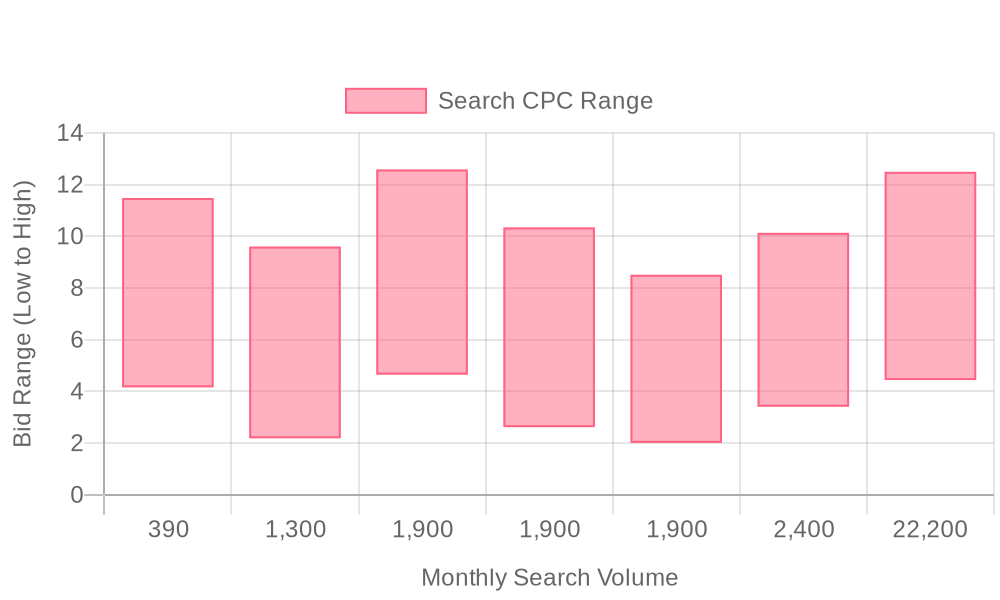
| Industry | Keyword | Monthly Search Volume | Competition Level | Low Bid | High Bid |
| Flood Insurance | private flood insurance companies | 390 | MEDIUM | 4.16 | 11.48 |
| Flood Insurance | usaa flood insurance | 1300 | LOW | 2.19 | 9.6 |
| Flood Insurance | private flood insurance | 1900 | MEDIUM | 4.65 | 12.58 |
| Flood Insurance | geico flood insurance | 1900 | LOW | 2.62 | 10.34 |
| Flood Insurance | allstate flood insurance | 1900 | LOW | 2.01 | 8.51 |
| Flood Insurance | progressive flood insurance | 2400 | LOW | 3.41 | 10.13 |
| Flood Insurance | flood insurance | 22200 | MEDIUM | 4.44 | 12.49 |
Flood insurance providers compete in a market where timing and intent drive outcomes. Google Ads for Flood Insurance stands out as a high-yield channel for intercepting decision-makers at the exact moment they search for coverage, translating search demand into ready-to-convert leads. Unlike broader digital marketing for insurance or brand-building on social channels, Google Ads campaigns for flood insurance target prospects who are actively researching policies, comparing quotes, or seeking quick solutions. This precision ensures marketing resources focus on real opportunity, not just awareness.
The foundation of effective PPC for flood insurance is a well-structured keyword strategy. Top-performing campaigns begin with granular research to uncover high-intent, location-specific, and solution-oriented terms. Sample target keywords include "affordable flood insurance," "private flood insurance quote," "best flood insurance providers," and "flood insurance near me." Tightly organizing these terms into relevant ad groups, such as coverage type, property type, or geographic risk, improves ad relevancy and drives higher Quality Scores. For more insights on maximizing results, see the Insurance Ads Guide.
- Precision Targeting: Advertisers gain direct access to audiences with immediate purchase intent by leveraging campaign settings that reflect comprehensive account visibility. Using advanced data unification, marketers can identify not just anonymous clicks but specific companies and high-value individuals engaging with flood insurance advertising, which sharpens targeting across search, display, and retargeting networks.
- Measurable Roi: Connecting the dots from ad click to policy purchase is critical. Enhanced tracking solutions allow teams to attribute every conversion, online or offline, back to its original source, supporting clear budget allocation and ongoing optimization. Unified attribution ensures budget shifts toward the most profitable keywords and segments, eliminating guesswork. One analysis in PPC Playbook for Insurance explores this further.
- Channel Synergy: Flood insurance marketing does not begin or end with a single click. Integrated retargeting strategies keep prospects engaged as they move from initial research to request a quote, whether they interact via web, video, or social ads. Dynamic audience updates, driven by real-time engagement and CRM data, ensure that messaging and offers evolve as leads progress through the funnel, increasing the likelihood of conversion.
With structured keyword selection and enhanced signal-based targeting, revenue teams maximize every dollar spent on Google Ads for Flood Insurance. Investing in the right keyword mix, supported by unified real-time data, consistently yields stronger lead quality, higher close rates, and measurable growth in policy acquisition. For a deeper dive into optimizing ad spend, explore our guide on Google Ads ROAS.
Step-by-Step Campaign Execution Framework
Google Ads for flood insurance requires a methodical, data-driven approach to attract high-intent prospects and efficiently convert them into qualified leads. Precision in keyword targeting, tailored creative, and seamless integration with sales processes drive measurable results for flood insurance advertising. Revenue teams can further amplify results by unifying real-time buying signals across channels, ensuring every campaign adjustment is informed by holistic funnel data.
Step 1: Build Targeted Keyword Lists
Successful PPC for flood insurance starts with comprehensive keyword research and strategic clustering. Grouping keywords by coverage type, such as residential, commercial, or municipal, allows for hyper-relevant ad delivery and more personalized messaging. Localizing keywords with area-specific modifiers, like city names or neighborhood references, ensures your ads reach those facing genuine flood risk. Incorporating long-tail queries captures prospects seeking specific information, such as “NFIP-compliant commercial flood insurance in Houston.” Negative keywords are essential to filter out low-value searches, ensuring only high-intent prospects enter the funnel.
Aligning your keyword strategy with content marketing themes brings consistency across all customer touchpoints. When keyword insights fuel both advertising and educational resources, marketers build authority and improve Quality Scores. Google Ads for agents provides a deeper look at this trend. Teams leveraging unified intent data can dynamically update keyword lists based on shifting search trends and real in-market activity, focusing spend on the highest-converting terms as soon as new patterns emerge.
The upgrade most flood insurance advertisers miss is going beyond raw keyword volume to layer in intent and identity signals. By connecting website-visitor data and CRM records with Sona Marketing Measurement, you can see which specific search terms bring in the accounts and customers that actually convert, and weight your keyword and bidding strategy toward those rather than the terms with the highest search volume alone.
Step 2: Develop Compelling Ad Copy
Effective flood insurance marketing hinges on ad copy that speaks directly to the needs and concerns of your audience. Headlines should address key pain points, such as unpredictable weather or inadequate coverage, with clarity and authority. Trust markers like certifications, years of industry experience, or partnerships with recognized agencies provide reassurance and drive higher engagement. Incentives, such as time-limited discounts or complimentary consultations, create urgency and encourage immediate action.
Ad extensions add depth and value, offering additional links, location info, and direct calls to action. Maintaining consistent messaging across Google Ads, social media, and email campaigns boosts brand recall and trust. For more insights on maximizing Google Ads performance, check out our guide on improve Google Ads ROAS. With advanced audience intelligence, marketers can tailor creative to reflect a prospect’s journey stage, ensuring that first-time searchers and returning visitors see messages most likely to convert them. Real-time insights into user intent enable dynamic updates to ad copy, ensuring relevance even as market conditions shift.
Step 3: Design Effective Landing Pages
Landing pages for insurance PPC campaigns must deliver a seamless experience from search to conversion. Consistency between keywords, ad messaging, and landing page content minimizes friction and builds trust. Segmenting landing pages by policy type or client profile allows for personalized explanations, calculators tailored to residential or commercial needs, and coverage comparisons that address specific objections. Visual trust cues, such as badges, reviews, or compliance certifications, increase credibility and reduce hesitation.
Interactive tools like premium calculators, FAQs addressing the 30-day waiting period, and clear, responsive CTAs streamline the path to quote requests or policy applications. Integrating form data directly into your CRM ensures rapid, tailored follow-up, eliminating manual lag and preventing lead loss. When platforms sync enriched audience data in real time, teams can nurture high-intent leads immediately, re-engage those who abandon forms, and report on the true pipeline impact of every landing page variation.
Step 4: Implement Data-Driven Optimizations
Continuous optimization is essential for maximizing the cost efficiency of Google Ads for flood insurance. Tracking multiple conversion types, from quote requests to direct policy sales, both online and offline, provides a complete view of campaign impact. Smart Bidding strategies like Target CPA use machine learning to automatically set bids for each auction, optimizing for conversions at the lowest possible cost. A/B testing of ad variations and landing page elements uncovers what resonates most with each audience segment, improving both click-through and conversion rates.
Importing offline conversions, such as closed deals from phone consultations or broker follow-ups, refines attribution and enables smarter budget allocation. With unified data flowing between ad platforms, CRM, and analytics tools, marketers can pinpoint which campaigns and keywords truly drive revenue. These insights inform not only ongoing campaign tweaks but also broader content and sales strategies, ensuring every channel works in concert to accelerate growth and boost ROI. Sona's Revenue Attribution supports accurate revenue tracking across all campaign touchpoints.
Sona Marketing Measurement closes the gap between clicks and revenue. It captures ad clicks with first-party measurement rather than third-party cookies, ties that click through UTM capture and ad-platform APIs to the matching account in your CRM, and reports ROAS by keyword and campaign instead of by last-click form fill. Feeding that revenue signal back into Smart Bidding and Performance Max compounds over time: the algorithms optimize toward booked flood insurance revenue, not cheap leads.
Tips on Expanding Your Flood Insurance Presence
Flood insurance marketers who want to scale their digital footprint must prioritize unified data, precise targeting, and ongoing campaign refinement. Executing a high-impact strategy means leveraging every touchpoint across the buyer journey, ensuring your brand remains top-of-mind when risk awareness peaks.
- Cross-promote Assets: Combining retargeting with content marketing creates a powerful feedback loop. By serving educational resources, such as flood risk guides or coverage calculators, to visitors who engaged with your landing pages, you reinforce expertise and re-engage decision-makers at critical moments. When using Google Ads, this approach is amplified by connecting real visitor identities to their on-site behaviors, allowing you to align messaging across channels and personalize follow-up communications. One analysis in Google Ads for Agents explores this further, demonstrating the impact of precise retargeting for insurance marketers. This granular visibility transforms anonymous web traffic into actionable leads, increasing conversion rates and accelerating the path to policy inquiry.
- Upsell Services: Audience segmentation, layered with enriched CRM data, enables targeted upselling to existing policyholders and new prospects. For example, segmenting by property type or previous claim history lets you dynamically promote add-on coverages or premium tiers only to those most likely to convert. Integrating your CRM with Google Ads ensures audiences automatically update as leads progress through the sales funnel, delivering upsell prompts precisely when customers show intent. This builds on the strategies outlined in the Retargeting Guide. The result is higher average policy values and better retention, driven by tailored outreach rather than generic, one-size-fits-all offers.
- Form Partnerships: Collaborating with regional real estate associations, mortgage brokers, or industry groups helps flood insurance providers amplify reach through co-branded campaigns. These partnerships often unlock new audience segments and shared credibility, increasing trust and referral volume. Modern marketing platforms make it seamless to sync partner-acquired audiences into your advertising ecosystem, keeping targeting fresh and compliant, while joint events or webinars can be promoted directly to in-market leads for maximum attendance and impact.
- Localize Campaigns: Tailoring advertising to specific geographies, down to the neighborhood or floodplain, significantly improves voice share in high-risk areas. Leveraging Google Ads’ geo-targeting, you can prioritize budget and creative for regions recently affected by flooding or areas with new FEMA risk assessments. FEMA Risk Data provides a deeper look at how risk data influences campaign targeting. When your data system recognizes spikes in search or inbound calls from a region, campaigns automatically adjust, ensuring your brand is present when urgency is highest. This hyper-local approach consistently produces higher-quality leads and maximizes ad spend efficiency.
- Identify New Content Topics: Analyzing search queries and engagement patterns reveals evolving interests and content gaps among your audience. Tapping into these insights, you can rapidly create and promote new content, such as FAQ pages about recent regulatory changes or guides on navigating flood insurance claims. For more insights on maximizing Google Ads ROI, check out our guide on Google Ads ROI. When integrated with campaign data, these insights allow you to spot emerging trends and shift resources to topics driving the strongest engagement and lead quality. This agile content strategy ensures you remain relevant and positioned as an authoritative voice within the flood insurance market.
Successfully expanding your flood insurance presence hinges on mastering these interconnected tactics. Marketers who unify their campaign data, continuously refine segmentation, and align messaging across digital channels consistently outperform the competition. By leveraging modern ad platforms and analytics, you can capitalize on every signal, adapt in real time, and achieve measurable growth in lead generation and brand authority.
Beyond Google Ads: Winning the AI Answers Flood Insurance Buyers Now Trust
Paid search captures demand at the moment someone types a query. But a fast-growing share of flood insurance buyers no longer start at Google at all, they ask ChatGPT, Gemini, or Perplexity before they ever run a search, and Google's own AI Overviews increasingly summarize an answer above the traditional results. If your business isn't referenced in those AI answers, you're invisible at the exact moment buyers build their shortlist.
Sona AI Visibility shows where your business shows up across ChatGPT, Gemini, Perplexity, Google AI Overviews, and 10+ engines, and, much like a keyword report, which prompts actually send you buyers, so you can prioritize the ones that convert. Run the two together and you cover the entire buyer path: get cited where buyers research (AI Visibility), then prove which of that demand turns into booked revenue (Marketing Measurement).
Helpful resources
Conclusion
Google Ads works for flood insurance because it meets a distress purchase at the moment it becomes urgent, not because of any generic best practice. Get the keyword strategy, the landing pages, and the measurement layer right, and clicks turn into bound policies instead of dead-end form fills.
The next step is measurement: know which keywords and campaigns actually produce paying policyholders, not just form fills, and let that feed back into how you bid. Start a free trial to see how Sona's platform surfaces that signal.
FAQ
What are the best practices for using Google Ads for flood insurance?
Best practices include aligning marketing goals with campaigns, developing precise keyword and audience strategies, optimizing landing pages for conversions, and employing performance optimization and cross-channel integration.
How can I optimize my Google Ads for flood insurance leads?
Optimize by using precise keyword targeting, robust audience segmentation, conversion-optimized landing pages, and integrating real-time data to adjust bids and budgets dynamically.
What is the average cost of Google Ads for flood insurance?
The article does not specify the average cost, but emphasizes maximizing budget impact for measurable business value.
How do I target the right audience for flood insurance ads?
Target the right audience by leveraging demographic, geographic, and behavioral signals, and using data from visitor identification tools to refine targeting.
What keywords should I use for flood insurance Google Ads?
Use long-tail keywords like 'affordable flood insurance options' and 'buy flood insurance near me' to capture high-intent searches and reduce waste on generic queries.







