


Family entertainment venues live or die on foot traffic, and foot traffic starts with a parent typing a search query at 9pm after the kids are in bed. Not every website visitor is worth chasing, though: some are comparison shopping for a birthday party three towns over, others are ready to book this weekend. Modern platforms can surface which accounts show real buying signals, so ad spend goes toward the prospects already showing intent.
How to Generate Google Ads for Family Entertainment Leads: A Step-by-Step Guide

Family entertainment centers thrive when they attract families actively seeking safe, engaging experiences. Leading marketers in this space use intent-rich data to identify high-value prospects the moment they show interest, shortening the sales cycle and reducing dependency on passive form fills.
A data-driven Google Ads strategy for family entertainment venues starts by uncovering the specific keywords and audience signals that indicate parents and caregivers are ready to book, whether that's a search for "birthday party packages near me" three weeks out or "open now indoor play" on a rainy Saturday morning. These insights let teams prioritize segments already trending toward a purchase decision, redirecting budget and creative the moment intent is detected. By automatically syncing enriched audience profiles and visitor data into Google Ads, marketers can focus spend on the most relevant family groups and avoid wasted impressions on low-value clicks.
Aligning landing pages and creative assets with what families actually care about, safety, convenience, value, elevates campaign performance. The most effective family entertainment advertisers track not only direct conversions but also accounts that visit high-intent pages and then drop off. This enables rapid retargeting, personalized outreach, and more accurate forecasting across the funnel. With Sona's Identity Resolution, marketers move beyond anonymous web traffic and can see exactly which families and organizations are engaging with their offers.
Continuous campaign optimization sustains ROI in this space. Real-time behavioral data and dynamic audience updates allow instant pivots in bids and budget when a high-value account shows increased purchase intent, useful when a school-break rush or a sudden cold snap sends families searching for indoor options overnight. Integrating cross-channel data, including CRM and web analytics, gives revenue teams a full-funnel view of engagement, making it possible to attribute both online and offline conversions and ensure every dollar spent drives measurable outcomes for family venues. To see how easy it is to streamline your lead generation with enriched audience data, get started for free with Sona.
Why does Google Ads Matter for Family Entertainment

Family entertainment venues operate in a landscape where timing, local relevance, and rapid engagement directly impact revenue. Google Ads delivers a competitive edge by capturing families at the moment they are actively searching for nearby attractions, birthday venues, or weekend plans, maximizing the probability of conversion when intent is highest. For more strategies on using Google Ads to boost bookings, see Google Ads for mini golf centers.
- Complex Targeting Needs: Family entertainment centers require precision in reaching parents, caregivers, and groups seeking child-friendly options. Google Ads enables businesses to form granular audiences based on real-time search queries, interests, and even previous website engagement. Sona's Identity Resolution helps marketers go beyond anonymous clicks to recognize which companies or segments are interacting with high-value content, allowing for more relevant and timely follow-up.
- Revenue Growth for Seasonal Events: For businesses where seasonality drives traffic, such as summer camps, holiday parties, or school break specials, Google Ads provides immediate visibility to families during key booking periods. Unlike organic or social media, campaigns can be launched or adjusted instantly, ensuring ad dollars are invested where demand is peaking. Sona's Intent Signals surface which prospects are most likely to convert, helping shift budgets to high-converting accounts in the right windows.
- Visibility in Saturated Markets: With local competition fierce, standing out to families searching for new experiences is essential. Google Ads ensures family entertainment businesses surface at the top when parents are evaluating options, filtering for those who demonstrate strong buying signals. Sona Audiences and dynamic updates allow campaigns to follow families as they move from research to booking, keeping your venue top-of-mind throughout the journey. For more digital marketing tactics, explore our marketing playbooks.
- Comprehensive Data Insights: The ability to track each step from ad engagement to on-site visit or booking is critical for optimizing spend. Google Ads' detailed measurement tools, paired with Sona Ad Conversions, allow businesses to close the loop on performance, identifying which ads drive both online and offline actions. By syncing CRM and enriched audience data, marketers can prioritize retargeting for leads already showing purchase intent and inform broader digital marketing strategies for family attractions with actionable, unified insights. To unlock these capabilities, get started for free with Sona.
Common Types of Google Ads Campaigns for Family Entertainment

- Search Campaigns: Search campaigns are the foundation of digital marketing for family attractions and entertainment venues. By capturing high-intent keywords such as "family fun near me," "kids birthday party venues," and "indoor playgrounds," these campaigns connect your business with parents actively seeking memorable experiences. Marketers can maximize efficiency by leveraging search intent signals to focus budget on the most qualified prospects, reducing wasted spend on irrelevant clicks. When integrated with advanced visitor identification and real-time intent monitoring, B2B revenue teams gain clarity on which accounts and households are researching specific offerings, allowing for precise message delivery and higher conversion rates.
- Display Ads: Display ads keep your venue visible to families as they browse parenting blogs, local news, and activity planning sites. These banners and rich media formats reinforce brand recognition, especially during key planning periods for school holidays or weekends. Dynamic audience capabilities enable marketers to continually refresh their targeting lists as new families engage with content, ensuring that ads remain relevant and timely. Syncing audience data across CRM and advertising platforms allows for seamless updates, so your campaigns always align with the latest in-market signals.
- Video Ads: Video ads provide an immersive way to showcase the experiences your venue offers, from safe play zones to interactive attractions. YouTube lets family entertainment centers reach parents and children during moments of inspiration, using visual storytelling to build excitement. With advanced conversion tracking and both online and offline attribution, marketers can tie ad engagement directly to bookings and foot traffic. For a deeper dive into attribution strategies, explore measuring marketing's influence on the sales pipeline.
- Remarketing: Remarketing campaigns are crucial for re-engaging families who previously visited your website or interacted with your ads but have not yet converted. By using enriched data and dynamic audience updates, marketers can tailor follow-up offers based on each visitor's journey stage, promoting birthday packages to parents who viewed party pages or offering seasonal discounts to repeat attendees. For actionable strategies to boost bookings and engagement, see SMB advertising strategies for family entertainment centers.
Where to Find Growth Opportunities
Identifying growth opportunities in family entertainment advertising requires a nuanced approach that prioritizes relevance, precision, and agility. The most effective teams begin by aligning their keyword research with family-centric interests, ensuring every campaign complements the broader content plan and amplifies consistency across all digital channels. By mapping out high-intent, family-focused keywords and integrating them with existing brand messaging, marketers can capture demand where families are most actively searching for experiences.
Competitor analysis is essential for surfacing untapped segments within the family entertainment space. Moving beyond surface-level website analytics, revenue teams can uncover granular gaps at the account level, such as under-served parental demographics or missed local opportunities. For further strategies, explore our collection of actionable playbooks. This depth of insight allows for swift campaign pivots and targeted creative, making each ad dollar more effective.
- Parenting forum placements: Supplement your traffic by placing display ads or sponsored content on trusted parenting forums and family-focused directories. Rotate bids in real time based on signals like key page visits or content downloads, ensuring your ads appear where families are already seeking recommendations.
- Retargeting with value-driven content: Re-engage families who have interacted with your brand using brochures, party guides, or seasonal checklists tailored to their stage in the planning journey. When your retargeting materials are both timely and relevant, engagement rates increase and sales teams receive more qualified, nurtured leads.
Sophisticated platforms empower marketers to go beyond anonymous traffic and accurately identify visiting companies and high-value accounts. Real-time insights into intent and funnel progression enable agile budget shifts to top-performing audiences, while dynamic audience updates ensure every segment reflects the most recent buyer behaviors. By syncing enriched family audience data across CRM and ad platforms, marketers maintain continuity between digital campaigns and sales outreach, maximizing ROI and driving repeat bookings for family entertainment centers.
How to Apply Audience Segmentation for Family Entertainment
High-performing family entertainment marketing starts with precise audience segmentation. Rather than relying on generic demographics, marketers gain an edge by categorizing audiences based on nuanced entertainment preferences, like affinity for birthday parties, indoor play, or seasonal events, and by segmenting accounts using firmographic data. This approach ensures each campaign message directly addresses the distinct needs of families, local event planners, or community groups, dramatically improving engagement rates across all digital channels. For a deeper dive into segmenting audiences with real-time signals and attributes, explore Sona’s Audiences tool.
Layering intent signals, such as recent searches for "weekend activities" or "children’s birthday parties," allows for deeper alignment with where families are in their decision-making journey. By factoring in buyer stage, ranging from initial discovery to comparison and booking, marketers can sync these insights across campaigns, maximizing reach to high-converting segments. Dynamic audience updates ensure that as families move through the funnel, messaging and offers stay relevant, while real-time intent signals help shift spend to accounts displaying immediate interest in family-friendly events. For more on intent-driven retargeting, see this playbook on retargeting with intent signals.
Ad groups should be structured to reflect age demographics or family types, such as parents of toddlers, parents of teens, or multigenerational groups. Mapping buyer stages allows marketers to serve creatives that match the prospect’s readiness, delivering educational content to early-stage researchers or time-sensitive offers to those ready to book. Advanced platforms enable seamless audience sync between CRM and ad accounts, ensuring that updates, like a new inquiry or booking, trigger automated campaign adjustments and nurture sequences tailored to each family’s journey. For practical advertising strategies tailored to family entertainment venues, discover effective Google Ads strategies for mini golf centers.
Conversion path validation is essential to closing the loop on complex segmentation. Marketers must ensure that every inquiry or booking, whether online or offline, is tracked and attributed to its originating audience segment. Integrations with modern analytics platforms provide unified attribution, connecting Google Ads clicks to actual revenue outcomes and supporting both online and in-venue conversions. With audience and conversion data flowing into CRM and marketing workflows, family entertainment venues achieve the accuracy needed for continuous optimization, strategic retargeting, and scalable growth. Get started for free with Sona to unlock advanced segmentation and conversion tracking for your campaigns.
This is also where measurement changes the economics. With Sona Marketing Measurement you can identify the companies and buyers behind your ad clicks, not just anonymous sessions, and segment audiences by who actually becomes a customer. That lets you build bid adjustments and audience signals around the segments that convert and de-prioritize the ones that don't, so you feed Google's algorithms "this click became a paying family entertainment customer" instead of just "someone filled out a form."
Keyword Strategy & Sample Target Terms
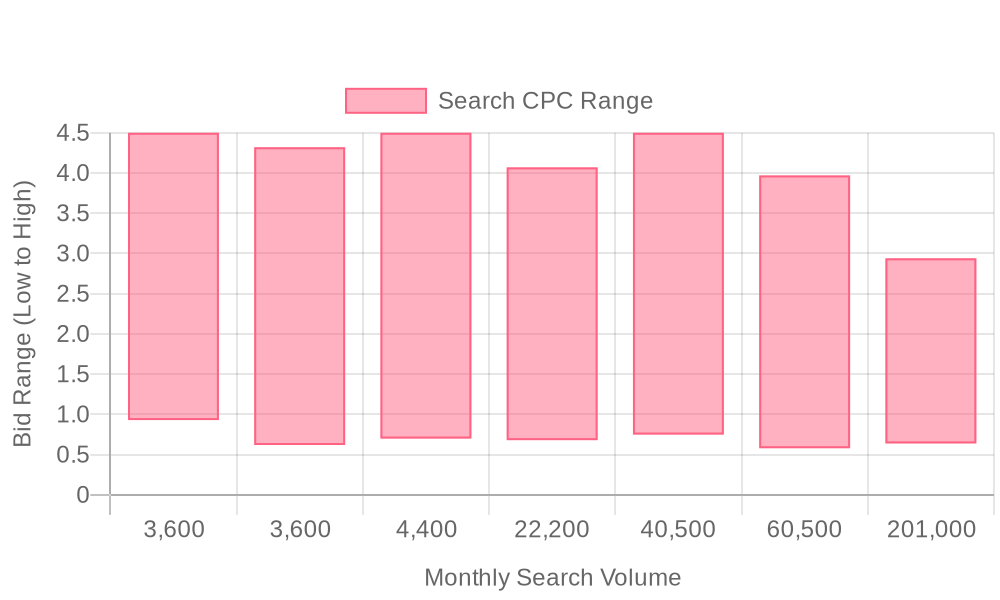
| Industry | Keyword | Monthly Search Volume | Competition Level | Low Bid | High Bid |
| Family Entertainment | family entertainment | 3600 | LOW | 0.93 | 4.5 |
| Family Entertainment | fun family activities | 3600 | MEDIUM | 0.62 | 4.32 |
| Family Entertainment | fun things to do with family | 4400 | MEDIUM | 0.7 | 4.5 |
| Family Entertainment | fun family activities near me | 22200 | MEDIUM | 0.68 | 4.07 |
| Family Entertainment | family entertainment near me | 40500 | MEDIUM | 0.75 | 4.5 |
| Family Entertainment | family activities near me | 60500 | MEDIUM | 0.58 | 3.97 |
| Family Entertainment | kids activities near me | 201000 | MEDIUM | 0.64 | 2.94 |
Developing a robust keyword strategy for family entertainment advertising requires a blend of broad, high-traffic terms and highly specific, intent-driven phrases. Prioritize keywords such as "family entertainment," "fun activities for kids," and "kids birthday party venues" to capture families actively seeking experiences. Use account behavior tools to segment visitors by interest and engagement level, ensuring keyword lists align with the actual search patterns of high-value prospects. This lets marketers avoid wasting budget on generic or low-intent queries and instead double down on what drives bookings and visits.
Leverage search query data to continuously refine negative keyword lists, filtering out unrelated traffic such as "DIY home activities" or "free online games." Seasonal keyword adjustments are crucial: incorporate terms like "spring break activities," "indoor fun for rainy days," or "summer family events" to stay relevant during peak planning periods. By monitoring which search terms and content generate the most account-level visits, marketers can identify top-performing topics and build lookalike audiences for Google Ads. For further insights into family entertainment center advertising tactics, explore SMB advertising strategies. This data-driven segmentation ensures ad spend is focused on families most likely to convert, while dynamic audience updates keep campaigns aligned with evolving interests as leads move through the funnel.
Marketers can further maximize impact by connecting real visitor identities with keyword intent, allowing for targeted follow-up and smarter budget allocation. When CRM data is seamlessly synced to Google Ads, high-intent segments are kept up to date as leads engage with new content or move toward a booking. This integration closes the loop between online research and offline action, measuring the true ROI of every targeted keyword and keeping campaigns optimized across all stages of the family entertainment buying journey. To see how this approach can transform your marketing, get started for free with Sona.
Step-by-Step Campaign Execution Framework
Step 1: Build Targeted Keyword Lists
Building robust keyword lists is foundational for PPC advertising in family entertainment. Clustering keywords by event type, such as children's birthday parties, family weekends, or holiday specials, aligns campaigns with specific booking intentions. By tapping into intent signals from account activity, marketers can prioritize high-converting themes like "kids' fun parks near me" or "indoor family attractions open today." Integrating real-time behavior data further refines keyword selection, letting budget shift fluidly toward segments displaying purchase readiness. Sona's Identity Resolution helps teams move beyond generic search terms, distinguishing casual browsers from high-value family planners and optimizing spend on audiences most likely to convert.
A well-structured keyword portfolio also incorporates negative keywords to filter out irrelevant traffic, such as excluding searchers looking for at-home activities or unrelated venues. Dynamic audience segmentation ensures that as families demonstrate increased engagement, such as viewing specific event packages or revisiting pricing pages, campaigns can automatically introduce new keyword variations or adjust bidding strategies. For more guidance on keyword selection and campaign targeting, see this list of high-performing keywords for family activities. This approach keeps targeting precise and responsive to evolving family entertainment demand, increasing the likelihood of driving qualified leads into the booking funnel.
If you want to build smarter keyword lists and activate real-time signals for your campaigns, get started for free with Sona.
The upgrade most family entertainment advertisers miss is going beyond raw keyword volume to layer in intent and identity signals. By connecting website-visitor data and CRM records with Sona Marketing Measurement, you can see which specific search terms bring in the accounts and customers that actually convert, and weight your keyword and bidding strategy toward those rather than the terms with the highest search volume alone.
Step 2: Develop Compelling Ad Copy
Effective ad copy for family-friendly venues must speak directly to parent concerns and aspirations. Messaging should spotlight value propositions like safety protocols, staff training, or exclusive family discounts. By templating ad creatives to match audience segments, such as first-time visitors or returning customers, marketers ensure relevancy at every touchpoint. For deeper insight into crafting impactful ad messaging and understanding Google Ads compliance for family audiences, explore Google Play's Families Ads Program.
Through continuous audience enrichment, Sona enables marketers to deploy timely, personalized copy that resonates with families actively considering an outing. For example, if a user has shown prior interest in party bookings, ad copy can dynamically update to highlight new group rates or weekend availability. This level of contextual relevance increases engagement rates and helps family entertainment centers stand out in crowded local advertising environments.
Step 3: Design Effective Landing Pages
Landing pages act as the bridge between ad engagement and in-venue conversion. A seamless transition from ad to landing page strengthens trust and minimizes drop-off. By leveraging detailed visitor analysis, marketers can customize content based on known audience affinities, such as showcasing video tours for users interested in facility cleanliness or displaying testimonials from families similar to the current visitor segment. For additional strategies on digital marketing for family entertainment, consider this guide to digital marketing strategies for family entertainment centers.
Sona analytics enable ongoing refinement of landing pages by revealing how different family segments interact with each element. For instance, if parents navigating from mobile devices often exit before viewing testimonials, the experience can be restructured to bring reassurance higher up the page. This data-driven approach ensures that landing page content and structure evolve alongside audience expectations, maintaining alignment with campaign objectives for family-friendly ad campaigns.
Step 4: Implement Data-Driven Optimizations
Optimization transforms static campaigns into adaptive, high-performing engines for family entertainment advertising. Enhanced cost-per-acquisition (CPA) bidding fine-tunes budget allocation, prioritizing interactions that correlate with actual bookings or in-person visits. By identifying which segments are advancing through the funnel, teams can intensify focus on high-intent audiences while reducing spend on less engaged users.
A/B testing creatives and calls-to-action provides measurable insights into what drives families from interest to action. Sona ensures that these insights are applied holistically, not just within Google Ads but across all touchpoints, including CRM and sales platforms. For expert advice on boosting bookings and engagement, review these advertising strategies for family entertainment centers. As audience lists update dynamically, remarketing campaigns can target families who previously engaged but did not book, with new offers or experiences tailored to their journey stage. This closed-loop optimization delivers measurable improvements in ROI, bridging the gap between online engagement and real-world attendance for family attractions.
Sona Marketing Measurement closes the gap between clicks and revenue. It captures ad clicks with first-party measurement rather than third-party cookies, ties that click through UTM capture and ad-platform APIs to the actual record in your CRM, and reports ROAS by keyword and campaign instead of by last-click form fill. Feeding that revenue signal back into Smart Bidding and Performance Max compounds over time: the algorithms optimize toward booked family entertainment revenue, not cheap leads.
Tips on Expanding Your Family Entertainment Presence

Family entertainment businesses thrive when they move beyond basic advertising and deliver value-driven, relevant experiences across every interaction. By focusing on audience understanding, tailored content, and seamless data integration, organizations can build lasting connections and translate online activity into real-world visits.
- Leverage educational content for retargeting: When families visit essential pages like birthday packages or event bookings but don’t convert, deploy retargeting ads featuring educational content that addresses common concerns or questions. This approach re-engages warm leads and keeps your venue top-of-mind during the decision phase. Using intent signals and page-level activity, marketers can ensure that retargeting efforts are focused on the most qualified prospects, increasing the likelihood of conversion.
- Upsell services with CRM-segmented audiences: By syncing enriched CRM data with Google Ads, businesses can trigger tailored creatives aligned to each stage of the buying journey. For example, parents who previously booked general admissions can see ads promoting birthday packages or group discounts, while first-time inquirers receive introductory offers. Dynamic audience updates as customers interact with web and email content ensure messaging stays relevant and maximizes upsell potential. To automate this process and keep data in sync, consider leveraging Sona for seamless data activation.
- Coordinate with local parenting groups for referrals: Extend your reach through partnerships with local parenting organizations and online family networks. Amplify these referral opportunities with Google Ads to drive awareness among highly engaged community segments. Marketers can use audience data to identify which groups yield the highest value and adjust spend accordingly, ensuring budget prioritization for the most impactful referral sources. For additional strategies, explore SMB advertising tactics for family entertainment centers.
- Utilize trending search behavior for content inspiration: Monitor new search trends to discover timely topics and emerging interests among families searching for entertainment. Insights from unified data platforms help pinpoint when and how to deliver fresh content that resonates, whether it’s a blog post about indoor activities during rainy weeks or ads for upcoming seasonal events. This real-time responsiveness keeps your marketing agile and ensures your message reaches families at the optimal moment.
Beyond Google Ads: Winning the AI Answers Family Entertainment Buyers Now Trust
Paid search captures demand at the moment someone types a query. But a fast-growing share of family entertainment buyers no longer start at Google at all, they ask ChatGPT, Gemini, or Perplexity before they ever run a search, and Google's own AI Overviews increasingly summarize an answer above the traditional results. If your business isn't referenced in those AI answers, you're invisible at the exact moment buyers build their shortlist.
Sona AI Visibility shows where your business shows up across ChatGPT, Gemini, Perplexity, Google AI Overviews, and 10+ engines, and, much like a keyword report, which prompts actually send you buyers, so you can prioritize the ones that convert. Run the two together and you cover the entire buyer path: get cited where buyers research (AI Visibility), then prove which of that demand turns into booked revenue (Marketing Measurement).
Helpful resources
Conclusion
Family entertainment marketing rewards precision over volume, the venues that win aren't the ones spending the most, but the ones spending on the families most likely to book. Google Ads, done well, puts your venue in front of a parent at the exact moment they're deciding where to spend a Saturday.
The venues pulling ahead now are pairing that search intent with identity resolution and closed-loop measurement, so every campaign gets sharper each season instead of starting from zero. As AI tools increasingly answer the "where should we go this weekend" question before a search ever happens, that same first-party data will decide who gets cited and who gets skipped.
To put these strategies into practice, start for free and see how unifying your marketing data can sharpen targeting and measurement for your family entertainment business.
FAQ
What are the best Google Ads strategies for family entertainment businesses?
The best strategies include using intent-rich data to identify high-value prospects, prioritizing ad spend on these segments, aligning landing pages with family interests, and continuously optimizing campaigns using real-time behavioral data.
How can I effectively target families using Google Ads?
You can target families by leveraging specific keywords and audience signals that indicate purchase intent, syncing enriched audience profiles into Google Ads, and focusing on family groups showing high engagement.
What are the key policies for advertising to children on Google?
While the article does not detail specific policies, it emphasizes crafting ad copy that aligns with family values and safety, which is crucial when advertising to family audiences.
What types of ads work best for family entertainment centers?
Effective ad types include search campaigns targeting high-intent keywords, display ads for visibility, video ads for storytelling, and remarketing campaigns to re-engage previous visitors.
How can I measure the success of my Google Ads campaigns for family venues?
Success can be measured by integrating cross-channel data, using CRM and web analytics to track conversions, and ensuring ad spend is driving measurable outcomes both online and offline.







