


A film opens on 3,000 screens the same weekend a streaming platform drops its next big series, and both are competing for the same restless attention. Entertainment marketing runs on windows, a release date, a tour announcement, a limited engagement, that open and close fast, and Google Ads is one of the few channels built to move at that speed. Done well, it catches people mid-search, when they're deciding which ticket to buy or what to watch tonight, and turns that intent into ticket sales, subscriptions, and pre-orders before the moment passes. Here's how to build campaigns that keep pace with the calendar instead of lagging behind it.
How to Generate Entertainment Leads with Google Ads: A Step-by-Step Guide

Modern entertainment marketers need strategies that move in sync with shifting audience preferences and industry disruptions. Precision, agility, and actionable insights are central to outperforming competitors and maximizing every campaign investment.
Data-driven Google Ads strategies help entertainment brands capture diverse audiences by aligning creative assets with real-time intent and high-conversion opportunities. Using advanced audience identification and intent signals, brands can shift spend toward segments most likely to engage, while dynamic audience syncing ensures campaigns adapt as leads progress through the funnel.
- Develop Data-driven Strategies: Entertainment brands face the challenge of fluctuating demand and fragmented audience interests. By unifying cross-channel data and layering in behavioral insights, marketers can pinpoint intent signals and tailor their keyword portfolios to match trending topics, seasonal events, or release windows. One analysis in Google Ads for entertainment explores the impact of this approach on campaign outcomes.
- Implement Specific Keyword And Audience Targeting: With modern Google Ads for entertainment, hyper-targeted campaigns leverage granular audience segmentation and intent data. Marketers can go beyond surface-level demographics, identifying both anonymous and known site visitors, then building audiences based on streaming preferences, event attendance, or content engagement. Platforms like Sona Audiences identify high-value audience segments for more precise targeting.
- Create Compelling Landing Pages And Ad Creatives: Creative resonance is crucial in entertainment marketing. Personalized landing pages reflect the interests and behaviors of key audience segments, whether promoting a film, concert, or streaming service. Integrating enriched lead data into creative workflows produces ad variations that connect authentically, increasing the likelihood of conversion. Video campaigns guide provides a deeper look at using video storytelling to boost engagement.
- Utilize Performance Optimization Tactics: Continual optimization is essential for maintaining superior ROI in the entertainment industry. Advanced conversion tracking links online and offline actions, giving marketers a complete view of campaign effectiveness. For more insights on maximizing ad returns, check out our guide on Google Ads ROI.
- Integrate Cross-channel Methods: Omnichannel engagement is the hallmark of high-performing entertainment campaigns. Syncing CRM and ad platforms enables seamless audience activation, while unified data ensures messaging consistency across search, display, video, and social channels. As leads move through the funnel, automated workflows update audiences and creative assets, maximizing engagement and supporting the entire entertainment marketing ecosystem. For a hands-on approach to building smarter campaigns, start with Sona.
Why Does Google Ads Matter for the Entertainment Industry

Entertainment marketers navigate a fast-moving landscape where capturing audience attention is both an opportunity and a challenge. Reaching the right viewers at the right moment, especially during critical release windows or for live events, requires precision and speed.
Modern solutions enable businesses to identify and engage audiences who are actively seeking entertainment content. With advanced intent signals, marketers can shift spend toward high-potential moviegoers, concert attendees, and streamers when demand surges. Google Ads in Entertainment provides a deeper look at how these technologies are transforming campaign performance.
Sophisticated targeting and integrated data strategies drive visibility in emerging and established markets alike. Marketers leveraging unified go-to-market data can pinpoint not just anonymous traffic, but also identify the companies and high-value visitor accounts engaging with trailers, event listings, or playlists. Solutions such as Sona's Identity Resolution support the ability to recognize key audience segments and enable real-time dynamic segmentation as fan interest shifts.
Comprehensive analytics are essential for optimizing entertainment campaigns. Connecting online engagement with offline sales or venue visits provides a single source of truth for performance. For more insights on closing the loop between digital campaigns and real-world conversion, check out our guide on Revenue Attribution.
Common Types of Google Ads Campaigns for the Entertainment Industry
Most entertainment advertisers run a mix of these formats, and increasingly layer in Performance Max, which pools Search, Display, YouTube, and Discovery inventory into a single goal-based campaign, useful for wide-release pushes where you want reach across every surface at once without managing each channel separately.

- Search Campaigns: Search campaigns empower entertainment marketers to capture high-intent audiences by targeting users searching for specific movies, concerts, or streaming content. Responsive search ads, an ad format that tests multiple headlines and descriptions, let marketers align copy with release dates, venue locations, or artist names, addressing immediate demand and driving conversions from users ready to purchase tickets or stream content. Marketers leveraging visitor identification and real-time intent signals can dynamically adjust bids and messaging to prioritize users most likely to engage, ensuring budgets flow to the highest-converting audience segments. Sona's Identity Resolution helps marketers recognize and prioritize these valuable visitors in real time.
- Display Ads: Display ads offer visually immersive experiences across a vast network of websites and apps, making them essential for building top-of-funnel awareness for entertainment events, movie premieres, or new music releases. Creative assets such as film posters or animated banners can be tailored to different audience segments, increasing relevance and engagement. Google Ads for entertainment provides a deeper look at how display networks can be leveraged for brand recall and awareness.
- Video Ads: Video campaigns are fundamental for the entertainment industry, where trailers, teasers, and behind-the-scenes clips drive excitement and anticipation. Platforms like YouTube and Google TV allow precise audience targeting based on interests, viewing history, and demographic data. Advanced conversion tracking, including both online and offline attribution, gives marketers a full view of campaign impact, allowing optimization of creatives and spend in real time to maximize ROI for movie launches, streaming service promotions, or music video debuts. For more on attribution strategies, check out our guide on revenue attribution.
- Remarketing: Remarketing campaigns enable ongoing connections with users who have previously interacted with entertainment content but have not yet converted. Personalized ads can showcase upcoming showtimes, exclusive merchandise offers, or last-minute ticket discounts, prompting users to return and complete their purchase. When enriched lead and audience data sync seamlessly between CRM systems and Google Ads, marketers ensure that remarketing lists are always accurate, reducing wasted impressions and improving the efficiency of every campaign. For a hands-on walkthrough of optimizing your campaigns, get started now with Sona onboarding.
Where to Find Growth Opportunities in Entertainment Marketing

Modern entertainment brands face saturated digital landscapes and shifting consumer behaviors. Growth depends on identifying new pockets of demand, leveraging advanced audience intelligence, and activating campaigns that adapt in real time to audience interests.
- Vertical Keyword Targeting: Unlock niche opportunities by researching and deploying long-tail and vertical-specific keywords related to emerging entertainment trends, genres, or experiences. This approach surfaces untapped demand for offerings like immersive theater, interactive streaming events, or micro-festivals, allowing marketers to reach highly motivated audiences before competitors saturate the space. Keyword strategy insights provides a deeper look at this trend and how nuanced keyword strategies can reveal hidden demand.
- Competitor Analysis: Systematic competitor benchmarking uncovers market gaps, such as underserved demographics or overlooked subgenres. By mapping competitors' keyword footprints and ad placements, marketers can strategically position their campaigns to fill these voids. Leveraging real-time visitor identification and intent data, revenue teams gain visibility into which audiences are converting elsewhere, which enables agile reallocation of budget toward high-converting segments and away from saturated channels. Sona's Identity Resolution helps pinpoint which segments are actively engaging across the landscape.
- Industry-specific Ad Placements: Expanding beyond default placements by utilizing industry-specific inventory, such as entertainment news portals, music blogs, or film review platforms, broadens reach while preserving contextual relevance. These curated placements foster natural discovery, increase engagement rates, and help entertainment marketers capture audiences during critical moments of consideration. For more insights on optimizing placements, check out our guide on retargeting strategies.
- Retargeting High-engagement Content: Deploy retargeting campaigns that feature assets proven to resonate, like behind-the-scenes videos, artist interviews, or exclusive previews. These immersive creatives nurture deeper audience relationships and encourage repeat engagement. Dynamic audience building platforms update retargeting pools as user behaviors evolve, ensuring that messaging remains hyper-relevant and aligned with each prospect’s journey. Integration with CRM and ad platforms ensures that enriched audience segments are synced across channels, maximizing the impact of every retargeting dollar. To accelerate your own campaign strategy, start your personalized onboarding here.
How to Apply Audience Segmentation for the Entertainment Industry
Audience segmentation is essential for entertainment marketers aiming to maximize campaign efficiency and personalize engagement across diverse fan bases. By leveraging detailed segmentation, entertainment brands can fine-tune their outreach, ensuring each message reaches the audience most likely to attend, stream, or purchase.
- Define Segments: Begin by grouping audiences based on interests and behaviors, such as differentiating film buffs from music lovers or live event enthusiasts from streaming subscribers. This approach allows for tailored messaging that resonates with each segment’s distinct preferences, increasing the relevance of every campaign. With unified data, marketers can pinpoint high-value visitors, moving beyond generic demographics to identify true intent and affinity for specific entertainment categories. See industry benchmarks for this approach.
- Overlay Intent Signals: Enhance each segment by adding real-time intent data, such as browsing patterns or recent content interactions, to identify users most likely to convert. Allocating budget and creative resources toward these in-market audiences ensures higher engagement rates and drives more efficient ticket sales, subscriptions, or event registrations. Access to granular in-market data enables marketers to react quickly when interest peaks, dynamically shifting budgets to campaigns with the greatest revenue potential. Sona Audiences surfaces intent signals to identify and activate these in-market segments for more effective campaign targeting.
- Create Segment-specific Ad Groups: Develop ad groups tailored to the needs and motivations of each audience segment. For example, target film aficionados with exclusive screening invites while showcasing behind-the-scenes content to music fans. Dynamic audience lists update in real time as users engage with content, ensuring campaigns reflect the latest interests and lifecycle stage of every prospect.
- Ensure Conversion Path Tracking: Track and analyze every interaction, from ad click to final purchase, across both online and offline channels. This holistic view allows teams to attribute value accurately, optimize future campaigns, and feed enriched insights back into the CRM for smarter nurturing sequences. For more on closing the loop between marketing and revenue, see our revenue attribution guide. By syncing enriched audience data and conversion signals directly into advertising platforms and sales systems, entertainment marketers close the loop on attribution while continuously refining their segmentation strategy.
This is also where measurement changes the economics. With Sona Marketing Measurement you can identify the companies and buyers behind your ad clicks, not just anonymous sessions, and segment audiences by who actually becomes a customer. That lets you build bid adjustments and audience signals around the segments that convert and de-prioritize the ones that don't, so you feed Google's algorithms "this click became a paying entertainment customer" instead of just "someone filled out a form."
Keyword Strategy & Sample Target Terms
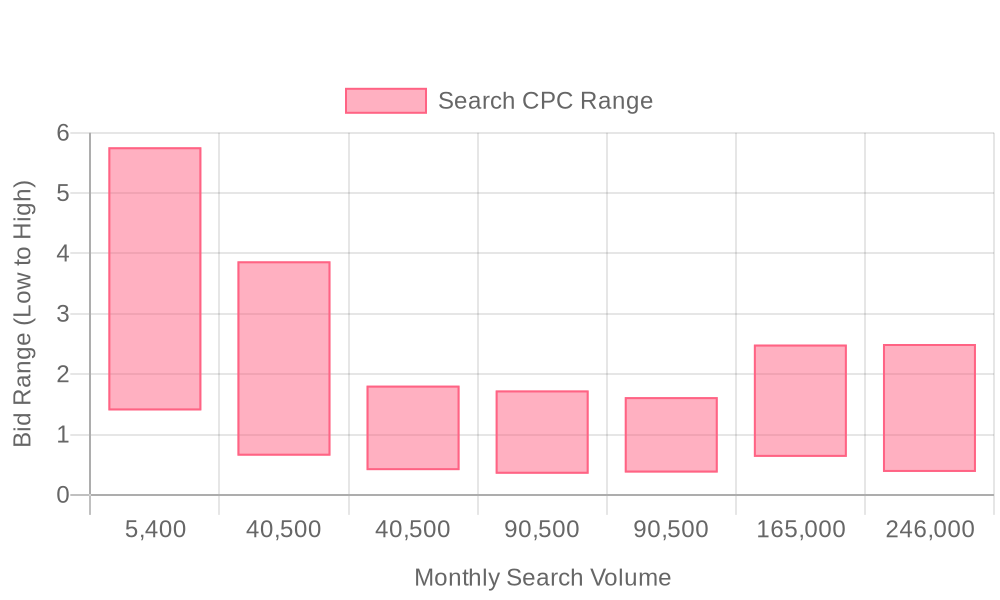
| Industry | Keyword | Monthly Search Volume | Competition Level | Low Bid | High Bid |
| Entertainment | dj services near me | 5400 | LOW | 1.4 | 5.76 |
| Entertainment | live nation tickets | 40500 | HIGH | 0.65 | 3.87 |
| Entertainment | things to do this weekend near me | 40500 | MEDIUM | 0.41 | 1.81 |
| Entertainment | things to do this weekend | 90500 | MEDIUM | 0.35 | 1.73 |
| Entertainment | events near me this weekend | 90500 | MEDIUM | 0.37 | 1.62 |
| Entertainment | entertainment | 165000 | LOW | 0.63 | 2.49 |
| Entertainment | live music near me | 246000 | LOW | 0.38 | 2.5 |
Entertainment marketers achieve higher ROI by prioritizing precision in their keyword strategies. By focusing on search intent, campaigns reach audiences ready to buy tickets, stream content, or engage with new releases. This approach drives measurable results, ensuring budgets are allocated to users most likely to convert.
Keywords such as "movie premieres near me," "live concert tickets," "new music releases," and "streaming service deals" capture high-intent traffic actively seeking entertainment experiences. These terms align closely with real-time audience interests, supporting stronger click-through and conversion rates across campaigns for movies, music, events, and streaming services. Entertainment Benchmarks shares industry benchmarks for this approach.
Incorporating negative keywords is essential to filter out irrelevant searches, minimizing wasted spend and improving campaign efficiency. Marketers can further elevate their keyword approach by identifying in-market visitor behavior and shifting spend dynamically to high-converting segments. Using platforms that integrate CRM and ad data enables the building of dynamic audience lists, automatically updating as leads progress through sales stages. For more insights on optimizing campaign efficiency, check out our guide on Retargeting Strategies.
This ensures entertainment campaigns continually target the right prospects with relevant offers, improving both engagement and ROI.
Step-by-Step Campaign Execution Framework
Step 1: Build Targeted Keyword Lists
Effective campaigns in the entertainment industry begin with robust keyword research that mirrors current audience interests. Focus on themes that align with trending releases, popular events, and anticipated screenings to capture timely demand. Integrate local modifiers such as city names or neighborhood venues to reach users searching for entertainment options in their area. This approach ensures that campaigns are not only relevant but also positioned to attract high-intent traffic, event promotion with Google Ads provides a deeper look at this trend.
Go deeper by filtering out keywords that typically draw unqualified visitors. Removing ambiguous or unrelated terms minimizes wasted spend and sharpens budget efficiency. Unifying first-party data and cross-channel insights can help marketers pinpoint which keyword clusters drive conversions, as behavioral data often reveals new high-intent search patterns, a surge in searches for "drive-in showtimes" ahead of a re-release, or "cast interview" queries spiking after a trailer drops. Sona's Identity Resolution is designed to help marketers identify both anonymous and known visitors, enabling dynamic updates to keyword lists as audience interests shift.
The upgrade most entertainment advertisers miss is going beyond raw keyword volume to layer in intent and identity signals. By connecting website-visitor data and CRM records with Sona Marketing Measurement, you can see which specific search terms bring in the accounts and customers that actually convert, and weight your keyword and bidding strategy toward those rather than the terms with the highest search volume alone.
Step 2: Craft Engaging Ad Copy
Ad copy is where campaigns come to life and connect emotionally with fans. Highlight exclusive incentives such as early ticket access, limited-edition merchandise, or backstage passes to create buzz and urgency. Effective calls-to-action like “Book Now for VIP Access” or “Unlock Early Bird Pricing” should feel natural and directly tied to the user’s entertainment interests.
Personalization elevates campaign performance. By leveraging unified audience profiles and real-time behavioral insights, marketers craft messages that speak to what each segment values most. For more insights on maximizing return from paid media, check out our guide on boosting Google Ads ROAS. This tailored approach is especially impactful for Google Ads for music, event promotion, and seasonal entertainment launches.
Step 3: Optimize Landing Pages for Conversion
Landing pages must maintain the momentum created by compelling ads. Ensure every landing page is tightly aligned with the ad’s promise, guiding users seamlessly to specific actions like ticket purchases, RSVP confirmations, or content streaming. Frictionless design, fast load times, and prominent calls-to-action reduce drop-off, increasing the likelihood of conversion.
Integrating real-time CRM and ad data enables teams to personalize landing page content for returning visitors or segmented audiences. For example, a visitor previously identified as a high-value lead can be shown premium ticket options or exclusive content offers upon their return. This approach not only increases immediate conversions but also supports ongoing audience nurturing for future entertainment promotions. Varos benchmarks share industry metrics for this approach.
Step 4: Implement Data-Driven Optimization
Continuous optimization transforms a good campaign into a great one. Regularly test variations of ad creative, headlines, and landing page layouts to uncover which combinations generate the highest engagement and sales. Use A/B testing frameworks that incorporate both digital and offline event data, so every optimization reflects the full customer journey.
Holistic attribution is critical for entertainment industry marketers who need to understand the true ROI of each campaign. As discussed in our attribution guide, connecting online engagement with offline ticket sales or in-person attendance offers a comprehensive view of performance. When audience segments and conversion data are unified and synced across platforms, marketers can shift budgets to the highest-performing segments in real time, ensuring every dollar invested delivers measurable impact. Dynamic audience updates and advanced conversion tracking keep campaigns agile as entertainment trends and audience behaviors evolve.
Sona Marketing Measurement closes the gap between clicks and revenue. It captures every ad click with first-party measurement, no reliance on third-party cookies, then ties that click through UTM capture and ad-platform APIs to the actual record in your CRM, and reports ROAS by keyword and campaign instead of by last-click form fill. Feeding that revenue signal back into Smart Bidding and Performance Max compounds over time: the algorithms optimize toward booked entertainment revenue, not cheap leads.
Tips on Expanding Your Entertainment Presence

Strategically broadening reach in the entertainment sector requires coordinated tactics that engage audiences where they are most active. A successful approach blends memorable content, local relevance, and expert partnerships to drive both awareness and measurable outcomes.
- Cross-promotion With Exclusive Content: Develop and distribute behind-the-scenes footage, artist interviews, or early-access previews to incentivize repeat engagement. Exclusive digital experiences foster loyalty and motivate sharing, especially when integrated into multi-channel campaigns across search, display, and video. Google TV Network provides a deeper look at emerging channels that can amplify these efforts. By connecting these interactions through unified data, marketers precisely identify which content and offers convert casual viewers into paying fans.
- Partner With Thought Leaders: Collaborate with influential industry voices to expand your brand's reach within established communities. Whether leveraging celebrity endorsements for film premiers or engaging music curators for playlist placement, these alliances amplify credibility and spark organic conversation. Sona's Identity Resolution supports integrated visitor identification and engagement tracking so you can measure which partnerships drive high-intent traffic and allocate resources to the highest-performing influencers.
- Target Key Entertainment Hubs With Geo-specific Strategies: Pinpoint venues, festivals, cities, or streaming hotspots that matter most to your target audience. For more insights on optimizing campaigns for local relevance and media mix, check out our guide on media mix. Launch geo-targeted campaigns that promote local events, ticket sales, or pop-up activations with messaging tailored to each location’s preferences and trends. When dynamic audiences are synced in real time, campaigns automatically update as new hotspots emerge or audience interests shift, ensuring your marketing remains relevant and effective at every stage.
Final Thoughts
Developing creative that resonates with diverse entertainment audiences is equally essential. Tailoring messaging for moviegoers, music fans, or event attendees fosters authentic connections and increases the likelihood of engagement and conversion. Sona's Identity Resolution helps marketers move beyond generic traffic by dynamically adapting creative assets to speak directly to the interests and intent of each segment.
Consistent optimization is achieved through seamless data integration, connecting insights from every touchpoint across channels. By aligning CRM, website, and ad performance data, teams unlock a unified view of the customer journey, making it easy to sync enriched audiences with ad platforms and optimize spend toward high-converting accounts. Varos Benchmarks shares industry benchmarks for this approach, providing clarity on performance expectations.
A commitment to continuous learning and adaptation ensures long-term success. Entertainment marketers who embrace a culture of experimentation, regularly assessing new formats and tactics, stay ahead of evolving consumer preferences and industry trends. For more insights on campaign optimization, check out our guide on Boosting Google Ads ROAS, driving measurable growth in audience engagement and maximizing conversions in the dynamic entertainment sector.
Beyond Google Ads: Winning the AI Answers Entertainment Buyers Now Trust
Paid search captures demand at the moment someone types a query. But a fast-growing share of entertainment buyers no longer start at Google at all, they ask ChatGPT, Gemini, or Perplexity before they ever run a search, and Google's own AI Overviews increasingly summarize an answer above the traditional results. If your business isn't referenced in those AI answers, you're invisible at the exact moment buyers build their shortlist.
Sona AI Visibility shows where your business shows up across ChatGPT, Gemini, Perplexity, Google AI Overviews, and 10+ engines, and, much like a keyword report, which prompts actually send you buyers, so you can prioritize the ones that convert. Run the two together and you cover the entire buyer path: get cited where buyers research (AI Visibility), then prove which of that demand turns into booked revenue (Marketing Measurement).
Helpful resources
Conclusion
Google Ads gives entertainment brands a way to meet audiences at the exact moment interest peaks, before a premiere, during a ticket on-sale, right after a trailer drops. The campaigns that win aren't the ones with the biggest budgets, but the ones built to move as fast as the calendar does.
As AI search reshapes how entertainment buyers discover their next ticket or subscription, the brands that pair real-time intent data with measurement that ties clicks to actual revenue will be the ones still winning attention five years from now. Start a free trial to see what that looks like with Sona.
FAQ
How can I use Google Ads for my entertainment business?
Google Ads allows entertainment marketers to target diverse audiences and capture high-intent searches, enhancing brand presence and maximizing ROI during demand spikes like film or event releases.
What are the best practices for Google Ads in the entertainment sector?
Best practices include developing data-driven strategies, implementing specific keyword and audience targeting, creating compelling landing pages and ad creatives, and utilizing performance optimization tactics.
How much should I budget for Google Ads in entertainment?
The budget should align with targeting high-converting segments, using data-driven insights to dynamically allocate spend towards audiences most likely to engage and convert.
What types of ads work best for promoting entertainment content?
Effective ad types include search campaigns for high-intent audiences, display ads for building awareness, video ads to drive excitement, and remarketing campaigns for ongoing engagement.
Does Google Ads provide analytics for entertainment campaigns?
Yes, Google Ads offers comprehensive analytics, including online and offline conversion tracking, which helps optimize campaigns by providing insights into performance and audience engagement.







