


Event centers lose bookings in ways spreadsheets don't capture: the corporate planner who tours the space but never fills out a form, the wedding party that browses three venues before requesting a quote from just one. Google Ads gives event venues a way to reach these prospects at the moment they're searching, adjust spend as demand shifts week to week, and measure which clicks actually turn into signed contracts. Used well, it closes the gap between a curious visitor and a booked date, so marketing spend tracks back to real revenue rather than guesswork.
How to Generate Event Center Leads with Google Ads: A Step-by-Step Guide

Event centers can achieve measurable growth by leveraging digital advertising tailored to high-value prospects. Modern online marketing for events empowers venues to build a robust sales pipeline and consistently fill their calendar with profitable bookings.
This guide details how to structure Google Ads for event center campaigns that attract, engage, and convert intent-driven audiences. Each tactic is grounded in practical strategies for maximizing budget efficiency and improving attribution across both online and offline touchpoints.
- Creating Targeted Keyword Lists That Resonate With Specific Event Types: Start with research that pinpoints the search phrases most likely to trigger bookings, combinations like "corporate retreat venues downtown," "wedding reception halls with catering," or "conference space rental near me." Sona's Identity Resolution reveals which companies and decision-makers are behind these searches, so audiences become actionable rather than anonymous, helping marketers prioritize high-intent segments and align spend accordingly. Keyword strategies for events offers additional perspective on building effective keyword strategies for event venues.
- Aligning Ad Copy And Landing Pages With User Intent To Maximize Conversions: Messaging should reflect the event type, capacity, and amenities relevant to each audience. Ad headlines should answer the searcher's question directly, and landing pages need to back up that promise with photos of the actual space, client testimonials, and a clear next step. Sona can sync first-party and third-party data to personalize landing experiences, updating content as leads move through the funnel, which lifts conversion rates for event center lead generation.
- Optimizing Performance And Closing the Gap on Delayed Follow-ups: Run A/B tests on headlines, creative, and calls-to-action to find the combinations that convert. Conversion tracking, especially when extended to offline interactions like site tours or calls, keeps leads from disappearing between the ad click and the booked date. Sona connects online ad clicks to offline conversions, producing a single source of truth for measuring return on ad spend across event ticket sales and venue bookings. For more on improving Google Ads ROAS, see our guide on improving Google Ads ROAS.
- Syncing Online Campaigns With Offline Events For a Consistent Brand Presence: Integrate CRM workflows so sales and marketing stay aligned on target accounts, follow-ups, and nurture sequences. Sona's audience enrichment and CRM sync let Google Ads campaigns update automatically as leads become qualified or move stages, keeping digital advertising for events relevant and timely. This closes manual gaps and supports a venue marketing strategy that spans digital and real-world engagement.
Why Does Google Ads Matter for Event Centers?
Event centers operate in a fast-paced market where timing and visibility directly impact revenue. Reaching planners and corporate clients exactly when they are searching for venues ensures fewer missed opportunities and maximizes bookings from high-value leads.
Google Ads empowers event centers to drive new business with precision targeting, capturing planners seeking premium spaces for corporate functions, trade shows, and large conferences. The platform's robust measurement tools allow teams to track every interaction, from the first click to the final event booking, giving a complete view of which campaigns generate real business impact, including offline conversions such as tours and demo appointments. Google Ads for Events provides a deeper look at this trend.
Immediate responsiveness to market shifts is critical in event venue marketing. Google Ads enables rapid adjustments to budgets and creative, helping centers capitalize on unexpected opportunities, like last-minute booking surges or sudden changes in local demand. Solutions such as Sona's Identity Resolution support pinpointing the companies and decision-makers actively in the market for event hosting, ensuring that advertising spend is focused on the highest-converting accounts and driving measurable ROI for every campaign.
With dynamic audience management, campaigns evolve as prospects engage, ensuring messaging and offers remain relevant throughout the buyer’s journey. Advanced conversion tracking connects both online and offline activities, offering a unified view of marketing effectiveness. For more insights on optimizing attribution, check out our guide on Revenue Attribution. CRM and ad platform synchronization ensures enriched lead data flows seamlessly between Google Ads and sales systems, supporting highly targeted remarketing and efficient nurturing of every inquiry.
Common Types of Google Ads Campaigns for Event Center Services
- Search Campaigns: Capture high-intent searches for event spaces or venues in your area, tapping into prospects who are actively researching solutions. By analyzing search intent and aligning ad copy with pain points, event centers can attract visitors ready to book a tour, request a quote, or schedule a walkthrough. With company-level identification, marketers can move beyond anonymous clicks to see which businesses are engaging, so sales teams can prioritize outreach to the most interested leads. Sona's Identity Resolution reveals which businesses are interacting with your ads, helping you focus outreach on high-value prospects.
- Display Ads: Maintain consistent visibility on websites and platforms frequented by event planners, corporate clients, and local organizations. Display campaigns keep your venue top of mind as prospects browse event planning resources, local business directories, or industry news. Display ad strategies provide a deeper look at this trend and how display advertising can keep your brand in front of decision-makers. Leveraging dynamic audience updates, marketers can ensure that display ad audiences automatically adjust based on where leads are in the buying journey, maximizing relevance and minimizing wasted impressions.
- Video Ads: Showcase your venue’s standout features and event experiences through compelling video content. Video campaigns are powerful for highlighting everything from room transformations and lighting setups to testimonials from satisfied clients. Real-time intent data empowers marketers to retarget viewers who engage with key moments, shifting budget toward those most likely to convert and nurturing them with tailored follow-up ads.
- Remarketing: Re-engage users who have previously visited your website, interacted with your content, or started a booking inquiry but did not complete it. Remarketing campaigns address delayed decision-making by serving reminders and personalized offers to warm leads. For more insights on optimizing these efforts, check out our guide on retargeting strategies. When remarketing audiences are enriched with CRM and offline data, teams can seamlessly sync updates to Google Ads, ensuring that messaging stays relevant as leads progress toward booking or requesting event proposals.
Where to Find Growth Opportunities?
Innovative event centers consistently outperform by moving beyond traditional online marketing for events, identifying untapped growth opportunities that align with their unique value propositions. The most successful teams use data-driven targeting and real-time insights to connect with high-intent prospects, turning unknown website visits into actionable leads.
- Vertical Keyword Targeting: Focus on specific event types, corporate functions, or niche gatherings to avoid wasted spend on broad, low-converting terms. Instead of generic phrases, use intent-rich keywords such as “executive retreat venue in Austin” or “tech conference center rental” to attract decision-makers ready to act. This approach not only refines your target audience for events but also increases engagement rates and conversion likelihood, Google Ads guide provides a deeper look at this trend.
- Competitor Analysis: Analyze competing event venues' ad strategies and identify gaps in their messaging or audience coverage. Pinpointing overlooked segments, such as emerging industries in your city or underserved corporate planners, lets you develop tailored offers that resonate more effectively. Sona's Identity Resolution helps pinpoint which companies are evaluating both your center and competitors, driving high-value outreach while reallocating budget toward the most promising opportunities.
- Industry-specific Placements: Invest in placements across event industry publications, association directories, and localized business networks where your ideal clients actively research venues. These placements provide higher ROI by capturing attention from organizers in the consideration phase, often before they turn to generic search. For more insights on building account-based strategies, check out our guide on prospecting tactics.
By pursuing these strategies, event center revenue teams avoid stagnation and unlock scalable, sustainable growth within the competitive digital advertising for events landscape.
How to Apply Audience Segmentation for Event Centers

Audience segmentation transforms event center marketing by delivering relevant experiences to distinct customer groups. Modern digital advertising for events prioritizes personalized engagement, which drives higher conversion rates and maximizes return on ad spend. Segmenting audiences by event type, such as corporate conferences, private parties, or nonprofit galas, prevents generic messaging and ensures campaigns resonate with real buyer needs. Successful Google Ads event campaigns avoid the inefficiencies of one-size-fits-all targeting by focusing on the specific priorities and expectations of each segment.
Intent signals, including recent website activity, inquiry form submissions, or content downloads, offer valuable insight into where each prospect stands in their buying journey. Utilizing these signals, marketers can adjust messaging and offers in real time, ensuring high-intent prospects receive priority attention and tailored calls to action. Platforms like Sona Audiences help event marketers pinpoint and engage the most relevant visitor segments for their campaigns.
Creating dedicated ad groups for each segment is critical for campaign clarity and measurement. Each group should have messaging, offers, and landing pages crafted for the unique needs of that audience, such as highlighting flexible floorplans for corporate clients or all-inclusive packages for weddings. Conversion tracking should validate the performance of each segment, attributing inquiries and bookings to the correct campaign touchpoints. For more insights on optimizing for different buying stages, check out our guide on stage segmentation.
When real-time audience data updates as leads progress through the funnel and syncs directly to CRM and ad platforms, teams gain the agility to refine targeting and messaging on the fly. This approach ensures every dollar invested in event promotion is tied to measurable outcomes, aligning marketing and sales for greater efficiency and growth.
This is also where measurement changes the economics. With Sona Marketing Measurement you can identify the companies and buyers behind your ad clicks, not just anonymous sessions, and segment audiences by who actually becomes a customer. That lets you build bid adjustments and audience signals around the segments that convert and de-prioritize the ones that don't, so you feed Google's algorithms "this click became a paying event center customer" instead of just "someone filled out a form."
Keyword Strategy & Sample Target Terms
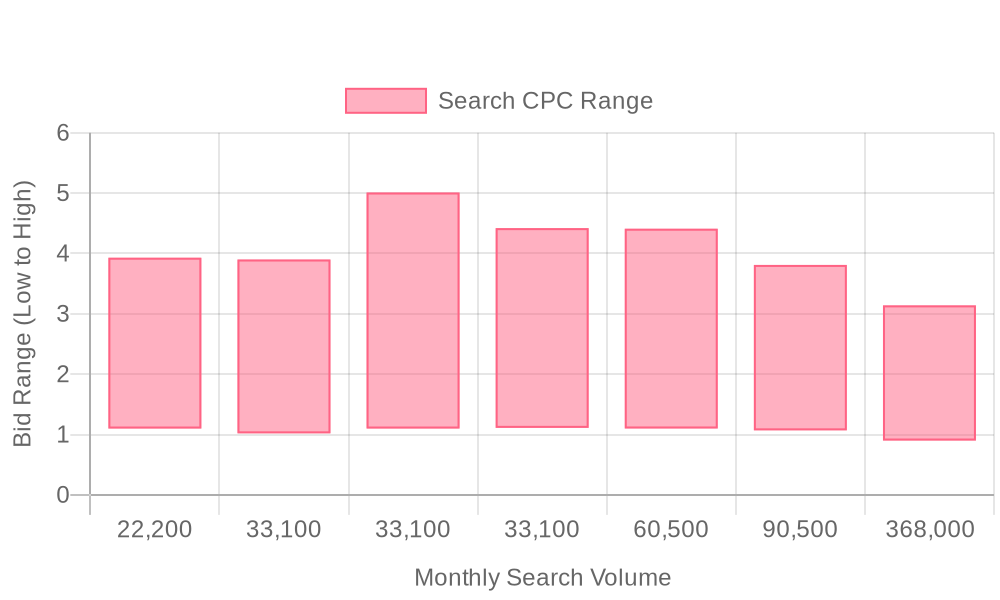
| Industry | Keyword | Monthly Search Volume | Competition Level | Low Bid | High Bid |
| Event Center | party venues | 22200 | LOW | 1.1 | 3.93 |
| Event Center | event center | 33100 | LOW | 1.02 | 3.9 |
| Event Center | event spaces near me | 33100 | LOW | 1.1 | 5.01 |
| Event Center | event venues near me | 33100 | LOW | 1.11 | 4.42 |
| Event Center | party venues near me | 60500 | LOW | 1.1 | 4.41 |
| Event Center | venues near me | 90500 | LOW | 1.07 | 3.81 |
| Event Center | wedding venues near me | 368000 | LOW | 0.9 | 3.14 |
A precise keyword strategy ensures event centers consistently attract and convert high-value leads through digital advertising. Identifying high-volume, low-competition search terms provides a scalable advantage for driving ROI, especially when these keywords align with real purchase intent and local demand. Marketers who tap into this data-driven approach can find hidden opportunities for event promotion, event venue marketing, and online marketing for events, capturing interest before competitors saturate the space. Google Ads provides a deeper look at this trend.
Clustering keywords by event service type and geographic region amplifies relevance and lead quality. For example, grouping "corporate meeting venue," "wedding reception hall," and "conference center rental" with local modifiers like city or neighborhood targets audiences actively searching for specific solutions nearby. This method supports more efficient campaign structures and improved ad relevance, which are critical for increasing click-through rates and lowering acquisition costs. When CRM data is unified with these clusters, audience segmentation becomes dynamic: marketers can adjust bids and messaging as leads move through the funnel, ensuring no opportunity is missed from inquiry to booking. For more insights on segmentation, check out our guide on Buying Stage Guide.
Deploying negative keywords is essential for filtering out irrelevant searches, preserving budget for the most interested prospects. Excluding unrelated terms, such as "free event space" or "outdoor festival rental" when not applicable, prevents wasted spend and maintains a high standard of lead quality. Sona's Identity Resolution helps marketers refine negative keyword lists in real time, focusing spend on segments with demonstrated in-market behavior and maximizing the impact of every advertising dollar.
Step-by-Step Campaign Execution Framework
Step 1: Build Targeted Keyword Lists
Developing a robust keyword list is foundational to effective Google Ads for event center campaigns. Start by clustering keywords according to event types, weddings, conferences, corporate retreats, and private parties, to ensure relevance for each campaign. Localizing keywords with geographic tags such as neighborhood, city, or nearby landmarks increases the chance of appearing in high-intent local searches. Incorporate long-tail keywords like "affordable downtown event space with catering" to capture prospects with specific needs and higher conversion potential. Negative keywords should be applied to filter out irrelevant traffic, such as excluding terms like "free venues" or "public parks," which do not match your business objectives.
Aligning keywords with your broader content strategy creates a unified view of audience interest and intent. By integrating keyword performance data with visitor identification tools, marketers can move beyond aggregate analytics to pinpoint which companies or decision-makers are actively searching for event space. One analysis in Google Ads for Venues explores how tailored keywords and targeting approaches can significantly increase campaign ROI.
Sona's Identity Resolution helps marketers identify high-value visitors and attribute keyword-level intent, empowering teams to reallocate budget in real time toward accounts demonstrating the highest engagement, for more efficient spend and improved lead quality.
The upgrade most event center advertisers miss is going beyond raw keyword volume to layer in intent and identity signals. By connecting website-visitor data and CRM records with Sona Marketing Measurement, you can see which specific search terms bring in the accounts and customers that actually convert, and weight your keyword and bidding strategy toward those rather than the terms with the highest search volume alone.
Step 2: Develop Compelling Ad Copy
Effective ad copy positions your event center as the clear choice for targeted prospects. Highlight unique venue strengths, such as flexible floor plans, on-site amenities, or award-winning service, and tailor messaging to resonate with the intended audience segment. Use ad assets to provide valuable information at a glance, directions for ease of access, transparent pricing structures, and testimonials that build trust. This level of detail ensures your search and display ads not only capture attention but also address common decision criteria, driving more qualified inquiries.
Maintaining consistent messaging across all digital campaigns is essential for strong event venue marketing. When ad copy aligns with your remarketing efforts and branded content, prospects experience a cohesive journey from first impression to final conversion. For more insights on maximizing Google Ads performance, check out our guide on Boosting Ads ROAS.
Advanced platforms allow teams to sync enriched audience lists and updated lead segments directly into Google Ads, ensuring every campaign reflects the most up-to-date audience insights and supports seamless handoffs to sales and CRM systems.
Step 3: Design Effective Landing Pages
Successful event promotion depends on a seamless journey from ad click to landing page. Each landing page should mirror the promise and language of its corresponding ad group, reinforcing trust and minimizing bounce rates. Prominent, action-oriented CTAs, such as "Book a Tour Now" or "Request Pricing", guide visitors toward conversion, while clear navigation and mobile-optimized design remove friction for users on any device. Psychological CTA Tips can significantly increase landing page engagement and drive higher inquiry rates.
Connecting landing pages to CRM tools enables marketing teams to capture, qualify, and nurture leads without delay. By integrating real-time intent signals and tracking conversions both online and offline, event centers gain a true picture of campaign ROI. Sona surfaces intent signals to support dynamic audience updates, ensuring that users who engage with a specific landing page are automatically moved into relevant retargeting or nurture sequences to maximize follow-up opportunities.
Tips on Expanding Your Event Center Presence
Maximizing your event center's presence means running a unified marketing approach across paid and organic channels. Aligning messaging and visual identity in both spaces eliminates redundant spend, gives prospects a consistent brand experience, and increases the efficiency of every marketing dollar.
- Cross-promote Assets Across Paid And Organic Channels: Extend the reach of high-performing assets such as virtual tours, testimonials, or booking incentives by integrating them into both Google Ads campaigns and organic social or website content. Google Ads strategies provide a deeper look at this trend and illustrate how multi-channel promotion can accelerate the path from awareness to inquiry.
- Form Regional Association Partnerships: Collaborate with local event associations, tourism boards, or convention bureaus to access broader audiences and boost credibility. Featuring your venue in co-branded campaigns or shared directories not only elevates your authority but also unlocks new referral streams and partnership-driven events, strengthening your market position.
- Leverage Search Query Analytics For Content Insights: Analyze the actual search terms driving clicks and conversions for your event center. This granular data reveals emerging trends, such as increased demand for hybrid events or sustainable venues, and uncovers gaps in your current content strategy. For more insights on maximizing return from paid campaigns, check out our guide on boosting Google Ads ROAS.
Event centers that pair these tactics with intelligent data platforms gain a real advantage. Sona's Identity Resolution identifies company accounts behind your website visitors, enabling marketers to build hyper-targeted remarketing audiences and nurture high-value leads through personalized engagement. When search query data and real-time intent signals are unified, digital advertising for events becomes more agile: budgets can shift quickly to focus on segments most likely to convert, and messaging adapts as prospects move through the funnel. This keeps every campaign, from initial event promotion to final ticket sales, tuned for ROI and long-term growth.
Beyond Google Ads: Winning the AI Answers Event Center Buyers Now Trust
Paid search captures demand at the moment someone types a query. But a fast-growing share of event center buyers no longer start at Google at all, they ask ChatGPT, Gemini, or Perplexity before they ever run a search, and Google's own AI Overviews increasingly summarize an answer above the traditional results. If your business isn't referenced in those AI answers, you're invisible at the exact moment buyers build their shortlist.
Sona AI Visibility shows where your business shows up across ChatGPT, Gemini, Perplexity, Google AI Overviews, and 10+ engines, and, much like a keyword report, which prompts actually send you buyers, so you can prioritize the ones that convert. Run the two together and you cover the entire buyer path: get cited where buyers research (AI Visibility), then prove which of that demand turns into booked revenue (Marketing Measurement).
Helpful resources
Conclusion
Running Google Ads well for an event center means connecting with the right planners at the moment they're deciding where to book, not just generating clicks. The venues that win treat targeting, ad format, and follow-up speed as one connected system rather than separate tasks.
The venues gaining ground now are the ones that can trace a booked date back to the specific keyword, ad, and follow-up that produced it, then double down on what's working before the next event season turns over demand entirely.
FAQ
What are the best practices for using Google Ads for events?
The best practices include creating targeted keyword lists, aligning ad copy and landing pages with user intent, implementing performance optimization tactics, and syncing online campaigns with offline events for comprehensive brand presence.
How can I create effective Google Ads for my event center?
To create effective Google Ads, focus on targeted keyword lists, develop compelling ad copy that highlights unique venue features, design effective landing pages, and conduct A/B testing for continuous improvement.
What budget should I allocate for Google Ads for events?
The budget should be aligned with the specific goals of the campaign, focusing on high-intent segments and adjusting spend based on performance and return on ad spend metrics.
Are there specific Google Ads requirements for event ticket sales?
Yes, it's important to track both online and offline conversions, use precise targeting, and ensure that ad messaging aligns with customer intent and event specifics to maximize ticket sales.
How do I measure the success of my Google Ads campaigns for events?
Success can be measured by tracking ROI, conversion rates, and the alignment of online ad clicks with offline conversions such as tours and bookings, using tools like Sona for precise attribution.







