


Direct Primary Care clinics live and die by a subscription model most patients have never heard of, which makes patient acquisition a harder problem than it looks. Someone comparing DPC to their employer's insurance plan, or searching for a same-day appointment because their current doctor books three weeks out, is exactly the kind of high-intent searcher Google Ads was built to catch. Used well, it turns that moment of searching into a booked consult rather than a lost visitor.
How to Generate Direct Primary Care Leads with Google Ads: A Step-by-Step Guide

Direct Primary Care providers face unique challenges in patient acquisition due to the subscription-based model and the need to educate consumers about non-traditional healthcare options. Deploying Google Ads with a precise, data-driven strategy addresses these challenges by surfacing the DPC value proposition to high-intent searchers and local audiences looking for better primary care solutions. For a step-by-step breakdown, review this guide to launching Google Ads for healthcare providers.
Modern revenue teams pair advanced search targeting with audience intelligence to move past guesswork, directing healthcare ad budgets toward the prospects most likely to convert. By using Sona's Identity Resolution to flag which companies are visiting their site anonymously, marketers turn previously invisible web traffic into a working lead list, so more of the ad budget produces new patient signups.
Developing a search strategy anchored in real-time data allows practices to capture in-market activity as it happens. When healthcare buyers actively compare DPC to traditional insurance or search for local providers, the ability to dynamically shift budget and bids ensures ads appear for the most valuable queries. For additional strategies, explore this comprehensive guide to effective marketing for direct primary care.
Effective targeting skips generic messaging and segments by intent, geography, and specific healthcare need, someone asking about pediatric DPC pricing is a different buyer than someone comparing membership plans to their employer's PPO. Platforms that update audiences in real time as prospects move through the funnel keep campaigns focused on people still actively deciding, cutting wasted impressions and improving Google Ads ROI for clinics.
Landing pages and creative assets must deliver a seamless, patient-centric journey that reinforces trust and explains the DPC model clearly. Aligning each ad group's messaging with its landing page, while keeping calls to action and pricing information prominent, eliminates friction and raises conversion rates. Advanced lead enrichment and attribution make it possible to track consult bookings or signups, tying Google Ads setup for medical practices directly to new membership revenue.
Continuous optimization relies on unified data to reveal which campaigns, keywords, and audience segments drive the best results. With a comprehensive view of both online and offline conversions, teams can identify underperforming assets, reallocate budget, and test new creative rapidly. This iterative process is critical to Google Ads best practices for healthcare, where compliance and patient trust are paramount.
Integrating Google Ads data across CRM and other marketing platforms closes attribution gaps, giving practices a clear line from first click to patient onboarding. Syncing enriched leads and audiences into platforms like HubSpot or Salesforce gives sales and care teams the context to personalize outreach, which improves retention and referrals. This cross-channel integration lets DPC practices run leaner demand generation without losing sight of which channel actually filled the appointment book.
Why Does Google Ads Matter for Direct Primary Care

Direct Primary Care practices compete for patients who often don't know DPC is an option, working against complex needs, crowded local markets, and thin brand awareness. Google Ads connects clinics directly to people already searching, whether that's someone frustrated with a three-week wait for a traditional appointment or a small business owner researching alternatives to group insurance, so budget goes toward buyers with real, immediate intent instead of cold audiences. See this step-by-step guide on launching effective Google Ads campaigns tailored for healthcare providers for a deeper look at proven strategies.
Precision targeting stands out as a core advantage. By leveraging search intent, DPC clinics capture high-value patient leads who are dissatisfied with traditional insurance-based care or have urgent health concerns. This reduces the risk of losing interest from prospects who might otherwise delay decisions or be drawn to competing providers. Real-time data from Google Ads empowers practices to respond instantly to spikes in demand or shifts in local healthcare needs, especially when combined with real-time audience segmentation for tailored outreach.
Cost efficiency is another critical benefit for Direct Primary Care marketing. Instead of relying on broad, expensive campaigns, Google Ads lets clinics allocate budget toward regions, demographics, or search behaviors most likely to convert. This granular approach enables smaller clinics to compete with established providers and quickly fill appointment slots. Region-specific visibility also helps DPC practices expand into underserved communities or test new locations without overcommitting resources; explore more actionable marketing playbooks for additional strategies.
Integrated analytics close the gap between marketing spend and patient acquisition. Every click, call, and form submission gets measured, showing which ads, keywords, and audiences actually drive consultations and new memberships. When revenue teams unify Google Ads data with CRM or patient management systems, they see not just which campaigns produce the best ROI, but which ones to feed more budget into next month. That feedback loop is what turns a scattershot ad account into a predictable growth engine for a Direct Primary Care practice.
Common Types of Google Ads Campaigns for Direct Primary Care

- Search Campaigns: Search is the backbone of patient acquisition for Direct Primary Care. These campaigns target people actively typing queries like "direct primary care doctor near me" or "affordable primary care membership," the long-tail, high-intent phrases that signal someone is close to booking. Layering in real-time intent signals lets marketers prioritize budget on searchers showing genuine buying signals rather than casual research. For step-by-step guidance on launching effective healthcare campaigns, review this Google Ads setup guide for healthcare.
- Display Ads: Display campaigns extend brand visibility by placing visually engaging banners across relevant healthcare content sites and local news platforms. This channel ensures your message stays consistent in the minds of potential patients, especially those comparing options or researching health plans. Advanced visitor identification enables marketers to move beyond anonymous impressions, recognizing specific company domains or user segments engaging with ads. For more actionable tips on optimizing Google Ads in healthcare, explore our best practices for Google Ads in health care.
- Video Ads: Video lets Direct Primary Care clinics show their model in action rather than just describe it, walking through what a same-day visit or a text-your-doctor relationship actually looks like. YouTube reaches patients at every stage, from someone who has never heard of DPC to someone comparing two local clinics. Sona surfaces intent signals so clinics can shift budget toward viewers who've shown they're close to deciding. Integrated online and offline attribution clarifies which video interactions actually lead to booked consultations, sharpening future content spend. Clinics can benefit from this ultimate healthcare PPC guide to optimize campaign performance.
- Remarketing: Remarketing campaigns are essential for re-engaging visitors who have shown interest but have not yet converted. These ads appear across Google’s network, reminding potential patients of your services and offers such as “schedule a free consult” or “see how DPC works.” With dynamic audience management, segments update in real time as leads download resources, complete forms, or interact with pricing tools. To discover marketing solutions tailored for patient acquisition, see these direct primary care marketing strategies.
- Assets: Ad assets (formerly called extensions) elevate credibility and remove friction from the path to booking. Location assets point users to the nearest clinic, call assets encourage immediate contact, and a "doctor owned and operated" callout addresses the skepticism many patients feel toward a care model they've never used. Syncing enriched CRM and practice management data ensures the most relevant assets, insurance acceptance, telemedicine hours, patient testimonials, surface for each audience segment, improving both click-through and conversion. Learn how Sona can help keep your data and outreach aligned. If you're ready to optimize your clinic's digital marketing, get started for free with Sona.
Where to Find Growth Opportunities

Direct Primary Care practices unlock faster growth by targeting channels and tactics that reach patient segments actively seeking alternatives to traditional insurance-based care. Growth is accelerated when marketing investments are directed at high-intent audiences and engagement is tailored to patient concerns, not generalized assumptions. By focusing on precision and relevance in every campaign element, practices consistently outperform average industry conversion rates and achieve sustainable patient acquisition.
- Vertical keyword targeting: Aligning keyword selection with the nuanced queries patients use when researching healthcare options yields substantial improvements in campaign efficiency. Instead of broad, unfocused terms, vertical targeting narrows in on phrases like “monthly primary care membership” or “DPC near me,” which reflect genuine patient interest. This method avoids wasted spend on low-conversion clicks and ensures each impression is an opportunity to educate and attract patients who are already in-market for Direct Primary Care solutions. When integrated with unified intent data, marketers can dynamically adjust spend toward the most relevant search terms, further improving reach and cost-efficiency. For additional tips on effective healthcare ad campaigns, see this step-by-step guide on launching Google Ads for healthcare providers.
- Competitor analysis for niche opportunities: Analyzing competitor digital footprints reveals untapped search terms and community engagement tactics that are not yet saturated. By leveraging predictive data models, practices can surface emerging topics and patient concerns that competitors have overlooked. This insight informs both creative messaging and keyword expansion, enabling Direct Primary Care providers to occupy whitespace in the market. When campaign performance and competitive intelligence are unified, teams can rapidly respond to shifts in demand, ensuring consistent visibility where patient needs are highest.
- Industry-specific forums and directories: Establishing a presence in healthcare forums, employer benefits directories, and local business associations drives qualified traffic from audiences that already value direct care models. Strategic placements on these platforms generate inbound inquiries, especially when messaging is crafted to speak directly to common pain points, like long wait times or unpredictable billing, faced by members of those communities. With attribution tools that connect these off-site interactions to actual patient sign-ups, marketers can accurately gauge the ROI of each placement and optimize future investments.
- Retargeting with educational content: Many prospective patients require multiple touchpoints before committing to a new healthcare model. Retargeting campaigns that deliver high-value educational content, such as explainer videos, cost comparison guides, or testimonials from satisfied patients, keep Direct Primary Care top-of-mind as patients move through their decision journey. Advanced audience segmentation enables these campaigns to automatically update as users engage with different content, ensuring follow-ups are relevant and timely. When retargeting performance is connected to downstream outcomes like consultation bookings or membership sign-ups, practices can refine creative and audience rules to maximize conversion rates and patient lifetime value.
For practices ready to operationalize these strategies and accelerate patient acquisition, get started for free with Sona.
How to Apply Audience Segmentation for Direct Primary Care

Effective audience segmentation for Direct Primary Care (DPC) transforms digital marketing from a broad broadcast into a targeted, patient-centric experience. By understanding and acting on each segment’s needs and readiness, healthcare marketers can optimize engagement, improve conversion rates, and maximize their Google Ads budget for healthcare. For more strategies on data-driven targeting, explore our marketing analytics blog.
- Define Patient Segments: Start by distinguishing new patients from returning visitors, as each group has distinct motivations and triggers. New patients may be more focused on understanding the DPC model, exploring pricing, or evaluating accessibility, while returning visitors are likely seeking appointment scheduling, updates on services, or ongoing healthcare support. By mapping these patient journeys, marketers create precise audience lists that reflect real-world behaviors and needs. Advanced platforms can go beyond anonymous web traffic, identifying website visitors at the company or individual level, allowing practices to personalize outreach and nurture high-value leads through every stage of the funnel.
- Overlay Intent Signals: Segmenting by intent ensures ad spend targets prospects ready to engage, not a wide, undifferentiated net. For DPC, that means layering in-market signals, searches for "same-day doctor appointment," "affordable primary care," or "monthly healthcare membership," with recent site activity like downloading a pricing guide or starting a booking form. Sona surfaces intent signals in real time to flag visitors with high conversion potential, so budget shifts dynamically toward the prospects worth nurturing. Precision targeting aligns with best practices in Google Ads for Direct Primary Care, driving higher ROI and lower cost-per-acquisition.
- Ad Group Creation by Segment: Rather than deploying generic messaging, create dedicated ad groups for each patient segment. For example, one ad group can focus on first-time visitors and highlight introductory offers or educational content, while another targets returning patients with appointment reminders and exclusive member benefits. Budgets and ad copy are tailored to the specific engagement level of each group, increasing relevance and improving Quality Scores. Using dynamic audience updates, these segments evolve as patients move from consideration to decision, ensuring that messaging always matches their stage in the journey. See a comprehensive guide to effective marketing solutions for DPC practices for more examples of targeted approaches.
- Validate Paths to Conversion: Robust conversion tracking is essential for closing the loop on DPC marketing efforts. Set up analytics to monitor key actions, such as consultation bookings, appointment scheduling, or completed membership sign-ups. Integrating CRM data and ad platforms allows for online and offline attribution, providing true clarity on which campaigns and segments drive revenue. This approach ensures that marketing teams can link every dollar spent on Google Ads for Direct Primary Care to a tangible patient outcome, continuously optimizing strategies for maximum impact and sustainable growth. For seamless data activation and real-time attribution, use Sona Destinations.
This is also where measurement changes the economics. With Sona Marketing Measurement you can identify the companies behind your ad clicks, not just anonymous sessions, and segment audiences by which accounts actually become customers. That lets you build bid adjustments and audience signals around the segments that convert, and de-prioritize the ones that don't, so you feed Google's algorithms "this click became a paying direct primary care customer" instead of just "someone filled out a form."
Keyword Strategy & Sample Target Terms
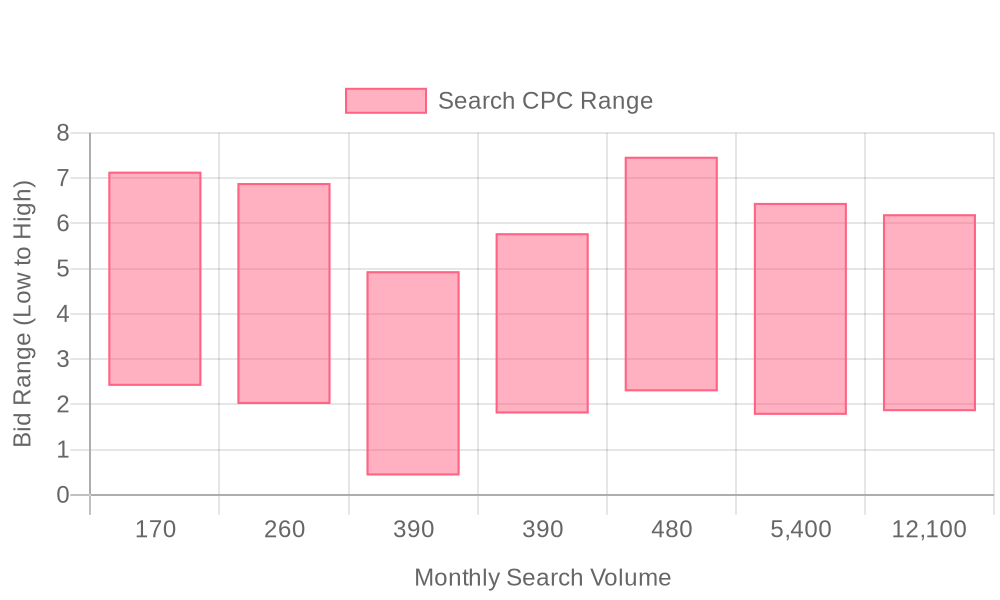
| Industry | Keyword | Monthly Search Volume | Competition Level | Low Bid | High Bid |
| Direct Primary Care | direct pay doctors near me | 170 | LOW | 2.41 | 7.14 |
| Direct Primary Care | direct care provider near me | 260 | MEDIUM | 2.01 | 6.89 |
| Direct Primary Care | dpc healthcare | 390 | LOW | 0.43 | 4.94 |
| Direct Primary Care | direct primary care model | 390 | LOW | 1.8 | 5.78 |
| Direct Primary Care | direct care provider | 480 | LOW | 2.29 | 7.47 |
| Direct Primary Care | direct primary care near me | 5400 | LOW | 1.77 | 6.45 |
| Direct Primary Care | direct primary care | 12100 | LOW | 1.85 | 6.2 |
Direct Primary Care practices must compete on specificity and intent, not volume. The most effective Google Ads strategies leverage intent-first keywords that identify prospects actively searching for healthcare alternatives and subscription-based primary care. By applying predictive scoring to keyword planning, marketers can allocate budget to segments already showing strong conversion potential, rather than casting a wide net and hoping for results.
Adding local and service-specific modifiers, such as geographic regions, nearby neighborhoods, or specialty offerings, further narrows the audience to those most likely to convert. For example, targeting phrases like “direct primary care in [city]” or “monthly primary care membership near me” increases relevance and drives higher-quality leads. This approach is especially important for DPC practices, where proximity and trust are primary decision factors for patients. For a step-by-step approach to launching effective campaigns, consult this Google Ads guide for healthcare providers.
Negative keyword lists are essential to protect budget and ensure ads are only shown to those seeking care, not job seekers or unrelated traffic. By filtering out searches for “insurance jobs,” “Medicare eligibility,” or “free health clinics,” practices prevent costly impressions that will never convert. This level of precision is only possible when marketers unify search data with downstream engagement metrics, continuously refining negative lists based on real patient behavior.
Regional nuances and hyper-local needs should guide keyword grouping and campaign structure. Using data-driven segmentation, DPC marketers can build clusters for neighborhoods, employer groups, or high-growth communities, aligning ad copy and offers to local context. When audience identification technology is layered in, marketers move beyond anonymous clicks to pinpoint which companies or households are engaging, prioritizing outreach to those accounts that show in-market activity for healthcare services.
Sample target terms for Direct Primary Care include:
- “direct primary care near me”
- “monthly doctor membership [city]”
- “affordable primary care clinic [region]”
- “DPC family medicine [neighborhood]”
- “unlimited primary care visits subscription”
- “alternative to health insurance [city]”
- “direct primary care pediatrician [town]”
- “sign up for DPC doctor”
By grouping these keywords based on predictive value and regional context, marketers can deploy dynamic audiences that update as leads move through the consideration funnel. This enables timely retargeting, more accurate lookalike modeling, and a closed-loop view of which search terms drive booked consultations and patient acquisition. When this system syncs with CRM and ad platforms, every touchpoint, online and offline, contributes to a unified ROI measurement, revealing the true impact of each keyword investment on clinic growth. To experience this data-driven approach, get started for free with Sona.
Step-by-Step Campaign Execution Framework
A systematic campaign execution framework ensures that Direct Primary Care practices extract maximum value from their Google Ads investments. With the right blend of strategy and technology, providers can engage high-intent patients, deliver relevant messaging, and track ROI at every step of the funnel. Modern marketing teams thrive when every tactic is rooted in actionable data and unified workflows. To see how unified data powers smarter campaigns, explore these actionable marketing playbooks.
Step 1: Build Targeted Keyword Lists
Effective keyword selection anchors the success of Direct Primary Care advertising. Marketers start by researching terms that reflect patient intent, such as "direct primary care near me," "monthly doctor membership," or "affordable family healthcare." Localized modifiers, including neighborhood names or city-specific queries, attract searchers actively seeking care options in their area. For a step-by-step approach tailored to healthcare providers, this launch guide for Google Ads in healthcare offers practical insights.
As new search data emerges, advanced platforms help surface granular intent signals that generic tools often miss. Teams can identify not just which keywords drive clicks, but also which terms indicate true patient readiness. By continuously syncing live search intent with campaign lists, marketers keep their keyword targeting precise, relevant, and responsive to changing patient needs.
The upgrade most direct primary care advertisers miss is going beyond raw keyword volume to layer in intent and identity signals. By connecting website-visitor data and CRM records with Sona Marketing Measurement, you can see which specific search terms bring in the accounts and customers that actually convert, and weight your keyword and bidding strategy toward those rather than the terms with the highest search volume alone.
Step 2: Develop Compelling Ad Copy
Ad copy for Direct Primary Care must address real-world pain points with clarity and empathy. Messaging that highlights time savings, transparent costs, or direct access to physicians resonates deeply with prospective patients. Strong calls to action, such as "Book a Free Consultation" or "See Monthly Pricing," move prospects closer to conversion without relying on vague promises. For more inspiration, review practical tips for Google Ads for doctors to sharpen your copywriting.
Continuous improvement in ad messaging becomes possible when marketers receive real-time audience feedback on which copy variants drive engagement and appointments. As audience intent shifts or new benefits gain traction, agile teams quickly update ad creative in sync with audience data. This dynamic test-and-learn approach ensures consistently high relevance and conversion rates.
Step 3: Design Effective Landing Pages
The landing page is where interest translates into action. For Direct Primary Care, each landing page must reinforce the unique value proposition, unlimited visits, no insurance hassles, and easy sign-up. Patient-centric layouts, concise explanations of the DPC model, and streamlined forms reduce friction and encourage appointment bookings. To maximize ROI, review guidance on high-converting healthcare landing pages.
Integrated campaign technology makes it possible to personalize landing experiences for each visitor segment. When marketers recognize returning prospects or specific company accounts, they can dynamically tailor content, highlight relevant testimonials, or offer exclusive incentives. This level of personalization reduces bounce rates and elevates the likelihood of a completed appointment request.
Step 4: Implement Data-Driven Optimizations
Optimization is not a one-time task but an ongoing discipline. Marketers monitor critical performance metrics, such as cost-per-consultation and conversion rates, to identify opportunities for incremental gains. Regular analysis of keyword performance, ad engagement, and landing page activity informs iterative improvements, as outlined in ten essential PPC tips for healthcare.
With unified campaign analytics and online/offline conversion tracking, teams can attribute patient enrollments back to specific ad interactions. When new data streams in, lead and audience segments update in real time, allowing for automated budget shifts toward campaigns with the highest return. This closed-loop approach ensures every dollar spent on Google Ads for Direct Primary Care is continually working to drive measurable patient acquisition and revenue growth. Ready to improve your results? Get started for free with Sona.
Sona Marketing Measurement closes the gap between clicks and revenue. It captures ad clicks with first-party tracking, ties each one through UTM capture and ad-platform APIs to the actual record in your CRM, and reports ROAS by keyword and campaign instead of by last-click form fill. Feeding that revenue signal back into Smart Bidding and Performance Max compounds over time: the algorithms optimize toward booked direct primary care revenue, not cheap leads.
Tips on Expanding Your Direct Primary Care Presence
Expanding a Direct Primary Care clinic’s presence in today’s market requires a multi-layered digital strategy that delivers timely, relevant messaging at every stage of the patient journey. Clinics that leverage real-time audience data and actionable insights consistently outperform those relying on generic outreach or single-channel tactics. For a deeper dive into top marketing strategies for direct primary care, this overview of best marketing strategy for direct primary care offers useful tactics for increasing patient sign-ups.
Promoting high-value content assets through remarketing is essential for reinforcing patient engagement and reducing the time between initial interest and conversion. By deploying retargeting ads to audiences who have already interacted with your clinic’s website or downloaded educational resources, you keep your brand top-of-mind. Platforms that reveal which companies and people are visiting your website empower your clinic to prioritize outreach to high-value prospects and tailor follow-up for more booked appointments and higher patient acquisition rates.
Focusing on state or metro-specific targeting allows Direct Primary Care clinics to achieve dominant visibility in high-priority regions. Predictive models help optimize budget allocation toward geographies with the most in-market patients, while dynamic audience updates ensure your campaigns keep pace with shifting local demand. As your audience segments evolve, such as leads moving from consideration to decision stage, your targeting adapts in real time, ensuring ads and offers remain relevant and compelling for each prospect. Explore additional actionable playbooks in our marketing playbook library.
Partnering with healthcare associations unlocks co-marketing opportunities that expand both reach and credibility. Collaborative campaigns with trusted organizations can drive significant referral traffic and build trust with skeptical patient segments. By integrating association-sourced leads into your Google Ads audiences and CRM, you can nurture these high-quality prospects across both paid and owned channels, driving measurable increases in patient sign-ups and boosting long-term ROI from your digital marketing investments. To streamline your digital campaigns and audience targeting, get started for free with Sona today.
Beyond Google Ads: Winning the AI Answers Direct Primary Care Buyers Now Trust
Paid search captures demand at the moment someone types a query. But a fast-growing share of direct primary care buyers no longer start at Google at all, they ask ChatGPT, Gemini, or Perplexity before they ever run a search, and Google's own AI Overviews increasingly summarize an answer above the traditional results. If your business isn't referenced in those AI answers, you're invisible at the exact moment buyers build their shortlist.
Sona AI Visibility shows where your business shows up across ChatGPT, Gemini, Perplexity, Google AI Overviews, and 10+ engines, and, much like a keyword report, which prompts actually send you buyers, so you can prioritize the ones that convert. Run the two together and you cover the entire buyer path: get cited where buyers research (AI Visibility), then prove which of that demand turns into booked revenue (Marketing Measurement).
Helpful resources
Conclusion
The clinics that win with Google Ads treat it as one input into a bigger measurement picture, not a stand-alone lever. Tie ad spend to which accounts actually book and stay enrolled, and the channel keeps getting sharper on its own, feeding Smart Bidding and Performance Max real signal instead of guesses. Pair that with visibility into how AI tools answer patient questions about DPC, and the practice shows up everywhere the buying decision actually happens, not just in the search results.
Start for free to see how data-driven insights can sharpen your Direct Primary Care advertising.
FAQ
What are the best practices for using Google Ads in Direct Primary Care?
Best practices include leveraging real-time data for precision targeting, creating patient-centric landing pages, and aligning ad messaging with patient needs to maximize conversions and ROI.
How can I effectively target patients using Google Ads for a Direct Primary Care clinic?
Effectively targeting patients involves using audience segmentation based on intent, geography, and healthcare needs, and continuously updating these segments in real-time to maintain relevance.
What budget should I allocate for Google Ads in healthcare?
The budget should be dynamically allocated based on search behaviors, demographic data, and real-time insights to focus on high-conversion prospects, ensuring cost efficiency and maximizing ROI.
What keywords should I use for Google Ads in Direct Primary Care?
Keywords should reflect patient intent and include local modifiers, such as 'direct primary care near me' or 'monthly doctor membership,' to attract high-quality leads actively seeking care.
How do I measure the success of my Google Ads campaigns for a Direct Primary Care clinic?
Success is measured by tracking key actions like consultation bookings and new memberships, integrating Google Ads data with CRM systems for comprehensive online and offline attribution.







