


A patient searching "urgent care near me" at 9pm or "pediatrician accepting new patients" on a Sunday morning is ready to book, not browse. Google Ads lets medical clinics reach that person at the exact moment of need, but doing it well means balancing patient acquisition against strict advertising compliance rules and a tighter budget than most industries can absorb. The real obstacles are targeting the right patients and proving which campaigns actually fill appointment slots. This guide walks through how clinics can use Google Ads to solve both.
How to Generate Medical Clinic Leads with Google Ads: A Step-by-Step Guide

Precision in advertising is critical for medical clinics seeking to maximize patient acquisition and reduce wasted ad spend. Leveraging data-driven strategies, clinics can now move beyond broad, generic outreach to engage specific patient segments at the optimal moment.
Clear objectives and well-defined KPIs form the foundation of any successful lead generation campaign. Clinics should identify whether the main goal is increasing appointment bookings, driving new patient inquiries, or boosting local brand awareness, as each objective requires distinct targeting, messaging, and measurement approaches. For more insights on campaign measurement, check out our guide on revenue attribution.
Reaching the right patients often proves difficult when relying on standard, untargeted campaigns. However, modern platforms allow for granular audience segmentation based on factors such as age, location, and health interest, enabling clinics to tailor ad creative and keywords to the needs of each patient group. This approach improves engagement rates and reduces the cost of acquisition by ensuring ads are only shown to the most relevant audiences.
Integrating real-time intent signals further elevates campaign performance. By analyzing in-market behaviors, such as search queries for urgent care, appointment bookings, or specific treatments, clinics can dynamically adjust budget allocation toward high-converting segments. Advanced platforms also enable the automatic updating of CRM audiences, ensuring that retargeting and nurture campaigns remain relevant as patients move through the decision-making process. See intent retargeting for a deeper dive into these strategies.
Visitor identification tools now make it possible to pinpoint which companies and households are interacting with clinic ads, moving beyond anonymous website traffic. Sona's Identity Resolution helps clinics gain this level of visibility, empowering marketing and intake teams to collaborate more effectively, deliver timely, personalized communications, and drive higher conversion rates. With seamless CRM and advertising platform integrations, enriched audience data can be synchronized for campaign refinement, accurate attribution, and a transparent view of ROI.
Why does Google Ads matter for medical clinics
Google Ads gives medical clinics a direct line to prospective patients at the exact moment they are searching for care. This level of intent-driven targeting means clinics can compete for high-value appointments, such as preventative screenings or specialty consultations, instead of relying on broad, less effective outreach.
Marketers can now move beyond anonymous clicks by identifying the companies and households engaging with their ads. In-market behavior is tracked in real time, ensuring that spend is dynamically shifted toward audiences with the highest likelihood of converting. Sona's Identity Resolution supports clinics in recognizing and segmenting high-value visitors, enabling more targeted follow-ups for improved campaign results.
With this unified approach, clinics can measure true campaign ROI, including online form fills and offline appointment bookings. This clarity helps reveal which combinations of targeting, messaging, and creative consistently lead to closed-won patient opportunities, making every advertising dollar work harder for clinic growth.
Common Types of Google Ads Campaigns for Medical Clinics

- Search Campaigns: Medical clinics leverage search campaigns to intercept patients at the moment of need. By bidding on intent-rich keywords such as "urgent care near me" or "family physician in [city]," clinics connect with individuals actively seeking immediate help or specialist consultations. Sona's Identity Resolution helps clinics discover which organizations are engaging with their ads, moving beyond anonymous clicks so teams can focus follow-up on the best-fit prospects.
- Display Ads: Display advertising keeps your clinic top-of-mind through strategic placements on relevant health and wellness sites, blogs, and medical publisher networks. These visually engaging banners reinforce your brand message, offering consistent exposure to targeted audiences as they research symptoms, treatments, or provider options.
- Video Ads: Video formats provide medical clinics with a compelling channel to showcase complex procedures, introduce providers, or share patient stories. Educational content builds trust and clarifies treatment outcomes, while testimonial videos drive emotional connection and credibility. Marketers can dynamically update video audiences based on where prospects are in the patient journey, ensuring the right message delivers at the right time.
- Remarketing: Remarketing campaigns address a common struggle for clinics: recapturing the interest of website visitors who left without booking. Leveraging unified visitor identification, clinics can retarget not just anonymous browsers but actual leads who have shown intent. With enriched CRM and ad sync, audiences update in real time as prospects move through the funnel, driving timely reminders and personalized offers to maximize appointment bookings and minimize missed opportunities. For more insights on optimizing retargeting strategies, check out our guide on retargeting strategies.
Where to Find Growth Opportunities

Smart growth for medical clinics starts with vertical keyword targeting. By focusing on specific services like allergy testing, dermatological consultations, or pediatric immunizations, clinics can tap into patient segments with high intent and lower competition. This approach maximizes visibility for specialized offerings, reaching patients who are actively searching for these services, which drives higher conversion rates while controlling the cost per click.
Competitor gap analysis is another strategic lever for uncovering overlooked audience segments. Using advanced tools, clinics can analyze which keywords and demographics competitors are targeting and find white spaces in the market. By identifying these gaps, medical clinics can create campaigns that address unmet patient needs, increase market share, and ensure advertising dollars are spent where they yield the greatest impact.
Refined audience targeting, powered by enriched CRM data, helps clinics spot emerging patterns in patient demand, like a seasonal spike in flu-shot searches or a run of inquiries for a newly added specialty. Connecting CRM insights with ad platforms lets clinics update audiences as patient relationships evolve and shift budget toward leads showing real-time intent, which cuts wasted spend and keeps outreach aligned with where demand is actually moving. For more on maximizing ad efficiency, see our guide on Ads ROI.
How to Apply Audience Segmentation for Medical Clinics
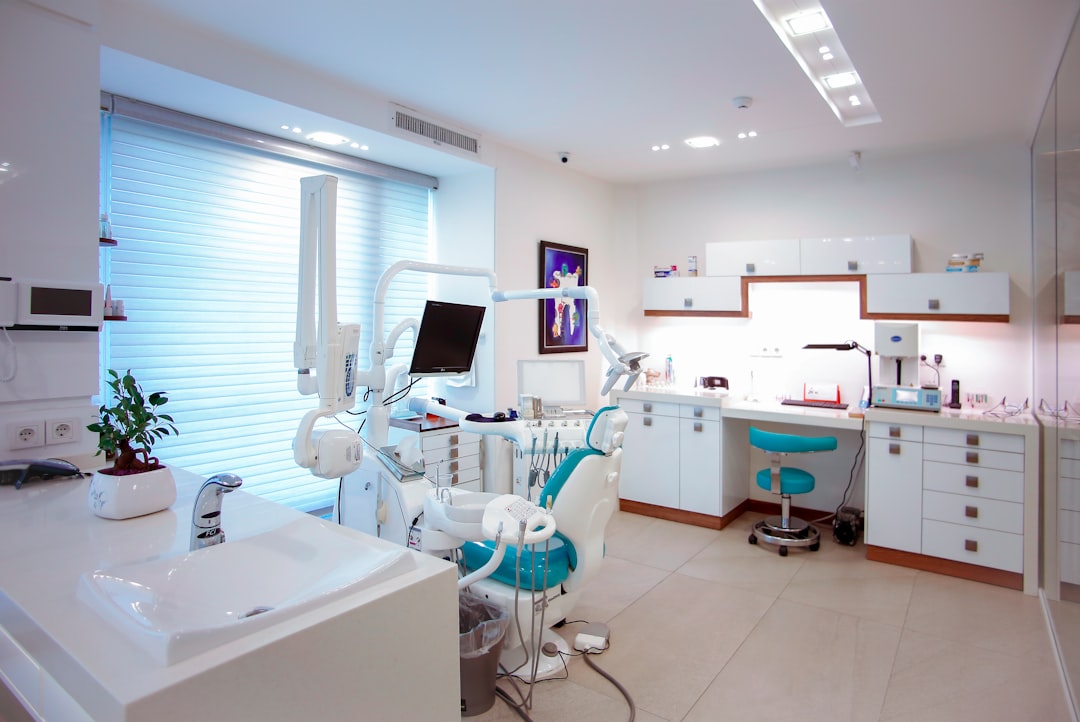
Medical clinics achieve greater efficiency and higher patient acquisition rates by precisely segmenting their audiences according to unique healthcare needs. Differentiating between segments such as pediatric, adult, and geriatric patients enables clinics to deliver hyper-relevant messaging, which directly improves engagement and click-through rates in PPC for medical practices. One analysis in clinic keywords explores this further.
Segmenting audiences based on healthcare needs, such as preventive care, chronic condition management, or urgent appointments, allows marketers to match their messaging and offers to specific patient intents. For instance, a clinic can serve appointment reminders for chronic care visits to older adults while running awareness campaigns about immunizations for parents of young children. By tailoring creative and keyword strategies to each segment, clinics see improved relevance, higher ad quality scores, and ultimately a lower cost of Google Ads for clinics.
Integrating real-time intent signals with traditional demographic segmentation dramatically enhances campaign performance. Leveraging data on appointment requests, content downloads, or website interactions, clinics can dynamically update audience lists as patients move through the care journey. Solutions such as Sona Audiences support dynamic segmentation to help clinics better engage each patient group.
Synchronizing online and offline conversion tracking is essential for accurate measurement and optimization in Google Ads for healthcare. When a clinic’s CRM and booking systems are integrated with ad platforms, marketers can attribute both digital and phone-based appointments to the original ad engagement. For more insights on refining attribution models and boosting ROI, check out our guide on Google Ads ROAS. This level of attribution not only provides a comprehensive view of patient interactions but also allows for smarter budget allocation and continuous refinement of healthcare marketing strategies. By feeding complete conversion data back into platforms like Google Ads, clinics improve targeting precision, maximize ROI, and confidently scale their medical clinic advertising initiatives.
This is also where measurement changes the economics. With Sona Marketing Measurement you can identify the companies and buyers behind your ad clicks, not just anonymous sessions, and segment audiences by who actually becomes a customer. That lets you build bid adjustments and audience signals around the segments that convert and de-prioritize the ones that don't, so you feed Google's algorithms "this click became a paying medical clinics customer" instead of just "someone filled out a form."
Keyword Strategy & Sample Target Terms

| Industry | Keyword | Monthly Search Volume | Competition Level | Low Bid | High Bid |
| Medical Clinics | suboxone doctors near me | 14800 | MEDIUM | 7.86 | 38.44 |
| Medical Clinics | urgent care clinic near me | 40500 | LOW | 1.64 | 7.07 |
| Medical Clinics | primary care doctor near me | 49500 | LOW | 2.41 | 12 |
| Medical Clinics | medical clinics | 135000 | LOW | 1.84 | 7.45 |
| Medical Clinics | walk in clinic | 165000 | LOW | 1.85 | 8 |
| Medical Clinics | walk in clinic near me | 246000 | LOW | 1.82 | 8.06 |
| Medical Clinics | urgent care | 2740000 | LOW | 1.74 | 7.42 |
Effective keyword strategy is the cornerstone of high-performing google ads for medical clinics. By mapping search terms to specific patient needs, clinics can intercept potential patients at the pivotal moment of intent, capturing demand for urgent care, specialty services, or same-day appointments. Precision in keyword targeting aligns ad spend with the most actionable opportunities, ensuring that every click is a step closer to a booked appointment.
Understanding the nuance of patient search intent provides a clear competitive edge. Patients searching for "urgent care clinic near me" or "walk-in doctor appointment today" are signaling immediate needs, while phrases like "best pediatrician in [city]" or "dermatologist for acne treatment" indicate a strong research phase but with readiness to act. Learn more about Google Ads for clinics to understand this trend and how differentiating terms can support more efficient PPC strategies.
Predictive analysis of buying stages further enhances outcomes. Monitoring rising intent signals, such as repeated searches for "same-day medical appointments" or engagement with health-related queries, allows marketers to synchronize outreach precisely when patient readiness peaks. Dynamic audience building, powered by unified data, ensures that as an individual progresses from awareness to booking, campaign messaging and bids adjust in real time for optimal impact.
Clinics leveraging advanced visitor identification and real-time intent data can move beyond anonymous traffic, pinpointing the companies or households most likely to convert. Solutions such as visitor identification support accurate identification of high-value visitors and help refine keyword targeting.
Sample target terms for medical clinic advertising include:
- Urgent Care Keywords: "urgent care near me," "walk-in clinic open now," "after hours doctor"
- Service-specific Keywords: "flu shot clinic," "STD testing near me," "pediatrician for newborns"
- Location-based Keywords: "family doctor in [city]," "dermatologist downtown [city]"
- Appointment-focused Keywords: "same-day doctor appointment," "book medical appointment online"
- Insurance-related Keywords: "clinics that accept [insurance name]"
By combining predictive analytics, unified intent signals, and real-time audience syncing, medical clinics can ensure their google ads for healthcare strategy remains agile, relevant, and conversion-focused. For more insights on boosting paid search results, check out our guide on intent retargeting. This approach maximizes ROI and elevates every stage of the patient acquisition journey.
Step-by-Step Campaign Execution Framework
Precision in campaign execution is critical for medical clinics competing in a crowded digital landscape. Clinics that unify online intent signals with real-world patient data can drive more qualified inquiries and boost appointment show rates.
A robust execution framework blends tailored keyword targeting, compelling ad creative, and conversion-optimized landing pages. By leveraging dynamic audience insights and real-time data, clinics ensure each campaign dollar is spent engaging the prospects most likely to convert. Sona's Audiences product is designed to help clinics reach their highest-value patient segments efficiently.
Step 1: Build Targeted Keyword Lists
Building a high-performing keyword list is foundational for any medical clinic advertising initiative. Start by identifying core services such as “walk-in clinic,” “routine checkup,” or “urgent care.” Incorporate local modifiers like city, neighborhood, or ZIP code to capture high-intent searches from nearby patients. Layer in condition-specific and insurance-related terms to expand reach while maintaining precision.
For advanced Google Ads strategies, audience insights from unified CRM and ad data allow you to identify which keywords result in actual patient appointments and revenue. Instead of relying on guesswork, marketers can use real-time search intent and historical conversion data to refine targeting and eliminate wasted spend on low-intent terms. Learn more about this trend.
Step 5: Craft Compelling Ad Copy
Effective ad copy for healthcare marketing combines clarity, trust, and urgency. Highlight benefits patients care about: convenience, board-certified providers, extended hours, or telemedicine availability. Incorporate real testimonials or reviews to build credibility and address common concerns. Motivating offers, like “book today for same-day appointments”, create a sense of urgency that nudges undecided prospects.
When ad platforms and your CRM are connected, you can dynamically update ad messaging based on where a lead is in the funnel. For example, a prospect who visited a landing page but did not convert can be retargeted with messaging that addresses their specific objections. This seamless alignment ensures that every ad dollar pushes high-potential leads closer to conversion.
Step 6: Design Conversion-Optimized Landing Pages
Landing pages must reinforce ad messaging and make it effortless for patients to take action. Use clear, visually prominent calls-to-action like “Schedule Your Visit” or “Book Online Now.” Integrate online appointment forms, live chat, and mobile responsiveness to minimize friction for busy patients. Including trust signals, such as provider credentials, insurance accepted, and verified patient reviews, reduces hesitation and increases form submissions. See industry benchmarks for this approach.
For clinics seeking to maximize Google Ads ROI, integrating conversion tracking with appointment systems and CRMs bridges the gap between online interest and in-office visits. Real-time syncing of audience data and conversion outcomes ensures that marketing teams can attribute revenue accurately and optimize future campaigns for the best-performing patient segments. Audience lists can automatically refresh as leads book, cancel, or complete appointments, so retargeting dollars always focus on the highest-likelihood prospects.
Dynamic audience syncing keeps ad spend focused on the patient segments still worth pursuing, cutting waste on people who've already booked, canceled, or gone cold. For more on intent-driven strategies, see our guide on retargeting with intent.
Tips on Expanding Your Medical Clinic's Presence

Strategic expansion for medical clinics requires more than increased ad spend. Clinics that amplify educational content and connect with local partners achieve deeper patient engagement and sustainable growth. For more insights on maximizing campaign impact, check out our guide on intent-driven retargeting.
- Cross-promote Educational Content: Cross-promoting educational content in retargeting campaigns drives higher-value engagement among both new and existing patients. By leveraging automated email follow-ups, clinics can encourage satisfied patients to become brand advocates, sharing their positive experiences and trusted resources within their own networks. This approach extends reach organically and reinforces your position as a credible, patient-focused practice.
- Collaborate With Local Partners: Collaborating with local health networks and wellness bloggers unlocks mutually beneficial co-marketing opportunities. Joint webinars, resource guides, or health events allow your clinic to tap into established audiences and build community trust. Learn more about co-marketing and how medical firms can leverage it for steady growth.
- Prioritize Compliance And Privacy: Healthcare marketing carries compliance stakes most verticals don't face: HIPAA constraints on what patient data can be captured, stored, or used for retargeting, plus Google's own restrictions on personalized health-condition ad targeting. Clinics need audience list uploads, conversion tracking, and CRM syncs that are built around consent and data minimization from the start, not bolted on afterward. Getting this right isn't just risk management, patients researching a new provider notice when a practice treats their health information carelessly, and that shapes which clinic they choose.
Beyond Google Ads: Winning the AI Answers Medical Clinics Buyers Now Trust
Paid search captures demand at the moment someone types a query. But a fast-growing share of medical clinics buyers no longer start at Google at all, they ask ChatGPT, Gemini, or Perplexity before they ever run a search, and Google's own AI Overviews increasingly summarize an answer above the traditional results. If your business isn't referenced in those AI answers, you're invisible at the exact moment buyers build their shortlist.
Sona AI Visibility shows where your clinic shows up across ChatGPT, Gemini, Perplexity, Google AI Overviews, and 10+ engines, and which prompts actually send you patients, so you can prioritize the ones that convert. Run AI Visibility alongside Marketing Measurement and you cover the full buyer path: get cited where patients research, then prove which of that demand turns into booked appointments.
Helpful resources
Conclusion
From HIPAA-aware targeting to ad copy that builds trust fast, the core work is turning clicks into consultations: precise keywords, ad assets that surface the right details (hours, insurance, booking links), and conversion tracking that ties spend to actual appointments.
The clinics that win with Google Ads aren't the ones spending the most, they're the ones whose next quarter's campaigns get smarter than this quarter's, because they're tracking which keywords and audiences actually convert to booked care rather than just clicks. That compounding advantage, not any single tactic, is what turns ad spend into a growing patient base.
Ready to see how seamless healthcare advertising can be? Start a free trial to experience the platform and its capabilities.
FAQ
What are the best strategies for advertising a medical clinic on Google?
The best strategies include using Google Ads to target specific patient segments with precise keywords, integrating real-time intent signals, and leveraging CRM data for dynamic audience segmentation.
How much should a medical clinic budget for Google Ads?
The article does not specify a budget amount, but emphasizes the importance of data-driven strategies to optimize ad spend and reduce waste by targeting high-intent audiences.
What keywords should I use for Google Ads in healthcare?
Effective keywords include service-specific terms like 'urgent care near me,' condition-related terms like 'pediatrician for newborns,' and location-based keywords like 'family doctor in [city].'
How do I create effective Google Ads for my medical practice?
Create effective ads by crafting compelling ad copy with clear calls-to-action, using conversion-optimized landing pages, and dynamically updating messaging based on audience segmentation and intent signals.
What are the restrictions on Google Ads for medical services?
The article emphasizes the importance of compliance with advertising regulations and integrating privacy tools to adhere to standards like HIPAA while maintaining patient trust.







