


Defense contractors sell into procurement offices, not shopping carts, and that difference shapes everything about how Google Ads should work for them. Contracting officers, program managers, and technical evaluators search with specific, compliance-laden language, RFP terms, certification names, contract vehicle numbers, and they do it on tight timelines set by fiscal-year budgets and solicitation deadlines. Google Ads gives contractors a way to appear in front of these buyers at the moment they're researching vendors, rather than waiting for a referral or a trade show. Used well, with precise targeting and account-level data, it becomes one of the few channels that can reliably reach this narrow, high-stakes audience.
How to Generate Defense Contractors Leads with Google Ads: A Step-by-Step Guide

Defense contractors operate in a landscape where every qualified lead can produce transformative business impact, yet traditional outreach often fails to engage the right government and military stakeholders. A precise, data-driven Google Ads strategy puts your solutions at the center of procurement research and active contract searches, ensuring your message appears to decision-makers at critical moments in the buying cycle. For an overview of strategies tailored specifically for this sector, see this marketing strategies for defense contractors resource.
Integrating Google Ads into a defense contractor's marketing mix unlocks tailored targeting, scalable outreach, and measurable growth. With Sona's Identity Resolution, marketers can move beyond anonymous web traffic and attribute ad engagement to specific companies, optimizing campaign investment toward genuine high-value prospects.
Data-Driven Paid Search Strategies
For defense contractors, paid search isn't just about generating website clicks; it is about capturing intent from procurement teams, technical evaluators, and acquisition officers searching for certified, compliant vendors. Success begins with robust keyword research that reflects not only defense-industry products and services but also integrates phrases tied to certifications, contract vehicles, and government standards. For step-by-step guidance on implementing these solutions, explore this digital marketing guide for government contractors.
Continuous data analysis matters more than any single campaign tweak. Instead of relying on broad metrics, Sona's Identity Resolution lets marketers tie traffic and conversions to specific companies and government agencies, uncovering which accounts are actively researching contract-relevant solutions. This granular insight allows budget reallocation in real time, focusing spend on higher-converting accounts and deprioritizing low-value traffic. Campaign ROI improves, and the sales team gains actionable intelligence on which prospects are most likely to move forward in the procurement process.
Audience Targeting and Keyword Strategies

Audience targeting for the defense sector is fundamentally different from commercial B2B. Contractors need to segment campaigns around role-based personas, procurement officials, program managers, technical evaluators, each with their own intent signals and buying criteria. Using Google Ads’ custom audiences and in-market segments, marketers can zero in on specific government agencies, defense contractors, and industry primes. For a deeper dive into building real-time audience segments and syncing them with ad platforms, explore how dynamic segmentation empowers more precise targeting.
Keyword strategy should prioritize long-tail, compliance-driven phrases that mirror the language used in RFPs and government procurement solicitations. By dynamically updating audience lists as prospects move through the research and consideration stages, campaigns maintain relevance and high engagement. When integrated with platforms that sync audience data into CRMs, defense marketers can ensure that each new opportunity is nurtured with timely, personalized messaging, streamlining the path from initial click to qualified lead.
Creative Alignment Techniques for High Conversion

Effective ad creative in the defense industry requires a blend of clear compliance messaging, technical specificity, and tangible proof points. Ads that highlight credentials such as CMMC certification, past contract awards, or GSA schedule listings immediately establish trust and credibility with government audiences. For guidance on compliance and security, review how Google Workspace supports CMMC 2.0 compliance.
Optimized creative is not static. By monitoring which messages, formats, and value propositions drive the highest conversion rates, marketers can continuously refine ad copy and design. Integrations that track visitor engagement beyond clicks help defense contractors pinpoint which creative assets drive true pipeline growth, not just web traffic.
Continuous Performance Optimization

Sustained campaign performance in defense contractor marketing relies on a closed feedback loop between ad platforms, analytics, and CRM systems. Automated rules and smart bidding, informed by Sona's Intent Signals, help budgets adapt to the shifting priorities and buying cycles of defense agencies. For a look at how AI and automation are transforming ad account management, see this report on Google's AI-powered defense.
Performance optimization is accelerated by syncing enriched prospect data, firmographic, behavioral, and intent, directly into campaign audiences. As pipeline opportunities mature or new decision-makers emerge, audience segments are dynamically updated, keeping ad messaging relevant and maximizing conversion potential throughout the lengthy government procurement process.
Methods to Integrate with Other Marketing Channels
Google Ads for defense contractors operates most effectively as part of a unified, multi-channel demand generation strategy. Integrations with platforms that sync audience and engagement data into CRM, marketing automation, and sales enablement systems enable seamless handoff from marketing to business development. For additional tactics on lead generation in defense, check out this lead generation guide for defense.
This level of orchestration ensures that every touchpoint, whether advertising to government agencies, engaging at industry events, or following up via email, leverages the same up-to-date account insights and engagement history. The payoff is higher conversion rates, shorter sales cycles, and more predictable revenue for contractors navigating the complexities of government acquisition.
Why Does Google Ads Matter for Defense Contractors?
Defense contractors operate within a tightly regulated and highly specialized environment where every marketing move must be deliberate and data-driven. Google Ads offers a direct line to decision-makers at the exact moment they search for solutions, enabling contractors to bypass lengthy sales cycles and surface their expertise when it matters most. For an overview of proven marketing strategies in the sector, see this defense contractor marketing guide.
- Navigating a Complex and Specialized Audience: Defense procurement involves layered approval chains and technical evaluators, making generic outreach ineffective. Google Ads enables targeting by role, organization type, and even active research behavior, capturing program managers, contracting officers, and IT security leads at the point of search. Using Sona's Identity Resolution, marketers move beyond anonymous site traffic to see which agencies and companies are showing intent, turning cold outreach into informed engagement.
- Winning Higher Margin Services: Defense contracting is driven by large, multi-year projects with significant service margins. With Google Ads, contractors can focus their spend on high-value keyword clusters that align with mission-critical needs, such as cybersecurity compliance, federal IT upgrades, or logistics modernization. Real-time intent data ensures that ad budgets pivot toward accounts most likely to convert, increasing the likelihood of landing lucrative contracts.
- Meeting Immediate Demand: Certain defense opportunities, such as urgent requirements or end-of-fiscal-year surges, require rapid response. Google Ads allows for immediate scaling and granular targeting to capture these time-sensitive opportunities. Dynamic audience syncing ensures that as new high-priority leads emerge or move through the funnel, campaigns automatically adjust, keeping contractors top-of-mind when agencies are ready to buy.
- Expanding Visibility: Defense markets are not limited to the DC Beltway; emerging regional bases and innovation hubs present new business opportunities. By leveraging Google Ads’ geographic targeting, contractors can expand their reach into under-served regions, increasing awareness among buyers outside traditional centers of influence. Integrated data insights help identify which locations or departments are showing engagement, guiding field reps and digital teams to coordinate outreach efforts with precision.
- Enriching Integrated Data Insights: Google Ads is more than a channel, it's a source of closed-loop analytics that inform broader digital marketing for defense strategies. Connecting click data with CRM and offline conversion events lets revenue teams measure campaign impact from first touch through contract award. Attribution models, powered by unified data platforms, map the ROI of every dollar spent, revealing which tactics actually accelerate lead generation and drive contract wins.
To see how you can accelerate and measure your defense marketing impact, get started for free with Sona.
Common Types of Google Ads Campaigns for Defense Services

Digital marketing for defense contractors requires precision and speed. Delayed follow-ups or generic targeting result in missed opportunities, especially when decision-makers in procurement move quickly through vendor lists. Advanced targeting strategies ensure that high-value leads remain engaged throughout the government contractor advertising funnel.
- Search Campaigns: These campaigns capture urgent, bottom-funnel searches from procurement officers or technical buyers looking for specific solutions. Aligning ad copy and keywords with the compliance language and project requirements used in RFPs, including responsive search ad formats that test multiple headlines against that language, converts intent into direct engagement. Using Identity Resolution, Sona helps marketers go beyond anonymous clicks to see which companies are actively searching for solutions, so teams can prioritize outreach to high-potential accounts as soon as they show intent.
- Display Ads: Display advertising keeps your brand visible on relevant industry sites and defense publications, reinforcing awareness when stakeholders research options or revisit vendor shortlists. Consistent visibility across the online marketing defense sector builds trust and authority, especially when paired with retargeting strategies to nurture longer sales cycles. Sona’s real-time intent data helps shift budget toward accounts displaying heightened engagement, ensuring visibility is focused on organizations most likely to convert.
- Video Ads: Video formats excel at demonstrating complex defense solutions that require visual context, such as advanced manufacturing processes or security integrations. These ads support educational content marketing, engaging both technical evaluators and C-suite stakeholders. Dynamic audience segmentation updates based on who watches or interacts with specific video assets, allowing follow-up campaigns that speak directly to the interests and needs of engaged viewers.
- Remarketing: Remarketing campaigns re-engage visitors who previously explored your site but did not convert. For PPC for defense contractors, multi-touch engagement is critical given lengthy sales cycles and multiple decision-makers. By tracking the journey of each visitor, Sona enables marketers to update audience lists in real time as leads move from research to active consideration, ensuring tailored messaging and timely outreach.
- Assets: Ad assets (formerly called extensions) enhance credibility and relevance by displaying additional information like office locations, industry certifications, or responsiveness guarantees. For defense contractor marketing, showcasing compliance credentials directly in search results reassures procurement officers of your readiness for government contracts. Sona's conversion tracking attributes both online and offline actions, such as demo requests or proposal submissions, back to the specific assets and campaigns that drove them, giving teams a complete view of ROI and informing future budget allocation.
Where to Find Growth Opportunities in Google Ads for Defense Contractors
Defense contractors face a unique digital landscape where the right growth opportunities can be both lucrative and difficult to spot. Identifying untapped market segments, synchronizing outreach with procurement cycles, and leveraging data-driven intent signals are all critical for driving measurable results in government contractor advertising. For an overview of specialized marketing strategies tailored for this sector, explore defense contractor marketing solutions.
- Targeted keyword strategies for niche services: Pinpointing growth begins with granular keyword research focused on highly specific defense offerings. Rather than relying on broad terms, effective campaigns target phrases such as "CMMC-compliant cloud migration" or "military-grade RF shielding supplier," which capture procurement officers searching for specialized solutions. Advanced platforms can surface real-time audience intent by monitoring which keywords lead to multiple touchpoints across the buying committee, enabling marketers to prioritize spend on search queries that directly align with RFP research and active contract development. By leveraging visitor identification technology, teams can go beyond anonymous clicks to pinpoint which agencies or primes are actively researching, ensuring outreach is both relevant and timely.
- Competitor gap analysis using tools to find underserved markets: Growth often resides in the competitive blind spots. By analyzing competitors’ keyword portfolios, ad placements, and content strategies, defense marketers can reveal underserved segments or emerging needs. For example, if competitors overlook keywords tied to new defense mandates or compliance frameworks, those gaps become prime opportunities for lead generation in the defense industry. The integration of intent data with CRM and ad platforms allows for dynamic campaign adjustments, automatically shifting budget toward high-potential keywords as in-market activity is detected.
- Placement on specific defense industry sites and directories: Beyond Google Search, growth can be accelerated by targeting placements on industry-specific directories, defense publications, and procurement portals. These channels reach government decision-makers in trusted digital environments, increasing the credibility and relevance of your message. By syncing dynamic audiences with ongoing campaign activity, marketers can ensure that ads appear only to contacts who have demonstrated intent, such as downloading compliance checklists or attending defense webinars.
- Content retargeting synchronized with marketing calendars: Growth is maximized when retargeting strategies are coordinated with procurement and budget cycles in the online marketing defense sector. By identifying when key agencies are most likely to engage, whether end-of-quarter spending or during open RFP windows, marketers can deploy content retargeting that delivers relevant resources, case studies, and compliance proof points precisely when they are needed. This approach is further strengthened by technology that syncs CRM milestones and campaign triggers, ensuring that retargeting audiences automatically refresh as leads progress or new opportunities emerge. Attribution models that unify online and offline conversions enable revenue teams to measure which retargeting efforts directly drive proposal requests, demos, and contract wins, providing clear visibility into true ROI for every dollar spent.
Unifying intent data, audience attributes, and conversion analytics is the foundation for scalable growth in PPC for defense contractors. Consistently identifying, capturing, and converting high-value government opportunities depends on treating that data as one connected system rather than separate reports.
How to Apply Audience Segmentation for Defense Contractors
Defense contractors operate in a landscape where every marketing dollar must directly support pipeline growth and contract acquisition. Audience segmentation, when executed with precision, helps teams avoid wasted spend on low-fit accounts and enables more targeted, relevant outreach throughout the customer journey. For an overview of effective marketing strategies and services tailored for defense and government contractors, review this defense and government contractor marketing guide.
To build high-performing segments, start by defining clear distinctions between core audiences such as military versus civilian buyers or those in aerospace compared to manufacturing verticals. This specificity allows marketing teams to tune their messaging, creative, and offers to the unique needs and regulations facing each segment. Overlaying intent signals, such as recent engagement with procurement-related content or activity during key defense budgeting cycles, enables teams to prioritize accounts that are actively researching solutions or nearing purchase decisions. By capturing in-market behaviors, marketers dynamically shift budget and messaging toward those most likely to convert, ensuring resources support the highest-value leads first.
Customizing ad groups with segment-specific messaging and tailored budgets ensures each campaign speaks directly to the audience’s priorities. For example, messaging for a military-focused segment can emphasize compliance, mission readiness, and secure supply chain credentials, while civilian or manufacturing prospects may respond to themes of operational efficiency and cost savings. Segment-based budget allocation also refines spend, directing more investment to high-potential verticals based on real-time performance data and account movement through the funnel. As leads engage, advanced visitor identification capabilities allow marketers to go beyond anonymous web traffic, pinpointing organizations and stakeholders showing high intent for defense-specific solutions.
True audience segmentation extends beyond Google Ads: integrating with a CRM creates a seamless conversion path, aligning sales and marketing around a unified view of the buyer journey. CRM integration allows enriched audience data and fit scoring to sync instantly across Google Ads, HubSpot, Salesforce, and more, keeping campaigns aligned with shifting qualification criteria and opportunity stages. As prospects interact with ads or website content, dynamic audience updates ensure retargeting and nurture flows are always relevant to the prospect’s current needs and buying stage. This unified data approach not only eliminates manual data silos but also drives higher conversion rates by enabling precise, personalized follow-up, essential for winning complex defense contracts. Get started for free with Sona.
This is also where measurement changes the economics. With Sona Marketing Measurement you can identify the companies and buyers behind your ad clicks, not just anonymous sessions, and segment audiences by who actually becomes a customer. That lets you build bid adjustments and audience signals around the segments that convert and de-prioritize the ones that don't, so you feed Google's algorithms "this click became a paying defense contractors customer" instead of just "someone filled out a form."
Keyword Strategy & Sample Target Terms
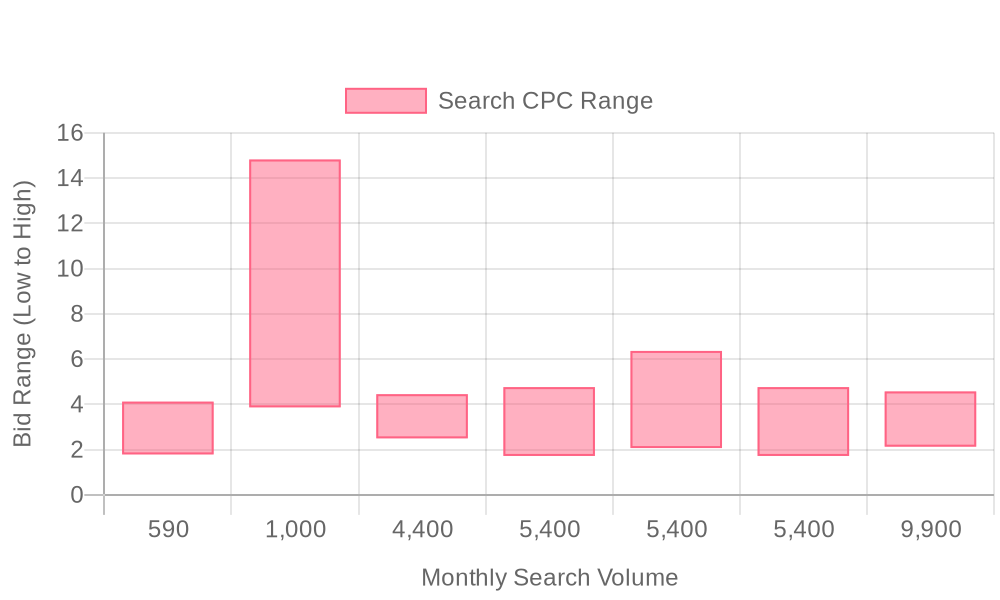
| Industry | Keyword | Monthly Search Volume | Competition Level | Low Bid | High Bid |
| Defense Contractors | military contracting companies | 590 | LOW | 1.79 | 4.12 |
| Defense Contractors | army contractor | 1000 | LOW | 3.87 | 14.82 |
| Defense Contractors | defense companies | 4400 | LOW | 2.5 | 4.45 |
| Defense Contractors | military contractors | 5400 | LOW | 1.72 | 4.76 |
| Defense Contractors | dod contracts | 5400 | LOW | 2.07 | 6.36 |
| Defense Contractors | military contractor | 5400 | LOW | 1.72 | 4.76 |
| Defense Contractors | defense contractors | 9900 | LOW | 2.13 | 4.57 |
Adopting a nuanced keyword strategy is fundamental for any PPC initiative targeting the defense contractor sector. Success hinges on intercepting B2B decision-makers at the exact moment they research solutions, prioritize compliance, or evaluate qualified vendors. Disconnected data and rigid keyword lists often lead to missed opportunities, but leveraging integrated insights enables marketers to capture high-value demand without overspending on irrelevant clicks.
- Precision targeting for decision phases: In the defense industry, buyers progress through complex procurement stages. Prioritizing keywords such as “CMMC 2.0 compliant cloud services,” “military procurement software,” and “defense ITAR cybersecurity solutions” ensures your ads appear when technical evaluators and contracting officers are actively comparing vendors. For a deeper dive on industry-specific marketing approaches, explore this overview of marketing strategies for defense contractors. These terms not only match search intent but also align with regulatory requirements and project milestones, increasing the likelihood of qualified engagements.
- Blend high-volume and niche terms: Balancing widely-searched industry keywords like “government contractor advertising” with specific phrases such as “DoD bid management software” or “lead generation defense industry” maximizes reach while maintaining relevance. Using real-time audience analytics, marketers can dynamically adjust keyword bids as prospects advance from research to shortlist consideration, ensuring spend is concentrated on segments with the greatest chance of conversion.
- Competitive analysis and negative keywords: Continuously analyzing competitor ad copy and search impression data reveals which keywords drive actual contract opportunities versus those that attract low-value traffic. Excluding terms unrelated to federal procurement cycles, such as “military jobs” or “defense industry news,” tightens targeting and preserves budget. Integration with advanced visitor identification tools uncovers which organizations are researching specific product lines, allowing revenue teams to refine keyword lists based on live buyer intent rather than historical averages.
Unified campaign data empowers marketers to uncover not just what audiences search for, but also how those searches shift based on purchase signals. By syncing CRM and ad data, enriched audiences and qualified leads flow directly into Google Ads and revenue platforms, creating a closed feedback loop. This ensures that as prospects engage with compliance documentation or fill out demo requests, keyword strategies automatically update and future targeting reflects the most current intent signals. The result is a continuously optimized keyword portfolio that intercepts every relevant opportunity across the defense procurement landscape. To experience how seamless keyword and data integration can transform your campaigns, get started for free with Sona.
Step-by-Step Campaign Execution Framework
Launching high-performance Google Ads campaigns in the defense sector requires a disciplined, data-centric approach. B2B marketers in this space need more than broad targeting: they must address technical procurement cycles, stringent compliance, and the precise pain points of government buyers. For a deeper dive into marketing approaches tailored for this industry, explore marketing strategies for defense contractors.
Slow campaign feedback and disjointed data handoffs often stall optimizations. A unified, real-time data pipeline enables defense contractors to react instantly to market signals, accelerating campaign improvements and ensuring ad spend stays focused on accounts showing true purchase intent. Teams looking to activate seamless, real-time data flows can leverage Sona’s Destinations to keep CRM and ad platforms always in sync.
Step 1: Build Targeted Keyword Lists
Developing effective keyword lists for PPC in the defense industry starts with clustering around core service offerings, such as compliance consulting, secure communications, or supply chain logistics. By segmenting keywords by service type as well as layering on geographic modifiers, like "CMMC compliance Texas" or "secure cloud solutions Virginia", contractors can hone in on federal and state agency decision-makers relevant to their expertise. For guidance on digital marketing solutions that help government contractors win more bids, see digital marketing for government contractors.
Marketers move beyond guesswork by integrating real-time visitor identification, allowing them to pinpoint not just which organizations are searching for specific services but also their readiness to buy. This actionable insight lets teams prioritize high-value keywords and rapidly test new clusters as procurement trends shift, keeping campaigns tightly synced with evolving government demand.
The upgrade most defense contractors advertisers miss is going beyond raw keyword volume to layer in intent and identity signals. By connecting website-visitor data and CRM records with Sona Marketing Measurement, you can see which specific search terms bring in the accounts and customers that actually convert, and weight your keyword and bidding strategy toward those rather than the terms with the highest search volume alone.
Step 2: Develop Compelling Ad Copy
Effective ad copy in defense contractor marketing must directly address the unique pain points of procurement officers and technical evaluators. Messaging that highlights certifications, compliance standards, and past contract performance builds immediate trust, while referencing agency-specific language, such as "ITAR registered" or "FedRAMP authorized", dramatically boosts relevance. For a comprehensive look at successful B2B ad campaigns, review these B2B Google Ads campaign strategies.
With dynamic audience segmentation, marketers can tailor headlines and descriptions to match the research stage or urgency of each account. As leads progress, creative can automatically update to emphasize value props most likely to convert: from technical whitepapers for early-stage prospects to procurement templates for buyers nearing decision. This level of personalization ensures messaging resonates at every touchpoint, increasing engagement and qualification rates.
Step 3: Design Effective Landing Pages
High-converting landing pages for the defense sector must tightly align with each ad group, featuring messaging and content that mirror the searcher’s specific needs. Pages should prominently display trust signals, such as third-party certifications, contract vehicles, and secure data handling policies, to immediately address procurement concerns. Explore a real-world Google Ads case study for actionable insights on landing page optimization and campaign improvement.
Integrating advanced attribution and CRM syncing, marketers can identify which agency visitors interact with landing pages, how deeply they engage, and at what stage they drop off. These insights allow for rapid A/B testing and continuous refinement, ensuring every page element, from form fields to call-to-action copy, is engineered for maximum conversion, particularly among high-value, government-focused accounts.
Step 4: Implement Data-Driven Optimizations
Ongoing optimization is essential for digital marketing in the defense industry. Leveraging analytics and smart bidding, marketers can quickly identify which keyword clusters or creative variants are generating qualified leads versus wasting budget. Automated rules and machine learning models further refine bidding strategies, shifting spend toward campaigns with the highest likelihood of conversion and contract value. For industry insights on AI-powered ad defense and fraud prevention, see Google's AI-powered defense.
As leads engage, real-time data syncs between CRM and ad platforms ensure audience lists and retargeting segments reflect the latest buying signals. This dynamic approach means high-intent accounts receive tailored follow-ups, while cold prospects are deprioritized, maximizing the ROI of every dollar spent and providing a closed-loop system for measuring true pipeline impact.
Sona Marketing Measurement closes the gap between clicks and revenue. It captures ad clicks with first-party measurement, ties that click through UTM capture and ad-platform APIs to the actual record in your CRM, and reports ROAS by keyword and campaign instead of by last-click form fill. Feeding that revenue signal back into Smart Bidding and Performance Max compounds over time: the algorithms optimize toward booked defense contractors revenue, not cheap leads.
Tips on Expanding Your Defense Contractor Presence via Google Ads
Defense contractors who excel in digital marketing strategies consistently outperform their peers in lead generation, contract acquisition, and brand visibility within government procurement cycles. By leveraging targeted Google Ads campaigns and integrating real-time marketing intelligence, these organizations secure a measurable edge in a highly competitive, compliance-driven sector. For a comprehensive look at marketing strategies tailored for defense and government contractors, explore this overview of industry best practices.
Integrating educational materials into retargeting strategies is an effective way to engage defense sector decision-makers who are in various stages of the procurement process. When retargeting site visitors interested in compliance resources or technical documentation, deliver value-driven content such as white papers, procurement checklists, or guides tailored to government standards. Leveraging visitor identification and intent data allows marketers to prioritize high-value accounts, ensuring these educational touchpoints reach the right stakeholders at the right time.
Upsell techniques aligned with CRM data are crucial for capturing the multifaceted needs of defense organizations. By syncing CRM insights with Google Ads audiences, you can target existing clients with new offerings, such as emerging cybersecurity solutions or logistics enhancements, precisely when their contract renewal or expansion windows approach. Dynamic audience updates ensure messaging and offers remain relevant, increasing cross-sell and upsell rates. For actionable strategies on optimizing Google Ads campaigns for B2B growth, review this comprehensive guide to B2B Google Ads.
Partnering with defense industry groups for co-branded opportunities amplifies campaign reach and credibility. Joint webinars, research reports, or event sponsorships can be promoted through highly targeted search and display campaigns, drawing in engaged audiences who trust industry associations. With advanced conversion tracking and CRM-ad sync, marketers can trace the full impact of these collaborations from initial ad engagement to contract discussions, optimizing partner-driven lead generation in the defense industry.
Utilizing search query insights to develop content topics ensures your outreach remains relevant and authoritative. Analyzing which terms drive the most qualified traffic, such as “CMMC compliance for subcontractors” or “secure supply chain management”, enables teams to prioritize high-intent keywords and refine content offers. These insights fuel both organic and paid strategies, helping marketers to adjust their PPC for defense contractors and ensure government contractor advertising efforts align with evolving industry needs. With intent data continuously synced across platforms, your campaigns stay agile and responsive to shifts in the online marketing defense sector landscape.
Beyond Google Ads: Winning the AI Answers Defense Contractors Buyers Now Trust
Paid search captures demand at the moment someone types a query. But a fast-growing share of defense contractors buyers no longer start at Google at all, they ask ChatGPT, Gemini, or Perplexity before they ever run a search, and Google's own AI Overviews increasingly summarize an answer above the traditional results. If your business isn't referenced in those AI answers, you're invisible at the exact moment buyers build their shortlist.
Sona AI Visibility shows where your business shows up across ChatGPT, Gemini, Perplexity, Google AI Overviews, and 10+ engines, and, much like a keyword report, which prompts actually send you buyers, so you can prioritize the ones that convert. Run the two together and you cover the entire buyer path: get cited where buyers research (AI Visibility), then prove which of that demand turns into booked revenue (Marketing Measurement).
Helpful resources
Conclusion
Defense contracting rewards vendors who show up early and speak the buyer's language: certifications, contract vehicles, compliance frameworks. Google Ads gives contractors a way to do that at scale, but only when targeting, keyword strategy, and creative are built around how procurement teams actually search and decide.
The contractors who pull ahead won't just be the ones bidding well on keywords, they'll be the ones who can prove which campaigns produced booked revenue and adjust before the next budget cycle closes. That shift, from counting leads to tracing dollars, is what separates a defense marketing program that survives a budget review from one that doesn't.
To see this kind of attribution applied to your own campaigns, start for free with Sona.
FAQ
What are the best practices for using Google Ads as a defense contractor?
Best practices include using targeted ad placements, conducting robust keyword research, and continuously analyzing data to optimize campaigns for high-value prospects.
How can defense contractors effectively target their audience with Google Ads?
Defense contractors can effectively target their audience by segmenting campaigns around role-based personas and using Google Ads’ custom audiences and in-market segments for precision targeting.
What are the common challenges faced by defense contractors in Google Ads?
Common challenges include reaching niche audiences, ensuring compliance messaging, and capturing intent from procurement teams and decision-makers at the right moment.
What metrics should defense contractors track in their Google Ads campaigns?
Defense contractors should track metrics such as traffic and conversions tied to specific companies and government agencies, as well as the performance of keyword clusters and creative variants.
How can Google Ads help defense contractors generate leads?
Google Ads can help generate leads by placing solutions at the center of procurement research and ensuring messages appear to decision-makers at critical buying cycle moments.







