


Dance companies compete for a strange mix of buyers: parents comparing studios by schedule and safety, adults hunting for a beginner class without embarrassment, competitive dancers chasing a specific coach or style. A flyer at the coffee shop reaches whoever walks by. Google Ads reaches the parent who searches "ballet classes near me" at 9pm after their kid begs for lessons, at the moment they're ready to act. Used well, it complements the studio's social media and email efforts rather than competing with them, connecting a search query to a filled seat in class.
How to Generate Dance Company Leads with Google Ads
Dance companies seeking to increase enrollment and drive sustainable growth require digital marketing strategies that deliver measurable results and precision targeting. Google Ads for Dance Company campaigns provide direct access to parents, students, and organizations searching for classes and performances, making every marketing dollar accountable and actionable. To deepen your understanding of paid advertising tactics and analytics, explore our blog collection on marketing analytics.
Effective campaigns start with keyword and audience targeting built around how people actually search for dance instruction. Segmenting by style, age group, and location keeps a ballet parent from seeing hip-hop ad copy, and keeps budget away from clicks that were never going to convert. Layering in real-time audience and in-market behavioral data lets marketers shift spend toward the segments converting right now, whether that's fall registration searches or last-minute summer camp sign-ups.
Landing page and creative alignment turns a click into a lead. A page built for someone searching "trial ballet class" should not dump them on a generic studio homepage; it should match the offer, the age group, and the tone of the ad. Clear copy and a single obvious call to action, book a trial, download the schedule, move both parents and adult beginners toward filling out the form. When visitor intent is tracked from the ad through on-page behavior, marketers can personalize content and build nurture segments that reflect what each visitor actually searched for.
Optimization is what separates a campaign that fills a waitlist from one that quietly burns budget. Reviewing which ads bring in inquiries from schools, local youth organizations, or individual families shows where the real demand sits. Linking ad interactions to CRM and enrollment data gives full-funnel attribution, so a studio can see that a video ad about a recital, not the search ad, actually closed the sign-up. For more on measuring marketing's impact, see our guide to marketing influence on the sales pipeline.
Cross-channel consistency matters because most parents don't enroll on the first visit. A studio that repeats its message across social, email, and display stays visible through the weeks a family spends comparing options. When audience segments and lead data sync automatically from Google Ads into a CRM and marketing automation system, follow-up becomes a matter of sequence rather than someone remembering to send an email. That consistency is often the difference between a filled class and an empty one.
Why Google Ads Matter for Dance Companies

Dance companies operate in a market where reaching the right students and parents is both critical and nuanced. Google Ads offers a direct pathway to these specialized audiences, allowing studios to target intent-driven prospects and maximize every marketing dollar. To further refine targeting and retargeting, tools like Sona Audiences can help create dynamic audience segments that sync with ad platforms for hyper-personalized outreach.
- Complex, Specialized Audience: Dance companies often struggle to reach parents evaluating extracurricular options or students seeking a specific style, ballet, competitive, adult beginner, each with different questions and timelines. Advanced advertising solutions bridge this gap by connecting digital behavior with offline enrollment, helping marketers move past anonymous traffic to identify which companies and households are actually engaging. With Sona's Identity Resolution, teams can focus outreach on the visitors showing real interest, making follow-up more effective.
- Faster Demand Response: Timely lead follow-up is crucial during high-demand periods such as fall registration or summer camp sign-ups. Modern Google Ads strategies enable marketers to accelerate lead response, ensuring hot prospects are contacted before interest wanes. Real-time intent signals allow for rapid budget reallocation, shifting spend toward high-converting accounts and peak demand windows, leading to higher conversion rates and more predictable enrollment cycles.
- Visibility in Emerging Regions: Expanding a dance company into new neighborhoods or underserved markets requires targeted visibility. Google Ads’ geo-targeting capabilities ensure that marketing spend is directed to areas with genuine interest in dance programs. With dynamic audience updates, campaigns can automatically adjust as new leads enter or progress through the funnel, keeping messaging relevant and maximizing growth in priority locations.
- Integrated Data Analysis: Data-driven marketing enables dance companies to make informed decisions about where and how to invest resources. Unified analytics deliver a comprehensive view of each prospect’s journey, from the first ad click to in-studio registration. By integrating online and offline conversion tracking, marketers gain a true picture of ROI, allowing for smarter optimization and more accurate forecasting of studio growth.
Common Types of Google Ads Campaigns for Dance Services

- Search Campaigns: Search campaigns capture high-intent prospects actively seeking dance classes, workshops, or enrollment opportunities, the parent searching at night for a trial class, the adult typing "beginner tap lessons" after months of hesitation. Targeting keywords specific to programs, styles, and schedules intercepts users at the moment intent turns into action. Integrating Sona's Identity Resolution helps marketers go beyond anonymous clicks to identify which households or organizations are most likely to convert, and reallocate budget toward nurturing those leads through the enrollment funnel.
- Display Ads: Display campaigns reinforce your dance company’s brand across arts, education, and local community websites. By serving visually consistent banners, you remain top-of-mind among parents, adult learners, and families exploring dance as an extracurricular activity. Utilizing real-time audience segments, display efforts can be continuously updated as website visitors move through research, trial sign-up, and enrollment stages, ensuring spend is always directed at the most engaged prospects. Discover more strategies in our marketing playbooks.
- Video Ads: Video campaigns leverage the power of movement and artistry, allowing dance companies to showcase performances, class environments, and instructor expertise. Well-crafted YouTube or in-stream video ads differentiate your brand, providing an immersive preview of the student experience. When combined with in-market audience data, these campaigns can prioritize viewers displaying strong signals, such as those researching after-school activities or dance competitions, maximizing the impact of each video impression. Watch a video tutorial on using Google Ads for dance studios for actionable tips.
- Remarketing: Remarketing campaigns re-engage website visitors who have shown interest but have not yet enrolled or signed up for a trial class. By delivering tailored messages based on each visitor’s browsing behavior, such as abandoned registration or price page visits, dance companies reduce lost opportunities. Advanced remarketing strategies sync CRM and website engagement data, ensuring timely follow-ups and personalized offers reach parents or adult learners at the ideal decision stage. Check out our intent-driven retargeting playbook to optimize your approach.
- Assets: Ad assets increase the visibility and credibility of dance studio search ads by adding touchpoints directly into the ad unit. Sitelinks drive prospects to program pages, faculty bios, or open house registration; callouts highlight benefits like "free trial class" or "award-winning instructors." When assets are powered by live CRM and audience data, dance companies keep the most relevant, up-to-date information in front of searchers, improving click-through rates and shortening the path to enrollment. Ready to take the next step? Get started for free with Sona.
Where to Find Growth Opportunities for Dance Companies
Growth for a dance company usually hides in the gaps between generic demographic targeting and what people are actually searching for. Studios that segment by style, track competitor gaps, and refine messaging by season find students that broad campaigns miss entirely. Explore proven tactics in our marketing and analytics blog.
- Vertical Keywords: Direct targeting efforts to specialized dance interests such as contemporary, ballet, or hip hop, ensuring each campaign speaks to a specific audience's unique motivations and needs. Leveraging granular search intent data, marketers can segment campaigns for parents seeking youth ballet classes, adults exploring beginner tap, or competitive dancers researching advanced workshops. This degree of specificity not only increases click-through rates for Google Ads for dance studios but also improves overall campaign efficiency by reducing wasted spend on broad, underperforming terms. When high-intent searchers land on relevant offers, the result is higher engagement and more qualified leads, with every ad dollar working harder for the business.
- Competitor Analysis: Systematic review of the competitive landscape reveals underserved segments and overlooked program categories, maybe no one nearby offers adult beginner ballroom, or competitive team training is oversubscribed. Identifying what competitors ignore lets you tailor PPC for dance schools and dance studio advertising to capture that demand. By integrating Sona's Identity Resolution, revenue teams can shift budget toward the audiences most likely to convert, recognizing patterns in both anonymous and known traffic before competitors notice.
- Trade Forums: Industry-specific platforms and dance enthusiast communities hold untapped potential for hyper-targeted advertising. Running display placements or sponsored content on these networks puts your brand in front of passionate, engaged users already seeking information about dance classes, performances, or instruction. Dance companies that synchronize these intent-rich audiences into their broader Google Ads strategies see measurable lifts in both qualified traffic and downstream enrollment. Discover creative marketing ideas for dance studios to further enhance your outreach and stand out in the marketplace.
- Retargeting Content: Effective retargeting strategies use value-driven content, such as expert dance tips, exclusive class previews, or free trial offers, to re-capture the attention of visitors who previously explored your programs but did not convert. These campaigns work best when audience segments update in real time as leads move from initial interest to deeper engagement, allowing for seamless delivery of relevant creative at every stage. Advanced conversion tracking, spanning both online and offline actions, enables precise measurement of each retargeting touchpoint's ROI, while CRM and ad sync ensure that enriched lead data flows directly into your sales pipeline for timely follow-up. This holistic approach dramatically increases the likelihood of converting window shoppers into loyal students, fueling consistent growth for dance companies.
How to Apply Audience Segmentation in Dance Marketing

Effective audience segmentation in dance company marketing distinguishes high-value prospects from general website traffic, allowing for precision in messaging and budget allocation. By aligning Google Ads for Dance Company with detailed segments, marketers can quickly identify which types of dancers are most likely to convert, reducing wasted spend and increasing campaign efficiency. Explore more strategies for maximizing campaign impact in our marketing analytics blog.
- Define Segments: Start by differentiating potential students based on age groups (children, teens, adults), dance styles (ballet, hip-hop, contemporary), or their experience level (beginner, intermediate, advanced). Moving beyond generic outreach ensures that every ad speaks directly to the needs and motivations of a specific audience. This granular approach helps marketers address unique triggers for each segment, such as trial class offers for beginners or performance opportunities for advanced dancers. For more targeted outreach, leverage Sona Audiences to build dynamic, signal-based segments that auto-sync with your ad platforms.
- Overlay Intent Signals: Integrate real-time intent data to identify where prospects are in their dance journey: new to dance, working to progress, or aiming for a professional track. By syncing Intent Signals with your Google Ads strategy, you can prioritize budget and creative for those showing in-market activity, then update messaging as prospects move from research to sign-up.
- Customize Ad Groups: Tailor creatives, offers, and landing pages to each segment within your PPC for dance schools campaigns. For example, parents searching for beginner ballet classes will respond to different messaging and incentives than competitive dancers seeking advanced choreography. Fine-tuning ad groups ensures each audience receives relevant information, while budget controls prevent overspending on low-value segments. As audience composition evolves, advanced platforms keep these groups accurate and actionable, automatically adjusting based on the latest engagement signals. Discover more actionable tactics for segmentation in our marketing playbooks.
- Track Conversion Paths: Use advanced CRM and ad platform integrations to monitor every stage of the enrollment funnel, from initial ad click to registration and beyond. Real-time attribution provides a full view of which segments convert, through which channels, and at what cost. When enriched lead and conversion data flows seamlessly from CRM into Google Ads and other sales tools, teams can optimize campaign targeting, retarget recent site visitors, and personalize follow-up for each segment. The result is a responsive, high-ROI approach to dance studio enrollment and dance class promotions that keeps your brand top-of-mind as prospects move through their decision-making journey. To experience seamless audience sync and attribution, get started for free with Sona.
This is also where measurement changes the economics. With Sona Marketing Measurement you can identify the companies and buyers behind your ad clicks, not just anonymous sessions, and segment audiences by who actually becomes a customer. That lets you build bid adjustments and audience signals around the segments that convert and de-prioritize the ones that don't, so you feed Google's algorithms "this click became a paying dance customer" instead of just "someone filled out a form."
Keyword Strategy & Sample Target Terms
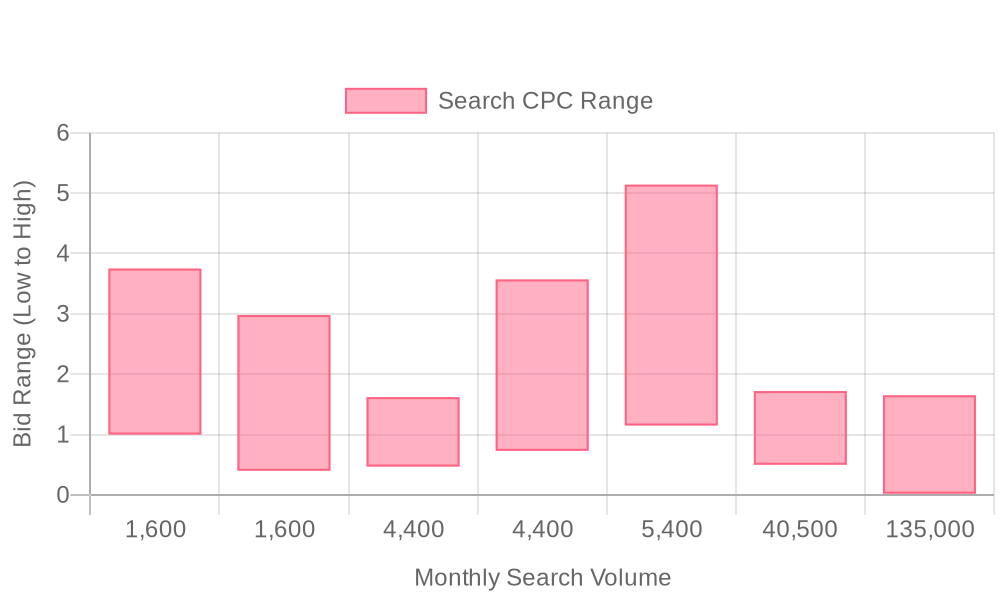
| Industry | Keyword | Monthly Search Volume | Competition Level | Low Bid | High Bid |
| Dance Company | national ballet of canada | 1600 | LOW | 1 | 3.75 |
| Dance Company | alvin ailey kennedy center | 1600 | LOW | 0.4 | 2.98 |
| Dance Company | new york ballet | 4400 | LOW | 0.47 | 1.62 |
| Dance Company | abt ballet | 4400 | LOW | 0.73 | 3.57 |
| Dance Company | dance company | 5400 | LOW | 1.15 | 5.14 |
| Dance Company | alvin ailey | 40500 | LOW | 0.5 | 1.72 |
| Dance Company | american ballet theater | 135000 | LOW | 0.02 | 1.65 |
Selecting the right keywords is the foundation of successful Google Ads for dance companies. High-volume, high-intent terms such as "dance studio enrollment" and "dance classes near me" attract users who are actively searching for local programs, significantly boosting the efficiency of paid campaigns. By avoiding broad, generic keywords, dance companies can prevent wasted spend on low-converting traffic and ensure that each click is tied to a genuine interest in dance class promotions.
Competitive analysis using tools like the Google Keyword Planner is essential for uncovering long-tail queries that capture niche audiences. These nuanced terms, such as “beginner hip hop classes for teens” or “adult ballet lessons downtown”, reflect specific program interests, helping studios outmaneuver competitors who stick with generic keywords. Dance companies that consistently monitor keyword trends and adjust bidding strategies can identify shifting demand, redirecting budget toward high-converting search terms as audience behavior evolves. For more tactical advice, see this in-depth blog.
Effective keyword targeting goes beyond initial research. Marketers should regularly experiment with variations like “kids dance classes near me” and “summer dance camps,” then analyze performance to refine their approach. Leveraging advanced visitor identification, studios can attribute keyword-driven clicks to actual parent inquiries or student sign-ups, unifying intent data for smarter campaign optimization. With dynamic audience updates, as prospects move from research to enrollment, dance companies can maintain precision in their targeting, ensuring each ad dollar reaches the most engaged leads. This systematic, data-driven approach minimizes inefficiency and positions companies to capture more qualified inquiries in a competitive digital landscape.
Step-by-Step Campaign Execution Framework for Dance Companies
Step 1: Build Targeted Keyword Lists
Effective Google Ads for Dance Company campaigns begin with in-depth keyword research tailored to the unique dynamics of dance instruction and performance markets. Developing keyword lists with local modifiers pinpoints specific phrases such as "kids ballet classes in Brooklyn" or "adult salsa lessons downtown," capturing nuanced intent and drastically improving click quality. These focused lists allow studios to move beyond generic search terms and reach high-value audiences already expressing interest in dance programs. For a comprehensive overview of digital marketing tailored for dance companies, explore web solutions for dance companies.
Utilizing visitor identification and advanced data enrichment, marketers can uncover not just what prospects are searching, but who they are. This actionable intelligence enables ad managers to prioritize high-intent keywords linked to known parent demographics or local dance enthusiasts, ensuring greater alignment between ad spend and actual enrollment potential. As search trends fluctuate by season and program offering, dynamically updated keyword lists keep campaigns relevant and responsive to real-time demand shifts. For additional insights on keyword research and digital marketing, consult our marketing analytics blog.
The upgrade most dance advertisers miss is going beyond raw keyword volume to layer in intent and identity signals. By connecting website-visitor data and CRM records with Sona Marketing Measurement, you can see which specific search terms bring in the accounts and customers that actually convert, and weight your keyword and bidding strategy toward those rather than the terms with the highest search volume alone.
Step 2: Develop Compelling Ad Copy
Ad copy for dance company campaigns should emphasize transformative experiences and personal growth, not just features like class times or instructor bios. Messaging that highlights benefits, such as building confidence, fostering creativity, or joining a vibrant community, creates resonance and motivates action. Well-crafted headlines like "Inspire Your Child with Dance" or "Join Our Award-Winning Studio" set emotional expectations, while descriptions reinforce value and urgency with offers like "First Class Free, Secure Your Spot Today."
With access to real-time intent data, marketers can rapidly adjust messaging to align with what audiences are actively seeking. For example, if a surge in interest for summer programs is detected, ad copy can instantly pivot to showcase those offerings. Studios looking to deepen their understanding of Google Ads optimization can benefit from the step-by-step guide to Google Ads for dance studios. Testing multiple variations ensures top-performing messages are always prioritized, driving stronger results for every ad dollar invested.
Step 3: Design High-Converting Landing Pages
A seamless transition from ad click to landing page is essential for dance studio enrollment growth. Landing pages must mirror ad promises, using consistent language and visuals to reduce friction and build trust. Clear calls to action, such as "Book a Free Trial" or "Download Our Schedule", should be strategically placed above the fold and throughout the page. Elements like student testimonials, class highlight videos, and transparent pricing further nurture decision confidence. Find more actionable advice in our marketing and sales playbooks.
Sophisticated tracking tools reveal how visitors interact with each landing page, identifying which content and layouts drive the most conversions. Enriched visitor profiles allow for personalized landing experiences, automatically tailoring content for parents, adult learners, or competitive dancers based on previous engagement. This granular approach maximizes relevancy and increases the likelihood of successful registration or inquiry.
Step 4: Optimize and Track Results
Ongoing optimization ensures Google Ads for Dance Company campaigns stay aligned with actual prospect behavior and business objectives. Implementing robust conversion tracking, both online and offline, gives clear visibility into which keywords, ads, and landing pages generate real enrollments or class bookings. For industry benchmarks to evaluate campaign performance, review Google Ads benchmarks.
Using audience sync, campaign managers can automatically update remarketing audiences as users interact with ads, websites, or CRM systems. This keeps retargeting efforts focused on the most sales-ready prospects, minimizing wasted impressions and maximizing ROI. Continuous refinement, guided by actionable analytics and granular attribution, enables dance companies to sustain visibility, outpace local competitors, and deliver measurable business impact through every stage of their online marketing funnel.
Ready to put these strategies into practice? Get started for free with Sona.
Sona Marketing Measurement closes the gap between clicks and revenue. It captures ad clicks with first-party, privacy-safe measurement, ties that click through UTM capture and ad-platform APIs to the matching company record in your CRM, and reports ROAS by keyword and campaign instead of by last-click form fill. Feeding that revenue signal back into Smart Bidding and Performance Max compounds over time: the algorithms optimize toward booked dance revenue, not cheap leads.
Tips on Expanding Your Dance Company Presence with Google Ads
Securing a robust digital presence with Google Ads amplifies your dance company's potential to attract and retain students amid a competitive market landscape. Effective execution means pairing strategic keyword targeting with refined audience segmentation and ongoing, data-driven optimizations, all seamlessly woven into your larger marketing plan. For industry-specific guidance, review this comprehensive guide to Google Ads for dance companies, and deepen your approach with proven marketing analytics strategies.
Implement strategies to increase reach and effectiveness:
- Promote Educational Content: Utilize instructional videos or blog posts in your ad campaigns to foster deeper engagement and reinforce your reputation as an industry authority. When your marketing stack enables visitor identification, you can promote advanced workshops to students who have already engaged with foundational tutorials, increasing relevance and conversions.
- Segmented Upsells: Encourage existing students to take additional classes by leveraging CRM data to deliver tailored, high-value packages. Integrating CRM and ad platforms allows you to dynamically update audience segments as students complete courses, ensuring your offers are always timely and personalized.
- Localize for Specific Regions: Adapt campaigns to reach specific regions or demographics with messages that resonate locally, such as highlighting neighborhood instructors or showcasing nearby performance opportunities. Real-time intent and geographic data let you prioritize budget and creative for areas where high-intent parents are searching for dance class promotions.
- Use Search Query Data: Adjust keywords and creative content to align with trending topics and seasonal interests, keeping your ads relevant and engaging. When your platform surfaces in-market behaviors, you can swiftly shift budget to campaigns that address what parents and students are actively seeking, maximizing every ad dollar.
By unifying campaign management and audience insights, dance companies can shift from generic outreach to precision-targeted engagement, ensuring each touchpoint moves prospects closer to enrollment. With enhanced visibility into the entire funnel, your team can measure both online and offline conversions, attribute true ROI to every campaign, and continuously refine your Google Ads for Dance Company strategy for sustained growth. To see how advanced analytics can power your enrollment, get started for free with Sona.
Paid search captures demand the moment someone types a query. But a growing share of dance buyers now start elsewhere, asking ChatGPT, Gemini, or Perplexity before they ever open a search bar, while Google's own AI Overviews increasingly summarize an answer above the traditional results. If your studio isn't referenced in those answers, you're invisible at the moment buyers build their shortlist.
Paid search captures demand at the moment someone types a query. But a fast-growing share of dance buyers no longer start at Google at all, they ask ChatGPT, Gemini, or Perplexity before they ever run a search, and Google's own AI Overviews increasingly summarize an answer above the traditional results. If your business isn't referenced in those AI answers, you're invisible at the exact moment buyers build their shortlist.
Sona AI Visibility shows where your business shows up across ChatGPT, Gemini, Perplexity, Google AI Overviews, and 10+ engines, and, much like a keyword report, which prompts actually send you buyers, so you can prioritize the ones that convert. Run the two together and you cover the entire buyer path: get cited where buyers research (AI Visibility), then prove which of that demand turns into booked revenue (Marketing Measurement).
Helpful resources
Conclusion
Google Ads works for dance companies because it meets a specific, time-sensitive search with a specific answer: a trial class, an open house, a schedule. The studios that treat it as a precision tool, keyword lists tied to real search behavior, ad copy built around the moment a parent decides to act, will keep filling classes even as the more competitive markets get louder.
The studios seeing the clearest returns right now are the ones connecting Google Ads to what actually happens after the click, which inquiries turn into enrolled students, which keywords bring back families year after year. That's the shift worth making: from tracking clicks to tracking classes filled. Start for free to see how unifying that data can sharpen your studio's advertising.
FAQ
What are the best practices for Google Ads for a dance company?
Best practices include targeting specific keywords related to dance styles and locations, segmenting audiences based on age and dance interest, aligning landing pages with ad content, integrating cross-channel marketing, and continuously optimizing performance through data analysis.
How can I create effective Google Ads for my dance studio?
Create effective ads by using advanced keyword targeting, crafting compelling ad copy that highlights benefits, designing high-converting landing pages, and integrating real-time audience data to personalize outreach.
What budget should I allocate for Google Ads in the dance industry?
The budget should be allocated based on targeting high-intent keywords, optimizing audience segments, and ensuring each marketing dollar is accountable and actionable, focusing on high-converting prospects.
How do I measure the success of my Google Ads campaigns for dance classes?
Success can be measured by tracking conversion rates, linking ad interactions to CRM and sales data for full-funnel attribution, and analyzing which ads drive the most engagement and enrollments.
What keywords should I target for Google Ads in the dance sector?
Target keywords that include specific dance styles, local modifiers, and high-intent terms like 'dance classes near me' or 'beginner hip hop classes for teens' to attract users actively searching for programs.







