Cleaning supplies buyers rarely wait: a facilities manager with a burst pipe or a procurement director restocking before flu season needs a vendor now, not next week. The trouble is that most of these prospects research quietly and never surface in a CRM until they've already picked a supplier. Google Ads closes that gap. It catches buyers at the exact moment they search for bulk disinfectant or industrial degreasers, lets you target with industry-specific terms, and, when paired with proper attribution, connects that click to an actual purchase order rather than a vague impression of "brand awareness." Whether a prospect arrives from a social post or a direct search, Google Ads gives cleaning supplies marketers a way to target, measure, and fold paid search into the rest of the go-to-market strategy.
How to Generate Cleaning Supplies Sales Leads with Google Ads: A Step-by-Step Guide

Modern cleaning supplies providers need sophisticated digital strategies to capture high-intent buyers and streamline lead generation. Google Ads for Cleaning Supplies Sales is uniquely positioned to engage decision-makers as they research solutions, enabling measurable outcomes for B2B revenue teams.
A data-driven paid search approach leverages visitor deanonymization, ensuring that campaigns target companies with demonstrated interest. Marketers move beyond surface-level analytics and access detailed profiles, allowing them to prioritize and invest budgets where signals of purchase intent are verifiable. This granular visibility into in-market accounts empowers teams to refine ad spend, proactively address pipeline gaps, and accelerate qualified lead flow.
Audience targeting and keyword strategy require cleaning supplies marketers to distinguish between residential, commercial, and janitorial buyers. Building segmented audiences based on web behavior and prior engagements enables messaging that addresses sector-specific pain points, commercial cleaning product buyers, for example, demand different value propositions than janitorial services leads. High-intent keyword clusters, such as "bulk disinfectant suppliers" or "industrial cleaning products near me," help ensure ads surface for buyers most likely to convert, minimizing wasted impressions and driving tangible pipeline growth.
Creative alignment is critical for maximum conversion potential. Identifying audience segments early allows for tailored messaging that addresses unique operational challenges or regulatory requirements common in the cleaning industry. Timely, context-aware ad creative increases relevance and engagement, raising both click-through and conversion rates.
Performance optimization tactics center on continuous measurement and refinement. Advanced tracking provides visibility into both online and offline conversions, ensuring that Google Ads ROI for cleaning supplies reflects true business impact. Marketers can adjust bidding strategies, update ad copy, and refine audience segments in real time, dynamically reallocating budget toward campaigns that yield the highest lead quality and sales velocity.
Cross-channel integration methods unify data across platforms, from CRM to marketing automation and paid media. Seamless audience syncing ensures that enriched lead data and dynamic segments are reflected instantly in Google Ads, supporting consistent retargeting, nurture, and sales activation efforts. This holistic approach not only boosts campaign efficiency but also improves attribution, empowering teams to prove and optimize revenue contribution at every stage of the funnel.
Ready to transform your cleaning supplies lead generation? Get started for free with Sona.
Why Does Google Ads Matter for Cleaning Supplies Sales?

B2B marketers selling cleaning supplies face a landscape where both audience complexity and margin pressure converge. Facility managers, procurement directors, and operations leads seek highly specific solutions, so connecting with these buyers at the right decision point is critical for driving efficient growth. For marketers looking to better understand their audiences and improve targeting, precise audience intelligence can help identify buying intent and segment outreach.
Google Ads provides advanced targeting capabilities that help marketers directly reach these high-value prospects. By leveraging intent-rich search data, teams can serve relevant product ads, such as industrial degreasers or eco-friendly disinfectants, precisely when buyers are actively searching. For a step-by-step guide on setting up and optimizing campaigns, review this Google Ads cleaning business walkthrough. This approach minimizes wasted impressions and maximizes the likelihood of acquiring new customers for premium SKUs.
The cleaning supplies market is also highly responsive to seasonal swings and local events. With Google Ads, campaigns can be quickly ramped up during periods of increased demand, such as flu season or facility reopening cycles. Marketers can also test new geographies, identifying and penetrating underrepresented regions that traditional sales tactics might overlook. For more digital marketing strategies and campaign ideas, browse the latest marketing insights to ensure you're capturing every relevant opportunity in a competitive environment.
Data-driven decision-making is another advantage. Google Ads platforms track the entire buyer journey, from initial keyword click through to final purchase or inquiry. When integrated with unified data, marketers gain visibility into which campaigns, audiences, and creative combinations deliver the strongest ROI. By connecting CRM data and digital engagement, teams can pinpoint anonymous website visitors, attribute conversions across online and offline touchpoints, and build dynamic audiences that sync seamlessly with their sales and marketing systems. Ready to take your campaigns to the next level? Get started for free with Sona.
Common Types of Google Ads Campaigns for Cleaning Supplies Sales
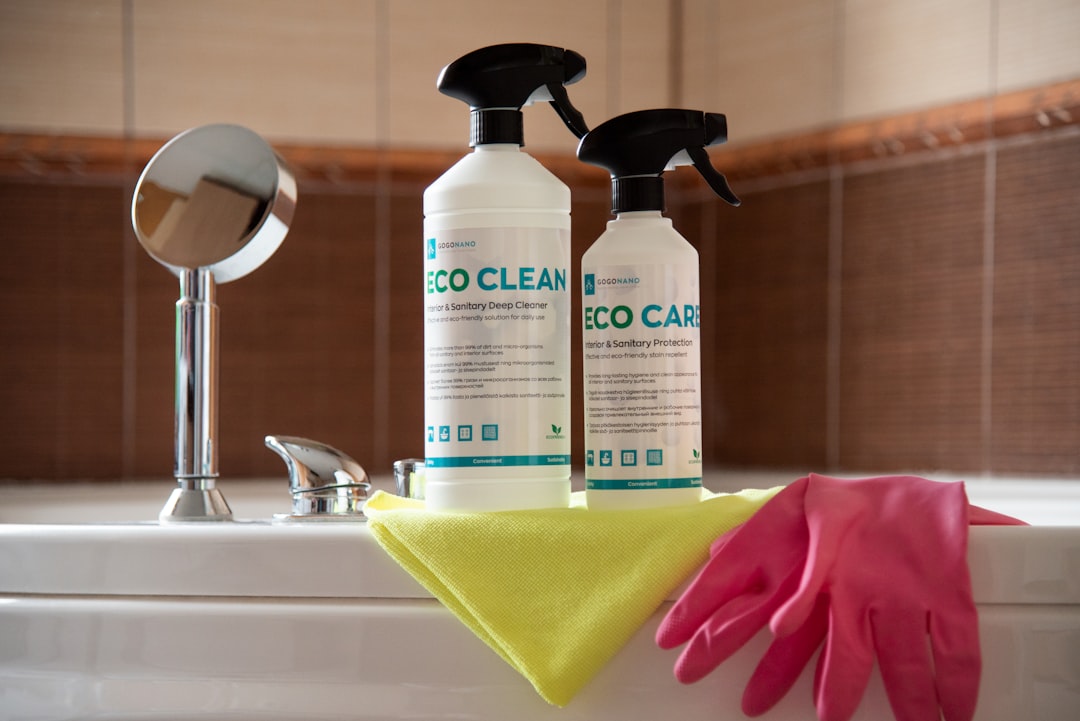
Selecting the right Google Ads campaign type is critical for maximizing visibility and conversion rates in the cleaning supplies industry. Each format aligns your messaging and targeting with specific buyer needs, ensuring your campaigns support every stage of the decision process. For more guidance on campaign setup and optimization, explore this step-by-step guide for cleaning business Google Ads. To stay ahead with actionable insights, visit our marketing analytics blog.
- Search Campaigns: Search campaigns are ideal for capturing high-intent, bottom-funnel queries such as "industrial cleaning supplies near me" or "commercial disinfectant bulk pricing." By focusing on transactional keywords, advertisers meet prospects at their moment of need, directly influencing purchase decisions. Leveraging unified intent and behavioral data enables teams to dynamically adjust bids to prioritize in-market accounts, increasing efficiency and Google Ads ROI for cleaning supplies.
- Display Ads: Display ads deliver consistent branding and educational content across niche industry sites, news portals, and relevant blogs. Maintaining brand presence throughout the buyer journey, especially when buyers are researching cleaning solutions, reinforces trust and recall. These campaigns benefit from advanced data synchronization, ensuring ad creative and targeting reflect the current needs and interests of each prospect.
- Video Ads: Video campaigns allow cleaning supply brands to showcase product features, demonstrate correct usage, and highlight differentiators through engaging visual storytelling. This format extends the reach of content marketing, capturing attention on YouTube and other video networks. By capturing real-time engagement signals, marketers can shift budget to high-converting audiences based on actual viewer behavior and intent.
- Remarketing: Remarketing campaigns serve tailored ads to previous site visitors, bringing back those who expressed interest but did not convert. This approach ensures that anonymous traffic, such as facilities managers or procurement professionals researching cleaning solutions, remains engaged after their initial visit. Enhanced visitor identification capabilities enable teams to pinpoint high-value companies and decision-makers, delivering more relevant messaging and increasing conversion rates.
- Assets: Ad assets add vital context to cleaning supplies PPC efforts by including business locations, certifications, product details, and service differentiators directly in the search result. These elements build trust and credibility instantly, while advanced CRM and ad platform syncing ensures that new offers, certifications, or service areas are reflected in ads as soon as they are available. This level of integration maximizes local cleaning supplies marketing impact and ensures every ad impression communicates the most current value proposition.
Where to Find Growth Opportunities?
Expanding your reach in the cleaning supplies market requires a data-driven approach that looks beyond obvious channels. Identifying untapped segments and using nuanced targeting unlocks higher-value leads and delivers measurable impact on pipeline growth. With Sona, you can reveal which companies visit your site, even if they don't fill out a form, empowering you to turn anonymous traffic into qualified pipeline.
- Niche Keyword Targeting: Prioritize keywords that reflect specialized buyer intent, such as eco-friendly cleaning supplies or hypoallergenic solutions. This approach limits wasted ad spend and addresses the unique expectations of customers, reducing churn by ensuring messaging aligns with evolving market trends. Dynamic keyword lists, continuously enriched with real-time audience signals, keep campaigns agile and relevant as audience preferences shift.
- Competitor Analysis: Leverage advanced analytics platforms to uncover where your competitors are underperforming or missing out on demand. By pinpointing underserved verticals and differentiating your service offerings, you create compelling value propositions that resonate with overlooked audiences. Integrating behavioral intent data lets you refocus budget toward in-market buyers, maximizing the efficiency of your strategy.
- Industry Placements: Advertising on cleaning industry trade forums and B2B publications increases visibility among niche decision-makers. These placements reach potential buyers in research and procurement roles who may not be captured through standard search campaigns. Syncing CRM segments with paid media ensures your ads appear in front of high-fit accounts as they engage across different industry platforms.
- Content Retargeting: Harnessing assets like product comparison guides, whitepapers, or case studies in your retargeting strategy supports a full-funnel nurture approach. By recognizing visitors who engage with these high-value assets, you can deploy more personalized follow-up ads before competitors make contact. Deep audience segmentation and real-time updates ensure retargeting lists stay accurate, allowing you to move high-intent leads through the funnel efficiently and improve retargeting strategies for cleaning supplies PPC campaigns.
Ready to accelerate your growth? Get started for free with Sona.
How to Apply Audience Segmentation for Cleaning Supplies
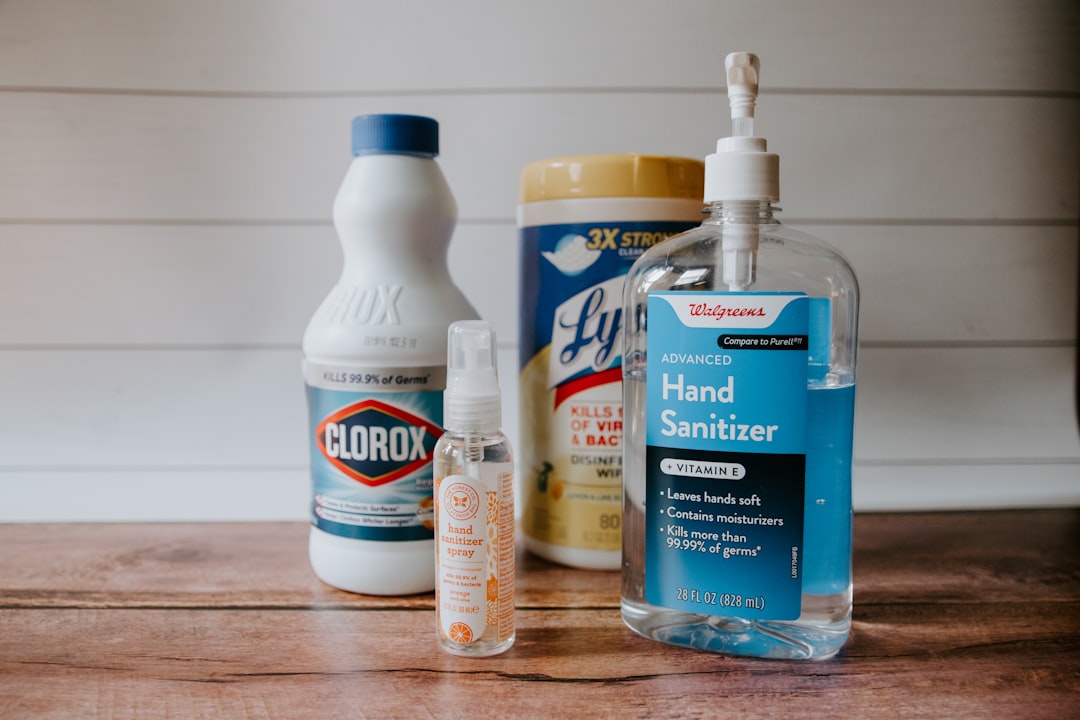
Audience segmentation elevates paid media performance for cleaning supplies by delivering precise, relevant messaging to distinct buyer groups. B2B revenue teams that map segments to each stage of the customer journey achieve higher conversion rates and unlock actionable insights that drive sustained growth. For additional strategies, explore these marketing analytics insights.
- Define Segments: Start by profiling your most valuable audiences, such as janitorial services seeking large, recurring orders versus retail locations interested in smaller, frequent restocks. Separate these segments using industry, company size, and historical purchase data. This foundational step enables teams to customize offers and messaging for each buyer type, maximizing relevance and engagement. Learn more from this step-by-step guide on Google Ads for cleaning businesses.
- Overlay Intent Signals: Integrate behavioral and contextual data to understand when audiences are most likely to engage. By tracking maintenance schedules, seasonal demand spikes, or research activity, marketers can prioritize outreach to accounts showing active interest. Leveraging real-time intent signals ensures that ad budgets are focused on high-converting prospects and reduces wasted spend.
- Custom Ad Groups: Build tailored ad groups for each segment, aligning ad copy and creative with the unique needs of janitorial services, facility managers, or retail buyers. Dynamic audience capabilities empower teams to refresh targeting as leads progress through the funnel, ensuring that messaging evolves alongside buyer intent.
- Conversion Validation: To measure true performance, validate conversions by syncing Google Ads activity with your CRM. This integration surfaces all engagement signals, such as content downloads or quote requests, and provides a single source of truth for campaign attribution. Advanced tracking supports both online and offline conversions, connecting ad spend with revenue outcomes and improving Google Ads ROI for cleaning supplies. Audience and lead data can be automatically enriched and synced with platforms like HubSpot or Salesforce, ensuring consistent, actionable insights across your tech stack.
Ready to take the next step? Get started for free with Sona.
This is also where measurement changes the economics. With Sona Marketing Measurement you can identify the companies behind your ad clicks, not just anonymous sessions, and segment audiences by which accounts actually become customers. That lets you build bid adjustments and audience signals around the segments that convert and de-prioritize the ones that don't, so you feed Google's algorithms "this click became a paying cleaning supplies sales customer" instead of just "someone filled out a form."
Keyword Strategy & Sample Target Terms
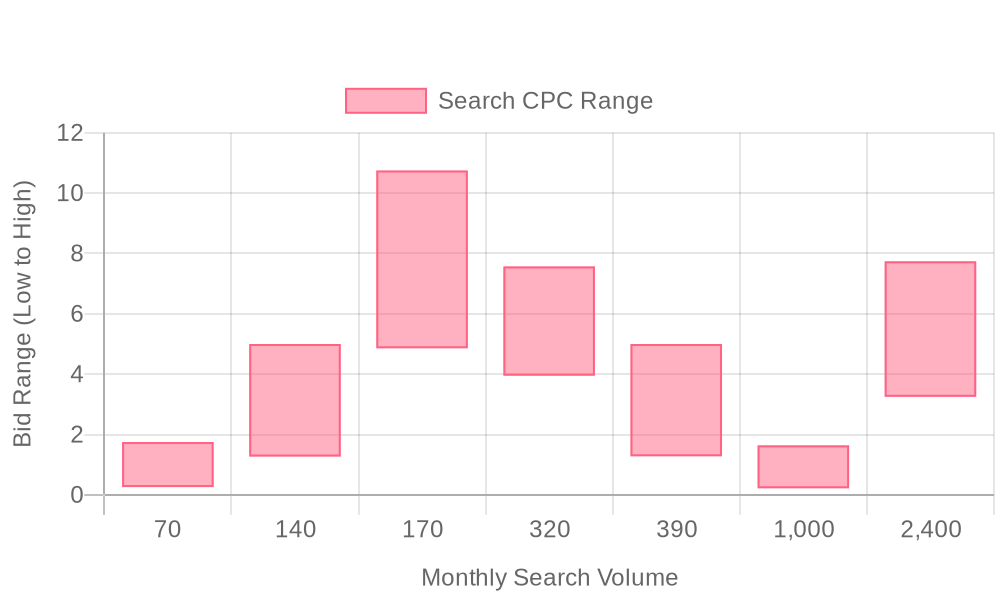
| Industry | Keyword | Monthly Search Volume | Competition Level | Low Bid | High Bid |
| Cleaning Supplies Sales | dust mops for sale | 70 | HIGH | 0.26 | 1.75 |
| Cleaning Supplies Sales | cleaning products sale | 140 | HIGH | 1.27 | 5 |
| Cleaning Supplies Sales | buy cleaning supplies in bulk | 170 | MEDIUM | 4.86 | 10.75 |
| Cleaning Supplies Sales | whole sale cleaning products | 320 | HIGH | 3.95 | 7.57 |
| Cleaning Supplies Sales | cleaning supplies sales | 390 | HIGH | 1.28 | 5 |
| Cleaning Supplies Sales | mops for sale | 1000 | HIGH | 0.22 | 1.64 |
| Cleaning Supplies Sales | whole sale cleaning supplies | 2400 | HIGH | 3.25 | 7.74 |
In cleaning supplies sales, precision with Google Ads keywords is critical for capturing high-intent buyers before competitors do. Effective campaigns blend keyword research, audience segmentation, and attribution insights to connect with both commercial procurement teams and residential buyers searching for cleaning solutions. For a step-by-step approach to setting up and optimizing campaigns, review this Google Ads guide for cleaning businesses.
Precision Targeting: Targeting decision-makers begins by mapping out the full spectrum of cleaning supplies PPC search intent, from "buy industrial cleaning products in bulk" to "eco-friendly janitorial supplies near me." Marketers can now identify not only what users are searching but also which companies those users represent. By leveraging visitor identification, revenue teams can move beyond anonymous web traffic, prioritize target accounts, and adjust ad spend toward the highest-potential visitors.
Measurable ROI: Every click should drive measurable business outcomes. With closed-loop attribution, marketers follow leads from first touch to final sale, capturing key details such as phone call initiations and form fills. Integrating advanced conversion tracking into Google Ads for cleaning supplies sales enables teams to measure both online and offline results, ensuring that investments translate to pipeline and revenue. Learn more about offline attribution strategies to maximize overall ROI.
Integration Opportunities: Nurturing interest requires omnichannel coordination. Retargeting enables cleaning supply brands to re-engage web visitors who abandoned a cart or demo request, delivering personalized ads across search, display, and social. Dynamic audience syncing ensures that as prospects move through the funnel, ad segments update in real time, keeping messaging relevant. When CRM and ad platforms share enriched lead data, marketers maximize the impact of every touchpoint and maintain consistent communication across channels.
Sample target terms for Google Ads in the cleaning supplies sector include "commercial cleaning supplies bulk order," "janitorial products distributor," "industrial disinfectant supplier," and "buy cleaning chemicals online." Pairing these with negative keywords such as "DIY" or "homemade" helps avoid wasted budget on non-buyers. For local cleaning supplies marketing, geo-targeted phrases like "cleaning supplies near [city]" or "janitorial supply store [zip code]" focus spend on high-converting regions. By refining keyword lists and integrating intent signals, sales teams consistently reach decision-makers who are ready to buy. To see how you can drive results quickly, get started for free with Sona.
Step-by-Step Campaign Execution Framework
Precision in campaign execution directly impacts the ROI for cleaning supplies businesses running Google Ads. B2B revenue teams can outperform the market by adopting a framework that unifies targeting, creative, and measurement for every campaign. For an actionable walkthrough on setting up and optimizing Google Ads for this sector, see this step-by-step guide for cleaning businesses.
Unified go-to-market data gives marketers a strategic advantage, enabling proactive adjustments as customer behavior shifts. By integrating real-time insights and CRM data, teams can adapt faster, identify high-value prospects, and maximize efficiency.
Step 1: Build Targeted Keyword Lists
- Service type clusters: Segment keywords by product categories such as janitorial supplies, disinfectants, or commercial cleaning equipment. This ensures ads reach buyers searching for specific solutions and improves relevance.
- Localized and long-tail keywords: Use location-based phrases and niche queries to attract buyers with clear intent, for example, "bulk cleaning supplies in Dallas" or "eco-friendly janitorial products supplier." This increases reach within target geographic areas and reduces wasted spend.
- Negative keywords to screen traffic: Create comprehensive negative keyword lists to exclude irrelevant searches. This prevents budget from being diverted to non-converting clicks and ensures only qualified leads reach your landing pages.
Sona enhances keyword targeting by identifying not just anonymous visitors, but the actual companies browsing your site, helping you refine lists and focus on in-market accounts. For additional keyword and targeting strategies, browse our marketing analytics insights.
The upgrade most cleaning supplies sales advertisers miss is going beyond raw keyword volume to layer in intent and identity signals. By connecting website-visitor data and CRM records with Sona Marketing Measurement, you can see which specific search terms bring in the accounts and customers that actually convert, and weight your keyword and bidding strategy toward those rather than the terms with the highest search volume alone.
Step 2: Develop Compelling Ad Copy
- Pain points and solutions: Write ad copy that addresses core challenges, such as supply chain reliability or product safety, emphasizing how your offerings resolve these issues. Map messaging to common buyer journeys for both residential and commercial markets.
- Trust markers and incentives: Incorporate elements like customer testimonials, certifications, and special offers (e.g., free shipping on first orders) into your ads. Trust signals differentiate your business and build credibility with potential buyers.
With Sona, marketers can leverage real-time behavioral insights to tailor ad messaging based on a prospect's stage in the funnel. To see creative ad concepts in action, explore these cleaning ads ideas and examples.
Step 3: Design Effective Landing Pages
- Page and intent alignment: Ensure landing pages closely match ad messaging and keyword intent. For instance, visitors searching for "commercial disinfectant supplier" should land on a page dedicated to those products, not a generic homepage.
- Clear CTAs and trust elements: Prominently feature calls to action such as "Request a quote" or "Order in bulk now," and reinforce trust with industry badges, reviews, and transparent contact options.
Sona allows for granular tracking of visitor behavior on landing pages, connecting online actions with offline sales. Discover more best practices in our landing page optimization playbooks.
Step 4: Implement Data-Driven Optimizations
- Track all conversions: Monitor both micro-conversions (like PDF downloads) and macro-conversions (such as completed purchases or quote requests). Comprehensive tracking reveals which keywords, ads, and audiences drive actual revenue, not just clicks.
- Smart bidding techniques: Employ automated bidding strategies that optimize for your most valuable outcomes, such as maximizing conversions or targeting a specific cost per acquisition.
Sona bridges the gap between marketing activity and closed sales by integrating CRM and ad platform data. Ready to take your campaigns further? Get started for free with Sona.
Sona Marketing Measurement closes the gap between clicks and revenue. It captures ad clicks with first-party measurement, then ties that click through UTM capture and ad-platform APIs to the actual record in your CRM, and reports ROAS by keyword and campaign instead of by last-click form fill. Feeding that revenue signal back into Smart Bidding and Performance Max compounds over time: the algorithms optimize toward booked cleaning supplies sales revenue, not cheap leads.
Tips on Expanding Your Cleaning Supplies Presence
Building a strong presence in the cleaning supplies sector demands precise, data-driven tactics tailored to your business model and customer base. Modern professionals and B2B teams can amplify their results by prioritizing actionable insights, unified data, and targeted engagement across every campaign touchpoint. For additional strategies on orchestrating unified go-to-market efforts, explore these demand generation playbooks.
- Cross-promote Retargeting Materials: Extend your reach by using retargeting campaigns that reinforce your primary content initiatives. This ensures every potential buyer who visits your site, engages with your ads, or interacts with your content is captured and nurtured, not left to drop off the radar. Platforms that surface visitor intent and unify engagement signals allow you to dynamically identify which companies and contacts are revisiting, enabling more relevant follow-ups and efficient lead capture.
- Upsell Services: Leverage CRM data segmentation to distinguish between current customers and new prospects. By syncing enriched lead and account insights directly from your CRM into your Sona Destinations, you can deliver highly targeted upsell or cross-sell campaigns that reach existing clients when their purchase intent is at its peak. This approach helps cleaning supplies sellers boost customer lifetime value by delivering timely, personalized offers that reflect each client's evolving needs.
- Localize Marketing Efforts: Focus your paid and organic efforts on high-value state or metro areas to increase share-of-voice and minimize wasted ad spend. Hyper-localized messaging, powered by demographic and intent data, ensures your campaigns resonate with local procurement teams and facilities managers shopping for janitorial supplies or commercial cleaning products. Syncing offline sales or account-level conversions with your ad platforms allows you to attribute revenue accurately and optimize for the markets with the highest Google Ads ROI for cleaning supplies.
- Explore Content Topics: Tap into search data and PPC performance to identify emerging topics and trends in cleaning supplies. Use high-performing keyword clusters from Google Ads guide for cleaning businesses to inspire new blog posts, landing pages, and downloadable resources. By continuously refreshing your content based on real-time audience engagement data, you keep your brand relevant and top-of-mind, driving higher engagement and new lead generation across all channels.
Beyond Google Ads: Winning the AI Answers Cleaning Supplies Sales Buyers Now Trust
Paid search captures demand at the moment someone types a query. But a fast-growing share of cleaning supplies sales buyers no longer start at Google at all, they ask ChatGPT, Gemini, or Perplexity before they ever run a search, and Google's own AI Overviews increasingly summarize an answer above the traditional results. If your business isn't referenced in those AI answers, you're invisible at the exact moment buyers build their shortlist.
Sona AI Visibility shows where your business shows up across ChatGPT, Gemini, Perplexity, Google AI Overviews, and 10+ engines, and, much like a keyword report, which prompts actually send you buyers, so you can prioritize the ones that convert. Run the two together and you cover the entire buyer path: get cited where buyers research (AI Visibility), then prove which of that demand turns into booked revenue (Marketing Measurement).
Helpful resources
Conclusion
Google Ads works for cleaning supplies sales because it meets buyers exactly when urgency and intent line up, a burst pipe, a failed health inspection, a new facilities contract. Treat it that way, as a precision instrument rather than a generic awareness channel, and the return follows.
The advertisers who win this category are the ones who close the loop, matching every click to a real account and a real sale, then feeding that signal back into their bidding strategy. That's what separates a campaign that spends well from one that merely spends.
Start for free to see how Sona connects your Google Ads spend to closed cleaning supplies sales.
FAQ
How can I set up Google Ads for my cleaning supplies business?
To set up Google Ads for your cleaning supplies business, follow a step-by-step guide that includes building targeted keyword lists, developing compelling ad copy, designing effective landing pages, and implementing data-driven optimizations.
What are the best keywords for Google Ads in the cleaning supplies industry?
Effective keywords include niche terms like 'bulk disinfectant suppliers' and 'industrial cleaning products near me,' and should be paired with negative keywords such as 'DIY' to avoid non-buyer traffic.
How can I target the right audience for my cleaning supplies with Google Ads?
Target the right audience by distinguishing between residential, commercial, and janitorial buyers, using segmented audiences based on behavior, and integrating real-time intent signals to refine targeting.
What is the average cost per click for cleaning supplies on Google Ads?
The article does not specify the average cost per click for cleaning supplies on Google Ads.
How can I track and measure the success of my Google Ads campaign for cleaning supplies?
Track and measure success by integrating advanced conversion tracking, connecting online actions with offline sales, and using closed-loop attribution to capture key details from initial click to final sale.