


Someone whose phone screen just shattered, or whose refrigerator quit two days before a holiday, doesn't browse, they search and call within minutes. That urgency is what makes Google Ads such a strong channel for China's repair services businesses: it puts your listing in front of a customer at the exact moment they're already looking for a fix. The sector faces real hurdles, though, including missing high-value prospects and having little visibility into who's actually researching a repair before they call. This guide walks through how to set up, target, and optimize Google Ads campaigns for China repair services, and where the biggest opportunities for growth are hiding.
How to Generate China Repair Services Leads with Google Ads: A Step-by-Step Guide

Precise digital marketing unlocks higher-value leads for China repair services, ensuring each campaign investment yields measurable returns. Data-driven strategies help revenue teams reach prospects at the right moment, converting interest into real business outcomes. To identify which companies are visiting your site and prioritize outreach based on real buying signals, use Sona's Identity Resolution to turn anonymous traffic into qualified pipeline.
Google Ads for China Repair Services provides a direct path to buyers actively searching for repair solutions. With careful campaign setup, marketers can target segmented audiences, align messaging to intent, and continuously refine performance for sustained growth. Before launching, it's essential to review the Google Ads policies for local services to ensure campaign compliance and avoid costly disapprovals.
- Keyword and Audience Targeting: Reaching the right market starts with deep keyword research tailored to specific China repair services. Sophisticated audience segmentation tools enable marketers to move beyond generic targeting, pinpointing high-intent visitors and companies. By leveraging real-time audience segmentation, teams can shift budget dynamically to those accounts with the highest likelihood of conversion. This approach minimizes wasted spend and ensures that each click is tied to actionable business signals.
- Landing Page and Creative Alignment: Successful campaigns rely heavily on landing pages that mirror the urgency and needs of repair service seekers. Optimizing creative assets to address pain points, showcase trust, and offer clear next steps increases conversion rates. Marketers can use advanced attribution and behavioral analytics to identify drop-off points or mismatches in messaging, allowing for rapid iteration. When high-demo interest stalls, aligning offers and messaging with the visitor's stage in the buying journey unlocks more opportunities.
- Performance Optimization: Ongoing improvements in ad ROI require a unified view of campaign data and revenue impact. By integrating advanced conversion tracking, including both online and offline sources, teams gain a true understanding of which campaigns drive high-value leads. Disconnected campaigns often result in inconsistent messaging and missed follow-up; a unified data layer ensures every engagement is tracked, attributed, and nurtured appropriately. Automated workflows that sync data across your CRM and ad systems keep audiences updated as leads progress through the funnel.
- Channel Integration: Amplifying Google Ads performance happens when campaigns are integrated with other digital channels. Cohesive messaging across Google Ads, social, and email nurtures prospects wherever they show buying signals. Connecting CRM audience segments with Google Ads allows for dynamic retargeting and lookalike audience expansion, driving higher engagement. This approach not only boosts brand visibility but ensures advertising reaches those most likely to purchase, increasing the efficiency of China repair service advertising efforts.
Why Does Google Ads Matter for China Repair Services?

Digital marketing in China's repair services industry hinges on precise targeting and speed to capture qualified leads. Google Ads empowers providers to reach customers at the moment of need, eliminating wasted spend on broad, untargeted efforts and ensuring visibility to those already in-market for repair solutions. For a comprehensive overview of compliance requirements, review Google Ads policies for local services.
For China repair services, urgency and relevance drive conversions. Google Ads provides the infrastructure to serve ads to active, high-intent searchers, allowing businesses to intercept urgent service requests, such as emergency device repair or technical support, when they are most likely to convert. This approach shortens the sales cycle and increases revenue per lead. To further optimize your campaigns and see which companies are visiting your site, Sona's Identity Resolution can reveal anonymous visitors and help trigger timely sales actions.
The repair sector presents a complex landscape with diverse customer profiles and fragmented demand across regions. Leveraging Google Ads, marketers can enrich custom audiences, focusing on users and businesses already displaying purchase intent. As a result, campaigns move beyond anonymous traffic, pinpointing visitors and companies that matter most for growth. This is especially effective when dynamic audience updates and real-time intent signals are integrated, ensuring that ad spend continuously targets decision-makers, not cold prospects, and adapts as leads progress through the funnel.
In an emerging and competitive market like China, localized targeting is essential. Google Ads enables precise geotargeting to underserved cities or industrial parks, significantly expanding market presence. When CRM and ad platforms sync seamlessly, enriched audience segments and lead data can be activated in real time, streamlining China repair service advertising to maximize ROI and drive consistent business growth.
Common Types of Google Ads Campaigns for China Repair Services

- Search Campaigns: Capture immediate demand by targeting users actively searching for China repair services. These campaigns excel at converting high-intent queries into qualified leads, especially when combined with real-time visitor identification and intent data. By pinpointing which companies are conducting urgent research, marketers can prioritize budget on the segments most likely to convert, maximizing efficiency and speed-to-lead.
- Performance Max: Run a single campaign across Search, Display, YouTube, and Maps to capture repair demand wherever it surfaces, from a late-night search for emergency appliance repair to a nearby map lookup. Performance Max works well for China repair services because it can lean on signals like store visits and call conversions, feeding the algorithm real outcomes rather than clicks alone.
- Display Ads: Build brand recognition and stay top-of-mind among business decision-makers across industry-specific websites. Visually compelling display ads increase exposure among high-fit companies before they ever submit an inquiry. Unified audience data ensures these ads reach specific organizations that have shown prior engagement or matched offline CRM records, not just broad categories. For more strategies, explore our actionable marketing playbooks.
- Video Ads: Demonstrate technical expertise and reliability through impactful visual storytelling. Video formats help communicate complex repair capabilities, certifications, and case studies, driving trust for both B2B and B2C segments. Integrating video campaign insights with offline conversion data enables clear measurement of which creative assets actually drive new business, allowing continuous optimization. To see a step-by-step setup for auto repair campaigns, check out this video tutorial.
- Remarketing: Re-engage users who previously visited your repair service site or abandoned a service inquiry. Dynamic remarketing keeps your brand visible as leads move across research channels and stages. Syncing CRM and enriched lead data lets remarketing lists update in real time, focusing ongoing outreach on the most sales-ready accounts and cutting spend on audiences that won't convert. This approach improves conversion rates for China repair service advertising and supports longer nurture cycles.
Where to Find Growth Opportunities in China Repair Services
China's repair services sector is evolving rapidly as consumer demand rises for efficient, reliable solutions. Data-driven teams that harness digital visibility, intent signals, and modern campaign orchestration see outsized gains in customer acquisition and retention.
To expand your customer base, leverage these strategies:
- Vertical keyword targeting: Identify highly specific keywords tied to core repair offerings, device types, and regional modifiers. Precision targeting captures high-intent buyers searching for urgent solutions, minimizing wasted ad spend. Platforms that surface real-time audience segments and segment by in-market behavior allow you to shift budget toward audiences most likely to convert, driving up campaign ROI. For an overview of Google Ads policies regarding local services, review Google Ads local services policies.
- Competitor gap analysis: Map the landscape of competing repair service providers to uncover missed segments, ad copy opportunities, and keyword gaps. By integrating visitor identification and lead tracking, marketers can pinpoint which accounts are responding to competitors' campaigns, then dynamically update targeting and messaging to win those high-value prospects. For more actionable strategies, explore our marketing playbooks.
- Industry-specific placements: Secure ad placements across directories, local forums, and review platforms dedicated to electronics and device repair. These placements drive qualified traffic and build trust with buyers comparing options. Syncing CRM and ad data ensures audiences are refreshed with current leads and customers, enabling seamless retargeting and multi-channel engagement for China repair service advertising at scale. If you're ready to unlock these tactics, get started for free with Sona.
How to Apply Audience Segmentation for China Repair Services
Audience segmentation matters for China repair services because a homeowner with a broken washing machine and a facilities manager sourcing repairs for a fleet of office equipment search, and buy, in entirely different ways. Dividing your audience means marketing spend goes further and messaging stays relevant to each group. For deeper insights into refining your approach, explore the comprehensive guide to account-based marketing strategies.
- Segment by customer type: Separate residential from commercial sectors to tailor communication and offers. This distinction prevents generic messaging, allowing campaigns to address the unique pain points and service needs of homeowners versus business operators. For instance, commercial clients may prioritize rapid turnaround and volume pricing, while residential customers often value convenience and trust.
- Use intent signals: Leverage real-time behavioral data to guide ad placements, ensuring ads appear for users actively searching for specific repair services. This approach cuts down on wasted impressions and directs budget toward prospects with high purchase intent. Integrating real-time intent analysis enables marketing teams to rapidly shift focus to high-converting accounts as new signals emerge, improving overall campaign agility.
- Customize ad groups: Design ad groups to reflect the specific needs and buyer journey stages of each segment. For example, create separate groups for emergency repair searches versus scheduled maintenance inquiries, each with targeted ad copy and landing pages. As leads move through the funnel, dynamic audience updates ensure each prospect receives messaging appropriate to their current decision phase, increasing the likelihood of conversion and optimizing resource allocation.
When leveraging unified data platforms, marketers can pinpoint not just traffic sources but also identify which visitors and companies are engaging with ads. This enables the precise synchronization of enriched audience segments into Google Ads and connected CRM systems, streamlining follow-up and nurturing efforts for China repair service advertising. For guidance on platform compliance and ad policies, see the overview of Google Ads policies regarding local services. To experience seamless campaign management, get started for free with Sona.
This is also where measurement changes the economics. With Sona Marketing Measurement you can identify the companies and buyers behind your ad clicks, not just anonymous sessions, and segment audiences by who actually becomes a customer. That lets you build bid adjustments and audience signals around the segments that convert and de-prioritize the ones that don't, so you feed Google's algorithms "this click became a paying china repair services customer" instead of just "someone filled out a form."
Keyword Strategy & Sample Target Terms
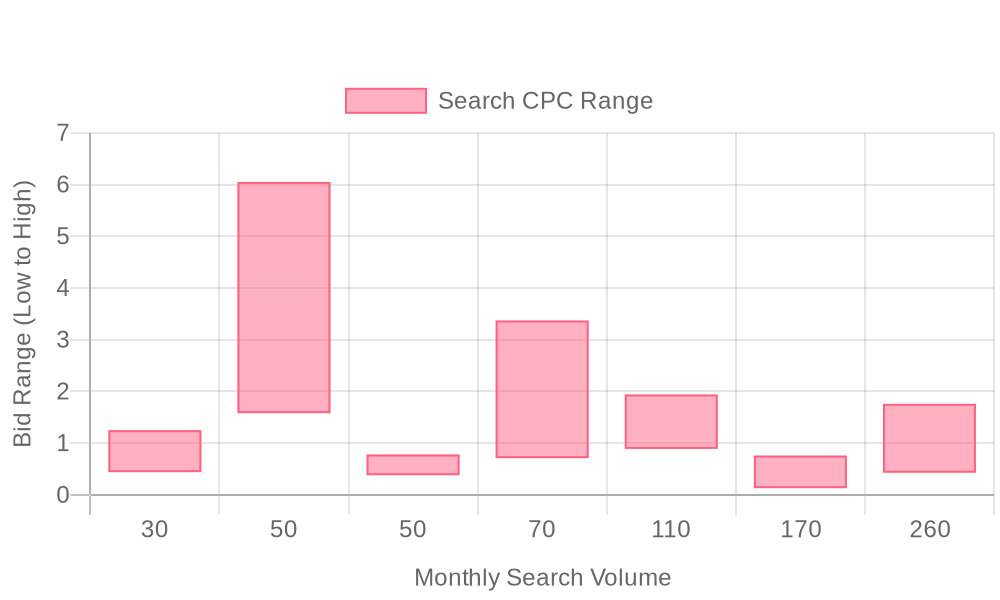
| Industry | Keyword | Monthly Search Volume | Competition Level | Low Bid | High Bid |
| China Repair Services | china porcelain repair | 30 | MEDIUM | 0.44 | 1.25 |
| China Repair Services | glass and china repair near me | 50 | LOW | 1.58 | 6.05 |
| China Repair Services | broken china repair | 50 | HIGH | 0.38 | 0.78 |
| China Repair Services | china restoration near me | 70 | LOW | 0.71 | 3.37 |
| China Repair Services | porcelain figurine repair near me | 110 | LOW | 0.89 | 1.94 |
| China Repair Services | discontinued china replacements | 170 | HIGH | 0.13 | 0.76 |
| China Repair Services | china repair near me | 260 | LOW | 0.43 | 1.76 |
Strategic keyword selection is the cornerstone of effective digital marketing for China repair services. By aligning campaigns with the actual language and intent of prospective customers, marketers ensure their ads reach high-value audiences at pivotal decision moments. Explore additional insights on keyword targeting in our marketing playbooks.
- Prioritize search intent: Focus on high-intent queries such as "repair services near me," "手机维修北京" (mobile repair Beijing), or "家电维修上海" (home appliance repair Shanghai) to match user needs precisely. This approach maximizes relevance and boosts click-through and conversion rates, especially in a market where language nuances and regional terms dictate search behavior.
- Implement negative keywords: Filter out irrelevant or low-converting search terms like "free repair tips" or competitor brand names. This tightening of scope reduces wasted spend and maintains campaign efficiency, ensuring every impression serves a purposeful audience.
- Develop culturally aligned lists: Curate keyword sets that reflect Chinese cultural preferences and comply with local regulations, including terms that resonate with trust, speed, and certified service. Avoid terms restricted by Google's policies for local services to keep campaigns compliant and uninterrupted.
- Optimize for regulatory compliance: Regularly audit and adjust keyword lists as policies evolve. Incorporating the latest regulatory and policy requirements prevents ad disapprovals and supports uninterrupted campaign delivery for China repair services marketing.
- Leverage real-time audience insights: Enrich keyword targeting by identifying which segments demonstrate the strongest in-market intent. Unified data platforms can surface granular insights, allowing marketers to shift budgets dynamically toward higher-converting accounts and continuously update keyword priorities as audience behavior shifts.
By integrating these tactics, China repair service providers can deploy highly targeted campaigns that minimize waste, maintain compliance, and capture market demand with precision. To streamline your digital marketing efforts, get started for free with Sona.
Step-by-Step Campaign Execution Framework
A structured campaign execution framework transforms inconsistent lead flow into predictable pipeline growth for China repair service businesses. Each step below addresses core friction points unique to this market, using advanced data and automation to maximize every digital interaction.
Step 1: Build Targeted Keyword Lists
Effective campaign foundations begin with hyper-targeted keyword selection. For China repair services, prioritize keywords by service type, geographic specificity, and language localization. This approach ensures your ads capture high-intent local search traffic, aligning with the way prospective clients search in both English and Chinese. Incorporate terms that reflect everyday needs, such as emergency repairs, specific device types, and popular city regions, to avoid missing high-value segments.
As leads interact with your site, Sona's Identity Resolution identifies the companies and decision-makers engaging with your content. By surfacing this granular visitor data, marketers can refine keyword lists in real time, doubling down on terms attracting enterprise buyers or high-lifetime-value accounts. This responsive feedback loop ensures your campaign budget consistently targets the most lucrative prospects. To ensure your ad campaigns comply with platform requirements, review this overview of Google Ads policies.
The upgrade most china repair services advertisers miss is going beyond raw keyword volume to layer in intent and identity signals. By connecting website-visitor data and CRM records with Sona Marketing Measurement, you can see which specific search terms bring in the accounts and customers that actually convert, and weight your keyword and bidding strategy toward those rather than the terms with the highest search volume alone.
Step 2: Develop Compelling Ad Copy
Ad copy must quickly differentiate your offering in a competitive, commoditized market. Emphasize service speed, warranty options, and technical certifications. Multilingual ad variants broaden appeal and increase conversion rates among diverse demographic groups. Calls to action should address urgency and convenience, such as rapid response or certified technicians on call.
As intent signals flow in from high-performing keywords, teams can dynamically adapt messaging to match in-market behavior. For example, as more commercial repair queries trend upward, ad copy can pivot to address business continuity and SLAs. Audience segments update automatically as users progress through the funnel, allowing for tailored messaging that resonates at every stage. For a community perspective on ad restrictions and best practices, explore this Reddit discussion about cellphone repair ads.
Step 3: Design Effective Landing Pages
Landing pages drive conversion when they feel locally relevant and frictionless. Use culturally appropriate visuals, trust signals, and language that matches visitor intent. Service request forms must be prominent and streamlined, especially for mobile users who dominate China's digital landscape. Add social proof and digital credentials to build instant credibility.
Integrating CRM and ad data, marketers can present the right offer to each visitor segment. For example, repeat visitors or identified business accounts can see expedited booking forms or custom repair packages. This real-time personalization reduces drop-offs and drives demo requests further down the funnel. For marketers looking to streamline segmentation and sync data, Sona's Destinations feature enables seamless, real-time audience activation across platforms. Learn more about the benefits of Local Services Ads for service businesses in this guide to Google Local Services Ads.
Step 4: Data-Driven Optimizations
Continuous optimization is essential for maintaining cost efficiency and maximizing ROI. Track conversions granularly, segmenting by campaign, keyword, device, and time of day. Use real-time analytics to spot underperforming ads and adjust bidding strategies to prioritize high-converting audiences.
Advanced platforms enable unified online and offline attribution, ensuring every phone call, email, and web form is properly credited. When CRM and ad data are synced, marketers can reallocate spend to audiences progressing toward closed-won stages, not just click-based engagement. As a result, budget is always invested in segments with the highest likelihood to generate qualified pipeline. For practical approaches, review these retargeting strategies tailored to B2B revenue teams. To see how you can implement these strategies in your own campaigns, get started for free with Sona.
Sona Marketing Measurement closes the gap between clicks and revenue. It captures every ad click with first-party measurement, ties that click through UTM capture and ad-platform APIs to the actual record in your CRM, and reports ROAS by keyword and campaign instead of by last-click form fill. Feeding that revenue signal back into Smart Bidding and Performance Max compounds over time: the algorithms optimize toward booked china repair services revenue, not cheap leads.
Tips on Expanding Your China Repair Services Presence
China repair services operate in a dynamic digital market where targeted visibility and brand trust are crucial for sustainable growth. Strategic expansion requires a blend of educational outreach, local partnerships, and refined targeting to overcome the challenges of fragmented audiences and strict Google Ads policies for local services.
- Promote educational content: Publishing detailed guides, troubleshooting videos, and repair tips positions your brand as a trusted authority and keeps users engaged far beyond a single ad click. This approach builds brand equity and increases retargeting opportunities, especially when your Google Ads audiences are dynamically updated as users interact with your content. Marketers using unified data platforms can identify which visitors are most engaged, allowing for more personalized follow-up and higher conversion rates.
- Explore partnerships with local platforms: Collaborating with established Chinese digital platforms extends your reach and ensures your ads are visible to the right segments across the entire market. These partnerships can help bypass common visibility and compliance issues that affect foreign brands. Integrating your audience and lead data across ad channels and CRMs ensures that local market insights are always incorporated into your broader campaign strategy, keeping your brand top-of-mind as prospects progress through the buyer journey.
- Use search data to refine targeting and content: Analyzing search intent and user behavior reveals which repair services are most in demand and highlights keyword gaps in your China repair services marketing. Real-time data helps you adjust ad spend to prioritize high-converting segments and optimize your messaging for each stage of the funnel. With advanced visitor identification and intent tracking, you can go beyond anonymous clicks to pinpoint which companies and individuals are actively researching repair solutions, leading to more efficient contact and higher ROI.
Beyond Google Ads: Winning the AI Answers China Repair Services Buyers Now Trust
Paid search captures demand at the moment someone types a query. But a fast-growing share of china repair services buyers no longer start at Google at all, they ask ChatGPT, Gemini, or Perplexity before they ever run a search, and Google's own AI Overviews increasingly summarize an answer above the traditional results. If your business isn't referenced in those AI answers, you're invisible at the exact moment buyers build their shortlist.
Sona AI Visibility shows where your business shows up across ChatGPT, Gemini, Perplexity, Google AI Overviews, and 10+ engines, and, much like a keyword report, which prompts actually send you buyers, so you can prioritize the ones that convert. Run the two together and you cover the entire buyer path: get cited where buyers research (AI Visibility), then prove which of that demand turns into booked revenue (Marketing Measurement).
Helpful resources
Conclusion
Advertising repair services in China rewards businesses that treat urgency, localization, and compliance as one connected system rather than separate checkboxes. The providers who win aren't necessarily the ones with the biggest budgets, but the ones who show up first when a customer's phone screen cracks or their refrigerator dies, and who can prove which of those moments actually turned into paying work.
As more buyers ask AI tools where to get something fixed before they ever open Google, the businesses that pair strong Search campaigns with visibility in those AI answers will be the ones building the durable pipeline. The rest will keep competing for the same shrinking pool of clicks.
FAQ
What are the specific Google Ads policies for China repair services?
Before launching a campaign, it's essential to review the Google Ads policies for local services to ensure compliance and avoid disapprovals.
How can I set up a successful Google Ads campaign for my China-based repair service?
Successful campaigns require precise keyword targeting, audience segmentation, optimized landing pages, and continuous performance optimization.
Are there any restrictions on advertising repair services in China through Google Ads?
Yes, it is important to adhere to Google Ads policies and local regulations to avoid disapprovals and ensure uninterrupted campaigns.
What are the best practices for targeting Chinese customers with Google Ads for repair services?
Best practices include using localized targeting, keyword strategies that reflect cultural nuances, and integrating CRM data for targeted advertising.
How do I comply with Google Ads policies while advertising my repair service in China?
Regularly review and adjust your campaigns based on Google Ads policies and local regulations to maintain compliance and avoid interruptions.







