


A microwave that stops heating rarely waits for a convenient time. Homeowners search for help within minutes of a breakdown, and facilities managers need a technician on-site before spoiled inventory or a shut kitchen becomes a bigger problem. Google Ads matches that urgency: it puts a repair business in front of someone the moment they type "microwave repair near me" or "emergency microwave repair," rather than waiting for them to discover the business some other way. Done well, it also connects that first click to what happens next, the scheduled visit, the completed job, so marketing spend can be judged by outcomes instead of guesses.
How to Generate Google Ads for Microwave Repair Services Leads: A Step-by-Step Guide
A successful Google Ads strategy for microwave repair services hinges on precise targeting, actionable insights, and continuous performance refinement. Marketers who pair granular search intent data with robust conversion workflows consistently outperform those relying on generic ad campaigns. This guide delivers a step-by-step playbook for integrating Google Ads into your appliance repair marketing mix, with a focus on maximizing qualified lead flow and driving predictable business growth. For a detailed walkthrough of campaign setup and optimization, see this comprehensive guide to Google Ads for appliance repair.
- Data-driven search approach: Effective lead generation starts by leveraging real-time search data to identify high-intent buyers. Marketers can prioritize ad spend to target users actively seeking microwave repair, using signals like device breakdown queries and local service intent. By integrating Sona's Identity Resolution, it becomes possible to identify not just anonymous website traffic but the companies behind those visits, arming sales teams with actionable lead details.
- Keyword targeting specific to service buyers: The foundation of high-ROI Google Ads for microwave repair services relies on keyword lists that reflect urgent, transactional search behavior. Campaigns should focus on phrases such as “emergency microwave repair,” “microwave not heating fix near me,” and “Samsung microwave technician.” For a curated list of high-performing industry keywords, explore top-performing home appliances keywords. When these lists are dynamically refined using intent signals, marketers can shift budget toward audiences most likely to convert, ensuring every click supports the business’s bottom line.
- Optimized landing pages for conversion: Landing pages must match ad copy and intent, offering immediate access to booking forms, transparent pricing, and proof of service expertise. Personalization based on Sona's Identity Resolution and search behavior increases relevance, turning more ad clicks into qualified leads. When connected to unified marketing platforms, landing page performance can be mapped not just to online form fills but to calls, appointments, and offline service completions, giving a true read on ROI.
- Performance tactics for improved ROI: Consistent success with Google Ads for microwave repair means deploying tactics like audience segmentation, bid adjustments by geographic heatmap, and conversion-optimized ad assets. Advanced conversion tracking brings together both digital and offline sales outcomes, allowing marketers to allocate spend to the highest-yielding channels and campaigns. For practical ideas to boost marketing ROI, review these appliance repair business profitability tips.
- Cross-channel integration for broader impact: The most effective microwave repair advertising strategies sync Google Ads audiences with CRM and sales data, enabling remarketing and lead nurturing across channels. As leads progress through the funnel, audience lists automatically update, ensuring only the most engaged prospects receive high-value follow-up offers. This closed-loop approach not only boosts conversions but also delivers a seamless customer experience that supports brand loyalty and repeat business.
This playbook is designed for marketers and service professionals who want to generate microwave repair leads efficiently while maximizing every marketing dollar. By aligning keyword targeting, ad creative, and conversion workflows with real-time intent signals and unified data, revenue teams can transform online advertising for appliance repair into a scalable engine for growth. Ready to see how Sona can help you streamline your lead generation? Get started for free with Sona.
Why does Google Ads matter for Microwave Repair Services?
Microwave repair services require agile marketing that captures urgent demand, surfaces high-value leads, and adapts to shifting local needs. Google Ads enables repair businesses to reach decision-makers at the exact moment they are searching for solutions, outperforming traditional channels where intent is often unclear or delayed. This immediate access to in-market prospects creates a direct path between online search and booked service calls, while Sona's Identity Resolution identifies not just anonymous visitors but the actual companies most likely to convert.
- Complex Audiences: Google Ads excels in targeting individuals actively seeking microwave repair, from homeowners to facilities managers. By enriching audience data, marketers can move beyond generic demographic segments to engage high-potential accounts, tailoring messaging for each decision-maker’s needs. Modern platforms augment this by pinpointing the companies behind website visits, allowing for precision retargeting and nurturing that boosts conversion rates.
- High-Value Services: For microwave repair businesses, every high-margin repair or maintenance contract is critical to growth. Google Ads connects these services to prospects who may not be in your established funnel but are demonstrating intent through their search behavior. Using intent-based insights, it becomes possible to prioritize and nurture the most valuable leads, whether they’re searching for urgent repairs or evaluating service providers for ongoing maintenance contracts.
- Rapid Demand Response: Microwave breakdowns are time-sensitive, and Google Ads provides the flexibility to ramp up visibility as local demand spikes. Automated workflows and follow-up systems ensure that leads generated during these peaks are engaged swiftly, reducing lag and increasing the likelihood of winning the job. Real-time data lets marketers shift budget to high-intent accounts the moment they appear, maximizing ROI during critical windows. For a comprehensive overview of setting up and optimizing Google Ads campaigns for appliance repair businesses, review this Google Ads for appliance repair guide.
- Regional Visibility: Google Ads’ geographic targeting capabilities allow microwave repair businesses to focus campaigns on underserved neighborhoods or new service areas. This approach unlocks market share in regions that may be overlooked by conventional marketing, driving steady business growth without wasted spend. Dynamic audience updates ensure that as new leads emerge or move through the funnel, advertising reach adjusts automatically for ongoing relevance.
- Integrated Analytics: Comprehensive analytics in Google Ads enable microwave repair marketers to track every touchpoint, from online ad click to completed service call. Closed-loop measurement, including offline conversion tracking, reveals the true ROI of each campaign and helps attribute even phone-based bookings back to specific ads and audiences. When these insights are synced with CRM and revenue systems, teams gain a unified view of performance and can optimize all channels based on real-world outcomes. For more best practices, explore our blog.
Common Types of Google Ads Campaign for Microwave Repair Services

- Search Campaigns: These campaigns allow microwave repair businesses to intercept high-intent buyers at the precise moment they search for solutions. Advanced segmentation enables creation of ad groups for specific repair types, common brand issues, or urgent service queries, ensuring budget aligns with the most likely to convert prospects. With enriched audience data, marketers can identify not just anonymous clicks but the actual companies or individuals behind each engagement, focusing efforts on accounts already showing purchase intent. For a detailed overview of how to set up and optimize Google Ads for appliance repair businesses, check out this comprehensive guide.
- Display Ads: Display advertising keeps your brand visible across relevant websites, reinforcing awareness among homeowners or facility managers researching appliance issues. Custom creative and contextual placements ensure each ad matches the interests and behaviors of your ideal audience. By integrating real-time behavioral insights, you can direct spend toward segments that have shown recent interest in microwave repair, increasing efficiency and relevance.
- Video Ads: Video campaigns bring repair services to life, educating prospects on technical capabilities or demonstrating before-and-after outcomes. This approach is invaluable for explaining the complexity of modern microwaves or building trust with visual proof of expertise. Real-time engagement data allows marketers to optimize for viewers who interact or watch to completion, prioritizing future outreach to those with true buying signals.
- Remarketing: Remarketing campaigns reconnect with visitors who previously interacted with your site but did not convert, providing a second chance to win their business. With integrated CRM data, remarketing lists can dynamically update as leads move between research, quote, or booking stages, ensuring messaging adapts to each prospect’s funnel position. This seamless sync between ad audiences and sales pipelines turns passive website browsers into qualified microwave repair leads.
- Assets: Ad assets add critical context to search ads, such as business location, technician certifications, or average response times. These additions foster trust and credibility within seconds, addressing common barriers to conversion. By linking conversion data, marketers can measure which assets directly drive calls, appointments, or in-person visits, closing the loop on campaign ROI and enabling precise optimization for microwave repair business growth.
Where to Find Growth Opportunities in Microwave Repair Services?
Microwave repair businesses can accelerate growth by going beyond standard channels and embracing a data-driven, highly targeted digital marketing approach. Identifying untapped segments and aligning advertising with actual buyer intent ensures that every marketing dollar is focused on accounts with the highest potential to convert. For more expert insights on B2B marketing analytics and attribution, explore the Sona blog.
- Target specialty keywords: Expanding beyond generic phrases like “appliance repair” to include detailed, intent-driven search terms such as “Samsung microwave not heating” or “emergency microwave repair near me” increases relevance and reach. Monitoring visitor behavior on these keywords uncovers which repair needs are trending and what motivates prospects to engage. This level of insight supports more personalized messaging in both organic content and pay-per-click (PPC) for microwave services, increasing engagement and conversion rates. Access a list of top-performing keywords for the home appliance industry to further refine your campaigns.
- Use auction insights for competitor gap analysis: Reviewing auction data within Google Ads for Microwave Repair Services helps reveal where competitors are under-invested or absent. By layering this with first-party intent data on high-value accounts, marketers can prioritize spend where others are missing out. When marketers leverage platforms that connect web activity to company-level intent, they can identify which targeted accounts are actively researching solutions and allocate budget accordingly, capturing high-value microwave repair leads before competitors can respond.
- Utilize industry placements where organic content lacks: When SEO alone cannot secure visibility in competitive local markets, supplementing with paid placements on relevant industry sites or directories ensures the microwave repair business remains top-of-mind. These channels can be further refined with precise audience intelligence that pinpoints high-intent commercial and residential prospects, allowing for more nuanced campaign segmentation and improved ROI.
- Retarget using whitepapers or instructional content: Not all visitors convert immediately, especially in B2B or commercial repair scenarios. Retargeting campaigns that use educational assets, such as downloadable maintenance guides or video tutorials, address specific pain points and nurture prospects through the decision process. For actionable strategies, see this comprehensive guide to Google Ads for appliance repair businesses. Advanced platforms streamline this process by dynamically updating remarketing audiences as leads engage with new content or progress through the buying journey, ensuring that messaging always aligns with current interest and stage.
Growth-focused microwave repair service providers who centralize their audience insights, intent data, and conversion tracking can precisely attribute results to specific campaigns and adjust strategies in real time. Syncing enriched contact data and lead status directly into advertising and CRM tools ensures that sales and marketing are always aligned on the next best action, shortening the path from search to service call and maximizing the impact of every marketing dollar. To see how you can streamline these processes and grow your business, get started for free with Sona.
How to Apply Audience Segmentation for Microwave Repair Services

Microwave repair businesses can maximize campaign efficiency by deploying granular audience segmentation tailored to each customer journey stage. Segmentation enables advertisers to focus budget and messaging on audiences most likely to convert, driving up both lead quality and overall ROI in a competitive market for microwave repair leads. For more expert insights, visit our marketing analytics blog.
- Define Segments: Segmenting audiences starts with differentiating residential clients from commercial properties based on enriched data such as device usage patterns, company size, or frequency of service requests. Visitor-level insights allow marketers to identify not just who is browsing, but what type of service they are most likely to require, such as a family in need of urgent microwave repair or a foodservice franchise seeking ongoing appliance maintenance. By moving beyond anonymous web traffic, marketers can pinpoint key accounts and prioritize high-value lead sources.
- Apply Intent Signals: Mapping user intent signals to these segments is crucial for optimizing both Google Ads for Microwave Repair Services and broader appliance repair marketing. For actionable strategies specific to this vertical, explore this Google Ads for appliance repair guide. Real-time behavioral data empowers teams to shift spend toward audiences demonstrating in-market activity, ensuring that budget is allocated to the prospects with the greatest revenue potential.
- Create Segment-Specific Ad Groups: Custom ad groups for each segment enable precise messaging and tailored offers, maximizing both click-through and conversion rates. Residential audiences can be targeted with emergency service messaging and flexible appointment options, while commercial targets may receive volume discounts or scheduled maintenance plans. Budgets can be dynamically adjusted as segments move from research to purchase, with Sona automatically updating audiences to reflect the latest engagement or CRM data.
- Verify Conversion Paths: Ensuring conversion tracking accuracy is essential for attributing revenue to the correct audience segment. Integrating online and offline data, such as phone calls, web forms, and field service appointments, into a unified CRM and marketing platform closes the loop between ad spend and actual business outcomes. This approach allows advertisers to measure true ROI on their microwave repair service promotion efforts, while also identifying which segments and campaigns consistently drive the highest-value customers. By syncing enriched audiences and converted leads directly into Google Ads and sales platforms, marketers streamline follow-up and fuel ongoing microwave repair business growth.
This is also where measurement changes the economics. With Sona Marketing Measurement you can identify the companies and buyers behind your ad clicks, not just anonymous sessions, and segment audiences by who actually becomes a customer. That lets you build bid adjustments and audience signals around the segments that convert and de-prioritize the ones that don't, so you feed Google's algorithms "this click became a paying microwave repair services customer" instead of just "someone filled out a form."
Keyword Strategy & Sample Target Terms
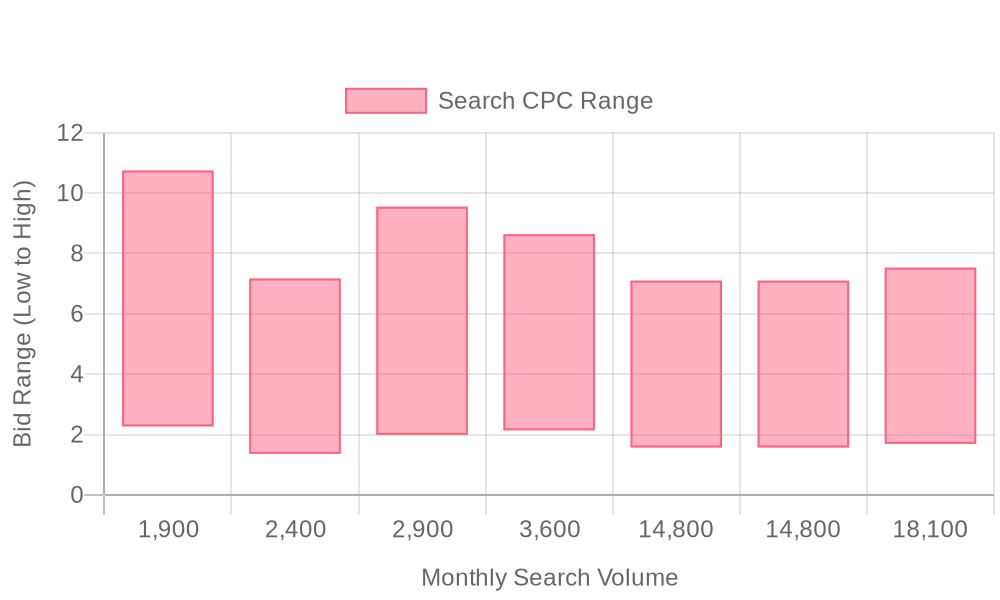
| Industry | Keyword | Monthly Search Volume | Competition Level | Low Bid | High Bid |
| Microwave Repair Services | ge microwave repair near me | 1900 | MEDIUM | 2.27 | 10.75 |
| Microwave Repair Services | microwave repair services | 2400 | LOW | 1.36 | 7.17 |
| Microwave Repair Services | ge microwave repair | 2900 | LOW | 1.99 | 9.55 |
| Microwave Repair Services | samsung microwave repair | 3600 | LOW | 2.14 | 8.64 |
| Microwave Repair Services | microwave repair near me | 14800 | MEDIUM | 1.57 | 7.1 |
| Microwave Repair Services | microwave oven repair near me | 14800 | MEDIUM | 1.57 | 7.1 |
| Microwave Repair Services | microwave repair | 18100 | LOW | 1.69 | 7.53 |
Effective keyword strategy is the linchpin of microwave repair service promotion and PPC for microwave services. While social channels drive broad awareness, Google Ads for Microwave Repair Services excels at surfacing your business at the precise moment customers are ready to book repairs. By leveraging high-intent search activity, marketers move beyond passive reach to intercept prospects when their purchase intent peaks, capturing demand that is both urgent and actionable.
- Precision Targeting: Capture decision-makers in their critical moment of need by segmenting audiences based on real-time visitor cues. With Sona's Identity Resolution, marketers can identify not only anonymous site traffic but also specific companies and high-value accounts searching for microwave repair. This enables targeted bidding and messaging, directly engaging those who have signaled clear intent to hire, such as users searching for "microwave repair near me" or "emergency microwave not heating service."
- Measurable ROI: Trace every click and interaction to revenue outcomes through Sona's Ad Conversions. Integrating online and offline attribution ensures marketers can precisely measure which keywords and ad groups drive actual service bookings, not just web traffic. By syncing conversion data across Google Ads, CRM, and analytics platforms, teams can optimize spend according to true pipeline impact, closing the loop between ad engagement and closed repair deals.
- Channel Synergy: Retarget and nurture prospects across the entire buying journey, regardless of where their first touch occurred. Sona's Audiences enables seamless cross-platform retargeting as leads engage with content or move through the funnel. For instance, someone who engaged with a Google Ad for a "Samsung microwave repair" but did not convert can be automatically added to a custom audience for follow-up offers on social platforms or receive timely reminders if they revisit your site. This holistic approach ensures no high-intent lead falls through the cracks, maximizing every opportunity for microwave repair business growth.
Keyword data extracts:
High-intent terms are essential for bottom-funnel maximization. By prioritizing signals like “microwave repair same day,” “local microwave repair service,” and “microwave repair emergency,” marketers can target prospects closest to booking. Local intent keywords such as “microwave repair near me” and “microwave technician [city]” ensure ads surface when potential customers are actively seeking a nearby provider. Segmenting keywords by search volume and competition allows for strategic bidding, with high-volume, high-competition phrases receiving premium bids, while long-tail variants like “GE microwave not heating fix” provide efficient options for capturing niche, ready-to-convert searches. These data-driven practices set the foundation for competitive positioning in microwave repair lead generation and online advertising for appliance repair.
Step-by-Step Campaign Execution Framework for Microwave Repair Services
A precise, data-driven campaign execution framework is essential for microwave repair services aiming to outperform in competitive local search markets. Each step in this framework is designed to maximize qualified traffic, convert high-intent leads, and deliver measurable business growth for appliance repair marketing teams. To further explore strategic frameworks for service-based marketing, visit the Sona blog for actionable insights.
Step 1: Build Targeted Keyword Lists
Effective keyword clustering is the foundation of every high-converting Google Ads strategy for appliance repair. Grouping keywords by repair type and local identifiers, such as “microwave not heating downtown” or “urgent microwave repair near me”, enables advertisers to capture diverse, intent-rich search traffic. For an actionable overview of top-performing keywords in the appliance repair industry, review this list of high-impact appliance repair PPC keywords. Long-tail keywords and symptom-oriented queries further differentiate campaigns, helping to address specific customer needs at every stage of the decision journey. This granular approach also supports more refined Google Ads targeting for repair services, reducing wasted spend.
Negative keywords play a pivotal role in traffic refinement. By excluding terms like “DIY,” “parts only,” or unrelated appliance brands, marketers ensure ads are only shown to prospects with a true service need. Advanced solutions empower revenue teams to track which keyword clusters actually drive qualified leads or conversions, enabling ongoing optimization of keyword lists according to real-time audience interactions and shifting market demand.
The upgrade most microwave repair services advertisers miss is going beyond raw keyword volume to layer in intent and identity signals. By connecting website-visitor data and CRM records with Sona Marketing Measurement, you can see which specific search terms bring in the accounts and customers that actually convert, and weight your keyword and bidding strategy toward those rather than the terms with the highest search volume alone.
Step 2: Develop Compelling Ad Copy
Crafting ad copy that speaks directly to customer pain points is vital for microwave repair service promotion. Headlines such as “Same-Day Microwave Repair by Certified Experts” or “Get Your Microwave Fixed Today, Free Diagnostic Included” speak to urgency and expertise, which drive higher engagement. For a comprehensive guide to optimizing ad copy and campaign structure, explore these Google Ads strategies for appliance repair leads. Incorporating trust markers, like industry certifications, local ratings, and verified review counts, helps reassure potential customers and differentiate the service from less credible options.
Strategic use of incentives, such as “No Service Fee with Repair” or “Instant $20 Off for New Customers,” can further motivate action and improve click-through rates. With advanced data capture, marketers can identify which ad variations drive the most conversions across audience segments and continuously refine messaging for each micro-market. Leverage intent signals to ensure that the ad experience remains relevant, personalized, and conversion-focused as market dynamics evolve.
Step 3: Design Effective Landing Pages
Conversion-optimized landing pages are critical to turning ad clicks into booked appointments for microwave repair leads. Maintaining strict alignment between the selected keyword, the ad’s promise, and the landing page content ensures higher Quality Scores and improved conversion odds. For inspiration on building high-converting landing experiences, review this comprehensive Google Ads guide for appliance repair. For instance, a search for “GE microwave not working in Brooklyn” should seamlessly lead to a page that highlights GE expertise, local service availability, and a clear call to action.
Incorporating proof elements like real-time ROI calculators, before-and-after photos, and customer testimonials appeals directly to decision-makers seeking transparency and trust. Modern platforms enable marketers to integrate landing pages with CRM systems, allowing enriched lead data and engagement signals to flow directly into sales pipelines. This integration helps teams track the performance of each campaign down to the actual booked job, closing the loop between online advertising for appliance repair and real-world revenue.
Step 4: Implement Data-Driven Optimizations
Continuous improvement is essential for maximizing ROI in PPC for microwave services. Smart bidding strategies, informed by audience behavior and granular engagement data, help advertisers allocate budget to the highest-converting segments and moments. For advanced tips on optimizing campaigns and tracking conversions, explore these data-driven Google Ads optimizations for appliance repair.
A/B testing of core campaign elements, such as ad headlines, value propositions, landing page layouts, and audience segments, enables rapid iteration and learning. Integrating online and offline conversion data allows teams to accurately measure the true impact of each campaign, from initial search to service completion. As audiences move through the funnel, dynamic audience syncing ensures remarketing efforts reach only those prospects most likely to convert, driving more efficient microwave repair business growth across all stages of the buyer journey.
Sona Marketing Measurement closes the gap between clicks and revenue. It captures ad clicks with first-party tracking, ties that click through UTM capture and ad-platform APIs to the actual record in your CRM, and reports ROAS by keyword and campaign instead of by last-click form fill. Feeding that revenue signal back into Smart Bidding and Performance Max compounds over time: the algorithms optimize toward booked microwave repair services revenue, not cheap leads.
Tips on Expanding Your Microwave Repair Services Presence
Expanding your microwave repair services presence requires continuous investment in both customer education and strategic digital touchpoints. Proactive teams leverage every interaction to reinforce brand expertise and streamline the path from initial research to service booking. For more insights on optimizing digital marketing for appliance repair, explore this comprehensive Google Ads guide for appliance repair businesses.
- Cross-promote educational content in retargeting to reinforce brand authority: Incorporating informative guides, troubleshooting checklists, and explainer videos into your ad retargeting cycles addresses the most common customer concerns while positioning your business as the trusted resource in microwave repair. With unified visitor tracking that identifies who’s returning and what content they engage with, marketers can tailor retargeting sequences to match each user’s knowledge level, ensuring educational assets always reach the right audience at the right moment. This approach not only elevates click-through and engagement rates but also accelerates the move from research to inquiry, as more educated prospects are primed to convert.
- Upsell through segmented CRM data audiences to nurture deeper relationships: Sophisticated audience segmentation enables businesses to target existing customers with relevant service upgrades, warranty extensions, or multi-appliance maintenance packages. When CRM and advertising data are synced seamlessly, updated audience lists automatically fuel Google Ads campaigns, ensuring offers are always current and tailored to customer lifecycle stages. As leads progress, such as moving from a recent repair to a long-term maintenance contract, dynamic audience updates keep messaging aligned with their needs, increasing upsell rates and long-term customer value.
- Localize by regions to increase voice share, capitalizing on regional interest data: Customizing campaigns around regional search trends and service demand unlocks competitive advantages in local markets. Data-driven location targeting, informed by real-time search intent and engagement patterns, ensures higher ad relevance and better budget allocation. Combining regional insights with dynamic ad creatives and location-specific landing pages delivers a tailored experience that resonates with local customers, boosting both visibility and conversion rates for microwave repair leads.
Mastering Google Ads for microwave repair services involves precise keyword targeting, audience segmentation, high-converting creative touchpoints, and ongoing optimizations powered by live data. Sona's buyer journey tracking helps providers discern high-intent interactions that drive consistent qualified leads. Cross-channel strategies make this measurable channel one piece of a larger marketing effort, supporting steady growth and visibility for the business.
Beyond Google Ads: Winning the AI Answers Microwave Repair Services Buyers Now Trust
Paid search captures demand at the moment someone types a query. But a fast-growing share of microwave repair services buyers no longer start at Google at all, they ask ChatGPT, Gemini, or Perplexity before they ever run a search, and Google's own AI Overviews increasingly summarize an answer above the traditional results. If your business isn't referenced in those AI answers, you're invisible at the exact moment buyers build their shortlist.
Sona AI Visibility shows where your business shows up across ChatGPT, Gemini, Perplexity, Google AI Overviews, and 10+ engines, and, much like a keyword report, which prompts actually send you buyers, so you can prioritize the ones that convert. Run the two together and you cover the entire buyer path: get cited where buyers research (AI Visibility), then prove which of that demand turns into booked revenue (Marketing Measurement).
Helpful resources
Conclusion
The businesses winning microwave repair leads today are the ones treating Google Ads as a measurement problem, not just a bidding problem. Keyword targeting and ad copy get a prospect to click; knowing which of those clicks became a paid service call is what lets a shop spend less to win more of them next quarter.
As AI-driven search reshapes how buyers find a technician, pairing tight Google Ads execution with real conversion measurement is what will separate microwave repair shops that scale from those that just spend. Start for free to see it working on your own campaigns.
FAQ
What are the best keywords for microwave repair Google Ads?
Effective keywords for microwave repair Google Ads include phrases like 'emergency microwave repair,' 'microwave not heating fix near me,' and 'Samsung microwave technician,' which reflect urgent, transactional search behavior.
How can I create effective Google Ads for my microwave repair service?
To create effective Google Ads for microwave repair services, focus on precise targeting using high-intent keywords, optimized landing pages, and performance tactics such as audience segmentation and bid adjustments.
What budget should I allocate for Google Ads in microwave repair?
The budget for Google Ads in microwave repair should prioritize high-intent audiences identified through real-time search data, ensuring that ad spend targets users actively seeking repair services.
How do I measure the success of my Google Ads campaigns for microwave repair?
Success can be measured by tracking ROI from ad clicks to service scheduling, using conversion tracking to link online interactions with offline sales outcomes and adjusting campaigns based on performance data.
What are common mistakes to avoid in Google Ads for appliance repair?
Common mistakes include relying on generic ad campaigns without precise targeting, neglecting landing page optimization, and failing to integrate conversion tracking to measure true ROI.







