


A parent searching for tonight's dinner options and a local business deciding where to route its year-end giving both start the same way now: with a Google search. Google Ads lets a food bank meet each of them at that instant, whether the query is "food pantry near me tonight" or "corporate food drive sponsorship." For organizations that depend on year-round donor renewal and can spike hard around holidays and emergencies, that timing advantage matters more than in almost any other category. This guide walks through practical steps for using Google Ads to reach donors, volunteers, and neighbors in need, including how to identify real intent, target the right audiences, and measure what actually converts.
How to Generate Charity Food Bank Leads with Google Ads: A Step-by-Step Guide
Charity food banks operate in a highly mission-driven sector where every digital touchpoint can translate into tangible community impact. Digital paid search, when executed with precision, becomes a direct line to supporters, donors, and volunteers actively searching for ways to help. Explore resources for nonprofits to access support tools and guidance while building your food bank's digital presence.
Modern campaign strategies leverage deep intent data, ensuring each ad dollar is allocated toward high-propensity keywords that surface real decision-makers. By focusing on advanced targeting and continuous optimization, food banks can outperform legacy outreach methods and extend their reach to those who are ready to engage or contribute. For more actionable tips, visit our main blog.
- Data-Driven Paid Search: Today's food bank marketing strategies demand more than guessing at keywords. Marketers can harness enriched data to identify the exact search terms used by potential donors, volunteers, and beneficiaries, from "food bank donation near me" to "volunteer at local food pantry" to more urgent, seasonal queries around holidays and school breaks when need spikes. Solutions that bridge the gap between anonymous search traffic and company-level identification empower teams to prioritize outreach toward organizations showing verified intent, such as businesses researching sponsorship or corporate giving.
- Targeting Strategies: Anonymous web traffic often leads to wasted impressions and missed opportunities. By enriching Google Ads' custom intent and affinity audiences with business and demographic attributes, food banks can direct their campaigns to local supporters and organizations most aligned with their mission. Audience enrichment tools can pinpoint not just high-fit households, but also identify companies likely to sponsor food drives or organize volunteer days. Pairing that with company-level identification of website visitors lets teams reallocate budget quickly toward organizations already showing engagement, rather than waiting for a form fill.
- Conversion-Focused Landing Pages: The path from ad click to action must be seamless. Aligning ad copy with landing page messaging ensures visitors are greeted with the exact value proposition promised in the ad. Actionable insights from unified campaign data allow for iterative adjustments, such as headline testing or dynamic content swaps, to maintain engagement and boost conversion rates. Advanced tracking can even tie form submissions or donation completions to specific ad groups, revealing which messages drive the highest-quality leads.
- Performance Monitoring: Continuous optimization separates high-performing campaigns from those that underdeliver. Real-time analytics dashboards surface which keywords, creatives, and audiences convert most efficiently, enabling swift adjustments. When integrated with solutions capable of syncing online and offline conversion data, food banks gain full-funnel attribution, measuring not just clicks, but true impact on donations, volunteer signups, and event attendance. Responsive teams can act immediately on surges in interest, rather than letting high-intent leads slip away.
- Cross-Platform Integration: Food bank outreach rarely happens on a single channel. The most effective strategies connect Google Ads with email, social media, and CRM systems for a unified, data-driven growth engine. Marketers can leverage dynamic audience updates, automatically excluding recent donors from repeat appeals or triggering retargeting for those who visit the volunteer page but don't convert. Seamless CRM and ad platform syncing ensures every touchpoint is informed by the latest engagement data, reducing inefficiencies and maximizing every dollar spent.
By weaving together intent data, dynamic targeting, and unified measurement, food banks can elevate their Google Ads programs from simple outreach to a high-performance lead generation engine that delivers measurable community results. Get started for free with Sona.
Why Does Google Ads Matter for Charity Food Banks
Charity food banks operate in an environment where timing and visibility can dictate the success of fundraising drives, volunteer recruitment, and outreach initiatives. Capturing attention at the precise moment when an individual or business feels compelled to support a local cause can accelerate impact and ensure resources reach those who need them most.
- Local and Immediate Engagement: Google Ads empowers charity food banks to connect directly with individuals and organizations actively seeking to donate, volunteer, or participate in local food drives. Integrated campaign structures outperform disjointed efforts, delivering cohesive messaging that increases the likelihood of engagement and long-term support. With visitor identification tools, marketers can move beyond anonymous website traffic, enabling food banks to pinpoint which companies or individuals are expressing real interest.
- Enhanced Visibility: Competing for donor attention is a persistent challenge. Google Ads elevates food banks as premier choices in search results, ensuring their mission stands out when people search for ways to help their community. By leveraging real-time intent data, revenue teams can shift budget and focus toward in-market prospects, maximizing the impact of every campaign impression and reducing wasted spend on low-intent audiences.
- Immediate Results: The speed at which Google Ads generates visibility provides food banks with a vital edge during high-urgency periods such as giving seasons or emergency appeals. Unlike slow-building organic tactics, targeted ads deliver immediate engagement, allowing teams to capitalize on trends and spikes in charitable intent. Dynamic audience capabilities keep messaging relevant as supporters move through different stages of engagement, improving conversion rates and ROI.
- Budget Efficiency: Through programs like Google Ad Grants, food banks gain access to nonprofit advertising credits, allowing them to advertise at no cost while focusing precious resources on mission-critical initiatives. Advanced campaign management platforms can synchronize enriched audience data from CRM systems into Google Ads, ensuring that marketing spend is directed toward verified, high-value leads. For more strategies to maximize marketing impact, explore our marketing analytics blog.
Ready to increase your food bank's visibility and efficiency? Get started for free with Sona.
Common Types of Google Ads Campaigns for Charity Food Bank Promotions

- Search Campaigns: These campaigns connect your food bank with people actively searching for ways to donate, volunteer, or support local hunger relief. Capturing this high-intent audience eliminates wasted spend on passive contacts and ensures every ad dollar is directed at those most likely to take action. By integrating intent data and visitor identification, revenue teams can pinpoint not just anonymous clicks but real organizations and individuals expressing genuine interest, allowing for more informed follow-ups and increased campaign efficiency.
- Display Ads: Display placements extend your reach to relevant audiences as they browse news, blogs, and community sites, keeping your food bank top-of-mind. This always-on visibility is essential for nurturing future donors and volunteers who may not be searching proactively. Dynamic audience capabilities ensure that as new contacts engage with your content or website, they are automatically added to your display campaigns, reducing the risk of letting prospective supporters slip through the cracks.
- Video Ads: Video formats offer a compelling way to showcase the impact of your food bank's mission and highlight success stories. Emotional storytelling through video has proven to increase engagement and drive conversions, especially when paired with precise audience targeting. Advanced analytics and real-time engagement signals allow teams to quickly identify which viewers are most likely to convert, shifting budget toward high-performing segments and maximizing return on ad spend.
- Remarketing: Remarketing campaigns allow you to re-engage past donors, event attendees, or website visitors with tailored messaging, encouraging repeat support. By syncing CRM and offline donation data, you can target individuals who are already familiar with your food bank and deliver highly relevant calls to action. For nonprofits developing food assistance campaigns, the nonprofit resources hub offers additional guidance and tools to streamline your efforts.
- Assets: Ad assets enrich your search ads with additional details such as location, hours, and direct links to donation or volunteer sign-up pages. This added information streamlines the user journey, making it easier for supporters to find what they need and take action quickly. Assets also support robust attribution by linking online engagement directly to offline outcomes, helping you measure the true impact of every campaign.
Keyword Strategy & Sample Target Terms
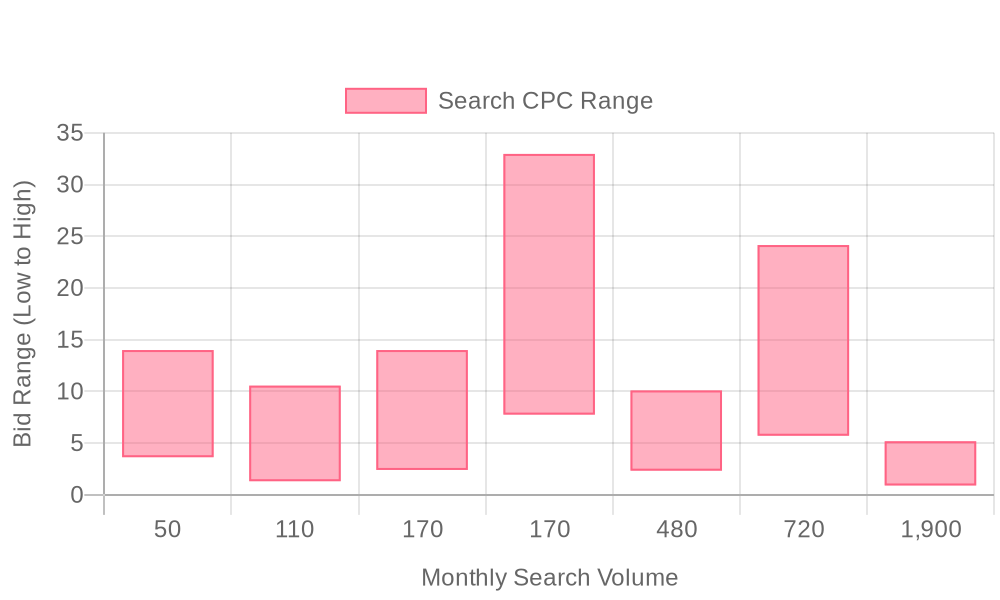
| Industry | Keyword | Monthly Search Volume | Competition Level | Low Bid | High Bid |
| Charity Food Bank | st john donation | 50 | LOW | 3.64 | 14 |
| Charity Food Bank | feeding america org | 110 | LOW | 1.32 | 10.56 |
| Charity Food Bank | charity food bank | 170 | LOW | 2.41 | 14 |
| Charity Food Bank | leket israel donate | 170 | HIGH | 7.76 | 32.96 |
| Charity Food Bank | feeding america charity | 480 | LOW | 2.34 | 10.09 |
| Charity Food Bank | food charity | 720 | LOW | 5.72 | 24.15 |
| Charity Food Bank | feeding america near me | 1900 | LOW | 0.91 | 5.18 |
A robust keyword strategy is fundamental for any food bank aiming to maximize the value of Google Ad Grants for food banks and related nonprofit advertising credits. Prioritizing high-intent keywords ensures that every advertising dollar works to attract donors, volunteers, and those seeking food support, while aligning with the organization's mission.
- Primary Keywords: Focus on terms such as "Google Ad Grants for food banks" and "nonprofit advertising credits." These capture searchers who are actively exploring funding and promotional opportunities specific to food banks and nonprofit organizations.
- Long-tail Keywords: Integrate phrases like "free Google Ads for nonprofits" and "increase food bank visibility" to reach users with specific needs or intent, from grant applicants to local outreach coordinators seeking practical marketing solutions.
- Negative Keywords: Proactively filter out unrelated search terms by adding negative keywords. This approach prevents wasted spend on irrelevant clicks and keeps your budget concentrated on prospects genuinely interested in food security initiatives.
By leveraging these keyword categories throughout your digital strategy, you ensure that high-value prospects, donors, volunteers, and beneficiaries, are consistently engaged. When keywords are unified with CRM data and real-time audience insights, marketers can dynamically update campaigns as engagement journeys evolve, ensuring that outreach adapts to real-time intent and maximizes campaign ROI. Consistent keyword analysis and adjustment, especially when paired with visitor identification, help your food bank stay ahead of shifting search behavior trends and maintain a strong presence where it matters most. To see how these strategies can work for your organization, get started for free with Sona.
Step-by-Step Campaign Execution Framework
A strategic campaign framework is essential to maximize the impact of Google Ads for Charity Food Bank initiatives. Modern B2B teams leverage precision targeting, real-time intent signals, and holistic data unification to ensure every ad dollar delivers measurable value. Success hinges on identifying high-intent donors, volunteers, and supporters, turning search intent into real-world impact.
Step 1: Build Targeted Keyword Lists
- Cluster by donation types: Segment keywords into groups reflecting charitable actions, such as "donate food," "monetary gifts," or "volunteer at food bank." This approach uncovers specific intent and aligns ad creative with audience motivation.
- Geo-targeting with local modifiers: Add city, region, or neighborhood names to keywords. This ensures outreach to audiences most likely to engage, reducing wasted spend and connecting with community members ready to act.
- Apply negative keywords: Exclude irrelevant search terms to focus budget on high-value prospects. This step refines targeting, keeps costs in check, and elevates campaign efficiency.
Unifying campaign data with advanced platforms enables teams to identify anonymous site visitors, revealing which companies or individuals are actively searching for food bank support or collaboration. This insight allows for proactive outreach and timely engagement with high-potential leads. Nonprofits can also benefit from the resource hub for nonprofits addressing food insecurity when planning food assistance campaigns.
The upgrade most charity food bank advertisers miss is going beyond raw keyword volume to layer in intent and identity signals. By connecting website-visitor data and CRM records with Sona Marketing Measurement, you can see which specific search terms bring in the accounts and customers that actually convert, and weight your keyword and bidding strategy toward those rather than the terms with the highest search volume alone.
Step 2: Develop Compelling Ad Copy
- Empathy-driven headlines: Craft ad copy that resonates with the emotional drivers of donors and volunteers. Messaging should reflect urgent needs and impactful outcomes, fostering a genuine connection with prospects.
- Mission-centric trust signals: Integrate proof points, such as testimonials, impact metrics, or accreditations. These elements build credibility and increase response rates.
- Real-time incentives: Highlight matching campaigns, urgent donation needs, or volunteer drives to create a sense of immediacy and motivate action.
With access to real-time intent signals, marketing teams can dynamically update ad copy based on the latest audience behaviors and market conditions. This ensures messaging remains relevant and tailored, supporting higher conversion rates even as audience priorities shift. For more campaign best practices, visit our main blog.
Step 3: Design Effective Landing Pages
- Ad-to-page alignment: Ensure each landing page reflects the promise of its ad, using consistent messaging and visuals to reduce friction and confusion. This alignment increases engagement and drives conversions.
- Impact stories and CTAs: Feature donor testimonials, stories of beneficiaries, and clear calls to action. These elements deepen emotional resonance and guide visitors toward meaningful next steps.
- Mobile optimization: Design for accessibility on all devices, providing a seamless experience for every supporter, regardless of how they access the site.
Integrating landing page engagement data with unified go-to-market analytics enables teams to pinpoint which experiences drive the most valuable actions. This feedback loop supports rapid iteration and the ability to personalize experiences for different audience segments. For a collection of actionable marketing playbooks, explore our demand generation resources.
Step 4: Implement Data-Driven Optimizations
- Conversion tracking: Set up robust tracking to measure every valuable action, from completed donations to volunteer sign-ups. This ensures that underperforming areas are identified and improved without delay.
- Continuous ad testing: Experiment with new ad formats, creative variations, and page layouts to adapt to evolving audience preferences. Regular optimization strengthens campaign performance over time.
Syncing campaign data with a unified analytics platform allows revenue teams to analyze both online and offline conversions, providing a complete picture of campaign ROI. This integration ensures marketing and sales teams are aligned, equipping them with actionable insights to nurture leads and maximize the impact of every advertising dollar. As audiences move through the funnel, dynamic audience updates keep targeting highly relevant and increase efficiency across all paid campaigns. To see how this works in practice, get started for free with Sona.
Sona Marketing Measurement closes the gap between clicks and revenue. It captures every ad click with first-party tracking, then ties that click through UTM capture and ad-platform APIs to Smart Bidding and Performance Max compounds over time: the algorithms optimize toward booked charity food bank revenue, not cheap leads.
Tips on Expanding Your Charity Food Bank Presence

Expanding your charity food bank's presence requires precise digital strategies that connect with both new supporters and returning visitors. Building reliable outreach systems ensures every campaign dollar is directed at audiences most likely to engage, increasing the efficiency of your marketing spend. For organizations seeking support, tools, and guidance to address food insecurity, the resource hub for nonprofits is a valuable starting point.
- Leverage Retargeting: Many food banks see a significant portion of their web traffic leave without taking action, often due to generic follow-up methods or insufficient personalization. By identifying anonymous visitors and mapping their journey, revenue teams can create retargeting segments based on real engagement signals. When platforms provide visitor identification and real-time intent data, marketers can shift resources to high-conversion audiences and suppress low-intent traffic, ensuring more meaningful touchpoints and measurable lift in conversions.
- Cross-Promote Content: Consistency in message delivery is vital for food bank campaigns, especially when educating or appealing to donors and volunteers. Distribute educational materials across your web properties, social media, and email newsletters to reinforce your mission and eliminate confusion. Integrating your campaign data means you can measure which content types drive the most engagement, enabling adaptive content strategies that keep messaging relevant and unified across all channels. Learn more about optimizing cross-channel efforts in our collection of actionable playbooks.
- Extend Reach: Strategic partnerships with local organizations and community partners amplify your food bank's exposure. Co-branded initiatives not only expand your audience but also build trust through shared advocacy. By unifying data from both partners, you gain a holistic view of shared supporters and can coordinate messaging for higher impact, avoiding overlap and improving the return on shared campaigns. For more insights on extending your reach, visit the main blog for marketing analytics and growth.
- Localize Campaigns: Hyper-targeted advertising allows food banks to connect with specific neighborhood groups and demographics. Using geographic and demographic segmentation, you can ensure your ads are relevant to each local audience, maximizing the impact of limited nonprofit advertising credits and Google Ad Grants for food banks. Real-time audience updates and CRM synchronization streamline campaign management, so your team always targets the right segments with the right message at the right time. This approach reduces wasted spend on low-intent contacts and drives up both donations and volunteer signups within targeted communities.
Final Thoughts
The effectiveness of Google Ads for charity food banks relies on mastering several interconnected strategies that directly impact visibility, donor acquisition, and sustained engagement. Success comes from aligning technical execution with clear supporter journeys, transforming digital ad spend into measurable community impact.
- Smart keyword targeting: Precision in search terms ensures food banks connect with both those seeking help and donors ready to contribute. With enhanced data integration, marketers can spot patterns in search behavior, ensuring high-value prospects are surfaced rather than lost in anonymous traffic. By combining intent data with historical performance, teams can continuously refine keyword lists to reflect shifts in donor interest and local needs.
- Deep audience segmentation: Segmenting audiences based on volunteer status, previous donations, or interaction with specific campaigns helps charity food banks tailor messaging at every stage of the supporter journey. Real-time audience segmentation allows for dynamic updates, so as new donors emerge or lapsed supporters return, campaigns adjust automatically. This minimizes wasted impressions and helps nurture high-converting prospects more efficiently.
- High-impact creative and user experiences: Every touchpoint must guide visitors toward meaningful action, whether donating, volunteering, or seeking assistance. Optimized landing pages and relevant ad copy reduce friction and improve conversion rates. Tracking engagement across channels reveals which creative assets drive the highest response, informing ongoing optimization.
- Integration with overarching marketing efforts: Google Ads should not operate in isolation. Integrating digital campaigns with email, social, and CRM systems creates a unified narrative that reinforces trust and engagement. Seamless data sync between ad platforms and CRM tools enables holistic measurement, helping food banks attribute donations and volunteer signups to the correct source and optimize spend accordingly.
By strategically leveraging Google Ads, charity food banks can elevate their marketing from transactional to transformative. Combining advanced targeting, segmentation, and analytics with cohesive storytelling ensures every dollar invested in nonprofit advertising credits drives tangible, long-term results. Platforms that unify go-to-market data enable food banks to translate insights into action, identify high-intent visitors previously lost in anonymous traffic, and sync enriched leads into their broader outreach. For additional strategic resources and support, explore the resource hub for nonprofits to maximize the value of Google Ad Grants for food banks while building deeper relationships with their community. Ready to transform your food bank's marketing impact? Get started for free with Sona.
Beyond Google Ads: Winning the AI Answers Charity Food Bank Donors Now Trust
Paid search captures demand at the moment someone types a query. But a fast-growing share of charity food bank buyers no longer start at Google at all, they ask ChatGPT, Gemini, or Perplexity before they ever run a search, and Google's own AI Overviews increasingly summarize an answer above the traditional results. If your business isn't referenced in those AI answers, you're invisible at the exact moment buyers build their shortlist.
Sona AI Visibility shows where your business shows up across ChatGPT, Gemini, Perplexity, Google AI Overviews, and 10+ engines, and, much like a keyword report, which prompts actually send you buyers, so you can prioritize the ones that convert. Run the two together and you cover the entire buyer path: get cited where buyers research (AI Visibility), then prove which of that demand turns into booked revenue (Marketing Measurement).
Helpful resources
Conclusion
Google Ads gives charity food banks a direct route to donors, volunteers, and neighbors in need, right at the moment they're searching. The tools covered here, Ad Grants, keyword strategy, audience targeting, and measurement, turn that moment into action rather than a missed impression.
The food banks that get the most from this channel treat it as infrastructure, not a one-off campaign: keyword lists that get revisited each season, landing pages tuned to match ad promises, and measurement that traces a click all the way to a completed donation or a signed-up volunteer. That discipline is what separates a grant that sits unused from one that fuels a food bank's outreach year over year.
To see how unified data can sharpen these efforts, start for free with Sona and connect your Google Ads performance to the donations and sign-ups it actually drives.
FAQ
How can a food bank qualify for Google Ad Grants?
Food banks can qualify for Google Ad Grants by accessing nonprofit resources and ensuring their organization aligns with the eligibility criteria set by Google, which typically includes having a charitable status.
What are the requirements for a food bank to receive Google Ads for free?
To receive Google Ads for free, food banks need to qualify for Google Ad Grants, which provide nonprofit advertising credits to eligible organizations, allowing them to advertise at no cost.
How much advertising budget can a food bank get through Google Ad Grants?
Through Google Ad Grants, food banks can access nonprofit advertising credits that allow them to advertise without spending their own funds, though specific budget amounts depend on the grant's terms.
What is the process for setting up Google Ads for a food bank?
Setting up Google Ads for a food bank involves leveraging digital paid search strategies, building targeted keyword lists, creating ad copy and landing pages, and optimizing campaigns based on conversion tracking and analytics.
How can a food bank effectively use Google Ads to increase visibility and donations?
A food bank can effectively use Google Ads by focusing on precision targeting, using enriched data for audience targeting, aligning ad and landing page messaging, and continuously optimizing based on performance analytics.







