An education charity trying to fill an after-school tutoring program or recruit reading volunteers competes for attention against every other cause in the same donor's feed, on a budget that rarely covers a single marketing hire. Google Ads, especially through the Google Ad Grants program, changes that math: it gives charities a way to reach parents searching for tutoring help, adults looking for literacy classes, and volunteers ready to give their time, without paying for every click. Paired with tools that show which visitors are actually likely to convert, these campaigns can put a charity's message in front of decision-makers at the moment they're searching for it. This guide walks through how to build that kind of Google Ads program for an education or literacy nonprofit.
How to Generate Google Ads for Education and Literacy Charities Leads with Google Ads: A Step-by-Step Guide

Education and literacy charities are uniquely positioned to leverage digital channels for measurable growth. Effective digital marketing for charities blends precision targeting with mission-driven messaging, enabling nonprofits to engage donors, volunteers, and beneficiaries where attention is highest.
Google Ad Grants provides $10,000 per month in free search advertising credit, a resource that matters more for education and literacy nonprofits than almost any other sector, since so much of their traffic is seasonal (back-to-school enrollment pushes, summer reading program sign-ups, year-end giving campaigns) and hard to plan around with a fixed budget. The grant lets these organizations show up in search results year-round instead of rationing spend to a few peak weeks. Google Ads for Charities covers how the program works in practice.
- Understand the Unique Advantage: Google Ad Grants gives nonprofits access to Google Search, connecting them directly with people searching for educational resources, literacy programs, and ways to support community causes. Combined with unified data platforms, revenue teams can move past surface-level metrics and see which visitors and companies are actually engaging with a campaign. Real-time intent signals make it possible to shift budget toward audiences with real conversion potential, stretching every dollar of the grant further. Sona surfaces intent signals to help organizations see which audiences are most engaged, so digital targeting lines up with real donor and volunteer interest.
- Establish Clear Goals: Defining objectives is critical. Charities should focus on outcomes that align with their mission, such as increasing program participation, driving volunteer sign-ups, or raising awareness for literacy initiatives. When these goals are mapped to campaign metrics and tracked across the funnel, teams gain visibility into which audience segments and messages generate the strongest pipeline impact. Integrating with CRM systems ensures that leads from Google Ads are instantly routed to the right team, enabling prompt follow-up and personalized engagement.
- Conduct Thorough Keyword Research: Using tools like Google Keyword Planner, nonprofits can uncover high-intent search terms like “reading programs for adults” or “free tutoring for kids.” Advanced solutions allow marketers to refresh keyword lists dynamically as user behavior shifts, ensuring campaigns always target the most relevant audiences without manual guesswork. Audience data can be layered to refine targeting further, helping teams prioritize segments with the highest likelihood to donate or volunteer. Ad Grants Guide shares industry benchmarks for this approach.
- Develop Targeted Ad Campaigns: Campaigns should be structured around the specific resources and objectives of the organization. Ad Customizers and Dynamic Search Ads deliver tailored messages based on search queries, increasing the likelihood of capturing attention from those seeking support or ways to give back. As leads flow in, dynamic audiences update automatically, ensuring retargeting efforts focus on individuals who have shown interest but not yet converted.
- Personalize With Advanced Features: Location targeting and responsive search ads, an ad format within Search campaigns, allow for granular personalization. Paired with enriched audience insights, revenue teams can write creative that speaks directly to the needs of teachers, students, and supporters. That specificity improves lead quality, which in turn drives better engagement and ROI.
- Integrate Google Analytics For Optimization: Embedding analytics into campaign workflows enables ongoing, data-driven optimization. With robust tracking, charities can attribute both online and offline conversions to specific keywords and ads, revealing the true impact of each initiative. For more insights on building attribution for ad campaigns, check out our guide on Revenue Attribution.
Handled well, this approach turns keyword discovery and conversion tracking into a single system: advanced targeting, unified data, and mission-aligned messaging working together so education and literacy organizations grow their reach without losing sight of why they're advertising in the first place.
Why Does Google Ads Matter for Education and Literacy Charities

Education and literacy charities operate in a highly competitive digital environment where gaining the attention of donors, volunteers, and beneficiaries is increasingly difficult. With limited budgets and rising advertising costs, these organizations need solutions that deliver measurable results and maximize every dollar spent.
Google Ads empowers education and literacy charities to close the gap between awareness and action by delivering highly relevant messages to people who are already searching for help, resources, or ways to contribute. Through precision targeting, these organizations can reach educational decision-makers, parents, and potential volunteers at the exact moment of intent, driving higher levels of engagement and support. Google Ad Grants provides a deeper look at how nonprofits can leverage this advertising channel to drive impact.
Advanced targeting capabilities allow nonprofits to focus their efforts on users most likely to contribute, whether through donations, volunteering, or advocacy. Campaigns can be tailored to reach stakeholders within school systems, literacy advocates, and community leaders, ensuring that resources and messages are delivered to those with the power to make a difference. Immediate placement of educational messaging in relevant searches ensures that every impression has the potential to convert genuine interest into meaningful action.
Modern platforms also let charities move beyond anonymous website visits by identifying the companies and organizations engaging with their campaigns. Solutions such as Sona's Identity Resolution help charities recognize high-value visitors at the company level, enabling more personalized outreach and better conversion rates. With CRM and ad platform sync, that enriched data flows straight into outreach, closing the loop between digital engagement and real-world impact.
Common Types of Google Ads Campaigns for Education and Literacy Services

Education and literacy charities can reach high-intent audiences and drive measurable impact by deploying the right mix of Google Ads campaigns. With a clear understanding of each format, organizations can maximize their reach, conversions, and ongoing supporter engagement. Google Ad Grants provides a deeper look at how nonprofits can leverage free advertising to extend their impact.
- Search Campaigns: These campaigns capture people actively searching for solutions like "reading programs for children" or "adult literacy training near me," queries that carry real urgency, often from a parent worried about a child falling behind or an adult learner ready to act now. Targeting that intent puts a charity's services in front of motivated learners, parents, and potential donors. Identity resolution lets marketers move beyond anonymous clicks and see which companies or individuals are interacting, enabling sharper follow-up and nurturing. Sona's Identity Resolution helps organizations recognize and connect with their most valuable website visitors for more effective outreach.
- Display Advertising: Display campaigns reinforce messaging across websites that host educational content, keeping the mission of literacy charities top-of-mind for audiences browsing related resources. With advanced audience sync, organizations can serve tailored creative to users who have previously interacted with their site or shown interest in similar causes. Real-time intent data allows marketers to dynamically adjust budgets and placements, ensuring ads are seen by the most relevant, in-market users.
- Video Ads: Leveraging YouTube and other video platforms, education and literacy nonprofits can visually showcase their impact, from student success stories to behind-the-scenes footage of community programs. Video campaigns excel at building emotional engagement and trust, which are critical for donor acquisition and volunteer recruitment. Enhanced conversion tracking enables organizations to connect video views with downstream actions, integrating online and offline attribution to measure the true value of each campaign.
- Remarketing: Remarketing campaigns re-engage visitors who previously interacted with the nonprofit’s website or digital content, providing multiple touchpoints that reinforce calls to action. By syncing CRM and ad platforms, charities can automate audience updates as supporters move through the funnel, from initial awareness to volunteer sign-ups or donations. This dynamic retargeting fosters deeper engagement, ensuring every ad dollar is spent on audiences most likely to convert and contribute to the mission of literacy and education advancement. For more insights, check out our guide on intent retargeting.
Where to Find Growth Opportunities

Growth for an education or literacy charity rarely comes from spending more. It comes from noticing where interest already exists and hasn't been converted, a school district searching for tutoring partners, a community that engages with resource pages but never donates. Finding those gaps takes deliberate analysis, not more budget.
- Analyze Google Analytics Data: Unlocking growth starts with a comprehensive review of Google Analytics. By examining traffic sources, audience segments, and engagement patterns, charities can pinpoint which campaigns, keywords, and demographics are driving the most value. This level of analysis highlights untapped markets, such as regions showing high interest but low conversion rates or emerging audience segments engaging with resource pages but not yet donating or volunteering. Learn more at OpenMoves about leveraging Google Ad Grants for educational nonprofits.
Integrating Google Ads performance data with unified go-to-market analytics lets marketers identify not just anonymous traffic but specific visitor types and organizations showing high-intent behavior. Sona's Identity Resolution helps teams recognize and prioritize these high-intent visitors for more effective targeting, so ad budgets go to the segments with the greatest growth potential instead of being spread thin.
- Leverage Local Education Authorities: Partnering with Local Education Authorities creates a multiplier effect for outreach. These collaborations allow charities to extend their reach into schools, community centers, and public forums, gaining trust and immediate credibility. By analyzing shared data from these partnerships, teams can identify where campaign messaging resonates best, which demographics show early engagement, and how localized events drive digital conversions. See our intent signals guide for more on audience segmentation.
Real-time intent tracking helps marketing teams adjust strategies based on live program feedback, quickly capitalizing on spikes in interest or tailoring messaging to specific community needs.
- Speak to Institutional and Compliance Concerns: School partners and grant funders often need to see how a charity handles data privacy, program accreditation, or reporting requirements before they'll refer families or co-sign a program. Charities can use audience data to identify which segments, school administrators, grant officers, corporate sponsors, respond to messaging that addresses these concerns directly, then build landing pages and ad copy that answer them upfront. As these institutional supporters engage with that content, dynamic audience segmentation keeps them in the loop with relevant updates, partnership opportunities, or funding asks, turning a single credibility win into a durable referral source.
Ready to uncover new donor segments and accelerate your outreach? Turn your analytics into actionable growth with Sona.
How to Apply Audience Segmentation for Education-focused Campaigns

Education and literacy charities operate in a crowded digital landscape, where reaching the right supporters directly influences campaign outcomes. Precise audience segmentation empowers these organizations to tailor messaging and offers for maximum relevance, ensuring every touchpoint resonates with the unique motivations of each group.
Defining audience segments begins by classifying contacts such as potential donors, volunteers, and educators within your CRM. By enriching this data, marketing teams refine their understanding of each profile, allowing for nuanced communication that addresses the values and pain points specific to each role. For example, potential donors might receive messaging focused on the impact of contributions, while educators see resources or partnership opportunities prioritized. Leveraging CRM data in this way enables audience-building for google ads for education and literacy charities that is both granular and actionable. Google Ads for Education provides a deeper look at this trend.
Overlaying intent signals deepens this segmentation. When campaigns detect actions such as page visits, resource downloads, or engagement with donation forms, they surface high-value prospects, the people most likely to volunteer or give. Real-time recognition of these in-market behaviors lets marketers reallocate ad spend quickly toward visitors showing strong giving or engagement intent. Sona's Intent Signals help organizations attract and manage supporter segments for education-focused campaigns.
Customizing campaigns for each segment is critical to optimizing conversion paths. A campaign tailored for volunteers will map a journey from initial awareness to sign-up, removing friction and providing clear calls to action at each step. Donor journeys, in contrast, are structured to build trust and demonstrate measurable impact before presenting giving options. Dynamic audience updates further enhance this approach: as a lead’s behavior changes, such as moving from event attendee to active donor, their segment and messaging automatically adjust across all channels. Integrations that sync enriched audience data and lead statuses between your CRM and Google Ads ensure that email, paid search, and social messaging remain consistent and personalized.
With unified data and advanced attribution capabilities, education and literacy charities can finally measure the true ROI of each campaign. Online and offline conversions are tracked in detail, allowing teams to attribute outcomes to specific keywords, ads, or audience segments. For more insights on maximizing campaign effectiveness, check out our guide on Intent Retargeting.
This level of insight supports continuous optimization, helping nonprofits allocate resources to the highest-performing strategies and demonstrate accountability to stakeholders. By embracing intent-driven segmentation and real-time audience management, these organizations dramatically improve the efficiency and impact of their google ads for education and literacy charities campaigns.
This is also where measurement changes the economics. With Sona Marketing Measurement you can identify the companies and buyers behind your ad clicks, not just anonymous sessions, and segment audiences by who actually becomes a customer. That lets you build bid adjustments and audience signals around the segments that convert and de-prioritize the ones that don't, so you feed Google's algorithms "this click became a paying supporter" instead of just "someone filled out a form."
Keyword Strategy & Sample Target Terms
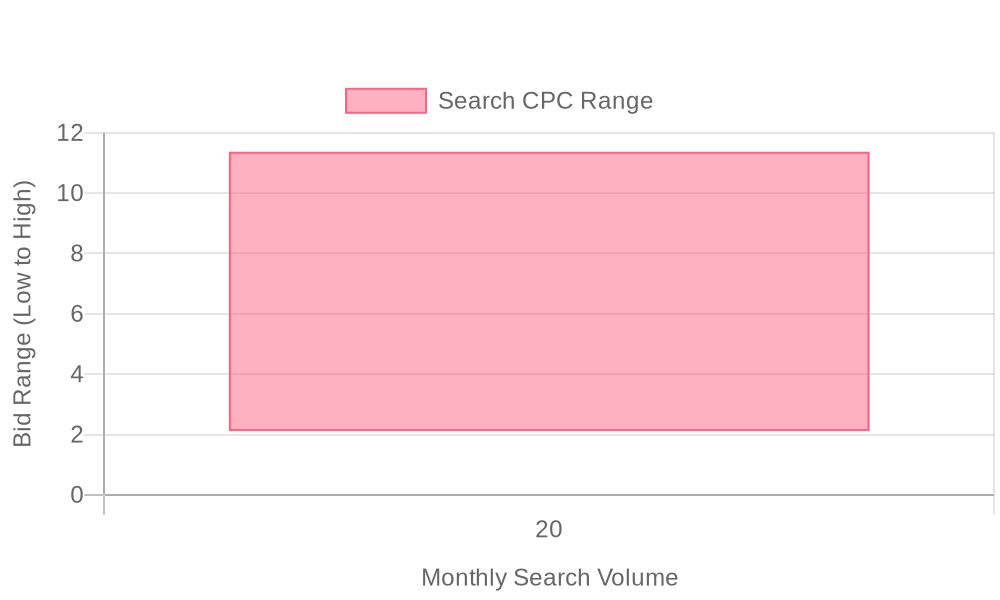
| Industry | Keyword | Monthly Search Volume | Competition Level | Low Bid | High Bid |
| Education and Literacy Charities | best literacy charity | 20 | MEDIUM | 2.12 | 11.37 |
Education and literacy charities operate in a highly competitive digital landscape, where every marketing dollar must stretch further for mission impact. Effective Google Ads keyword strategies enable these organizations to engage donors, recruit volunteers, and build awareness with precision.
Crafting campaigns around high-intent keywords such as "best literacy charity strategies," "digital marketing for education nonprofits," and "Google Ad Grants applications for education" ensures that limited ad budgets are invested where they matter most. These terms directly connect with individuals actively seeking nonprofit solutions, boosting the likelihood of conversions and meaningful engagements. Google Ad Grants provides a deeper look at this trend and how nonprofit organizations can maximize their impact online.
By analyzing search trends and leveraging intent data, marketers can focus spend on keywords proven to attract educators, donors, and supporters interested in literacy and educational causes. We’ve covered related strategies in detail in the retargeting guide.
Negative keywords are equally essential for education and literacy charity campaigns. Filtering out irrelevant traffic, such as job seekers or unrelated educational content, conserves budget for clicks that drive real value. Marketers who routinely refine negative keyword lists benefit from improved click-through rates and lower cost per action, aligning every ad dollar with organizational goals.
Modern platforms now let education and literacy charities go beyond simple keyword targeting. With unified data, revenue teams can identify not just anonymous clicks but the actual organizations and individuals engaging with their ads. Sona's Identity Resolution helps pinpoint these valuable visitors and connect their behavior to actionable insight.
Real-time behavioral signals reveal which visitors are in-market for educational resources or philanthropic giving, so budgets can be dynamically allocated to audiences demonstrating the highest intent. As prospects interact with campaigns and move through the engagement funnel, audiences update automatically, helping charities reach the right contacts at the right stage. This approach also supports advanced conversion tracking, connecting both online and offline engagements back to specific keywords, providing a true measure of ROI for every campaign.
Precise keyword strategies, backed by real-time data and dynamic audience management, help education and literacy charities get more out of every dollar in Google Ads. When each impression is targeted, relevant, and measurable, organizations drive more qualified traffic, win more support, and move their mission forward in a crowded field.
Step-by-Step Campaign Execution Framework
A high-impact digital marketing strategy for education and literacy charities depends on precise campaign execution. Revenue teams in this sector require an integrated approach to reach donors, volunteers, and stakeholders with relevance and urgency. Each step below focuses on tactics that move beyond visibility to deliver measurable value and fuel organizational growth.
Step 1: Build Targeted Keyword Lists
The foundation of any effective Google Ads campaign for education and literacy charities is a robust keyword list organized around key themes such as literacy improvement, digital education tools, and childhood learning initiatives. Marketers should leverage data-driven research to identify high-intent queries and long-tail phrases that align with the unique goals of their charity. For a deeper dive into keyword selection and optimization, Google Ads for Charities provides practical examples and case studies.
Sona empowers revenue teams to enrich traditional keyword research by identifying the organizations and individuals actively searching for education and literacy solutions. Instead of relying solely on anonymous search data, marketers can pinpoint which companies are expressing interest, enabling the creation of audience segments with higher conversion potential. This targeted approach ensures every click is an opportunity to engage a qualified lead.
The upgrade most education and literacy charities advertisers miss is going beyond raw keyword volume to layer in intent and identity signals. By connecting website-visitor data and CRM records with Sona Marketing Measurement, you can see which specific search terms bring in the accounts and customers that actually convert, and weight your keyword and bidding strategy toward those rather than the terms with the highest search volume alone.
Step 2: Develop Compelling Ad Copy
Ad copy for nonprofit advertising must resonate emotionally while highlighting the charity’s distinctive impact. Headlines should address pain points, such as educational inequity or resource gaps, and showcase achievements to attract audiences seeking to make a difference. Subtle differentiation, like featuring specific success stories or quantifiable outcomes, sets the organization apart from other causes and inspires action.
When real-time intent signals are unified with creative messaging, revenue teams can dynamically adjust ad copy to match current trends and audience needs. We’ve covered efficient creative testing and optimization in detail in the Retargeting Playbook.
Step 3: Design Effective Landing Pages
A seamless donor or volunteer journey continues with high-converting landing pages. For education charity marketing, pages must offer intuitive navigation, concise messaging, and clear calls-to-action, such as “Donate Now” or “Volunteer Today.” Visual storytelling, testimonials, and impact metrics help establish trust and credibility in seconds.
Integrating advanced tracking and attribution, marketers can attribute both online and offline conversions to specific campaigns. This holistic view of the user journey allows for agile optimization, identifying which landing pages drive actual donations or volunteer sign-ups and reallocating resources appropriately. Sona’s unified data model enables this by syncing real-time engagement data from Google Ads directly into connected CRM and analytics platforms, ensuring no valuable lead is lost in transition.
Step 4: Implement Data-Driven Optimizations
Continuous improvement is at the heart of digital marketing for charities. Teams analyze Google Ads and Analytics performance, identifying patterns in user engagement, keyword effectiveness, and conversion rates. Predictive Models provide examples of how organizations scale successful tactics for better ROI.
With Sona, revenue teams move beyond surface-level metrics by dynamically updating audience segments as leads move through the funnel. As new data points emerge, from website actions to CRM updates, audiences are enriched and re-synced across Google Ads and sales platforms. This keeps retargeting relevant and ensures high-intent prospects get personalized follow-up, improving both efficiency and outcomes across nonprofit marketing.
Sona Marketing Measurement closes the gap between clicks and revenue. It captures every ad click with first-party tracking, ties that click through UTM capture and ad-platform APIs to the actual record in your CRM, and reports ROAS by keyword and campaign instead of by last-click form fill. Feeding that revenue signal back into Smart Bidding and Performance Max compounds over time: the algorithms optimize toward booked education and literacy charity revenue, not cheap leads.
Tips on Expanding Your Education and Literacy Charities Presence
Education and literacy charities aiming for sustained growth recognize that visibility is not just about being seen, but about being seen by the right audiences. By leveraging cross-promotional partnerships with education-focused businesses and influencers, these organizations can expand their networks, tap into established communities, and gain access to new supporters who are already invested in similar causes.
Cross-promotion goes beyond simple brand mentions. Collaborations with publishers, edtech platforms, or leading voices in literacy can lead to co-hosted webinars, educational resource exchanges, and shared campaigns that multiply reach. For more insights on maximizing partner-driven impact, check out our guide on affiliate partnerships.
Transitioning from Google Ad Grants to paid Google Ads allows charities to move past the limitations of grant-funded campaigns, such as lower bid caps and search-only placements. One analysis in Google Ads for charities explores how paid ads unlock advanced targeting and analytics that amplify donor acquisition.
Connecting CRM and enriched audience data directly to Google Ads gives charities a major advantage. With seamless syncing, revenue teams can automatically update campaign audiences as supporters move through the engagement funnel, allowing for dynamic retargeting, personalized messaging, and more accurate attribution of both online and offline conversions. Solutions such as Sona Destinations support this unified approach by enabling secure, automated data flows across your marketing stack.
Storytelling-focused video content is a critical lever for deepening emotional connections with potential supporters. Short-form videos featuring real beneficiary stories, program milestones, or educator testimonials are highly shareable and resonate across social media. This builds on the strategies outlined in intent-driven retargeting, helping charities segment audiences based on engagement and nurture them toward advocacy or giving.
Beyond Google Ads: Winning the AI Answers Education and Literacy Charities Buyers Now Trust
Paid search catches demand the moment someone types a query. But a growing share of education and literacy charity supporters never open Google at all, they ask ChatGPT, Gemini, or Perplexity first, and Google's own AI Overviews now summarize an answer above the traditional results. If a charity isn't referenced in those AI answers, it's invisible at the exact moment a donor or volunteer is building their shortlist.
Sona AI Visibility shows where your business shows up across ChatGPT, Gemini, Perplexity, Google AI Overviews, and 10+ engines, and, much like a keyword report, which prompts actually send you buyers, so you can prioritize the ones that convert. Run the two together and you cover the entire buyer path: get cited where buyers research (AI Visibility), then prove which of that demand turns into booked revenue (Marketing Measurement).
Helpful resources
Conclusion
Google Ads works for education and literacy charities when the targeting is precise and the measurement closes the loop back to real donations and sign-ups, not just clicks.
The charities that will pull ahead over the next few years are the ones treating AI-driven search and identity resolution as part of the same system as their Google Ads account, not a separate project. Knowing which companies and supporters actually convert, and showing up when a donor asks an AI assistant for a literacy program to fund, is where the next round of growth will come from.
FAQ
What are Google Ad Grants and how can they benefit education charities?
Google Ad Grants provide education charities with $10,000 per month in free search advertising credits, allowing them to reach a broader audience and compete in search results without straining limited budgets.
How can literacy charities apply for Google Ad Grants?
Literacy charities can apply for Google Ad Grants by leveraging resources such as the Google Ads for Charities guide, which provides insights into the application process and strategies for maximizing the grant's impact.
What are the eligibility requirements for Google Ad Grants for education nonprofits?
Eligibility for Google Ad Grants requires education nonprofits to be registered as charitable organizations and to comply with specific guidelines, which can be further explored in the Google Ad Grants guide.
What strategies can education charities use to maximize their Google Ads?
Education charities can maximize their Google Ads by conducting thorough keyword research, developing targeted ad campaigns, personalizing ads with advanced features, and integrating Google Analytics for optimization.
Are there success stories of education and literacy charities using Google Ads effectively?
Yes, education and literacy charities have effectively used Google Ads by applying strategies such as precision targeting and mission-driven messaging, as highlighted in the Google Ads for Charities guide.