


A litter of championship-bloodline kittens sells out differently than a batch of impulse-buy merchandise: buyers research for weeks, compare pedigrees, and often wait for a specific breed or coloring before they ever pick up the phone. Google Ads meets that buyer at the moment of search, whether it's "Ragdoll kittens for sale" or "TICA registered cattery near me," and does it with far more precision than a listing site or word of mouth. The trouble is that many breeders lose their best leads to gaps in tracking between the ad click and the CRM, so a serious inquiry gets logged the same as a casual browser. Newer tools close that gap by showing which businesses and households are engaging with a cattery's site, so high-fit profiles can feed directly into Google Ads' custom affinity audiences. Paired with precise keyword targeting and clear performance data, that visibility lets breeders spend against buyers who are actually ready to reserve a kitten.
How to Generate Google Ads for Cat Breeders Leads: A Step-by-Step Guide
Cat breeders who commit to digital advertising can attract qualified prospects consistently, not just during peak kitten season. The strongest lead-generation approach combines keyword precision, data-driven targeting, and steady campaign optimization, so every click moves a prospective owner closer to a deposit. Executed with intention, each step below compounds: better keywords sharpen targeting, better targeting improves landing-page conversion, and better tracking feeds smarter bidding. For a fuller walkthrough geared toward pet breeders generally, see this step-by-step guide for pet breeders.
- Keyword and audience targeting: High-intent keywords such as "kitten sales," "cattery near me," and "exotic cat breeds" lay the groundwork for efficient lead generation. Analyzing in-market signals and visitor profiles lets marketers refine their approach and cut wasted spend on casual browsers. Real-time audience segmentation keeps campaigns focused on prospects showing rising buying intent, since audiences update automatically as lead status changes or new behavioral data comes in. That precision keeps ad budgets pointed at the accounts most likely to inquire and convert.
- Align landing pages with ad copy: Landing page alignment is critical for converting clicks into inquiries. Each ad should direct visitors to a page that mirrors the ad’s promise, with relevant details about kitten availability, breed certifications, and next steps for contacting the breeder. When landing pages are crafted to match ad intent, prospects encounter a seamless path from research to inquiry, supporting higher engagement and conversion rates for cattery promotions. Consistent messaging also reinforces credibility and trust, essential in pet advertising strategies where reputation is paramount.
- Optimize ad campaigns: Continuous optimization is the engine behind sustained growth for breeders advertising online. This means monitoring keyword performance, adjusting bids for high-converting search terms, and excluding low-value queries to sharpen efficiency. Real-time visitor analysis identifies which keywords and audience segments deliver the highest intent, so marketers can shift budget toward the most profitable opportunities. Conversion tracking closes the loop by attributing sales and inquiries back to individual touchpoints, both digital and offline, for a complete picture of ROI.
- Cross-channel integration: Syncing Google Ads with the rest of a breeder's marketing widens reach and keeps messaging consistent. In practice, that means matching ad audiences to CRM data, email, and social so a prospect sees the same story whether they land on a search ad or open a follow-up email. Enriched lead profiles synced across platforms mean a family who toured the cattery last week gets a different message than someone who just started browsing, cutting down on missed follow-ups in a crowded market for breeder advertising.
Why does Google Ads matter for Cat Breeders?

Cat breeders operate in a specialized market where connecting with discerning buyers at the right moment can determine business success. Google Ads delivers a scalable and cost-effective way to reach prospective cat owners searching for specific breeds or local catteries, ensuring your offerings appear when intent is highest.
Precision targeting enables breeders to engage audiences based on detailed search behavior, such as location, breed preference, and readiness to purchase. With dynamic campaign tools, you can quickly adjust messaging and budgets in response to kitten availability, seasonal trends, or shifts in market demand. For strategies on building real-time, signal-based audiences, leveraging these tools can help you reach the right buyers as their intent peaks.
Immediate results are one of the defining advantages of Google Ads for cat breeders. Unlike organic channels that require time to build traction, paid campaigns generate visibility and qualified inquiries within days. Retargeting adds another layer by re-engaging visitors who showed interest but did not convert, maintaining your presence throughout the decision cycle. For more practical tactics, explore our actionable marketing playbooks.
Data-driven insights set high-performing breeders apart. Every click, inquiry, and conversion gets tracked, revealing which keywords, placements, and creative drive the most valuable leads. Linking ad engagement to CRM and offline sales data lets breeders measure ROI accurately, refine audience segments, and stop spending on low-fit prospects. That transparency supports continuous optimization and smarter budget allocation as demand shifts season to season. If you're ready to see it in practice, get started for free with Sona.
Common Types of Google Ads Campaign for Cat Breeders
Most breeders run some combination of Search, Display, Video, Remarketing, and Performance Max campaigns, each suited to a different stage of a buyer's research. Responsive Search Ads, which let Google test combinations of headlines and descriptions automatically, are a format within Search campaigns rather than a separate campaign type.
- Search Campaigns: Search campaigns are the cornerstone for cat breeders aiming to capture high-intent buyers searching for pedigreed kittens or reputable catteries. These text-based ads appear directly on Google when users actively look for phrases like "Ragdoll kittens for sale" or "certified cat breeder near me." By analyzing real-time search intent through Sona's Intent Signals and syncing with enriched CRM data, marketers can prioritize top-performing keywords and route leads immediately to the right sales reps or nurture flows, reducing wasted spend and maximizing qualified inquiries.
- Display Ads: Display ads are ideal for maintaining brand awareness across the web, especially as buyers move through lengthy consideration cycles. These visually driven banners reach prospective cat owners on pet forums, breed-specific blogs, and related content sites, keeping your cattery top-of-mind. Leveraging dynamic audience segmentation, marketers can ensure their display ads follow only those prospects who show ongoing engagement, optimizing impressions and influencing decision-makers at every stage.
- Video Ads: Video campaigns enable cat breeders to showcase unique attributes, such as health certifications, playful kitten behavior, or behind-the-scenes care, in highly engaging formats. Targeted video content delivers rich, emotional storytelling that resonates with specific audience segments, increasing both trust and recall. With real-time engagement data, marketers can identify which viewers are most likely to inquire and shift budget towards high-converting video placements.
- Remarketing: Remarketing campaigns reconnect with visitors who browsed a cattery's listings or started an inquiry but didn't convert. By automatically syncing updated audience segments as leads progress or drop off, breeders can serve personalized ads that address lingering objections or highlight a new litter. High-fit prospects stay engaged and get nudged toward action, which lifts conversion rates and lowers cost per acquisition.
Where to Find Growth Opportunities?
Cat breeders looking for stronger digital growth tend to find it in the audiences broad, generic search misses entirely. Buyers hunting for a specific breed standard, a rare coat color, or a breeder with a particular health-testing protocol rarely use the same terms as someone browsing "kittens near me," and they convert at a different rate once they find a match. By identifying those unique needs within the cat breeder community, marketers can align messaging and offers to drive qualified engagement rather than chasing volume.
- Exploring niche keywords: Targeting rare breeds or highly specific breeding services attracts buyers who are actively researching the unique attributes they desire. Rather than competing for broad terms like “kittens for sale,” prioritize intent-driven phrases such as “TICA registered Bengal kittens” or “hypoallergenic Siberian cats near me.” This approach reduces wasted spend and ensures that advertising budgets are invested in audiences most likely to convert. For additional guidance, check out how pet breeders can use Google Ads to attract more clients.
- Analyzing competitor strategies: Monitoring how other catteries and pet businesses structure their campaigns, use ad assets, and allocate budgets helps reveal market shifts early. Industry-standard tools can show which breed types, service packages, or seasonal offers attract the most attention. For actionable tips, review measuring marketing's influence on the sales pipeline. This intelligence supports proactive budget reallocation and creative testing before the market gets crowded.
- Experimenting with content retargeting: Re-engaging past visitors with tailored educational content, cattery video tours, or testimonials from satisfied kitten owners speeds up conversion. Dynamic audience segmentation keeps Google Ads audiences current as buyers move from initial research to active inquiry. Connecting CRM data with enriched lead profiles means retargeting reflects each prospect's actual interests and stage. Sona Destinations automates the sync of that audience data from a CRM, keeping every touchpoint, from first ad click to deposit paid, aligned and measurable.
How to Apply Audience Segmentation for Cat Breeders
Effective audience segmentation for cat breeders ensures that every marketing dollar targets the right buyer persona at the right moment. Precision targeting elevates engagement rates and maximizes return on ad spend by connecting with prospective owners whose interests, needs, and readiness to purchase align with your unique offerings. To learn how pet breeders can use Google Ads to attract more clients and grow their business, explore this Google Ads for pet breeders guide.
- Create targeted segments: Modern cat breeding businesses benefit from categorizing their audience beyond basic demographics. Leveraging firmographic data, such as household composition, pet ownership history, and geographic proximity, enables breeders to design messaging that resonates with distinct buyer profiles. For example, a campaign might target first-time pet owners with educational content, while another segment receives updates on championship bloodlines or exclusive litters. The value lies in using real-time audience management to shift budget allocation toward high-converting accounts, ensuring that spend is always focused on those most likely to inquire or purchase. With unified audience management, as leads engage with your site or listings, their profiles dynamically update, allowing for responsive retargeting and nurturing throughout the purchasing journey.
- Validate conversion paths: Reliable attribution is essential for optimizing campaigns and justifying spend. Integration between ad platforms and CRM systems ensures every inquiry, online or offline, gets tracked to its source. Prompt follow-ups, enabled by instant syncing of enriched leads into sales and marketing workflows, keep engagement high and reduce missed opportunities. By attributing each sale or inquiry accurately, breeders see which audience segments, keywords, and creative are driving real outcomes, supporting smarter budget decisions and better campaign iteration.
This is also where measurement changes the economics. With Sona Marketing Measurement you can identify the companies and buyers behind your ad clicks, not just anonymous sessions, and segment audiences by who actually becomes a customer. That lets you build bid adjustments and audience signals around the segments that convert and de-prioritize the ones that don't, so you feed Google's algorithms "this click became a paying cat breeders customer" instead of just "someone filled out a form."
Keyword Strategy & Sample Target Terms
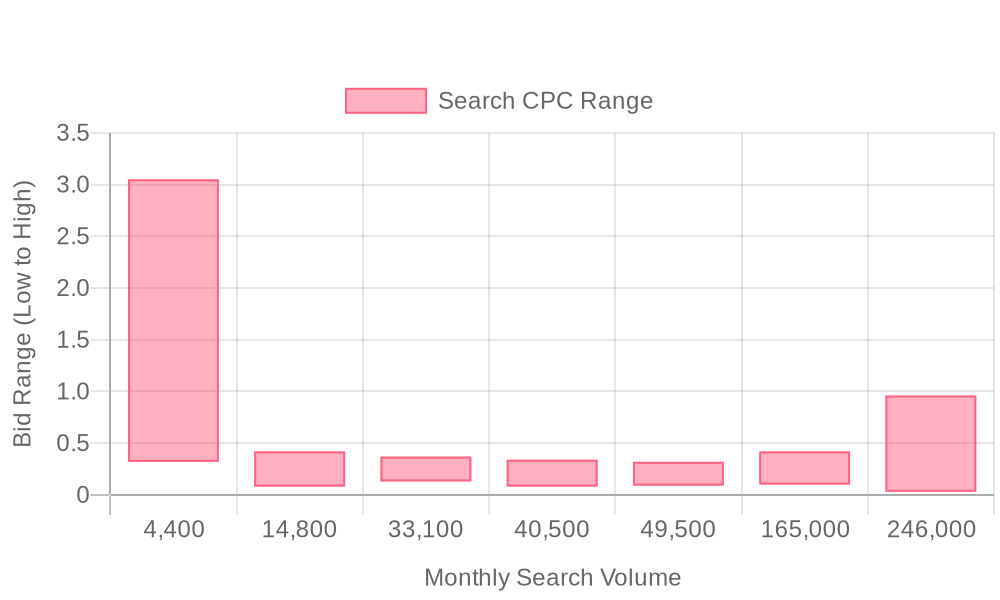
| Industry | Keyword | Monthly Search Volume | Competition Level | Low Bid | High Bid |
| Cat Breeders | cattery near me | 4400 | LOW | 0.32 | 3.05 |
| Cat Breeders | bengal kittens for sale | 14800 | LOW | 0.08 | 0.42 |
| Cat Breeders | sphynx cat for sale | 33100 | LOW | 0.13 | 0.37 |
| Cat Breeders | bengal cats for sale | 40500 | LOW | 0.08 | 0.34 |
| Cat Breeders | maine coon cats for sale | 49500 | LOW | 0.09 | 0.32 |
| Cat Breeders | maine coon kittens for sale | 165000 | LOW | 0.1 | 0.42 |
| Cat Breeders | cat breeders | 246000 | LOW | 0.03 | 0.96 |
An effective keyword strategy anchors every successful Google Ads for Cat Breeders campaign. Precision in keyword selection ensures your campaigns capture the right audience, reduce wasted spend, and drive conversions from people actively seeking reputable breeders or specific breed characteristics. By focusing on customer intent and aligning ad copy with searcher language, breeders can consistently reach motivated buyers in a crowded digital landscape, explore more keyword best practices for pet breeders to refine your approach.
Strategic keywords for cat breeders should reflect how prospective owners search for kittens and cattery services. Terms like “kitten adoption,” “Bengal breeder near me,” and “cattery services” directly mirror buyer queries and drive high-value traffic. Breeders who identify high-volume, low-competition keywords, such as “registered Siberian kittens” or “TICA certified Maine Coon breeder,” can achieve lower cost per lead and higher inquiry rates compared to broad, generic phrases. For ongoing guidance, visit our blog for marketing strategies.
Building your keyword list requires a blend of broad and specific terms. Use a mix of breed names, location-based modifiers, and service-related phrases to capture varied buyer intent. For example, pairing “Ragdoll kittens for sale” with local terms like “in Dallas” enables you to target both national and local audiences. Integrating negative keywords, such as “free kittens,” “cat rescue,” or “adoption center”, keeps budgets focused on commercial intent, eliminating unqualified clicks. To streamline audience targeting, leverage real-time audience insights for more effective segmentation.
A dynamic keyword strategy is essential as market trends shift and new breeds gain popularity. Tools that surface real-time search trends and connect keyword performance to actual lead outcomes allow breeders to regularly refresh their campaigns. When campaign data is unified with CRM insights, as seen in advanced platforms, marketers can spot which keywords drive the most qualified inquiries and tailor messaging in response. This closed-loop approach optimizes spend and ensures resources flow to the terms with the highest conversion likelihood. By continuously syncing enriched audience data into Google Ads, breeders stay ahead of seasonal trends and capitalize on emerging demand without manual intervention. To experience these capabilities firsthand, get started for free with Sona.
Step-by-Step Campaign Execution Framework
Step 1: Build Targeted Keyword Lists
Effective cat breeder advertising starts with comprehensive, intent-focused keyword lists. Every term should mirror services such as kitten sales, breed-specific consultations, or cattery visits, ensuring only high-value prospects see your ads. Analyzing search trends and competitor terms helps uncover phrases like “Ragdoll kittens for sale near me” or “licensed Maine Coon breeder,” which capture motivated buyers at the point of decision. By layering in negative keywords such as “free kittens” or “adoption center,” you further eliminate irrelevant clicks and protect your budget. For more on expanding your reach with Google Ads, explore this guide for pet breeders.
Marketers can expand reach by connecting search intent with real-world visitor data. When anonymous website traffic is matched to the company behind it, campaigns move beyond guesswork toward pinpointing in-market prospects. This granular approach means ads can be weighted toward searchers whose companies have already engaged with the site, improving relevance and conversion rates. Learn more about Sona's Identity Resolution, which reveals which companies are visiting a site even before they fill out a form.
The upgrade most cat breeders advertisers miss is going beyond raw keyword volume to layer in intent and identity signals. By connecting website-visitor data and CRM records with Sona Marketing Measurement, you can see which specific search terms bring in the accounts and customers that actually convert, and weight your keyword and bidding strategy toward those rather than the terms with the highest search volume alone.
Step 2: Develop Compelling Ad Copy
Ad copy for cat breeders should speak directly to buyers' motivations and address their hesitations. Headlines and descriptions should highlight unique selling points, such as health guarantees, breed lineage, or exclusive kitten availability. Emotional triggers, like "home-raised kittens with lifetime support" or "award-winning cattery, health-tested parents," build trust and urgency. Structured snippets and ad assets can showcase reviews, certifications, and available litters, further lifting click-through rates. For step-by-step creative ideas, see how effective Google Ads are built for pet owners.
Advanced platforms enable real-time adaptation of your messaging. As leads interact with your site, their behaviors update audience segments dynamically. If a visitor shifts from browsing breed information to viewing pricing, ads can pivot to emphasize limited-time offers or reservation bonuses, maximizing the chance of conversion.
Step 3: Design Effective Landing Pages
Landing pages must align with visitor expectations and streamline the path to inquiry. Each page should match the ad’s promise, whether it’s a kitten listing, breed overview, or breeder credentials, while making it easy for visitors to fill out forms, call, or schedule a visit. High-resolution photos, clear pricing, and trust signals like association memberships or recent testimonials help reassure buyers and drive action. Mobile responsiveness and fast load times are essential given the urgency and emotional investment in pet selection. See this case study on Australian Shepherd breeders for inspiration on landing page conversion.
Integrating landing pages with a modern CRM ensures no inquiry slips through the cracks. When a prospect submits a form, real-time notification and data sync to your CRM or ad platform allow sales teams to follow up within minutes. For teams using enriched data solutions, new leads are automatically qualified, scored, and routed to the right team member, reducing manual entry and preventing hot leads from cooling off.
Step 4: Implement Data-Driven Optimizations
Continuous optimization is crucial for sustained ROI in Google Ads for Cat Breeders. Using analytics tools, marketers can monitor which keywords, ads, and landing pages generate the highest-quality leads and sales. Automated attribution links online interactions to offline conversions, like deposits or kitten pickups, revealing the true impact of every campaign. Regular A/B testing of copy, creative, and bid strategies uncovers incremental gains that compound over time. Discover best practices for campaign optimization.
Modern marketing stacks enable seamless CRM and ad platform integration, so audience segments update as prospects move through the funnel. When a lead books a visit or submits a deposit, they're automatically excluded from awareness campaigns and targeted instead with nurturing or upsell ads. This synchronization cuts wasted spend while keeping messaging timely and relevant at every stage of the buyer journey.
Sona Marketing Measurement closes the gap between clicks and revenue. It captures ad clicks with first-party, company-level measurement rather than individual tracking, ties that click through UTM capture and ad-platform APIs to the actual record in your CRM, and reports ROAS by keyword and campaign instead of by last-click form fill. Feeding that revenue signal back into Smart Bidding and Performance Max compounds over time: the algorithms optimize toward booked cat breeders revenue, not cheap leads.
Tips on Expanding Your Cat Breeder Presence

Cat breeders who prioritize digital growth achieve higher inquiry rates and create more meaningful connections with discerning pet seekers. A structured approach to online marketing not only increases lead volume but also elevates your reputation in a specialized, trust-driven industry. Explore actionable playbooks for B2B marketing and sales to implement proven digital strategies in your cattery’s outreach.
- Educational asset promotion: Publishing expert guides, breed care articles, and myth-busting resources positions your cattery as an authority. Delivering these assets through retargeting campaigns ensures potential clients see valuable content after their first site visit, nurturing trust and correcting common misconceptions about pedigree breeding. When audience data is unified across platforms, marketers can identify exactly who engages with educational materials and follow up with tailored messaging, driving more informed prospects back to your site.
- Localized strategies: Regional marketing sharpens your relevance to those most likely to convert, nearby families, show participants, or local breed enthusiasts. Tactically segmenting audiences by geography allows you to run location-based Google Ads for Cat Breeders, surface your business in local search results, and drive foot traffic for in-person visits. Integrating real-time visitor identification enables you to see which local organizations and individuals are researching your cattery, empowering you to shift spend or messaging toward high-intent neighborhoods and maximize the impact of every advertising dollar.
- Content ideation driven by search queries: Analyzing live search data reveals exactly what prospective cat owners want to know, from “hypoallergenic kittens near me” to “TICA registered catteries.” Building your content calendar around these queries ensures each new article or landing page matches real-world demand, preventing interest drop-off and keeping your brand top-of-mind. When your marketing stack dynamically syncs interests with campaign audiences, you can pivot content and offers quickly, capturing attention before competitors and maintaining consistent engagement throughout the decision process.
Beyond Google Ads: Winning the AI Answers Cat Breeders Buyers Now Trust
Paid search captures demand at the moment someone types a query. But a fast-growing share of cat breeders buyers no longer start at Google at all, they ask ChatGPT, Gemini, or Perplexity before they ever run a search, and Google's own AI Overviews increasingly summarize an answer above the traditional results. If your business isn't referenced in those AI answers, you're invisible at the exact moment buyers build their shortlist.
Sona AI Visibility shows where your business shows up across ChatGPT, Gemini, Perplexity, Google AI Overviews, and 10+ engines, and, much like a keyword report, which prompts actually send you buyers, so you can prioritize the ones that convert. Run the two together and you cover the entire buyer path: get cited where buyers research (AI Visibility), then prove which of that demand turns into booked revenue (Marketing Measurement).
Helpful resources
Conclusion
Google Ads works because it puts a cattery in front of someone at the exact moment they've decided to search for a breed, a bloodline, or a breeder nearby. The tactics here, tight keyword lists, landing pages that match the ad's promise, audiences built from real visitor and CRM data, are what separate breeders who fill a waitlist from ones who chase clicks that never convert.
The breeders pulling ahead now are the ones treating AI answer engines the same way they treat Google search results, as another place a buyer forms a first impression before ever reaching out. That shift is just beginning, and getting ahead of it, alongside disciplined Search and remarketing work, is what will separate a full waitlist from an empty inbox over the next few years.
FAQ
What are the best practices for using Google Ads as a cat breeder?
The best practices include targeting high-intent keywords, aligning landing pages with ad copy, continuously optimizing campaigns, and integrating Google Ads with broader digital marketing efforts to maintain consistent engagement.
How can I effectively advertise my cattery using Google Ads?
You can effectively advertise by using targeted keywords like 'kitten sales' and 'cattery near me,' optimizing ad copy and landing pages, leveraging audience segmentation, and integrating data-driven insights to monitor and adjust campaigns for better results.
What keywords should I use for Google Ads targeting cat breeders?
Use keywords like 'kitten adoption,' 'Bengal breeder near me,' 'cattery services,' 'TICA registered Bengal kittens,' and 'hypoallergenic Siberian cats near me' to attract buyers actively searching for specific breeds or services.
Are there specific Google Ads policies for advertising pets?
While the article does not specify Google Ads policies, it emphasizes the importance of credibility, trust, and aligning ads with landing page content in pet advertising strategies.
How much should I budget for Google Ads as a cat breeder?
The article does not specify an exact budget, but it suggests optimizing ad spend through precise keyword targeting, audience segmentation, and continuous campaign optimization to ensure cost-effective engagement with high-intent prospects.







