


Cargo container buyers rarely make a single purchase decision. A procurement manager sourcing a fleet of refrigerated units, a contractor who needs one modified unit next week, and a port operator negotiating a leasing contract all move through different channels before they sign anything. Online tactics, search, email, and organic content, build visibility and answer research questions, while trade shows, direct mail, and industry publications create the in-person trust that closes larger, longer-cycle deals. Effective B2B marketing in this trade means running both in concert.
How to Generate Cargo Container Supplier Leads with Google Ads: A Step-by-Step Guide

Lead generation for cargo container suppliers depends on precise audience intelligence and campaigns that respond to real-time shifts in shipping and procurement demand. A data-driven Google Ads strategy lets marketing teams reach qualified buyers at the moment procurement decisions are made, which shows up directly in sales pipeline.
B2B marketers in this trade struggle with incomplete company profiles, static prospect lists, and ad spend wasted on browsers rather than buyers. Advanced targeting and attribution let campaigns reach procurement managers, logistics coordinators, and fleet operators while they're actively searching for container supply solutions, so impressions land on people who can actually approve a purchase order.
This playbook delivers a comprehensive framework for integrating Google Ads into your multi-channel marketing strategy. It covers:
- Data-driven paid search: Align Google Ads with broader digital marketing for shipping containers to drive high-quality traffic and increase conversion rates.
- Keyword and audience targeting: Identify and reach buyers using strategic keyword lists and dynamic audiences that adapt as leads progress through the funnel.
- Landing page and creative alignment: Ensure ad messaging and landing experiences are tightly matched for maximum conversion, using real-time visitor identification to personalize offers.
- Performance optimization: Implement continuous testing and advanced conversion tracking, connecting online and offline touchpoints to measure true ROI.
- Cross-channel integration: Strengthen your ecosystem by seamlessly syncing enriched audiences and leads into CRM and sales platforms, enabling nurture and retargeting across multiple channels.
For B2B marketers, service providers, and local operators in the cargo container industry, this guide equips you to generate qualified leads efficiently while maximizing the effectiveness of your overall marketing investment. By integrating updated company data and in-market behavior signals, campaigns become more precise and responsive, eliminating wasted spend and accelerating pipeline growth. Ready to take the next step? Get started for free with Sona.
Why Does Google Ads Matter for Cargo Container Suppliers?
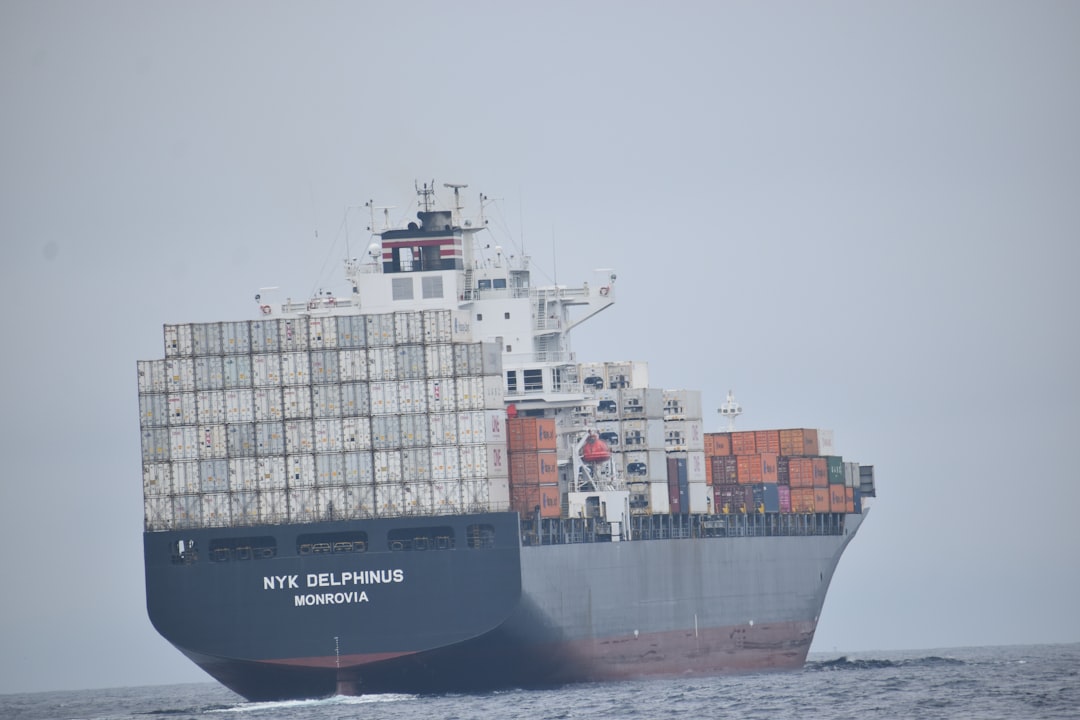
Cargo container suppliers operate in a market where timing, precision, and deep buyer intent drive success. Google Ads enables suppliers to reach supply chain managers, procurement leaders, and logistics directors as they actively search for solutions, ensuring visibility at the decision-making moment. For a detailed overview of what container suppliers do and how to choose the right partner, see this container supplier guide. This channel captures leads that display readiness to buy, beyond what broad social or email marketing can achieve.
Unlike traditional outreach, Google Ads empowers suppliers to attract higher-margin projects such as international container leasing and high-volume sales. By identifying accounts that show strong buying signals, marketers can focus budgets on opportunities most likely to convert, increasing the efficiency of every dollar spent. With Sona's Identity Resolution, teams move beyond anonymous traffic to pinpoint companies with active interest and intent.
Speed is a competitive differentiator in the logistics industry. Google Ads delivers immediate exposure during urgent shipment requests and seasonal peaks, capitalizing on the fleeting windows when buyers need rapid solutions. Real-time audience segmentation enables messaging to adapt as prospects progress from research to purchase, ensuring your campaigns remain relevant and timely.
Expanding into emerging or underserved regions becomes seamless with Google Ads. Suppliers can precisely target new metros or logistics hubs, reaching buyers who may not yet be on their radar. Advanced data integration and closed-loop reporting connect digital touchpoints, from ad click to signed contract, giving revenue teams the insights needed to optimize campaigns and unify their sales and marketing efforts for measurable growth.
Common Types of Google Ads Campaigns for Cargo Container Suppliers

- Search Campaigns: These campaigns intercept high-intent buyers at the moment they search for cargo container suppliers, enabling teams to convert demand as it peaks. Leveraging dynamic audience updates, search ads can be continuously refined to reflect shifting buyer priorities and procurement stages, ensuring that high-value prospects are always served the most relevant offer.
- Display Ads: Display placements keep your brand visible on industry-specific content sites, supplier directories, and trade media, reinforcing your messaging as buyers explore solutions. Consistent exposure across targeted display networks supports multi-channel digital marketing for shipping containers by nurturing early-stage leads who may not be ready to engage directly.
- Video Ads: Video campaigns allow suppliers to break down complex logistics or container modification services in a visually engaging format. Integrating video content into the marketing mix amplifies reach and helps clarify technical advantages, especially when targeting B2B buyers comparing multiple solutions. For more on optimizing B2B campaigns, see our latest blog insights.
- Remarketing: Remarketing campaigns re-engage site visitors, quote form abandoners, or previously qualified leads, creating additional touchpoints and boosting conversion rates. By utilizing real-time data signals, remarketing lists can be dynamically updated to prioritize companies and individuals demonstrating renewed purchasing intent, ensuring ad spend is focused on the most conversion-ready audiences.
- Performance Max: Performance Max campaigns run across Search, Display, YouTube, and Gmail from a single campaign, using automated bidding to find in-market buyers wherever they research. For cargo container suppliers, this is useful for capturing demand across the full research-to-purchase window, from a first search for container specs to a later comparison of suppliers on YouTube or Gmail, without building a separate campaign for each channel.
- Assets: Ad assets (formerly called extensions) supplement core ad copy with trust-enhancing details such as business locations, industry certifications, or rapid response times, all critical for B2B decision-makers in the logistics sector. Adding assets to search and display campaigns validates claims made elsewhere in the ad and helps accelerate lead generation for cargo suppliers. Explore PPC strategies for transportation and logistics to further build confidence among potential buyers.
Where to Find Growth Opportunities in Cargo Container Supplier Marketing
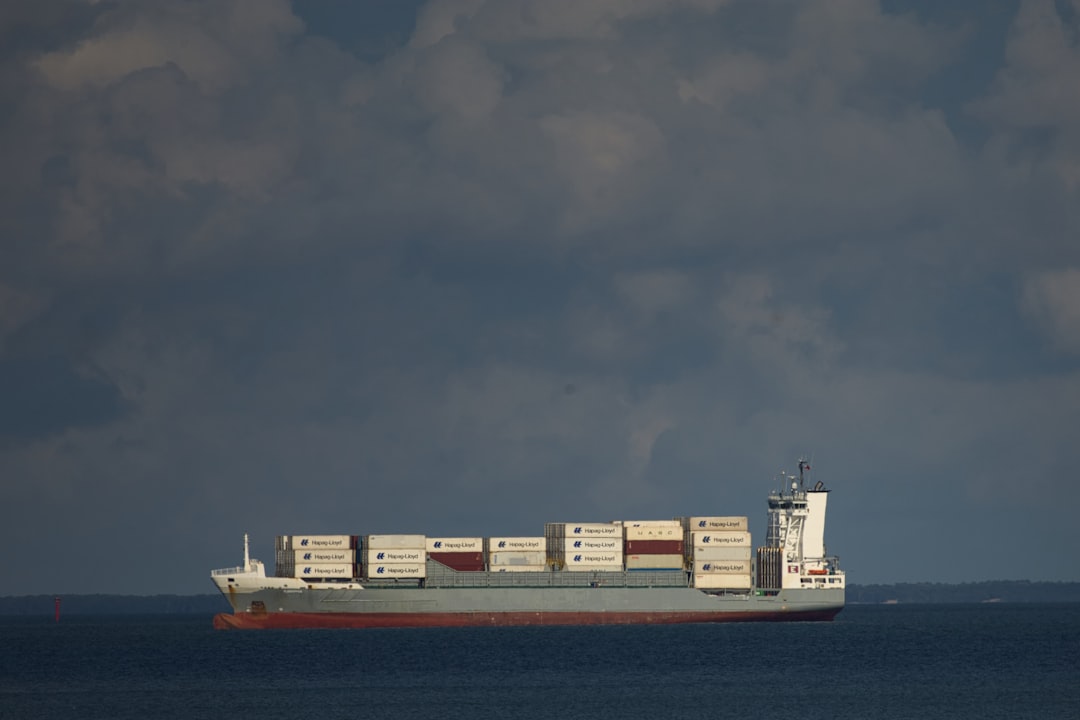
Cargo container suppliers can uncover significant growth by extending outreach beyond saturated channels. Taking a granular approach to specialty keyword targeting helps surface niche demand for services like refrigerated containers, hazardous goods storage, or bespoke retrofitting. By integrating these high-performing keywords for storage facilities into your Google Ads strategy, campaigns can capture commercial buyers searching for unique solutions, maximizing visibility where competitors are less active.
Competitor gap analysis reveals untapped segments and missed opportunities. Using auction insights or third-party tools, marketers can pinpoint underserved geographies, overlooked container types, or demand surges around emerging trends. This data-driven clarity guides budget reallocation to high-potential audiences, particularly when platforms like Sona's Identity Resolution reveal which companies are actively researching or comparing cargo container options in real time.
Industry-specific placements further expand reach. Targeting shipping and logistics directories, B2B trade forums, or procurement portals connects suppliers with decision-makers outside the standard search environment. This approach is especially effective for online marketing of cargo containers in cross-border or specialized verticals where organic content may have limited traction. When lead data from these placements is unified and synced with your ad platforms via Sona Destinations, dynamic audience lists update automatically as prospects move through the buying cycle, sharpening retargeting accuracy and boosting lead generation for cargo suppliers.
Content retargeting bridges upper-funnel interest with conversion-focused nurturing. Promoting assets like whitepapers, procurement checklists, or how-to videos through Google Display or YouTube campaigns keeps your brand top-of-mind as buyers evaluate suppliers. With enriched insight into which visitors engage with each resource, marketers can shift messaging, escalate touchpoints, and sync high-value leads directly into sales workflows, ensuring every campaign adapts responsively to new growth signals. Sona surfaces intent signals from both web activity and offline interactions, helping teams swiftly adjust budget toward the highest-converting accounts and maximize ROI for advertising logistics companies and shipping container marketing.
How to Apply Audience Segmentation for Cargo Container Suppliers
Precise audience segmentation is essential for increasing qualified lead volume and maximizing campaign efficiency in the cargo container supply industry. By aligning audience targeting with the customer journey, marketers can deliver the right message to procurement teams and logistics buyers at the exact moment of need. For an overview of container supplier operations and partner selection, refer to what container suppliers do.
- Define Segments: Start by categorizing your market into logical groups such as industrial logistics firms, commercial resellers, and end-user buyers. Further, segment by purchase models like leasing versus outright purchasing. This level of granularity ensures that each campaign addresses the distinct pain points and decision drivers for every target group. For additional strategies, explore account-based marketing for B2B.
- Overlay Intent Signals: Sona surfaces real-time intent signals like a recent search for "emergency container procurement" during a shipping disruption, or sustained research on long-term leasing terms ahead of a fiscal-year budget cycle. Reading these signals lets you shift budget and creative toward accounts showing urgent, time-boxed need (a stalled shipment, a compliance deadline) versus those still comparing vendors. Sharing this data between sales and marketing means a rep can call an account the same day it starts researching, rather than days after the intent has cooled.
- Create Ad Groups by Segment: Tailor your ad groups to each defined segment, customizing messaging, calls to action, and offers based on the unique needs of that audience. For instance, ad copy for industrial logistics buyers can highlight compliance certifications and global delivery capabilities, while messaging for commercial suppliers emphasizes volume discounts and flexible leasing plans. Adjust budgets dynamically to invest more in segments that demonstrate higher conversion propensity or larger deal sizes, leveraging audience segmentation strategies for better results.
- Validate Conversion Paths: Ensure every conversion action, from quote requests to phone calls and form fills, is properly tracked and attributed to its originating audience segment. Integrating this data with your CRM allows for complete visibility across the sales funnel, ensuring that marketing efforts are accurately measured and optimized for true revenue impact. With advanced conversion tracking and CRM sync, your team can close the feedback loop, continuously refining segments and messaging as leads move through qualification, proposal, and closed-won stages.
Unified audience segmentation powered by intent data and integrated conversion tracking eliminates organizational silos. This approach allows cargo container suppliers to synchronize marketing and sales outreach, act on high-quality leads faster, and drive more revenue from digital channels. To see how this works in practice, get started for free with Sona.
This is also where measurement changes the economics. With Sona Marketing Measurement you can identify the companies and buyers behind your ad clicks, not just anonymous sessions, and segment audiences by who actually becomes a customer. That lets you build bid adjustments and audience signals around the segments that convert and de-prioritize the ones that don't, so you feed Google's algorithms "this click became a paying cargo container suppliers customer" instead of just "someone filled out a form."
Keyword Strategy & Sample Target Terms
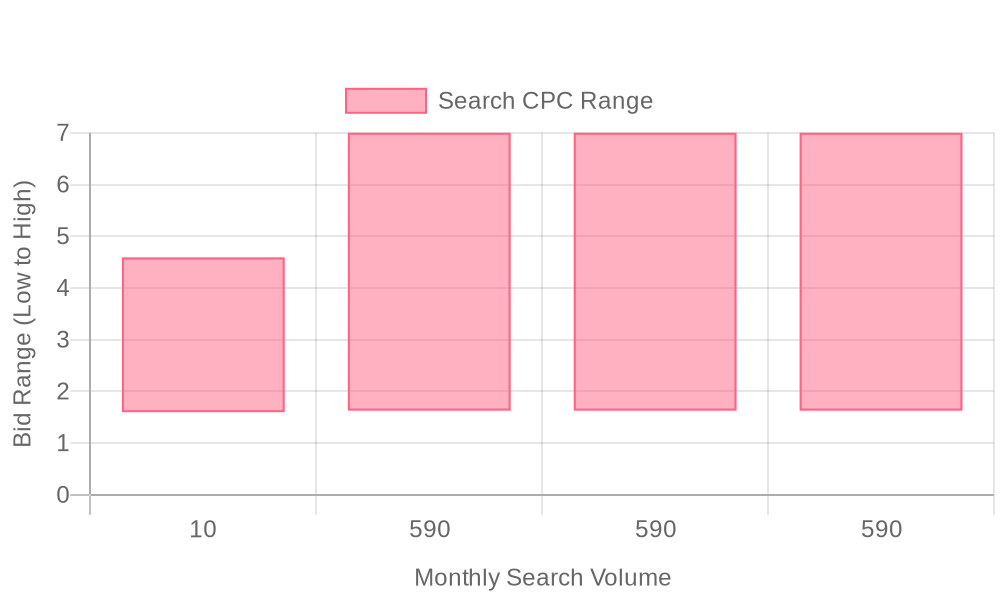
| Industry | Keyword | Monthly Search Volume | Competition Level | Low Bid | High Bid |
| Cargo Container Suppliers | shipping container suppliers near me | 10 | HIGH | 1.6 | 4.59 |
| Cargo Container Suppliers | shipping container manufacturers | 590 | MEDIUM | 1.63 | 7 |
| Cargo Container Suppliers | shipping container suppliers | 590 | MEDIUM | 1.63 | 7 |
| Cargo Container Suppliers | container ship manufacturers | 590 | MEDIUM | 1.63 | 7 |
Cargo container suppliers operate in a highly competitive landscape where precision in keyword targeting directly impacts lead quality and cost efficiency. Success with Google Ads hinges on identifying and prioritizing terms that reflect true commercial intent keywords, capturing buyers as they search for solutions instead of generic information.
A focused keyword strategy starts with segmentation. Transactional keywords like "buy cargo containers," "20ft shipping container supplier," and "cargo containers for sale near me" attract intent-driven buyers ready to engage. Complement these with specification-based phrases including "ISO certified shipping containers," "custom container modifications," and "bulk shipping container pricing" to reach procurement professionals evaluating technical fit or volume needs. For additional campaign advice, browse our Google Ads best practices blog. Location modifiers, such as "Houston cargo container supplier" or "Los Angeles port containers," help suppliers capture regional demand and drive local conversions.
Building out negative keyword lists is critical for budget control and relevance. Exclude terms like "cheap storage bins," "DIY shipping container homes," or "free cargo containers" to prevent ad spend on low-value clicks. Regularly review query reports and refine negative lists to filter out emerging irrelevant trends. For more insight on refining Google Ads targeting, explore the Ask Sona resource.
Effective keyword selection should also be dynamic. As new segments engage or buyer needs evolve, marketers can automatically update audience pools and bidding priorities by tracking real-time audience behavior and firmographic shifts. With the right platform, audiences refresh in real time as prospects move from research to purchase, ensuring ads remain aligned with the most promising accounts.
Sample target term categories for Google Ads campaigns in this sector include:
- Transactional keywords: "buy shipping containers," "cargo container supplier," "shipping container dealer"
- Specification keywords: "40ft high cube container specs," "refrigerated shipping containers," "CSC certified containers"
- Location keywords: "shipping containers near port of Long Beach," "cargo container supplier New Jersey"
- Industry application: "containers for construction logistics," "container leasing for exporters"
- Urgency modifiers: "immediate container delivery," "fast shipping container quotes"
Integrating these keyword sets within a broader multi-channel strategy ensures Google Ads fills the critical middle-funnel role: capturing high-intent prospects who are actively seeking cargo container solutions, and routing them to sales at exactly the right moment. For revenue teams, connecting keyword insights with CRM and ad platforms surfaces which terms drive true pipeline value, allowing ongoing optimization for maximum ROI. To take the next step in optimizing your targeting, get started for free with Sona.
Step-by-Step Campaign Execution Framework
Step 1: Build Targeted Keyword Lists
Successful Google Ads for cargo container suppliers begin with meticulously crafted keyword lists. Segment keywords by service type such as leasing, container sales, or custom modifications to ensure each campaign aligns with buyer needs and search intent. Incorporate geo-modifiers, city, neighborhood, and “near me”, to attract local procurement teams and logistics managers searching for nearby suppliers. For a helpful overview of what container suppliers do and what to consider when choosing a partner, see this guide to container suppliers.
Long-tail and question-driven queries reach both decision makers and researchers, capturing demand at every funnel stage. Apply negative keywords to avoid wasted spend from irrelevant clicks, improving cost efficiency and lead quality. Align all keyword clusters with content marketing themes to create a unified narrative across ads and organic channels. With Sona, marketers can identify high-value search terms based on real-time behavioral and firmographic data, continuously refining keyword lists to match shifting market demand and emerging trends.
The upgrade most cargo container suppliers advertisers miss is going beyond raw keyword volume to layer in intent and identity signals. By connecting website-visitor data and CRM records with Sona Marketing Measurement, you can see which specific search terms bring in the accounts and customers that actually convert, and weight your keyword and bidding strategy toward those rather than the terms with the highest search volume alone.
Step 2: Develop Compelling Ad Copy
Ad copy should speak directly to industry pain points, highlighting issues like supply chain delays, compliance requirements, or durability concerns in headlines. Trust markers such as ISO certifications, five-star customer ratings, and notable project wins build credibility for high-consideration B2B purchases. For campaign ideas tailored to shipping container businesses, explore shipping container marketing insights.
Leverage ad extensions to maximize visibility and engagement: include call extensions for immediate quotes, structured snippets for container types, and service highlights for value-driven differentiation. Consistent messaging across digital touchpoints, including social media and email, strengthens brand recall and trust. Sona empowers teams to dynamically update ad messaging and audience segments as leads progress, ensuring each impression reflects current buyer interests and account status.
Step 3: Design Effective Landing Pages
Landing pages must provide seamless continuity from keyword to ad to page, minimizing friction and maximizing relevance for each visitor. Segment pages by product line or vertical; for example, dedicate separate experiences for eco-friendly containers and standard shipping units to match unique customer needs. Embed ROI calculators, trust badges, testimonials, and robust FAQs to address objections and demonstrate measurable value. For a case study on how container suppliers improve digital operations, see MCContainers' business transformation.
Clear, persistent calls-to-action, optimized for both desktop and mobile, guide users to request quotes, schedule consultations, or download spec sheets. Integrate lead capture forms directly with your CRM and marketing automation stack for real-time qualification and sales follow-up. Sona’s real-time visitor identification connects form data to enriched company profiles, enabling sales teams to prioritize high-value accounts and personalize outreach immediately after conversion.
Step 4: Implement Data-Driven Optimizations
Measure performance at both micro and macro conversion points to capture the full customer journey, from initial inquiry to closed deal. Deploy smart bidding strategies such as Target CPA or Max Conversions to automatically allocate budget to the highest-performing segments. Routinely A/B test ad headlines, CTA placements, and landing page layouts to uncover incremental improvements in conversion rates. To ensure your campaigns are optimized for the freight and logistics industry, reference Google Ads for freight companies.
Import offline conversions, such as phone orders or field sales deals, into Google Ads to ensure bidding algorithms optimize for true revenue outcomes, not just form fills. Use campaign data to inform content creation, fueling a feedback loop that tightens alignment across ads, web, and sales collateral. With Sona, marketers can unify online and offline attribution, sync enriched lead data and audience updates back into Google Ads, and dynamically adjust targeting based on real-world deal progression, unlocking a new level of marketing precision for cargo container suppliers.
Sona Marketing Measurement closes the gap between clicks and revenue. It captures ad clicks with first-party tracking, ties that activity through UTM capture and ad-platform APIs to the matching company record in your CRM, and reports ROAS by keyword and campaign instead of by last-click form fill. Feeding that revenue signal back into Smart Bidding and Performance Max compounds over time: the algorithms optimize toward booked cargo container suppliers revenue, not cheap leads.
Tips on Expanding Your Cargo Container Supplier Presence
Expanding your presence as a cargo container supplier requires a multi-channel approach that combines digital precision with targeted relationship building. Leading suppliers rely on a blend of content-driven remarketing, data-informed segmentation, and strategic partnerships to consistently reach and convert high-value buyers. For a deeper understanding of what container suppliers do and how to select the right partner, review this overview of container supplier best practices.
- Cross-promote educational assets in retargeting: Re-engage past website visitors and prospects by highlighting whitepapers, technical guides, and industry reports in your retargeting campaigns. This approach keeps your brand top-of-mind and supports your content marketing goals by nurturing prospects with relevant insights tied to their original interests. Explore actionable tactics in our marketing strategy playbooks to maximize the effectiveness of your remarketing efforts.
- Upsell related services via segmented audiences based on CRM data: Use CRM-enriched audience lists to identify buyers with a history of container purchases or specification requests. Target these segments with tailored offers for related services such as container modifications, expedited delivery, or rental options. When your CRM syncs dynamically with your ad platform, audience lists update in real time as prospects move through the sales funnel, ensuring that upsell messaging stays relevant and timely.
- Partner with industry associations for referral traffic or co-branded ads: Collaborate with trade associations, port authorities, or logistics organizations to co-sponsor webinars, publish joint case studies, or run co-branded ad campaigns. These partnerships extend your reach to new audiences and drive qualified referral traffic, helping you access buyers who are already engaged in the cargo and logistics ecosystem. Learn more about how digital collaboration can drive business growth in this MCContainers case study.
- Localize by state or metro areas to grow share-of-voice in targeted regions: Launch geo-targeted campaigns focused on high-volume ports, industrial hubs, or metro areas with concentrated buyer activity. Customize ad copy and landing pages for each region, highlighting local inventory and service-level advantages. For practical tips, visit our blog for location-based campaign strategies.
- Use search query data to identify new content topics for your broader marketing efforts: Analyze search term reports to surface emerging buyer questions and pain points, such as requests for specialized container types or regulatory compliance information. Feed this insight into your content strategy to create resources that increase organic visibility and support every stage of the procurement journey. Find inspiration with this list of high-performing storage facility keywords to fuel your next content campaign.
Seamless data integration between online and offline interactions enhances campaign effectiveness by providing a complete picture of ROI. When site visitor activity, sales calls, and field meetings are unified within your analytics, you can attribute revenue back to original touchpoints, refine audience segments, and retarget with more precision, ultimately maximizing the impact of every marketing dollar. To put these strategies into practice and see how unified data can power your growth, get started for free with Sona.
Beyond Google Ads: Winning the AI Answers Cargo Container Suppliers Buyers Now Trust
Paid search captures demand at the moment someone types a query. But a growing share of cargo container buyers, especially those researching specs or comparing suppliers before they're ready to talk to sales, now ask ChatGPT, Gemini, or Perplexity first, and Google's own AI Overviews increasingly summarize an answer above the traditional results. If your business isn't referenced in those AI answers, you're invisible at the exact moment buyers build their shortlist.
Sona AI Visibility shows where your business shows up across ChatGPT, Gemini, Perplexity, Google AI Overviews, and 10+ engines, and, much like a keyword report, which prompts actually send you buyers, so you can prioritize the ones that convert. Run the two together and you cover the entire buyer path: get cited where buyers research (AI Visibility), then prove which of that demand turns into booked revenue (Marketing Measurement).
Helpful resources
Conclusion
Google Ads works for cargo container suppliers because it meets buyers, from a procurement manager sourcing a full fleet to a contractor who needs one unit by Friday, at the exact moment they're searching. Used well, it does more than fill a pipeline: it tells you which keywords, accounts, and campaigns actually turn into signed contracts.
The suppliers who pull ahead won't be the ones running the most ads, but the ones who can tell which ads produced a signed lease or a purchase order, and who feed that answer back into their bidding and targeting every week. That discipline, more than any single tactic in this guide, is what turns Google Ads spend into compounding pipeline.
To unify your go-to-market data and see which campaigns are actually producing customers, not just clicks, start for free with Sona.
FAQ
What are the best Google Ads strategies for cargo container suppliers?
The best Google Ads strategies for cargo container suppliers include data-driven paid search, strategic keyword and audience targeting, landing page and creative alignment, performance optimization, and cross-channel integration to generate qualified leads efficiently.
How can I effectively advertise my shipping container business using Google Ads?
To effectively advertise your shipping container business using Google Ads, focus on precise audience targeting, use compelling ad copy that addresses industry pain points, and ensure landing pages are aligned with ad messaging to maximize conversion rates.
What keywords should I target for Google Ads in the cargo container industry?
Target keywords like 'buy cargo containers,' '20ft shipping container supplier,' and location-specific terms such as 'Houston cargo container supplier' to capture high-intent buyers and enhance lead quality.
What are the common mistakes to avoid in Google Ads for logistics companies?
Common mistakes to avoid include targeting unqualified traffic, not using negative keywords to prevent irrelevant clicks, and failing to align ad messaging and landing page experiences.
How do I measure the success of my Google Ads campaigns for cargo containers?
Measure success by implementing continuous testing, using advanced conversion tracking to connect online and offline touchpoints, and optimizing based on the true ROI and sales pipeline impact.







