


A stolen car rarely announces itself weeks in advance. Most car security customers start searching only after a break-in, a rash of neighborhood thefts, or a nagging worry about a new vehicle sitting in a driveway overnight, which makes Google Ads unusually well-suited to the trade: it catches people at the exact moment that worry turns into a search. This guide covers how to structure campaigns, keywords, and tracking so that urgency translates into booked installations rather than lost clicks.
How to Generate Car Security Services Leads with Google Ads: A Step-by-Step Guide
Car security services demand precise, data-driven marketing to attract valuable leads in a competitive landscape. Google Ads offers a direct path to capture high-intent prospects, connecting your business with customers actively searching for automotive security solutions. Explore Local Service Ads by Google to understand how these ad formats help connect with local customers searching for specialized services.
Success in automotive security marketing starts with targeting the right keywords, understanding your ideal audience, and optimizing every step of the digital journey. By aligning ad messaging, landing page experience, and performance analytics, you can maximize ROI and drive measurable growth. For more in-depth strategies, visit our marketing analytics blog to stay ahead of the competition.
- Keyword Targeting: Effective Google Ads for Car Security Services campaigns begin with thorough keyword research. Prioritize high-intent terms such as "vehicle alarm installation," "car anti-theft systems," or "auto security systems near me," and expect volume to spike after local theft waves or during seasons when cars sit outside overnight, like winter storms or holiday travel. These keywords align your ads with prospects already seeking your services, making your budget work harder. Sona's Identity Resolution helps you refine targeting further by recognizing which companies or individuals visit your site, so you can tailor campaigns to those segments for deeper engagement.
- Audience Segmentation: Modern online advertising for car security hinges on nuanced audience segmentation. Move beyond basic demographics to build dynamic audiences based on real-time user intent and in-market behaviors. For example, segment users who have browsed car security blog content separately from those who have requested quotes. As leads interact with your site, dynamic audience syncing ensures your campaigns automatically adjust and retarget prospects as they advance through the buying journey. This approach increases relevance and conversion rates, crucial for automotive service ads.
- Landing Page Optimization: The path from ad click to conversion depends on a seamless landing page experience. Ensure that each page delivers on the promise of your ad copy, with clear calls-to-action, trust badges, and customer testimonials. Integrate predictive lead scoring models and offline conversion tracking to distinguish high-value prospects and optimize for conversions that matter most. Syncing CRM insights directly into campaign workflows ensures your online and offline attribution stays unified for better decision-making in automotive security marketing.
- Performance Tracking: Robust analytical tools are essential for monitoring every touchpoint. Use conversion tracking to identify which campaigns, keywords, and audiences create qualified leads, then shift budget to the highest-performing segments. Real-time reporting empowers you to make agile adjustments, while comprehensive ROI measurement, combining online and offline data, enables a complete view of campaign impact and future investment opportunities.
By unifying targeting, segmentation, and analytics, your Google Ads setup for car services can consistently deliver quality leads and drive sustainable growth in the competitive car security sector. Ready to accelerate your lead generation? Get started for free with Sona.
Why does Google Ads matter for Car Security Services?
Car security services operate in a market where urgency and trust are essential. For these businesses, Google Ads creates direct pathways to connect with prospects at the exact moment they express intent for solutions like alarm installation or emergency locksmith support. This immediate alignment between customer search and service offering increases conversion rates while supporting business growth in highly competitive environments. Explore additional best practices on our marketing analytics blog to strengthen your paid strategy.
- Targeting Specific Audiences: Google Ads empowers car security providers to reach customers based on real-time search intent, ensuring visibility only when potential clients are actively seeking help. With dynamic audience management, campaigns can automatically retarget visitors who previously showed interest, driving higher engagement and more qualified leads.
- Higher Lifetime Value: The platform’s advanced segmentation enables businesses to capture leads for premium offerings, such as complete vehicle security systems or advanced GPS tracking, maximizing both immediate and recurring revenue. With enriched account data and CRM integration, audience lists update in real time as prospects move through the sales funnel, making it easier to deliver targeted ads to those most likely to purchase high-margin services and increasing overall marketing efficiency.
- Instant Demand Fulfillment: Google Ads places car security experts in front of customers facing urgent issues, like break-ins or lost keys, where rapid response is critical. Integrating real-time intent signals into ad campaigns helps shift budget towards high-converting, in-market leads, ensuring no opportunity is missed due to slow follow-up or generic targeting.
- Emergent Market Visibility: Advanced geographic and demographic targeting makes it easy to expand into new regions with precision, allowing car security providers to reach underserved areas without wasted spend. Online advertising for locksmiths and security installers can now be optimized at the market level, ensuring campaigns adapt dynamically as new service areas and target segments are identified. If you're ready to scale your reach, get started for free with Sona.
Common Types of Google Ads Campaigns for Car Security Services
Car security businesses face unique challenges in reaching customers who are both actively searching and those who need education on advanced solutions. Digital advertising strategies must address each stage of the sales funnel, delivering the right message at the right moment to maximize conversions and long-term value. For a deeper dive into effective strategies, explore this automotive ads guide.
- Search Campaigns: Capture high-intent prospects by targeting queries such as "car security system providers" or "best vehicle alarm installation near me." By pinpointing individuals ready to take action, these campaigns drive qualified leads directly to your service pages. Leveraging real-time intent data, marketers can adjust budgets toward keywords and audiences that consistently generate demo requests or service bookings, optimizing spend and increasing ROI.
- Display Ads: Maintain visibility and brand recognition by serving banners across automotive blogs, security forums, and related online destinations. Display ads complement your email and social media efforts, placing your brand in front of both warm leads and new prospects. Dynamic audience segmentation ensures that your ads reach users whose engagement level and profile align with your ideal customer.
- Video Ads: Demonstrate complex car security solutions or highlight unique product features through engaging video content. These ads are ideal for educating prospective clients about the benefits of advanced vehicle protection, helping demystify technical offerings and build trust. Video analytics, tied to visitor identification, provide granular insights into which accounts are engaging.
- Remarketing: Re-engage visitors who explored your website but did not convert, using tailored ads to prompt return visits, service inquiries, or follow-ups on promotions. Advanced remarketing leverages enriched visitor data, so you can distinguish between casual browsers and high-value accounts. By syncing CRM data with ad platforms, marketers ensure that remarketing audiences are always current.
These campaign types, when unified with actionable go-to-market data, enable car security businesses to execute targeted, measurable advertising strategies that deliver consistent pipeline growth and improved marketing efficiency.
Where to Find Growth Opportunities?

Car security services operate in a market where high-intent buyers actively seek solutions for vehicle protection, theft deterrence, and tracking. Capturing incremental growth requires a sharp focus on identifying untapped demand pockets and aligning messaging with the specific concerns of each audience segment.
- Strategic Keyword Choice: Prioritize niche and long-tail keywords directly addressing urgent security needs, such as “GPS tracking for cars,” “vehicle immobilizer installation,” or “car alarm upgrades.” These terms attract prospects who are further along in the buying journey, reducing wasted ad spend on generic searches and increasing qualified lead volume. Leveraging advanced data insights, marketers can continuously expand or refine keyword lists as new trends emerge, ensuring campaigns remain closely aligned with evolving search behavior.
- Competitor Analysis: Use robust market intelligence platforms to dissect competitor ad strategies and uncover overlooked audiences. By identifying which keywords and placements competitors underutilize, car security providers can efficiently target segments with unmet needs, such as fleet-focused GPS tracking or condo and apartment parking security, categories many local installers still ignore. Sona surfaces intent signals to help reveal emerging buyer intent, directing budget toward audiences with the highest propensity to convert and maximizing share of voice where competition is lightest.
- Contextual Placements: Integrate advertising into environments where car owners actively seek advice or share experiences, such as automotive forums, enthusiast communities, or local vehicle directories. This approach ensures ads appear when prospects are receptive to security solutions, increasing engagement rates. For actionable advice on leveraging Google Ads for auto services, see this automotive ads guide. Contextual targeting can be further optimized by layering in real-time behavioral data, enabling adaptive bidding and creative rotation based on audience intent and platform activity.
- Content Retargeting: Repurpose educational assets like installation guides, security checklists, or threat assessments to drive retargeting campaigns. Serving tailored ads to users who have engaged with high-value content reinforces brand authority and nurtures prospects through the funnel. Unified go-to-market platforms let marketers use Sona's Identity Resolution to identify the companies behind site visits, track their journey across touchpoints, and refresh audiences dynamically as user interest evolves, so retargeting adapts in real time to changing intent.
Identifying and capitalizing on these growth opportunities ensures that every aspect of Google Ads for Car Security Services campaigns is optimized for precision, efficiency, and measurable impact. With unified data and actionable insights, revenue teams can confidently deploy targeted ads for car security, capture in-market demand, and accelerate pipeline velocity.
How to Apply Audience Segmentation for Car Security Services
Audience segmentation directly impacts campaign efficiency by ensuring car security ads reach buyers when their intent is highest. Revenue teams in automotive security can maximize budget and drive higher conversion rates by deploying precise segmentation that aligns with regional, behavioral, and product-specific differences. To explore more about advanced tactics in this space, check out this guide to automotive ads.
- Define Segments: Segment audiences based on factors such as urban versus suburban environments, differentiating those who need vehicle alarms from those seeking advanced access control. Leveraging advanced segmentation tools, marketers can construct bespoke segments that reflect nuanced characteristics like vehicle ownership patterns, local crime rates, or prior engagement with security-related content. This level of detail allows for more relevant messaging and efficient spend allocation.
- Overlay Intent Signals: Isolate high-intent signals by analyzing recent search behavior and engagement with vehicle security topics. For example, identifying prospects actively researching alarm systems or reading about car theft in their area enables real-time campaign adjustments. Integrating real-time intent data allows marketers to dynamically shift budget toward segments most likely to convert, reducing wasted impressions and increasing the chances of connecting with in-market buyers.
- Customized Ad Groups: Develop distinct ad groups with creative and copy tailored for each segment, such as urban customers focused on theft deterrence or business fleets seeking access control. Generic campaigns often dilute relevance, while segmented ad groups increase engagement and click-through rates. With unified go-to-market data, ad audiences evolve automatically as leads progress through the funnel, ensuring personalized outreach and consistent message alignment.
- Conversion Validation: Track every conversion pathway from ad click to phone inquiry, form fill, or consultation. Integrating conversion tracking with your CRM provides a complete feedback loop, enabling true online and offline attribution. When audience and lead data sync seamlessly between platforms, revenue teams get a holistic view of performance and can attribute ROI to specific segments, optimizing future car security advertising spend and creative.
This is also where measurement changes the economics. With Sona Marketing Measurement you can identify the companies behind your ad clicks, not just anonymous sessions, and segment audiences by who actually becomes a customer. That lets you build bid adjustments and audience signals around the segments that convert and de-prioritize the ones that don't, so you feed Google's algorithms "this click became a paying car security services customer" instead of just "someone filled out a form."
Keyword Strategy & Sample Target Terms
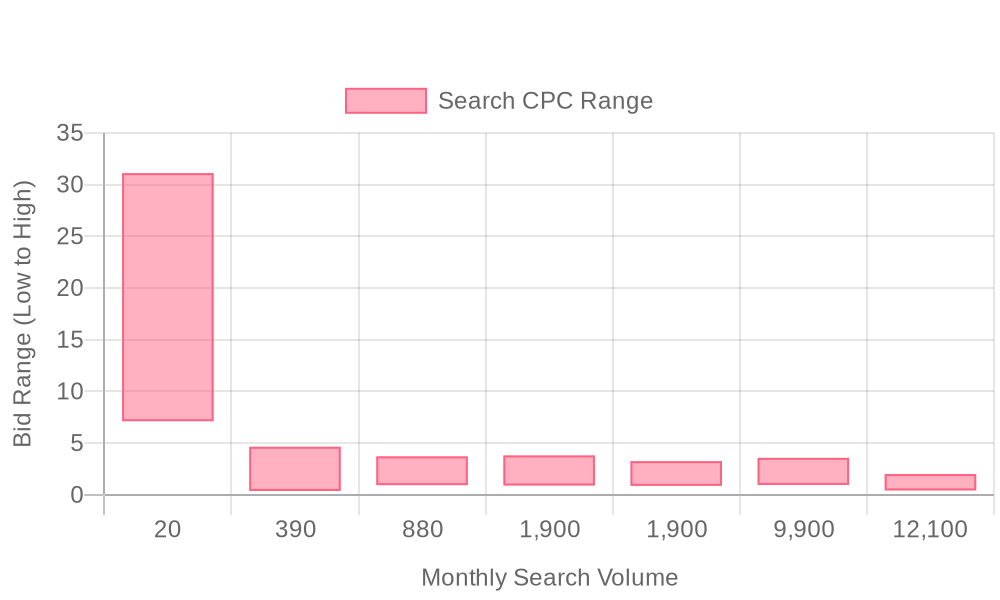
| Industry | Keyword | Monthly Search Volume | Competition Level | Low Bid | High Bid |
| Car Security Services | alamo home security | 20 | HIGH | 7.12 | 31.1 |
| Car Security Services | car camera security system | 390 | HIGH | 0.38 | 4.65 |
| Car Security Services | auto alarm installation near me | 880 | LOW | 0.94 | 3.72 |
| Car Security Services | car alarm installation | 1900 | LOW | 0.91 | 3.81 |
| Car Security Services | car alarm systems installation near me | 1900 | LOW | 0.88 | 3.26 |
| Car Security Services | car alarm installation near me | 9900 | MEDIUM | 0.96 | 3.58 |
| Car Security Services | car alarm system | 12100 | HIGH | 0.43 | 2.01 |
A precise keyword strategy is foundational for effective Google Ads campaigns in the car security sector. By aligning keywords with user intent and local context, marketing teams can efficiently drive qualified leads and maximize ad spend. For a comprehensive walkthrough, see this Google Ads for Car Security Services guide.
- Identify High-Intent Keywords: Prioritize terms such as "car alarm installers near me," "vehicle immobilizer installation," or "high-security locks for vehicles." These keywords signal immediate needs, often tied to a recent break-in or an insurance requirement following a claim, and are more likely to convert. Sona's Intent Signals help pinpoint which searchers are most likely to take action, so budget shifts toward the most promising audiences.
- Implement Negative Keywords: Exclude search queries like "free car alarm apps" or "DIY car security tips" to avoid irrelevant clicks. This approach streamlines spend and ensures ads are shown only to prospects with a genuine intent to purchase or schedule service. Advanced platforms enhance this step by continuously refreshing negative keyword lists based on new behavioral data, learn more in this comprehensive automotive ads guide.
- Utilize Local Modifiers: Integrate geographical terms such as city names, neighborhoods, or "local" into core keywords. Examples include "auto security services in Houston" or "local car alarm expert." Tapping into real-time audience and site visitor data, marketers can target specific regions or zip codes where high-value leads are concentrated, with automated audience sync keeping segments updated as customer data evolves.
- Long-Tail Opportunities: Target detailed queries like "best GPS tracker for cars with anti-theft" or "emergency vehicle lockout response near me." These long-tail keywords attract highly motivated users seeking specialized solutions. Visitor identification and intent signals help surface these nuanced search patterns, enabling dynamic adjustment of keyword bids and ad messaging for each micro-segment.
A robust keyword plan not only improves ad relevance but also drives measurable lift in both inquiries and conversions. By unifying website and CRM data, marketers unlock the full value of targeted ads for car security, ensuring every click is a step closer to revenue. Ready to put these strategies into action? Get started for free with Sona.
Step-by-Step Campaign Execution Framework
A high-performing Google Ads strategy for car security services requires precise execution at every stage. Aligning keywords, messaging, and conversion pathways ensures that advertising spend directly supports pipeline growth and customer acquisition. To strengthen your approach, explore the latest insights on B2B marketing strategies that drive measurable results.
By integrating advanced audience intelligence and seamless CRM sync, revenue teams can surface high-intent prospects and nurture them through the funnel, maximizing the impact of every ad impression.
Step 1: Build Targeted Keyword Lists
- Service-focused terms: Use specific phrases like “vehicle tracking system,” “car alarm installation,” and “24/7 vehicle security monitoring” to reach prospects with clear intent. Pair these with geographic modifiers (e.g., “car security Los Angeles”) for local relevance, which is critical in automotive security marketing. For additional strategies, review this guide to automotive ads.
- Negative keyword refinement: Exclude unrelated or low-value search terms, such as "DIY car lock" or "free security tips", to avoid wasted clicks and improve cost-efficiency. Advanced platforms help marketers identify negative keywords by analyzing real visitor intent and engagement, automatically updating lists as new patterns emerge, and filtering out browsers researching self-installed dash cams or aftermarket alarms rather than professional installation.
A robust keyword foundation ensures that ads only appear for in-market buyers. Marketers using unified data platforms gain the ability to pinpoint which companies are searching for car security solutions, allowing for targeted ads that reach decision-makers, not just anonymous browsers.
The upgrade most car security services advertisers miss is going beyond raw keyword volume to layer in intent and identity signals. By connecting website-visitor data and CRM records with Sona Marketing Measurement, you can see which specific search terms bring in the accounts and customers that actually convert, and weight your keyword and bidding strategy toward those rather than the terms with the highest search volume alone.
Step 2: Develop Compelling Ad Copy
- Headline pain points: Address urgent challenges such as theft prevention or rapid response with direct headlines: “Prevent Theft Today,” or “Upgrade Your Vehicle Security Now.”
- Highlight credentials: Reference industry certifications, awards, or years of experience to instill trust. “Certified Installers” or “Award-Winning Car Security” can differentiate your service.
- Urgent calls to action: Use language that drives immediate response ("Book Same-Day Installation") and add call buttons, location, and review assets to streamline the customer journey.
Dynamic, intent-driven ad copy outperforms static messaging. By leveraging real-time behavioral data, marketers can adjust ads to reflect the urgency or service tier most likely to convert a specific audience segment. Integration with CRM platforms ensures messaging remains aligned with the customer’s current stage in the buying process.
Step 3: Design Effective Landing Pages
- Seamless conversion path: Ensure the landing page mirrors the ad’s promise and provides a clear path to action, such as instant quote forms or direct booking options. Minimize distractions and keep navigation focused on conversion.
- Build trust with proof: Use testimonials, security guarantees, and ROI calculators to reinforce credibility and demonstrate tangible benefits. Visuals of installed systems or client success stories can increase engagement.
Marketers benefit from platforms that unify web analytics with CRM data, allowing them to personalize landing page content for repeat visitors or known prospects. By matching landing experiences with ad group intent, conversion rates improve, and customer acquisition costs decrease.
Step 4: Implement Data-Driven Optimizations
- A/B testing: Regularly test ad copy, images, and landing page layouts to determine which variants drive higher engagement and conversions.
- AI-driven targeting: Use predictive models to refine audience segments based on real-time campaign performance and lead quality data. Marketers should continuously shift budget toward high-converting accounts and away from segments that underperform.
- CRM integration for nurturing: Sync campaign engagement data directly to sales and marketing platforms, enabling rapid follow-up and tailored nurture sequences. Audience lists should update automatically as leads progress through the funnel, ensuring that retargeting and upsell efforts are always relevant.
With unified attribution tracking, online and offline conversions are captured, providing a clear view of ROI. Marketers can confidently allocate budget to the channels and messages delivering the greatest revenue impact, streamlining demand generation for car security services. For additional community insights on challenges and restrictions in advertising local security services, see this Reddit discussion on locksmith ad restrictions.
Sona Marketing Measurement closes the gap between clicks and revenue. It captures every ad click with first-party, company-level tracking, then ties that click through UTM capture and ad-platform APIs to the actual record in your CRM, and reports ROAS by keyword and campaign instead of by last-click form fill. Feeding that revenue signal back into Smart Bidding and Performance Max compounds over time: the algorithms optimize toward booked car security services revenue, not cheap leads.
Tips on Expanding Your Car Security Services Presence
Expanding the reach of car security services requires a data-driven, hyper-targeted approach. Leveraging granular insights into audience behavior allows teams to engage high-value prospects and move beyond generic, one-size-fits-all marketing. For more expert insights on automotive and security marketing, explore our marketing analytics blog.
- Retarget Educational Content: Reinforce authority by retargeting visitors with practical guides, checklists, and safety tips. This approach not only nurtures trust but also keeps your brand top-of-mind as prospects research car security options. Using advanced visitor identification, marketers can pinpoint site visitors who engaged with educational resources and automatically trigger follow-up ads tailored to their specific interests, increasing the chances of conversion.
- Upsell Related Services: Segment your audience to surface upsell opportunities such as annual maintenance plans, smart upgrade packages, or emergency support. Dynamic audience updates ensure that as customers engage with your services, their profiles evolve, allowing you to serve personalized offers at optimal touchpoints. Teams benefit from syncing enriched CRM data and dynamic audience segments directly into platforms like Google Ads, ensuring upsell campaigns reach only those most likely to convert.
- Industry Partnerships: Building alliances with automotive associations, insurance companies, or fleet operators can unlock access to new customer pools. Joint advertising initiatives, such as co-branded webinars or bundled offers, provide mutual value and extend reach. Integrating real-time intent data ensures your joint campaigns target in-market buyers, maximizing partnership ROI and reducing wasted ad spend. For comprehensive tips on marketing auto services with Google Ads, review this guide to automotive ads.
- Localized Campaigns: Tailor campaigns to specific cities, regions, or even neighborhoods to drive higher relevance and local leads. Localized ad creative combined with geo-targeted bidding strategies increases visibility among nearby customers seeking automotive security solutions. By syncing offline lead data with online campaigns, teams can attribute conversions to the right source and refine targeting for each locality, supporting precise local advertising for car security.
Final Thoughts
Google Ads for Car Security Services reshapes how automotive security businesses connect with high-intent customers, driving engagement at the moment of need. By focusing on precise keyword targeting and leveraging detailed audience segmentation, marketing teams can deliver the right message to prospects most likely to convert.
A data-driven approach to campaign optimization ensures that ad spend is consistently allocated to the most impactful audiences. Advanced tools enable revenue teams to move beyond generic targeting, pinpointing not only visitors but also the companies behind anonymous traffic. This level of insight empowers marketers to respond to real-time signals, dynamically shifting budget toward accounts that demonstrate in-market intent for auto security solutions.
Integrating online and offline conversion tracking delivers clarity across the full customer journey. By syncing enriched leads and audiences into ad platforms and CRM systems, automotive security providers can close the loop between digital engagement and real-world service bookings. For a deeper understanding of strategies and considerations unique to this industry, see this guide to advertising security services online.
Beyond Google Ads: Winning the AI Answers Car Security Services Buyers Now Trust
Paid search captures demand at the moment someone types a query. But a fast-growing share of car security services buyers no longer start at Google at all, they ask ChatGPT, Gemini, or Perplexity before they ever run a search, and Google's own AI Overviews increasingly summarize an answer above the traditional results. If your business isn't referenced in those AI answers, you're invisible at the exact moment buyers build their shortlist.
Sona AI Visibility shows where your business shows up across ChatGPT, Gemini, Perplexity, Google AI Overviews, and 10+ engines, and, much like a keyword report, which prompts actually send you buyers, so you can prioritize the ones that convert. Run the two together and you cover the entire buyer path: get cited where buyers research (AI Visibility), then prove which of that demand turns into booked revenue (Marketing Measurement).
Helpful resources
Conclusion
Google Ads works for car security precisely because the buying trigger is so often a single bad night: a smashed window, a stolen catalytic converter, a call from an insurance adjuster asking what security measures were in place. Campaigns built around that reality, tight keyword targeting, fast-loading landing pages, and honest tracking of which clicks become installs, will outperform ones built around generic automotive traffic.
The providers who win long term are the ones who keep refining based on what closes, not just what clicks, tightening keyword lists after each theft season, retiring ad copy that draws DIY browsers instead of installation customers, and feeding real booking data back into their bidding strategy.
Take the next step towards elevating your advertising strategy. Start for free to experience our platform and its capabilities today, and unlock the potential of your car security services in the digital marketplace.
FAQ
What are the best practices for Google Ads in car security services?
Best practices include targeting high-intent keywords, optimizing landing pages, using audience segmentation, and tracking performance to ensure ads reach potential customers when they are most likely to convert.
How can I create effective Google Ads for my car security business?
To create effective Google Ads, focus on thorough keyword research, align ad messaging with landing pages, use audience segmentation, and integrate CRM insights for better targeting and conversion tracking.
What keywords should I use for Google Ads targeting car security services?
Use high-intent keywords such as 'vehicle alarm installation,' 'car anti-theft systems,' and 'auto security systems near me' to align your ads with prospects seeking your services.
How do local service ads work for car security providers?
Local service ads connect car security providers with local customers searching for specialized services, ensuring visibility when potential clients are actively seeking help.
What budget should I allocate for Google Ads in the car security industry?
Allocate your budget towards high-performing segments and keywords identified through performance tracking, ensuring efficient use of funds by focusing on high-intent and localized searches.







