


A furnace that fails at fifty below doesn't wait for a shop's business hours, and the search that follows, "emergency automotive heating repair" or "best car heating services near me", comes from someone who wants an answer in minutes, not a browsing session. Google Ads is the channel built for that moment, intercepting drivers exactly when the cabin goes cold. The businesses that win this traffic aren't the ones bidding the most; they're the ones that can tell a genuinely urgent, high-value prospect from a casual browser and spend accordingly.
How to Generate Automotive Heating Services Leads with Google Ads: A Step-by-Step Guide

In automotive heating services, the deciding factor isn't ad spend, it's speed: knowing which visitor has a dead heater core right now versus one planning a fall tune-up. Precise audience intelligence turns that distinction into action, so revenue teams can chase the appointments that convert today rather than the clicks that might convert eventually.
Integrating Google Ads into your automotive heating services strategy delivers measurable value through a systematic, data-driven approach. By aligning every campaign element to specific business outcomes, teams unlock improvements in qualified lead volume, conversion rates, and marketing ROI.
- Data-Driven Paid Search: The strongest campaigns in this trade don't guess at intent, they read it. Real-time visitor identification and behavioral data reveal which companies and decision-makers are actively searching for heater repair or fleet HVAC service, so a shop can act on that visit instead of losing it to a competitor's ad. For a step-by-step process on optimizing Google Ads for auto repair shops, see this Google Ads optimization guide.
- Optimized Keyword and Audience Targeting: Effective PPC for automotive services hinges on granular keyword selection and dynamic audience segmentation. By continuously updating target lists as leads interact with ads, marketers ensure creatives and offers remain relevant throughout the buying cycle. For curated keyword recommendations, check out best keywords for auto repair shops.
- Aligned Landing Page and Creative Content: Consistent messaging and tailored landing pages matter more in emergency repair than almost any other vertical, a driver with no heat in January won't read past a vague headline. By syncing audience data and intent signals, marketers can serve content that speaks directly to the visitor's actual situation, whether that's an emergency heater failure or scheduled seasonal maintenance, which builds trust fast and lifts conversion.
- Enhanced Performance Optimization Tactics: Conversion tracking that spans both online bookings and offline phone calls lets teams see the real ROI of Google Ads spend, not just the fraction that happens to convert on a form. Integrating CRM and ad platforms means every qualified lead, whether booked by phone or walked in off the street, gets attributed to the right campaign, which sharpens budget decisions instead of just padding a report. Learn more about integrating ad platform cost data with Google Analytics.
- Cross-Channel Integration for Marketing Effectiveness: Unifying go-to-market data across Google Ads, CRM systems, and sales platforms enables a seamless feedback loop. High-value audiences and enriched lead profiles can be synced instantly, ensuring retargeting and lookalike campaigns are always working with the latest information. This level of integration supports continuous campaign refinement and ensures that local advertising for auto services consistently drives measurable business results.
Why Google Ads Matter for Automotive Heating Services

Automotive heating service providers compete in a market shaped by urgent, high-value repair needs and rapid shifts in local demand. Digital campaigns in this sector must consistently surface the right offer to the right audience, capturing prospects whose searches indicate immediate purchasing intent. Sona's Identity Resolution helps reveal which companies are visiting your website, so you can focus ad spend on high-value, in-market prospects.
- Complex, Specialized Audience: Automotive heating queries are precise and symptom-driven, often linked to safety or comfort concerns. Campaigns must identify and qualify these specialized prospects, connecting ad spend to the highest-converting searchers rather than generic auto repair traffic. By leveraging account-level insights, marketers can pinpoint which visitors represent true service opportunities, making every click more actionable.
- Higher Margin Services: Heating system diagnostics, repairs, and replacements generate higher margins compared to routine maintenance. Advanced targeting ensures these profitable service lines receive dedicated budget and messaging, avoiding dilution by lower-value keywords. When campaign data flows directly into a unified platform, revenue teams can prioritize the highest-value jobs and allocate resources accordingly.
- Faster Demand Response: Demand for automotive heating services spikes with the weather, a single cold snap can send search volume climbing overnight. Google Ads lets teams adjust spend and creative in real time to match those local surges. Using observable in-market behaviors, marketers can shift budget toward the segments converting right now rather than waiting for a weekly report to catch up.
- Visibility in Emerging Regions: Growth markets and underserved neighborhoods often lack established provider loyalty, presenting a unique opportunity for agile brands. With granular location targeting, advertisers can dominate in areas where competition is minimal or where new service locations have launched. This targeted visibility directly supports expansion strategies and accelerates lead generation in new territories.
- Integrated Data Analysis: Closed-loop measurement connects ad clicks to actual service appointments and revenue, not just form fills. By syncing CRM and booking data with Google Ads accounts, marketers get a full-funnel view of what drives conversions and repeat business. This integration supports smarter bidding, more accurate ROI calculations, and continuous audience refinement, cutting wasted spend so each campaign delivers results you can actually trace. Get started for free with Sona.
Common Types of Google Ads Campaigns for Automotive Heating Services

- Search Campaigns: High-intent prospects searching for automotive heating service solutions require direct, conversion-focused messaging. Search campaigns capture these leads by aligning ad copy and landing pages with real-time user queries, ensuring service offerings are visible at the exact moment of need. Advanced platforms allow marketers to identify not just keyword triggers but also which companies and people are visiting your website, enabling precise budget allocation and improved close rates.
- Display Ads: Automotive heating services benefit from consistent presence across industry-related websites, keeping brand authority top-of-mind even outside active search phases. Display campaigns offer the ability to reinforce credibility, showcase certifications, and drive awareness among audiences who may soon require repairs. By leveraging real-time, signal-based audience data, companies can ensure display impressions reach not only known prospects but also accounts exhibiting relevant browsing and location-based behaviors. For a step-by-step process on optimizing Google Ads campaigns for auto repair shops, visit this external guide.
- Video Ads: Video is well suited to explaining why a heating system fails, what a repair actually involves, and why ignoring a faint smell of coolant in the cabin is a bad idea. It gives viewers a clearer sense of service quality and safety stakes than text alone can. Pairing video with intent data triggers lets teams retarget based on engagement, so viewers who watch through are nurtured with offers suited to where they are in the decision.
- Remarketing: Most customers research before choosing an automotive heating service provider, making remarketing essential for sustained engagement. Sophisticated retargeting strategies track site visitors and segment audiences by their actions, from service page views to quote requests. Dynamic audience lists automatically update as leads progress, allowing for customized messaging that reflects each user’s stage in the decision journey and maximizing re-engagement outcomes. Explore actionable tips for launching and managing Google Ads for local auto repair shops with this resource.
- Assets: Ad assets provide immediate validation and convenience for users considering automotive heating services. Location, call, and structured snippet assets display essential information, such as proximity, hours, and service range, directly in the ad, reducing friction and building trust. Real-time CRM and offline attribution integration ensures that asset-driven interactions are measured accurately, supporting ROI analysis and optimization of campaign assets for both digital and in-shop conversions.
Where to Find Growth Opportunities
Growth for automotive heating services hinges on uncovering actionable insights hidden within fragmented marketing data. Revenue teams achieve outsized gains by combining granular audience signals with advanced targeting techniques, surfacing demand that competitors miss and nurturing warm prospects efficiently.
- Vertical keyword targeting: Using vertical keyword targeting enables marketers to reach high-intent customers searching for automotive heating system repairs, diagnostics, and seasonal maintenance. By focusing on granular, service-specific phrases, teams can efficiently capture qualified leads and minimize wasted spend. When visitor identification and real-time intent signals are layered onto these queries, marketers can shift budget to the highest-converting search terms as soon as demand surges, maximizing campaign efficiency for Google Ads for Automotive Heating Services.
- Competitor gap analysis: Analyzing gaps in competitors’ keyword and placement strategies reveals untapped opportunities for automotive heating service ads. By identifying where other businesses are under-invested, such as emerging trends in hybrid and electric vehicle heating systems, teams can allocate resources to dominate those segments. When this approach is powered by unified data and dynamic audience insights, campaigns respond instantly as leads move through the funnel, ensuring messaging and budget follow the most valuable opportunities.
- Industry-specific ad placements: Capitalizing on placements within automotive blogs, repair forums, and vehicle owner communities connects automotive heating services with buyers actively seeking solutions. These placements outperform broad awareness tactics by engaging prospects further along the purchase journey. Enhanced audience sync ensures that engaged users are automatically added to retargeting pools and CRM workflows, so future touchpoints are more relevant and timely.
- Content retargeting strategies: Implementing content retargeting captures ongoing interest from visitors who research heater core replacements, seasonal tune-ups, or emergency repair guides. When advanced conversion tracking and attribution are in place, teams can attribute closed revenue back to specific retargeting assets, both online and offline. This clarity informs future creative decisions and media investments, driving measurable improvements in Google Ads ROI for automotive heating services.
By integrating these data-driven tactics, automotive marketing leaders move beyond guesswork, uncovering real growth opportunities and outperforming traditional PPC for automotive services. Each approach becomes more potent when underpinned by connected, real-time data and automated activation, resulting in a demand generation engine that is both agile and accountable. Ready to unlock your next growth phase? Get started for free with Sona.
How to Apply Audience Segmentation for Automotive Heating Services
Modern automotive heating services benefit from precise audience segmentation, ensuring that marketing efforts address customers’ specific needs at the right moment. Revenue teams who leverage segmentation see higher engagement rates, as each customer journey is informed by real-time behavioral cues and intent signals rather than assumptions or outdated lists.
- Define Segments: Start by identifying meaningful categories based on the full range of heating-related services. For example, segment audiences by vehicle type (personal, commercial fleet), urgency (emergency heater repair versus seasonal tune-up), or customer lifecycle (first-time versus returning clients). This granularity allows for tailored messaging and offers, driving greater relevance and response. For hands-on segmentation tactics, explore this playbook library.
- Overlay Intent Signals: Relying solely on static attributes often misses high-value opportunities, while intent overlays capture in-market signals as they happen. By monitoring online behavior such as repeated visits to heater repair pages or engaging with winter service content, marketers can prioritize outreach and shift budgets dynamically toward the most promising segments. Sona enables teams to identify when specific accounts show surging interest, allowing campaigns to capitalize on those live opportunities rather than waiting for lagging lead reports.
- Create Customized Ad Groups: Develop ad groups around these well-defined segments, ensuring each group receives messaging and creative that resonates with their current needs. Assign distinct budgets to each segment, optimizing spend for those demonstrating the highest conversion likelihood. As leads engage and progress, Sona automatically updates audience membership, ensuring that retargeting and nurturing tracks stay accurate and contextually relevant throughout the journey. For more ideas on optimizing ad groups, consider this step-by-step process for auto repair Google Ads.
- Validate Conversion Paths: To ensure each audience segment is moving through the funnel efficiently, integrate CRM tracking with your Google Ads campaigns. This closed-loop approach captures both online and offline interactions, revealing which segments are generating true revenue, not just leads. With Sona, enriched contact data and conversion events sync directly into Google Ads and connected CRMs such as HubSpot or Salesforce, closing the attribution loop and enabling granular ROI analysis by segment. This empowers teams to optimize campaigns in real time, reallocate budget to top-performing audiences, and continuously refine their segmentation based on measurable outcomes.
This is also where measurement changes the economics. With Sona Marketing Measurement you can identify the companies behind your ad clicks, not just anonymous sessions, and segment audiences by which accounts actually become customers. That lets you build bid adjustments and audience signals around the segments that convert and de-prioritize the ones that don't, so you feed Google's algorithms "this click became a paying automotive heating services customer" instead of just "someone filled out a form."
Keyword Strategy & Sample Target Terms
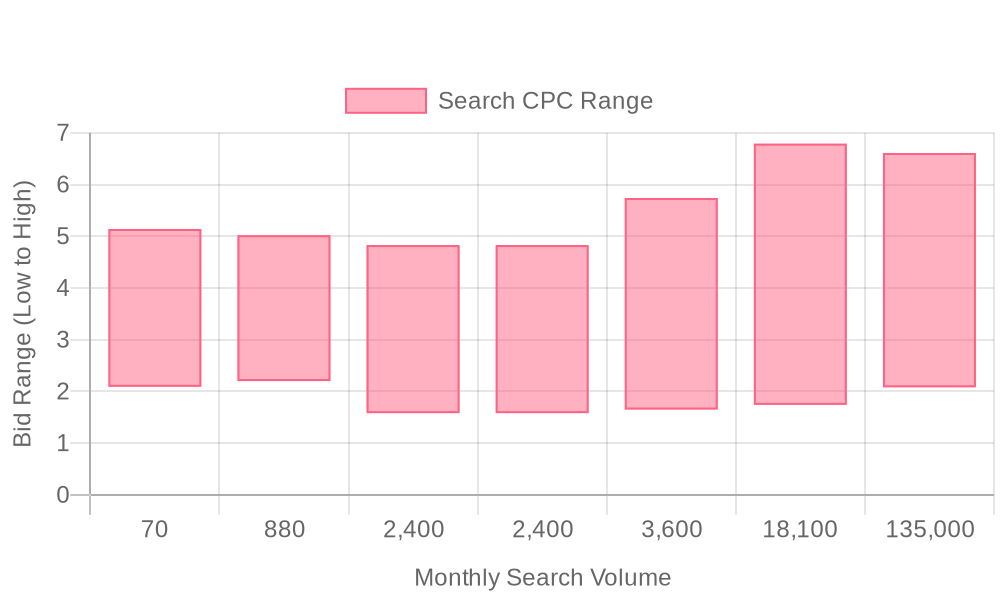
| Industry | Keyword | Monthly Search Volume | Competition Level | Low Bid | High Bid |
| Automotive Heating Services | auto heating and cooling repair near me | 70 | LOW | 2.09 | 5.14 |
| Automotive Heating Services | heating and cooling car repair near me | 880 | MEDIUM | 2.2 | 5.02 |
| Automotive Heating Services | car heater repair near me | 2400 | LOW | 1.58 | 4.83 |
| Automotive Heating Services | auto heater repair near me | 2400 | LOW | 1.58 | 4.83 |
| Automotive Heating Services | best auto ac repair near me | 3600 | MEDIUM | 1.65 | 5.74 |
| Automotive Heating Services | car heater repair | 18100 | LOW | 1.74 | 6.79 |
| Automotive Heating Services | auto ac repair near me | 135000 | MEDIUM | 2.08 | 6.61 |
B2B revenue teams in the automotive heating services sector rely on precision keyword strategy to fill their pipeline with high-intent prospects. Modern digital marketing for automotive initiatives outperform legacy tactics by segmenting audiences, synchronizing channels, and focusing spend on the most conversion-ready buyers. For a curated list of the best-performing keywords tailored to auto repair and heating services, see this list of top-performing keywords for auto repair businesses. To further enhance targeting, marketers can use real-time audience segmentation that adapts to buyer signals and intent.
- Precision Targeting: Automotive heating service providers achieve superior outcomes by focusing on high-intent, symptom-based keywords such as "car heater repair near me," "auto heating system not working," and "emergency car heater service." These terms intercept vehicle owners at the moment of urgent need, capturing leads when demand spikes in colder months or during sudden temperature drops. Rather than relying on broad, generic terms, advanced campaigns dynamically adjust to prioritize the highest-value prospects using real-time intent signals. With solutions that surface company-level visitor data and in-market behavior, marketers can identify decision-makers who are most likely to convert and allocate budget accordingly.
- Measurable ROI: Effective Google Ads targeting strategies for automotive heating services require closed-loop attribution, connecting every click to sales outcomes and revenue impact. Advanced conversion tracking links both online form fills and offline phone bookings to specific keywords and ads, revealing which investments deliver true ROI. By syncing enriched lead data directly into CRM and marketing automation environments, revenue teams gain full visibility from first touch to closed deal. This granular measurement supports agile budget adjustments and ensures marketing dollars continually flow to the best-performing tactics. For step-by-step guidance on optimizing Google Ads for auto repair shops, explore this Google Ads optimization guide for auto repair services.
- Channel Synergy: The most successful automotive heating service ads are not siloed; they operate in coordinated, multi-channel ecosystems. Integrating Google Ads with display, social, and email retargeting ensures prospects are nurtured throughout the buyer journey. Dynamic audience lists that auto-sync with ad platforms update in real time as leads move through research, inquiry, and booking phases, enabling marketers to deliver personalized offers and messaging at each stage. Automated sync between campaign audiences and CRM platforms further streamlines activation, keeping targeting aligned with pipeline status and sales readiness. This approach maximizes the value of each marketing touchpoint and amplifies campaign efficiency across digital channels. To see how you can streamline your own pipeline and drive conversions, get started for free with Sona.
Step-by-Step Campaign Execution Framework
Precise segmentation and responsive follow-up are the foundation of high-performing digital marketing for automotive heating services. Revenue teams that operationalize these fundamentals consistently convert urgent demand into measurable business growth, especially in markets where seasonality and local urgency drive customer intent. Accurate, data-driven campaign execution ensures every advertising dollar is directed toward the audiences most likely to book service, making every step in the process critical for ROI. For more on building a robust digital marketing engine, visit our marketing analytics blog.
Step 1: Build Targeted Keyword Lists
Effective Google Ads for automotive heating services begin with curated keyword lists that reflect both the specific services offered and the geographic regions served. This process involves identifying high-intent phrases such as "car heater repair near me," "defroster fix," and "emergency auto heating service," and then layering in location-specific modifiers to capture local search volume. For a comprehensive look at top-performing keywords, consult this list of auto repair keywords. By continuously analyzing search trends and integrating real-time behavioral signals, marketers can dynamically update these keyword lists to align with shifting demand and identify previously anonymous web visitors for more targeted audience building.
The upgrade most automotive heating services advertisers miss is going beyond raw keyword volume to layer in intent and identity signals. By connecting website-visitor data and CRM records with Sona Marketing Measurement, you can see which specific search terms bring in the accounts and customers that actually convert, and weight your keyword and bidding strategy toward those rather than the terms with the highest search volume alone.
Step 2: Write Ad Copy that Solves Real Pain
Ad copy should directly address the pain points customers experience, such as loss of heat during winter commutes or the need for rapid repairs before a cold front. Effective ads leverage urgency, trust signals, and clear calls-to-action tailored to the context of each search. Utilizing dynamic audience insights enables marketers to personalize messaging based on recent site activity, in-market behavior, or previous service inquiries. For tips on crafting ads that drive conversions, check out our ad copy playbooks.
Step 3: Design Landing Pages that Match Intent
Landing pages must deliver on the promise made in the ad, featuring streamlined booking pathways, transparent pricing for heating services, and real-time service availability. To see how top auto repair shops structure their service pages, review this AC and heat repair example. Integrating CRM and audience data enables pre-filled forms and tailored offers that reflect a visitor’s company, service history, or buying journey stage. Advanced conversion tracking connects every click, form fill, and booked appointment back to the original ad and keyword, enabling true ROI measurement.
Step 4: Optimize Campaigns with Real Conversion Data
Ongoing data-driven optimization is essential to maximize the impact of PPC for automotive services. This includes regular analysis of conversion rates by keyword, audience segment, and geographic area, followed by budget reallocation toward top-performing segments. For a step-by-step process to optimize your Google Ads, reference this PPC optimization guide for auto repair. Syncing enriched lead and conversion data from CRM and ad platforms ensures revenue teams can attribute closed deals to specific campaigns, making it possible to shift spend instantly to high-converting channels and optimize for true business outcomes. To put these strategies into action, get started for free with Sona.
Sona Marketing Measurement closes the gap between clicks and revenue. It captures every ad click with first-party measurement, then ties that click through UTM capture and ad-platform APIs to the actual record in your CRM, and reports ROAS by keyword and campaign instead of by last-click form fill. Feeding that revenue signal back into Smart Bidding and Performance Max compounds over time: the algorithms optimize toward booked automotive heating services revenue, not cheap leads.
Tips on Expanding Your Automotive Heating Services Presence

Data-driven marketing unlocks new opportunities for automotive heating services to move beyond seasonal demand and achieve year-round growth. Strategic expansion hinges on leveraging real-time analytics and localized insights to target regions and customer segments with the highest revenue potential.
- Cross-Promotion: Use educational resources such as how-to guides, seasonal maintenance checklists, and explainer videos in retargeting sequences. By identifying which audiences engage with this content, marketers can dynamically update remarketing lists and prioritize high-intent prospects. When paired with Sona's Identity Resolution, these campaigns move beyond anonymous traffic and allow for precise follow-up, ensuring each touchpoint delivers value and nudges potential customers toward conversion.
- Localization: Effective local advertising for auto services means focusing on granular geo-segments like specific metro areas or state-level clusters. Real-time intent data enables revenue teams to shift budget into regions showing spikes in in-market behaviors, such as an uptick in “car heater repair near me” searches during cold snaps. For a step-by-step process on optimizing Google Ads for local auto repair shops, see this guide.
- Partnerships: Co-branded advertising with complementary automotive businesses, such as tire shops or windshield repair providers, amplifies reach and credibility. Sharing data across partners creates richer audience profiles and helps coordinate offers, maximizing conversion rates. When Sona Destinations sync audience data and leads directly into advertising platforms and CRM systems, campaign management becomes seamless and attribution remains clear across brands.
- Content Development: Query-level data from Google Ads for Automotive Heating Services highlights emerging customer concerns and trending keywords. By continuously feeding this intelligence into content strategy, marketers can develop blogs, service pages, and video content that answer timely questions and capture search demand. Automated workflows ensure that as content converts visitors, those leads are instantly routed to the right nurture campaigns or sales teams, supporting a consistent pipeline of qualified opportunities.
Expanding automotive heating services presence ultimately requires constant synchronization between ad platforms, CRM, and analytics. When every digital interaction informs targeting, creative, and lead management, automotive marketers can deliver highly personalized experiences that drive measurable ROI. To streamline your growth and audience targeting, get started for free with Sona.
Beyond Google Ads: Winning the AI Answers Automotive Heating Services Buyers Now Trust
Paid search captures demand at the moment someone types a query. But a growing share of automotive heating services buyers now ask ChatGPT, Gemini, or Perplexity before they ever run a search, and Google's own AI Overviews increasingly summarize an answer above the traditional results. If your business isn't referenced in those AI answers, you're invisible at the exact moment buyers build their shortlist.
Sona AI Visibility shows where your business shows up across ChatGPT, Gemini, Perplexity, Google AI Overviews, and 10+ engines, and, much like a keyword report, which prompts actually send you buyers, so you can prioritize the ones that convert. Run the two together and you cover the entire buyer path: get cited where buyers research (AI Visibility), then prove which of that demand turns into booked revenue (Marketing Measurement).
Helpful resources
Conclusion
The shops that win the most service calls this winter won't be the ones with the biggest budgets, they'll be the ones whose ad spend is tied to actual bookings rather than clicks. That means treating keyword strategy, landing pages, and measurement as one connected system rather than three separate line items.
The next step is closing the loop: connect ad platforms to CRM and booking data so Google's bidding algorithms learn which clicks actually turn into paying customers, not just which ones fill out a form. That's the difference between a campaign that looks efficient and one that actually is.
To put closed-loop measurement to work for your own campaigns, start for free with Sona.
FAQ
What are the best practices for Google Ads in automotive heating services?
Best practices include using data-driven paid search, optimized keyword and audience targeting, aligned landing page and creative content, enhanced performance optimization tactics, and cross-channel integration for marketing effectiveness.
How can I effectively target customers for automotive heating services using Google Ads?
Effective targeting involves granular keyword selection, dynamic audience segmentation, precise audience intelligence, and syncing audience data with CRM and ad platforms to ensure ads reach high-value prospects.
What budget should I allocate for Google Ads in the automotive heating sector?
Budget allocation should be dynamic, focusing on high-margin services, real-time demand response, and visibility in emerging regions, with budget adjustments based on conversion data and performance metrics.
What keywords should I use for Google Ads in automotive heating services?
Use high-intent, symptom-based keywords such as 'car heater repair near me,' 'auto heating system not working,' and 'emergency car heater service' to capture urgent demand and intercept vehicle owners.
How do I measure the success of my Google Ads campaigns for automotive heating services?
Success is measured through advanced conversion tracking, integrating CRM and ad platforms for closed-loop attribution, and analyzing conversion rates by keyword, audience segment, and geographic area.







