


A torn leather seat or a faded convertible top rarely waits for a convenient time; customers search for repair and restoration shops the moment the damage becomes a problem, which makes Google Ads a natural fit for auto upholstery marketing. Yet many shops miss high-value prospects simply because those visitors never enter the CRM, and the ad spend meant for real decision-makers ends up chasing cold, unqualified traffic instead. Advanced tools now let businesses identify these anonymous visitors and confirm that ad spend is reaching real buyers with real intent. Pairing data-driven insights with tools like Sona for CRM account enrichment and predictive buying-stage tracking unifies marketing effort and produces results you can actually trace back to revenue. This guide walks through how to put Google Ads to work for an auto upholstery business.
How to Generate Auto Upholstery Leads with Google Ads: A Step-by-Step Guide
Modern auto upholstery businesses operate in a landscape where anonymous website traffic translates to missed lead opportunities and stalled sales cycles. Capturing more qualified leads means harnessing precise ad targeting, intent-driven outreach, and unified data to engage only the most relevant buyers at every stage.
Google Ads for Auto Upholstery enables shops to precisely attract high-intent prospects searching for restoration, repair, or customization services. For a step-by-step walkthrough of campaign setup and optimization, see this Google Ads guide for auto detailing. By integrating intelligent audience segmentation and advanced attribution, marketers can uncover which companies are browsing their site, transforming faceless visitors into actionable accounts and instantly routing them into tailored ad experiences. Explore more strategies for account identification tools that convert anonymous traffic into qualified leads.
- Keyword and Audience Targeting: Prioritizing keywords such as “auto upholstery repair,” “leather seat restoration,” or “classic car interior upgrade” targets buyers already in-market for specialized services. Using audience targeting, marketers can push ads toward companies showing clear purchase intent, so budget goes to the highest-value prospects. Real-time visitor identification surfaces the exact businesses behind anonymous traffic, allowing for hyper-personalized follow-up.
- Landing Page Alignment: Every click should land on a page tailored to the user’s search intent, such as a leather repair portfolio or vinyl seat replacement estimator. Landing pages optimized for fast load times, mobile experience, and instant quote requests drive higher conversion rates. Unified platforms allow auto upholstery marketers to sync dynamic audience segments with specific landing experiences, ensuring each visitor receives content and calls-to-action that match their exact service needs and stage in the buying journey.
- Performance Optimization: Data-driven iteration is essential to outpace competitors and reduce cost per acquisition. Marketers can use performance insights to adjust bidding strategies, ad scheduling, and creative messaging, doubling down on campaigns that generate the most qualified leads. When intent signals are unified and sales reps are armed with enriched account data, outreach can be timely and context-aware, driving up both conversion rates and deal size.
- Integration with Sona: By syncing CRM-enriched audiences and pipeline accounts directly into Google Ads, marketers can automatically retarget deals in the evaluation or negotiation stage with price-focused offers or urgency-driven calls to action. This deep integration ensures that ads remain relevant as prospects progress through the funnel, accelerating close rates and delivering measurable revenue impact for auto upholstery businesses.
Why Google Ads Matter for Auto Upholstery Businesses

Auto upholstery businesses face a digital landscape crowded with generic service providers, yet their clients demand specialized craftsmanship and rapid response. Google Ads for auto upholstery empowers these companies to capture high-intent searchers at the exact moment they seek expert repair or customization, driving measurable lift in qualified leads and conversions.
- Specialized Audience: Google Ads enables precise targeting of car owners, fleet managers, and commercial accounts actively seeking upholstery repair, restoration, or upgrades. Campaigns built around tailored keywords like "leather seat restoration near me" and "classic car upholstery repair" put offers in front of those with urgent needs and proven willingness to pay for quality. Explore more strategies for tailored B2B marketing.
- Urgent Needs: Many upholstery projects stem from accidents, wear, or last-minute resale preparations. Search and local campaigns capture these urgent, time-sensitive queries, outperforming organic and social channels for immediate bookings. Performance marketers can also use in-market intent data to dynamically prioritize spend toward prospects showing the strongest purchase signals.
- Emerging Markets: With expanding demand in under-served regions and among specialty vehicle owners, paid search unlocks growth beyond traditional word-of-mouth. By layering geo-targeting and real-time behavioral insights, advertisers can shift budget to untapped ZIP codes or emerging segments, ensuring ads only appear where they drive new business.
- Integrated Analytics: Modern tools allow marketers to unify campaign, CRM, and web analytics, using AI to score leads by purchase readiness and automate follow-up. This ensures outreach occurs at the optimal moment, reducing wasted sales effort and increasing close rates. When marketers sync enriched audience data, such as company firmographics, stage, and engagement history, directly to Google Ads, campaign optimization becomes both predictive and actionable, not reactive.
Common Types of Google Ads Campaigns for Auto Upholstery Services
Auto upholstery businesses thrive on capturing precise moments of customer intent. The right campaign mix not only increases visibility but also drives qualified leads who are ready to invest in specialized interior restoration and repairs. By leveraging dynamic, real-time data, marketers can adapt quickly as customer needs shift, ensuring every dollar is spent reaching audiences most likely to convert.
- Search Campaigns: Search campaigns address urgent needs when customers actively seek auto upholstery solutions. These campaigns tap into intent-driven queries such as "leather seat repair near me" or "car interior restoration," delivering ads when action is most likely. Connecting CRM data and real-time visitor identification allows marketers to prioritize high-potential prospects, ensuring budget flows toward in-market accounts as intent spikes.
- Display Ads: Display campaigns increase brand awareness across relevant automotive sites, industry blogs, and local news outlets. Eye-catching before-and-after imagery of completed upholstery projects builds trust and showcases craftsmanship. By syncing updated audience segments directly from CRM, marketers avoid wasted impressions and keep messaging relevant as prospects move through the funnel. For a detailed look at pay-per-click strategies tailored for auto detailing, see this PPC best practices guide.
- Video Ads: Video ads highlight the transformation process, from torn, faded interiors to fully restored, like-new finishes. These campaigns are highly effective for demonstrating technical expertise and unique value. Integrating enriched lead data and behavioral intent signals enables dynamic retargeting, so viewers who engage with video content receive tailored follow-ups and offers aligned with their demonstrated interests.
- Remarketing: Remarketing campaigns re-engage website visitors and past customers with timely offers, reminders, or new service highlights. Auto-updating audience lists, powered by unified data and advanced tracking, ensure that campaigns automatically adjust as visitor journeys progress. This approach keeps messaging aligned with current intent, increasing conversion rates while reducing wasted spend on cold leads.
- Performance Max: Performance Max campaigns pull inventory, ad copy, and bidding across Search, Display, YouTube, and Maps into a single goal-driven campaign, which suits auto upholstery shops that want maximum coverage for seasonal surges, such as convertible-top demand ahead of summer, without managing each channel separately. Feeding the campaign strong conversion signals, like completed bookings rather than form fills, keeps its automated bidding focused on real jobs rather than idle form-fills.
- Ad Assets: Ad assets add credibility and context by displaying certifications, ratings, service guarantees, and special offers alongside core ads. Utilizing up-to-date business data ensures that assets reflect the shop's true strengths, whether that's OEM certifications, verified customer testimonials, or seasonal promotions. Automated syncing from internal systems minimizes manual updates and keeps every asset fresh and accurate.
Where to Find Growth Opportunities in Google Ads for Auto Upholstery
Auto upholstery businesses can accelerate growth by targeting segments that traditional automotive marketing often overlooks. By refining Google Ads strategies, teams unlock new markets and generate higher-quality leads more efficiently than with broad, catch-all automotive campaigns. For a deeper dive into high-performing keyword strategies, explore this comprehensive overview of Google Ads for auto repair shops and discover more B2B marketing insights in our blog.
- Vertical Keyword Targeting: Pinpointing niche, service-specific keywords such as “custom leather seat repair,” “convertible top replacement,” or “classic car upholstery restoration” ensures that ads capture buyers with urgent, high-value needs. This approach goes beyond generic “auto repair” terms, driving qualified traffic with strong purchase intent. Advanced audience tools enable marketers to identify not just anonymous clicks, but also the companies and decision-makers behind each inquiry, leading to higher conversion rates and more meaningful sales conversations.
- Competitor Gap Analysis: Growth-minded teams regularly assess the competitive landscape to reveal service gaps where demand outpaces supply. By analyzing where rivals underinvest, such as luxury materials, rare vehicle interiors, or geographic micro-markets, auto upholstery advertisers can increase market share with targeted, differentiated offers. Real-time intent signals let marketers spot shifts in in-market behavior, ensuring budget flows to the segments most likely to convert.
- Content Retargeting: Many auto upholstery leads interact with blogs, galleries, or service guides but leave before booking. Retargeting campaigns that leverage these content touchpoints can draw back high-potential prospects. Dynamic audience capabilities allow teams to update retargeting lists instantly as users progress through research, quote requests, or appointment scheduling. Marketers who sync enriched audience data back into their CRM and advertising platforms create seamless, ongoing engagement that nurtures leads through each stage of the buying journey.
How to Apply Audience Segmentation for Auto Upholstery
Auto upholstery businesses operate in a dynamic market where customer intent and buying cycles can rapidly shift. Precision in audience segmentation is essential to ensure every ad dollar is spent reaching prospects most likely to convert and generate long-term value. To dive deeper into segmentation strategies for B2B marketing, explore our account-based marketing guide.
- Define Segments: Differentiate between regular consumers and fleet services. Segmenting audiences by intent and service need is critical in auto upholstery advertising. Regular consumers often seek restoration or cosmetic upgrades for personal vehicles, while fleet clients require scalable solutions, rapid turnaround, and ongoing contracts. Segmenting these audiences enables tailored messaging and ad creative that directly address the unique pain points and expectations of each group, providing a more relevant experience and increasing conversion rates. For industry insights on trends and innovations, visit this auto upholstery industry blog.
- Overlay Intent Signals: Use predictive data to foresee potential customer needs and tailor more relevant ads, ensuring your campaigns target the freshest, highest-intent profiles. Google Ads for Auto Upholstery campaigns become significantly more effective when Sona surfaces intent signals on top of base demographic and behavioral segments. By integrating real-time visitor identification and in-market activity, marketers can dynamically adjust targeting to prioritize prospects demonstrating active interest, such as those comparing upholstery options, requesting quotes, or searching for local providers. This approach lets advertisers shift budget to high-propensity accounts as soon as they emerge, reducing wasted spend and raising return on investment.
Audience segmentation can also be enhanced through dynamic audience management. As leads progress through the funnel, from initial inquiry to quote request and finally booking, audience lists can automatically update, ensuring that users receive the right message at each stage. Syncing enriched audience data with CRM systems and Google Ads means auto upholstery businesses deliver more personalized ad experiences, track online and offline conversions accurately, and close the loop between marketing and sales performance. For a detailed look at PPC advertising best practices in this industry, check out this pay-per-click guide for auto upholstery.
This is also where measurement changes the economics. With Sona Marketing Measurement you can identify the companies and buyers behind your ad clicks, not just anonymous sessions, and segment audiences by who actually becomes a customer. That lets you build bid adjustments and audience signals around the segments that convert and de-prioritize the ones that don't, so you feed Google's algorithms "this click became a paying auto upholstery customer" instead of just "someone filled out a form."
Keyword Strategy & Sample Target Terms
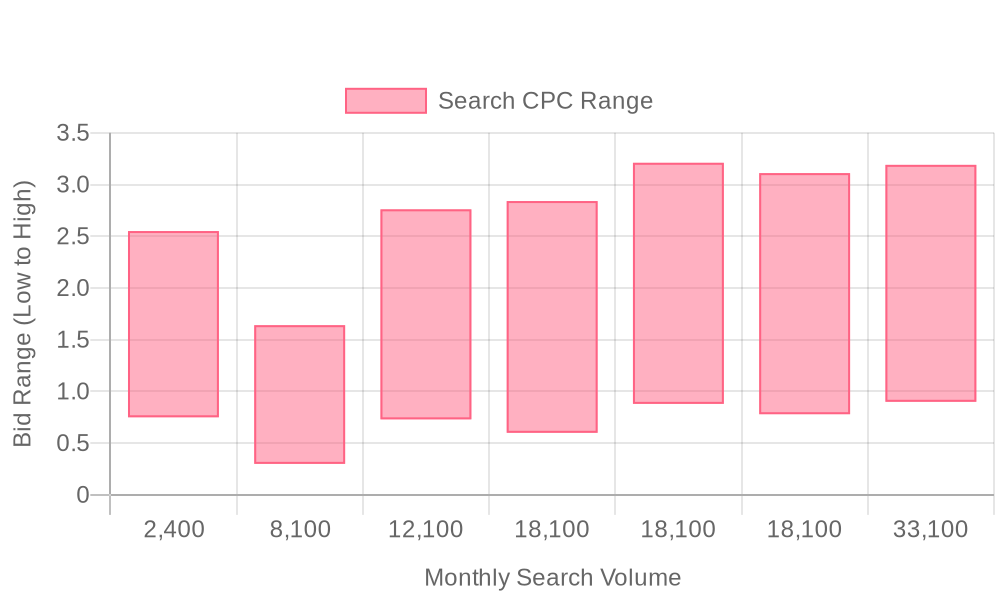
| Industry | Keyword | Monthly Search Volume | Competition Level | Low Bid | High Bid |
| Auto Upholstery | car seat upholstery near me | 2400 | MEDIUM | 0.75 | 2.55 |
| Auto Upholstery | leather car seat covers | 8100 | HIGH | 0.3 | 1.64 |
| Auto Upholstery | car upholstery | 12100 | LOW | 0.73 | 2.76 |
| Auto Upholstery | auto upholstery | 18100 | LOW | 0.6 | 2.84 |
| Auto Upholstery | car upholstery near me | 18100 | LOW | 0.88 | 3.21 |
| Auto Upholstery | auto upholstery shop near me | 18100 | LOW | 0.78 | 3.11 |
| Auto Upholstery | auto upholstery near me | 33100 | LOW | 0.9 | 3.19 |
A data-driven keyword strategy is essential for capturing high-value auto upholstery leads and standing out in a competitive market. Focusing on intent-rich and low-competition search terms delivers measurable ROI and ensures marketing dollars go toward prospects actively seeking upholstery services. For a deeper dive into leveraging the right terms, explore this list of auto repair SEO keywords to inform your campaign planning.
- High Volume, Low Competition: Identify and prioritize keywords that attract substantial search traffic but are not saturated by large competitors. Terms like “auto upholstery repair experts” or “leather seat restoration shop” frequently offer strong search volume with manageable bid costs. Utilizing advanced visitor identification, marketers can surface untapped keywords tied to in-market buyer activity, allowing budget to be allocated to search terms that generate the highest conversion rates.
- High Intent Keywords: Focus on phrases that indicate immediate need and local relevance, such as “upholstery repair near me,” “car seat reupholstery [city],” or “vinyl car seat repair.” These keywords attract prospects ready to take action, ensuring ads connect with those most likely to request a quote or schedule service. Audience segments can be dynamically refined as leads move through the funnel, matching ad messaging with the prospect’s current stage and maximizing the likelihood of conversion. Access more actionable strategies in our marketing playbooks for optimizing your keyword approach.
Leveraging real-time intent data, teams can monitor which search terms are driving engagement from target accounts and shift spend to keywords and geographies with the highest potential. Integrating enriched audience data into ad platforms and CRM systems ensures that every high-intent search is captured and nurtured, supporting holistic auto upholstery business growth.
Step-by-Step Campaign Execution Framework
A precise, data-driven approach to Google Ads for auto upholstery empowers businesses to identify and convert high-value leads while minimizing wasted spend. This framework offers a systematic path to campaign execution, centered on actionable insights and continuous optimization that drive measurable business growth. To explore further strategies, visit our B2B marketing blog or step-by-step guide to Google Ads for auto detailing for actionable tips relevant to the automotive sector.
Each step reflects best practices in PPC for auto upholstery, aligning keyword intent, ad messaging, and user journey with the nuanced needs of upholstery buyers. Revenue teams benefit from unified data streams, dynamic segmentation, and advanced attribution that accurately reflect pipeline impact.
Step 1: Build Targeted Keyword Lists
- Local search terms: Include keywords such as "auto upholstery near me," "car seat repair [city]," and "vehicle interior restoration." These terms capture users with immediate intent and a geographic need, maximizing relevance and minimizing wasted impressions.
- Service specificity: Expand keyword sets to cover unique service queries like "leather seat patching," "convertible top replacement," and "custom car upholstery." This segmentation allows campaigns to attract high-intent buyers seeking specialized solutions.
- Negative keywords: Diligently exclude irrelevant traffic by filtering out searches tied to furniture, boat, or RV upholstery, which siphon budget without contributing to auto upholstery leads.
Using platforms that enrich keyword data with real-time visitor identification, marketers can go far beyond anonymous clicks. Campaign managers surface not just which terms drive traffic, but which specific companies and in-market accounts are searching for auto upholstery services. This data granularity enables rapid refinement of keyword targeting toward the most valuable segments.
The upgrade most auto upholstery advertisers miss is going beyond raw keyword volume to layer in intent and identity signals. By connecting website-visitor data and CRM records with Sona Marketing Measurement, you can see which specific search terms bring in the accounts and customers that actually convert, and weight your keyword and bidding strategy toward those rather than the terms with the highest search volume alone.
Step 2: Develop Compelling Ad Copy
- Pain-point driven headlines: Address specific challenges such as "Worn Leather Seats? Expert Restoration" or "Stains & Tears? Fast Auto Upholstery Repair." Messaging that mirrors customer pain elevates click-through rates and establishes trust.
- Benefit-focused descriptions: Emphasize outcomes like "Restore luxury, comfort, and value to your vehicle in days," or "Certified technicians, OEM materials, and color-matched results."
- Ad extensions: Incorporate sitelinks to popular services, callouts such as "Free Estimates," and structured snippets to showcase material expertise.
By integrating real-time intent signals, teams can dynamically adjust ad copy to reflect shifting market demand. As prospects move from research to ready-to-book, updated messaging can showcase limited-time offers or priority scheduling, ensuring relevancy at every touchpoint.
Step 3: Design Effective Landing Pages
- Seamless user journey: Landing pages should directly mirror ad messaging and keywords, presenting visitors with the exact solutions promised in the ad. Use service-specific pages for "leather repair," "fabric restoration," or "classic car interiors" to avoid generic content.
- Conversion-centric design: Guide users with clear CTAs, streamlined quote request forms, and trust-building elements like before/after galleries, certifications, and customer testimonials.
- Mobile-first optimization: Ensure landing pages load quickly and display flawlessly on mobile devices, as over half of upholstery leads originate from smartphones.
When platforms sync audience data and engagement history into ad and CRM systems, marketers can personalize landing page experiences at scale. Returning visitors might see expedited booking forms or custom greetings, while new users receive educational content tailored to their stage in the buying journey.
Step 4: Implement Data-Driven Optimizations
- Performance analysis: Continuously monitor cost per lead, conversion rates, ad relevance, and keyword performance. Identify drop-off points and address them with A/B testing or creative refreshes.
- Audience refinement: Leverage dynamic audience lists that automatically update as leads interact with your business, moving them between prospecting, retargeting, and exclusion lists in real time.
- Advanced attribution: Apply both online and offline conversion tracking to understand the true ROI of each campaign. Integrate phone call tracking, appointment bookings, and in-person sales to close the loop on every lead.
Solutions that unify CRM, ad platform, and web analytics data allow marketers to identify which campaigns and channels truly drive revenue, not just clicks. This feedback loop powers smarter budget allocation, higher-quality auto upholstery leads, and a measurable lift in overall business growth.
Sona Marketing Measurement closes the gap between clicks and revenue. It captures every ad click with first-party, company-level tracking, then ties that click through UTM capture and ad-platform APIs to the actual record in your CRM, and reports ROAS by keyword and campaign instead of by last-click form fill. Feeding that revenue signal back into Smart Bidding and Performance Max compounds over time: the algorithms optimize toward booked auto upholstery revenue, not cheap leads.
Expanding Your Auto Upholstery Presence
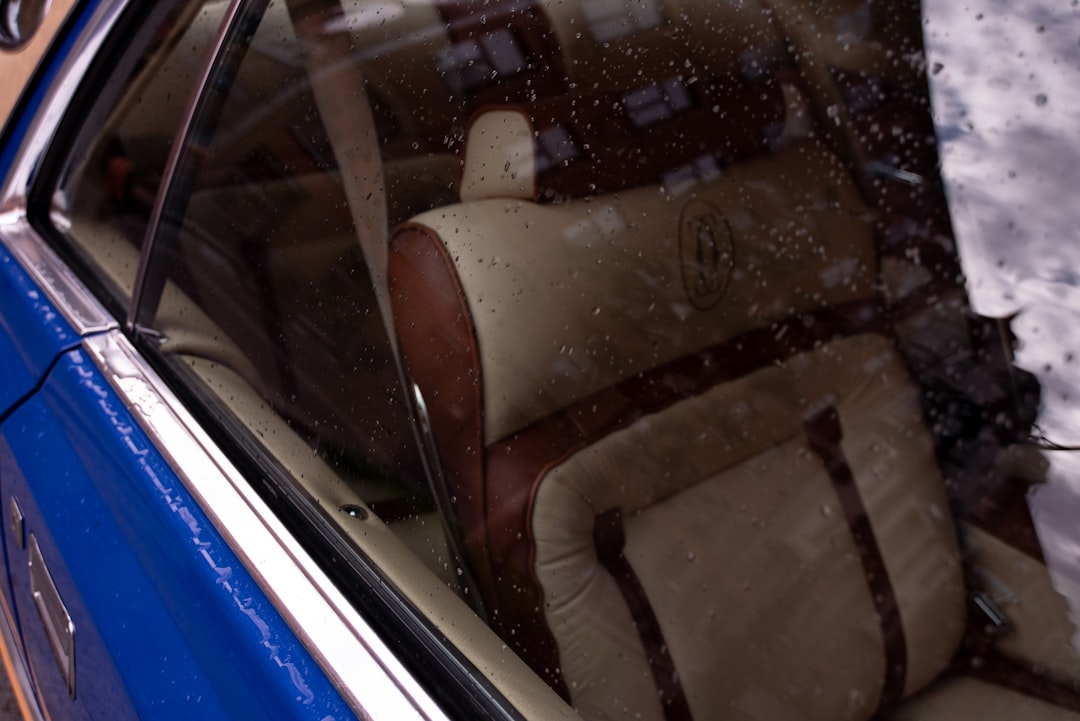
Auto upholstery businesses that push beyond traditional marketing boundaries consistently capture more qualified leads and achieve higher conversion rates. By deploying strategic outreach and expanding audience segments, companies gain visibility in both local and specialized markets.
- Promote Educational Content: Providing actionable, educational resources empowers potential clients to solve common upholstery challenges, positions your brand as a trusted expert, and improves organic reach. Blog articles, how-to videos, and downloadable guides not only build authority for auto upholstery advertising but also nurture prospects at every buying stage. Leveraging integrated data from ad platforms and CRM systems enables you to identify which content resonates most with high-value audiences, letting you double down on formats and topics that drive lead engagement.
- Partner with Auto Retailers: Collaborating with dealerships, car accessory shops, and vehicle service providers creates new cross-promotion opportunities. These partnerships help you tap into shared customer bases, extend your brand’s reach, and unlock referral traffic that converts at a higher rate. When synced with real-time audience data, these efforts allow for dynamic targeting, ensuring your Google Ads for auto upholsterers are seen by those most likely to need your services immediately after a vehicle purchase or during routine maintenance.
Navigating Google Ads for auto upholstery requires disciplined targeting, compelling creative, and continuous performance optimization. Integrating solutions that unify web, CRM, and offline data lets marketers streamline lead generation, refine ROI calculations, and hold a competitive edge in a crowded market. Addressing challenges like outdated audience lists or disconnected intent signals gets easier once predictive buying-stage data and enriched CRM insights are layered into ad campaigns, sharpening both campaign management and long-term business growth. Get started for free with Sona.
Beyond Google Ads: Winning the AI Answers Auto Upholstery Buyers Now Trust
Paid search captures demand at the moment someone types a query. But a fast-growing share of auto upholstery buyers no longer start at Google at all, they ask ChatGPT, Gemini, or Perplexity before they ever run a search, and Google's own AI Overviews increasingly summarize an answer above the traditional results. If your business isn't referenced in those AI answers, you're invisible at the exact moment buyers build their shortlist.
Sona AI Visibility shows where your business shows up across ChatGPT, Gemini, Perplexity, Google AI Overviews, and 10+ engines, and, much like a keyword report, which prompts actually send you buyers, so you can prioritize the ones that convert. Run the two together and you cover the entire buyer path: get cited where buyers research (AI Visibility), then prove which of that demand turns into booked revenue (Marketing Measurement).
Helpful resources
Conclusion
Auto upholstery shops that treat Google Ads as a precision tool, not a megaphone, consistently out-book competitors who bid on generic terms and hope.
The shops pulling ahead right now are the ones connecting ad spend to booked jobs, not just clicks, and increasingly the ones showing up when buyers ask AI tools for a recommendation before they ever type a search query. That combination, precise targeting today and visibility in tomorrow's AI-driven research, is where the next round of growth in this trade will come from.
To unify your go-to-market data and put these insights to work, start for free with Sona.
FAQ
What are the best strategies for Google Ads in auto upholstery?
The best strategies include precise ad targeting, integrating CRM tools like Sona for enriched data, using intent-driven outreach, optimizing landing pages, and leveraging performance insights for continuous optimization.
How much should I budget for Google Ads for my auto upholstery business?
The budget should focus on targeting high-intent keywords and audiences, ensuring spend is directed towards high-value prospects with strong purchase intent.
What keywords should I target for Google Ads in auto upholstery?
Target keywords such as auto upholstery repair, leather seat restoration, and classic car interior upgrade that attract buyers actively seeking specialized services.
How can I measure the success of my Google Ads campaigns for auto upholstery?
Success can be measured by tracking metrics like cost per acquisition, conversion rates, and using CRM tools to integrate enriched data for accurate attribution and performance insights.
Are there specific Google Ads features that benefit auto upholstery businesses?
Yes, features such as audience targeting, ad extensions, remarketing, and integration with CRM systems like Sona to retarget and tailor ads as prospects move through the buying stages are beneficial.







