


Upholstery cleaning is an impulse-adjacent, high-urgency purchase: a homeowner with a wine stain or a facilities manager with a compliance deadline searches for help and books within hours, not weeks. Google Ads for Upholstery Cleaning works because it puts your business in front of that buyer at the exact moment of need, whether they're searching for same-day service, pet stain removal, or a recurring commercial contract. The common failure isn't a lack of clicks; it's visitors who land on the site and never call or book. This guide walks through how upholstery cleaning businesses can use Google Ads to fix that gap, from keyword targeting and audience segmentation to landing pages and ongoing optimization, so ad spend turns into booked jobs rather than bounced traffic.
How to Generate Upholstery Cleaning Leads with Google Ads: A Step-by-Step Guide

Upholstery cleaning businesses rely on digital channels for steady, high-quality lead generation in a competitive local market. Leveraging Google Ads for Upholstery Cleaning delivers measurable visibility to buyers actively seeking services, increasing both call volume and online bookings. For a deeper understanding of upholstery cleaning offerings and the industry landscape, review this overview of upholstery cleaning services.
Modern revenue teams require more than surface-level targeting; they need actionable, data-driven approaches to maximize every dollar spent on PPC for upholstery cleaning. This guide breaks down each essential tactic to help you reduce wasted spend, personalize outreach, and build a lead pipeline that strengthens your bottom line. To explore related demand generation strategies for service businesses, visit our resource hub.
Data-driven keyword targeting specific to upholstery cleaning services to minimize wasted budget on broad terms that don't convert.
Precision keyword targeting is the foundation of successful Google Ads campaigns in the upholstery cleaning vertical. Instead of casting a wide net that attracts irrelevant searches, focus on highly specific, high-intent phrases like "sofa cleaning near me," "pet stain removal upholstery," and "commercial upholstery cleaning service." This approach cuts down on wasted clicks and ensures ad spend is directed at prospects ready to book, learn more about selecting and optimizing Google Ads keywords for cleaning services.
When marketers layer in Identity Resolution, they can refine keyword lists even further. By identifying which companies are actively researching upholstery services, whether a property management firm or a hospitality group, you can prioritize budget toward high-converting search terms and pause spend on keywords that underperform. Continuous monitoring of keyword-level performance allows for early identification of wasted spend, enabling revenue teams to reallocate budget to campaigns demonstrating real ROI.
Audience segmentation focusing on consumer behavior and service needs, allowing targeted campaigns that resonate with different market segments.
Segmenting audiences by behavior and service needs transforms generic advertising into hyper-personalized engagement. Residential clients often search for urgent spot treatments or family-safe solutions, while commercial prospects prioritize large-scale, recurring cleaning and compliance with building standards. By building dynamic audiences that update in real time as leads move through the funnel, marketers can deliver relevant messaging and offers at each stage.
Connecting CRM and website data directly into your Google Ads audiences allows for granular segmentation. For example, you can create separate campaigns for first-time homeowners, repeat business clients, or even property managers overseeing multiple locations. For inspiration on how leading cleaning businesses structure their ad campaigns, browse these effective cleaning ads examples.
Custom landing page designs that convert visitors into customers by directly addressing their search intent and pain points such as delayed service response times.
Conversion-optimized landing pages are essential for turning paid traffic into booked appointments. Each landing page should be tightly aligned with the visitor’s search intent: for example, a user clicking "same-day upholstery cleaning" should land on a page promising rapid response and showcasing live availability. Addressing pain points like slow replies, unclear pricing, or safety concerns directly on the page builds trust and removes friction from the booking process.
Revenue teams that integrate offline and online signals can dynamically update landing pages based on visitor context, such as displaying custom testimonials for commercial buyers or instant price quotes for residential leads. For a look at how professional service providers position their offerings, review this professional upholstery cleaning service page.
Continuous optimization tactics to enhance ROI and lead quality by identifying underperforming keywords early.
Ongoing optimization is vital for maintaining profitability in Google Ads for cleaning services. Regular performance audits help uncover underperforming keywords, ad groups, or audience segments before they drain your budget. By combining granular conversion data with real-time intent insights, marketers can shift spend away from low-quality leads and double down on winning strategies.
Advanced conversion tracking capabilities make it possible to measure true ROI, including both online forms and phone calls, tying every lead back to the originating campaign. For a deeper dive into setting up and optimizing Google Ads for carpet and upholstery cleaning, reference this Google Ads guide for carpet cleaning.
Integrate your Google Ads strategy into a broader multi-channel marketing effort. Consider these focus areas:
Retargeting strategies to recapture interested site visitors and secure bookings, effectively turning lost opportunities into sales.
Retargeting is critical for maximizing the value of every site visitor, especially in a service category where buyers may comparison shop before making a decision. By serving tailored ads to users who clicked but didn’t book, you keep your brand top-of-mind and nudge them back to complete their appointment.
Connecting your CRM and ad platforms enables seamless audience sync, allowing you to retarget not only anonymous browsers but also known leads who abandoned forms or requested quotes.
Why Does Google Ads Matter for Upholstery Cleaning

Upholstery cleaning businesses face a digital landscape where capturing precise demand is crucial to outpacing competition and growing revenue. With the complexity of customer journeys and the high value of each job, a well-structured Google Ads approach delivers unmatched market reach and lead quality. For an overview of upholstery cleaning service offerings and job requirements, review this upholstery cleaning services resource.
- Complex, Specialized Audience: Upholstery cleaning appeals to both homeowners and facility managers, each with distinct aims and timelines. Google Ads empowers marketers to intercept these decision-makers at the moment of search intent, using behavioral signals and demographic insights to target only those most likely to book a service. By integrating company-level identification of site visitors, marketers can move beyond generic clicks and identify not just anonymous traffic but the actual companies or households ready to convert.
- Higher Margin Services: Unlike general cleaning, upholstery work often commands higher ticket prices, especially for commercial contracts or specialty eco-friendly treatments. Google Ads enables strategic bidding on high-value keywords, focusing spend on services with the strongest profit margins. By tracking how prospects engage across channels, marketers can use intent data to shift investment toward those accounts showing urgency or premium service interest, ensuring efficient allocation of every dollar.
- Faster Demand Response: The nature of upholstery cleaning includes urgent jobs, spills, accidents, and compliance-driven commercial needs. Google Ads allows for rapid campaign adjustments in response to spikes in search volume or sudden local events. With unified analytics, marketers can identify which topics or keywords lead to frequent form abandonments and quickly adjust ad copy or offers, capturing demand before it slips away.
- Visibility in Emerging Regions: Growth often depends on breaking into new neighborhoods or business districts. Google Ads location targeting, informed by real-time data on search patterns and demographic shifts, allows businesses to expand their footprint with surgical precision. By dynamically syncing enriched audience segments, teams can ensure localized ads reach the right people as soon as demand emerges in a new area.
- Integrated Data Analysis: Google Ads campaigns generate a wealth of intent and engagement data, but true value comes when this insight is connected to pipeline and revenue outcomes. By directly syncing CRM and sales data back into ad platforms, marketers can measure which audiences, keywords, and creative combinations drive not just clicks but booked jobs and repeat revenue. This holistic approach eliminates wasted spend on poorly matched audiences and continuously refines targeting based on real revenue impact.
Common Types of Google Ads Campaigns for Upholstery Cleaning Services

- Search Campaigns: Search campaigns are the foundation for upholstery cleaning advertising, and Responsive Search Ads are the standard ad format within them, testing combinations of headlines and descriptions to see what earns the click. These campaigns reach high-intent prospects actively searching for services like "upholstery cleaners near me" or "sofa cleaning in [city]." By aligning keyword targeting with local demand, businesses can connect with prospects ready to book. Integrating first-party data and visitor identification enables marketers to move beyond guessing, pinpointing which companies are searching and tailoring bids for their highest-value prospects. This level of connectivity ensures that each dollar spent is directed toward those most likely to convert, maximizing Google Ads ROI for cleaning.
- Display Ads: Display ads offer a visual channel to build brand awareness across the web. For upholstery cleaning providers, these banners and images keep your brand top-of-mind among homeowners, property managers, or business decision-makers in your target markets. When display campaigns sync with dynamic audience segments, automatically updated as new leads engage or drop off, remarketing budgets shift toward individuals showing recent intent, reducing wasted impressions and increasing engagement among in-market audiences.
- Video Ads: Video ads allow cleaning businesses to show the impact of their services in seconds. Demonstrating fabric restoration or stain removal visually persuades decision-makers who need proof of quality before booking. When customer journey mapping unifies with campaign performance data, marketers can identify which video moments drive higher engagement and optimize creative accordingly, ensuring that each impression builds trust and shortens sales cycles.
- Remarketing: Remarketing campaigns re-engage visitors who viewed services but did not convert. For upholstery cleaning companies, timely follow-ups with tailored messaging, such as limited-time offers or reminders about cleaning codes, bring back high-value prospects. Leveraging advanced audience sync and enrichment, remarketing lists update in real time as leads move between website, CRM, and ad platforms. This ensures only the most relevant, high-intent contacts receive additional touches, resulting in higher conversion rates and greater cost efficiency.
- Performance Max: Performance Max campaigns pool Search, Display, YouTube, and Maps inventory into a single goal-driven campaign, which suits upholstery cleaners who want to capture both the urgent "near me" searcher and the slower-moving commercial buyer comparing vendors. Feeding it strong conversion signals, like calls, form fills, and booked jobs rather than just clicks, lets Google's bidding find pockets of demand a manually built campaign might miss.
- Assets: Ad assets, such as location and call extensions, add immediate trust and facilitate quick action. Location assets show proximity, making it easier for local customers to choose your business. Call assets enable one-tap contact, which is crucial for urgent cleaning needs. When assets are managed alongside real-time performance and attribution data, teams can quickly see which combinations drive calls, bookings, and revenue, helping optimize both messaging and spend across all local service ads for cleaning. To see how these features can drive results, get started for free with Sona.
Where to Find Growth Opportunities?
Expanding reach in the upholstery cleaning sector requires a blend of data-driven targeting, competitive analysis, and client-focused engagement. Each strategy needs to align with actual market behavior and specific service demand to deliver measurable ROI. For ongoing insights into B2B marketing and attribution strategy, explore our blog.
- Vertical keyword targeting for upholstery cleaning: Precision in keyword selection is essential for capturing high-intent opportunities. Using granular search terms like “pet odor upholstery cleaning” or “leather sofa stain removal” narrows your audience to those actively seeking specialized solutions. Reviewing an overview of upholstery cleaning services can help refine your keyword list to match the most in-demand offerings. When customer behavior and search data are unified in real time, marketers can identify which vertical keywords drive the highest conversions and adjust spend dynamically for peak efficiency.
- Competitor analysis using auction insights: Analyzing auction insights reveals which services competitors emphasize and where gaps exist. By regularly reviewing impression share, overlap rate, and top-of-page metrics, upholstery cleaning providers can uncover underserved queries and tailor their offers. Integrating insights from platform-level and CRM data exposes which competitor leads are entering your funnel, making it possible to prioritize lookalike audiences or develop counter-messaging for accounts showing high engagement but low conversion.
- Industry-specific directory placements: Being listed on vertical directories and review platforms for upholstery cleaning increases visibility among buyers already in-market. These platforms attract traffic from decision-makers comparing services, which often leads to higher intent inquiries. Marketers who integrate visitor identification tools can connect inbound leads from niche directories directly to sales teams, ensuring no qualified prospect slips through the cracks.
- Content retargeting with educational or promotional offers: Retargeting website visitors with content such as care guides, fabric cleaning tips, or limited-time discounts keeps your brand top-of-mind throughout the consideration process. As potential clients revisit or engage with different resources, dynamic audience segments update automatically, allowing for tailored messaging at each funnel stage. By syncing enriched audience data into ad platforms and CRM systems, teams can maintain persistent engagement, track online-to-offline conversions, and accurately attribute pipeline revenue to retargeting efforts.
Each of these growth tactics, when powered by unified data and real-time intent signals, empowers upholstery cleaning businesses to make smarter budget decisions, capture overlooked demand, and accelerate revenue.
How to Apply Audience Segmentation for Upholstery Cleaning

Audience segmentation for upholstery cleaning delivers superior campaign relevance, ensuring each ad dollar is invested in the prospects most likely to convert. By structuring campaigns around the unique needs and triggers of each segment, marketers consistently outperform generic outreach, maximizing both lead quality and marketing efficiency. For a deeper dive into targeted strategies, explore our collection of actionable playbooks.
- Define customer segments: Start by distinguishing your core audiences, such as residential homeowners versus commercial property managers. Residential clients often prioritize convenience, safety, and fast turnaround, while commercial segments value compliance, large-scale capacity, and reliability. Further refine groups to include urgent service seekers, eco-conscious clients, or those searching for specialized fabric care.
- Overlay intent signals: Go beyond basic demographics by capturing real-time behavioral data to identify high-intent leads. Monitoring signals like repeated searches for “emergency upholstery cleaning” or engagement with reviews about eco-friendly chemicals enables marketers to dynamically prioritize spend. Using advanced tools, marketers can track in-market behavior and quickly shift budget toward audiences actively seeking services, ensuring campaigns reach buyers at the right moment.
- Create distinct ad groups: For each segment, build aligned ad groups with tailored messaging and offers. A group focused on “office chair cleaning” should highlight large-volume discounts and after-hours scheduling, while a group for “pet stain removal” can emphasize safe, non-toxic solutions and rapid response. This approach prevents wasted impressions on irrelevant audiences and raises overall Quality Score, reducing the cost of Google Ads for cleaning.
- Validate conversion paths with tracking and CRM integration: Implement robust, multi-touch tracking systems to trace every conversion from ad click to closed sale. Integrating audience and lead data from both online and offline sources into your CRM ensures that marketing and sales operate from a unified view. As audience segments evolve or new behaviors emerge, dynamic audience updates keep campaigns agile, enabling retargeting, lookalike modeling, and efficient follow-up. Real-time syncing of enriched leads into platforms like Google Ads and Salesforce accelerates response times, closes attribution gaps, and delivers true Google Ads ROI for cleaning services.
Effective segmentation for upholstery cleaning advertising transforms the generic into the actionable, empowering teams to engage priority accounts, minimize waste, and scale high-performing campaigns with confidence.
This is also where measurement changes the economics. With Sona Marketing Measurement you can identify the companies and buyers behind your ad clicks, not just anonymous sessions, and segment audiences by who actually becomes a customer. That lets you build bid adjustments and audience signals around the segments that convert and de-prioritize the ones that don't, so you feed Google's algorithms "this click became a paying upholstery cleaning customer" instead of just "someone filled out a form."
Keyword Strategy & Sample Target Terms
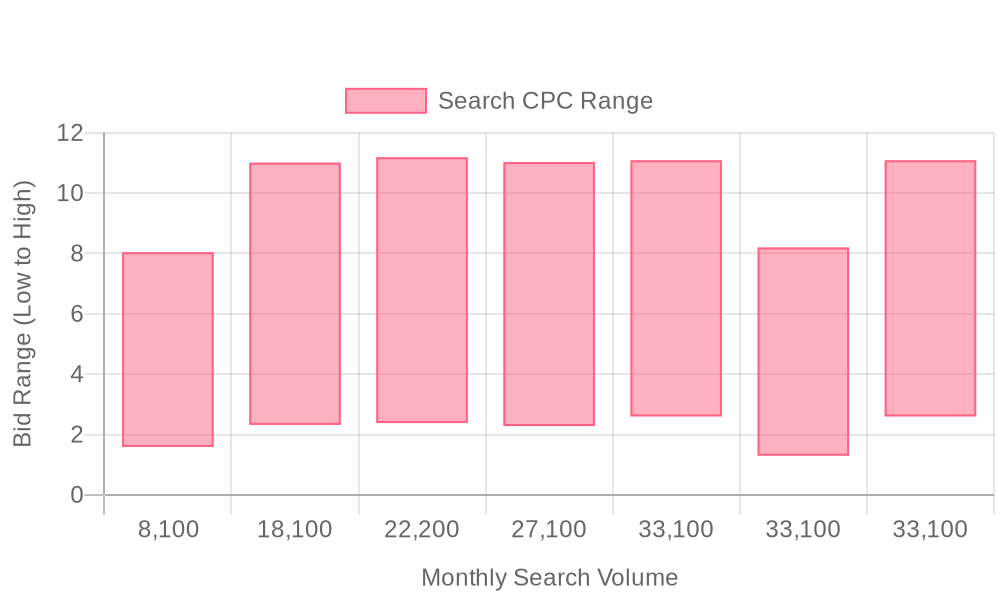
| Industry | Keyword | Monthly Search Volume | Competition Level | Low Bid | High Bid |
| Upholstery Cleaning | sofa cleaning | 8100 | HIGH | 1.59 | 8.04 |
| Upholstery Cleaning | upholstery cleaning | 18100 | MEDIUM | 2.32 | 11.01 |
| Upholstery Cleaning | furniture cleaning near me | 22200 | MEDIUM | 2.38 | 11.19 |
| Upholstery Cleaning | upholstery cleaning near me | 27100 | LOW | 2.28 | 11.03 |
| Upholstery Cleaning | couch cleaning service | 33100 | HIGH | 2.6 | 11.09 |
| Upholstery Cleaning | couch cleaner | 33100 | HIGH | 1.3 | 8.2 |
| Upholstery Cleaning | sofa cleaning service | 33100 | HIGH | 2.6 | 11.09 |
Precision in keyword targeting shapes the visibility and profitability of any Google Ads for Upholstery Cleaning campaign. By focusing on high-intent search terms, advertisers can significantly increase lead quality and conversion rates while controlling costs. Prioritizing keywords that align with actual buying intent, such as "eco-friendly upholstery cleaning ads" or "emergency sofa cleaning near me," ensures your budget is spent engaging users who are actively seeking services. To explore more actionable tactics, visit our collection of actionable playbooks.
Integrating negative keywords is essential for filtering out irrelevant traffic and protecting campaign ROI. Excluding queries like "DIY upholstery cleaning" or "fabric store," which signal non-service intent, prevents your ads from surfacing in searches that won’t convert. This proactive filtering not only conserves spend but also improves ad relevance, which can raise Quality Scores and lower cost per click.
Modifiers add a layer of specificity that drives local and immediate demand. Adding terms such as "local," "same-day service," or including neighborhood names ensures your Google Ads for cleaning services reach users who are most likely to convert quickly. These geo- and urgency-based variations increase ad resonance and position your business as a timely, accessible solution with geographic targeting. learn more about optimizing Google Ads for cleaning.
Marketers can amplify these strategies with advanced data tools that identify which visitors are actively in-market and which companies are browsing cleaning solutions. By leveraging Sona's Identity Resolution, you can pinpoint high-intent behavior in real time, shifting ad budgets automatically toward the most promising accounts. When audience lists update dynamically as leads progress through the sales funnel, retargeting and upsell opportunities become more personalized and effective. With enriched lead data synced directly into Google Ads and connected CRMs, every keyword investment is matched to tangible revenue outcomes, allowing for accurate measurement of Google Ads ROI for cleaning and smarter reinvestment decisions. To see these tools in action, get started for free with Sona.
Step-by-Step Campaign Execution Framework
Upholstery cleaning businesses outperform local competition when they deploy a precise, data-driven Google Ads strategy. With intelligent execution, campaigns yield higher booking rates and deliver measurable revenue growth by reaching audiences ready to act. Explore real examples of Google Ads campaigns for cleaning services to spark creative inspiration or refine your digital approach.
A stepwise approach helps revenue teams eliminate wasted spend, align their messaging with client needs, and maximize every click. For teams aiming to unify marketing data and connect sales with true buyer intent, this method ensures every part of the campaign supports scalable, high-ROI lead generation.
Step 1: Build Targeted Keyword Lists
Effective keyword strategy is foundational for Google Ads for upholstery cleaning. Teams must invest in research to identify search terms with strong purchase intent, such as “sofa cleaning near me,” “commercial upholstery cleaning,” and fabric-specific queries like “leather couch stain removal.” Segmenting keywords into themes, by service type, fabric, location, and urgency, enables precise targeting and minimizes budget waste. For more guidance, the Sona blog features actionable tips on account-based keyword segmentation.
Marketers leveraging real-time intent signals gain a strategic edge. By analyzing CRM and web analytics, they can pinpoint which queries drive bookings, then prioritize those in ad groups. When intent data and visitor identification are connected, campaigns move beyond guesswork and allocate spend to the search terms proven to convert high-value accounts.
The upgrade most upholstery cleaning advertisers miss is going beyond raw keyword volume to layer in intent and identity signals. By connecting website-visitor data and CRM records with Sona Marketing Measurement, you can see which specific search terms bring in the accounts and customers that actually convert, and weight your keyword and bidding strategy toward those rather than the terms with the highest search volume alone.
Step 2: Craft Compelling Ad Copy
Ad copy must address the real pain points of upholstery cleaning customers, such as stain removal, quick drying times, and allergen reduction. High-performing ads communicate clear value, answer common objections, and offer an immediate solution: for example, "Book same-day service for your office furniture" or "Safe, eco-friendly cleaning for homes with pets and kids." Review compelling cleaning ad examples to refine your messaging approach.
When teams have dynamic audience segmentation and historic engagement signals at their fingertips, they can tailor messaging in real time to match buyer stage and urgency. Dynamic audience updates mean ads always reach prospects with the right offer, whether they’re new visitors or returning leads moving toward a decision. This ensures every impression is as relevant as possible, increasing clickthrough and conversion rates.
Step 3: Design Intent-Aligned Landing Pages
A seamless user journey from ad to landing page is critical for conversion. Landing pages should echo the search intent and ad message, offering service overviews, transparent pricing, trust signals, and fast contact options. For B2B clients, including data-backed claims, certifications, and tailored CTAs for facility managers or property teams builds authority and credibility. See effective B2B landing page tips for inspiration.
Integration with lead attribution tools allows marketers to connect website actions to specific campaigns, ad groups, and even keywords. When CRM and form data synchronize instantly, sales teams can follow up in minutes, while marketing identifies which campaigns drive qualified pipeline. This unified data ecosystem accelerates the path from click to closed deal and provides a closed loop for ongoing optimization.
Step 4: Implement Data-Driven Optimizations
Continuous optimization ensures every dollar spent on PPC for upholstery cleaning delivers maximum ROI. Marketers should monitor real-time performance metrics, cost per booking, conversion rate, quality score, and adjust bids or creative based on what is actually driving revenue. Automated bidding strategies, informed by unified intent signals, help shift budget toward campaigns and audiences with the highest likelihood of closing.
Advanced conversion tracking, including both online and offline events, provides a full-funnel view of campaign impact. Marketers syncing audience data directly into ad platforms gain granular insight into which tactics influence pipeline and revenue. This closed-loop attribution empowers revenue teams to invest confidently, scale winning strategies, and continually refine their approach for sustained growth.
Sona Marketing Measurement closes the gap between clicks and revenue. It captures every ad click with first-party measurement, then ties that click through UTM capture and ad-platform APIs to the actual record in your CRM, and reports ROAS by keyword and campaign instead of by last-click form fill. Feeding that revenue signal back into Smart Bidding and Performance Max compounds over time: the algorithms optimize toward booked upholstery cleaning revenue, not cheap leads.
Tips on Expanding Your Upholstery Cleaning Presence
Upholstery cleaning businesses can achieve broader market recognition and stronger inbound lead flow by deploying a multi-channel approach that prioritizes strategic visibility. Businesses ready to scale often find the difference lies in how seamlessly they coordinate cross-channel communication and drive consistent messaging across digital touchpoints. Each tactic below is designed to target real customer needs, maximize existing resources, and extract greater value from every marketing investment.
- Cross-promote content resources: Sharing educational assets, case studies, and testimonials across owned and paid media channels not only aids in remarketing but ensures that brand stories remain fresh in the minds of prospects. With unified data, marketers can identify which blog posts or how-to guides are consistently engaging visitors, then retarget those audiences with Google Ads for upholstery cleaning that echo the most effective value propositions. This level of content synergy increases return visits and reduces cost per acquisition as messaging becomes more tailored with each touch.
- Upsell additional services: Using audience segmentation built on behavioral and demographic signals, upholstery cleaning companies can craft campaigns that present relevant upsell offers, like fabric protection or commercial cleaning bundles, to the right segments at the right time. When these audience segments are continually enriched with real-time insights, marketers can automatically trigger ads to customers who have shown high purchase intent, ensuring every ad dollar is directed toward those most likely to convert or expand their service engagement.
- Leverage strategic partnerships: Collaborations with local furniture retailers, realtors, or property managers can bring a steady pipeline of referral traffic and lend third-party credibility, accelerating the trust-building process. By integrating partner referral data into campaign analytics, businesses can attribute leads accurately and fine-tune their Google Ads for cleaning services targeting to favor high-value referral sources, amplifying both reach and reputation.
- Localize campaigns: Hyper-local targeting is essential for upholstery cleaning advertising, where service areas are tightly defined, and proximity matters. Accurate audience definition, down to the zip code or neighborhood, allows for budget concentration in regions with the highest demand or least competition, while dynamically updating service zones as new opportunities arise. This ensures that ads surface precisely where and when prospects are searching for solutions, driving higher qualified lead volumes without wasted spend.
Winning at Google Ads for Upholstery Cleaning means pairing a meticulous keyword strategy with precise audience targeting and continuous optimization. High conversion rates come from matching customer intent with the right message and offer at the right moment, and from adjusting quickly when a keyword or audience stops performing. Businesses that stay data-driven and keep refining their targeting build a durable edge over competitors still running generic campaigns.
Beyond Google Ads: Winning the AI Answers Upholstery Cleaning Buyers Now Trust
Paid search captures demand at the moment someone types a query. But a fast-growing share of upholstery cleaning buyers no longer start at Google at all, they ask ChatGPT, Gemini, or Perplexity before they ever run a search, and Google's own AI Overviews increasingly summarize an answer above the traditional results. If your business isn't referenced in those AI answers, you're invisible at the exact moment buyers build their shortlist.
Sona AI Visibility shows where your business shows up across ChatGPT, Gemini, Perplexity, Google AI Overviews, and 10+ engines, and, much like a keyword report, which prompts actually send you buyers, so you can prioritize the ones that convert. Run the two together and you cover the entire buyer path: get cited where buyers research (AI Visibility), then prove which of that demand turns into booked revenue (Marketing Measurement).
Helpful resources
Conclusion
The upholstery cleaning businesses winning right now aren't the ones bidding highest on "upholstery cleaning near me", they're the ones that know which keywords, audiences, and ad assets actually turn into booked jobs, and which just generate clicks. That distinction only shows up when ad platforms are connected to real booking and revenue data, not last-click form fills.
As AI answer engines take on more of the early research that used to happen in a Google search bar, upholstery cleaners who pair tight Google Ads execution with visibility in those AI answers will reach buyers earlier in the decision, before the shortlist is even built. That combination, precise paid search plus AI visibility, is where the next round of growth in this trade will come from.
FAQ
What are the best Google Ads strategies for upholstery cleaning?
The best strategies include precision keyword targeting with high-intent phrases, audience segmentation based on behavior and service needs, creating custom landing pages, and continuous optimization to enhance ROI and lead quality.
How much should I budget for Google Ads in upholstery cleaning?
While the article does not specify an exact budget, it emphasizes the importance of data-driven approaches to maximize every dollar spent, suggesting that budget allocation should focus on high-converting search terms and campaigns.
What keywords should I use for upholstery cleaning ads?
Focus on specific, high-intent keywords such as 'sofa cleaning near me,' 'pet stain removal upholstery,' and 'commercial upholstery cleaning service' to minimize wasted clicks and increase conversions.
How do I create effective Google Ads for my cleaning business?
To create effective ads, use data-driven keyword targeting, segment audiences based on service needs, design custom landing pages that address search intent, and continuously optimize campaigns based on performance metrics.
What are common mistakes to avoid in Google Ads for cleaning services?
Common mistakes include using broad terms that don't convert, failing to segment audiences, not aligning landing pages with search intent, and neglecting continuous optimization and performance monitoring.







