


A custom shop can build the sharpest exhaust note or the cleanest wide-body kit in the region and still lose the sale to a competitor who simply shows up first in search. Auto customization buyers, whether they're chasing a full restomod or a set of forged wheels, tend to research obsessively before they call, and Google Ads is where that research starts. The challenge is that most shops can't see who's browsing their site before they submit a quote request, and that blind spot costs real deals. Google Ads solves half the problem with precision targeting; pairing it with better visibility into anonymous traffic solves the rest, turning searches for specialized parts or one-off builds into booked jobs.
How to Generate Auto Customizations Leads with Google Ads: A Step-by-Step Guide
Auto customization businesses thrive on precision marketing that reaches enthusiasts and decision-makers when they are actively searching for bespoke vehicle solutions. Leveraging Google Ads for Auto Customizations enables brands to target high-intent buyers, streamline lead qualification, and maximize conversions at every stage of the funnel.
A data-driven approach ensures every marketing dollar is accountable, allowing teams to prioritize campaigns that deliver measurable results. By focusing on granular audience segmentation, marketers can tailor their ad spend to those most likely to convert and nurture these prospects with highly relevant content.
- Adopt a data-driven approach to complement your marketing mix: Integrate campaign data from Google Ads with existing CRM and sales platforms to achieve a unified view of prospect engagement. This empowers revenue teams to identify anonymous website visitors and attribute pipeline value to specific creative, channel, or keyword investments.
- Employ niche keywords and audience-targeting tactics specific to custom car services: Utilize keyword lists tailored to car personalization, luxury modifications, and automotive parts, ensuring your ads surface for high-value, purchase-ready searches. Dynamic audience building, informed by real-time intent signals, allows marketers to shift budget toward segments with the highest likelihood of conversion.
- Align ad creatives and landing pages for maximum conversions: Design landing pages that reflect the ad copy and showcase value propositions unique to auto customizations, such as exclusive materials, craftsmanship, or turnaround times. Consistent messaging across the journey reduces drop-off and encourages form submissions from qualified prospects.
- Continuous performance optimizations for better ROI, ensuring prospects transition smoothly from curiosity to commitment: Leverage advanced conversion tracking to attribute both online and offline actions, refining audiences and creative based on what drives actual sales. Syncing leads and engagement data across platforms enables ongoing campaign adjustments and ensures the sales team acts quickly on the most promising opportunities.
- Sync Google Ads with other marketing efforts like email and social media to create a robust marketing ecosystem: Unify audience data from Google Ads, social, and email platforms to orchestrate timely, personalized outreach. This holistic approach accelerates lead nurturing and supports a seamless buyer journey, making every channel work harder for your auto customizations business.
Why Google Ads Matter for Auto Customizations Businesses
Auto customization businesses operate in a landscape where customer intent is high, but audience segments are fragmented across search, social, and niche communities. Google Ads offers a direct line to these high-value markets, empowering teams to reach buyers who are actively seeking performance upgrades, custom builds, or rare automotive parts. For businesses aiming to turn website visits into qualified leads, Sona's Identity Resolution reveals which companies are engaging with your site, even before anyone fills out a form, helping you capture more of this valuable demand.
Disconnected campaigns often lead to wasted spend and messaging that fails to convert. By integrating Google Ads with a unified data strategy, companies can coordinate messaging across every touchpoint, segment audiences by real-time in-market behavior, and adapt to shifting demand with agility. This approach ensures marketers capture intent as it happens, securing opportunities for high-margin services such as luxury vehicle customization or aftermarket modifications. For actionable guidance, explore our marketing, attribution, and revenue operations insights.
- Target complex audiences: Google Ads enables precise segmentation, letting marketers reach enthusiasts seeking bespoke design work or specialty performance parts. Sona's Audiences tool builds real-time, signal-based segments that auto-sync with ad platforms, updating as leads interact with ads and landing pages.
- Secure high-margin services: Auto customization often involves premium offerings. Google Ads lets businesses highlight luxury upgrades and rare components directly to buyers who signal purchase intent, increasing the likelihood of upselling and cross-selling high-margin services. For a comprehensive overview, see this guide to effective automotive ads.
- Respond quickly to demand waves: When new models launch or seasonal trends emerge, Google Ads provides the flexibility to adjust budgets and creative within hours. Real-time insights into which keywords and ads are driving conversions allow for rapid reallocation of spend toward the most profitable segments.
- Gain visibility in emerging markets: By leveraging granular geographic and demographic targeting, auto customizers can introduce their services to underserved regions or niche communities. Marketers can identify which companies are visiting their site and trigger campaigns tailored to local trends or unique market needs.
- Enhance integrated data analysis: With advanced attribution, every click, form fill, and offline conversion is tracked back to its source. Marketers get a clear view of which channels, keywords, and creative drive actual revenue, enabling ongoing optimization and smarter budget allocation across all digital channels. Unlock deeper insights by tracking and attributing marketing's impact on your sales pipeline.
Common Types of Google Ads Campaigns for Auto Customization Services
- Search Campaigns: Search ads target high-intent prospects actively looking for auto customization services or specific upgrades, including Responsive Search Ads that let Google test headline and description combinations for each query. With precise keyword strategies, these campaigns capture customers at the decision stage, making every click more likely to convert. When marketers sync enriched lead data directly from their CRM into search campaigns, targeting becomes sharper and budget allocation more efficient, ensuring ads reach the right buyers.
- Display Ads: Display campaigns build brand awareness and nurture interest among car enthusiasts, dealership partners, and aftermarket buyers. Creative banners and visual placements remind past visitors of your services and attract new audiences through relevant placements. Dynamic display audiences, updated in real time as leads engage or disengage, help maximize reach while reducing wasted impressions.
- Video Ads: Video ads on platforms like YouTube allow auto customizers to showcase unique builds, before-and-after transformations, and customer testimonials. These formats foster engagement and trust, especially for luxury car customizations where visual impact drives consideration. By tracking viewer interactions and overlaying behavioral intent signals, marketers can identify which videos spark genuine purchase interest and retarget accordingly.
- Remarketing: Remarketing brings previous website visitors, quote requesters, or showroom attendees back into the funnel. By identifying visitors at both the company and individual level, marketers can tailor creative and offers based on real-time engagement history. This approach is particularly effective for high-value upgrades, where the sales cycle is longer and personalized follow-up boosts conversion rates. Explore this comprehensive guide to creating effective automotive ads for more tips on remarketing strategies.
- Assets: Ad assets add vital context and conversion paths to every campaign. Location, call, and structured snippet assets give potential customers multiple ways to interact, enhancing the user experience and increasing qualified inbound leads. Integrating offline and online conversion tracking with these assets enables revenue teams to measure which touchpoints drive showroom visits or completed orders, optimizing spend for maximum ROI.
Where to Find Growth Opportunities?
Beyond Search, Display, Video, and Remarketing, Performance Max campaigns are worth testing for auto customizations: they let Google's automation pull from your product feed and creative assets to find buyers across Search, Display, YouTube, and Maps at once, which suits shops that want broader reach without managing a separate campaign for every channel.
Growth within the auto customizations sector hinges on a strategic, connected approach that breaks free from the limitations of fragmented campaigns. Marketers who leverage integrated data pipelines and a holistic view of their audience unlock deeper insights and consistently outperform those sticking to siloed execution. Sona's Identity Resolution reveals which companies are visiting your website, even before they fill out a form, helping B2B teams turn anonymous traffic into qualified pipeline.
- Targeted keywords for niche services: Building a portfolio of high-intent, long-tail keywords tailored to specific custom car upgrades, luxury vehicle personalization, or rare automotive parts ensures your ads surface for buyers seeking exactly what you offer. This method not only drives more relevant clicks, but also supports your broader content strategy by aligning paid and organic efforts around the same value propositions.
- Competitor gap analysis: A comprehensive examination of competitors' ad footprints and keyword coverage identifies where audience demand is unaddressed. By surfacing terms with low competition but substantial search intent, such as emerging trends in electric vehicle customizations or aftermarket tech integrations, teams can quickly seize untapped market segments. For a comprehensive guide to creating effective automotive ads, read this resource.
- Industry placements and forums: Participating in automotive trade publications, enthusiast forums, and niche online communities expands reach where organic search visibility may lag. Thoughtful placements of sponsored content or display ads in these environments builds brand credibility and generates quality leads among engaged audiences. Leveraging Sona's Audiences tool enables marketers to reach the right people in these communities by building real-time, signal-based segments for hyper-personalized targeting.
- Content retargeting via guides or videos: Integrating retargeting workflows that showcase educational guides, video walkthroughs of custom builds, or customer testimonials keeps your brand top-of-mind for high-intent prospects. This approach supports content marketing initiatives by turning initial interest into deeper engagement and, ultimately, conversions. Explore actionable playbooks for marketers looking to enhance lead generation and demand strategies.
By unifying visitor identification across these channels, marketers can move beyond anonymous impressions to understand exactly who is interacting with their campaigns. With real-time intent signals and dynamic audience updates, ad spend can be shifted fluidly to campaigns driving the strongest pipeline impact. This level of orchestration ensures that every channel, message, and tactic works in concert to accelerate revenue growth for auto customization businesses. If you're ready to unify your data-driven marketing strategy, get started for free with Sona.
How to Apply Audience Segmentation for Auto Customizations
Accurate audience segmentation transforms auto customization campaigns by aligning every interaction with a specific stage in the customer journey. Marketers who successfully segment their audiences reduce wasted ad spend and drive higher engagement, ensuring each campaign message reaches the right buyer at the right time. For more expert tips on segmentation and marketing, explore our blog for marketers.
- Define customer segments such as vintage car enthusiasts vs. luxury car owners: Start by categorizing your target market into actionable personas. Vintage car enthusiasts often prioritize restoration and aesthetic modifications, while luxury car owners seek performance upgrades and premium finishes. By mapping out these distinct groups, you can craft ad creative that resonates with their unique motivations. Tools like Sona's Audiences let you build and sync real-time segments for more targeted outreach.
- Use intent signals like priority for retrofitting or advanced customizations: Leverage digital intent data to detect whether a visitor is interested in retrofitting classic models or exploring cutting-edge enhancements. Real-time monitoring of on-site behavior, such as browsing specific product categories or engaging with advanced customization content, enables the immediate identification of high-intent prospects. Learn to set up and track custom behavioral triggers for better segmentation and prioritization.
- Customize ad groups based on these segments with tailored messaging and budgets: Build separate ad groups in Google Ads for each defined audience, adjusting copy, visuals, and calls-to-action to appeal directly to each segment. For a comprehensive guide to creating effective automotive ads and boosting sales, see this automotive ads guide. Marketers can dynamically update these segments as leads progress through the funnel, ensuring campaigns remain relevant and budgets optimized.
- Validate conversion paths to ensure integration with your CRM for holistic engagement: Confirm that every conversion is tracked and attributed correctly, not just online but also for offline actions such as showroom visits or test drives. Integrating Google Ads data with your CRM or sales platform ensures enriched audience data seamlessly syncs into follow-up workflows. Streamline this process using Sona's Destinations to automatically align key data for timely sales and marketing actions.
This is also where measurement changes the economics. With Sona Marketing Measurement you can identify the companies behind your ad clicks, not just anonymous sessions, and segment audiences by who actually becomes a customer. That lets you build bid adjustments and audience signals around the segments that convert and de-prioritize the ones that don't, so you feed Google's algorithms "this click became a paying auto customizations customer" instead of just "someone filled out a form."
Keyword Strategy & Sample Target Terms
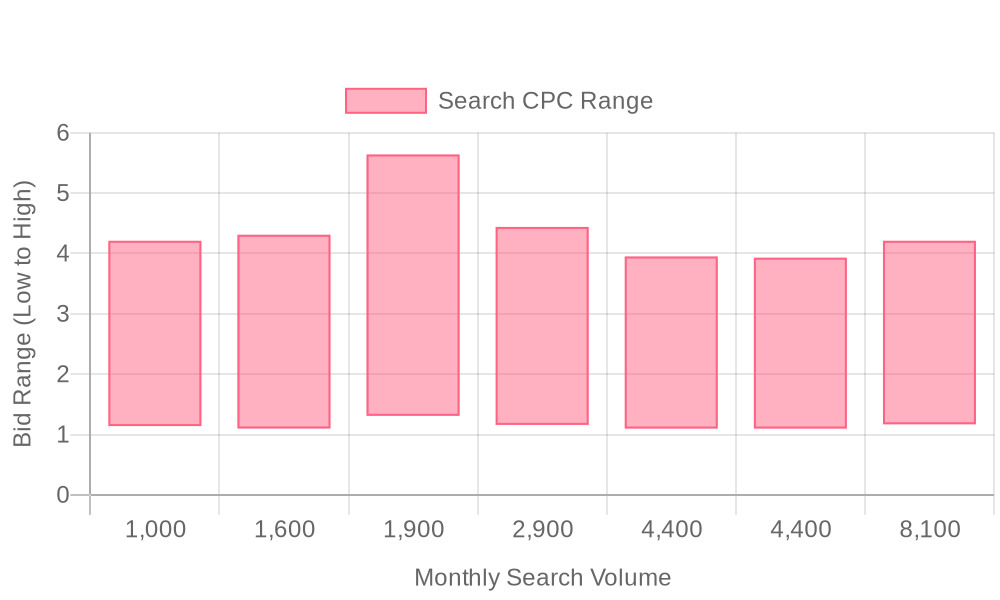
| Industry | Keyword | Monthly Search Volume | Competition Level | Low Bid | High Bid |
| Auto Customizations | auto customization near me | 1000 | LOW | 1.14 | 4.21 |
| Auto Customizations | custom auto shop | 1600 | LOW | 1.1 | 4.31 |
| Auto Customizations | auto customizations | 1900 | LOW | 1.31 | 5.64 |
| Auto Customizations | custom auto shops near me | 2900 | LOW | 1.16 | 4.44 |
| Auto Customizations | car customization near me | 4400 | MEDIUM | 1.1 | 3.95 |
| Auto Customizations | car custom shop | 4400 | MEDIUM | 1.1 | 3.93 |
| Auto Customizations | custom car shops near me | 8100 | MEDIUM | 1.17 | 4.21 |
Custom auto businesses see significant results when leveraging Google Ads to connect with buyers who are already searching for tailored vehicle solutions. By focusing on targeted keyword strategies, these teams position themselves directly in front of highly motivated prospects, increasing the efficiency of every marketing dollar. For a deeper dive into campaign setup and optimization, review this comprehensive automotive ads guide.
- Strategic Value: Keyword selection drives the difference between wasted spend and a pipeline filled with qualified leads. Terms such as "Google Ads for Auto Customizations," "custom car marketing strategies," and "Google Ads for car personalization services" align ad budgets with buyers demonstrating clear intent, ensuring the highest likelihood of conversion. Explore more actionable tips in our marketing insights blog.
- Precision Targeting: Reaching decision-makers at the exact point of need is critical. Advanced platforms allow marketers to go beyond basic keyword targeting, using real-time audience data to identify not just anonymous visitors but actual companies and roles that match your ideal customer profile. This precision connects luxury car customization services and auto parts sellers with the right segment, minimizing irrelevant clicks and maximizing qualified lead flow.
- Measurable ROI: Every click, form fill, and offline conversation can be tracked to its source. With unified attribution, modern revenue teams can measure how each keyword or campaign drives pipeline and closed business, ensuring marketing investment is tied directly to revenue outcomes.
- Channel Synergy: Integrating Google Ads with display, video, and social channels reinforces messaging across the buyer journey. Audience data can be shared and dynamically updated as prospects engage or move through the funnel, allowing auto custom businesses to maintain consistent, relevant touchpoints whether the buyer is searching, watching, or browsing. Seamless data activation ensures your marketing stack stays synchronized across every channel.
A focused keyword strategy for Google Ads in auto customizations is foundational for scalable growth. It ensures resources are allocated where they matter most, connecting marketing to measurable business results and fueling cross-channel engagement.
Step-by-Step Campaign Execution Framework
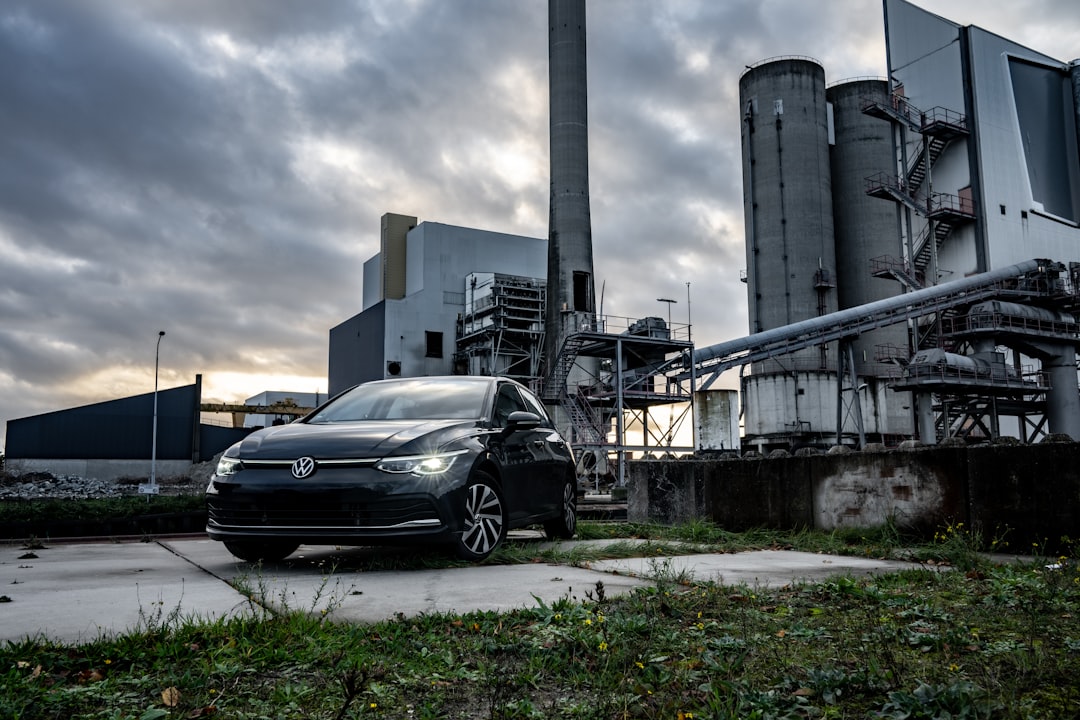
Modern auto customization businesses gain a significant edge by leveraging precise, data-driven Google Ads strategies. With consumer intent shifting rapidly and competition intensifying, a unified approach to campaign execution ensures every ad dollar is accountable and every lead is trackable. For marketers looking to deepen their expertise in measuring ad performance and attribution, explore the latest insights on marketing analytics.
Aligning campaign structure with real-world buyer journeys drives more qualified leads and streamlines conversions. The following framework outlines the critical steps to building, optimizing, and scaling high-performance Google Ads for auto customizations, luxury car upgrades, and automotive parts sellers.
Step 1: Build Targeted Keyword Lists
- Service-specific keywords: Focus on terms that reflect core offerings such as "custom paint jobs," "bespoke car interiors," or "performance exhaust installation." This approach attracts buyers actively seeking specialized services, filtering out generic automotive searchers.
- Geographic modifiers: Incorporate location-based variants like "custom rims Los Angeles" or "car wrap Miami" to capture high-intent local traffic. Localizing keywords is essential for driving showroom visits and phone inquiries from nearby prospects.
- Negative keywords: Exclude irrelevant terms such as "DIY car paint kits" or "cheap auto parts" to protect budget from low-value clicks and ensure audience quality.
When unified go-to-market platforms are in place, marketers can pinpoint exactly which companies and decision-makers are engaging with these keywords. This identification tool reveals engaged accounts, enabling real-time budget adjustments, prioritizing high-converting segments, and reducing wasted spend.
The upgrade most auto customizations advertisers miss is going beyond raw keyword volume to layer in intent and identity signals. By connecting website-visitor data and CRM records with Sona Marketing Measurement, you can see which specific search terms bring in the accounts and customers that actually convert, and weight your keyword and bidding strategy toward those rather than the terms with the highest search volume alone.
Step 2: Develop Compelling Ad Copy
- Pain-point headlines: Address industry-specific concerns directly in ad headlines. Examples include "Transform Your Car's Look in Days" or "Protect Your Investment with Premium Customization."
- Trust markers and urgency: Feature elements like "Certified Installers," "Lifetime Warranty," or "Limited-Time Offer" to build credibility and drive immediate action.
- Ad extensions: Leverage sitelinks, callouts, and structured snippets to showcase popular services, financing options, or customer testimonials, increasing ad visibility and click-through rates.
By connecting ad engagement data with CRM and sales platforms, auto customization marketers can dynamically update ad messaging as leads progress through the funnel. For a comprehensive guide on creating effective automotive ads, review this automotive ads guide. To ensure your targeting evolves with buyer intent, leverage real-time audience segmentation for personalized messaging.
Step 3: Design Effective Landing Pages
- 1:1 keyword-to-page alignment: Each landing page should mirror the keyword theme and ad promise, such as a page dedicated to "luxury car interior upgrades." This minimizes bounce rates and maximizes lead capture.
- Clear CTAs and mobile optimization: Prominent calls to action like "Get a Free Quote" or "Schedule Your Custom Consultation" streamline the conversion process. Mobile-friendly layouts are non-negotiable, given the high share of searches from smartphones.
- Conversion-focused design: Include real before-and-after photos, customer reviews, and fast-loading contact forms to reinforce trust and reduce friction.
When visitor identification tools are integrated, marketers can see not only aggregate traffic but also which companies and buyer personas are landing on each page. For tips on optimizing landing pages and connecting website data with your CRM, check out this integration guide for HubSpot.
Step 4: Implement Data-Driven Optimizations
- Conversion-based bidding: Use CPA (cost per acquisition) or Max Conversions strategies to let Google's AI optimize for qualified leads, not just raw clicks.
- A/B testing: Regularly experiment with headlines, images, and CTAs to surface high-performing combinations. Test ad extensions and landing page variations in tandem for holistic insight.
- Offline conversion integration: Sync sales data and post-inquiry outcomes to attribute value accurately and fine-tune campaigns for both online and showroom sales.
For auto sellers looking to expand inventory visibility, Google's vehicle listing ads offer a direct way to promote stock to high-intent buyers. Advanced data sync tools ensure your CRM, ad, and website data are always aligned, empowering full-funnel attribution and optimization.
Sona Marketing Measurement closes the gap between clicks and revenue. It captures ad clicks with first-party measurement, ties that click through UTM capture and ad-platform APIs to the actual record in your CRM, and reports ROAS by keyword and campaign instead of by last-click form fill. Feeding that revenue signal back into Smart Bidding and Performance Max compounds over time: the algorithms optimize toward booked auto customizations revenue, not cheap leads.
Tips on Expanding Your Auto Customizations Presence
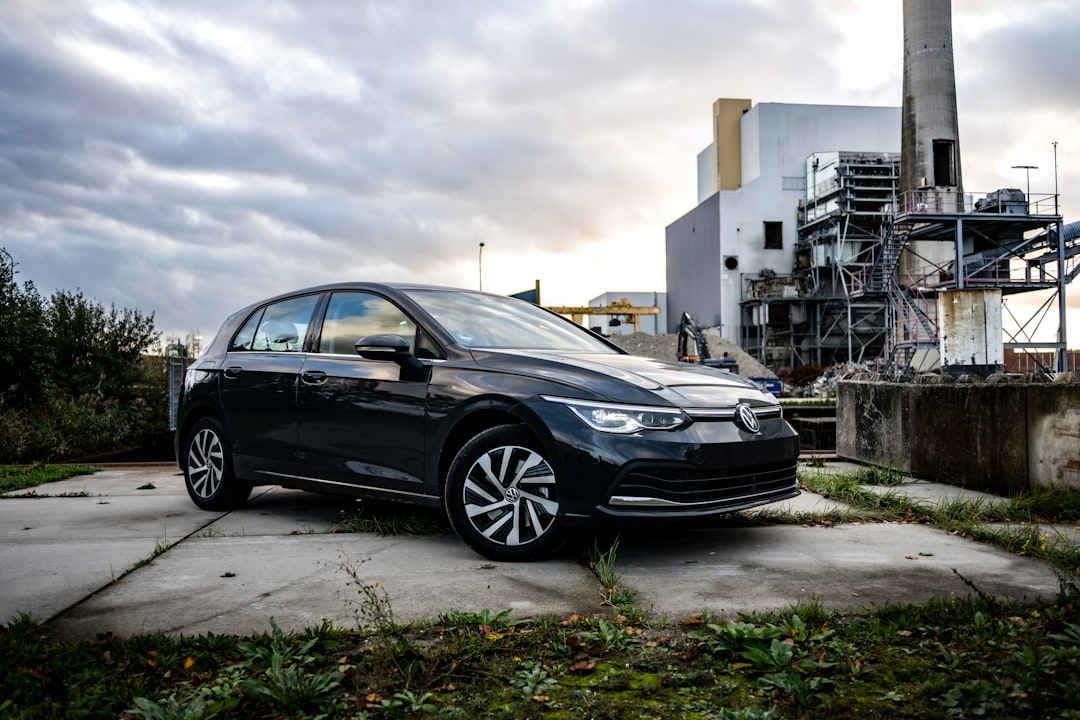
Expanding your footprint in the auto customizations industry requires a blend of strategic planning and smart technology integration. B2B teams that unify their marketing and sales data are positioned to identify high-value leads, capture missed opportunities, and accelerate growth in a competitive market.
- Cross-promote educational content in retargeting strategies: Leverage retargeting to showcase videos, how-to guides, and customer success stories to visitors who previously engaged with your site. This approach not only keeps your brand top of mind but also nurtures prospects with relevant insights, increasing conversion rates over time. For more actionable ideas, explore our marketing playbooks.
- Utilize CRM data for segmented audience upselling: Tap into your CRM to surface purchase histories and service preferences, then create segmented audiences for upsell campaigns. Syncing enriched audience segments into platforms like Google Ads enables highly personalized outreach, leading to improved upsell performance and reduced churn.
- Partner with industry associations for broader reach: Strategic alliances with reputable associations or local custom car clubs can amplify your message to engaged, niche audiences. Co-branded campaigns and joint webinars boost credibility and introduce your services to untapped prospects. For guidance on building impactful campaigns, check out this automotive ads guide.
- Localize campaigns for increased visibility in specific regions: Tailor messaging and offers to resonate with the needs and culture of targeted regions. Geo-specific targeting in Google Ads for auto customizations drives higher relevance and engagement, supporting local brand growth.
- Leverage search data to inform new content creation in your marketing plan: Regularly analyze search trends and campaign performance to identify high-intent keywords and content gaps. Building new landing pages and resources around these insights ensures your marketing stays aligned with evolving customer interests. Stay informed with the latest marketing insights.
Mastering Google Ads for auto customizations means deploying precise keyword targeting, granular audience segmentation, and compelling creative assets. Addressing pain points such as missed prospects and inconsistent messaging becomes feasible when you integrate real-time intent signals and cross-channel data. Data-driven optimization, supported by platforms that unify your advertising and CRM data, empowers revenue teams to capture and convert high-intent leads, driving measurable business impact in the custom automotive sector. For a truly optimized approach, analyze your own engagement data to surface high-fit accounts and prioritize opportunities for scalable growth. Ready to take your auto customizations marketing to the next level? Get started for free with Sona.
Paid search captures demand at the moment someone types a query. But a fast-growing share of auto customizations buyers no longer start at Google at all, they ask ChatGPT, Gemini, or Perplexity before they ever run a search, and Google's own AI Overviews increasingly summarize an answer above the traditional results. If your business isn't referenced in those AI answers, you're invisible at the exact moment buyers build their shortlist.
Sona AI Visibility shows where your business shows up across ChatGPT, Gemini, Perplexity, Google AI Overviews, and 10+ engines, and, much like a keyword report, which prompts actually send you buyers, so you can prioritize the ones that convert. Run the two together and you cover the entire buyer path: get cited where buyers research (AI Visibility), then prove which of that demand turns into booked revenue (Marketing Measurement).
Helpful resources
Conclusion
Mastering Google Ads for auto customizations comes down to showing up at the exact moment a buyer decides to spend on their car, whether that's a restoration, a wide-body kit, or a full custom build, and then proving which of those clicks actually became paying customers.
The shops that win aren't necessarily the ones with the biggest ad budgets. They're the ones that can tell which keyword, which ad, and which landing page actually turned a click into a booked install, and then put more money behind exactly that. Layering identity resolution and intent signals on top of Google Ads is what makes that possible, converting a platform built for reach into one built for accountable revenue.
Ready to see which of your Google Ads clicks are turning into paying customers? Start for free with Sona.
FAQ
What are the best practices for setting up Google Ads for a custom car manufacturing business?
Best practices include adopting a data-driven approach, employing niche keywords, aligning ad creatives with landing pages, optimizing for ROI, and integrating Google Ads with other marketing efforts like email and social media.
How can I target the right audience for my custom automotive services using Google Ads?
You can target the right audience by employing precise segmentation, using real-time intent signals, and customizing ad groups with tailored messaging and budgets.
What are some successful Google Ads examples for automotive customization businesses?
Successful examples include search campaigns targeting high-intent prospects, display ads for brand awareness, video ads showcasing unique builds, and remarketing strategies to re-engage previous visitors.
How can I optimize my Google Ads campaigns to increase sales for my custom car parts?
Optimize campaigns by using conversion-based bidding, A/B testing, integrating offline conversion data, and syncing CRM data for more precise audience targeting and upselling.
What are the key differences between Google Ads strategies for custom car manufacturers versus standard automotive businesses?
Key differences include focusing on niche keywords and audience segmentation for custom services, leveraging high-margin service ads, and using real-time updates for dynamic audience engagement.







