


Aerospace marketing runs on long sales cycles and short lists of qualified vendors. A single RFP can take months to close, and the buying committee, procurement, engineering, compliance, often numbers in the double digits. Google Ads still works in this environment, but only when campaigns are built around the industry's real friction points: specialized terminology, certification requirements, and the anonymous research phase that precedes any RFP. Much of that research happens without a form fill, which means promising traffic goes unidentified unless a company can connect ad clicks to the accounts behind them. This guide walks through how to structure Google Ads for aerospace lead generation, from keyword strategy through measurement, so ad spend tracks toward booked contracts rather than raw click volume.
How to Generate Aerospace Industry Leads with Google Ads: A Step-by-Step Guide

Aerospace companies face unique challenges in digital marketing: lengthy sales cycles, technical audiences, and stringent compliance requirements. Leveraging Google Ads for Aerospace Industry enables marketing teams to reach high-intent decision-makers during critical research and procurement phases, accelerating lead acquisition and increasing the efficiency of every ad dollar spent.
Industry leaders in aerospace marketing rely on precise targeting and conversion-oriented strategies to stay ahead. Real-time intent data and advanced audience segmentation transform anonymous traffic into actionable leads, empowering teams to prioritize accounts showing true buying signals and optimize budget allocation for maximum ROI.
Step 1: Build Targeted Keyword Lists
Aerospace industry marketing demands granular keyword research. Teams should focus on a mix of high-intent long-tail keywords, such as "AS9100-certified aerospace machining" or "ITAR-compliant avionics supplier", and sector-specific terms identifying critical pain points. Negatives like "jobs" or "training" filter out irrelevant clicks, ensuring budgets target only buyers and procurement professionals. With enriched data platforms, marketers can cross-reference aerospace industry keywords and historical performance, refining keyword lists to capture in-market accounts at the right stage.
Most aerospace advertisers stop at keyword volume. The bigger gain comes from layering in intent and identity signals: connecting website-visitor data and CRM records with Sona Marketing Measurement so you can see which search terms actually bring in the accounts that book work, whether that's a defense prime researching a new supplier or an MRO provider comparing certifications, and building your keyword and bidding strategy around those terms rather than the ones with the highest search volume alone.
Step 2: Segment and Activate High-Value Audiences
B2B aerospace advertising thrives on reaching the right personas: procurement managers, technical evaluators, and compliance officers. Audience segmentation combines job titles, company lists, and intent signals from website activity or CRM data. As leads engage with content, downloading spec sheets, requesting quotes, or attending webinars, dynamic audience segments automatically update, allowing marketers to serve tailored ads and nurture prospects as they move through the funnel. This approach ensures no high-value account is missed, and retargeting efforts are always relevant.
Step 3: Choose and Optimize Campaign Types
- Search Campaigns: Target users actively seeking aerospace solutions or certifications with highly specific text ads.
- Display Campaigns: Build brand awareness among technical and procurement audiences across relevant industry sites.
- Video Campaigns: Use product demos and compliance overviews to engage prospects during RFP preparation and evaluation.
- Remarketing Campaigns: Re-engage site visitors who have shown buying intent but have not yet converted, using personalized messaging highlighting trust signals and recent certifications.
- Performance Max Campaigns: Combine Search, Display, Video, and other Google inventory in one campaign, letting the algorithm find aerospace buyers across channels once it's fed strong conversion signals.
Each campaign type can be enhanced by integrating CRM and website engagement data, ensuring ads reach decision-makers and influencers with the most up-to-date messaging and offers.
Step 4: Design High-Converting Landing Pages and Creative
Effective aerospace ad campaigns hinge on landing pages that communicate credibility, technical capability, and compliance. Use clear headlines referencing certifications, customer logos from past contracts, and concise proof points. Embedded lead forms should sync seamlessly with your CRM, ensuring rapid and personalized follow-up. Creative assets, such as 3D renderings, facility tours, and case study videos, help reinforce trust and differentiate your solution in a crowded field.
Sona Marketing Measurement closes the gap between clicks and revenue. It captures every ad click with first-party measurement, then ties that click through UTM capture and ad-platform APIs to the actual record in your CRM, and reports ROAS by keyword and campaign instead of by last-click form fill. Feeding that revenue signal back into Smart Bidding and Performance Max compounds over time: the algorithms optimize toward booked aerospace contracts, not cheap leads.
Step 5: Track, Attribute, and Optimize Conversions
Continuous optimization is the backbone of successful PPC for aerospace. Advanced conversion tracking, spanning online and offline interactions, provides a unified view of campaign impact. By connecting ad click data with CRM and sales outcomes, marketers can pinpoint which keywords, audiences, and creative assets drive true revenue. Real-time analytics identify high-converting accounts, allowing teams to shift spend toward what works and pause underperforming segments. This data-driven feedback loop drives sustained improvements in lead quality and cost efficiency across all aerospace ad campaigns.
Why Does Google Ads Matter for the Aerospace Industry?

Digital marketing in the aerospace sector faces unique obstacles: long sales cycles, complex buying committees, and highly specialized solutions. Google Ads offers a direct path to engage high-value decision makers, manufacturers, engineers, and procurement specialists, at critical moments in their research and vendor evaluation journeys. This targeting precision is essential in a market where missed connections often mean missing out on multi-million-dollar contracts. For a comprehensive overview of lead generation strategies tailored to this sector, see this lead generation for aerospace guide.
Aerospace companies leverage Google Ads to promote high-margin services and innovative technologies to the exact audience segments that influence purchasing outcomes. By reaching technical evaluators and procurement teams as they search for compliance-driven solutions, organizations can differentiate their offerings and position themselves as credible industry leaders. For more on optimizing your campaigns, explore Google Ads best practices.
Precision targeting through Google Ads enables aerospace firms to expand visibility in emerging markets and niche verticals that traditional channels often overlook. With tailored keyword strategies and custom audience segments, marketers can reach underrepresented buyers, such as new OEM entrants, MRO providers, or regional operators, accelerating growth in previously untapped areas. This approach also supports global expansion initiatives, helping brands localize messaging and comply with regional regulations.
Integrated analytics and conversion tracking in Google Ads provide much-needed clarity on true marketing ROI in the aerospace industry. By linking online actions, such as ad clicks and form submissions, to offline outcomes like contract signings or RFQ responses, marketers can attribute revenue to specific campaigns and optimize spend accordingly. Platforms with company-level identification and real-time audience capabilities enable revenue teams to move beyond anonymous traffic, pinpointing the companies behind high-value engagements and adjusting budgets to focus on accounts most likely to convert. Real-time CRM and ad audience sync ensures that as leads progress through the pipeline, campaigns stay relevant and high-performing, closing the loop between marketing activities and business outcomes. Ready to see how this could work for you? Get started for free with Sona.
Common Types of Google Ads Campaign for Aerospace

B2B aerospace marketers require campaign structures that precisely map to each phase of the buying journey, from initial research to post-demo nurturing. Selecting the right Google Ads format is critical for maximizing ROI, ensuring compliance signals are visible, and driving measurable engagement within highly specialized buying committees. Below, each campaign type is detailed for its application in aerospace sector advertising, with an emphasis on how advanced data integration and audience intelligence drive superior results.
- Search Campaigns: Capture high-intent queries from stakeholders seeking aerospace solutions, parts, or certifications. These campaigns thrive on targeting industry-specific aerospace keywords such as "AS9100 certified manufacturing" or "avionics testing services," reaching procurement teams and engineers precisely when they are vetting suppliers. By leveraging real-time visitor identification, marketers can prioritize spend towards accounts actively searching for high-value contracts, drastically improving conversion rates and reducing wasted impressions.
- Display Ads: Establish brand authority by appearing on influential industry publications, trade association sites, and aerospace forums. Display placements amplify brand visibility for complex offerings, such as composite fabrication or MRO services, especially when layered with advanced audience filters that identify decision-makers in target organizations. Integrating dynamic audience segmentation ensures ads follow leads as they progress from initial awareness to RFP development, making every impression more relevant and reinforcing your position as a trusted aerospace provider.
- Video Ads: Demonstrate intricate aerospace technologies, testing procedures, or compliance protocols through immersive video formats. Video campaigns are ideal for illustrating product differentiators, showcasing facility tours, or featuring thought leadership from technical experts. When marketers sync enriched account and behavioral data across platforms, video views can be retargeted with follow-up offers or technical downloads, enabling a seamless transition from engagement to lead capture and nurturing.
- Remarketing: Reconnect with high-potential site visitors who have reviewed technical datasheets, compliance certifications, or request forms but have not yet engaged further. Remarketing campaigns overcome the challenges of fragmented intent signals common in aerospace digital marketing by dynamically updating audiences as leads download whitepapers, register for webinars, or request demos. When CRM and ad platforms are tightly integrated, remarketing lists can instantly reflect status changes, such as a lead moving from marketing-qualified to sales-engaged, ensuring personalized touchpoints that accelerate the sales cycle.
- Assets: Boost credibility and conversion rates by incorporating ad assets that highlight trust signals vital in aerospace industry marketing. Include structured snippets displaying certifications like ITAR, Nadcap, or ISO 9001, sitelinks to case studies, and callouts for government contract vehicles. Assets not only increase ad real estate but also surface the compliance assurances and performance track records that procurement officers and technical evaluators demand. Advanced conversion tracking, with both online and offline attribution, enables precise measurement of which assets drive meaningful engagement and contract wins.
By deploying these diverse campaign types in a unified strategy, aerospace marketers can orchestrate personalized, data-driven campaigns that reach, influence, and convert their most valuable prospects at every stage of the buying journey.
Where to Find Growth Opportunities in Aerospace
Expanding growth in the aerospace sector requires a precise approach to digital marketing. Aerospace companies targeting specialized buyers and complex supply chains benefit most from actionable PPC strategies that adapt to evolving market demands. For an industry-specific overview, see this lead generation for aerospace resource, and explore additional tactics in our actionable playbooks for demand generation.
- Vertical Keyword Targeting: Focusing on highly specific aerospace keywords helps capture niche segments, like avionics software, composite manufacturing, or MRO (maintenance, repair, and overhaul) services. This approach not only improves relevance but also drives more qualified leads, as buyers searching these terms are often decision-makers with urgent procurement needs. Real-time keyword analysis allows teams to spot shifts in demand and tailor campaigns for emerging technologies or regulations, keeping the message aligned with the most valuable opportunities. Discover how Sona Audiences can help you reach the right segments with hyper-personalized targeting.
- Auction Insights for Competitor Gaps: Analyzing auction insights uncovers underserved market segments and competitor blind spots. By identifying keywords where competitors underperform or where cost-per-click is favorable, aerospace advertisers can allocate budget to outflank rivals and win market share. Integrating intent signals from both website and ad engagement enables marketers to prioritize audiences showing genuine interest, ensuring spend is directed at accounts with the highest likelihood to convert.
- Content Retargeting for Lead Capture: Leveraging content retargeting extends the reach of educational assets like whitepapers, technical briefs, or specification sheets. When aerospace buyers engage with these resources, retargeting campaigns nurture them across multiple touchpoints, increasing the chance of moving from anonymous interest to a qualified lead. Platforms that unify website visitor data with advertising audiences empower marketers to identify previously unknown companies and push them into personalized nurture tracks, turning passive interest into actionable sales opportunities.
Synchronizing CRM and ad data closes the loop by ensuring new leads from PPC efforts flow directly into aerospace sales workflows. This seamless connection helps revenue teams react quickly to high-intent signals, personalize outreach, and measure return on investment with full-funnel attribution, essential for maximizing growth across the aerospace value chain.
How to Apply Audience Segmentation for Aerospace

Audience segmentation is the backbone of highly effective aerospace sector advertising. By structuring campaigns around distinct buyer profiles, marketers can serve relevant messaging, optimize ad spend, and drive stronger pipeline outcomes. Precision targeting in aerospace digital marketing ensures every impression is tailored to the decision-makers most likely to engage, whether they're evaluating MRO services or advanced avionics systems. For a deeper dive into lead generation strategies in this industry, see lead generation for aerospace.
To maximize results, start by clearly defining core audience segments. Separate commercial aerospace companies from military contractors, as each group has differing priorities, compliance expectations, and procurement cycles. Commercial buyers often seek cost efficiency, sustainability, and scalability, while military segments value security clearance, regulatory certifications, and government contract experience. Building these profiles into your strategy enables ad groups to reflect the specialized language and compliance cues each audience expects.
Overlaying key intent signals further refines your targeting. Monitor which accounts are investing in new technologies, researching upcoming RFPs, or actively engaging with aerospace industry marketing content. This allows marketers to move beyond surface-level demographics and tap into behavioral data, identifying visitors who are actively in-market but might otherwise remain anonymous. With platforms that unify go-to-market data, B2B teams can pinpoint high-value companies and allocate budget toward those demonstrating strong buying intent in real time. This approach dramatically limits wasted impressions and ensures messaging aligns with prospects’ current needs and interests.
Customizing ad groups and creative assets is essential for segmented messaging paths. Dynamic audience rules keep segments up to date as leads progress from awareness to consideration and intent. As aerospace prospects interact with site content or download technical documentation, audiences are automatically refreshed, allowing for timely, personalized follow-up. Integration with CRM and sales systems ensures that enriched audience data syncs directly into Google Ads and other platforms, streamlining remarketing to key accounts and aligning sales and marketing outreach. This connectivity empowers teams to execute highly targeted aerospace ad campaigns that adapt as prospects move through the funnel, resulting in higher engagement and improved conversion rates.
This is also where measurement changes the economics. With Sona Marketing Measurement you can identify the companies and households behind your ad clicks, not just anonymous sessions, and segment audiences by who actually books work. That lets you build bid adjustments and audience signals around the segments that convert and de-prioritize the ones that don't, so you feed Google's algorithms "this click became a booked aerospace contract" instead of just "someone filled out a form."
Keyword Strategy & Sample Target Terms
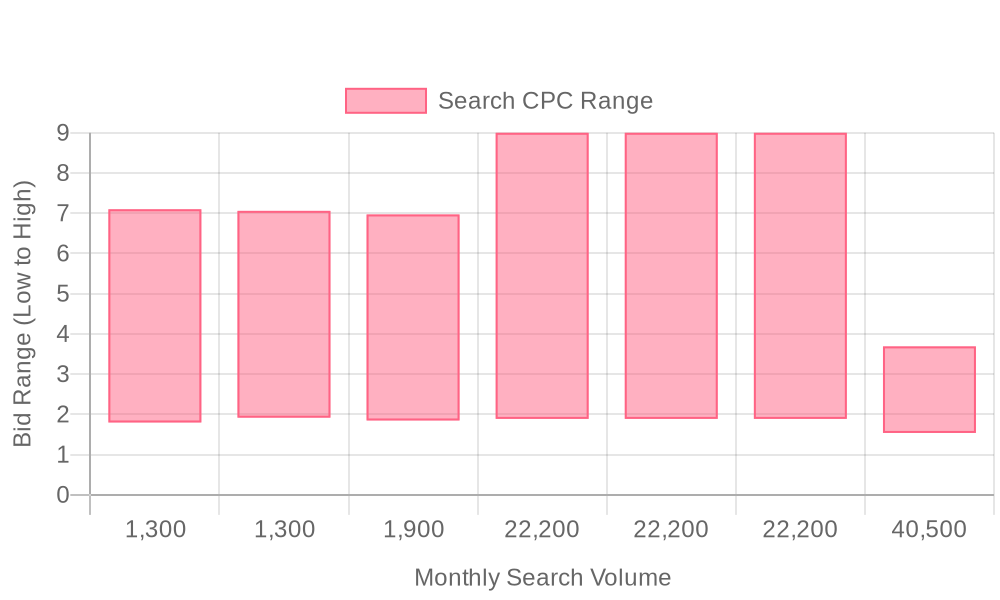
| Industry | Keyword | Monthly Search Volume | Competition Level | Low Bid | High Bid |
| Aerospace Industry | aerospace manufacturing company | 1300 | LOW | 1.8 | 7.1 |
| Aerospace Industry | aerospace welding | 1300 | LOW | 1.92 | 7.06 |
| Aerospace Industry | aerospace industry | 1900 | LOW | 1.85 | 6.97 |
| Aerospace Industry | aerospace companies | 22200 | LOW | 1.89 | 9 |
| Aerospace Industry | aerospace manufacturing co | 22200 | LOW | 1.89 | 9 |
| Aerospace Industry | aerospace manufacturing | 22200 | LOW | 1.89 | 9 |
| Aerospace Industry | aerospace | 40500 | LOW | 1.54 | 3.69 |
An effective keyword strategy for the aerospace industry focuses on intent-rich, sector-specific queries that signal procurement readiness. Aerospace buyers often use highly technical search terms reflecting their stage in the purchasing process, such as “AS9100 certified aerospace machining” or “satellite component suppliers for defense contracts.” These queries reveal high conversion potential, allowing marketers to allocate budget to audiences most likely to convert. For a detailed breakdown of effective aerospace lead generation approaches, review this overview of lead generation strategies for aerospace and explore our guide to account identification for further targeting insights.
- Buyer-readiness signals: Prioritize keywords that indicate urgent or late-stage intent, such as “aerospace RFP response support” or “Nadcap-certified welding services.” Campaigns built around these terms consistently outperform generic queries, delivering higher lead quality and shorter sales cycles. Using intent signals, marketers can attribute both online and offline conversions to these high-value terms, creating a feedback loop that further sharpens targeting and spend.
- High-conversion modifiers: Incorporate qualifiers, like “compliant,” “certified,” “government contract,” or “OEM”, to address the common challenge of incomplete ROI analysis in aerospace digital marketing. These modifiers help filter out non-commercial researchers and direct ad spend toward procurement managers, engineers, and defense contractors who control budget. Leverage dynamic audience segmentation to ensure your campaigns reach the right stakeholders at the right buying stage.
- Niche service and technology terms: Expand coverage with keywords tied to specific aerospace technologies and service offerings. Examples include “hypersonic wind tunnel testing,” “aerospace composite fabrication,” or “CMMC compliant avionics integration.” These niche phrases usually have lower competition but higher relevance, producing strong results for B2B campaigns focused on specialized segments. See popular aerospace keyword ideas in this compilation of aerospace keywords.
When leveraging Google Ads for aerospace campaigns, marketers can use visitor identification to pinpoint companies and decision-makers behind high-intent searches, rather than relying solely on anonymous click data. Real-time intent monitoring enables immediate budget shifts to capitalize on in-market accounts, while dynamic audience updates ensure that as prospects progress through the funnel, messaging and offers remain relevant. Integration with CRM systems allows enriched keyword audiences to sync seamlessly with sales and marketing workflows, aligning ad targeting with real opportunities and delivering measurable impact across the aerospace sector's complex sales cycles.
Step-by-Step Campaign Execution Framework
Step 1: Set Up Conversion Tracking and Account Structure
Before writing a single ad, put measurement in place. Structure campaigns by service line or certification (avionics, MRO, structural components) so budget and reporting map to the parts of the business with different sales cycles and margins. Set up conversion tracking for both form fills and offline outcomes like signed contracts, so later optimization has something real to work toward.
Precision and alignment in campaign execution are fundamental to driving measurable results in the aerospace sector. Each step in the framework builds on proven strategies that address the industry’s unique challenges: lengthy buying cycles, high-value deals, and stringent compliance requirements. By integrating actionable market insights with advanced Google Ads tactics, aerospace marketers elevate their digital marketing aerospace performance and maximize ROI.
Step 2: Write Compelling Aerospace Ad Copy
Craft ad copy that addresses aerospace industry pain points with clarity and authority. Highlight critical differentiators such as compliance credentials, past performance with major agencies, or certifications like AS9100 and CMMC. Use concise language to emphasize reliability, security, and technical expertise, qualities that resonate with procurement and engineering stakeholders. To inspire your creative process, explore effective Google Ad examples and consider referencing your own case studies and proof points within the ad copy. Dynamic ad elements, including sitelinks to case studies and callouts for contract vehicles (e.g., “GSA Schedule Holder”), increase click-through rates by offering immediate proof of trust.
Integrate real-time intent data into ad messaging. As new high-value companies engage with landing pages or product demos, update ad copy to reflect the latest customer use cases and success stories. This approach ensures that advertising remains relevant and persuasive as lead profiles evolve throughout the campaign.
Step 3: Align Ads with Landing Page Experience
Ensure seamless continuity between ad messaging and landing page content to reinforce trust and reduce friction in the conversion process. Each ad group should direct clicks to a landing page tailored to the specific aerospace service, certification, or contract type promoted in the ad. For example, an ad targeting “CMMC-compliant avionics” must lead to a page detailing the organization’s CMMC processes, audit history, and secure supply chain practices.
Implement dynamic content blocks that personalize the landing page based on visitor industry, job title, or company. When enriched audience data flows from CRM systems into the digital experience, marketers can dynamically serve testimonials, case studies, or product specs that mirror the prospect’s sector and needs. For additional ideas on aerospace campaign planning, see these insights on aerospace marketing. This 1:1 alignment significantly increases engagement and conversion rates across PPC for aerospace campaigns.
Step 4: Optimize with Data-Driven Insights
Use comprehensive analytics to continuously refine targeting, bidding, and creative strategies throughout the campaign lifecycle. Monitor engagement metrics such as time on site, qualified lead conversion, and RFP downloads to identify drop-off points and areas for improvement. Advanced conversion tracking links both online and offline actions, including phone calls, demo requests, and signed contracts, providing a holistic view of campaign ROI.
Sync audience and lead data across Google Ads and CRM platforms to maintain up-to-date targeting lists as prospects move through the funnel. For best practices on optimizing your campaigns, review this comprehensive guide to Google Ads management. When high-intent leads progress from research to procurement, update ad audiences and retargeting segments in real time. This iterative approach allows for agile budget allocation, ensuring more investment is directed toward accounts and personas with the strongest buying signals.
Tips on Expanding Your Aerospace Presence

Aerospace organizations achieve sustained growth by cultivating a presence that engages decision-makers and influencers at every point in the buyer journey. Smart digital strategies prioritize connecting with high-intent prospects, accelerating pipeline velocity, and building enduring brand authority. To maximize these efforts, leverage real-time audience segmentation to reach the right stakeholders with targeted messaging as they progress through the funnel.
- Promote educational assets: Distributing whitepapers, technical briefs, and compliance guides attracts engineering, procurement, and executive audiences actively researching solutions. These assets not only inform but also serve as high-conversion lead magnets when paired with tailored landing pages and strategically timed follow-up campaigns. When audience engagement signals are unified and analyzed, marketers can identify which content drives the strongest buying intent, enabling precise budget allocation to the highest-return assets.
- Upsell complementary aerospace services: Leveraging CRM data, aerospace firms segment their audiences by role, company size, and purchase history, targeting warm leads with timely cross-sell or upsell offers. Automated syncing of CRM and ad audiences ensures dynamic retargeting: as new opportunities are created or leads advance, campaigns adjust in real time to nurture prospects and prevent drop-off before sales engagement. Seamless data activation ensures high-value leads do not languish, boosting overall conversion rates from digital marketing aerospace efforts.
- Partner with industry groups: Co-branded campaigns with aerospace associations or standards organizations build trust and expand reach to vetted, niche audiences. These initiatives benefit from pooled first-party data, driving efficient list growth and authentic engagement. Campaign performance insights can be shared across partners, providing collective visibility into which aerospace ad campaigns resonate and where additional investment will deliver the greatest impact.
Treating Google Ads as a core channel for aerospace demand generation means integrating analytics that bridge digital interactions and business outcomes, so every audience segment gets relevant messaging at the right moment. Unifying intent data, CRM signals, and campaign performance lets teams act on the most urgent opportunities and measure the true ROI of every aerospace advertising initiative. For more, explore our blog's aerospace marketing strategies.
Beyond Google Ads: Winning the AI Answers Aerospace Industry Buyers Now Trust
Paid search captures demand at the moment someone types a query. But a fast-growing share of Aerospace Industry buyers no longer start at Google at all, they ask ChatGPT, Gemini, or Perplexity before they ever run a search, and Google's own AI Overviews increasingly summarize an answer above the traditional results. If your business isn't referenced in those AI answers, you're invisible at the exact moment buyers build their shortlist.
Sona AI Visibility shows where your business shows up across ChatGPT, Gemini, Perplexity, Google AI Overviews, and 10+ engines, and, much like a keyword report, which prompts actually send you buyers, so you can prioritize the ones that convert. Run the two together and you cover the entire buyer path: get cited where buyers research (AI Visibility), then prove which of that demand turns into booked revenue (Marketing Measurement).
Helpful resources
Conclusion
Aerospace advertising rewards specificity, not spend. The companies winning Google Ads in this sector aren't outbidding competitors on generic terms; they're building keyword lists around certifications and compliance language, routing clicks to landing pages that speak to procurement and engineering directly, and feeding their bidding algorithms signals tied to actual contracts won, not just form fills.
The next shift is already underway: buyers increasingly research suppliers through AI tools before they ever open Google, which means visibility now depends on being cited in those answers as much as ranking in search results. Aerospace marketers who pair tight Google Ads execution with attention to how AI engines describe their business will be building pipeline from both directions.
FAQ
What are the best keywords for Google Ads in the aerospace industry?
The best keywords focus on high-intent, sector-specific queries such as 'AS9100-certified aerospace machining' or 'ITAR-compliant avionics supplier,' which signal procurement readiness and conversion potential.
How can aerospace companies effectively use Google Ads?
Aerospace companies can use Google Ads by targeting specialized audience segments, leveraging industry-specific terminologies, and integrating advanced tools for actionable insights to optimize ad spend and reach high-intent decision-makers.
What are the common challenges in Google Ads for the aerospace sector?
Common challenges include lengthy sales cycles, technical audiences, stringent compliance requirements, and lack of visibility into anonymous traffic, which can lead to unnoticed potential leads.
What metrics should aerospace companies track in Google Ads campaigns?
Aerospace companies should track metrics such as engagement, qualified lead conversion, RFP downloads, and connect ad click data with CRM and sales outcomes to measure campaign impact.
How does Google Ads compare to other advertising platforms for aerospace businesses?
Google Ads offers precise targeting to engage high-value decision makers at critical moments, essential in aerospace for differentiating offerings and capturing multi-million-dollar contracts, unlike some traditional channels.







