


Air cargo marketers spend heavily to reach freight forwarders and shippers who never show up in a CRM. A logistics director researching charter capacity or temperature-controlled routing rarely fills out a form on the first visit, and by the time they do, the ad spend that brought them there looks wasted. Google Ads can close that gap: paired with company-level identification and first-party measurement, it lets air cargo marketers intercept decision-makers at the moment they're searching, and connect that click to the shipment it eventually produces.
How to Generate Air Cargo Leads with Google Ads: A Step-by-Step Guide

A competitive air cargo business must activate every digital channel to reach decision-makers who are ready to move freight. With Google Ads, air cargo marketers can use intent-driven targeting to engage high-value shippers and logistics buyers at the exact moment they are searching for solutions.
Modern air cargo lead generation is built on precise data, real-time identification, and seamless campaign orchestration. The right strategy combines advanced segmentation, tailored messaging, and dynamic audience management to move prospects from anonymous browsing to qualified opportunity. Explore actionable tactics in our account-based marketing guide.
- Build a data-driven targeting approach for air cargo buyers: Map your buyer personas and align keyword strategy to the actual terms freight forwarders, manufacturers, and exporters use, from urgent charter requests to specific trade-lane queries. Use intent signals, such as repeated visits to route-specific service pages or pricing calculators, to prioritize ad spend and tailor creative to the visitors most likely to convert. For a step-by-step industry walkthrough, see this Google Ads setup for logistics companies.
- Customize landing pages for anonymous visitors: Instead of generic forms and static service descriptions, deploy dynamic landing pages that adapt messaging, offers, and CTAs based on detected visitor attributes. Show time-sensitive incentives to visitors from logistics parks near major airports, or highlight specialized handling capabilities when pharmaceutical industry users are detected. Tools like Sona's Identity Resolution let marketers match content to visitor profile in real time, increasing engagement and driving more qualified leads.
- Integrate cross-channel data so no lead falls through: Connect Google Ads with your CRM and marketing automation systems so enriched lead data flows between channels. High-value accounts identified through search or display campaigns get automatically enrolled in nurture sequences, retargeting pools, or direct sales outreach. As accounts move through the pipeline, their engagement history and intent signals update dynamically, so your team can adjust messaging and budget as urgency shifts, a charter request today, a routine shipment next quarter.
- Use real-time company-level identification to sharpen lead qualification: Instead of treating every click as equal, use technology that identifies the organization behind each visit, so your team can flag which anonymous traffic belongs to accounts worth prioritizing. Real-time enrichment turns anonymous website traffic into actionable pipeline by syncing identified companies with Google Ads audiences, CRM records, and sales workflows. For more on connecting ad strategies with business growth, review this overview of Google Ads for freight revenue.
Why Google Ads Matters for the Air Cargo Industry

Modern air cargo operators face intense competition, fluctuating demand cycles, and rapidly shifting trade routes. Establishing digital visibility at the right moments is essential for securing high-yield contracts and maintaining consistent pipeline momentum.
Google Ads bridges the limitations of static, traditional outreach by targeting logistics managers and procurement teams precisely when they are searching for freight solutions. This approach captures previously unreachable prospects, especially those absent from conventional CRM databases. Strategic keyword targeting, paired with advanced audience segmentation, enables revenue teams to connect with shippers exhibiting immediate intent. Logistics marketers looking for actionable PPC strategies can benefit from this overview of Google Ads for freight revenue.
With real-time audience updates, air cargo marketers can rapidly adapt campaigns to address urgent and seasonal shipping needs. By automatically identifying decision-makers actively researching freight options, digital advertising for air freight ensures that promotions reach segments most likely to convert. Predictive buying stage insights further refine engagement, allowing marketing teams to align messaging and offers with where each account is in the decision process. For more on leveraging buyer journey data, explore tracking every key touchpoint for improved campaign impact.
Precision targeting in emerging freight corridors lets air cargo providers expand share as new trade lanes open. When enriched first-party data and in-market behaviors are unified, marketers can pinpoint not just anonymous traffic but specific companies and contacts. Automated syncing of these insights into Google Ads and CRM platforms keeps audiences current and directs budget toward the opportunities most likely to close.
Common Types of Google Ads Campaigns for Air Cargo

- Search Ads: Search ads intercept high-intent shippers and logistics managers at the moment they search for air cargo solutions, whether that's an urgent charter or a recurring trade-lane contract. Responsive search ads, an ad format within Search that tests multiple headlines and descriptions, let you match messaging to the visitor's engagement level via account enrichment, improving conversion rates and lead quality. For a detailed walkthrough on setting up effective PPC for air cargo and logistics, see this industry-specific guide.
- Display Ads: Display ads keep your air cargo services visible across logistics news sites, trade forums, and supply chain resource hubs. Consistent exposure on these platforms ensures your brand stays top-of-mind for decision-makers, especially when combined with real-time audience insights that prioritize high-value accounts and actively in-market prospects.
- Video Ads: Video campaigns offer a dynamic way to showcase specialized cargo handling, time-sensitive solutions, and operational scale to a broad audience, including those who haven’t self-identified. These engaging formats spark interest among anonymous viewers and, when paired with advanced visitor identification, help convert passive interest into actionable leads.
- Remarketing: Remarketing campaigns enable you to re-engage previous website visitors, including those who browsed landing pages or downloaded resources without converting. With dynamic audience updates reflecting lead status and funnel progression, air cargo marketers can serve tailored ads that address specific hesitations or information gaps, accelerating deal velocity and improving overall campaign efficiency.
- Assets: Ad assets (formerly called extensions) validate campaign messaging by displaying certifications, service highlights, or direct contact options right within the ad unit. These trust-building signals, when dynamically populated based on visitor profile or account data, improve click-through and conversion rates while reinforcing your brand's reliability.
Where to Find Growth Opportunities
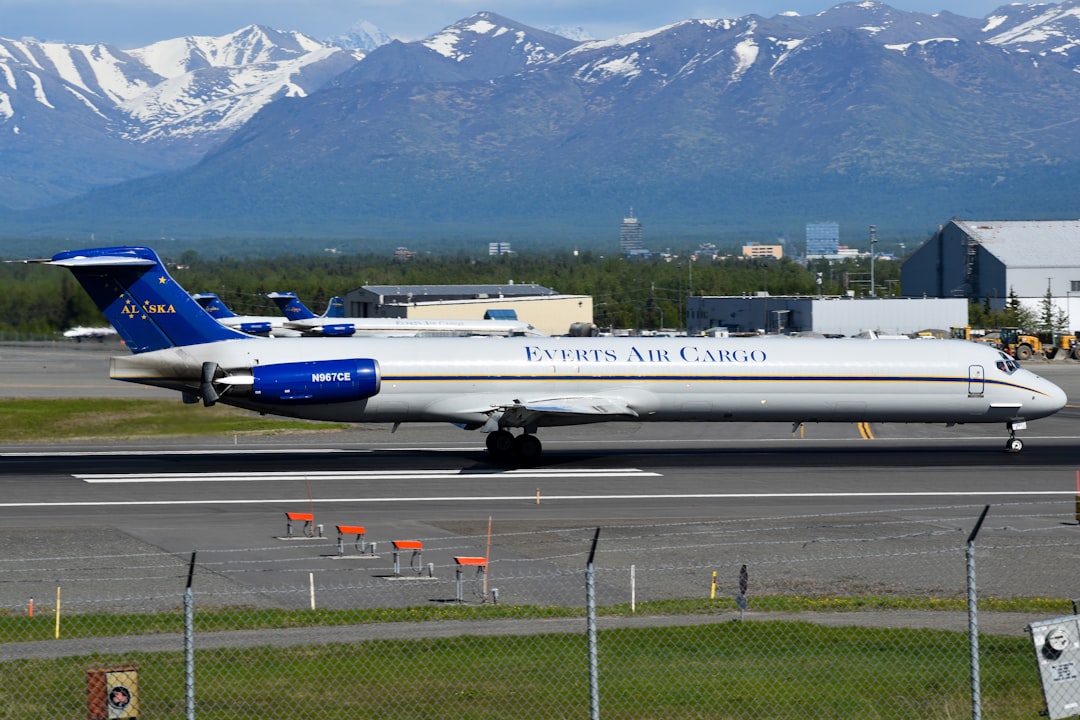
Identifying growth opportunities in the Google Ads for Air Cargo Industry requires precise tactics that go beyond broad targeting. Modern revenue teams can expand their reach by focusing on specialized segments, overlooked keywords, and smart content distribution across digital advertising for air freight. For a step-by-step look at how air cargo brands can use Google Ads to drive revenue, explore this overview for freight marketers and dive deeper into actionable strategies with our air cargo marketing tactics.
- Target niche air freight services: Strategic keyword placements for high-value services, such as temperature-controlled shipping or live animal transport, reach clients with unique needs often underrepresented in standard CRM tracking. By understanding the actual search intent behind these specialized queries, marketers increase the relevance of their PPC campaigns for freight and boost conversion rates. When combined with visitor identification, campaigns can pinpoint which companies are engaging with these niche service offerings, allowing for more personalized follow-up and tailored ad messaging.
- Discover underserved market segments: Conduct competitor gap analysis to highlight audience groups and service lines that competitors neglect. This approach uncovers supply chain managers or logistics coordinators searching for less common solutions, such as oversized cargo handling or urgent charter services. With real-time intent data, marketers can dynamically shift budget to these high-converting opportunities and swiftly capture market share by addressing unmet needs.
- Place ads on air cargo industry forums and directories: Advertising on specialized forums and directories enhances visibility among professionals researching options without an immediate commitment. These platforms serve as trusted resources within the air cargo industry, making them ideal for targeted display campaigns that raise brand awareness and generate early-stage interest. Integrating CRM and ad platform data ensures that audiences built from these sources remain up-to-date as leads progress through the funnel.
- Retarget audiences with educational content: Offering webinars or whitepapers allows marketers to re-engage both known and anonymous visitors who have shown interest in air cargo marketing topics. Dynamic audiences, automatically refreshed as contacts download content or attend online events, ensure the right messages reach prospects at each stage of the decision cycle. Advanced conversion tracking, including offline attribution, provides a clear view of which educational assets drive qualified opportunities and contribute to bottom-line results.
These growth strategies give B2B marketers in air cargo a sharper edge: more Google Ads ROI, and greater online marketing for air cargo visibility.
How to Apply Audience Segmentation for Air Cargo
Effective segmentation is a cornerstone of high-performing digital advertising for air freight providers. Precise audience alignment enables B2B marketers to direct budget and messaging toward prospects most likely to convert, significantly raising Google Ads ROI for logistics and air cargo industry advertising. For a deep dive into how freight companies are boosting revenue with PPC, explore this overview of Google Ads for freight revenue. For additional strategies, review our blog on marketing attribution and analytics.
- Define precise audience segments: Distinguish between local freight shippers, international exporters, and niche verticals such as pharmaceutical or perishables. Segmenting by region, shipment type, or compliance requirements allows your team to deliver highly relevant campaign themes and creative that speak directly to the operational needs of each group. This approach also improves efficiency in PPC campaigns for freight, ensuring you reach decision-makers who control large shipping contracts or require specialized services. To further improve targeting, use real-time audience segmentation capabilities for maximum relevance.
- Integrate intent signals for smarter targeting: Combine behavioral data, such as recent searches for "real-time air cargo tracking" or "emergency freight charter," with firmographic and engagement insights. By detecting when prospects are actively researching solutions, marketers can allocate more budget to high-value accounts at the moment they are most likely to engage. Leveraging intent signals helps teams quickly pivot spend and messaging, driving better results from Google Ads for Air Cargo Industry campaigns.
- Create dynamic ad groups matched to segments: Assign dedicated ad groups built around segment attributes and real-time funnel movement. As prospects interact with your digital assets or request information, dynamic audiences automatically update, allowing for personalized retargeting or lookalike expansion. This ensures resources are focused on the segments that demonstrate purchase readiness, substantially reducing wasted spend and boosting conversion rates in online marketing for air cargo.
- Enhance conversion tracking with CRM integration: Connect CRM and sales data directly to Google Ads to capture the full spectrum of customer interactions, from initial inquiry to closed shipment. This integration tracks both online and offline conversions, providing a unified view of the buyer journey and accurate measurement of true campaign ROI. By syncing audience data and conversion events into platforms like Google Ads, HubSpot, or Salesforce, teams maintain accurate attribution and optimize future spend based on real customer outcomes, elevating air cargo visibility and accountability in digital advertising efforts.
This is also where measurement changes the economics. With Sona Marketing Measurement you can identify the companies behind your ad clicks, not just anonymous sessions, and segment audiences by who actually becomes a customer. That lets you build bid adjustments and audience signals around the segments that convert, and de-prioritize the ones that don't, so you feed Google's algorithms "this click became a paying air cargo customer" instead of just "someone filled out a form."
Keyword Strategy & Sample Target Terms
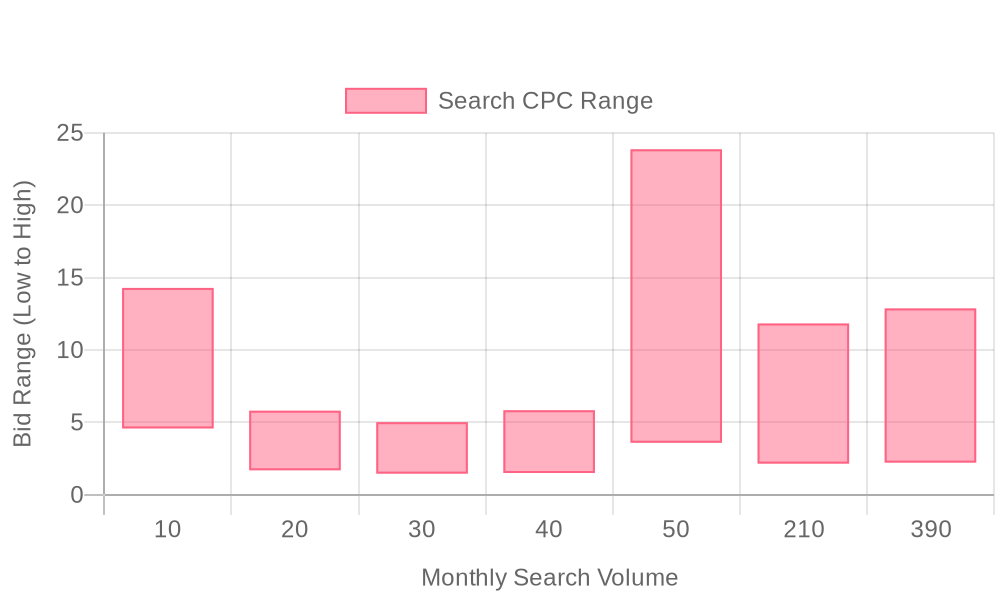
| Industry | Keyword | Monthly Search Volume | Competition Level | Low Bid | High Bid |
| Air Cargo Industry | airline shipping companies | 10 | LOW | 4.59 | 14.29 |
| Air Cargo Industry | air cargo companies list | 20 | LOW | 1.7 | 5.81 |
| Air Cargo Industry | cargo airline companies | 30 | LOW | 1.47 | 5.02 |
| Air Cargo Industry | air cargo management | 40 | LOW | 1.51 | 5.84 |
| Air Cargo Industry | air freight logistics companies | 50 | LOW | 3.6 | 23.86 |
| Air Cargo Industry | air cargo logistics | 210 | LOW | 2.16 | 11.83 |
| Air Cargo Industry | air freight logistics | 390 | LOW | 2.23 | 12.87 |
Effective keyword selection determines the ROI of digital advertising for air freight. Targeting the right mix of terms ensures campaigns reach logistics decision-makers actively researching solutions, not just passive browsers. Explore actionable techniques for airline marketing and advertising to further refine your targeting approach.
- High-Intent, Low-Competition Keywords: Identify niche phrases like “air cargo logistics solutions” and “express air freight quote” that attract buyers with urgent needs. These keywords often yield stronger engagement and conversion rates, especially when drawn from the latest search and engagement data across logistics platforms. For step-by-step campaign planning, see this guide to account-based marketing.
- Urgency-Driven and Buyer Intent Terms: Prioritize keywords signaling immediate action, such as “fast international air cargo,” “book urgent air freight,” or “next flight out cargo.” Integrating these with campaign analytics lets revenue teams dynamically shift budget toward queries with proven high purchase intent, maximizing every ad dollar. Marketers can boost results by leveraging CRM audience segments that automatically update with real-time buying signals.
- Auto-Updating CRM Audiences: Feed CRM audience segments directly into Google Ads, enabling campaign targeting to evolve as new leads are identified and existing contacts engage. This continuous sync allows teams to serve relevant offers to logistics managers who have shown recent activity, ensuring ads remain personalized and timely as prospects move through the pipeline. For more on seamless data syncing, learn how Sona Destinations can automate audience activation.
- Negative Keyword Application: Apply negative keywords to exclude irrelevant traffic, such as “cheap flights” or “passenger airfare,” which safeguards budgets for the most promising B2B leads. Regularly updating these lists based on campaign search term reports maintains targeting accuracy and prevents wasted spend. Access a library of PPC best practices to ensure your negative keyword strategy continuously improves.
With seamless integration between CRM and ad platforms, marketers can flag anonymous site visitors and match them to company records. This unified approach reveals which logistics organizations show in-market behavior and enables real-time campaign adjustments to reach high-value accounts at the optimal moment, using Sona's Identity Resolution. Combining advanced keyword strategies with dynamic audience management gives air cargo advertisers greater visibility, higher lead quality, and measurable improvements in Google Ads ROI.
Step-by-Step Campaign Execution Framework
Execute highly effective Google Ads for Air Cargo Industry with a structured approach that unifies audience insights and campaign execution. This framework enables B2B revenue teams to pinpoint high-value accounts, rapidly adapt to shifting market demand, and secure measurable ROI from every investment in digital advertising for air freight.
Step 1: Build Targeted Keyword Lists
Start by developing keyword lists informed by the latest intent signals and competitive benchmarks. Focus on a blend of high-intent service keywords such as "urgent air cargo shipping," "international air freight solutions," and "pharma logistics air cargo." Incorporate route-specific terms, industry verticals, and solution modifiers to address niche audience segments. Use advanced intent data to prioritize keywords that reflect in-market buyer behavior, ensuring that every bid is directed toward prospects most likely to convert. For a detailed walkthrough on setting up Google Ads for logistics companies, visit this step-by-step Google Ads setup guide.
With real-time audience enrichment, marketers can move beyond surface-level search queries and uncover which organizations and decision-makers are behind otherwise anonymous traffic. This intelligence allows for dynamic keyword expansion and negative keyword management, optimizing spend and increasing Google Ads ROI for logistics.
The upgrade most air cargo advertisers miss is going beyond raw keyword volume to layer in intent and identity signals. By connecting website-visitor data and CRM records with Sona Marketing Measurement, you can see which specific search terms bring in the accounts and customers that actually convert, and weight your keyword and bidding strategy toward those rather than the terms with the highest search volume alone.
Step 2: Create Compelling Ad Copy
Craft ad copy that speaks directly to key pain points faced by logistics managers and procurement specialists. Highlight differentiators such as guaranteed capacity, temperature-controlled shipments, and 24/7 customs support. Use clear calls to action like "Get a Custom Quote" or "Book Air Cargo Now," paired with trust signals, certifications, and real-time pricing where possible. For inspiration on effective ad messaging and campaign structure, review this overview of Google Ads for freight revenue.
Through unified data platforms, marketers gain visibility into visitor intent and engagement history. This insight allows for tailored messaging based on funnel stage or previous site activity, ensuring each ad resonates with the recipient’s current needs. As audiences update dynamically, creative assets can be refreshed to reflect new offers or service expansions, keeping campaigns relevant and top-of-mind as leads move through the buying cycle.
Step 3: Design Optimized Landing Pages
Align each landing page with the promise and specifics of the ad to reduce friction and maximize conversions. Prioritize fast load speeds, mobile responsiveness, and simplified forms that require minimal input. Present clear value propositions, customer testimonials, and transparent service information. Integrate chat support and downloadable resources to capture both immediate and nurturable leads.
Leverage advanced conversion tracking to attribute both online and offline actions, such as quote requests, phone calls, and contract signings, back to the originating campaign. Sync enriched lead data and segmented audiences directly into your CRM and sales automation platforms, ensuring seamless handoff and enabling retargeting or follow-up at precisely the right touchpoints. See how a successful air cargo company structures its digital presence by viewing this portfolio profile of Air Cargo Carriers.
Step 4: Implement Data-Driven Optimizations
Continuously monitor campaign performance using a unified analytics dashboard that surfaces granular engagement metrics, conversion quality, and true revenue impact. Adjust bids, budget allocations, and creative assets in real time based on shifting intent signals and high-converting account activity. Identify which industries, geographies, or service lines are driving the best results, and reallocate resources accordingly. For a comprehensive overview of recent trends shaping the air cargo industry, explore these air cargo industry trends and innovations.
With real-time intent monitoring, teams can rapidly detect surges in demand, such as seasonal spikes or urgent supply chain needs, allowing for immediate budget shifts and tailored messaging. Dynamic audience updates ensure that remarketing lists and lookalike segments stay populated with the freshest, most relevant prospects, driving sustainable growth in air cargo advertising.
Sona Marketing Measurement closes the gap between clicks and revenue. It captures ad clicks with first-party measurement, ties that click through UTM capture and ad-platform APIs to the actual record in your CRM, and reports ROAS by keyword and campaign instead of by last-click form fill. Feeding that revenue signal back into Smart Bidding and Performance Max compounds over time: the algorithms optimize toward booked air cargo revenue, not cheap leads.
Tips on Expanding Your Air Cargo Presence

Modern air cargo providers face global competition, making expanded digital visibility essential for sustainable growth. Adopting a unified online marketing approach ensures your brand consistently reaches shippers, forwarders, and logistics managers engaged in international trade. For a comprehensive overview of airline marketing and advertising tactics, including digital and traditional methods, review this airline marketing strategies guide. For more actionable tips, explore our blog on marketing attribution and analytics.
- Leverage bilingual ad campaigns: Launching ads in multiple languages enables access to high-value markets without language barriers. This approach not only increases ad relevance but directly connects with diverse client segments who may otherwise remain untapped. For more on accessing real-time, signal-based segments, consider Sona’s Audiences tool.
- Upsell additional services with segmented audience strategies: By using predictive modeling and analyzing historical engagement data, you can deliver hyper-personalized upsell campaigns. These segmented strategies help present value-added services, like express handling or temperature-controlled cargo, to buyers most likely to convert, driving incremental revenue per shipment. Use intent signals to identify engaged prospects primed for upsell.
- Collaborate with freight associations for co-branded promotions: Partnering with established industry organizations extends your campaign’s reach into trusted networks. Co-branded activities, such as webinars or sponsored content, build credibility and put your solutions in front of decision-makers exploring new providers. To see how innovative campaigns are used in the industry, check the Maersk air freight campaign.
- Utilize search query data to inform content strategy: Analyzing the actual terms shippers and logistics leaders use reveals emerging needs and market trends. Feeding this intelligence into your content calendar ensures every blog, landing page, or ad addresses real buyer intent, boosting organic and paid visibility. Learn how to uncover these insights with our guide to leveraging intent data.
A well-rounded Google Ads strategy for air cargo starts with deliberate keyword targeting and audience segmentation. Data-driven insights and platform-level analytics optimize every stage of the funnel, so campaigns reach the most valuable prospects at the right moments. Intent tracking and predictive models let you reallocate budget to high-converting accounts, the kind of shift that matters most during peak season or when a new trade lane opens.
Beyond Google Ads: Winning the AI Answers Air Cargo Buyers Now Trust
Paid search captures demand at the moment someone types a query. But a fast-growing share of air cargo buyers no longer start at Google at all, they ask ChatGPT, Gemini, or Perplexity before they ever run a search, and Google's own AI Overviews increasingly summarize an answer above the traditional results. If your business isn't referenced in those AI answers, you're invisible at the exact moment buyers build their shortlist.
Sona AI Visibility shows where your business shows up across ChatGPT, Gemini, Perplexity, Google AI Overviews, and 10+ engines, and, much like a keyword report, which prompts actually send you buyers, so you can prioritize the ones that convert. Run the two together and you cover the entire buyer path: get cited where buyers research (AI Visibility), then prove which of that demand turns into booked revenue (Marketing Measurement).
Helpful resources
Conclusion
The air cargo shippers researching capacity today are increasingly starting that search in an AI chat window before they ever open Google, and asking an algorithm to recommend a carrier before they ask a human. The advertisers who win the next few years will be the ones who show up in both places, and who can prove which of those touches actually turned into booked freight.
To put these strategies to work, start for free and see how unified data can sharpen your air cargo marketing from the first click to the booked shipment.
FAQ
What are the best practices for Google Ads in the air cargo industry?
Best practices include using intent-driven targeting, customizing landing pages for anonymous visitors, integrating Google Ads with CRM systems, and utilizing real-time solutions for lead qualification.
How can air cargo companies optimize their Google Ads campaigns?
Air cargo companies can optimize their Google Ads campaigns by focusing on advanced audience segmentation, using precise data for lead generation, and integrating cross-channel marketing efforts.
What budget should I allocate for Google Ads in the air cargo sector?
The article does not specify an exact budget, but emphasizes prioritizing ad spend based on intent signals and high-converting opportunities.
What keywords should I target for Google Ads in air cargo?
Target high-intent, low-competition keywords like 'air cargo logistics solutions' and 'express air freight quote,' along with urgency-driven terms such as 'fast international air cargo' and 'book urgent air freight.'
How do I measure the success of Google Ads for air cargo?
Success can be measured by tracking engagement metrics, conversion quality, and revenue impact through a unified analytics dashboard, and by integrating conversion tracking with CRM data.







