


Aerial applicators sell precision under a deadline: a pest outbreak, a narrow spray window before rain, a crop insurance clock ticking. That urgency shapes how buyers search, and it's why paid search earns a place alongside the trade's usual channels, referrals, ag trade shows, direct mail to co-ops, and industry publications that build credibility over a season. Google Ads plays a specific role in that mix: it catches a farm manager or agronomist the moment they type "crop dusting near me" or "drone spraying for fungicide," turning a weather event or infestation into a tracked lead rather than a missed call. Done well, it also feeds back into the rest of the funnel, so a click can be followed all the way to a signed spraying contract.
How to Generate Google Ads for Aerial Applicators Leads with Google Ads: A Step-by-Step Guide

Aerial applicators operate in a specialized, high-stakes segment of agriculture where precision and timeliness drive business growth. Strategic digital marketing, particularly through paid search, enables these businesses to reach farm operators, agronomists, and procurement teams actively searching for aerial crop protection and seed services. For a deeper dive into digital marketing tailored for drone business owners, consider exploring digital marketing strategies for drone businesses.
Integrating Google Ads into your marketing mix ensures you appear in front of decision-makers precisely when they need your expertise. This playbook delivers a clear, data-driven framework to maximize reach and lead quality through every stage of the digital funnel, and you can also browse the library of actionable playbooks for more step-by-step B2B marketing strategies.
- A data-driven paid search approach within your overall marketing mix: When aerial application providers layer paid search with broader digital efforts, they gain clearer attribution and faster feedback cycles. Combining first-party CRM data and campaign analytics offers insights into buyer journeys, allowing marketers to identify high-value prospects and optimize budget allocation for maximum impact.
- Keyword and audience targeting methodologies unique to aerial application buyers: Success in aerial applicator online advertising comes from understanding industry-specific search intent. Targeting keywords such as "aerial crop spraying," "drone business advertising," and "Google Ads for agriculture" attracts stakeholders with immediate needs. Layering geofencing for aerial applicators and leveraging real-time audience signals refines audience lists, ensuring ads are served to buyers most likely to convert.
- Techniques for aligning landing pages and creatives to maximize conversions: High-performing campaigns feature landing pages tailored to the expectations of agricultural buyers. Messaging should be clear on regulatory compliance, coverage area, and operational safety. Cohesive creative aligns with search intent and audience profile, increasing engagement and driving more qualified form submissions or calls.
- Performance optimization strategies to enhance ROI continuously: Marketers achieve superior Google Ads ROI for aerial services by tracking both online and offline conversions. Advanced attribution models uncover which keywords, ads, and audiences deliver the highest lead quality. Automated audience updates, based on CRM data and visitor identification, enable dynamic retargeting and nurture sequences as buyer needs evolve.
- Cross-channel integration techniques that strengthen the entire marketing ecosystem: Unifying ad platform insights with sales and CRM systems creates a closed-loop view of the customer journey. Syncing enriched lead and audience data into Google Ads and sales platforms ensures that marketing and sales teams act on the same signals, streamlining demand generation and increasing revenue team alignment. For a step-by-step guide on integrating and activating audience data, see Sona Destinations.
Why Does Google Ads Matter for Aerial Applicators?

Aerial applicators face a distinct set of marketing challenges that generic digital strategies rarely address. Precision in reaching decision-makers, rapid demand shifts, and the need for measurable ROI define success in this industry. For a deeper dive into digital marketing tactics tailored for aerial service providers, check out this guide for drone business owners.
- Complex, Specialized Audience: Capturing high-value prospects requires granular targeting that aligns with the industry's technical language. Keyword strategies tailored to aerial spraying, drone mapping, or crop protection ensure ads appear in front of agricultural managers and procurement leads actively searching for these services. Sona's Identity Resolution moves marketers from guessing at anonymous traffic to seeing which companies and decision-makers are showing genuine intent.
- Higher Margin Services: Aerial application offers premium services with significant margins, but these opportunities are often lost in a sea of undifferentiated web traffic. Google Ads enables businesses to segment and target campaigns around their most profitable solutions. When combined with Sona's Destinations feature that reveals which accounts are engaging and progressing through the sales funnel, marketing teams can prioritize spend and outreach where the revenue impact is greatest.
- Faster Demand Response: Seasonality, weather events, and pest outbreaks can shift demand for aerial services overnight. Google Ads provides instant visibility at the exact moments when farmers and agri-businesses are searching for solutions. Integrating intent data and dynamic audience updates ensures that budget is continuously allocated to the accounts most likely to convert, minimizing wasted spend and capitalizing on urgent market needs.
- Visibility in Emerging Regions: New agricultural markets and underserved geographies present growth opportunities but are challenging to target with traditional methods. Google Ads' geofencing and location targeting features allow campaigns to reach prospects in specific regions. When synced with Sona's Audiences tool, enriched audience data further refines targeting and helps avoid churn by engaging high-intent leads at the right time, increasing both reach and ROI.
Common Types of Google Ads Campaigns for Aerial Applicators
Search, Display, Video, and Performance Max are Google Ads campaign types; Responsive Search Ads are an ad format used within Search campaigns, not a separate campaign type.

- Search Campaigns: Capture high-intent prospects actively searching for aerial application services, drone business advertising, or agricultural pest control. These campaigns allow companies to target keywords like "aerial applicator near me" or "crop spraying services," ensuring visibility when buyers are ready to engage. Responsive Search Ads, the standard ad format within these campaigns, let you test multiple headlines and descriptions to see which resonates with agronomists and procurement teams. With Sona's Identity Resolution, marketers can reveal which companies and decision-makers are clicking, optimizing spend and accelerating lead qualification.
- Display Ads: Maintain a strong brand presence by appearing across relevant agricultural publishers, farm management blogs, and local news sites. Display placements keep aerial applicators top-of-mind throughout the buying process, especially for stakeholders researching industry trends or evaluating service providers. With Sona Audiences, teams can dynamically update ad segments as visitors progress from awareness to consideration, ensuring ads remain hyper-relevant.
- Performance Max: Combine Search, Display, YouTube, and Discover inventory in one campaign that optimizes toward a conversion goal, such as a quote request or booked spray job. This suits aerial applicators whose buyers move between research and action quickly during a short spray window. Feeding Sona Marketing Measurement data into Performance Max lets the algorithm optimize toward accounts that actually became paying customers, not just form fills.
- Remarketing: Re-engage site visitors and past leads with personalized messaging that reinforces credibility and expertise. Remarketing strategies for aerial applicators increase touchpoints, supporting long sales cycles typical in agribusiness. Marketers benefit from advanced ad conversion tracking that unifies both online form fills and offline contract closes, providing a true measure of performance. For deeper insights, review retargeting strategies.
- Assets: Build trust instantly by highlighting certifications, compliance credentials, and rapid response times within your ad copy. Ad assets for aerial application marketing can showcase NAAA memberships, EPA certifications, and emergency response capabilities directly in search results. When CRM and ad platforms are integrated, these trust signals can be mapped to audience segments, ensuring the most relevant proof points reach buyers throughout the funnel. To see how Google Ads can help you launch, get started for free with Sona.
Where to Find Growth Opportunities?
Growth in the aerial application sector requires a proactive approach to uncovering untapped market segments and innovative demand channels. Strategic expansion hinges on data-driven insights and a willingness to experiment with verticalized messaging and audience engagement.
- Target specialty aerial services with vertical keyword strategy: Focus keyword research on sub-niches such as drone-based crop spraying, forestry treatments, or urban pest control. This approach enables marketers to reach high-value prospects actively searching for solutions tailored to their specific operational needs. By aligning ad copy and landing pages with these verticals, campaigns achieve stronger relevance and improved quality scores, ultimately increasing conversion rates. For targeted strategies in this sector, see this guide to digital marketing and paid advertising for drone businesses.
- Conduct competitor gap analysis to identify unexplored segments: Analyze the keyword portfolios and ad placements of leading aerial applicators to detect areas where competitors have limited or no presence. These gaps often signal viable new audience segments or underserved regions. When paired with company-level identity resolution and intent data, teams can prioritize segments showing active buying signals, shifting budget toward high-converting accounts and optimizing spend efficiency.
- Place content on industry-specific trade forums: Establish authority and expand reach by contributing educational thought leadership to forums, online communities, and digital publications frequented by aerial applicators and agri-business decision-makers. This channel delivers both direct engagement and valuable retargeting pools. Integrating advanced attribution and audience sync ensures every interaction, whether a forum click or an offline inquiry, feeds into a unified funnel, supporting accurate ROI measurement and lead nurturing.
- Use content retargeting strategies with educational assets: Deploy content-driven retargeting that leverages guides, case studies, and webinars addressing regulatory trends, ROI benchmarks, and emerging technologies in aerial application marketing. Engagement signals from these assets indicate a higher likelihood of conversion. Dynamic audience updates, powered by real-time behavioral data, allow for message personalization as leads progress, enhancing both relevance and pipeline velocity across related digital channels.
How to Apply Audience Segmentation for Aerial Applicators

Audience segmentation is essential for aerial applicators aiming to maximize advertising efficiency and reach high-intent prospects in a competitive market. Precision targeting ensures marketing resources are focused on buyers with the most immediate need and highest lifetime value, driving measurable returns from every campaign. To learn more about segmenting audiences using real-time data, explore dynamic audience segmentation for actionable strategies.
- Define Segments: Successful aerial applicator campaigns start by differentiating commercial agriculture clients from residential or municipal customers. Commercial segments often include large farms, agri-businesses, or co-ops seeking high-volume, routine application services. Residential and municipal audiences typically look for solutions like mosquito abatement, emergency spraying, or one-time mapping projects. By clearly separating these audiences, marketers can craft messaging and offers that match each segment's distinct pain points and decision cycles. For step-by-step approaches, check out this guide to digital marketing for drone businesses.
- Overlay Intent Signals: Go beyond static demographic criteria by layering Sona's Intent Signals into your segmentation. For example, prospects visiting demo or pricing pages often signal readiness for a purchase conversation, while those exploring emergency response or mapping case studies may have urgent, specialized needs. Sona surfaces these in-market behaviors, allowing for dynamic budget allocation toward audiences demonstrating the highest conversion potential at any given moment.
- Create Ad Groups by Segment: Build distinct ad groups aligned to each audience segment and intent profile. Tailoring creative elements, such as ad copy, visual assets, and calls to action, ensures messaging resonates and addresses the unique challenges facing each group. This approach eliminates the inefficiency of disconnected campaigns, while unified data activation platforms can automatically refresh audiences and sync enriched lead details into connected CRMs. This enhances targeting accuracy and streamlines follow-up and attribution, providing a closed-loop view of campaign impact across the aerial application customer journey.
This is also where measurement changes the economics. With Sona Marketing Measurement you can identify the companies and buyers behind your ad clicks, not just anonymous sessions, and segment audiences by who actually becomes a customer. That lets you build bid adjustments and audience signals around the segments that convert and de-prioritize the ones that don't, so you feed Google's algorithms "this click became a paying aerial applicators customer" instead of just "someone filled out a form."
Keyword Strategy & Sample Target Terms
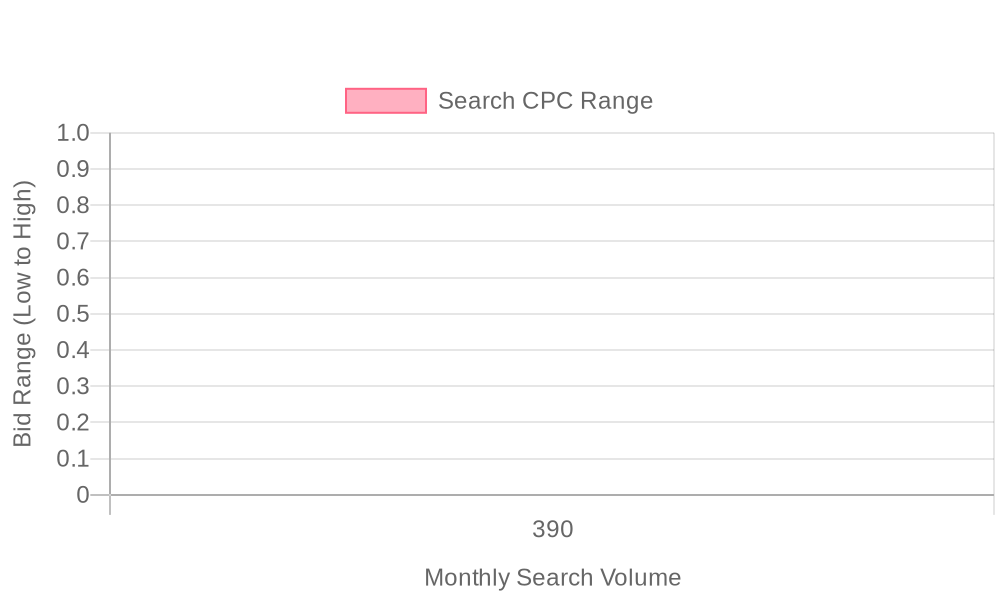
| Industry | Keyword | Monthly Search Volume | Competition Level | Low Bid | High Bid |
| Aerial Applicators | aerial applicators | 390 | LOW |
Building a winning Google Ads approach for aerial applicators hinges on precise keyword selection. Every ad dollar spent should target audiences with high intent, ensuring campaigns reach agricultural decision-makers actively seeking aerial application, drone business advertising, and related services. For an overview of effective digital marketing tactics in this space, explore digital marketing for drone businesses, and use tools like Sona's Identity Resolution to reveal which companies are actively searching for your services.
- High-volume, low-competition keywords: Prioritize terms like "aerial applicator services near me," "agriculture drone spraying," and "crop dusting company" to capture local and industry-specific demand. These keywords deliver measurable ROI by connecting with prospects at the moment of need. To refine your keyword research and ad targeting, review best practices in the Sona blog for actionable insights.
- Geo-targeted phrases: Use regionally relevant terms such as "aerial applicators in Iowa," "Texas crop dusting prices," or "California drone spraying" to establish localized authority. Geofencing for aerial applicators further sharpens ad spend, narrowing audience reach to territories with the highest conversion probability. Segment your targeting with Sona's Audiences to dynamically build and sync regions and buyer intent with your ad platforms.
- Long-tail, service-specific keywords: Incorporate detailed searches like "fungicide aerial application for corn," "drone-based pesticide spraying compliance," or "FAA certified aerial applicators." These long-tail terms minimize wasted impressions and ensure that even niche, high-value prospects are tracked and engaged. To stay compliant and informed, reference aerial pesticide application licensing requirements for regulatory guidance.
Identity resolution lets marketers see which companies are searching for these keywords, not just anonymous web traffic. This level of targeting lets revenue teams adjust bids and creative assets in real time as in-market intent signals shift. By dynamically updating audience segments as leads progress through the funnel, campaign efficiency and Google Ads ROI for aerial services increase substantially. To experience these capabilities, get started for free with Sona and build a foundation for scalable, results-driven aerial application marketing.
Step-by-Step Campaign Execution Framework
Step 1: Build Targeted Keyword Lists
Precision targeting is foundational in aerial applicator online advertising. Begin by segmenting keyword groups based on service types such as agricultural spraying, drone-based crop protection, or precision aerial seeding. This granular structure ensures each campaign aligns ad messaging with the specific needs of growers and agri-businesses. For additional insights on keyword segmentation and audience prioritization, explore this guide to digital marketing and paid advertising for drone businesses.
Incorporate geo-targeting to reach clients within actionable flight radii and focus on long-tail keywords for unique services, such as "drone fungicide application Illinois" or "licensed aerial pesticide applicator Texas." Negative keyword filters further refine your audience, eliminating irrelevant clicks from unrelated agricultural services. When leveraging Sona, marketers can pinpoint which companies are actively researching aerial application solutions, allowing for more accurate keyword expansion and prioritization of high-intent segments.
The upgrade most aerial applicators advertisers miss is going beyond raw keyword volume to layer in intent and identity signals. By connecting website-visitor data and CRM records with Sona Marketing Measurement, you can see which specific search terms bring in the accounts and customers that actually convert, and weight your keyword and bidding strategy toward those rather than the terms with the highest search volume alone.
Step 2: Develop Compelling Ad Copy
Effective ad copy for aerial application marketing addresses industry-specific challenges directly in the headline. Highlight pain points like "Reduce crop loss from pests" or "Fast, weather-adaptive spraying" to quickly resonate with decision-makers in agribusiness. Use concise, authoritative language that reflects deep understanding of the agricultural cycle and regulatory compliance. For a deeper dive into messaging strategies and creative best practices in agribusiness, visit our B2B marketing playbooks.
Trust markers are essential for credibility, incorporate certifications such as FAA licensing, state pesticide approvals, or national agricultural association memberships into the ad text. This builds confidence among prospects who require strict adherence to safety and environmental standards. As Sona identifies which accounts engage most with ads, teams can dynamically adjust messaging to emphasize the credentials and proof points that matter most to each segment, increasing qualified lead volume.
Step 3: Design Effective Landing Pages
A seamless experience from keyword to ad to landing page is critical for maximizing conversion rates in aerial applicator advertising. Ensure landing pages mirror the intent of the original search, if a prospect clicks on "drone crop spraying," highlight that service and display relevant service area maps, photo documentation, and testimonials from local growers. For practical inspiration, review the official Google Ads platform.
Integrate interactive tools like ROI calculators, which demonstrate cost savings and productivity gains from aerial services. Prominently display trust badges, regulatory certifications, and insurance coverage details to remove barriers to inquiry. When Sona is used in this workflow, visitor identification reveals which companies are engaging and passes enriched data into connected CRM or marketing automation systems, enabling faster, personalized follow-up and nurturing.
Step 4: Implement Data-Driven Optimizations
Continuous optimization is vital for aerial application industry trends and campaign performance. Monitor both micro conversions (such as quote form submissions or click-to-call actions) and macro conversions (like completed service bookings or demo requests). Analyze conversion paths to identify friction points and reallocate budget toward higher-performing keywords and ad groups. Explore best practices for measuring marketing's influence on the sales pipeline to further refine your strategy.
Advanced attribution models, powered by unified online and offline data, provide a true measure of ROI for aerial services. Real-time intent signals, surfaced through Sona, enable budget shifts toward accounts demonstrating active buying behavior, ensuring that resources are focused on prospects most likely to convert. Syncing enriched audiences with Google Ads and CRM platforms ensures that retargeting and nurturing campaigns remain up-to-date as leads move through the funnel, driving sustained growth for aerial applicators. To accelerate your results, get started for free with Sona and unlock unified insights for every stage of your campaign.
Sona Marketing Measurement closes the gap between clicks and revenue. It captures every ad click with first-party measurement, then ties that click through UTM capture and ad-platform APIs to the actual record in your CRM, and reports ROAS by keyword and campaign instead of by last-click form fill. Feeding that revenue signal back into Smart Bidding and Performance Max compounds over time: the algorithms optimize toward booked aerial applicators revenue, not cheap leads.
Tips on Expanding Your Google Ads for Aerial Applicators Presence
For aerial applicators, scaling Google Ads campaigns hinges on a multifaceted approach. Strong performance depends on combining granular audience segmentation, precise keyword targeting, and creative assets that resonate with agricultural decision-makers. To ensure your campaigns are optimized for measurable results, review this guide to Google Ads best practices for health care for inspiration, and use Sona to build real-time, signal-based segments for more effective targeting.
- Cross-promote educational assets in retargeting campaigns: Retargeting remains a cost-effective lever for aerial applicators, especially when promoting high-value educational content such as industry insights, application best practices, or compliance updates. Marketers can leverage visitor identification technology to move beyond anonymous traffic, ensuring educational content reaches previously engaged operators and agri-business executives.
- Upsell services based on audience segmentation: Segmentation unlocks upsell opportunities by aligning messaging with the specific needs and behaviors of different agricultural stakeholders. By using real-time intent data, marketers can identify when farm managers or procurement specialists demonstrate readiness for advanced aerial services. Syncing data between your CRM and Google Ads using Sona Destinations ensures high-value segments receive tailored offers, maximizing upsell revenue.
- Focus on campaign localization to solidify dominance in specific markets: For aerial applicators, hyper-local targeting is essential. Customizing ad copy, extensions, and landing pages for regions with unique crop cycles or regulatory requirements builds trust and authority. Integrate search data analysis from each market to continually refine your creative and bidding strategies, ensuring you maintain local dominance even as seasonal demand shifts.
- Utilize search data analysis to guide new content creation: Consistent analysis of search trends informs smarter content investment. By monitoring search queries related to aerial application marketing and drone business advertising, marketers can identify emerging topics and pain points. Use these insights to develop high-converting assets such as case studies and explainer videos, and access a library of actionable playbooks to fuel both organic and paid channels.
Beyond Google Ads: Winning the AI Answers Aerial Applicators Buyers Now Trust
Paid search captures demand at the moment someone types a query. But a fast-growing share of aerial applicators buyers no longer start at Google at all, they ask ChatGPT, Gemini, or Perplexity before they ever run a search, and Google's own AI Overviews increasingly summarize an answer above the traditional results. If your business isn't referenced in those AI answers, you're invisible at the exact moment buyers build their shortlist.
Sona AI Visibility shows where your business shows up across ChatGPT, Gemini, Perplexity, Google AI Overviews, and 10+ engines, and, much like a keyword report, which prompts actually send you buyers, so you can prioritize the ones that convert. Run the two together and you cover the entire buyer path: get cited where buyers research (AI Visibility), then prove which of that demand turns into booked revenue (Marketing Measurement).
Helpful resources
Conclusion
Google Ads gives aerial applicators a way to be found at the exact moment a pest outbreak, a compliance deadline, or a narrow weather window sends a farm manager searching for help. Getting there took keyword lists built around real agricultural language, ad assets that lead with licensing and safety, landing pages that mirror search intent, and measurement that follows a click all the way to a signed contract rather than stopping at a form fill.
The next shift is already underway: buyers are asking AI tools before they ever type a query into Google, which means visibility now has to extend past the search results page. Pairing Google Ads with AI Visibility and Marketing Measurement gives aerial applicators a way to show up in both places, and to prove which of that attention turns into booked spray jobs. Start for free to see how it works for your business.
FAQ
How can aerial applicators maximize their Google Ads budget?
Aerial applicators can maximize their Google Ads budget by integrating data-driven insights from CRM and campaign analytics, optimizing keyword strategies, and continuously adjusting budget allocations based on high-value prospects and conversion data.
What are the best Google Ads strategies for aerial applicator businesses?
The best strategies include using precise targeting based on industry-specific keywords, aligning landing pages with search intent, and integrating Google Ads with CRM systems to refine audience targeting and measure ROI.
How do I target the right audience with Google Ads for my aerial application service?
Target the right audience by using industry-specific keywords, applying geofencing, leveraging real-time audience signals, and segmenting audiences based on commercial, residential, or municipal needs.
What are the most effective keywords for Google Ads in the aerial application industry?
Effective keywords include 'aerial crop spraying,' 'drone business advertising,' 'agriculture drone spraying,' and region-specific terms like 'aerial applicators in Iowa.'
How can I track and measure the success of my Google Ads campaign for my aerial applicator business?
Success can be tracked by monitoring online and offline conversions, using advanced attribution models, analyzing conversion paths, and syncing data with CRM systems for real-time audience updates and retargeting.







