


Aerial advertising sells attention in open sky, and the buyers who search for it, event planners, stadium marketers, agencies booking a banner plane for a launch, are usually deciding on a deadline. Google Ads works for this trade because it catches that decision-maker mid-search, often days before an event, rather than waiting for them to notice a banner overhead. Pairing paid search with your existing offline presence lets you intercept the same buyer twice: once when they see a plane or drone display, and again when they go looking for a provider online. Done well, this lets you find companies actively researching aerial campaigns, not just anonymous traffic, and put your budget behind the ones most likely to book.
How to Generate Aerial Advertising Leads with Google Ads: A Step-by-Step Guide

Aerial advertising companies can dramatically expand their pipeline by adopting a data-centric approach to online lead generation. Leveraging Google Ads for aerial installers ensures you capture high-intent prospects precisely when they are searching for unique promotional solutions.
Modern solutions now allow businesses to identify the companies behind website visits that engage with your digital content yet remain invisible in your CRM. This company-level identification turns previously missed website visits into actionable sales opportunities, helping teams recover potential revenue that would have been lost to anonymity.
Strategizing keyword and audience targeting with precise audience intelligence allows aerial advertising firms to focus spend on accounts showing genuine buying signals. By analyzing real-time behavioral intent, marketers can allocate budgets toward segments actively researching aerial banner campaigns or drone-based advertising, ensuring that ad dollars reach those most likely to convert.
Aligning landing pages and creative with each stage of the buyer journey is crucial for optimum conversion. Tailoring messaging to resonate with decision-makers in entertainment, sports, or political campaigns increases relevance and drives higher engagement rates. A seamless user experience from ad click to inquiry form improves both lead quality and volume.
Implementing performance optimization strategies empowers teams to adjust campaigns based on both digital and offline conversions, such as inbound calls or in-person consultations. Advanced attribution models help reveal the true cost per lead and return on investment, enabling smarter budget shifts based on complete conversion data.
Cross-channel synergy matters for aerial advertisers aiming to maximize campaign effectiveness. Syncing intent signals across platforms, such as Google Ads and LinkedIn, sharpens targeting by keeping audience lists current as leads move through the funnel. Feeding enriched audience segments back into platforms like Google Ads further strengthens retargeting and nurtures prospects toward conversion. Ready to see results for yourself? Get started for free with Sona.
Why Does Google Ads Matter for Aerial Advertising?

Modern aerial advertising teams face the challenge of connecting with specialized buyers right at the moment of intent. Google Ads enables precise targeting that captures these high-value prospects as they search for aerial solutions, ensuring that marketing investments reach the most relevant decision-makers.
Campaigns in this sector benefit from the immediacy Google Ads offers: potential clients often require urgent aerial services, and timely ad delivery drives direct leads during these critical windows. With technology that identifies not just anonymous web visitors but the companies behind each click, teams can prioritize outreach to qualified accounts rather than wasting spend on uninterested traffic.
Geographic precision is vital for aerial advertising, especially when entering new markets or focusing on high-growth regions. Google’s regional targeting tools allow businesses to tailor messaging to local audiences, maximizing relevance and ad spend efficiency. When integrated with dynamic audience capabilities, these campaigns automatically update as prospects move through the funnel, ensuring that every touchpoint is aligned with real-time intent.
Closed-loop measurement is what justifies digital marketing spend in aerial advertising, where a single booked campaign can be worth months of ad budget. Google Ads' analytics track online conversions and offline actions such as phone calls, giving a fuller ROI picture than form fills alone. Syncing enriched audience data and conversion events between CRM and ad platforms gives marketers a unified view of lead progression, and a clearer basis for shifting budget toward what actually books events.
Common Types of Google Ads Campaigns for Aerial Advertising Services

Understanding the right campaign structure unlocks meaningful results in digital marketing for aerial fitters and broader aerial advertising services. The most effective Google Ads for Aerial Advertising strategies deploy a blend of campaign types, each serving a distinct purpose in the customer journey and demand generation process. For a practical guide on campaign setup and best practices tailored to aerial installation businesses, review this Google Ads for aerial installers resource.
- Search Campaigns: High-intent search queries are a primary source of qualified leads for aerial advertising services. Segmenting ad groups by specific service types, locations, or installation needs ensures ads appear to users actively seeking solutions. With advanced visitor identification, revenue teams can pinpoint which companies or individuals search for aerial installation, transforming anonymous clicks into actionable contacts. This granular insight allows marketing budgets to focus on high-conversion intent signals, driving measurable improvements in cost per lead and campaign ROI.
- Display Advertising: Maintaining brand visibility across industry-relevant sites and digital platforms is essential for building awareness in a competitive market. Display ads can support top-funnel demand creation and keep aerial advertising solutions top-of-mind for property managers, event organizers, and commercial buyers. Leveraging real-time, always-updating audiences ensures the right message is shown as prospects progress through the funnel. Real-time syncing between CRM and ad platforms enables seamless audience refinement, directly aligning ad creative with the audience’s buying stage.
- Video Ads: Aerial advertising is inherently visual, showcasing the scale, precision, and technical expertise involved is best achieved through video formats. Video ads demonstrate service capabilities, highlight past successes, and convey trustworthiness to prospective clients. By integrating first-party intent data, marketers can trigger video promotions at critical decision points, increasing engagement rates among in-market buyers.
- Remarketing: Retargeting is critical in an industry where buying cycles are long and consideration is high. Remarketing campaigns reconnect with visitors who have shown interest but not yet converted, delivering tailored messaging based on previous site actions or content consumed. Unifying disconnected intent signals into a central profile enables precise retargeting, reducing wasted spend and increasing conversion rates. Dynamic audience updates, such as instantly removing converted leads from remarketing pools, ensure campaigns stay efficient and relevant.
- Assets: Ad assets (formerly called extensions) offer a simple yet powerful way to build trust and increase conversions. By highlighting business location, credentials, certifications, or unique service benefits, assets add credibility and facilitate immediate action. Integrating offline conversion tracking with ad assets, such as tracking phone calls or form fills back to specific ads, provides a complete view of lead generation effectiveness and informs ongoing optimization for aerial advertising campaigns.
Where to Find Growth Opportunities in Aerial Advertising

Growth in aerial advertising depends on uncovering opportunities outside traditional digital channels. Modern marketers succeed by identifying specialty service keywords that align with their value proposition and target audiences, focusing on those often overlooked by broader campaigns. For a deeper dive on segmentation and account targeting, explore real-time audience strategies that boost precision in your campaigns.
- Specialty Service Keywords: Integrate keywords tailored to aerial fitters, drone services, or event-based air promotions. These highly specific search terms attract high-intent prospects and drive superior lead quality compared to generic advertising phrases. Layering CRM data into audience targeting ensures campaigns reach decision-makers actively researching these niche services, boosting conversion rates and cost efficiency.
- Competitor Gap Analysis: Use auction insights within Google Ads to identify gaps in competitor coverage and spot hybrid opportunities where offline branding merges with digital intent. For instance, pinpoint high-traffic periods around major events and sync targeting with CRM insights to prioritize accounts showing both digital engagement and offline event presence. With advanced intent data, marketers can shift budgets dynamically toward segments with the highest probability of conversion.
- Industry-Specific Sites: Direct placements on aviation forums, event registration platforms, and local business directories where aerial advertising discussions are active can yield high-value exposure. By tracking visitor identification and syncing this data with your CRM, you can prioritize outreach to companies with demonstrated interest, closing the loop between digital awareness and sales engagement.
- Content Retargeting for Alignment: Re-market thought leadership assets such as whitepapers and technical guides to prospects who show repeated engagement across channels. By using unified CRM and web analytics, audience lists update dynamically as leads move through the funnel, ensuring that retargeting efforts remain personalized and contextually relevant. This approach increases lead nurturing effectiveness and delivers measurable improvements in pipeline velocity for aerial advertising campaigns.
How to Apply Audience Segmentation for Aerial Advertising

Audience segmentation is essential for aerial advertising teams looking to optimize marketing spend and reach high-value prospects. Accurate segmentation supports tailored messaging, higher conversion rates, and stronger alignment between marketing and sales outcomes. For deeper insights into marketing strategies, visit the Sona blog.
- Identify segments: Differentiate between consumer-base and corporate aerial clients who engage differently. B2B aerial campaigns often target agencies, brands, or event managers, while B2C segments may focus on private events or small businesses. Distinguishing these groups allows you to design channel strategies, creative, and offers that resonate with each audience, reducing wasted impressions and irrelevant clicks. Explore this guide for aerial installers using Google Ads to understand how segmentation influences local lead generation.
- Overlay intent indicators: Consider moments like annual campaigns or new installations using data-driven insights to prioritize engagement. By analyzing website visits, search queries, and engagement spikes around seasonal events or industry launches, marketers can shift budget toward accounts showing real-time buying signals. Solutions that unify cross-channel visitor identification and intent data enable teams to prioritize high-value leads and adjust spend to maximize cost per lead efficiency.
- Create segment-specific ad groups: Align creative strategies with specialized needs, allowing for a focused approach. Dedicated ad groups for commercial, residential, or event-driven aerial advertising ensure messaging, imagery, and CTAs address the priorities of each segment. Dynamic audience syncing technology keeps these groups updated as leads move through the funnel, so your outreach remains timely and relevant.
- Validate conversion paths: Ensure tracking of quotes, forms, and calls integrates seamlessly with your CRM, addressing issues with prioritization and follow-up accuracy. Advanced attribution and conversion tracking connect online leads to offline sales activity, enabling precise ROI measurement for aerial advertising campaigns.
This is also where measurement changes the economics. With Sona Marketing Measurement you can identify the companies behind your ad clicks, not just anonymous sessions, and segment audiences by which of them actually become customers. That lets you build bid adjustments and audience signals around the segments that convert and de-prioritize the ones that don't, so you feed Google's algorithms "this click became a paying aerial advertising customer" instead of just "someone filled out a form."
Keyword Strategy & Sample Target Terms
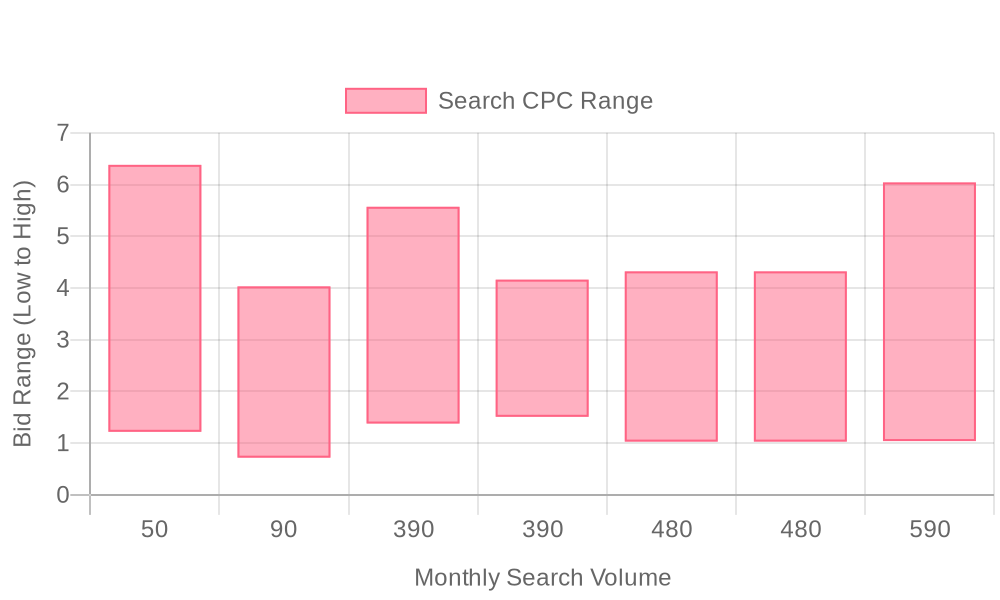
| Industry | Keyword | Monthly Search Volume | Competition Level | Low Bid | High Bid |
| Aerial Advertising | aerial advertising near me | 50 | MEDIUM | 1.22 | 6.38 |
| Aerial Advertising | airplane banner advertising near me | 90 | MEDIUM | 0.72 | 4.03 |
| Aerial Advertising | aerial advertising | 390 | LOW | 1.38 | 5.57 |
| Aerial Advertising | aerial banners | 390 | LOW | 1.51 | 4.16 |
| Aerial Advertising | airplane banner advertising | 480 | LOW | 1.03 | 4.32 |
| Aerial Advertising | plane advertising banner | 480 | LOW | 1.03 | 4.32 |
| Aerial Advertising | airplane advertising | 590 | LOW | 1.04 | 6.04 |
Aerial advertising companies operate in a niche where every lead counts and timing is critical. Leveraging a robust keyword strategy ensures that marketing investments directly connect with prospects who are ready to buy, not just browse. For practical examples of how aerial installation businesses use Google Ads to attract clients, see this guide for aerial installers, and for ongoing tips, explore our marketing strategy blog.
Strategic Targeting: Advanced targeting capabilities allow aerial advertising businesses to reach key decision-makers at the moment they engage with high-value content or signal intent around an upcoming campaign. By integrating real-time behavioral signals, marketers can prioritize and allocate budget to accounts showing genuine purchase signals, rather than relying on generic audience segments.
ROI Tracking: Measuring effectiveness requires seamless attribution from ad click through to closed deal, including both online and offline conversions. Modern solutions unify Google Ads data with CRM and offline sales activity, giving a full picture of return on investment for every aerial advertising campaign.
Channel Integration: Consistent messaging across channels sustains engagement through the buyer's journey. Retargeting strategies that synchronize CRM insights and audience lists keep prospects seeing relevant ads as they move from initial research to final decision, regardless of platform. For teams aiming to maximize conversion rates and minimize wasted spend, dynamic audience updates and cross-channel orchestration are now table stakes.
A focused keyword approach, paired with unified data and automated workflows, helps aerial advertising providers dominate high-intent searches and turn competitive search terms into booked campaigns.
Step-by-Step Campaign Execution Framework
Step 1: Keyword List Creation
Effective Google Ads for aerial advertising begins with a disciplined keyword strategy tailored to the nuances of aerial services. Segmenting keywords by service variations, such as skywriting, drone banners, or traditional plane-towed banners, enables precise targeting of intent-rich prospects. For a practical overview on how aerial installation businesses can leverage Google Ads to attract local clients, see this guide for aerial installers. Integrating local modifiers ensures your campaigns capture in-market demand within your operational footprint.
Long-tail and question-based keywords, such as “how much does aerial advertising cost” or “best aerial ad company for events,” deliver higher intent and lower competition. Negative keywords filter out irrelevant clicks, protecting your budget from low-value traffic. When paired with a unified data platform, marketers can dynamically adjust keyword clusters as real-world visitor intent surfaces, allocating spend to high-converting queries identified through real-time behavioral data.
The upgrade most aerial advertising advertisers miss is going beyond raw keyword volume to layer in intent and identity signals. By connecting website-visitor data and CRM records with Sona Marketing Measurement, you can see which search terms bring in the accounts that actually book campaigns, and weight your keyword and bidding strategy toward those instead of the terms with the highest search volume alone.
Step 2: Ad Copy Development
Aerial advertising presents unique value propositions, and ad copy must reflect industry-specific challenges and trust signals that matter to buyers. Headlines addressing common concerns, such as reliability, regulatory compliance, or measurable impact, build instant credibility. Incorporating trust elements, like years in business or client testimonials, helps transfer the confidence of a high-intent demo attendee to a new prospect who may be unfamiliar with aerial campaigns.
Urgency-driven offers, such as “Book your aerial ad for next month’s event, limited slots,” tap into time-sensitive needs and drive action. Leveraging first-party insights, marketers can refine messaging based on which value props resonate most with high-converting segments, ensuring every ad variation is informed by actual engagement data rather than guesswork. To explore more actionable tactics for messaging, browse our marketing playbooks.
Step 3: Landing Page Design
Aligning keywords, ad messaging, and landing page content is essential for aerial advertising campaigns to maximize conversion rates. Each landing page should reflect the specific service or event type targeted in the ad, whether it’s sports events, festivals, or grand openings. Segmenting landing pages by offering, for instance, drone-based skywriting versus traditional aerial banners, addresses the needs of different buyer personas surfaced as high-priority based on recent campaign data.
Interactive calculators for cost per lead, trust badges like aviation certifications, and a robust FAQ section directly address buyers' concerns and streamline the decision process. By integrating visitor identification technology, marketers can tailor landing page experiences based on known company profiles or previous engagement, creating a frictionless path from click to qualified lead.
Step 4: Implement Data-Driven Optimization
Ongoing optimization is where aerial advertising campaigns realize their full ROI potential. Monitoring both micro-conversions (form fills, downloads) and macro-conversions (qualified leads, closed deals) provides a holistic view of funnel performance. Smart Bidding and Performance Max campaigns draw on historical and real-time data to shift budget toward the most promising segments, maximizing return on ad spend. Review the Google Ads homepage for tools to support your optimization efforts.
A/B testing of creative elements, such as headlines, images of aerial banners, or testimonial placements, uncovers what resonates with each audience segment. Advanced platforms facilitate the import of offline conversions, connecting sales outcomes with ad spend for true attribution. Marketers benefit from seamless CRM and ad platform sync, which ensures that enriched audiences and newly qualified leads are reflected in Google Ads and sales systems, allowing dynamic retargeting and nurturing as leads progress through the funnel.
Sona Marketing Measurement closes the gap between clicks and revenue. It captures every ad click with first-party measurement, then ties that click through UTM capture and ad-platform APIs to the actual record in your CRM, and reports ROAS by keyword and campaign instead of by last-click form fill. Feeding that revenue signal back into Smart Bidding and Performance Max compounds over time: the algorithms optimize toward booked aerial advertising revenue, not cheap leads.
Tips on Expanding Your Aerial Advertising Presence
Modern aerial advertising teams that integrate digital and offline touchpoints achieve stronger brand visibility and more measurable results. Leveraging unified marketing data enables aerial advertisers to refine targeting and optimize for both immediate conversions and sustained business growth.
- Cross-promote educational assets in retargeting strategies: Retargeting campaigns perform best when they share valuable, relevant educational content to prospects who have shown prior interest. By using intent data and visitor identification, marketers can deliver tailored case studies or how-to guides to segmented audiences, nurturing those most likely to advance through the funnel.
- Upsell auxiliary services based on segmented audience data: Segmenting audience data from Google Ads for aerial advertising allows teams to identify which buyers might benefit from add-ons like drone photography, analytics, or event coordination. When audience segments update in real time, teams can dynamically trigger tailored offers, creating context-aware upsell opportunities.
- Partner with industry entities for increased referral traffic to leverage untracked offline interactions: Strategic partnerships with event coordinators, local agencies, or stadiums can drive referral traffic that is otherwise hard to track digitally. By syncing offline lead data with CRM and ad platforms, marketers gain a holistic view of lead sources and can better attribute conversions to these valuable alliances.
- Tailor marketing locally to enhance regional impact: Localized campaigns in aerial advertising improve relevance and trust. Analyzing location-based search trends and syncing regional audience data into digital campaigns enables precise geographic targeting, increasing both engagement and conversion rates.
- Utilize search data to identify new content opportunities where offline and online paths intersect: Analyzing search queries and engagement metrics reveals gaps between what prospects seek online and the information provided during offline interactions. Marketers can use these insights to develop new landing pages, FAQs, or video explainers, ensuring digital touchpoints support and amplify offline sales conversations throughout the aerial advertising journey.
Beyond Google Ads: Winning the AI Answers Aerial Advertising Buyers Now Trust
Paid search captures demand at the moment someone types a query. But a fast-growing share of aerial advertising buyers no longer start at Google at all, they ask ChatGPT, Gemini, or Perplexity before they ever run a search, and Google's own AI Overviews increasingly summarize an answer above the traditional results. If your business isn't referenced in those AI answers, you're invisible at the exact moment buyers build their shortlist.
Sona AI Visibility shows where your business shows up across ChatGPT, Gemini, Perplexity, Google AI Overviews, and 10+ engines, and, much like a keyword report, which prompts actually send you buyers, so you can prioritize the ones that convert. Run the two together and you cover the entire buyer path: get cited where buyers research (AI Visibility), then prove which of that demand turns into booked revenue (Marketing Measurement).
Helpful resources
Conclusion
Aerial advertising sells a moment: a banner over a stadium, a drone display timed to a launch. Selling it well now depends on finding the buyer before their event date closes in, and Google Ads, run with the right targeting and measurement, does exactly that.
The aerial advertising firms that win the next few years won't be the ones that shout loudest from the sky, they'll be the ones that can prove, in dollars, which campaigns filled their calendar. Pair Google Ads with measurement that follows a click all the way to a booked event, and every future campaign gets easier to plan, price, and defend.
FAQ
What are the best practices for using Google Ads in aerial advertising?
Best practices include segmenting campaigns by service type, leveraging precise audience intelligence, aligning ad messaging with landing pages, and integrating performance optimization strategies for both digital and offline conversions.
How can aerial advertisers optimize their Google Ads campaigns?
Aerial advertisers can optimize their campaigns by focusing on high-intent keywords, using advanced attribution models, ensuring cross-channel synergy, and syncing enriched audience segments to enhance retargeting.
What budget should I allocate for Google Ads in aerial advertising?
Budgets should be allocated towards segments actively researching aerial services, using precise audience targeting and real-time behavioral intent analysis to ensure ad spend reaches those most likely to convert.
What keywords should I target for aerial advertising on Google Ads?
Target keywords specific to aerial services, such as skywriting or drone banners, and use long-tail and question-based keywords to capture high-intent prospects.
How effective are Google Ads for generating leads in the aerial advertising industry?
Google Ads are highly effective for generating leads due to their precise targeting capabilities, which capture high-value prospects at the moment they search for aerial solutions, ensuring timely ad delivery during critical windows.







