


Leading Brandlight alternatives for B2B SaaS teams include Sona AI Visibility, which connects prompts and citations with pipeline and revenue, followed by Otterly.ai, Peec AI and Profound. Brandlight's pricing is not public; it is quote only. Migration mainly involves recreating prompt sets and exporting history before cancelling.
What sends teams looking for Brandlight alternatives?

Brandlight alternatives appeal to B2B SaaS teams when Brandlight’s enterprise, multi-brand positioning and price expectations exceed operational needs. Brandlight is positioned for multi-brand companies that measure, optimize, and grow brand appearance across AI search, per the October 2026 listing. That scope suits some enterprises, but it can exceed the requirements of a single-brand team.
- Pricing. Brandlight's pricing is not public; it is quote only.
- Enterprise scope. Brandlight is positioned as an enterprise platform for multi-brand companies, per the October 2026 listing.
- Query ownership. Brandlight and Profound differ on who builds the query set and what follows dashboard reporting, per the October 2026 listing. That distinction matters when a team needs direct control of its prompt list.
- Revenue reporting. Teams that report pipeline from AI search need attribution, rather than visibility reporting alone.
The practical question is not whether an AI visibility dashboard can show citations. Most can. The question is whether the tool fits the team’s budget, prompt workflow, engine coverage, and reporting requirements.
How do the best Brandlight alternatives compare on price and engines?
The best replacement depends on whether the team needs daily prompt tracking, agency support, broad engine coverage, or revenue attribution. The table uses published entry-plan details as of October 2026. Engine counts and prompt allowances apply to the plan named in each row, not necessarily to the full platform.
| Tool | Starting price | Agency Plans? (Yes/No) | # of Answer Engines Tracked | Answer Engines | # of Daily Tracked Prompts (entry plan) | Cost per Daily Tracked Prompt | Differentiation |
|---|---|---|---|---|---|---|---|
| Sona AI Visibility | From $75/month, billed annually, as of October 2026 | Yes | 11 | ChatGPT, Gemini, Google AI Mode, Google AI Overviews, Perplexity, Claude, DeepSeek, Grok, Copilot, Qwen, Mistral | 5,000 credits/month, about 56 daily tracked prompts across three engines | $0.45 per daily tracked prompt | Connects AI citations and prompts to pipeline and revenue on one account timeline, and resolves anonymous accounts behind AI-referred visits without cookies. |
| Peec AI | From $95/month, as of October 2026 | Yes | 3 | ChatGPT, Google AI Mode, Google AI Overviews | 50 prompts daily | $0.63 per daily tracked prompt | Focused AI visibility tracking for self-serve teams. |
| Profound | Custom pricing, as of October 2026 | Yes | 9 | ChatGPT, Perplexity, Google AI Mode, Gemini, Microsoft Copilot, DeepSeek, Claude, Google AI Overviews, Exa Search | Custom prompt plan, daily | Cannot be calculated from custom pricing | Enterprise and agency AI visibility monitoring with custom prompt plans. |
| PromptWatch | From $95/month, as of October 2026 | Yes | Not published | Not published | 50 prompts daily | $0.48 per daily tracked prompt | Prompt and response monitoring across supported models. |
| Goodie | From $295/month, as of October 2026 | Yes | 5 | Not published | 110 prompts daily | $0.67 per daily tracked prompt | Multi-model AI search monitoring for larger teams. |
| Otterly.ai | From $29/month, as of October 2026 | Yes | 4 | ChatGPT, Google AI Overviews, Perplexity, Microsoft Copilot | 15 prompts daily | $0.48 per daily tracked prompt | Self-serve AI search monitoring with optional engine add-ons. |
| Scrunch AI | From $250/month, as of October 2026 | Yes | 4 | ChatGPT, Perplexity, Google AI Overviews, Microsoft Copilot | 125 prompts, refresh frequency not published | No refresh cadence published | AI search monitoring for teams with a defined engine set. |
| AthenaHQ | From $295/month, as of October 2026 | Yes | 11 | Not published | 3,600 credits/month, unlimited prompts stated | No refresh cadence published | Multi-model monitoring with credit-based usage. |
Daily tracking exposes movements that weekly snapshots can obscure. AI answers change with retrieval indexes, model updates, and newly published competitor content. Movement repeated across multiple daily observations is more reliable evidence than an isolated spike.
Which 8 tools are the best Brandlight alternatives for B2B SaaS teams?
These eight tools serve different B2B SaaS buying profiles, from low-cost monitoring to enterprise visibility measurement and attribution. Start with the prompt set, reporting audience, and answer engines the team needs to monitor.
Sona AI Visibility: best for tying AI visibility to revenue
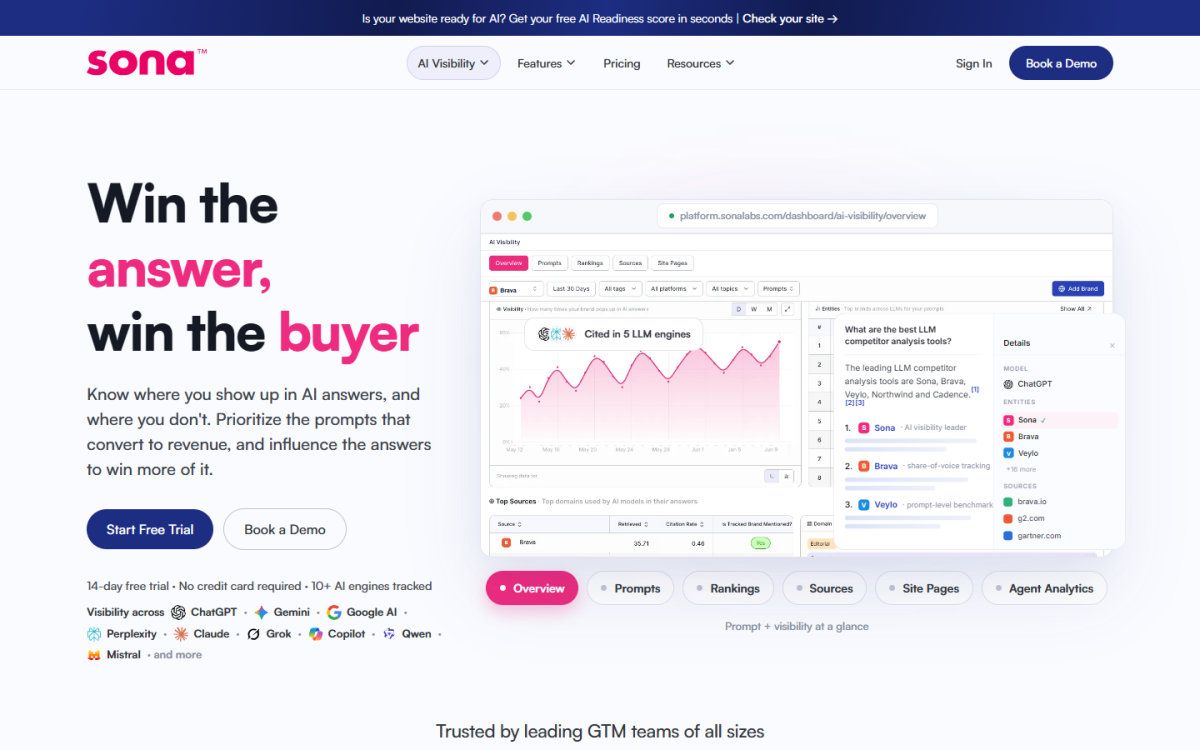
Sona AI Visibility connects prompts and citations to pipeline and revenue, then tracks AI crawler and agent activity across that path. Mention and competitor tracking across 11 AI engines provides the visibility baseline, while account-level attribution supports commercial reporting. Sona also offers done-for-you services on top of an eligible software plan.
Pricing starts from $75/month, billed annually, as of October 2026. It suits B2B SaaS teams that need to connect AI-referred activity with accounts, opportunities, and closed-won revenue. Migration requires a prompt list, analytics connections, CRM data, and agreement on the pipeline definitions used in reports.
Otterly.ai: best for self-serve tracking on a small budget
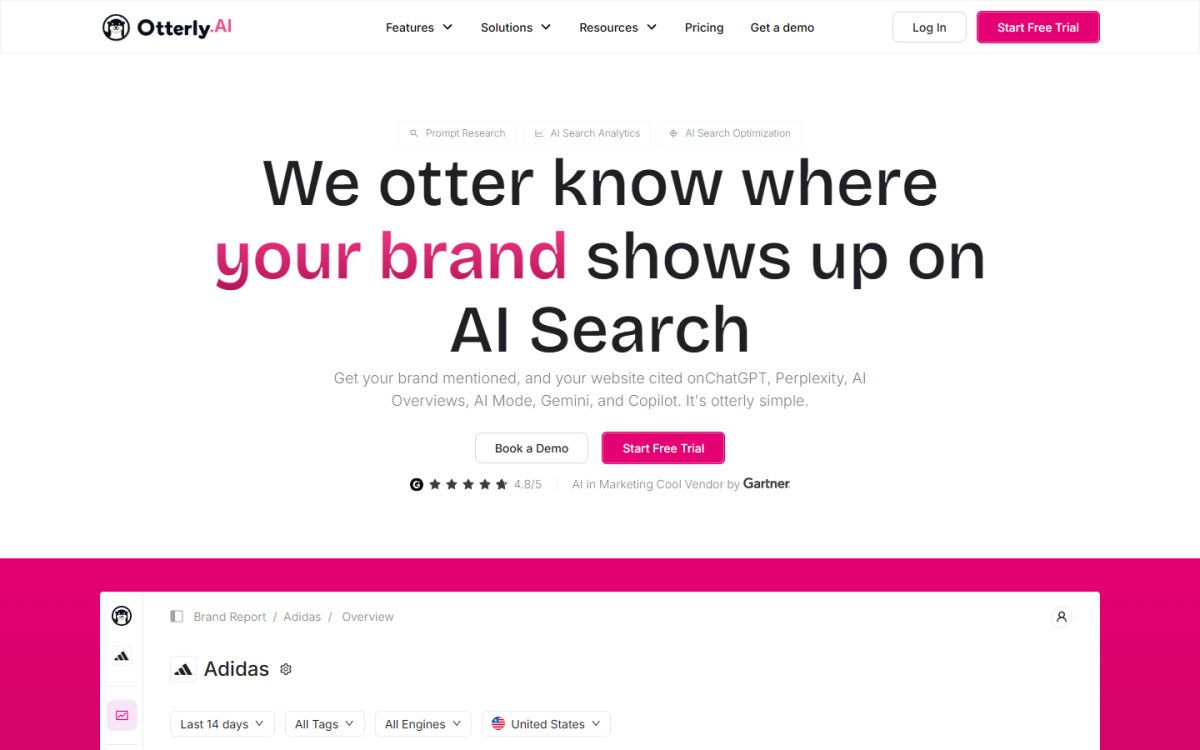
Otterly.ai provides AI search monitoring for teams that want a lower-cost self-serve starting point. Its Lite plan includes ChatGPT, Google AI Overviews, Perplexity, and Microsoft Copilot. Claude, Google AI Mode, and Gemini are available as paid add-ons.
Otterly.ai starts from $29/month, as of October 2026. A separate 2026-06-23 listing showed $25/month on annual billing, so buyers should confirm current billing terms before purchase. It suits early-stage teams that want daily prompt monitoring without a broad implementation project. Migration requires rebuilding the prompt set, setting competitors, and aligning recurring visibility reports with the team’s operating rhythm.
Peec AI: best for focused mid-market tracking
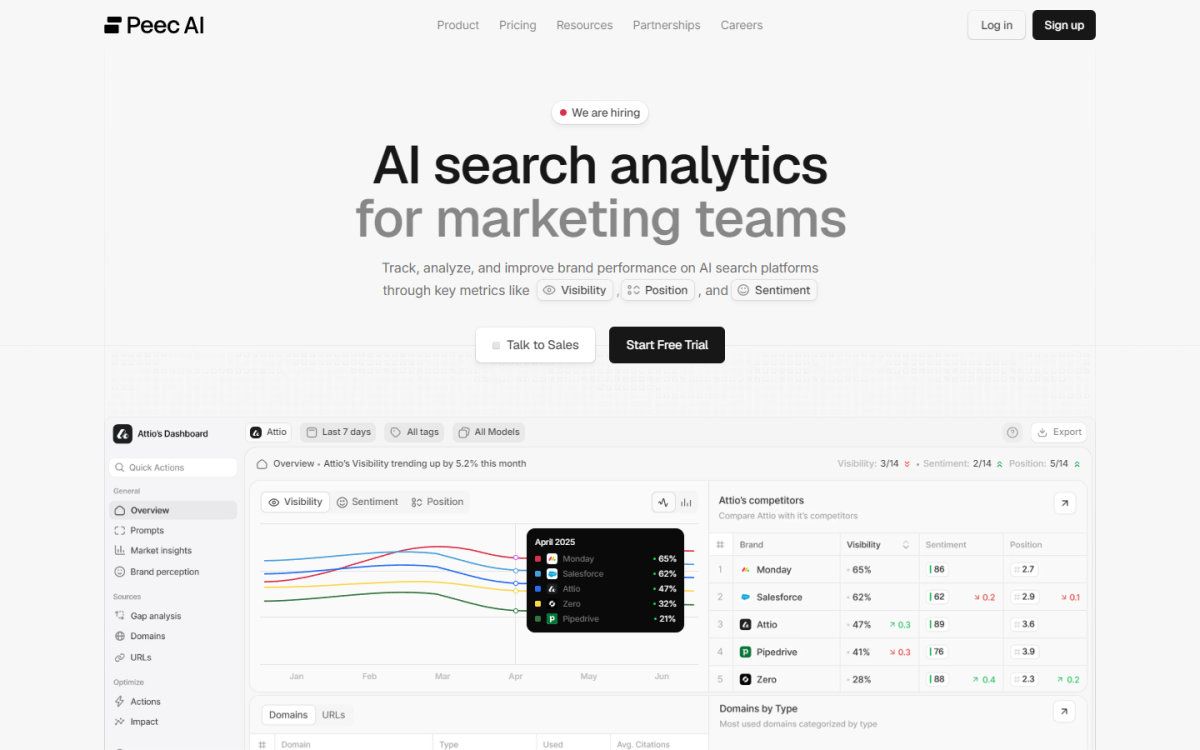
Peec AI is a focused AI visibility tracker with daily prompt allowances across its self-serve plans. The Starter plan runs 50 prompts daily, while Pro and Advanced plans list 150 and 350 daily prompts, respectively, as of October 2026.
Peec AI starts from $95/month, with a 15% annual discount, as of October 2026. It suits mid-market teams that want a defined prompt-monitoring workflow and agency options. Migration requires importing or rebuilding the priority prompt set, matching tracked competitors, and establishing a baseline before replacing executive reporting. Preserve dated results because a new tracker creates its own history.
PromptWatch: best for teams managing prompt and response volume
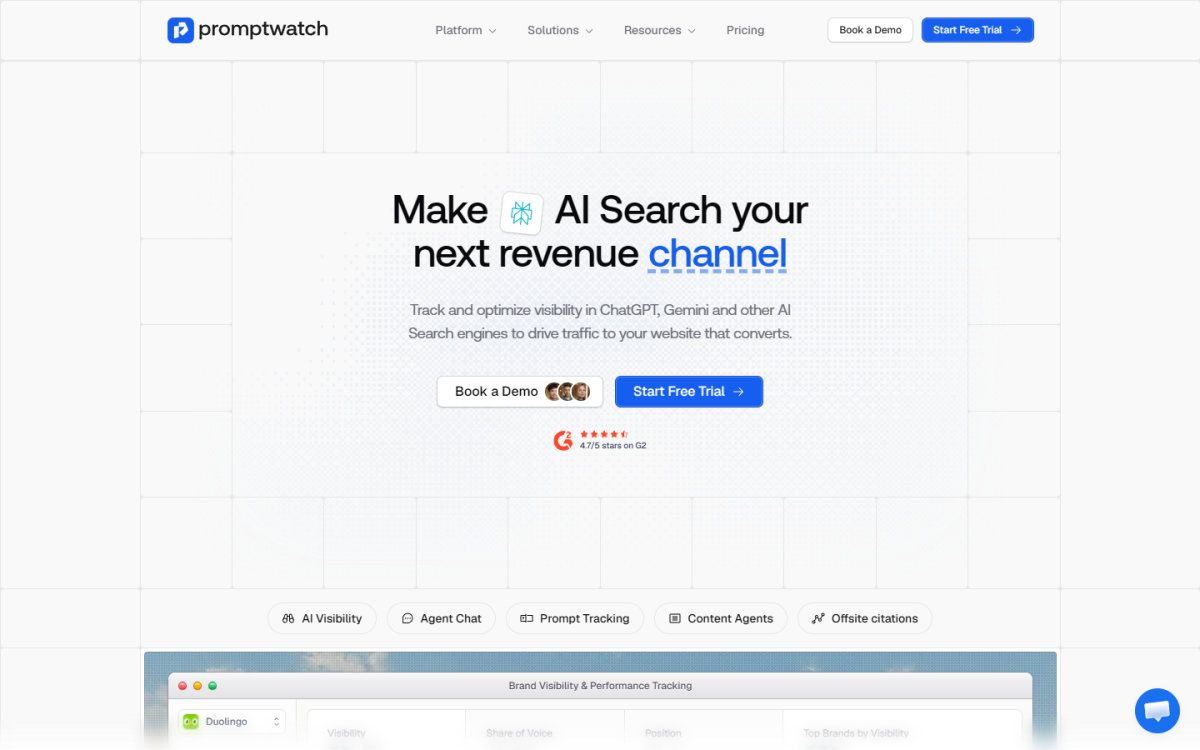
PromptWatch tracks prompts and responses across its supported models. Its Essential plan includes 50 prompts and 6,000 responses per month, while Professional and Business plans list 150 and 350 prompts, as of October 2026.
PromptWatch starts from $95/month, as of October 2026. It suits teams that want a prompt-based reporting structure and published agency plans. Migration requires recreating tracked prompts, assigning reporting owners, and deciding which response-level changes require alerts. Preserve dated snapshots from the previous platform, then run the same prompt list daily during the overlap period.
Goodie: best for teams needing higher daily prompt capacity
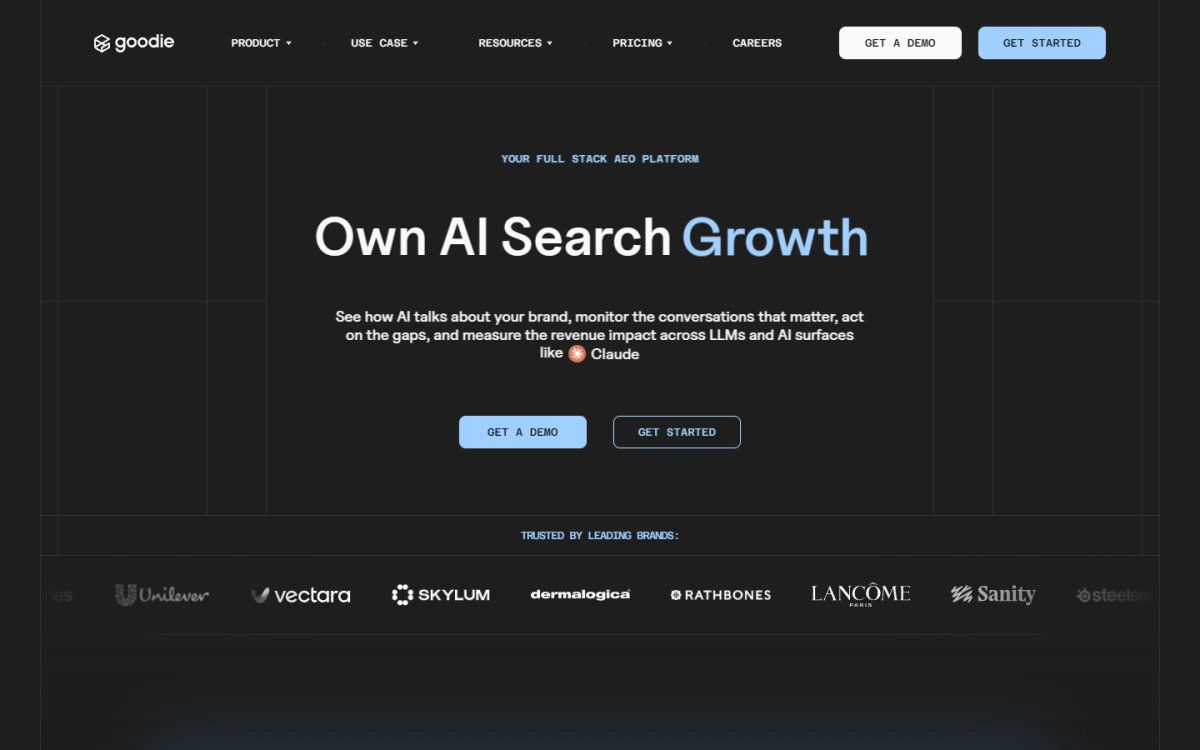
Goodie offers multi-model AI search monitoring for teams that need a larger entry-level prompt allowance. Its Core plan lists 110 prompts daily and five models, while Pro lists 250 prompts daily and eight models, as of October 2026.
Goodie starts from $295/month, as of October 2026. It suits teams with a larger monitored category, multiple product areas, or agency reporting needs. Migration requires prioritizing prompts before transfer because a long inherited list can obscure commercially relevant queries. Configure stakeholders and reporting views before ending the prior contract.
Scrunch AI: best for teams with a defined engine set
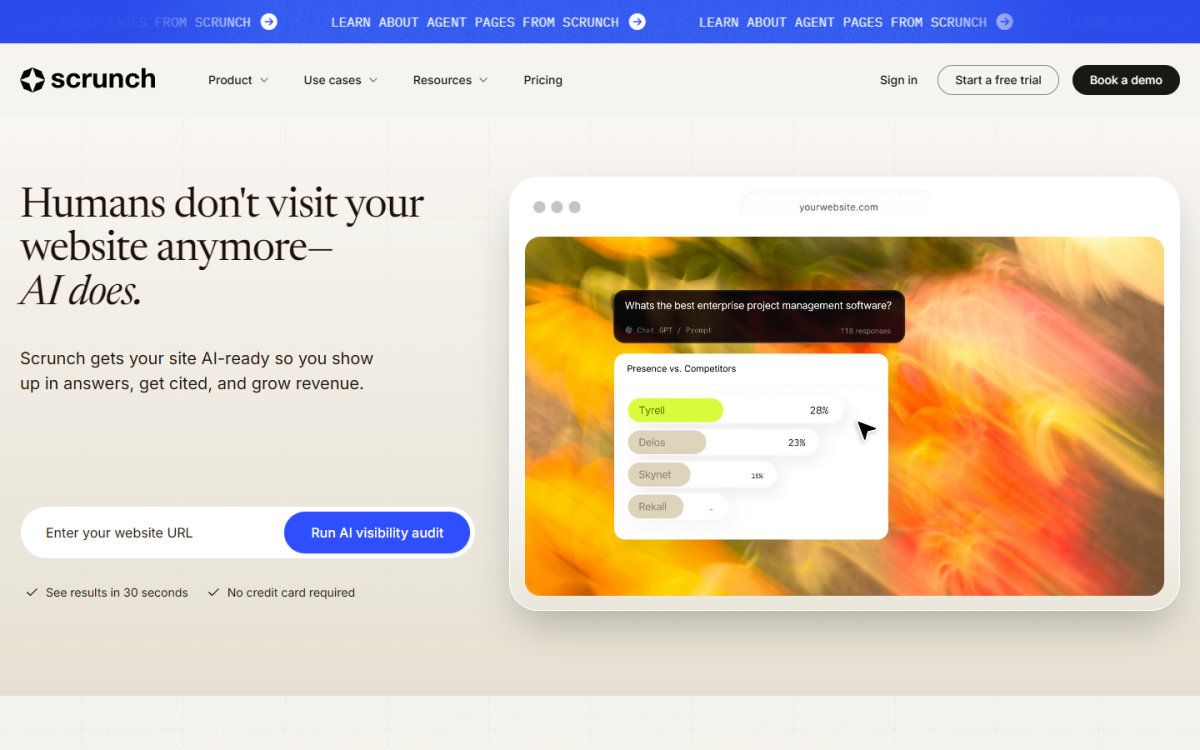
Scrunch AI monitors AI search visibility through a Core plan that covers ChatGPT, Perplexity, Google AI Overviews, and Microsoft Copilot. The plan lists 125 prompts, although its refresh frequency is not published, as of October 2026.
Scrunch AI starts from $250/month, as of October 2026. Another 2026-05-16 listing showed about €89, roughly $95, per month with three engines, which is why procurement teams should confirm current plan details. Scrunch AI suits teams that define their monitoring scope around a specific engine set. Migration requires rebuilding prompts and reports, then comparing a dated baseline rather than treating readings from different tools as interchangeable.
AthenaHQ: best for teams that want multi-model credit-based usage
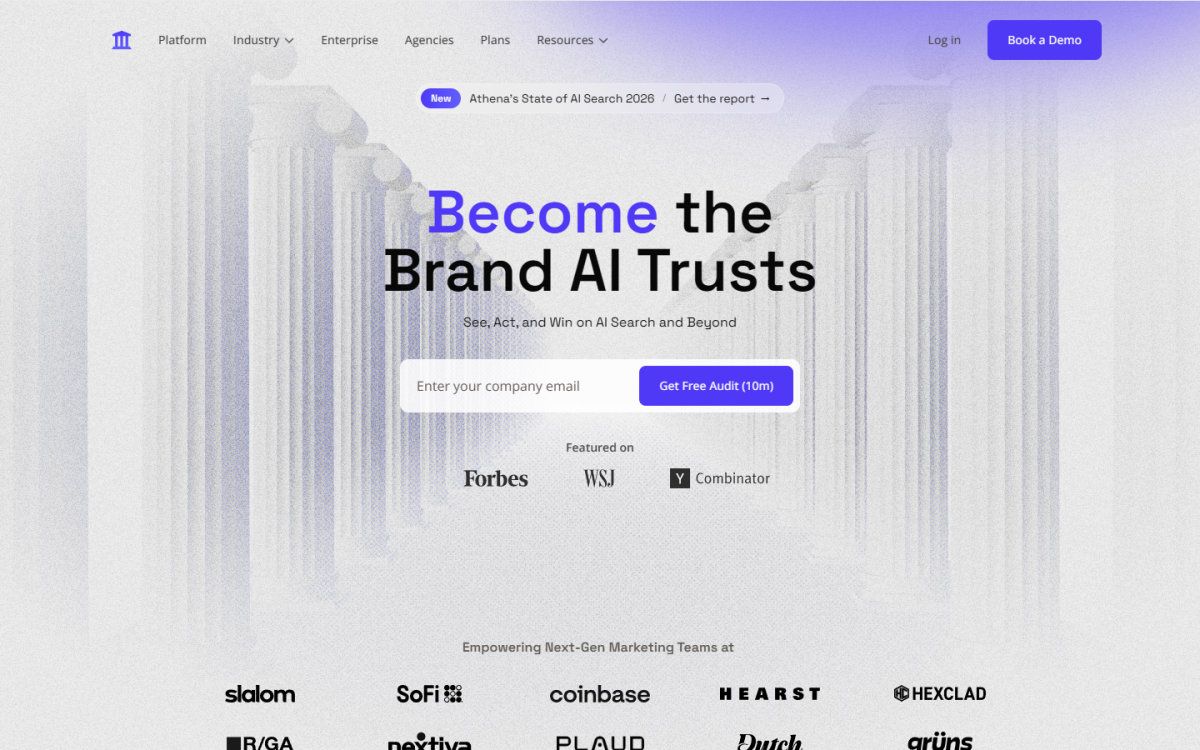
AthenaHQ combines AI visibility monitoring with a credit-based plan structure. Its Starter plan lists 3,600 credits per month, unlimited prompts, and 11 models, as of October 2026. The Essential tier lists five engines and includes a $25 free credit.
AthenaHQ starts from $295/month, as of October 2026. It suits mid-size teams that prefer credits and want broad model coverage within one monitoring product. Migration requires deciding how credits map to the existing prompt inventory, then configuring recurring reports around prompts that support demand generation and product marketing decisions. Buyers should confirm reporting frequency during evaluation because the published refresh cadence is not stated.
Profound: best for enterprise-scale monitoring
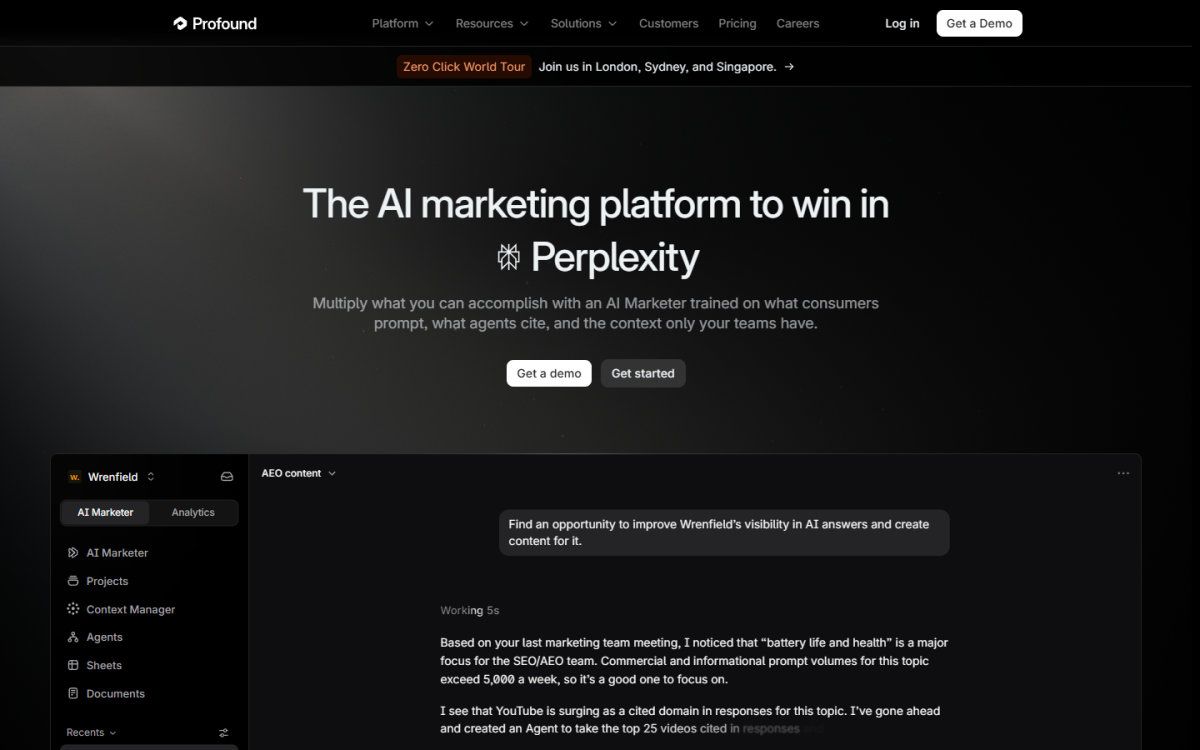
Profound offers enterprise and agency AI visibility monitoring with custom prompt plans. Its free trial runs 50 prompts daily for seven days across ChatGPT, Gemini, and Google AI Overviews, while enterprise coverage can extend to nine named engines, as of October 2026.
Profound uses custom enterprise pricing, while agency plans start from $99/month, as of October 2026. It suits enterprise teams that need an agency-oriented structure and a formal evaluation process. Brandlight and Profound differ on who builds the query set and what follows dashboard reporting, per the October 2026 listing. Migration should begin by documenting prompt ownership, report owners, and the workflow expected after a visibility change.
Which Brandlight alternative fits your budget and team size?
Budget-conscious teams should start with a low-cost self-serve tracker. Enterprise teams should prioritize governance, reporting workflow, and prompt ownership. Entry pricing does not establish whether a tool supports the required reporting model.
For early-stage self-serve tracking, Otterly.ai starts from $29/month and Peec AI starts from $95/month, as of October 2026. Mid-market teams can evaluate Peec AI, PromptWatch, Goodie, Scrunch AI, and AthenaHQ by prompt capacity, engine coverage, and agency requirements. Enterprise governance buyers should evaluate custom plans, query-building responsibility, and stakeholder reporting before committing.
Teams that must report pipeline should begin with Sona AI Visibility because it connects citations and AI-referred activity to accounts, pipeline, and revenue. That is a measurement requirement, rather than a feature-parity exercise. A full parity matrix belongs in a separate procurement review.
How do you migrate from Brandlight without losing history or workflow continuity?
A Brandlight-to-Sona AI Visibility migration works best when the team preserves Brandlight history, then runs both systems against the same prompt list during a defined overlap period. History does not transfer automatically because tools can use different prompts, answer engines, locations, model versions, and collection methods.
- Export or snapshot Brandlight historical reports, prompt lists, competitor lists, alerts, executive dashboards, and dated readings before the existing contract ends. Store the exports in a controlled archive that remains accessible after cancellation.
- Ask Brandlight in writing which reports, prompt records, and raw exports are available, because no export format or contract term is established in the available facts.
- Map Brandlight branded, category, comparison, and decision-stage prompts into Sona AI Visibility, and recreate the competitor list against the same priority prompts.
- Configure analytics and CRM connections for Sona AI Visibility, then recreate report owners, alert recipients, stakeholder responsibilities, and team access controls.
- Run Brandlight and Sona AI Visibility in parallel. Record readings with dates, prompt wording, engine coverage, locations, report filters, account activity, pipeline definitions, and revenue outcomes.
- Cut over only when the priority prompt set, reports, alerts, access controls, and AI Attribution workflow operate as intended. Retain Brandlight exports as the historical record and roll back to the existing workflow if the parallel checks do not pass.
Sona AI Visibility requires more reporting design than a self-serve tracker because attribution also needs analytics and CRM connections. Account and opportunity data create the commercial reporting layer.
How do you report pipeline from AI search after leaving Brandlight?
Pipeline reporting requires more than a visibility dashboard. Mention frequency and citations are intermediate indicators. B2B SaaS leaders need evidence that AI-referred activity produced accounts, opportunities, conversions, and closed-won revenue.
Most trackers stop at mention and citation counts; Sona AI Visibility connects prompts and citations to pipeline and revenue, and tracks AI crawler and agent activity at the start of that path. AI Attribution connects AI citations to accounts, pipeline, and closed-won revenue on one account timeline.
Sona’s own AI visibility data, September 2026, covers eight answer surfaces: ChatGPT, Google AI Overviews, Perplexity, Google AI Mode, Gemini, Mistral, Qwen, and Claude. Engine coverage matters, but revenue reporting also requires account resolution, CRM opportunity stages, and agreed attribution rules.
Can you trust the prices and engine counts in Brandlight alternative comparisons?
Price and engine comparisons help teams shortlist options, but they are not procurement evidence alone. Otterly.ai was listed at $25/month on annual billing in the 2026-06-23 listing and starts from $29/month as of October 2026. Confirm current pricing, billing cadence, and included engines before purchase.
Engine counts also vary by definition. Some vendors count add-ons, search surfaces, or model variants separately. More engines do not automatically produce better AI visibility data. Buyers should ask how many prompts are sampled, which locations and languages are available, and how often each answer refreshes.
A score is a dated snapshot. The useful output is a comparable series of prompt readings over time because it distinguishes meaningful movement from normal answer variation. Many comparison pages come from vendors, agencies, or review sites, so buyers should separate published claims from evidence independently verified during procurement.
What does Brandlight still do better than its alternatives?
Brandlight remains a reasonable choice for multi-brand enterprises that value an enterprise positioning around measuring, optimizing, and growing appearance across AI search. Brandlight holds a 4.7/5 rating from verified G2 reviews, with 84% of ratings at five stars and 15% at four stars, per the October 2026 listing. Reviews indicate user satisfaction, but they are not controlled product testing.
Staying with Brandlight is reasonable when a multi-brand enterprise already has governance processes built around the platform and accepts quote-only pricing that is not public. Smaller B2B SaaS teams should assess whether that enterprise scope matches their reporting requirements.
Monitoring which AI answers mention a brand addresses only part of the measurement problem. Sona AI Visibility connects citations and AI-referred visits to an account timeline that includes pipeline and closed-won revenue.
What are the frequently asked questions about Brandlight alternatives?
What is the cheapest Brandlight alternative?
Rankscale was listed at $20/month in the 2026-06-23 listing, while Otterly.ai starts from $29/month, as of October 2026. Published prices vary across comparisons and billing options, so confirm the current plan, renewal terms, engine coverage, and prompt allowance before purchase.
Which Brandlight alternative suits a small B2B SaaS team?
A small B2B SaaS team on a tight budget should begin with a low-cost self-serve tracker that supports its priority prompts and reporting cadence. Teams that must prove pipeline from AI search should start with Sona AI Visibility. The budget-and-team-size framework separates monitoring requirements from attribution requirements.
Can I export my Brandlight history before I cancel?
Ask Brandlight in writing which reports, prompt records, and historical exports it can provide, because the available facts do not establish export formats. Snapshot reports and prompt lists before switching, then record baseline readings with dates to retain a usable comparison point.
Do more monitored engines mean better AI visibility data?
Engine counts can include add-ons, search surfaces, and different model versions. Prompt sample size, geographic location, language coverage, and refresh cadence matter as much as the number of engines listed in a plan.
Is Brandlight still worth it for enterprise multi-brand companies?
Brandlight can be worth keeping for multi-brand enterprises because it is positioned for that use case and holds a 4.7/5 G2 rating, per the October 2026 listing. The case is weaker for smaller teams given that Brandlight's pricing is not public (quote only).
Can a Brandlight alternative show revenue from AI search?
Most AI visibility trackers report mentions and citations. Sona AI Visibility connects prompts and citations to pipeline and revenue, giving B2B SaaS teams a way to assess whether AI search activity produced commercial outcomes.
Summarize this article with AI: ChatGPT · Claude · Perplexity · Google AI Mode
Last updated: October 2026







