Supercharge your lead generation with a FREE Google Ads audit - no strings attached! See how you can generate more and higher quality leads
Get My Free Google Ads AuditFree consultation

No commitment
Supercharge your lead generation with a FREE LinkedIn Ads audit - no strings attached! See how you can generate more and higher quality leads
Get My Free Google Ads AuditFree consultation
No commitment
Supercharge your lead generation with a FREE Meta Ads audit - no strings attached! See how you can generate more and higher quality leads
Get My Free Google Ads AuditGet My Free LinkedIn Ads AuditGet My Free Meta Ads AuditFree consultation
No commitment

"Really, really impressed with how we're able to get this amazing data ...and action it based upon what that person did is just really incredible."


"The Sona Revenue Growth Platform has been instrumental in the growth of Collective. The dashboard is our source of truth for CAC and is a key tool in helping us plan our marketing strategy."


"The Sona Revenue Growth Platform has been fantastic. With advanced attribution, we’ve been able to better understand our lead source data which has subsequently allowed us to make smarter marketing decisions."


Supercharge your lead generation with a FREE Google Ads audit - no strings attached! See how you can generate more and higher quality leads
Get My Free Google Ads AuditFree consultation
No commitment
A conversion funnel in web analytics is the step-by-step path people take on your website (and sometimes beyond it) from their first visit to a meaningful outcome such as a purchase, signup, demo request, or qualified lead. Marketers use funnel analysis to pinpoint where users drop off, which channels drive the highest-quality journeys, and which on-site experiences need optimization to increase revenue.
A conversion funnel in web analytics shows the steps visitors take from first click to a result like a purchase or signup. Track 3–6 measurable actions (landing page → key page → form/checkout) and compare step-by-step drop-offs by channel and device. Use it to find friction and boost revenue.
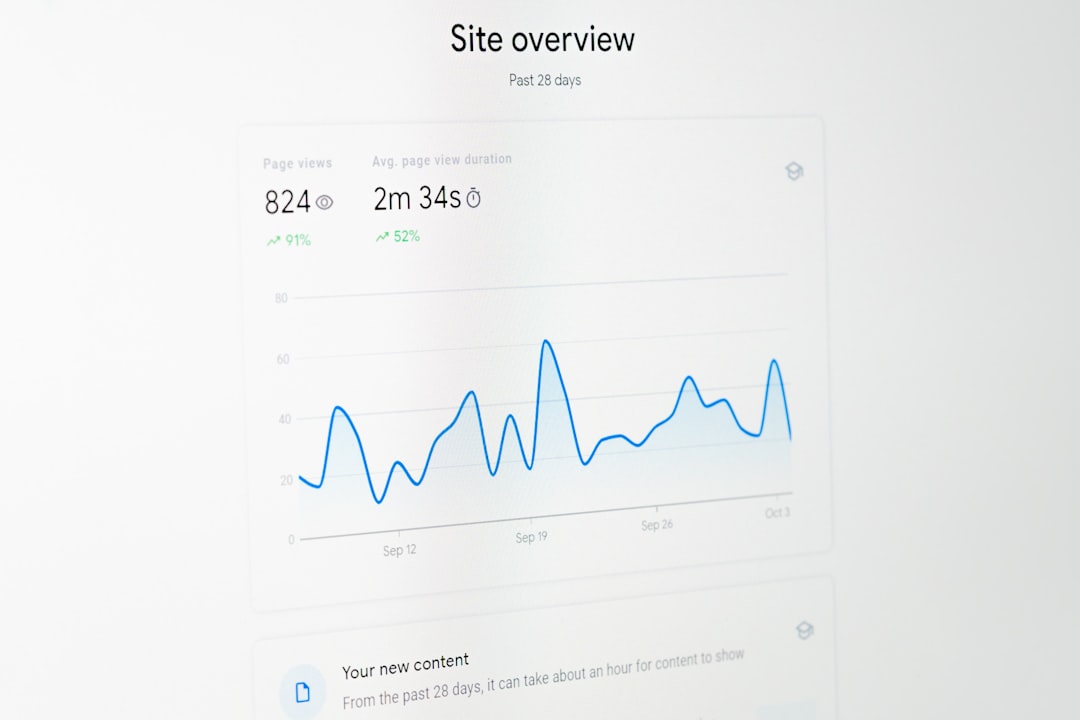
A conversion funnel in web analytics is a structured sequence of measurable steps that represent progress toward a conversion. Each step is defined by a trackable action such as viewing a product page, starting a checkout, or submitting a form. A single funnel report answers a practical question: “Out of everyone who entered this journey, how many moved to the next step, and where did they leave?”
This is different from a generic marketing funnel (awareness, consideration, conversion) because web analytics funnels are grounded in observable behavior. They track real events and pageviews rather than conceptual stages. A marketing funnel is a strategy framework; a web analytics conversion funnel is a measurement tool.
What a website conversion funnel actually tracks depends on your business model and tracking setup, but it typically includes:
A simple example across a basic customer journey might look like this:
Modern go-to-market teams often need funnels that extend beyond a single website session. If your brand spans multiple domains, products, or CRMs, funnel visibility breaks down quickly because the same account can appear as disconnected users and sessions. Sona is an AI-powered marketing platform that turns first-party data into revenue through automated attribution, data activation, and workflow orchestration. It identifies and enriches website visitors, scores accounts by intent, and syncs audiences in real time across ad platforms and CRMs. By unifying attribution with activation, Sona ensures every marketing touchpoint is measured, connected, and acted on—helping teams capture demand, optimize spend, and scale pipeline with precision. To see how account identification works in practice, read Sona’s blog post titled The Essential Guide to Account Identification: Turn Your Website Into a Goldmine. That helps avoid duplicated setup, inconsistent audience logic, and missed follow-up when high-intent visitors do not fill out a form.
There is no single “good” funnel because steps, traffic quality, and conversion definitions vary widely. The best way to interpret funnel performance is to look at stage-level conversion rates and drop-offs by segment (channel, device, landing page, audience, geo, new vs returning, and for B2B, by account tier).
Use the ranges below as directional context for website funnels, not as hard targets. Early steps typically convert higher because they require less commitment; later steps convert lower because they require trust, effort, or money.
| Funnel stage (typical) | Ecommerce benchmark range | SaaS benchmark range | B2B lead gen benchmark range |
| Landing page → next step (product/content) | 20%–45% | 15%–35% | 10%–30% |
| Product/content → high-intent page (pricing/cart/demo) | 8%–20% | 5%–15% | 3%–12% |
| High-intent page → conversion (purchase/signup/lead) | 2%–6% | 1%–5% | 0.5%–3% |
| Conversion → retained action (repeat purchase, activation, opportunity progress) | 15%–35% | 20%–50% | 10%–30% |
Benchmarks shift based on traffic temperature and intent. Brand search, returning visitors, and email typically outperform cold paid social. Seasonality matters for ecommerce; sales cycles matter for B2B. If you are trying to answer “what is a conversion funnel in web analytics” for your own site, the most useful benchmark is often your own trailing 8 to 12 weeks, segmented by channel and device, with clear notes on campaign changes.

Funnels turn “traffic” into a business conversation. Instead of debating whether sessions are up or down, funnel analysis shows whether your marketing and on-site experiences are moving people toward outcomes that matter.
High performance at the top of the funnel with weak progression usually signals one of these issues:
Strong mid-funnel intent with weak conversions typically points to friction at decision points. That might be confusing pricing, too many form fields, missing proof, or a checkout failure. For B2B, it can also signal a measurement gap: users are interested, but the business cannot identify or follow up with the right accounts.
Funnels also connect marketing activity to revenue when you integrate systems. Without that connection, teams end up optimizing for proxy metrics like clicks or top-of-funnel volume. In reality, small changes in a key step can produce outsized impact. Improving a single stage from 2.0% to 2.4% is a 20% lift at that step. If that step sits near the bottom of the funnel, it often translates directly into pipeline or sales—especially when paired with multi-touch attribution to capture earlier influences.
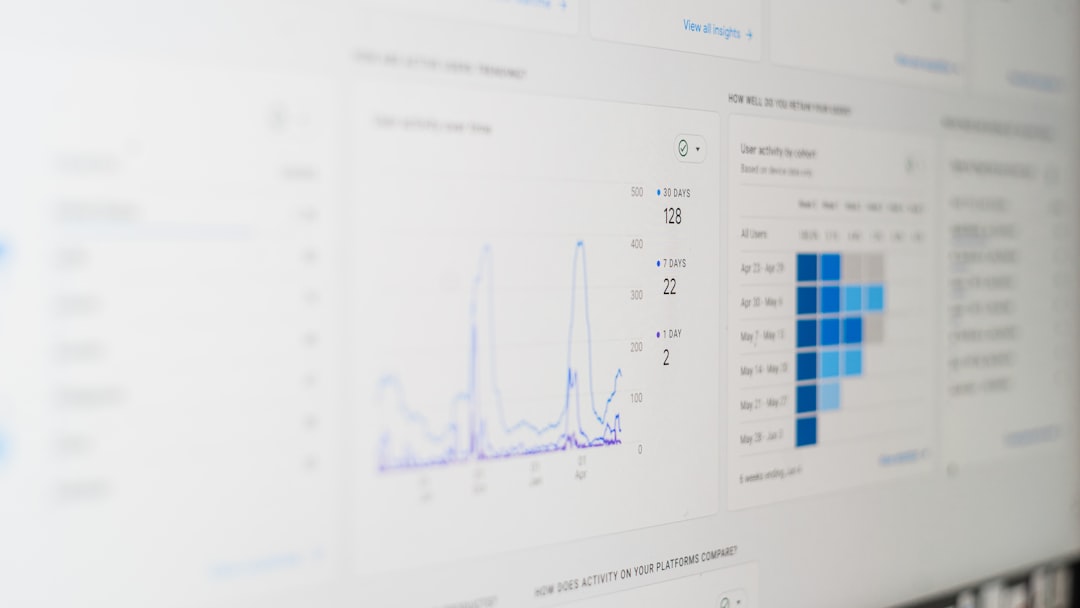
A conversion funnel is only as useful as its event definitions and data quality. Start with a measurement plan that defines each step as a specific event or page pattern, then validate that it fires consistently across devices and browsers.
Use this practical setup flow:
Most teams build web funnels in GA4 (Google Analytics 4) using events and Funnel Exploration reports. Common GA4 pitfalls include inconsistent event names, double-counted conversions, missing cross-domain tracking, and funnels built on URL contains rules that break after site changes—using a clear funnel analysis framework helps teams catch these issues sooner.
Funnels also live in product analytics tools (like Mixpanel or Amplitude), tag managers, and ad platforms, but these views are often siloed. That siloing becomes a real limitation when you need to understand full-funnel performance across web behavior, CRM stages, and revenue outcomes. If you want to identify and route high-intent activity even when visitors don’t convert, explore Sona’s use case on identify new leads. Sona helps unify those signals across domains and platforms so marketing and sales can act on the same funnel reality: for example, turning high-intent pricing page activity from known target accounts into updated Google Ads audiences or CRM tasks, rather than letting those signals disappear as “anonymous traffic.”
Recommended cadence:
Understanding and tracking the conversion funnel in web analytics is essential for marketing analysts, growth marketers, CMOs, and data teams who want to move beyond assumptions and make data-driven decisions that truly impact business outcomes. Mastering this KPI provides crystal-clear visibility into each stage of the customer journey, enabling smarter campaign optimization, precise budget allocation, and accurate performance measurement.
Imagine having real-time insights that reveal exactly which channels and touchpoints drive the highest conversions and ROI—allowing you to shift resources instantly and maximize returns. With Sona.com’s intelligent attribution, automated reporting, and cross-channel analytics, you gain the tools to unlock these benefits effortlessly and transform raw data into actionable strategies for growth.
Start your free trial with Sona.com today and take control of your conversion funnel to accelerate marketing success and deliver measurable results like never before.
A conversion funnel in web analytics is the step-by-step path users take on your website toward a meaningful outcome like a purchase or signup, tracked through measurable actions such as page views and form submissions.
A conversion funnel tracks each stage of a user's journey by measuring specific actions, showing how many users move to the next step and where they drop off, helping identify opportunities to improve conversion rates.
The main stages typically include entry and intent signals like landing page views, progression actions such as product or pricing page visits, conversion actions like purchases or demo requests, and sometimes downstream outcomes like renewals.
Conversion funnel analysis reveals where users drop off and which marketing channels drive quality traffic, enabling teams to optimize on-site experiences and marketing efforts to increase revenue and pipeline.
Understanding the conversion funnel helps marketers identify friction points, segment audiences by behavior, and focus on high-impact improvements that boost conversion rates and connect marketing activity directly to revenue.
Track a conversion funnel by defining clear conversion goals, mapping 3 to 6 key steps before conversion, using event-based tracking, and segmenting by channel, device, and user type to ensure accurate measurement.
Common misconceptions include believing one funnel fits all channels, that more traffic guarantees more revenue, that last-click conversions tell the full story, and that small improvements in drop-off rates don’t matter.
Benchmarks vary by industry and step, but typically early funnel steps convert at 10% to 45%, mid-funnel at 3% to 20%, and final conversion steps at 0.5% to 6%, with best interpretation coming from your own segmented historical data.
Review funnel performance weekly for stage-level drop-offs by channel, monthly to trend against spend and revenue, and after any major changes like landing page redesigns or campaign launches.
Conversion funnels can be analyzed using web analytics platforms like GA4, product analytics tools such as Mixpanel or Amplitude, tag managers, ad platforms, and integrated marketing platforms like Sona for unified attribution and activation.
"Really, really impressed with how we're able to get this amazing data ...and action it based upon what that person did is just really incredible."
"The Sona Revenue Growth Platform has been instrumental in the growth of Collective. The dashboard is our source of truth for CAC and is a key tool in helping us plan our marketing strategy."
"The Sona Revenue Growth Platform has been fantastic. With advanced attribution, we’ve been able to better understand our lead source data which has subsequently allowed us to make smarter marketing decisions."
Join results-focused teams combining Sona Platform automation with advanced Google Ads strategies to scale lead generation

Connect your existing CRM
Free Account Enrichment
No setup fees
No commitment required
Free consultation
Get a custom Google Ads roadmap for your business
Join results-focused teams combining Sona Platform automation with advanced Meta Ads strategies to scale lead generation
Connect your existing CRM
Free Account Enrichment
No setup fees
No commitment required
Free consultation
Get a custom Google Ads roadmap for your business
Join results-focused teams combining Sona Platform automation with advanced LinkedIn Ads strategies to scale lead generation
Connect your existing CRM
Free Account Enrichment
No setup fees
No commitment required
Free consultation
Get a custom Google Ads roadmap for your business
Join results-focused teams using Sona Platform automation to activate unified sales and marketing data, maximize ROI on marketing investments, and drive measurable growth
Connect your existing CRM
Free Account Enrichment
No setup fees
No commitment required
Free consultation
Get a custom Google Ads roadmap for your business
Over 500+ auto detailing businesses trust our platform to grow their revenue
Join results-focused teams using Sona Platform automation to activate unified sales and marketing data, maximize ROI on marketing investments, and drive measurable growth
Connect your existing CRM
Free Account Enrichment
No setup fees
No commitment required
Free consultation
Get a custom Google Ads roadmap for your business
Over 500+ auto detailing businesses trust our platform to grow their revenue
Join results-focused teams using Sona Platform automation to activate unified sales and marketing data, maximize ROI on marketing investments, and drive measurable growth
Connect your existing CRM
Free Account Enrichment
No setup fees
No commitment required
Free consultation
Get a custom Google Ads roadmap for your business
Over 500+ auto detailing businesses trust our platform to grow their revenue
Our team of experts can implement your Google Ads campaigns, then show you how Sona helps you manage exceptional campaign performance and sales.
Schedule your FREE 15-minute strategy sessionOur team of experts can implement your Meta Ads campaigns, then show you how Sona helps you manage exceptional campaign performance and sales.
Schedule your FREE 15-minute strategy sessionOur team of experts can implement your LinkedIn Ads campaigns, then show you how Sona helps you manage exceptional campaign performance and sales.
Schedule your FREE 15-minute strategy sessionOur team of experts can help improve your demand generation strategy, and can show you how advanced attribution and data activation can help you realize more opportunities and improve sales performance.
Schedule your FREE 30-minute strategy sessionOur team of experts can help improve your demand generation strategy, and can show you how advanced attribution and data activation can help you realize more opportunities and improve sales performance.
Schedule your FREE 30-minute strategy sessionOur team of experts can help improve your demand generation strategy, and can show you how advanced attribution and data activation can help you realize more opportunities and improve sales performance.
Schedule your FREE 30-minute strategy sessionOur team of experts can help improve your demand generation strategy, and can show you how advanced attribution and data activation can help you realize more opportunities and improve sales performance.
Schedule your FREE 30-minute strategy session




By continuing, I confirm that I’ve read and accept the Sona Master Services Agreement, Terms and Conditions and the Privacy Policy.


Launch campaigns that generate qualified leads in 30 days or less.