


Bottom line: Sona wins for most growth-stage and mid-market B2B teams because it connects attribution to action with setup in 24 to 48 hours according to Sona’s own comparison research and combines person-level identification, built-in activation, and usage-based pricing in one platform. Dreamdata wins when you need documented strengths in direct warehouse access, central revenue data modeling, and detailed account journey mapping, and you have the RevOps or data resources to support a 4 to 8 week implementation window cited by Spectacle HQ. Choose Sona if you want attribution, identification, scoring, audiences, and workflows in one system with fast time-to-value. Choose Dreamdata if you have a data-mature team that needs deep account journey analysis, warehouse access, and can handle a longer implementation.
Product scope: Sona vs Dreamdata
Winner: Sona for teams that want attribution plus action
Sona’s Revenue Growth Platform combines attribution, identification, intent signals, scoring, audiences, destinations, and workflows in one system.
According to the Dreamdata library, Dreamdata is positioned to unify GTM data and map the full B2B customer journey to revenue.
Sona wins because the platform is more operational. Dreamdata is stronger on journey intelligence and revenue reporting. Sona fits better when you want to identify buyers, score accounts, build audiences, and trigger action in the same workflow.
Time to value and implementation: Sona vs Dreamdata

Winner: Sona
Through integrations and cookieless tracking, Sona states in its own comparison research that most teams can be deployed in 24 to 48 hours.
Spectacle HQ’s review says Dreamdata implementation is reported at 4 to 8 weeks before reliable attribution is available, reflecting the work needed to connect sources, clean data, and configure reporting.
If your team needs answers this week, Sona has the edge on the cited timelines. For setup details, book a demo.
Identity resolution: Sona vs Dreamdata

Winner: Sona
Sona Identification is designed for both account-level and person-level visibility.
Sona’s comparison research says Sona identifies visitors at both the account and individual contact level, while Dreamdata is primarily company-level, according to the Sona comparison article. Third-party comparisons such as Fibbler’s Dreamdata comparison also describe Dreamdata as more account-centered in how it stitches journey data.
That makes Sona stronger for teams running outbound, SDR follow-up, and account-based plays that depend on granular buyer visibility. Combined with outbound smart prospecting, Sona links identification and activation more directly.
Attribution and journey mapping: Sona vs Dreamdata
Winner: Dreamdata
According to the Dreamdata library, Dreamdata is a full-funnel B2B revenue attribution platform focused on detailed account-based customer journey mapping across CRM, web, ads, and marketing automation data.
Sona still offers strong buyer journeys and attribution, covering the core need to understand what drives pipeline and revenue. But for deeper account journey analysis, more bespoke reporting, and enterprise-style modeling, Dreamdata has the stronger documented position.
Activation, audiences, and workflows: Sona vs Dreamdata
Winner: Sona
Sona Audiences, destinations, workflows, scoring, and activating intent data are built so GTM teams act on attribution data in the same platform.
The Dreamdata library highlights AI-powered audiences and conversion syncing to ad platforms, including B2B ad activation use cases.
Sona wins because its activation layer spans marketing and sales motions in one system: audiences, account prioritization, workflow automation, and outbound execution. Dreamdata is credible for ad use cases, but Sona is stronger for end-to-end GTM workflow execution.
Data warehouse access and custom modeling: Sona vs Dreamdata
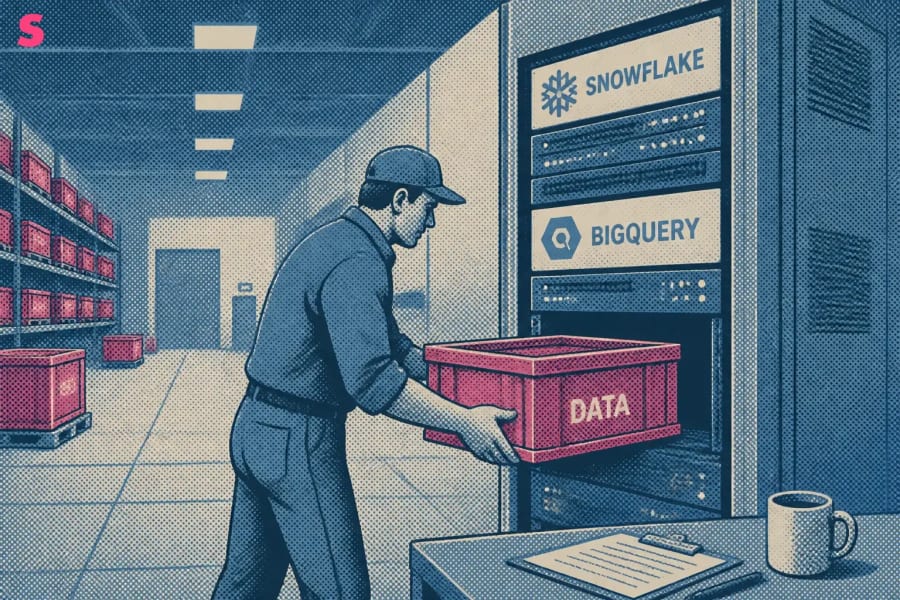
Winner: Dreamdata
The Dreamdata library states that Dreamdata offers direct data warehouse access and exports, including BigQuery and Snowflake.
Sona is better understood as an application-layer platform with broad GTM usability rather than a warehouse-first system. The Sona platform features and integrations emphasize operational connectivity and actionability across GTM tools.
If your analytics strategy depends on custom warehouse modeling, Dreamdata is the stronger option. If your team wants a system that is easier to operate without a dedicated data stack, Sona is the cleaner fit based on the available product documentation.
Ease of use for GTM teams: Sona vs Dreamdata
Winner: Sona
Sona is built for marketing, sales, and RevOps users who need practical answers without heavy technical overhead. Products like AI Data Analyst, marketing analytics, and SDR analytics reflect that emphasis.
Reviews on G2 and third-party writeups describe Dreamdata as more complex for smaller teams, especially without dedicated RevOps support.
For GTM teams that need a platform they can run day to day without specialized technical help, Sona is easier to adopt based on the cited comparisons and reviews.
Pricing and contract flexibility: Sona vs Dreamdata
Winner: Sona
Sona pricing includes a free plan and usage-based packaging, and Sona states there is no required annual contract in its comparison research.
Dreamdata also has a free tier, but paid plans are cited at higher entry points. Factors AI’s comparison cites Dreamdata paid plans starting around $750 to $999 per month, with enterprise pricing around $24K+ per year.
Sona wins on pricing flexibility because the documented contract model lowers the barrier to entry.
Integrations and ecosystem fit: Sona vs Dreamdata
Winner: Split decision
Sona is stronger for plug-and-play activation across revenue teams. In its comparison research, Sona says it integrates with a broad range of marketing platforms, CRMs, and ad networks, according to the Sona comparison article. Pages like integrations, destinations, and ad conversions show that activation focus clearly.
Dreamdata is stronger when your ecosystem includes a warehouse and BI layer for custom analysis. Third-party overviews such as HockeyStack’s Dreamdata comparison guide and Dreamdata’s own library emphasize fit across CRM, ad platforms, and warehouse infrastructure.
Sona wins for breadth plus activation inside a GTM operating model. Dreamdata wins for warehouse-centric analytics environments.
Who should choose Sona
Choose Sona if your team:
- Wants a unified system for attribution, identification, intent signals, scoring, and audience activation
- Needs faster time-to-value without a months-long implementation
- Cares about person-level buyer visibility, not just account-level reporting
- Wants to move from insight to action with workflows, destinations, and outbound smart prospecting
- Prefers flexible pricing and lower procurement friction
- Has a lean marketing, sales, and RevOps team that needs practical answers fast
Sona’s own comparison research says most teams are deployable in 24 to 48 hours, which supports its fit for faster-moving organizations.
Who should choose Dreamdata
Choose Dreamdata if your team:
- Has a mid-market or enterprise GTM motion with complex, multi-stakeholder journeys
- Needs deep account-based journey mapping and more bespoke reporting
- Uses BigQuery, Snowflake, or a BI stack as part of your core analytics workflow
- Has dedicated RevOps or data resources to support implementation and maintenance
- Is comfortable with a longer onboarding timeline in exchange for deeper modeling flexibility
Spectacle HQ describes Dreamdata as an established B2B attribution vendor, which supports its fit for larger, data-mature teams.
Frequently asked questions
Is Sona better than Dreamdata?
For growth-stage and mid-market GTM teams, Sona is the better fit if your priority is 24 to 48 hour setup according to Sona’s own comparison research, person-level identification, and acting on buyer signals inside one platform. Dreamdata is the better fit for teams that need warehouse-centric modeling and deeper journey analysis.
Is Sona cheaper than Dreamdata?
Based on public and secondary-source information, Sona appears more flexible and lower-friction because it offers a free plan and usage-based pricing. Dreamdata paid plans are cited at $750 to $999 per month and up by Factors AI, though exact pricing for both vendors depends on contract and usage.
Can Sona replace Dreamdata?
For growth-stage and mid-market teams, Sona covers attribution, identification, scoring, audiences, and workflows in one system. If your current stack depends on Dreamdata’s warehouse exports and custom modeling, replacement depends on those technical requirements.
Which is easier to implement: Sona or Dreamdata?
Sona is easier to implement based on the available research. Sona states that most teams can get running in 24 to 48 hours, while Spectacle HQ says Dreamdata takes 4 to 8 weeks to reach reliable attribution.
How do Sona and Dreamdata differ in identity resolution?
Sona emphasizes person-level plus account-level identification, which is useful for both audience building and sales follow-up. Dreamdata is more associated in the cited sources with account and company-level journey mapping, which is strong for ABM analysis but less granular for contact-level activation.
Who is Dreamdata best for?
Dreamdata is best for mid-market and enterprise B2B teams with complex buying journeys, warehouse requirements, and dedicated RevOps or analytics support. It is a better fit when deeper journey modeling matters more than speed of deployment.
If you want attribution that marketing, sales, and RevOps teams can actually act on, not just report on, book a demo with Sona to see how it fits your GTM stack.







