




How Meta Ads Are Transforming Hotel Marketing
Hotel marketing has shifted rapidly toward digital discovery and direct online booking. Travelers now plan trips on their phones, compare hotels across multiple tabs, and expect instant clarity on prices, reviews, and cancellation policies. Traditional channels like travel magazines and billboards still have value, but most decision making now happens across search, social, and booking engines.
In this landscape, Meta Ads across Facebook and Instagram have become one of the most efficient ways for hotels to stay visible during the dreaming, planning, and booking phases. Instead of waiting for travelers to search on Google or stumble across an OTA listing, hotels can proactively reach high intent audiences with visually rich ads that drive direct bookings and reduce dependence on third‑party platforms. Listings on OTAs like Booking.com and Expedia make it even more important to stand out with direct, differentiated offers.
Meta Ads sit at the center of a full funnel hotel acquisition strategy. They can:
- Introduce your property to travelers who are just starting to think about destinations.
- Nurture interest by showcasing rooms, amenities, and social proof like reviews and ratings.
- Convert bookings with tailored offers, last minute deals, and retargeting.
- Build loyalty through remarketing to past guests with exclusive promotions and loyalty perks.
For many hotel teams, the biggest gap is not ad delivery but measurement. It is hard to connect Meta impressions and clicks to real bookings, revenue, and repeat stays, especially when you add in calls, walk ins, and multi property portfolios. This is where solutions like Sona can help consolidate data and close the attribution loop so you can prove ROI and optimize spend confidently. Sona is an AI powered marketing platform that turns first party data into revenue through automated attribution, data activation, and workflow orchestration; for a deeper overview of how this works in practice, see Sona’s blog post The importance of accurate attribution.
You will not see the placeholder “[Industry]” here. Every strategy, example, and recommendation is tailored specifically to hotels and accommodation brands.
Why Meta Ads Matter for Hotels

Meta Ads allow hotels to appear naturally inside the everyday scrolling habits of travelers. People research trips across months. They may see an inspiring reel of a rooftop pool one week, a carousel of family suites the next, then finally search “hotels near Hidalgo” or “hotels near Pachuca” when they are ready to book. Meta lets you influence that journey at every step.
Meta is particularly valuable because it reaches travelers when they are:
- Browsing travel inspiration content.
- Saving posts about destinations.
- Comparing possible cities and dates with friends and family via messages.
- Looking for deals as their travel dates approach.
Hotels can use this reach to build awareness and then drive action, especially for direct bookings that improve margins compared with OTAs.
Reach Travelers When They Are Dreaming, Planning, and Comparing
Travel inspiration often starts months before actual booking. Meta’s visual format is ideal for:
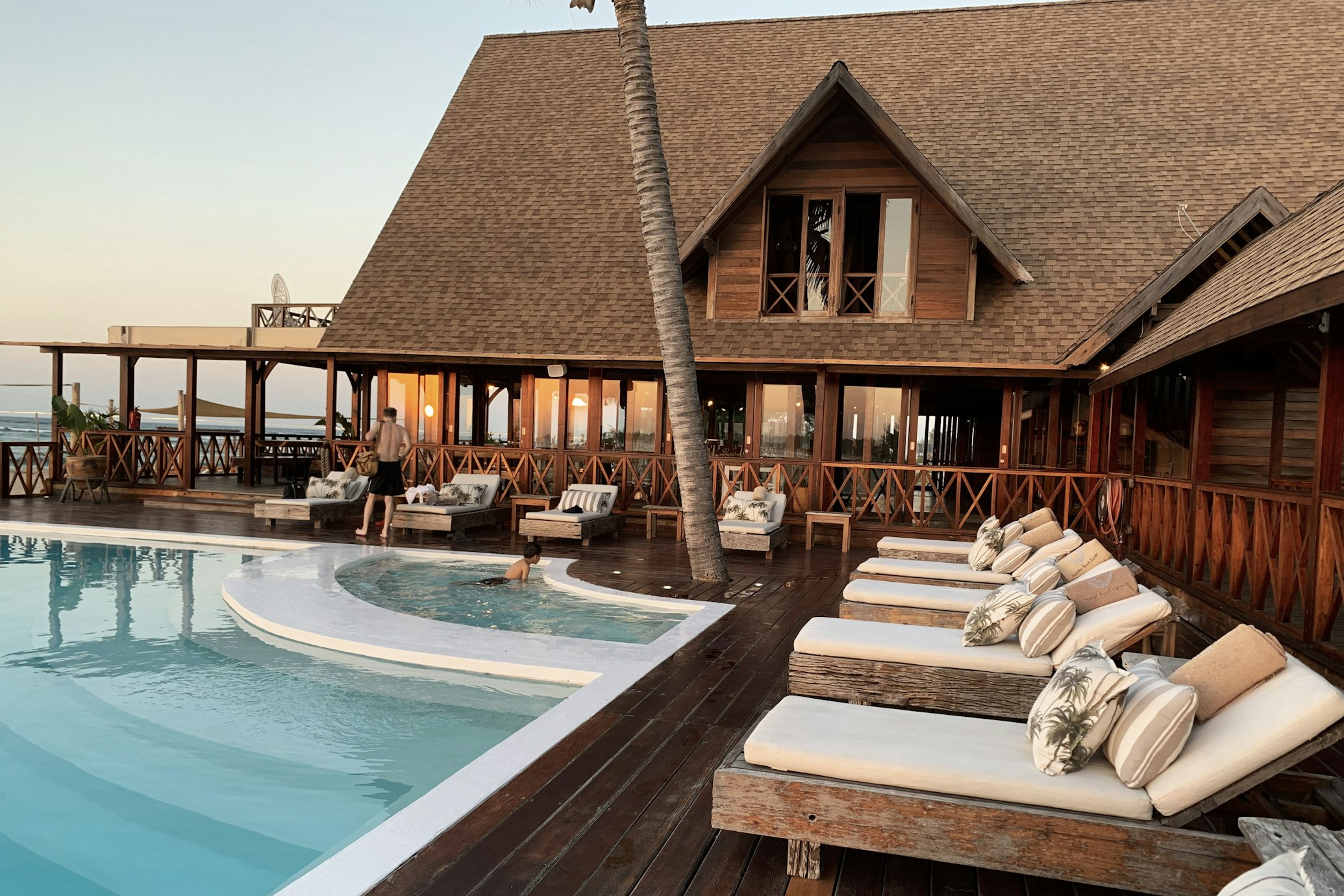
- Destination dreaming: Stunning images of your pool, rooftop bar, or local scenery can capture attention long before dates are fixed.
- Trip planning: Hotel ads can appear as people engage with travel pages, follow tourism boards, or search for local attractions.
- Comparison shopping: Retargeting visitors who checked rates or availability on your site allows you to stay visible when they compare you with OTAs or competing hotels, or when they browse broad hotel search tools like Google Hotels.
This journey alignment matters because Meta is not only a last click channel. Often, it is the first place guests discover your hotel brand which later influences their search, OTA behavior, and final booking choice.
Connect With Different Traveler Segments
Hotel demand is never one size fits all. Business, family, budget, and luxury travelers each have different needs, booking windows, and decision criteria. Meta’s audience capabilities allow you to build distinct segments and tailor both creative and offers for each group:
- Business travelers: Emphasize Wi‑Fi reliability, workspaces, proximity to business districts or conference centers, and loyalty or corporate rates.
- Families: Highlight pools, connecting rooms, kids’ clubs, breakfast inclusions, and nearby attractions.
- Budget guests: Lead with price clarity, free perks such as breakfast or parking, and last minute deals.
- Luxury travelers: Showcase suites, concierge services, spa experiences, and privacy.
By pairing these segments with relevant visuals like a quiet business lounge versus a water slide and specific copy, you can increase both relevance and conversion.
How Meta Ads Influence Hotel Choice Alongside OTAs
Most travelers see a mix of:
- OTA listings (Booking.com, Expedia).
- Google Hotel Ads and search results.
- Direct hotel websites and metasearch platforms.
- Social content and ads on Meta.
Meta Ads play a key supporting role in:
- Pre‑empting OTAs: If a guest discovers and later books directly with you because of Meta exposure, you have effectively shifted demand away from high commission channels.
- Defending your brand: Guests who previously stayed with you can be reminded of your brand and return to your direct site instead of defaulting to an OTA when planning their next trip.
Hotel Specific Advantages of Meta Ads
Meta is especially powerful for hotel marketers because it can activate very specific intent and destination signals. For example:
- Location driven research:
- “Hotels near Hidalgo”
- “Hotels near Pachuca”
- “Hotels near [Airport/Convention Center/Beach]”
By combining radius targeting around these areas with travel interests, you can reach people at the moment they are exploring stay options, whether they ultimately compare you on Pachuca hotel listings or similar marketplaces.
- Promote limited time deals: Off peak discounts, weekday business offers, and school holiday packages can be turned into timely campaigns that drive incremental occupancy.
- Boost direct bookings: Meta lets you send guests to your own booking engine with a consistent offer and clear price match or extra value, which improves profit margins over third party bookings.
- Showcase social proof: Visual carousels and videos can feature real guest reviews, user generated content, and ratings to build trust quickly.
- Highlight key amenities: Pools, business centers, family suites, eco friendly practices, and neighborhood highlights help filter in guests who truly value what makes your hotel unique.
Meta Ad Campaign Types That Drive Direct Hotel Bookings
To use Meta effectively, you must align campaign objectives with hotel business outcomes. Different travelers and different stages of their journey require different campaign types and optimization goals.
Matching Meta Campaign Objectives to Hotel Outcomes
You can map Meta objectives to your booking funnel:
- Awareness: Introduce your property or destination to new audiences.
- Consideration: Drive traffic to your site, collect leads for groups or events, and build engagement.
- Conversion: Optimize for completed bookings, package purchases, or lead submissions.
- Retention and loyalty: Retarget past guests and website visitors, encouraging repeat stays or loyalty sign ups.
Choosing the right objective ensures that Meta’s algorithm optimizes toward the actions that matter most, instead of just chasing cheap clicks that do not convert. For broader strategy on tying these objectives to real revenue, Sona’s blog post Measuring marketing’s influence offers a helpful framework.
Funnel Mapped Campaign Types for Hotels
Here is a sample structure that many hotel brands use successfully:
By designing campaigns by funnel stage instead of mixing everything in one, you can better allocate budgets, tailor creatives, and evaluate performance with more clarity.
Using Meta Ads to Answer Traveler Questions
Travelers often hesitate to book because they have unanswered questions about:
- Availability and room types.
- Pricing and inclusions.
- Hotel reviews and ratings.
- Cancellation and refund policies.
Meta Ads can be used to proactively address these concerns:
- Carousel ads can show room types, each with a short note on occupancy and amenities.
- Video ads can highlight how easy it is to modify or cancel a booking, reassuring guests who book close to check in.
- Copy variations can focus on reviews and ratings, such as “Rated 4.7/5 by 2,300 guests, with top reviews for cleanliness and service.”
Linking to in depth resources like “Hotel reviews and ratings” pages or FAQs provides an extra layer of trust and can improve your conversion rate from clicks to completed bookings.
Meta Ads Account Setup Checklist for Hotels
A strong account foundation is essential before you spend serious budget on Meta Ads. Incorrect tracking, missing events, or misaligned roles can distort your results and make optimization painful.
Core Setup in Meta Business Manager for Hotels
Use the following checklist to ensure your hotel business is correctly configured:
By following this structure, you avoid common pitfalls like incomplete pixel data, duplicated ad accounts, or misaligned permissions that slow down campaign launches.
Hotel Specific Conversion Events to Track
Accurate conversion tracking allows you to measure what really matters for your hotel and optimize bids accordingly. Key events include:
- Direct room booking confirmation: The main event for revenue optimization. Include value parameters like booking revenue and length of stay.
- Package booking: Room plus breakfast, tours, or spa treatments; these often have higher margins and should be tracked separately when possible.
- Booking engine search and availability check: Captures demand intent even if the booking is not completed.
- Add to cart or start booking events: Identifies warm audiences for retargeting.
- Email sign ups for hotel offers and deals: Important for building owned lists and nurturing.
- Loyalty program sign ups: Indicates high value guests who are more likely to return.
- Clicks on “call hotel” and “directions”: These micro conversions can lead to offline bookings, especially for last minute stays.
Streamlining Tracking From Meta to Booking and CRM With Sona
Most hotel teams underestimate how many conversions occur offline: phone calls, walk ins, or bookings that happen on different domains or systems. If you rely only on tracked online conversions, you undervalue your Meta performance and risk underinvesting in campaigns that drive meaningful revenue.
- Closing the offline gap: Relying solely on online conversions undervalues your hotel leads. Sona captures offline events like phone reservations or in person bookings and attributes them back to your Meta campaigns. This gives you a truly complete ROI picture and lets you allocate budgets more accurately across seasons and audiences.
- Unifying fragmented data: Many hotel groups operate multiple domains or separate booking engines for different brands or regions. Data then becomes fragmented across sites and CRMs. Sona consolidates visitor signals and booking events across domains and systems, providing a single source of truth that feeds back into Meta. Campaigns can then use consistent audience definitions and avoid duplicated or conflicting setups.
This unified tracking approach leads to better attribution, smarter bidding, and more confident budget decisions, especially important when coordinating across revenue management and marketing teams. To see how this level of insight supports executive reporting, review Sona’s guide B2B marketing reports guide.
Pixel, Booking Engine, and CRM Integration for Hotels

For hotel advertisers, Meta Pixel setup is only half the puzzle. You also need tight integration across your booking engine, channel manager, CRM, and property management system (PMS) so you can track the full booking journey from first impression to repeat stay.
Essential Tracking Events Across the Booking Journey
To understand and optimize your funnel, instrument these key steps:
- Destination search: Searches like “hotels near Hidalgo” or “hotels near Pachuca” show early stage intent that future remarketing can leverage.
- Date and availability search: When guests search specific dates and occupancy, their travel intent is strong; track this distinct event.
- Rate selection and add ons: Clicking on specific room types, packages, or add ons like breakfast or parking helps you segment by budget and interest.
- Booking confirmation with revenue: Include total booking value, length of stay, and number of guests in your event parameters for ROAS analysis.
- Cancellation, modification, or refund events: These signals help you evaluate booking quality, not just volume, so you can adjust campaigns that bring high cancellation rates.
The more granular your event tracking, the better you can diagnose performance by traveler type, destination, and offer.
Integrating Meta Pixel With Booking Engines and Channel Managers
Many hotels rely on third party booking engines or channel managers that operate on separate subdomains. If Meta Pixel is not deployed correctly across these environments, you will lose visibility at the most important stage.
To integrate successfully:
- Ensure your booking engine supports Meta Pixel and Conversions API and that events fire consistently from search to confirmation.
- Use cross domain tracking where needed so sessions are not broken when guests move from your main site to the booking engine.
- Collaborate with your booking engine provider to track additional events like room category selection or rate code chosen, when available.
This integration lets you build high intent audiences based on booking behavior, for example, retargeting guests who selected dates but abandoned before payment.
Connecting Meta Data With CRM and PMS Systems
CRM and PMS integrations allow you to connect Meta performance with real guest outcomes, including repeat visits and total lifetime value.
Key use cases include:
- Sync guest data for remarketing and loyalty: Import segments such as “business travelers who stayed more than twice in the last year” into Meta as Custom Audiences for loyalty and upsell campaigns.
- Segment business vs leisure, family vs solo, budget vs luxury: Use fields like company name, booking channel, rate code, or purpose of stay to create refined segments that inform both creative and bidding strategies.
When hotel brands operate multiple websites or separate CRMs by property, data quickly becomes siloed. Sona helps by consolidating signals across these systems and feeding harmonized audiences and conversion data back into Meta. This reduces manual data work and avoids inconsistent engagement with the same guest across different properties.
Using Sona to Unify Meta Ads Data With Direct Bookings and Lifetime Value
Disconnected intent signals can make it difficult for revenue and marketing teams to tailor outreach and allocate budgets. Sona’s integrations can:
- Pull Meta campaign and audience data into your CRM, mapping each booking back to the ad and creative that influenced it.
- Segment guests by predicted lifetime value or profitability, so you can invest more in high value audiences and compress spend on low value segments.
- Send updated audience lists back to Meta that reflect real time behavior such as loyalty tier upgrades or high cancellation rates.
This closed loop proves which campaigns generate not only bookings but also profitable, loyal guests and it guides strategic investment decisions at the portfolio level. If you want to see this in action for your own properties, you can book a Sona demo.
Hotel Audience Strategy on Meta
Audience strategy is one of the most powerful levers in Meta advertising for hotels. Instead of targeting “all travelers”, you can define precise segments that align with your property, location, and revenue goals.
Core Audiences for Hotels
Meta’s Core Audiences feature allows you to build segments using demographics, interests, and behaviors. For hotels, consider three primary dimensions.
Demographic and Location Layers
Hotels depend heavily on geography:
- Geo targeting: Use city, region, and radius targeting around key locations like airports, downtown areas, industrial zones, beaches, or attractions.
- Local vs international travelers: Create separate ad sets for local staycation audiences and for international tourists planning trips months in advance. Messaging and booking windows will differ significantly.
Layer this with age and income where relevant, for example, focusing luxury suites on higher income brackets or younger demographics for hip boutique properties.
Traveler Type Targeting
Traveler type is a critical segmentation axis:
- Business travelers: Target by interests in business travel, conferences, and relevant industries. Focus creatives on weekday stays, meeting facilities, and corporate discounts.
- Family travelers: Use interests like parenting, family activities, or theme parks. Highlight pools, kids’ menus, and child friendly amenities.
- Budget travelers: Target deal seekers and travel discount content consumers. Emphasize affordability, clear pricing, and last minute hotel booking options.
- Luxury travelers: Focus on high end travel, fine dining, spa, and luxury brands. Show suites, privacy, and bespoke services.
- Eco conscious guests: For eco friendly hotels in Mexico or other markets, use interest targeting around sustainability, environmental causes, and eco tourism, then highlight certifications and green initiatives.
Behavioral and Intent Signals
Meta’s behavior data adds another layer:
- Travel content engagement: Target people who interact with airline pages, tourism boards, and travel blogs.
- Deal seekers: Use interests related to hotel deals, flash sales, and travel discounts.
- Flexibility seekers: Reach users engaged with content about flexible booking, free cancellation, and check in/check out options.
- Event attendees: For hotels near venues, target users interested in specific conferences, concerts, sports events, or festivals in your area.
One size fits all campaigns rarely work well. Generic messaging to all these segments at once leads to lower engagement and wasted spend. With tools like Sona, you can segment accounts and guests more dynamically, then craft Meta campaigns that speak directly to each audience’s priorities. For additional ideas on leveraging segmentation and intent, Sona’s playbook Buying stage segmentation is a useful reference.
Advanced Audience Strategies for Hotels
Once your core audiences perform consistently, scale with more advanced tactics:
- Lookalike audiences: Build 1 percent to 3 percent lookalikes based on:
- Past guests with high average daily rate (ADR).
- Loyalty members.
- Guests who stayed longer than 3 nights.
Start with 1 percent for highest similarity, then expand gradually.
- High intent retargeting: Retarget visitors who:
- Started a booking but did not complete it.
- Searched certain destinations like Hidalgo or Pachuca.
- Viewed specific room types or packages.
- Exclusion lists: Avoid wasting budget on people who have just booked or are currently in house. Exclude:
- Recent converters from the last 7 to 14 days.
- Employees or partners who will never book through standard channels.
- Seasonal segments: Create separate audiences for:
- School holidays for family packages.
- Conference seasons for corporate travelers.
- Shoulder seasons where you promote value offers.
Static audience lists become outdated quickly when guest behavior shifts constantly. Sona can automatically refresh audiences as visitor intent changes, ensuring Meta campaigns always target the freshest, highest intent profiles without manual list uploads.
Sona’s Traveler Intelligence Across Multiple Hotels
Multi property hotel groups often struggle to coordinate audience strategy across brands and markets. Sona’s traveler intelligence can:
- Identify high value segments that book across multiple properties.
- Share best performing audiences across hotels while respecting brand positioning.
- Feed real time engagement signals from websites and emails into Meta, allowing ads to adjust as guests move from dreaming to planning to booking.
This cross property insight helps corporate teams centralize strategy while allowing each hotel to retain local nuance in creatives and offers.
Creative Framework for High Performing Hotel Meta Ads
Creative is where your hotel brand comes to life on Meta. High quality visuals and clear messaging often outperform complex targeting tweaks. Hotels are uniquely visual businesses, so Meta’s formats are a natural fit.
Choosing the Right Ad Formats for Hotel Goals
Different objectives call for different formats.
Recommended Formats
- Single image: Ideal for hero shots that capture one strong visual: a panoramic room view, rooftop bar at sunset, or inviting pool.
- Carousel: Show multiple room types, amenities, or neighborhood highlights. For example, slide 1: lobby; slide 2: rooms; slide 3: pool; slide 4: breakfast.
- Video: Short walkthroughs of the hotel, quick tours of amenities, or guest testimonial clips. Works very well in Reels and Stories placements.
- Collection and Instant Experience: Great for mobile first journeys where guests can browse several offerings then click into the booking engine without friction.
- Lead forms: Best for group bookings, weddings, and corporate stays where the outcome is a lead rather than instant booking.
When designing your format mix, consider where your guests are in the journey. Use video and carousel for awareness, and more direct response oriented single images or collections for conversion campaigns.
Hotel Visual Asset Playbook
Hotels have a natural advantage in visual storytelling. Focus on authentic, well lit photography and video that reflects the experience guests can expect.
Key assets include:
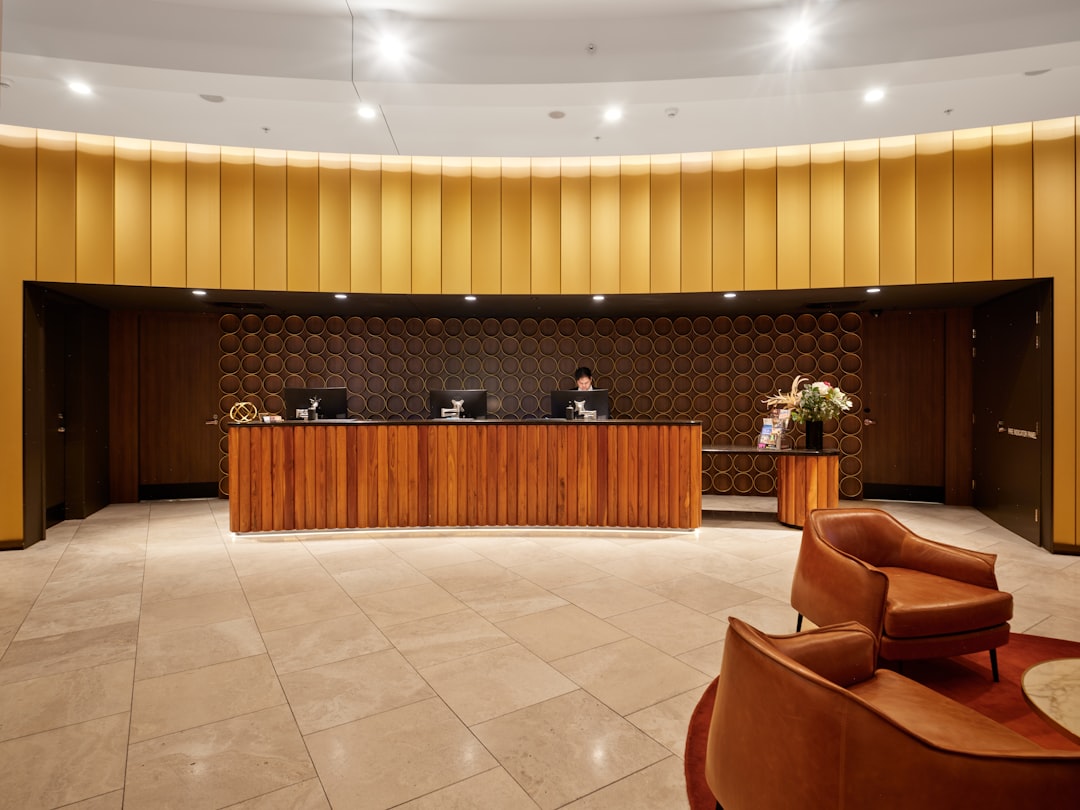
- Exterior shots: Show your proximity to landmarks, beaches, city centers, or natural surroundings.
- Room interiors: Highlight space, comfort, and style. Include multiple categories if possible, such as standard rooms, suites, and family rooms.
- Family friendly features: Pools, kids’ areas, game rooms, and family dining spaces help parents visualize their stay.
- Business traveler amenities: Desks, ergonomic chairs, ample outlets, strong Wi‑Fi messaging, meeting rooms, and co working spaces.
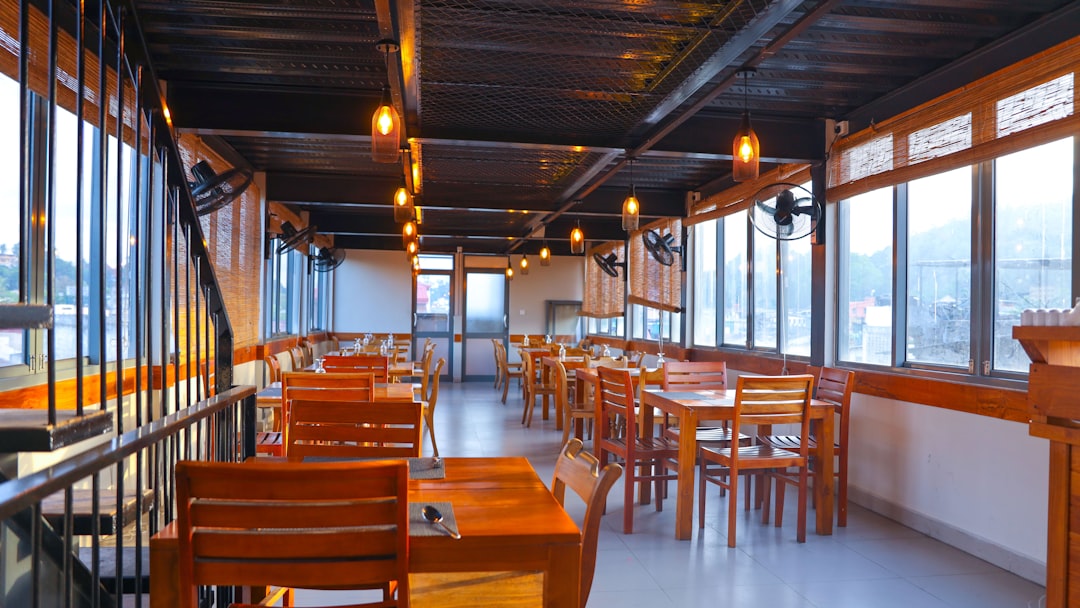
- Food and beverage: Restaurants, bars, breakfast buffets, local specialties, and room service options.
- Eco friendly visuals: Certifications, recycling facilities, green rooftops, energy saving technology, and local sourcing.
- Safety and hygiene: Cleanliness protocols and certifications are still important, especially for guests sensitive to health concerns.
Avoid overly staged or generic stock photography. Guests respond better to genuine imagery that clearly reflects the property’s actual look and feel.
Messaging Angles That Resonate With Hotel Guests
Your copy should speak the language of your target guests and match their priorities:
- Business travelers: “Best hotels for business travelers near [Business District]”, “Walk to the convention center in 5 minutes”, “Quiet rooms with dedicated workspaces”.
- Families: “Family friendly hotel with pool and kids’ facilities”, “Kids stay and eat free on weekends”, “Suites that sleep up to 5”.
- Last minute travelers: “Hotel booking tips for last minute travel”, “Book today, flexible check in and check out”, “Same day cancellation options”.
- Deal seekers: “Limited time hotel deals and discounts”, “Save more when you book 3 nights”, “Direct booking benefits with free breakfast”.
- Risk averse guests: “Clear hotel cancellation policies”, “Free changes before check in date”, “Refundable and non refundable rate options explained clearly”.
Use strong but accurate calls to action like “Book now”, “Check availability”, or “View today’s rates” that align with the landing page and intent. To refine these angles around intent and timing, Sona’s blog Guide to intent data is especially relevant.
Personalizing Creative Dynamically With Sona
One size fits all creative fails when your audience spans multiple traveler types and markets. Sona can help:
- Map each visitor’s journey stage based on website behavior and booking history.
- Sync that journey stage into Meta so your ad creatives match whether they are just discovering the destination or ready to book.
- Trigger specific creative sets for abandoned booking visitors, loyalty members, or high value corporate accounts.
Consistency across channels is critical. When Sona aligns intent data with your Meta creatives, guests see a coherent story from awareness to decision, which improves both engagement and conversion.
Campaign Structure and Budget Strategy for Hotels
A clear campaign structure helps you test systematically, control budgets, and scale what works.
Recommended Campaign Structure for Hotels
A common and effective structure looks like this:
- Campaign level: Choose objectives that map to your most important outcomes such as conversions for direct bookings or lead generation for groups and events.
- Ad set level: Segment by:
- Traveler type (business vs leisure vs family).
- Geography (local vs international, specific feeder markets).
- Dates or seasons (peak, shoulder, off peak).
- Ad level: Test creative variants:
- Room type vs package focus.
- Different messaging angles like price vs location vs amenities.
- Seasonal themes and promotions.
Avoid scattering too many micro campaigns with tiny budgets. Instead, group similar audiences and creatives under fewer campaigns to benefit from Meta’s learning efficiency.
Budget Allocation Across the Funnel
To allocate your spend strategically, think in terms of funnel stages and property maturity.
Here is a reference table:
For many independent hotels, a minimum daily budget of 10 to 20 USD per active ad set is a practical starting point. Larger properties or groups can scale higher but should still monitor cost per lead (CPL) and cost per booking (CPB) closely.
Aligning Budgets With Revenue Management and Seasonality
Your Meta budgets should not exist in isolation from revenue management:
- Increase investment during high demand periods only when you need to defend direct channel share against OTAs.
- Use Meta more aggressively to stimulate demand during low seasons, weekdays for leisure hotels, or shoulder periods.
- Match promotions and creative with your seasonal pricing strategy, for example promoting longer stay discounts in low season or premium packages during holidays.
Sona can ingest occupancy, ADR, and seasonality data from your systems and recommend budget shifts. For example, when occupancy falls below a certain threshold for upcoming dates, Sona can signal to ramp up conversion or retargeting campaigns for those dates.
By routing signals like key page visits, booking windows, and high value date searches instantly to Meta, Sona helps your team adjust bids and budgets at the right moment rather than after the booking window has passed.
Landing Page and Booking Flow Tips for Hotels
Even the best Meta ads cannot overcome a confusing or slow booking experience. Your landing pages and booking flow need to convert the intent you paid to generate.
Aligning Ad Messaging With Landing Pages
Consistency between ad and landing page is critical:
- Ensure the headline and primary offer on the landing page match what the ad promised. If you advertised “20 percent off weekend stays”, show that clearly above the fold.
- Match room types, dates, and prices wherever possible. If the ad highlights family suites, send users to a page where they can see and select those suites directly.
- Make sure availability information is accurate and fresh. Outdated content that shows unavailable offers frustrates guests and wastes ad spend.
For SEO and internal linking, content such as “Comprehensive hotel comparison criteria” or “Hotel booking tips for last minute travel” can both educate and convert when paired with clear calls to action. You can also reference live rate and availability expectations shaped by platforms like major global chains, which train guests to expect a fast, reliable booking experience.
Trust Factors and Conversion Drivers
Hotels sell experience and trust. Key conversion boosters include:
- Prominent guest ratings and reviews: Show average ratings and highlight specific strengths like cleanliness, location, or staff friendliness.
- Clear cancellation policies: Explain refund options, flexible change policies, and deadlines in plain language.
- Safety and hygiene information: Certifications or detailed descriptions of cleaning processes still reassure many guests.
- Sustainability credentials: For eco conscious segments, highlight eco labels, certifications, and practices like energy saving measures and local sourcing.
- Local area descriptions: Provide clear descriptions and maps showing your proximity to attractions, business districts, or transport hubs, for example “5 minutes from central Pachuca”.
- Awards and badges: OTA awards, traveler choice badges, or local recognition can significantly enhance perceived credibility.
Optimizing the Booking Flow
The booking engine should guide guests from search to confirmation with minimal friction:
- Use clear step progress indicators so guests know where they are in the process.
- Show transparent pricing including taxes and fees early to avoid surprises at the final step.
- Optimize for mobile first: many last minute bookings happen on smartphones, so ensure buttons are tappable and forms simple.
- Add social proof at critical steps, such as short testimonial quotes or review snippets.
Sona can track which landing pages and offers convert best by traveler type, device, and market, then feed these insights into your Meta strategy so you drive more traffic to the combinations that actually book.
Tracking, Analytics, and KPIs for Hotel Meta Ads
To manage Meta as a serious acquisition channel, you need clear metrics that tie campaign performance to hotel business outcomes.
Core Performance Metrics for Hotels
Use this table to structure your reporting:
These benchmarks will vary by country, city, season, and brand position, but they provide a reference point for performance evaluation.
Connecting Meta Ads Performance to Real Hotel Outcomes
Going beyond ad metrics, you should assess:
- Revenue and profit by campaign and audience: Not just revenue, but contribution margin after ad spend and OTA commission savings.
- Direct booking share vs OTA share: Measure whether Meta helps shift bookings from OTAs to your own channels, lowering distribution costs.
- Loyalty program enrollments: Track if campaigns help grow repeatable, owned relationships rather than one off guests.
Sona’s full funnel attribution capabilities help hotels tie revenue to individual touchpoints, including Meta impressions and clicks. When email, OTAs, direct website visits, and Meta ads all influence a booking, Sona consolidates these actions and provides a clear view of which campaigns deserve credit. This results in smarter budget allocation and stronger internal justification for Meta investment. For teams still relying on siloed analytics, Sona’s article Attribution models compared can help you choose the right framework.
Optimization Playbook for Hotel Meta Ads
Continuous optimization turns Meta from an experimental channel into a predictable growth engine.
Creative and Offer Testing
Systematic testing is crucial:
- Test one variable at a time: Headline vs headline, image vs image, or offer vs offer. Avoid changing everything at once so you know what made the difference.
- Rotate offers seasonally:
- Weekday corporate rates during conference seasons.
- Weekend family bundles with breakfast and late checkout.
- Longer stay discounts during off peak months.
- Compare discounts vs value adds: Check whether percentage discounts or value add packages (free breakfast, spa credit, parking) deliver better CPB and ADR.
Audience and Funnel Optimization
Refine your audiences based on performance:
- Break out high performing traveler types into dedicated ad sets and adjust bids or budgets accordingly.
- Use lookalike scaling based on top performing guest segments such as guests with multiple stays or high ADR bookings.
- Retarget visitors who viewed specific destination pages like Hidalgo or Pachuca differently from those who only visited your homepage.
Static audience lists get stale as intent shifts. With Sona, you can automatically update audiences in near real time as guests engage with new content, browse new dates, or change their interest patterns.
Improving On Site and Booking Journey
Optimization does not stop inside the Meta Ads Manager:
- Simplify forms and booking steps where drop offs are highest.
- Add or clarify answers to frequent questions about hotel cancellation policies, parking, meals, or child policies.
- Run A/B tests on booking page layouts, CTA button text, and display of offers.
Using Sona Insights for Automated Adjustments
Delayed data flow means missed opportunities. Sona can:
- Route high intent signals such as repeated date searches or package views instantly into Meta, triggering stronger retargeting or bid adjustments.
- Automatically shift budget toward campaigns and audiences that are trending up in terms of booking quality, not just click volume.
- Alert teams when specific creative assets start to fatigue based on falling CTR and rising CPB, so you can refresh them on time.
Advanced Meta Strategies for Hotels: ABM, Sequencing, and Events
Once your core program is running smoothly, you can layer more advanced tactics to capture specialized demand and build deeper relationships.
Account Based Approaches for Corporate and Group Business
For hotels with strong corporate, MICE, or group business, Meta can support account based marketing (ABM):
- Upload target company lists to reach travel managers, HR leaders, or procurement teams responsible for travel spend.
- Create bespoke creatives and landing pages that speak to corporate outcomes such as negotiated rates, meeting packages, and flexible cancellation for business trips.
- Retarget decision makers who visited your corporate travel or event pages but have not yet submitted an RFP.
Sona can identify the right stakeholders within each target company and help you sync these contacts into Meta custom match lists so your ads address the actual decision makers rather than generic audiences.
Sequential Storytelling Campaigns
Travel planning is a multi touch process. Sequential ads can:
- Awareness: Showcase the hotel, local neighborhood, and overall experience.
- Consideration: Highlight reviews, awards, and key amenities like meeting rooms or family facilities.
- Conversion: Present targeted offers such as early bird discounts or last minute deals, along with clear policies.
- Loyalty: After the first stay, retarget guests with loyalty program benefits, referral offers, or exclusive member rates.
Sona’s tracking of journey stages makes it easier to move guests through these sequences based on real behavior rather than a fixed schedule.
Event and Season Based Campaigns
Hotels can significantly increase performance by aligning campaigns with seasonal or event driven peaks:
- Conferences and trade shows: Run campaigns targeting attendees with messaging around walking distance, early breakfast hours, and business amenities.
- Festivals and sports events: Promote your proximity, transport options, and late check out options.
- Holiday seasons: Packages for Christmas, New Year, Easter, or school vacations.
- Procurement cycles for corporate travel: Use ABM style campaigns when companies renew travel contracts or RFP cycles.
Compliance, Privacy, and Regional Regulations
Hotels must respect privacy and regional regulations:
- Implement cookie consent tools and inform guests about tracking and remarketing practices in your privacy policy.
- Ensure your Meta tracking setup, including Conversions API, complies with GDPR, CCPA, and local laws.
- Limit sensitive audience targeting where required by law or platform policies.
Server side Conversions API is increasingly essential due to iOS tracking changes. It helps maintain measurement accuracy and optimize campaigns even when browser based tracking is limited.
Orchestrating Multi Property, Multi Market Meta With Sona
Multi property brands often struggle with siloed teams and inconsistent messaging. Sona can:
- Centralize intent data so sales and marketing teams share a unified view of guest behavior.
- Coordinate campaign rollouts across properties while preserving localized content and offers.
- Ensure that both direct sales outreach and Meta ads reinforce the same messages at the right stage of the funnel.
When teams share the same signals and work from the same source of truth, Meta becomes not just an ad channel but a core part of your commercial strategy.
Conclusion and Next Steps
Meta Ads give hotels a scalable, visual, and data driven way to reach travelers across the entire journey from inspiration to repeat stays. By building a solid account foundation, integrating tracking with your booking engine and CRM, crafting audience specific creatives, and aligning budgets with revenue management, you can turn Meta into a reliable engine for direct bookings and profitable growth.
Solutions like Sona enhance this further by unifying online and offline conversion data, consolidating signals across multiple properties, and feeding actionable insights back into Meta. This closes the loop between impressions, clicks, bookings, and long term guest value.
Start by:
- Implementing the account setup checklist and essential conversion events.
- Building core and advanced audiences aligned to your most valuable traveler segments.
- Launching funnel mapped campaigns that support both awareness and direct conversions.
- Continuously testing creatives, audiences, and landing pages while tracking CPB, ROAS, and booking quality.
With a methodical approach and integrated data, Meta Ads can move from experimental spend to a central pillar of your hotel’s digital acquisition and loyalty strategy.
Conclusion
Marketing automation is revolutionizing the hotel industry by transforming how marketing managers generate leads, personalize guest experiences, and optimize campaigns for maximum impact. For hospitality groups across New York and beyond, leveraging automation means moving beyond generic outreach to deliver tailored, data-driven interactions that convert prospects into loyal guests with ease.
Imagine knowing exactly which promotions resonate with business travelers in Manhattan or which channels drive bookings during peak season—and adjusting your strategies in real time. With Sona.com, hotel marketing teams can harness intelligent lead scoring, automated nurture sequences, and seamless CRM integration to streamline operations and boost revenue. Every guest interaction becomes an opportunity for meaningful engagement and measurable growth.
Start your free trial with Sona.com today and unlock the full potential of marketing automation to elevate your hotel’s performance and guest satisfaction.
FAQ
What are the benefits of using Meta Ads for hotels?
Meta Ads help hotels reach travelers during dreaming, planning, and booking phases with visually rich ads that drive direct bookings and reduce reliance on OTAs.
How do Meta Ads target travelers near Hidalgo or Pachuca?
Hotels can use radius and location targeting around Hidalgo, Pachuca, or other key areas combined with travel interests to reach people exploring stay options in those regions.
Which hotel segments can Meta Ads effectively reach?
Meta Ads can target business travelers, families, budget guests, luxury travelers, and eco conscious guests with tailored creatives and offers for each segment.
How can hotels track bookings and conversions from Meta Ads?
Hotels should install Meta Pixel and Conversions API on their booking engines and websites, track key events like booking confirmation and cancellations, and use platforms like Sona to unify online and offline data.
What types of Meta Ad campaigns work best for hotels?
Hotels should use funnel mapped campaigns such as awareness (brand reach), consideration (traffic and lead generation), conversion (direct bookings), and retention (retargeting past guests).
How can hotels use Meta Ads to improve direct bookings over OTAs?
Meta Ads allow hotels to pre-empt OTAs by reaching travelers early, showcasing direct booking benefits, offering exclusive deals, and retargeting past guests to encourage loyalty.
What cancellation and refund policies should hotels highlight in Meta Ads?
Hotels should clearly communicate flexible cancellation, refund options, and easy modification policies in their ad copy and landing pages to reassure risk-averse travelers.
How should hotels align their Meta Ad messaging with their landing pages?
Landing pages must reflect the ad’s headline, offers, room types, and prices accurately with up-to-date availability to maintain trust and improve conversion rates.
What creative formats are recommended for hotel Meta Ads?
Hotels should use single images for hero shots, carousels to showcase multiple rooms or amenities, videos for tours or testimonials, and lead forms for group or event inquiries.
How can hotels optimize Meta Ad budgets across the booking funnel?
Hotels typically allocate 20–30% to awareness, 25–30% to consideration, 30–40% to conversion, and 10–15% to retargeting, adjusting spend based on seasonality and property goals.
What are the key performance metrics for hotel Meta Ads?
Important metrics include cost per lead, cost per booking, return on ad spend, occupancy contribution, average daily rate impact, click-through rate, conversion rate, and booking quality.
How does Sona help hotels improve Meta Ads performance?
Sona consolidates online and offline booking data, automates attribution, refreshes audience segments in real time, and syncs insights back to Meta for smarter bidding and budget allocation.
Key Takeaways
- Leverage Meta Ads Across the Booking Funnel Use Meta Ads to target travelers during dreaming, planning, and booking stages with tailored creatives and offers to boost direct hotel bookings and reduce OTA dependence.
- Implement Robust Tracking and Attribution Set up Meta Pixel, Conversions API, and integrate with booking engines and CRM systems to capture online and offline conversions accurately and optimize your hotel marketing ROI.
- Segment Audiences by Traveler Type and Location Create precise segments such as business, family, budget, and luxury travelers, and apply geo-targeting around key markets like Pachuca to increase relevance and conversion.
- Align Campaign Structure and Budgets with Hotel Goals Organize campaigns by funnel stage and traveler segments, allocating budgets strategically across awareness, consideration, conversion, and retention phases.
- Optimize Creatives and Landing Pages for Conversion Use authentic visuals and consistent messaging matched to landing pages, address traveler concerns proactively, and ensure smooth booking flows to maximize direct bookings for hotels.