


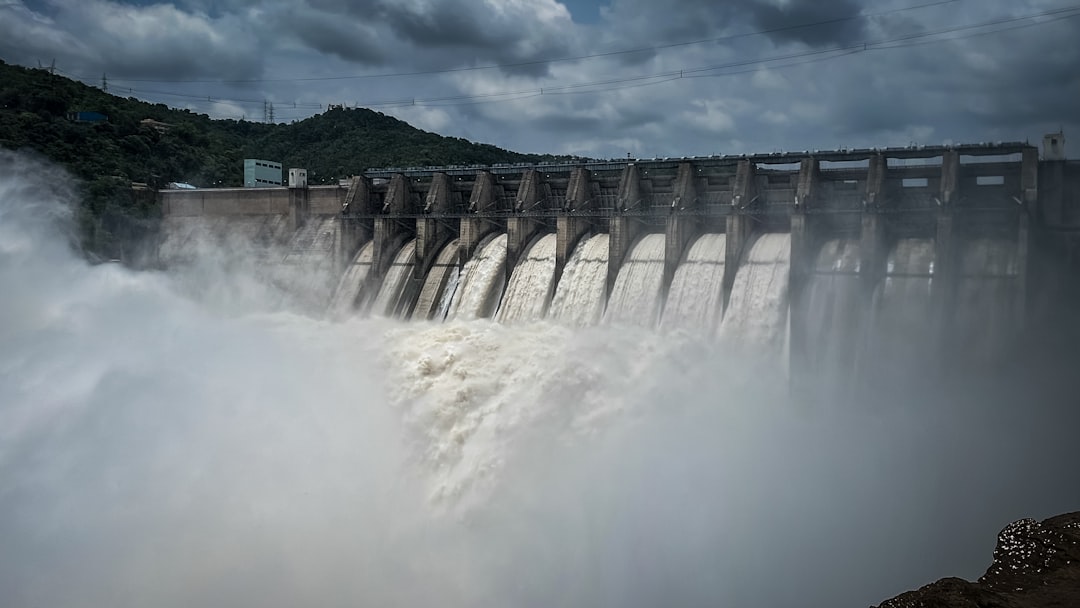


LinkedIn Ads matter for hydroelectric power generation because they reach the exact utility, investor, engineering, and regulatory decision makers involved in long, complex projects. With precise job and company targeting plus CRM tracking, LinkedIn shifts from generic “branding” to a measurable source of qualified leads, project partners, investor interest, and RFP opportunities worldwide.
Hydroelectric power generation is an infrastructure heavy, capital intensive business where a single project can represent hundreds of millions of dollars and years of development. Decisions are rarely made by one person. Utility executives, grid planners, project finance specialists, regulators, engineers, and environmental consultants all influence the outcome. Reaching this buying committee with the right information at the right time is difficult if you rely only on trade shows, conferences, and word of mouth.
LinkedIn Ads sit in a unique position in this landscape. The platform captures professionals in a work mindset, surrounded by industry news, policy updates, and technical content. This context makes it an ideal channel to build awareness for new hydro technologies, surface project financing capabilities, promote feasibility and consulting services, and nurture long term relationships that eventually lead to RFP invitations and project awards. Insights from the National Hydropower Association on hydro ad campaigns reinforce how digital channels can scale sector visibility when used with the right messaging.
Unlike broad consumer channels, LinkedIn gives hydroelectric marketers precise control over who sees their ads. You can reach senior power system planners at specific utilities, project finance directors at infrastructure funds, hydropower engineers at EPCs, or environmental managers at regulatory agencies. When campaigns are planned against the real hydro project lifecycle and backed by robust tracking, LinkedIn stops being only a “branding” channel and becomes a measurable source of qualified opportunities, investor interest, and project partnerships.
The Unique B2B Context of Hydroelectric Power Generation
Hydroelectric power generation combines long sales cycles, high average contract values, and complex project structures. Many initiatives move through phases such as pre feasibility, feasibility, permitting, financing, construction, and operations that can span a decade. During this time, the buying committee changes, political and regulatory conditions evolve, and competing technologies emerge.
For marketers and business development teams, this means a few critical realities. You cannot expect immediate conversions from a single campaign. You must instead build consistent visibility with a relatively small but high value audience and use content to demonstrate technical credibility, financial sophistication, and environmental responsibility. LinkedIn’s firmographic and role based data makes this possible in ways generic display or social platforms cannot.
Hydroelectric deals also involve multistakeholder governance: public utilities, independent power producers, EPC firms, OEMs, financial institutions, and environmental organizations often work together. LinkedIn Ads allow you to reach these different constituencies with tailored messages, while still coordinating under a single account based strategy that targets specific projects or regions.
How LinkedIn Supports the Hydroelectric Buyer and Developer Journey
In practice, the hydroelectric buyer and developer journey is not linear. A grid planner may first consume a whitepaper on pumped storage flexibility, months later attend a webinar about turbine upgrades, and only then initiate an internal business case. In parallel, a project finance team may benchmark potential IRR and LCOE, while environmental specialists evaluate mitigation approaches.
LinkedIn can play a strategic role across these touchpoints. Top of funnel campaigns can educate decision makers on topics like “hydroelectric efficiency benchmarks” or “pumped storage as grid scale storage”, surfacing anonymous research behavior that would otherwise stay hidden. Consideration campaigns can promote case studies, environmental impact mitigation strategies, or cost analysis tools. Decision stage campaigns can focus on RFP support, feasibility assessments, or specific technology solutions.
When you layer website tracking through the LinkedIn Insight Tag and integrate with your CRM, you can connect LinkedIn activity to concrete milestones such as feasibility study requests, investor meetings, or turbine upgrade inquiries. That is where LinkedIn Ads shift from “nice to have visibility” to a measurable driver of hydroelectric pipeline. For marketers who want to better connect digital touchpoints to business outcomes, Sona is an AI powered marketing platform that turns first party data into revenue through automated attribution, data activation, and workflow orchestration. Sona identifies and enriches website visitors, scores accounts by intent, and syncs audiences in real time across ad platforms and CRMs. Its account identification guide is particularly useful when tying LinkedIn activity to high value hydro accounts.
Primary Outcomes to Aim for with Hydroelectric LinkedIn Ads
To build an effective strategy, you need to define outcomes in business terms, not just marketing metrics. For hydroelectric organizations, the most relevant outcomes typically include:
- Qualified B2B leads: Inbound interest from utilities, IPPs, EPCs, OEMs, or government bodies who match your ideal customer profile and are engaged with hydropower initiatives.
- Investor and lender engagement: Meetings and information requests from infrastructure funds, development banks, and private investors exploring hydro or pumped storage allocations.
- Project partnerships: Connections with engineering firms, technology partners, or environmental consultants that can support consortium bids or turnkey offerings.
- Talent acquisition: Attraction of experienced hydropower engineers, project managers, and regulatory experts for long term project delivery.
You still monitor impressions, CTR, video views, and form fills. However, you judge success based on how many high fit accounts move into conversations, RFP shortlists, or financing discussions, and what portion of eventual project value can be traced back to LinkedIn touchpoints. For teams grappling with how to quantify that impact, Sona’s blog post on measuring marketing’s influence offers a practical framework that adapts well to long cycle hydro projects.
Key Questions This Guide Will Help You Answer
Planning LinkedIn Ads for hydroelectric initiatives raises specific questions that go beyond generic B2B best practices. For example:
- Audience and targeting: Which job titles and seniority levels really influence hydro decisions at utilities, IPPs, EPCs, and investors, and how should you separate C level, mid management, and operational roles in your campaigns?
- Campaign structure and objectives: How do you map LinkedIn objectives like Lead Gen Forms, Website Conversions, and Event Promotion to hydro project milestones such as feasibility assessment, structured financing, or turbine replacement programs?
- Creative and messaging: What is the single most compelling business promise you should lead with for each persona, and which proof points, such as capacity factors, IRR improvements, or environmental compliance metrics, resonate most?
- Landing page alignment: How can you align landing pages 1:1 with each ad promise and ensure you are capturing the right conversion events such as RFP downloads, project inquiry forms, or investor deck requests?
- Measurement and optimization: Which KPIs are realistic in a niche, high value market, and how can you align reporting between LinkedIn Campaign Manager, your CRM, and analytics platforms to show true ROI over multiyear deal cycles?
The sections that follow provide a framework to answer these questions in the specific context of hydroelectric power generation.
Digital Channels vs LinkedIn for Hydroelectric Outreach
The table below compares major digital channels used by hydroelectric marketers and shows where LinkedIn is strongest.
| Channel | Strengths for Hydroelectric Outreach | Limitations for Hydroelectric Outreach | Best Use Cases for Hydro Organizations |
| LinkedIn Ads | Precise targeting by company, job title, seniority, skills, and groups; supports ABM; professional context that matches B2B research behavior | Higher CPCs, requires clear value propositions and good content to justify cost | Reaching utility executives, project finance teams, EPC leadership, regulators, and investors with thought leadership and lead gen offers |
| Google Search Ads | Captures active intent for hydro related queries; strong for bottom of funnel actions | Limited control over who searches; less effective for niche decision makers | Driving inbound leads for specific services such as feasibility studies, turbine upgrades, or hydro consulting |
| Industry Publications | Trusted by technical audiences; deep industry context; supports branding | Limited data on individual readers; slower attribution; limited interactive formats | Building thought leadership, promoting major project case studies, announcing new plants or upgrades |
| Email Marketing | Direct nurture of known contacts; low marginal cost; high control of messaging | Requires existing list; difficult to expand into new organizations systematically | Nurturing existing utility, investor, and partner relationships with ongoing hydro project updates and insights |
| Generic Social Platforms | Wider reach; lower CPMs; good for general public awareness | Weak professional targeting; not ideal for complex B2B hydro project decisions | Public education on hydropower benefits, employer brand, or CSR related to water and community projects |
Hydroelectric Power Generation Fundamentals for LinkedIn Marketers
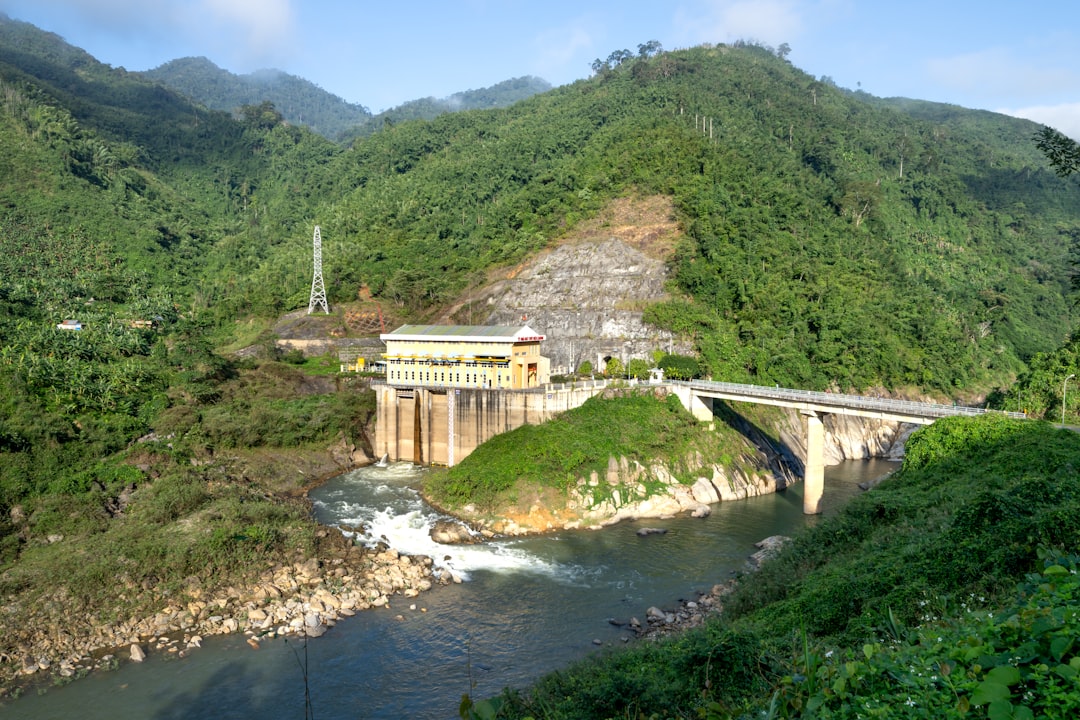
Hydroelectric marketers do not need to become turbine engineers, but they do need a credible grasp of how hydro works, the main plant types, and the constraints decision makers face. Without this understanding, it is difficult to write ad copy that speaks to real pain points, position your solutions accurately, or anticipate regulatory and environmental concerns.
At a high level, hydroelectric power generation converts the potential energy of water at height into electrical energy. Water flows through turbines, which drive generators. The amount of power depends on the head (vertical distance), flow rate, and system efficiency. Unlike intermittent renewables such as wind and solar, many hydro plants can provide dispatchable, controllable power, which makes them strategically important for grid stability and balancing. For a broader context on how hydropower fits into clean energy portfolios, see this hydroelectric overview.
What Hydroelectric Power Generation Is and How It Works
In a typical dam based plant, water is stored in a reservoir behind a dam. When power is needed, gates open and water flows through penstocks to turbines. Turbine blades spin as water passes, turning a generator that produces electricity. After passing through the turbine, water returns to the river downstream. Operators can adjust the flow to match grid demand and maintain reservoir levels within environmental and safety constraints.
Run of river systems work slightly differently. They use the natural flow of the river with minimal storage, diverting a portion of water through a penstock and returning it downstream. These systems often have smaller environmental footprints and shorter permitting challenges, but they are more dependent on seasonal river flows and offer less dispatchable flexibility.
Pumped storage adds a second reservoir at a different elevation and uses excess electricity during low demand periods to pump water uphill. During high demand, the stored water is released to generate power. This effectively turns hydro into a large scale energy storage solution that can integrate with wind, solar, and other renewable sources.
Types of Hydroelectric Power Plants
Different plant types align with different project economics, environmental impacts, and policy frameworks. For marketers, recognizing these distinctions helps tailor campaigns to the right project types and stakeholders.
- Large scale dam projects: These are multihundred megawatt or gigawatt scale facilities that often involve national utilities, multilateral lenders, and significant environmental review. Campaigns around these projects tend to focus on long term energy security, regional development, and robust environmental mitigation strategies.
- Run of river systems: Typically smaller, with less storage, these projects can be positioned as lower impact and faster to permit. Messaging may emphasize river health, local economic benefits, and integration with community energy plans.
- Pumped storage plants: These are increasingly important as grids add more variable renewables. Pumped storage campaigns often target system operators, grid planners, and regulators, focusing on flexibility, inertia, frequency regulation, and overall system cost savings.
- Small scale and micro hydro: These projects serve remote communities, industrial facilities, or campus level microgrids. LinkedIn campaigns for small hydro may emphasize reliability vs diesel, community ownership models, and access to climate finance or grants.
Being explicit about plant type in your campaigns helps you build precise targeting segments such as “grid planners evaluating storage options” vs “regional utilities seeking rural electrification solutions”.
Efficiency Benchmarks and Technical Constraints
Hydroelectric plants are often perceived as highly efficient, and that perception is largely accurate. Modern large hydro plants can achieve efficiencies in the 90 percent range at design operating points. However, real world performance varies with head, flow, turbine type, and age of equipment. For marketers, referencing realistic efficiency ranges and upgrade potentials is more credible than generic claims.
Technical constraints also shape buyer priorities. Seasonal hydrology can limit output during dry months. Sedimentation affects reservoir capacity and turbine wear. Environmental flow requirements limit how much water can be diverted for power at certain times. Grid constraints, such as transmission capacity or system stability rules, can limit how much hydro can be dispatched.
When your content and ads speak directly to these constraints, you signal that you understand the operational reality of your audience. For example, an ad for turbine upgrades might focus on “improving efficiency by up to 5 percentage points at low flow conditions, without extending outage windows”.
Environmental and Regulatory Realities Marketers Must Understand
Hydropower operates under intense environmental and social scrutiny. Concerns include fish migration, alteration of river ecosystems, changes in sediment transport, greenhouse gas emissions from reservoirs, and community displacement. Regulatory frameworks require environmental impact assessments, stakeholder consultations, and mitigation measures such as fish ladders, environmental flows, and habitat restoration.
Hydroelectric marketers must respect this context. Messaging that ignores environmental issues is likely to be dismissed by regulators, NGOs, and even utilities that have their own ESG commitments. Instead, campaigns should foreground environmental risk management, community engagement, and measurable mitigation outcomes. Sector leaders frequently share hydropower insights that underscore how critical ESG performance has become for project approval and financing.
Regulatory realities also drive timelines and cost structures. Permitting and licensing processes can take years, often involving multiple agencies, indigenous communities, and public consultations. When your LinkedIn Ads acknowledge these realities and show how your organization navigates them, you increase credibility with senior stakeholders who are accountable to boards, governments, and the public.
Key Hydroelectric Terms Marketers Should Know
The table below summarizes essential terms that often appear in hydroelectric content and LinkedIn campaigns.
| Term | Definition | Relevance for LinkedIn Marketers |
| Head | Vertical distance water falls before reaching the turbine | Influences plant design and output; useful in technical content and case studies |
| Flow rate | Volume of water passing a point per unit time | Key variable for capacity calculations and seasonal performance messaging |
| Capacity factor | Actual energy output over time divided by maximum possible output | Strong proof point in efficiency and reliability focused campaigns |
| Run of river | Plant type using natural river flow with limited storage | Important for environmental positioning and permitting narratives |
| Pumped storage | Two reservoir system that pumps water uphill for storage | Central to grid flexibility and storage focused campaigns |
| Turbine refurbishment | Upgrading existing turbines for better efficiency and reliability | Core topic for OEM and engineering service campaigns |
| Environmental flow | Minimum river flow required to sustain ecosystems | Relevant in content about responsible hydro development |
| LCOE (Levelized Cost of Energy) | Average cost of energy over lifetime of the plant | Vital metric in investor focused and policy oriented messaging |
Why LinkedIn Ads Are Strategic for Hydroelectric Decision Makers
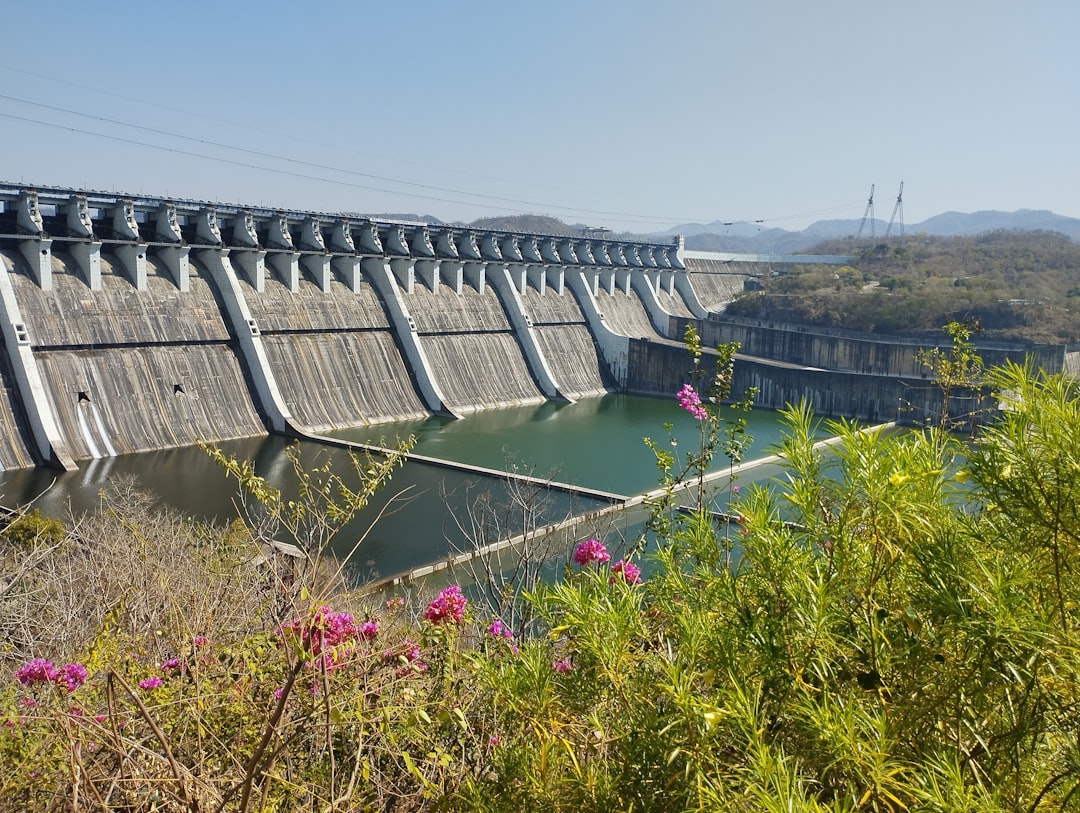
LinkedIn’s value in the hydroelectric sector comes from its ability to reach specific technical and financial decision makers inside organizations that control or influence projects. These are not anonymous website visitors; they are professionals with defined roles, responsibilities, and constraints that LinkedIn captures in profile data.
When you design campaigns specifically around these roles, you can connect technical complexity to business value. A system planner cares about flexibility, ramping rates, and reserve margins. A project finance director cares about IRR, risk allocation, and debt capacity. An environmental manager cares about mitigation performance and stakeholder acceptance. LinkedIn Ads allow you to speak to each persona in turn while keeping a holistic account based picture.
Reaching Niche Technical and Financial Decision Makers
The primary strength of LinkedIn for hydroelectric organizations is its granular targeting across:
- Utilities and IPPs: You can reach transmission and distribution planners, generation asset managers, procurement heads, and sustainability officers within specific utilities or IPPs that are known to be active in hydropower.
- Engineering and EPC firms: Civil, structural, and hydraulic engineers, project managers, and business unit leaders at engineering firms are key influencers for technology selection, vendor lists, and feasibility assessments.
- Investors and development banks: Infrastructure fund partners, project finance directors, investment officers at development banks, and ESG specialists are crucial for project viability. LinkedIn allows you to cluster these roles into dedicated investor segments.
- Regulators and policy influencers: While you cannot always target regulators by agency, you can use job function, seniority, and policy related interests to reach professionals involved in energy regulation, water management, and environmental approvals.
Because hydroelectric projects often involve a small universe of relevant organizations, you can complement this role based targeting with account based lists of utilities, EPCs, OEMs, or funds, and then layer appropriate job titles and seniority levels.
LinkedIn vs Other Channels for Hydroelectric Stakeholder Engagement
For hydro organizations, LinkedIn is not a replacement for in person meetings, policy consultations, or investor roadshows. It is a way to make those offline interactions more likely and more productive. For example, by running awareness campaigns before a regulatory hearing or major conference, you can ensure that key attendees already recognize your brand and understand your core positions.
Compared with search ads, LinkedIn gives you more control over who sees your message. You are not waiting for someone to type “pumped storage hydro financing”; you proactively reach the project finance teams who might care about such solutions even before they start searching. Compared with generic social media, you avoid wasted impressions on the general public when your real audience consists of a few hundred professionals across a small set of institutions.
If you adopt an account based mindset, LinkedIn becomes the backbone of ongoing engagement with strategic accounts. You can coordinate with sales and business development so that Sponsored Content and Message Ads reach the same contacts your teams are emailing or meeting in person, reinforcing core themes such as efficiency upgrades, environmental outcomes, or new financing structures. B2B marketers managing this complexity can benefit from Sona’s blog post on single vs multi touch attribution, which explains how to credit LinkedIn alongside offline hydro touchpoints.
Primary Use Cases for LinkedIn Ads in Hydroelectric Power Generation
In practice, hydroelectric organizations tend to use LinkedIn Ads for a handful of recurring objectives that map well to the project lifecycle.
- Project origination and partnerships: Promote your capabilities in project development, feasibility, or environmental assessment to utilities, IPPs, and governments that may issue RFPs. Build awareness of your track record well before tender processes start.
- Equipment and turbine sales: OEMs and service providers can use LinkedIn to reach asset managers, engineering heads, and plant operators with messages about refurbishment, uprating, digital monitoring, and predictive maintenance.
- Engineering and consulting services: Firms specializing in hydrology, dam safety, environmental permitting, or grid integration can showcase case studies, whitepapers, and webinars to attract qualified inquiries from project sponsors and lenders.
- Project financing and investment opportunities: Developers and advisors can target infrastructure funds and banks with project teasers, LCOE benchmarks, or co investment frameworks, leading to conversations around mandates and pipelines.
- Talent attraction: Large hydro portfolios require skilled teams. LinkedIn Job Ads and brand campaigns help you attract hydro engineers, project managers, and ESG professionals in markets where competition for talent is intense.
By defining your core use cases upfront, you can translate them into clear objectives in Campaign Manager and avoid mixing very different goals in the same campaign structures.
Hydroelectric Decision Maker Personas and LinkedIn’s Role
The table below maps typical hydroelectric personas to LinkedIn’s strengths.
| Persona | Primary Concerns | How LinkedIn Helps Reach and Influence Them |
| Utility or IPP generation executive | Long term capacity, reliability, regulatory compliance | Target by seniority, function, and company; deliver executive level thought leadership and project case studies |
| Grid planner or system operator | Flexibility, balancing, storage, system stability | Target by job function and skills; promote content on pumped storage, dispatch strategies, and integration with renewables |
| Project finance director / investor | Risk, IRR, debt terms, ESG, pipeline quality | Target by job title and industry; share financial models, LCOE comparisons, and ESG impact briefs |
| Engineering or EPC project manager | Design risk, schedule, constructability, cost control | Target by engineering roles; deliver technical case studies, design optimization content, and upgrade stories |
| Environmental and permitting specialist | Impact mitigation, stakeholder acceptance, regulatory approval | Target by function and interests; promote environmental mitigation solutions and compliance oriented content |
Setting Up a Hydroelectric Focused LinkedIn Ads Framework
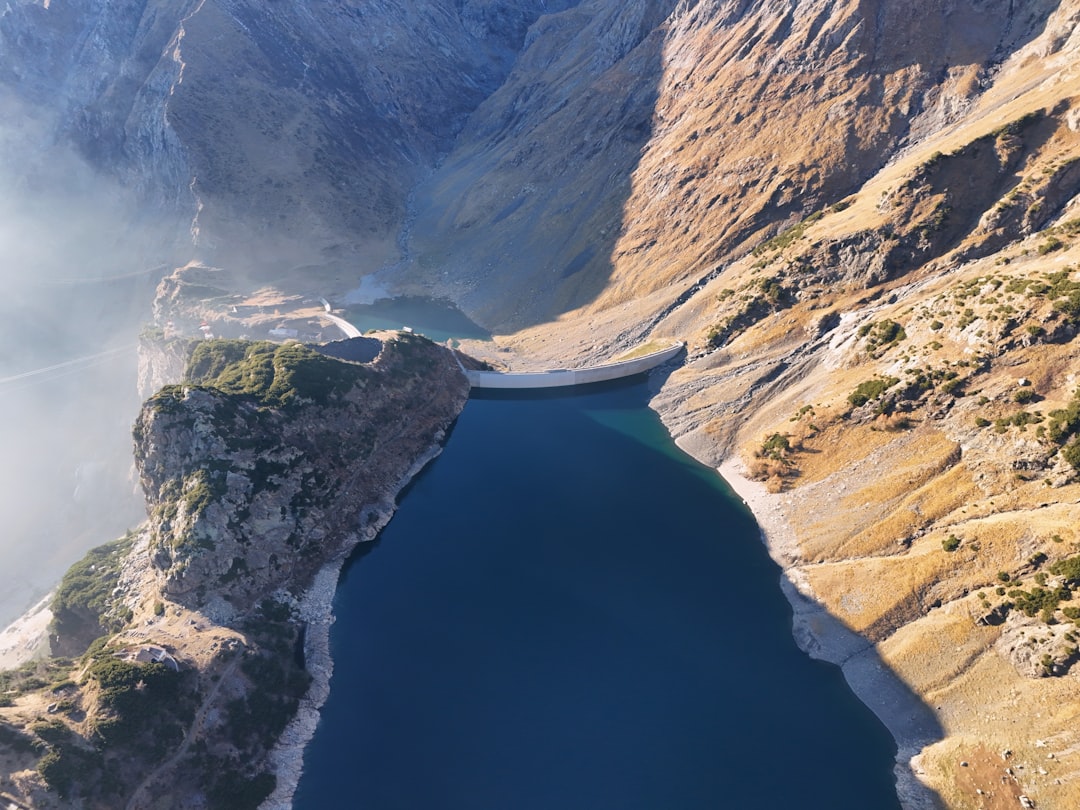
To get consistent results, you need more than isolated campaigns. You need a hydro specific framework that starts from your ideal customer profile and maps campaigns against the project lifecycle. This ensures you show the right content at the right time to the right people, and that your measurement reflects true business value.
Building a Hydro Specific LinkedIn Ads Strategy from the Ground Up
Start by defining your ideal customer profiles across the main segments you serve. Common ICPs in hydro include:
- Transmission or generation departments at national or regional utilities of a certain size or market share.
- IPPs with active or planned hydro portfolios above a given capacity threshold.
- EPCs and OEMs that regularly bid on hydro projects.
- Infrastructure investors with renewable or hydro specific mandates.
- Government agencies responsible for water, energy, or rural electrification.
For each ICP, identify key job titles, seniority levels, and functions involved in critical decisions. This work will directly inform your audience targeting in Campaign Manager. It also clarifies who you write for when you develop ad copy and landing pages.
Next, define your primary business outcomes within each ICP. For utilities, it might be feasibility study requests or turbine upgrade evaluations. For investors, it might be data room access or preliminary term sheets. By tying every LinkedIn campaign to one of these outcomes, you can design content paths and conversion tracking that reflect genuine pipeline impact. Teams sharpening their go to market focus can reference Sona’s account based marketing guide to translate hydro ICP definitions into coordinated ABM programs.
Mapping Campaigns to the Hydroelectric Project Lifecycle
Hydroelectric projects move through relatively predictable phases, even if timelines vary. Aligning campaigns with these phases helps you keep messaging relevant and measure influence more clearly.
- Site identification and feasibility: Run awareness campaigns targeting grid planners, developers, and engineers with educational content about potential sites, hydrology modeling, and feasibility best practices. Lead gen campaigns can promote downloadable feasibility frameworks or checklists.
- Permitting and licensing: Target environmental specialists, legal teams, and regulators with content on impact assessments, fish passage solutions, and stakeholder engagement strategies. Case studies from successful permitting processes are powerful at this stage.
- Financing and offtake agreements: As projects crystallize, shift focus to project finance teams, investors, and policy makers. Promote content on LCOE, risk allocation, PPA structures, and blended finance options. Lead Gen Forms can capture investors interested in pipelines or co investment opportunities.
- Construction and commissioning: For EPCs, OEMs, and project managers, promote content on construction methodologies, schedule optimization, and safety practices. For OEMs, highlight delivery track record and performance guarantees.
- Operations, maintenance, and upgrades: Once plants operate, campaigns can shift to O and M optimization, turbine refurbishment, digital monitoring, and environmental performance improvements. Retargeting campaigns can reinforce upgrade opportunities for existing plant operators.
By connecting campaigns to lifecycle phases, you can also better visualize which accounts are moving where, and adjust ad pressure or messaging as deals progress.
Account Setup and Tracking Foundations for Hydroelectric Marketers
Technical setup is not glamorous, but it is the foundation for proving ROI in a sector where deal cycles are long and stakeholders are skeptical. Without clean tracking, hydroelectric marketing teams often struggle to attribute any meaningful value to LinkedIn Ads, which leads to underinvestment in a channel that can actually reach their real buyers.
Campaign Manager Configuration Tailored to Hydroelectric Teams
Structuring your LinkedIn Campaign Manager in a way that reflects your business lines and teams is critical. Many hydro organizations span multiple units such as utilities, OEM product lines, EPC services, consulting, and financing. If all campaigns live in a single unmanaged account, you will quickly lose visibility into which budgets support which objectives.
You can create separate accounts or account groupings for major business units, then use naming conventions at campaign and ad set level that indicate target region, lifecycle stage, and objective. Within each account, configure role based access so that marketing, business development, and investor relations teams can collaborate without risk of accidental changes or data exposure they should not see.
Insight Tag and Conversion Tracking for Hydroelectric Funnels
The LinkedIn Insight Tag is essential if you want to understand how LinkedIn traffic behaves on your website and build retargeting audiences. Install it across your primary domain and any microsites used for campaigns. Then define conversion events that reflect high value actions in the hydro context, such as:
- Downloads of feasibility study guides, hydropower efficiency whitepapers, or environmental mitigation reports.
- Submissions of project inquiry or RFP response forms.
- Investor deck or financial model downloads.
- Registrations for webinars or LinkedIn Events focused on topics like pumped storage, dam safety, or regulatory compliance.
Many hydro marketers struggle with a specific pain point: they cannot see how LinkedIn impressions and clicks translate into downstream behaviors, especially when deals conclude offline. To address this, connect your LinkedIn conversion tracking to your CRM and analytics systems so that contacts sourced or influenced by LinkedIn are tagged and can be followed through to late stage milestones. Marketers aiming to unify these signals across channels can look at Sona’s guidance on first vs last touch attribution to choose a model that fits hydro’s long deal cycles.
Compliance Aware Data Tracking in Regulated Hydro Markets
Hydroelectric projects often operate in jurisdictions with strict data privacy rules, public sector procurement regulations, or utility specific constraints. When implementing tracking, coordinate with legal and IT teams to ensure compliance with data residency requirements, consent mechanisms, and contractual obligations.
In some cases, you may need to limit the level of personal data you collect from certain public sector audiences or rely more heavily on account level insights rather than individual tracking. Transparent privacy notices and clear consent on lead capture forms are especially important when dealing with government agencies or public utilities that must adhere to strict procurement guidelines.
Recommended Conversion Events for Hydroelectric LinkedIn Campaigns
The table below offers sample conversion events aligned with common hydroelectric objectives.
| Objective | Example Conversion Event | Notes for Tracking and Optimization |
| Feasibility and early stage engagement | Download of “Hydroelectric Project Feasibility Checklist” | Use as primary conversion for awareness campaigns to build retargeting pools |
| Environmental and permitting positioning | Registration for webinar on environmental impact mitigation | Track attendance vs registration to refine follow up |
| Financing and investor engagement | Request access to project data room or investor deck | Qualify by role and organization type in form fields |
| Turbine and equipment sales | Submission of “Turbine Upgrade Assessment” contact form | Feed directly into sales or engineering pre sales teams |
| O and M and lifecycle services | Download of performance benchmarking report or case study | Retarget engaged accounts with more specific service offers |
Audience Research and Targeting Strategy for Hydroelectric Campaigns
Audience quality makes or breaks LinkedIn Ads in a narrow industry like hydroelectric power. You do not have millions of potential buyers, so you must be precise. The goal is to define audiences that are small enough to be relevant but large enough to allow the algorithm to optimize.
Core Professional Audiences for Hydroelectric Power Generation
Start by defining your primary segments and how they map to job titles, functions, and seniority:
- Utility executives and grid planners: Titles such as “Director of Generation”, “VP Power Systems”, “System Planner”, and “Grid Operations Manager” within utilities and system operators.
- Hydropower project developers and owners: Roles like “Project Director, Hydropower”, “Head of Renewable Development”, and “Asset Manager, Hydro” at IPPs and developers.
- Civil, structural, and hydraulic engineers: Titles including “Hydraulic Engineer”, “Dam Design Engineer”, “Senior Civil Engineer”, typically within EPCs, consultancies, or OEMs.
- Environmental and permitting specialists: “Environmental Manager”, “Permitting Specialist”, “ESG Lead”, often in utilities, EPCs, or government agencies.
- Renewable energy investors and project finance roles: “Investment Director, Infrastructure”, “Project Finance Manager”, “Energy Investment Officer”, at funds, banks, and DFIs.
- Government and regulatory agencies: Policy and regulatory roles in ministries of energy, water authorities, and environmental agencies, targeted through function and interests.
Within each audience, segment by seniority where possible. For example, create separate ad sets for C suite and VP level vs manager and specialist levels. This allows you to tailor creative and bidding strategies to different decision influences along the buyer journey.
Advanced LinkedIn Targeting Techniques for Hydro Initiatives
Beyond basic demographics, LinkedIn offers several capabilities that are particularly helpful in hydro:
- Industry, job function, and seniority combinations: Combining “Utilities” or “Oil and Energy” industry tags with job functions like “Operations”, “Engineering”, or “Finance” and seniority tiers such as “Director” or “VP” can sharply narrow audiences.
- Skills and interests: Skills like “Hydropower”, “Hydraulic Modeling”, “Renewable Energy”, or “Project Finance” are useful filters to ensure technical relevance.
- Group memberships: Members of professional groups focused on water resources, hydropower, or energy policy often represent engaged practitioners and influencers.
You should also decide when to use Matched Audiences vs broader prospecting. Matched Audiences built from your CRM or website visitors are ideal for retargeting and ABM campaigns around active deals. Broader skill and interest based audiences help you discover new accounts during early market development.
ABM Strategy for Strategic Hydroelectric Accounts
In hydroelectric power, account based marketing is often the most natural approach. There may be a limited set of utilities, IPPs, or ministries that will ever sponsor the kind of projects you serve. LinkedIn makes it relatively straightforward to load lists of target companies and then layer job titles and seniority levels on top.
For example, you might upload a list of 100 utilities and IPPs known to be exploring pumped storage, then create separate ad sets for:
- Executive leaders who control long term system planning.
- Engineering managers responsible for project design.
- Policy and regulatory teams that shape approval and subsidy frameworks.
Similarly, if you are targeting large industrial offtakers interested in long term green power contracts, you can create a company list of energy intensive industries in specific regions and then target “Head of Sustainability”, “Energy Manager”, and “CFO” roles within those firms.
Segmenting by Hydro Project Type and Scale
Segmenting your audiences by project type increases relevance and efficiency. Consider building distinct segments for:
- Run of river projects: Emphasize content related to lower impact, community integration, and hydrological variability.
- Pumped storage: Focus on grid integration, storage economics, and flexibility benefits for system operators and regulators.
- Refurbishment and upgrades: Target operators of existing plants with content about efficiency gains, downtime minimization, and digital retrofits.
- Small and community hydro: Target regional utilities, rural electrification agencies, and local developers with content on financing models, community ownership, and capacity building.
This segmentation allows you to tailor creative and landing pages, which usually improves engagement and lead quality.
Audience Validation and Optimization
One common pain point in hydro marketing is spending valuable budget on low fit accounts that will never sponsor major projects. Without some form of fit scoring, it is easy to waste impressions on peripheral roles or companies without hydro mandates.
Start with tight audience definitions, then monitor early conversions for job titles, company types, and regions. Use CRM feedback and sales input to refine your targeting. Exclude roles or industries that consistently produce poor fit leads. As campaigns mature, you can experiment with lookalike audiences based on your highest value accounts to expand reach while maintaining quality.
To structure your thinking, the table below provides sample targeting blueprints for different hydro buyer personas.
| Persona / Scenario | Core Targeting Layers | Typical Use Case |
| Utility generation executive | Industry: Utilities; Seniority: Director+; Functions: Operations, Engineering; Geography: target countries | Promote thought leadership on system planning, new large hydro or pumped storage concepts |
| Project finance director at infrastructure fund | Industry: Investment Management, Banking; Titles: Investment Director, Project Finance Manager; Skills: Project Finance, Infrastructure | Drive interest in specific hydro pipelines, financing frameworks, or co investment opportunities |
| Hydropower engineer at EPC | Industry: Construction, Oil and Energy; Functions: Engineering; Skills: Hydropower, Hydraulic Engineering | Promote technical case studies, design tools, or turbine technologies |
| Environmental and permitting specialist | Industry: Utilities, Government Administration; Functions: Program/Project Management, Legal; Skills: Environmental Impact Assessment | Promote content on mitigation strategies, stakeholder engagement, regulatory best practices |
Creative Strategy: Translating Hydroelectric Complexity into High Performing Ads
Hydroelectric buyers are sophisticated. They expect technical accuracy, credible proof, and acknowledgment of environmental and social realities. Creative that looks like generic corporate stock imagery with vague promises rarely performs. Your ads need to translate technical and financial complexity into clear, outcome focused messages.
Visual Strategy for Hydroelectric Campaigns
Strong visuals help you stand out in professional feeds filled with text heavy posts. For hydro:
- Turbine and plant imagery: High quality images of turbines, spillways, control rooms, and monitoring centers convey real world expertise. Pair them with headlines that reference quantifiable performance outcomes.
- Before and after efficiency improvements: Diagrams or infographics that show capacity factor gains or reduced downtime make abstract benefits tangible.
- Grid and storage visualizations: For pumped storage or grid integration campaigns, visualizations of load curves, storage cycles, or system stability metrics can attract system planners and regulators.
- Environmental mitigation and community visuals: Imagery showing fish passage systems, restored habitats, or community consultation meetings demonstrate ESG commitment and can resonate with public sector and investor audiences. Campaigns like this clean living hydropower ad illustrate how visual storytelling can connect sustainability with project branding.
Video can be particularly powerful: plant walkthroughs, short animations of pumped storage cycles, or engineer interviews explaining specific challenges and solutions often outperform static images in terms of engagement and comprehension.
Copy Frameworks for Hydroelectric Buyers and Investors
Effective ad copy in hydro generally follows a few principles:
- Lead with the business problem or outcome: For example, “Reduce unplanned outages in aging hydro plants by up to 30 percent” or “Unlock 8 hours of grid scale storage with existing terrain”.
- Use credible proof: Mention specific capacity added, percentage efficiency improvement, PPA terms, or environmental performance indicators, and whenever possible, connect them to recognizable projects or regions.
- Tailor tone to seniority: Executive focused ads should emphasize strategic outcomes, risk management, and stakeholder alignment. Technical buyer ads should dive deeper into technology, methodology, and standards compliance.
- Address environmental concerns directly: Instead of ignoring impact, highlight how your solutions reduce environmental risk, improve fish migration, or enhance community benefits.
Different ad formats suit different stages. Lead Gen Forms work well when you are offering high value content such as LCOE benchmarks or detailed technology comparisons. Carousel Ads are useful for walking prospects through multi step case studies. Message Ads can work for highly targeted ABM outreach, especially around events or RFP timelines.
Message Angles by Persona and Funnel Stage
The table below shows how you can align messaging with personas and funnel stages.
| Persona | Funnel Stage | Message Angle | Example Offer |
| Utility generation executive | Awareness | Hydropower as dependable backbone for renewable grids | Executive brief on “Hydropower in 2030 grid scenarios” |
| Grid planner | Consideration | Pumped storage for flexibility, peak shaving, and inertia | Webinar on “Designing storage into high RES systems” |
| Project finance director | Decision | Competitive LCOE, risk mitigation, and ESG compliant structures | Investor deck download for specific project pipeline |
| Hydropower engineer | Consideration | Turbine upgrades, digital twins, and performance optimization | Case study carousel on 3 recent upgrade projects |
| Environmental specialist | Awareness | Proven mitigation strategies and stakeholder engagement | Whitepaper on “Fish passage and riverine ecosystem health in hydro projects” |
Campaign Types, Structure, and Budget Strategy for Hydroelectric Objectives
Hydroelectric organizations rarely have unlimited digital budgets. You must balance the need for sustained visibility with careful cost control in a sector where a single qualified lead can be extremely valuable. Structuring campaigns around clear objectives and buyer stages helps you allocate spend intelligently.
Campaign Objectives Mapped to Hydroelectric Goals
LinkedIn’s built in objectives map well to typical hydro outcomes:
- Brand Awareness: Ideal for new markets, policy audiences, or when entering a country or region with new hydro offerings. Use to introduce your track record and position in the hydro value chain.
- Website Visits: Best when you have strong technical content, such as project case studies or efficiency benchmarks, and want to bring relevant professionals into your owned content ecosystem.
- Lead Generation: Use native Lead Gen Forms to capture information for RFP alerts, feasibility assessments, or investor briefings. Keep forms aligned with professional expectations and do not over ask.
- Website Conversions: Suitable when you have conversion optimized landing pages for actions like consultation bookings, demo requests for digital monitoring tools, or detailed report downloads.
- Engagement and Video Views: Strong fit when you need to educate your audience about complex subjects, such as pumped storage cycles, environmental mitigation technologies, or regulatory changes.
Separate campaigns by objective so that budget and optimization are aligned with specific goals. Avoid mixing awareness and lead gen in the same campaign, as the platform will optimize for whichever outcome is easier to achieve, not necessarily the one you value most.
Structuring Campaigns Around Hydroelectric Themes
Within each objective, group campaigns by themes that align with your offerings and search intent patterns:
- Hydropower technology and turbine innovations: Target engineers and plant managers with content on new runner designs, control systems, or digital twins.
- Pumped storage advantages: Target grid planners, investors, and policy makers with content on storage economics, flexibility, and reliability.
- Run of river benefits: Emphasize lower environmental footprint and faster development for markets with strong ecological sensitivities.
- Environmental impact mitigation: Promote solutions such as fish ladders, sediment management, or habitat offset programs to environmental and regulatory audiences.
- Project financing options: Address project finance teams and investors with content on blended finance, guarantees, or climate finance programs.
Each theme can then have separate audiences and creatives tailored to specific buyer roles and regions, improving message match and performance.
Budget Allocation Across Lifecycle and Sales Cycles
Hydroelectric deals often take years to close, so you need a budget strategy that supports persistence without burning through funds too quickly.
A typical allocation for a mid sized hydro organization might resemble:
- 40 to 50 percent for lead generation and conversions: Targeted campaigns focused on high intent actions such as feasibility downloads, consultation requests, or investor deck access.
- 25 to 30 percent for retargeting: Re engagement campaigns for website visitors, content downloaders, or event attendees. Given the small universe of relevant accounts, retargeting is often very effective.
- 15 to 20 percent for brand awareness: Always on campaigns that keep your brand visible among key stakeholders in priority markets and highlight new case studies or regulatory wins.
- 5 to 10 percent for testing: Experiments with new audiences, creative angles, or ad formats, such as trying vertical video or interactive document ads for technical papers.
Adjust budgets regionally based on where active RFPs or policy shifts are happening. For example, increase spend for pumped storage campaigns when a regulator launches a capacity market consultation that explicitly values storage.
Sample Campaign Architecture for a Hydroelectric Equipment Supplier
The table below illustrates a simplified campaign architecture for an OEM focused on turbine upgrades.
| Level | Example Element | Purpose |
| Campaign | “Turbine Upgrades Lead Gen, Europe” | Objective: Lead Generation; Region: Europe |
| Ad Set 1 | Audience: Utility asset managers and plant engineers | Target decision makers at existing and potential utility clients |
| Ad Set 2 | Audience: EPC project managers and hydropower engineers | Reach partners who specify equipment in project designs |
| Ad Set 3 | Audience: Retargeting of website visitors to turbine pages | Re engage high intent users for lead capture |
| Ad Creative A | Case study video: “3 percent efficiency gain at 500 MW plant” | Demonstrate performance outcomes and build credibility |
| Ad Creative B | Carousel: steps of upgrade process and outage minimization | Educate on process and operational risk management |
| Ad Creative C | Lead Gen Form: “Request plant specific upgrade assessment” | Capture qualified leads with project details |
Landing Page and Lead Capture Design for Hydroelectric Traffic
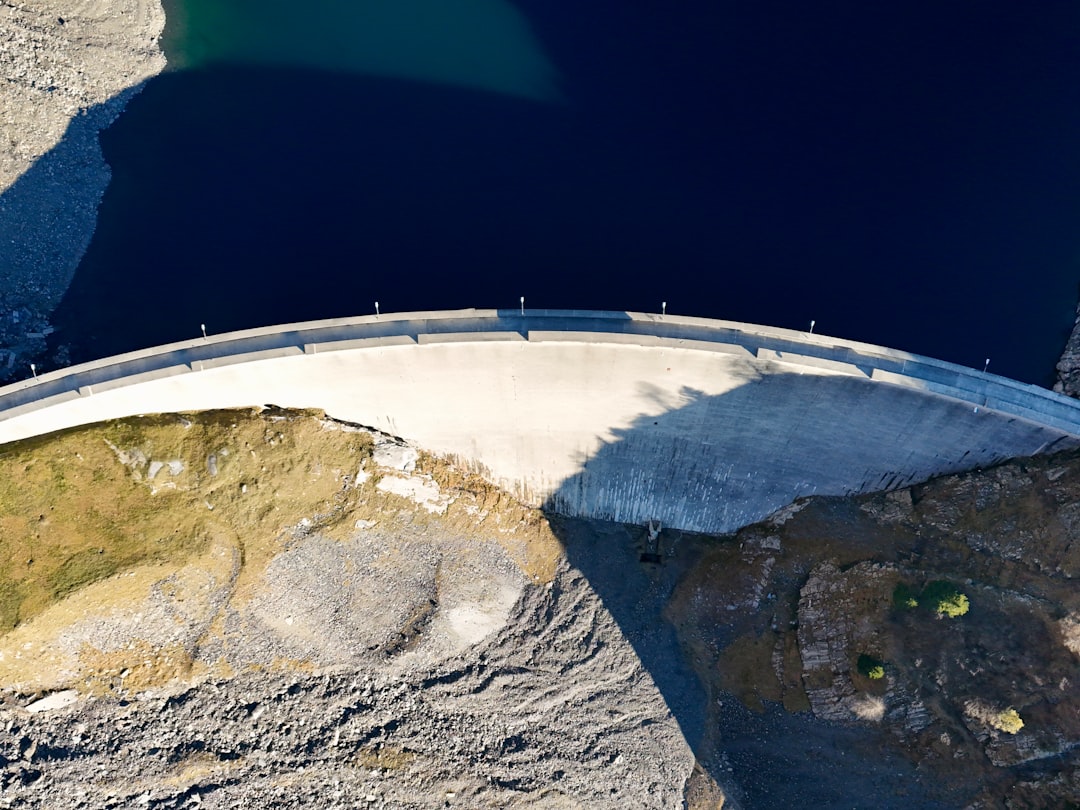
Bringing the right people to your site is only half the challenge. You must convert them in a way that respects their professional context and information needs. Poor landing pages or overly aggressive forms can undermine otherwise strong campaigns.
Landing Page Essentials for Hydroelectric Stakeholders
Each landing page should align tightly with the ad that drove the click. If your ad promised insight on “hydroelectric power plant efficiency improvements”, the landing page should immediately address that topic with data, visualizations, and examples. Do not send visitors to generic homepages or loosely related content.
Hydroelectric stakeholders care about differentiation vs other technologies and vs competitors. Your landing pages should:
- Clarify your specific value in the hydro value chain, whether it is development, technology, financing, or consulting.
- Highlight regional relevance, such as experience in similar regulatory regimes, river basins, or grid contexts.
- Show trust signals like certifications, project references, partner logos, and participation in recognized industry associations.
Make sure pages load quickly and display well on mobile, since many LinkedIn users browse on phones during commutes or travel. Even senior executives expect a smooth mobile experience when reviewing high level briefs or signing up for webinars.
Content Modules That Convert Hydroelectric Prospects
Effective hydro landing pages often use a modular structure that mixes narrative, proof, and calls to action:
- Executive summary: A clear, concise statement of the problem and your solution, framed in business outcomes such as capacity, reliability, or risk.
- Data and benchmarks: Charts or tables showing efficiency gains, cost reductions, or environmental performance improvements compared with baseline or alternatives.
- Case studies: Brief summaries of similar projects with metrics: capacity added, downtime reduced, IRR achieved, or regulatory milestones passed.
- Environmental and social information: Evidence of responsible development, such as mitigation outcomes, community agreements, or independent audits.
- Specific calls to action: Options such as downloading a more detailed technical report, requesting a feasibility consultation, or scheduling a meeting at an upcoming conference.
By providing both high level and technical detail, you accommodate C level readers and specialist staff who may both review the content before deciding on next steps.
Lead Capture Strategies and Form Design
LinkedIn Lead Gen Forms simplify conversion because they pre fill with profile data, which is particularly helpful when targeting busy senior professionals. However, you still need to balance form length with lead quality.
For hydroelectric campaigns, consider:
- Core fields: Name, job title, company, business email, and country or region are typically essential.
- Project specific fields: For feasibility or upgrade assessments, fields like “plant capacity”, “project stage”, and “primary objective” help qualify and route leads correctly.
- Segmenting fields: Asking whether respondents represent utilities, developers, EPCs, investors, or regulators lets you adapt follow up.
On web forms, keep the first interaction relatively short, then use progressive profiling in later steps or nurture flows to gather more detail. Always include data privacy statements and, where relevant, consent to be contacted, especially for public sector or EU audiences.
Recommended Landing Page Structure for Hydroelectric Campaigns
The table below shows a generic structure you can adapt.
| Section | Purpose | Example Elements |
| Hero section | Communicate core promise and primary call to action | Headline, subheading, hero image or video, primary CTA button |
| Problem / opportunity | Frame context in the hydroelectric sector | Short paragraphs explaining grid challenges, environmental constraints, or financing gaps |
| Solution overview | Introduce your service or technology | Bullet style benefits, simple diagrams, credibility statements |
| Proof and case studies | Demonstrate real world success | Mini case studies, logos, key metrics, testimonials if available |
| Technical and ESG details | Provide enough depth for specialist readers | Downloads, spec sheets, environmental reports, FAQ |
| Conversion module | Capture lead or encourage deeper engagement | Form, secondary CTAs (download, contact sales, book a meeting) |
Measuring Performance and ROI for Hydroelectric LinkedIn Ads
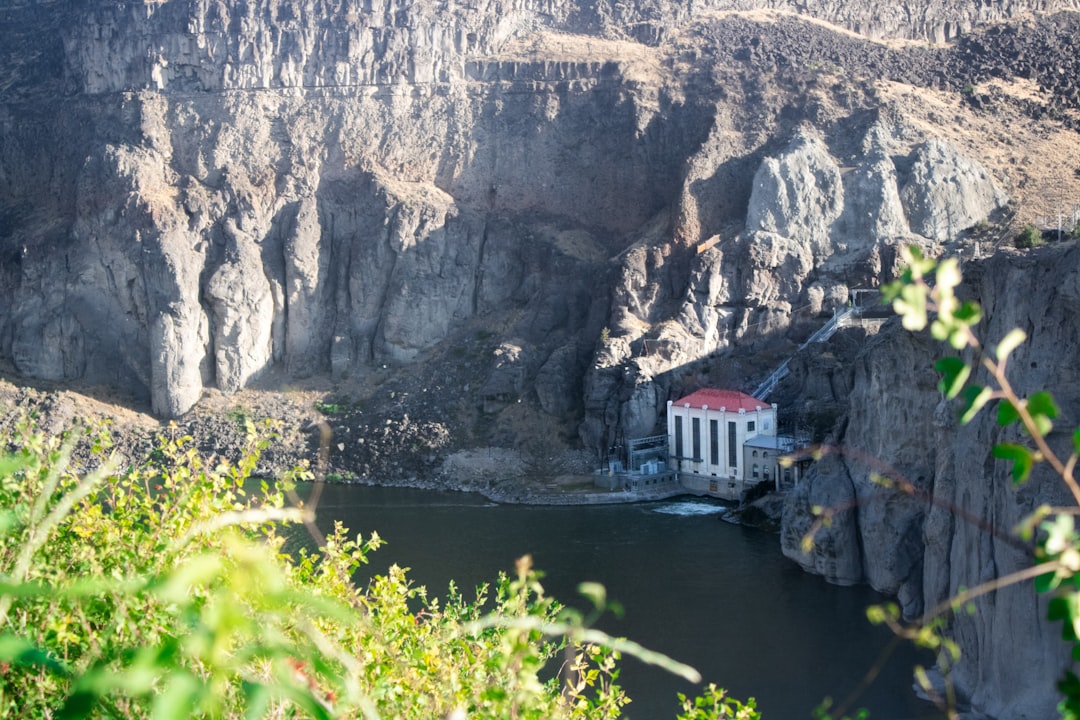
Measurement in hydroelectric marketing is complicated by long timelines and offline decision processes. However, you can still build a robust KPI framework that connects LinkedIn activity to meaningful business outcomes over time.
Core KPIs for Hydroelectric Campaigns
Start by tracking a layered set of metrics:
- Channel level efficiency: CTR, CPC, and cost per lead give a basic view of campaign health and help compare creative variants.
- Lead quality metrics: Percentage of leads accepted by sales or BD, number of high fit accounts engaging with content, and progression to later stages such as feasibility requests or investor meetings.
- Pipeline impact: Value of opportunities where LinkedIn was a first or influencing touch, number of RFPs, site visits, or financing term sheets linked to LinkedIn sourced contacts.
- Content engagement: For thought leadership, track engagement with technical assets such as downloads, video completion rates, and repeated visits to efficiency or financing content.
When realistic, define benchmark ranges for CPL and SQL rates based on your historical data and customer lifetime value. Hydroelectric campaigns will usually tolerate higher CPLs than lower value industries, as long as leads are highly qualified and connected to large potential projects.
Tracking Long and Complex Hydroelectric Deal Cycles
Multitouch attribution is especially important in hydro. It is rare for a single ad click to directly lead to a signed PPA or EPC contract. More often, LinkedIn plays a role in early education and relationship building. To recognize this, tag leads and accounts influenced by LinkedIn and monitor their path through the funnel:
- Use UTM parameters and LinkedIn conversion tracking to connect ad interactions to specific contacts in your CRM.
- Align opportunity records in your CRM with key milestones such as feasibility study start, RFP invitations, bid submissions, and contract awards.
- Periodically analyze which content pieces and campaigns appear most frequently in the histories of successful projects, even if they did not generate the first touch.
You can also use offline conversion imports to feed back key events, such as “attended site visit” or “submitted financing term sheet”, into LinkedIn. This allows the platform to optimize toward accounts and audiences that are more likely to lead to real project progress.
Financial Impact and KPI Framework Example
The table below summarizes an example KPI framework for a hydroelectric LinkedIn program.
| KPI Category | Example Metric | How It Informs Decisions |
| Channel performance | CTR, CPC, frequency, video completion rate | Indicates creative relevance and ad fatigue, guides creative refresh |
| Lead economics | Cost per qualified lead, SQL rate | Determines viability of campaigns and guides targeting refinement |
| Pipeline influence | Number and value of opportunities with LinkedIn touches | Shows LinkedIn’s role in advancing real hydro projects |
| Deal progression | Time from LinkedIn first touch to RFP, site visit, or PPA | Helps set expectations and refine lifecycle based campaign strategies |
| Investor outcomes | Number of investor meetings, data room accesses, term sheets | Captures financial side impact beyond utility and EPC engagements |
Advanced LinkedIn Strategies for Hydroelectric Power Generation
Once your foundational campaigns are running, you can move toward more advanced approaches that better reflect the nuanced hydro buyer journey.
Sequential Campaigns Across the Hydroelectric Buyer Journey
Rather than serving the same ad to everyone indefinitely, design sequences that move stakeholders from awareness to consideration to decision.
- Awareness: Focus on basic education such as “What is pumped storage and how does it stabilize renewable grids?” or “Key efficiency benchmarks in modern hydropower plants”. Target broader audiences by role and industry.
- Consideration: Retarget those who engaged with awareness content using more specific assets. For example, case studies of pumped storage plants in similar markets, or detailed reports on turbine refurbishment ROI.
- Decision: For engaged accounts showing repeated behavior, promote concrete offers like feasibility assessments, project finance workshops, or one to one consultations before key RFP deadlines or policy submissions.
LinkedIn’s demographic and engagement reporting can help you refine these sequences. For example, if environmental managers engage heavily at awareness stage but drop off later, you may need additional content specifically addressing their concerns at consideration stage.
ABM for Strategic Hydroelectric Accounts and Consortia
For flagship projects or high potential portfolios, coordinate closely with sales and business development. Upload detailed account lists including utilities, EPCs, technology partners, and financiers that form or might form consortia. Then:
- Run account specific creative that references regional policies, river basins, or known project proposals.
- Time campaigns around key meetings, site visits, or regulator consultations so that your messages reinforce in person discussions.
- Use Sponsored Messages to invite stakeholders to joint workshops or closed door briefings on project structures, risk allocation, or environmental strategies.
Monitor account level engagement in your CRM and adapt messaging as projects progress. Dynamic audience syncing between CRM and LinkedIn can help ensure that ads align with the latest deal stage and stakeholder engagement.
Promoting Events and Expert Content
Hydroelectric decision makers attend conferences, workshops, and webinars to stay current on technology and policy. LinkedIn is a natural channel to promote such events:
- Use Event Ads and Sponsored Content to drive registrations for webinars on topics like regulatory compliance, turbine technology innovation, or hydropower’s role in energy transitions.
- Segment by region and role so that content is clearly relevant, for example, a Latin America focused hydropower financing panel vs a Europe centric pumped storage grid integration event.
- Follow up with retargeting campaigns that deliver recordings, slides, or related whitepapers to attendees and no shows alike, using these interactions as signals of higher intent.
Over time, a well executed event promotion and follow up strategy can build a large pool of known, engaged hydro professionals who are familiar with your expertise. For marketers looking to see real world precedent, recent hydropower deals illustrate how consistent outreach supports both project origination and brand positioning.
Used thoughtfully, LinkedIn Ads can become a central pillar of hydroelectric marketing, connecting complex technical, financial, and environmental narratives to the specific professionals who must act on them. By grounding your strategy in hydro fundamentals, precise audience targeting, lifecycle aligned campaigns, strong creative, and rigorous measurement, you can move beyond surface metrics and demonstrate real impact on hydro project origination, financing, and delivery. Teams that want to go further by unifying identity, intent data, and attribution across their hydro funnels can explore Sona’s revenue attribution platform or speak directly with specialists via Sona’s book a demo page.
Conclusion
Marketing automation is revolutionizing hydroelectric power generation by empowering marketing managers and sales leaders to drive targeted lead generation and deliver exceptional customer experiences. For energy providers across regions like the Pacific Northwest and Scandinavia, automating outreach means capturing high-potential prospects efficiently while nurturing relationships through personalized, data-driven campaigns tailored to an industry where trust and technical expertise matter most.
Imagine having the ability to identify and prioritize the most qualified leads, automate nurture sequences that resonate with utility decision-makers, and seamlessly integrate all customer data into your CRM for real-time optimization. With Sona.com’s intelligent lead scoring and campaign management tools, hydroelectric companies can transform complex marketing efforts into streamlined, measurable growth engines—turning every engagement into a strategic opportunity.
Start your free trial with Sona.com today and harness the power of marketing automation to accelerate your hydroelectric projects, expand your network, and close deals faster than ever before.
FAQ
What is hydroelectric power generation?
Hydroelectric power generation converts the potential energy of water at height into electricity by flowing water through turbines that drive generators.
How does a hydroelectric dam generate electricity?
Water stored in a reservoir flows through penstocks to spin turbines connected to generators, producing electricity before returning downstream.
What types of hydroelectric power plants exist?
Common types include large scale dam projects, run of river systems, pumped storage plants, and small scale or micro hydro facilities.
How efficient is hydroelectric power generation?
Modern large hydro plants can reach about 90 percent efficiency at design points, though actual performance varies with site conditions and equipment.
What are the environmental considerations in hydroelectric power generation?
Hydropower projects face scrutiny over fish migration, river ecosystem changes, sediment transport, greenhouse gas emissions, and community impacts, requiring mitigation measures.
How can LinkedIn Ads support hydroelectric power generation marketing?
LinkedIn Ads allow precise targeting of hydroelectric decision makers to build awareness, generate qualified leads, promote services, and support long sales cycles.
Who are the key decision makers targeted in hydroelectric power generation marketing?
Key personas include utility executives, grid planners, project finance directors, engineers, environmental specialists, investors, and regulators.
What are typical campaign objectives for hydroelectric LinkedIn Ads?
Objectives include brand awareness, lead generation, website visits, website conversions, and engagement to support stages from feasibility to operations.
How should hydroelectric marketers measure LinkedIn Ads performance?
Measure channel efficiency, lead quality, pipeline influence, deal progression, and investor engagement while tracking through CRM and offline milestones.
What is pumped storage in hydroelectric power generation?
Pumped storage uses two reservoirs at different elevations to store energy by pumping water uphill during low demand and generating power when released during high demand.
Why is hydroelectric power generation important for grid stability?
Hydropower provides dispatchable, controllable power that helps balance variable renewables, maintain system stability, and offer grid flexibility.
How can hydroelectric marketers align campaigns with project lifecycles?
By mapping campaigns to phases like site feasibility, permitting, financing, construction, and operations, marketers ensure relevant messaging and measurable impact.
Key Takeaways
- Leverage Precise Audience Targeting Use LinkedIn Ads to reach key hydroelectric power generation decision makers such as utility executives, project finance directors, engineers, and environmental specialists with tailored messaging aligned to their roles and project stages.
- Align Campaigns with Project Lifecycle Design LinkedIn campaigns that correspond with hydroelectric project phases like feasibility, permitting, financing, construction, and operations to deliver relevant content and measure impact effectively.
- Integrate Tracking and CRM for ROI Implement LinkedIn Insight Tag and connect campaign data with your CRM to track conversions such as feasibility study requests, investor engagements, and upgrade inquiries, ensuring measurable pipeline influence despite long hydroelectric deal cycles.
- Craft Technical and Outcome-Focused Creative Develop ad creatives that translate hydroelectric complexity into clear business benefits, address environmental concerns, and use strong visuals like turbine imagery and infographics to engage a sophisticated professional audience.
- Adopt Account Based Marketing in Target Regions Focus on strategic hydroelectric accounts, including utilities and investors in priority markets like Europe, by using LinkedIn’s ABM tools and coordinating digital outreach with offline sales and regulatory activities for maximum impact.