


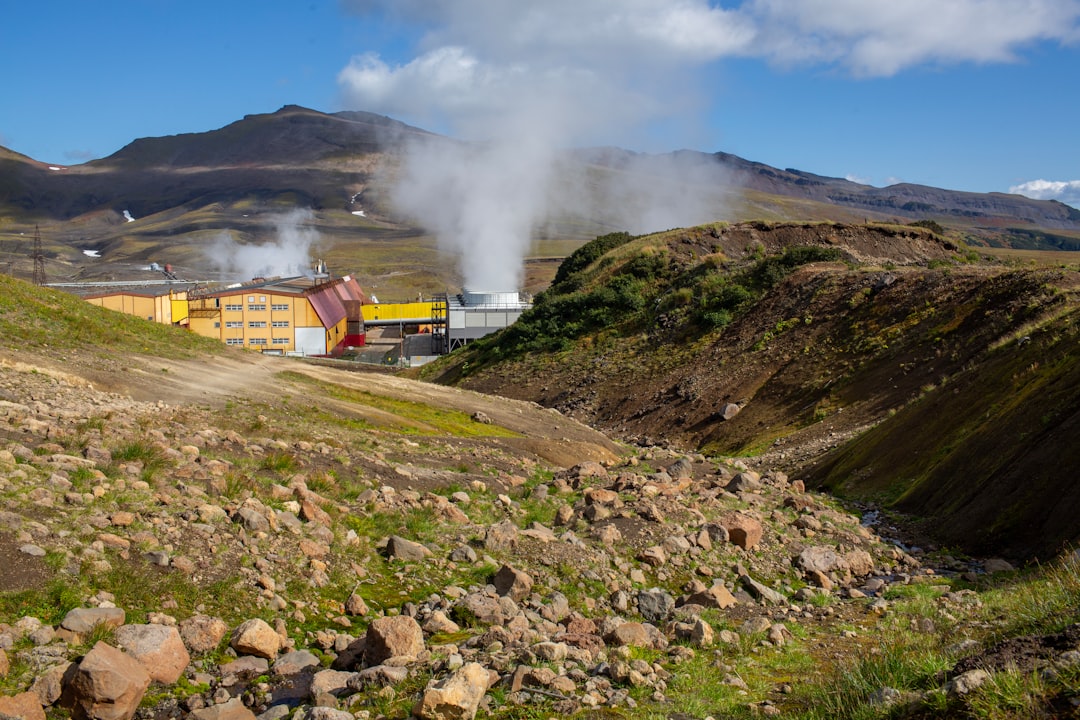


Geothermal power generation companies need a dedicated LinkedIn Ads strategy because deals are long, complex, and decided by a small set of professionals. Use LinkedIn’s precise job and company targeting, then layer tools like Sona to identify anonymous site visitors, score account intent, retarget high‑value utilities and investors, and tie ad spend directly to real projects and capital raised.
Geothermal power generation is capital intensive, highly technical, and heavily regulated. Deals can take years to close and involve utilities, IPPs, industrial energy buyers, financiers, and policymakers. In this environment, mass-market advertising platforms struggle to reach the right professionals at the right time. LinkedIn, however, gives geothermal companies a direct line to the people who actually shape projects, write checks, and approve permits.
Unlike search or display channels that rely on keywords or broad behavioral data, LinkedIn lets you target by job title, seniority, company, and industry. For geothermal developers, technology providers, and investors, that precision is invaluable. It means you can reach utility resource planners in regions with viable geothermal basins, infrastructure funds with renewable mandates, or sustainability leaders at industrial facilities with high thermal loads.
At the same time, geothermal marketing faces a visibility problem. Many high-value prospects research projects quietly. They browse your resource pages, scan your technical briefs, and review your track record, but never fill out a form. That hidden intent is where a tool like Sona becomes critical.
Sona acts as an identity, intent, and attribution layer on top of your existing stack. It deanonymizes high-fit website traffic, scores accounts based on engagement, and syncs that intelligence into your ad platforms. Sona is an AI-powered marketing platform that turns first-party data into revenue through automated attribution, data activation, and workflow orchestration, which is especially valuable in long, complex geothermal sales cycles. When integrated with LinkedIn, Sona helps geothermal businesses:
- Identify real buying committees: Which utilities, industrials, and funds are actually visiting your site and what they read.
- Target with intent: Build audiences around accounts reading drilling case studies or financial modeling content, not just generic “renewables” interests.
- Prove impact: Tie ad spend on LinkedIn to real opportunities and revenue in your CRM, supported by Sona’s blog post Revenue Attribution Importance.
Without that layer, you are essentially guessing which companies are moving from curiosity to active evaluation, and many of your highest value prospects remain invisible.
The Role of LinkedIn in a Geothermal Growth Stack
For geothermal power generation businesses, LinkedIn should sit at the center of your digital go-to-market strategy. Traditional channels still matter:
- Trade shows and conferences create in‑person relationships.
- Trade media and PR build credibility in the energy ecosystem, reinforced by Geothermal Power Trends.
- Direct sales and BD teams drive one‑to‑one dealmaking.
Yet none of these channels offers the scalable, always-on ability to reach specific decision-makers in a professional context that LinkedIn provides.
LinkedIn is particularly powerful in geothermal for several reasons:
- Complex buying committees: Geothermal deals involve resource planners, grid integration teams, ESG officers, and financing partners. LinkedIn lets you reach all of them within the same accounts, using coordinated messaging.
- Policy and regulatory stakeholders: Regulators, multilateral agencies, and climate finance institutions are heavily represented on LinkedIn. You can use targeted campaigns to promote policy briefs, regulatory impact analyses, and geothermal energy policy incentives to exactly these audiences.
- Investor relationships: Institutional investors, infrastructure funds, and DFIs monitor LinkedIn for new deals and insights. Thought leadership campaigns on enhanced geothermal systems or geothermal project financing options can warm up these stakeholders before a capital raise.
Sona fills a critical visibility gap inside that ecosystem. Knowing which businesses browse your site is essential in geothermal. With Sona’s real‑time visitor deanonymization and intent scoring, you can:
- Prioritize LinkedIn spend toward accounts already reading geothermal power cost comparison 2024 content or drilling performance benchmarks.
- Align messaging by lifecycle stage, for example, exploration‑focused creatives for early‑stage developers vs capacity factor and LCOE data for risk‑averse utilities.
- Feed high‑intent company segments back into both LinkedIn Matched Audiences and other platforms, so your geothermal story follows the right stakeholders wherever they go, much like the ABM motions outlined in Sona’s blog post Account-Based Marketing Guide.
How to Set Up Effective LinkedIn Ads for Geothermal Power Generation
An effective LinkedIn program for geothermal power generation is not just about launching ads. It is about integrating LinkedIn into your CRM, analytics, and Sona so that every impression can be tied back to project pipelines and capital flows.
This framework covers:
- Platform setup: Linking Campaign Manager, Insight Tag, and conversion tracking to geothermal‑specific funnels.
- Audience research: Translating your target markets and project priorities into LinkedIn’s professional targeting objects.
- Creative strategy: Explaining complex subsurface technology and financing structures in clear, credible language for investors, engineers, and policymakers.
- Campaign structure: Organising campaigns by funnel stage and business objective, from awareness to investor lead capture.
- Performance and optimization: Using Sona’s account‑level insights to refine targeting, bids, and messaging over time.
The sections below focus on the elements that matter most for geothermal companies and that are most likely to drive SEO value and real‑world results.
Sona Setup Blueprint for Geothermal LinkedIn Campaigns
To make LinkedIn a performance channel for geothermal, you need clean data flows between your website, CRM, Sona, and Campaign Manager.
Start with three core integrations:
- Connect your CRM to Sona:
- Objective: Create a single source of truth for accounts and opportunities.
- How: Sync your investor CRM such as Salesforce or HubSpot with Sona so that opportunity stages, deal sizes, and project types flow into Sona. That allows Sona to correlate LinkedIn behaviors with pipeline outcomes.
- Install the LinkedIn Insight Tag:
- Objective: Track visits, conversions, and retargeting pools.
- How: Place the Insight Tag globally across your geothermal websites, data rooms, and landing pages. Test with LinkedIn’s tag checker and verify that key conversion events, such as “Investor Inquiry Submitted” or “Technical Brief Downloaded,” are firing.
- Configure Sona to sync with LinkedIn:
- Objective: Turn anonymous geothermal interest into targetable audiences.
- How: Set up Sona segments using criteria such as:
- Companies that visited at least 3 pages related to enhanced geothermal systems.
- Accounts that downloaded geothermal project teasers in the last 14 days.
- Investors who repeatedly visit your geothermal project financing options page.
- Sync these segments to LinkedIn as Matched Audiences and keep them updated automatically.
When this setup is in place, you are no longer guessing which accounts are worth targeting. Sona continuously updates LinkedIn audiences as account intent changes, so your campaigns focus on utilities, IPPs, and investors that are actively progressing in their geothermal evaluation. To see how this works in practice for outreach, review Sona’s Playbook Cold Outreach Playbook.
Mapping LinkedIn Ads to the Geothermal Project Lifecycle
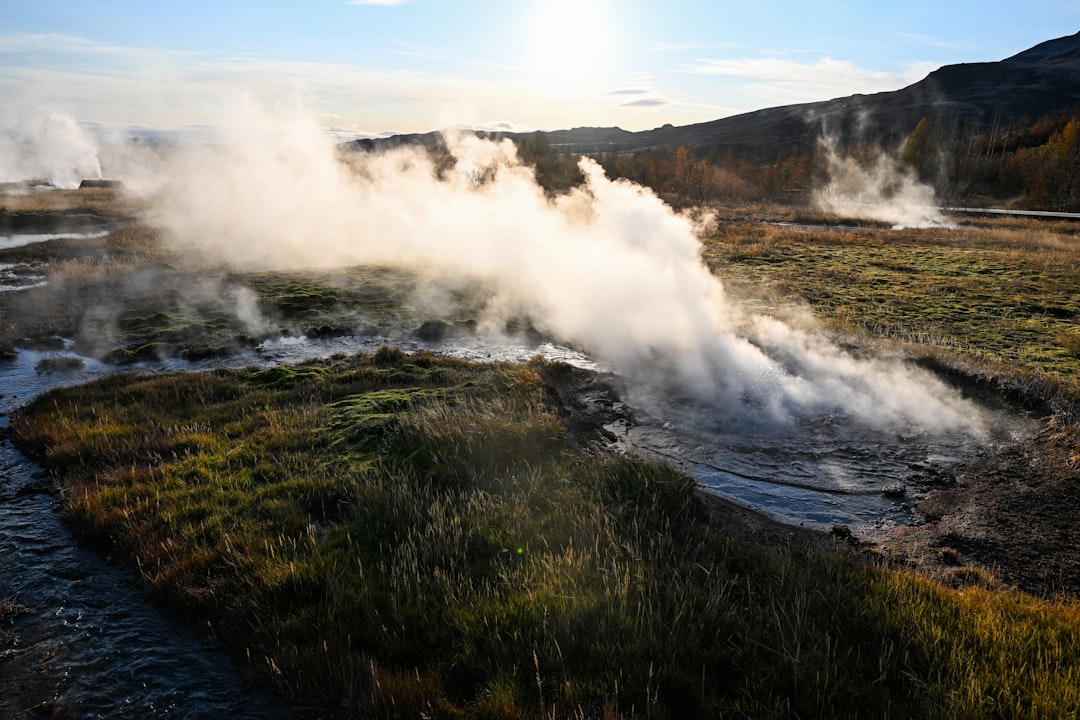
Geothermal project development unfolds over a long and structured lifecycle. Your LinkedIn campaigns should mirror that lifecycle so that messaging is both timely and relevant.
The core stages include:
- Exploration and feasibility: Resource assessment, seismic studies, early modeling, and permitting groundwork.
- Drilling and development: Exploratory wells, production wells, injection wells, and reservoir testing.
- Construction and commissioning: Surface facilities, grid connection, and performance testing.
- Operations, expansion, and hybridization: Long‑term O&M, upgrades, geothermal storage and hybrid systems with solar or wind.
For each stage, design LinkedIn campaigns tailored to the stakeholders and their questions:
- Exploration and feasibility:
- Target: Resource planners, exploration geoscientists, early‑stage investors.
- Content: Educational pieces on subsurface risk mitigation, case studies of exploration success, and geothermal potential in the US and globally, echoing themes in Future of Geothermal Energy.
- Drilling and development:
- Target: Drilling contractors, reservoir engineers, engineering firms, safety and compliance officers.
- Content: Webinars on drilling innovations, EGS technology, casing design improvements, and HSE best practices.
- Construction and commissioning:
- Target: EPC firms, project managers, grid integration teams, regulators.
- Content: Project execution playbooks, construction timelines, grid interconnection case studies, and environmental impact mitigation.
- Operations and hybridization:
- Target: Utility asset managers, IPP portfolio managers, industrial energy buyers.
- Content: Capacity factor data, O&M benchmarks, geothermal storage use cases, and geothermal power cost comparison 2024 vs other renewables.
By aligning campaigns to lifecycle stages, you not only deliver more relevant content but also create clear conversion paths. Sona can then track which lifecycle content each account consumes and feed that behavior back into LinkedIn targeting.
Aligning LinkedIn Campaign Objectives With Geothermal Business Goals
Geothermal companies typically pursue four overarching business goals. Your LinkedIn objectives and KPIs should map directly to these outcomes.
- Raising capital and attracting investors:
- Use Lead Generation and Website Conversions objectives.
- Promote project teasers, data rooms, and financial models.
- Optimize toward metrics like cost per qualified investor lead, data room sign‑ups, and investor meeting bookings.
- Securing offtake and industrial heat users:
- Use Website Visits and Website Conversions objectives.
- Showcase use cases for industrial geothermal heat applications and district heating.
- Focus on conversions such as “Request Technical Meeting” or “RFP Download.”
- Recruiting geothermal workforce and specialists:
- Use Job Applicants and Engagement objectives.
- Highlight geothermal energy workforce opportunities, field roles, and technical leadership positions, supported by Geothermal Energy Jobs data and examples.
- Track application volume, qualified applicant rate, and talent pipeline growth.
- Influencing policymakers and regulators:
- Use Brand Awareness and Engagement objectives.
- Promote geothermal energy policy incentives, environmental assessments, and resilience studies.
- Monitor post engagement, video completion rates, and direct inbound policy inquiries.
When setting up campaigns, avoid mixing these goals in a single objective. Separate investor lead generation from policy advocacy, and keep workforce campaigns in their own structure. This clarity improves budget control and makes attribution significantly easier.
Integrating Sona Data With LinkedIn Targeting
Static audience lists degrade quickly in a dynamic geothermal market. Developers shift focus between basins, investors change mandates, and industrial prospects move from early curiosity to serious evaluation. Relying on quarterly CSV uploads or manual list builds is both slow and error‑prone.
Sona continuously monitors who engages with your geothermal content and feeds that intelligence into your LinkedIn audiences. Practical applications include:
- Dynamic intent segments:
- Accounts reading multiple pages on enhanced geothermal systems or deep geothermal power generation are placed into “High Intent Technology” audiences.
- Utilities comparing geothermal to gas in your LCOE tools are added to “High Intent Utility” segments.
- Fit and stage scoring:
- Sona scores accounts on ICP fit and buying stage such as Hot, Warm, Cold based on behavior.
- “Hot” accounts get retargeted with bottom‑funnel creatives such as investor meetings, project term sheets, or offtake proposal consultations.
- “Cold” accounts stay in light‑touch educational sequences focused on awareness.
- Cross‑platform coordination:
- The same Sona segments can feed LinkedIn, Google Ads, and other channels simultaneously.
- This reduces time spent on manual uploads and keeps your geothermal messaging consistent across platforms.
The result is a geothermal marketing engine where LinkedIn starts to feel more like a dynamic ABM platform, focusing your spend on companies that truly matter. For a concrete framework on using intent for outreach, see Sona’s Playbook Intent Signals Outreach.
Why LinkedIn Ads Matter for Geothermal Power Generation Businesses
LinkedIn stands apart from other digital channels for geothermal because it is built around professional identity. That makes it uniquely suited to reach the people who actually shape geothermal projects and policies.
- Utility executives and grid planners: You can target job titles such as Director of Resource Planning, VP of Generation, or Grid Integration Manager within specific utilities and ISOs.
- IPP leadership: Reach CEOs, COOs, project development heads, and asset managers of IPPs with renewable portfolios.
- Industrial energy buyers: Filter for heads of sustainability, energy managers, and plant managers in heavy industry, data centers, and manufacturing.
- Project finance and investors: Target infrastructure fund partners, investment directors at DFIs, and ESG‑focused institutional investors.
In geothermal, the awareness and education gap is large. Many stakeholders misunderstand geothermal’s risk profile, scalability, and cost competitiveness. LinkedIn becomes the ideal channel for:
- Short educational series: Carousel ads that explain flash steam, binary cycle, and geothermal storage.
- Thought leadership: Articles comparing capacity factors and emissions vs other renewables, backed by Geothermal Energy Insights.
- Myth busting: Video ads that counter common misconceptions about seismic risk or resource depletion.
Because your ads appear alongside respected industry voices and professional updates, the content gains credibility. Over time, that consistent presence can shift how utilities and investors perceive geothermal within their broader energy mix.
Types of LinkedIn Campaigns for Geothermal Success
To build a sustainable geothermal pipeline, you need different campaign types working in concert.
- Top‑of‑funnel awareness and education:
- Sponsored Content to introduce geothermal fundamentals, explain baseload attributes, and highlight policy incentives.
- Video Ads to visualise subsurface systems and bring complex technology to life.
- Mid‑funnel consideration:
- Campaigns promoting case studies from successful geothermal power plants.
- Webinars on enhanced geothermal systems technology, drilling innovations, and risk mitigation.
- Bottom‑funnel conversion:
- Lead Gen Forms targeted at investors, offtakers, and EPC partners ready to engage.
- Website Conversions campaigns driving demo requests, project briefings, or data room access.
- Talent and workforce campaigns:
- Ads promoting geothermal energy workforce opportunities, from field technicians to reservoir engineers and project financiers.
Sona helps orchestrate these multi‑objective campaigns over time. A utility account that starts engaging with your educational content can be automatically promoted into mid‑funnel retargeting audiences. Investors who repeatedly visit financing content can be prioritized for bottom‑funnel outreach, both on LinkedIn and via your sales team. To see how first‑party intent can power these journeys, explore Sona’s Playbook Intent Retargeting Guide.
LinkedIn Ads Account Setup and Foundation for Geothermal
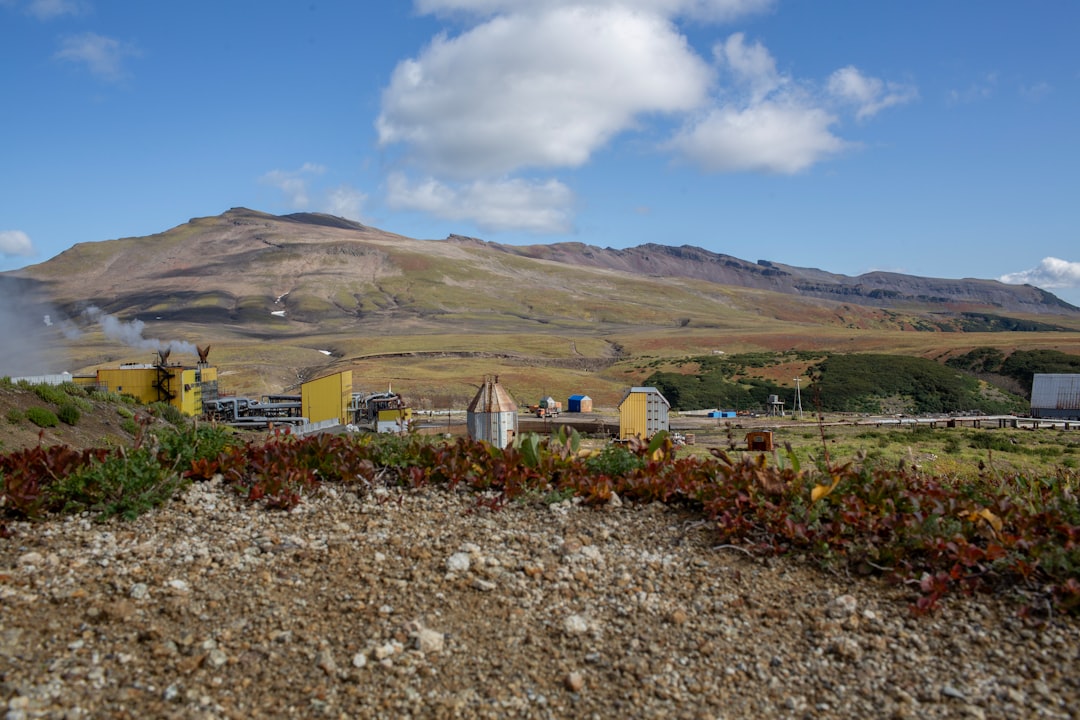
A strong technical foundation ensures that every geothermal interaction on LinkedIn can be measured and optimized.
Campaign Manager Configuration With a Geothermal Lens
Set up your LinkedIn Campaign Manager to reflect how your geothermal business operates:
- Account structure:
- Organise campaigns by objective and region, for example, “EMEA – Investor Leads – Geothermal Projects” or “US West – Utility Awareness – Baseload Geothermal.”
- Use clear naming conventions that include funnel stage, audience, and key asset.
- Team access and roles:
- Give marketing, BD, and investor relations separate user roles.
- Ensure that whoever manages Sona has permission to view conversions and audience performance in Campaign Manager.
Insight Tag and Conversion Tracking for Geothermal Funnels
Deploy conversion events that reflect real progress in geothermal deal cycles. Examples include:
- Investor inquiry submissions for specific projects.
- Downloads of geothermal project teasers or technical data rooms.
- Registration for geothermal technology webinars or policy briefings.
These events should be configured both in LinkedIn and Sona. That way, Sona can tie on‑site behavior and LinkedIn engagement to CRM opportunities and revenue.
CRM, Marketing Stack, and Sona Integration
Geothermal companies often operate across multiple domains, project sites, and investor portals. This fragmentation can hide key insights.
- Integrate your CRM systems with Sona so that account and opportunity data is unified.
- Pass geothermal project attributes into Sona, such as resource type, basin, capacity, and stage.
- Use Sona to create cross‑domain identity for utilities or investors who visit multiple project microsites.
Once this is in place, you can build LinkedIn audiences based on CRM criteria such as “all open utility opportunities over 50 MW in North America” or “infrastructure funds interested in enhanced geothermal systems technology.”
Data Governance and Compliance
Energy and infrastructure audiences are sensitive. You will often target employees of utilities, government bodies, and financial institutions. Make sure your setup respects:
- Regional data privacy regulations, such as GDPR and CCPA.
- Internal policies around contact storage, investor communication, and project disclosure.
- LinkedIn’s own advertising and data usage policies.
Sona and your CRM should be configured to honour consent preferences and retention requirements, particularly for policy and public‑sector stakeholders.
Core Conversion Events Table
Below is an example of how to structure key geothermal conversion events.
| Event Type | Funnel Stage | LinkedIn Objective | Sona Tracking Notes |
| Investor Teaser Download | Mid / Bottom | Lead Generation, Conversions | Track company, role, and project interest; map to investor opportunity stage. |
| Utility Technical Brief Request | Mid | Website Conversions | Attach to utility account, score as Warm if multiple engineers engage. |
| Data Room Access Request | Bottom | Lead Generation | Treat as high intent; trigger Hot score and sales alert. |
| Webinar Registration (EGS / Drilling) | Top / Mid | Event Promotion, Engagement | Create segment for post‑webinar retargeting with case studies. |
| Policy Whitepaper Download | Top | Brand Awareness, Engagement | Group by regulator or government agency; feed into nurture sequences. |
| Job Application for Geothermal Role | Recruitment | Job Applicants | Sync with HR systems; track applicant quality by source. |
Geothermal Audience Research and Targeting Strategy on LinkedIn
Audience strategy is where LinkedIn shines for geothermal. Rather than guessing, you can systematically map job roles, seniority, industries, and geographies to your highest‑value segments.
Defining Core Professional Audiences
Start by clarifying which stakeholders are truly decisive in advancing geothermal projects and capital:
- Utility and grid operator personas: Resource planners, capacity expansion managers, grid integration engineers.
- Industrial energy and sustainability buyers: Heads of sustainability, plant managers, chief engineers at heavy industry, food processing, data centers, and district heating operators.
- Project finance and infrastructure funds: Investment directors, partners, and ESG officers focused on clean energy.
- Drilling and engineering firms: Senior engineers, operations managers, and business development leads at drilling contractors and EPCs.
- Policy and regulatory stakeholders: Energy regulators, ministry officials, staff at multilaterals and climate finance institutions.
For each audience, define:
- Preferred job titles and functions.
- Seniority levels such as C‑suite vs director vs manager.
- Company size bands appropriate for your typical deal scale.
- Priority geographies with high geothermal potential.
Layer in professional interests and groups, such as “renewable energy,” “geothermal energy,” or relevant industry associations to tighten your targeting, leveraging Geothermal Energy Growth trends as a reference for where interest is rising.
Advanced LinkedIn Targeting Techniques for Geothermal
In practice, most geothermal campaigns benefit from a mix of:
- Precision job title targeting for narrow high‑value roles like Director of Resource Planning at utilities.
- Skills and interests targeting for broader educational campaigns around geothermal energy, clean energy generation, and earth’s natural heat energy.
- Matched Audiences based on CRM lists, Sona-identified website visitors, trade show attendees, or webinar registrants.
- Lookalike Audiences built from your best existing utility and investor accounts to expand reach without losing relevance.
As a rule of thumb:
- Use Matched Audiences and account lists for ABM and late‑funnel conversion campaigns.
- Use Lookalike and interest‑based audiences for awareness and early education.
- Overlay filters like company size and geography to ensure practical deal fit.
ABM Strategy for Priority Geothermal Markets
Account-based marketing is especially valuable in geothermal, where the number of viable buyers is relatively small but deal sizes are large. Steps to operationalise ABM on LinkedIn:
- Identify flagship target accounts: Key utilities, IPPs, and industrials in geothermal‑rich regions.
- Upload company lists into LinkedIn and sync target accounts from Sona.
- Layer job titles and seniority within those accounts to build buying committee audiences.
- Align creative to account context, such as “geothermal potential in the US Pacific Northwest” for regional utilities.
- Use Sona to monitor which accounts actually engage with your content, then deepen outreach for high‑intent groups.
Audience Recipes Table
Here is a simplified example of targeting recipes for core geothermal use cases.
| Use Case | Job Titles / Functions | Industries | Seniority | Geography | Sona Notes |
| Utility Baseload Power Adoption | Director Resource Planning, VP Generation, Grid Engineer | Electric Utilities, ISOs | Director, VP, CXO | Regions with proven geothermal resources | Prioritize accounts visiting capacity factor and LCOE pages. |
| Industrial Heat Applications | Head of Sustainability, Plant Manager, Chief Engineer | Food & Beverage, Chemicals, Data Centers, Manufacturing | Manager, Director, VP | High energy‑cost industrial clusters | Score higher when multiple users from same plant engage. |
| Infrastructure Fund Investor Outreach | Investment Director, Partner, ESG Officer | Investment Management, Infrastructure Funds | Director, VP, CXO | Global financial centers | Tag interests in renewable energy investment and track data room access. |
| Drilling and Engineering Partnerships | Operations Manager, Senior Drilling Engineer, BD Manager | Oil & Gas, Drilling, Engineering Services | Manager, Director | Regions with drilling activity | Identify firms repeatedly reading drilling and EGS content. |
| Policy and Regulatory Influence | Energy Regulator, Policy Advisor, Climate Finance Specialist | Government, Multilaterals, NGOs | Manager, Director | Countries with geothermal policy reviews | Nurture with policy briefs and capacity building program invites. |
Creative Strategy for Geothermal LinkedIn Ads
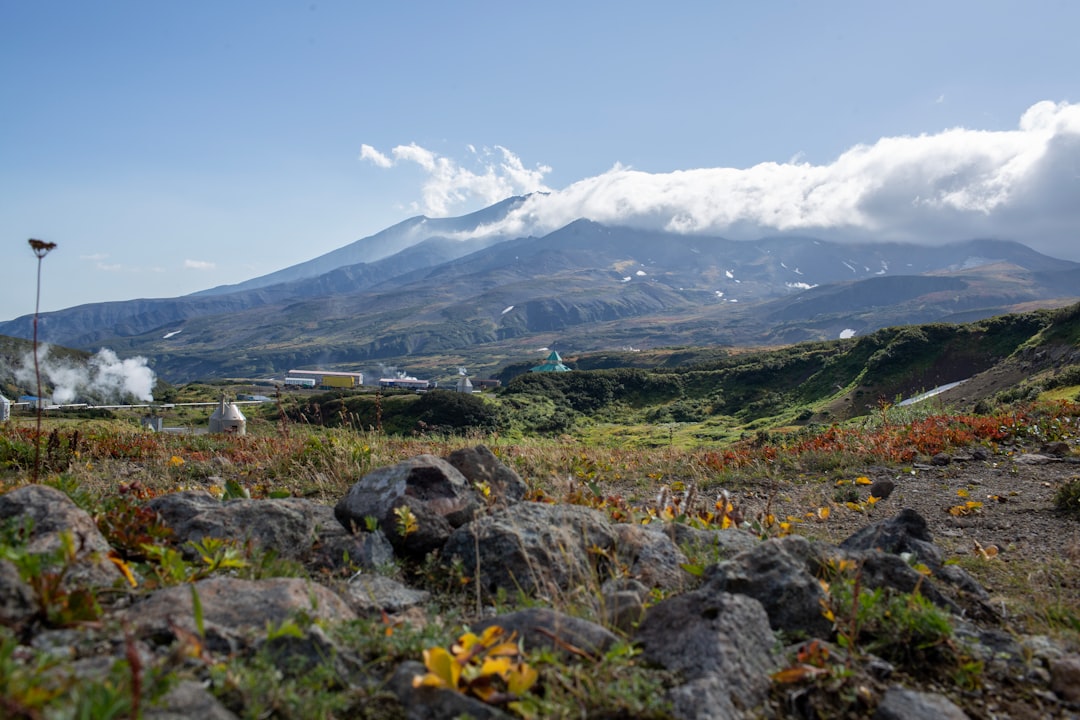
Geothermal technology is complex and often invisible. Your creative strategy must make subsurface processes tangible and credible without overwhelming non‑technical stakeholders.
Visual Framework: Making Subsurface Tech Tangible
Consider a mix of:
- Facility shots of geothermal power plants, injection wells, and control rooms to anchor the technology in reality.
- Diagrams illustrating dry steam, flash steam, binary cycle, and geothermal storage and hybrid systems, simplified for executives but still accurate.
- Data visuals that show capacity factors, levelized cost of energy, and geothermal power cost comparison 2024 vs wind, solar, and gas.
For investors and policymakers, combine visuals of real projects with overlays summarizing MW capacity, capacity factors, and emissions reductions. For engineers, show more detailed schematics and drilling performance charts.
Crafting Clear Ad Copy
Copy should address a single compelling promise or pain point for each persona:
- Executives and investors: Emphasise risk‑adjusted returns, baseload reliability, and long asset lives. Use headlines like “Baseload renewable power with 90+ percent capacity factor” or “Unlock 30‑year cash flows with geothermal in high‑potential basins.”
- Engineers and technical staff: Focus on drilling cost reductions, EGS breakthroughs, and reservoir performance. Use benchmarks and case studies, not generic sustainability language.
- Policymakers: Highlight grid resilience, local job creation, and alignment with climate targets.
Match the format to the buyer journey:
- Single Image and Carousel Ads: Great for technical comparisons, process illustrations, and stepwise project narratives.
- Video Ads: Ideal for explaining enhanced geothermal systems or showcasing project site tours.
- Lead Gen Forms: Use when your offer is tightly aligned with a specific intent, such as “Request geothermal project financing options overview.”
Creative Angles Table
Use this as a reference when matching buyer questions to creative choices.
| Buyer Question | Funnel Stage | Recommended Ad Type | Messaging Angle | Suggested Asset |
| How reliable is geothermal compared to wind or solar? | Awareness | Video, Single Image | Baseload reliability and capacity factor proof | Short explainer video, LCOE infographic |
| What does a modern geothermal plant look like? | Awareness | Carousel, Video | Visual tour of facility and key components | Carousel of plant photos with captions |
| How do you manage drilling risk and cost? | Consideration | Carousel, Document Ad | Drilling innovations and risk‑sharing structures | Technical brief or drilling case study |
| What are the real project economics? | Consideration / Decision | Lead Gen, Single Image | Transparent LCOE, financing structures, incentives | Project teaser with financial highlights |
| How will this support our policy or ESG goals? | Awareness / Consideration | Single Image, Video | Emissions reductions, resilience, local benefits | Policy whitepaper or ESG impact summary |
Campaign Structure and Budget Strategy for Geothermal Deals

Geothermal LinkedIn campaigns work best when you structure them around the deal cycle and focus budgets on high‑value audiences identified by Sona.
Structuring Campaigns Around the Deal Cycle
Organise campaigns by funnel stage:
- Awareness:
- Objective: Brand Awareness or Video Views.
- Audiences: Broad but relevant, such as utilities and industrials in target regions.
- Content: Educational explainer videos, geothermal potential in the US and globally.
- Consideration:
- Objective: Website Visits or Engagement.
- Audiences: Those who watched awareness videos or visited educational pages.
- Content: Case studies, drilling and EGS webinars, geothermal energy development guides.
- Decision:
- Objective: Lead Generation or Website Conversions.
- Audiences: High‑intent Matched Audiences from Sona such as Hot or Warm accounts and CRM opportunities.
- Content: Project briefings, financing options, offtake consultation offers.
Budget Allocation and Sona‑Driven Prioritization
In a typical 6‑month geothermal LinkedIn program, you might allocate:
- Around 40 percent of budget to lead generation and conversions for investor and offtaker pipelines.
- Around 30 percent to awareness and education, especially in new regions or policy contexts.
- Around 20 percent to retargeting of high‑intent accounts and mid‑funnel nurturing.
- Around 10 percent to testing new creative angles, audiences, or formats.
Use Sona’s account scoring to adjust this split in real time. If many Hot accounts emerge among utilities in a specific region, increase spend on decision‑stage campaigns targeting that segment, while pausing lower‑performing awareness efforts.
Example Budget Split Table
| Objective | Budget Share | Key KPIs | Sona Optimization Levers |
| Investor and Offtaker Lead Gen | 40% | Cost per qualified lead, data room signups | Prioritise Hot investor accounts, adjust bids by intent score. |
| Awareness and Education | 30% | Reach, video completion, CTR | Expand or narrow audiences based on quality of engaged accounts. |
| Retargeting High‑Intent Accounts | 20% | Conversion rate, opportunity creation | Sync Warm and Hot segments, rotate creatives by lifecycle stage. |
| Testing New Audiences and Creatives | 10% | CTR, early conversion indicators | Trial new basins, industries, or creative themes, then promote winners. |
Landing Page Optimization for Geothermal LinkedIn Traffic
Even the best LinkedIn campaigns fail if your landing pages cannot convert high‑stakes geothermal visitors. Landing experiences should feel like a natural continuation of the ad and respect the professional context of your audience.
Message Match and Professional UX
- Align headlines with your ad’s professional promise. If an ad promotes geothermal project financing options, the landing page should lead with a concise summary of financing structures and eligibility, not a generic “About Us” overview.
- Optimise for mobile, since many LinkedIn users browse via the app, including investors and executives on the move. Keep forms short, pages fast, and key value propositions above the fold.
Conversion Strategy for High‑Value Leads
Geothermal leads are not commodity clicks. Design forms and workflows to balance friction with qualification:
- For investors, ask for firm type, AUM band, and role in addition to basic contact info.
- For utilities and industrial buyers, request company, job title, region, and approximate capacity needs or heat demand.
- For policymakers, keep forms lighter and focus on newsletter or briefing subscriptions, then nurture further.
Sona should track all meaningful on‑page events: scroll depth on technical documentation, time spent on LCOE calculators, and repeat visits by the same account. This behavioral data refines future LinkedIn targeting and informs sales outreach.
Landing Page Templates Table
| Audience Type | Primary Goal | Must‑Have Sections | Recommended Assets | Sona Tracking Events |
| Investors and Funds | Evaluate project economics and risk | Project overview, financials, risk mitigation, team | Project teaser PDF, ROI model highlights | Teaser downloads, data room requests, repeat visits |
| Utilities and IPPs | Assess feasibility and reliability | Technology summary, grid integration, capacity factor | Technical briefs, case studies | Brief downloads, meeting requests, time on LCOE content |
| Industrial Heat Buyers | Understand industrial heat use cases | Process integration, cost savings, reliability | Use case one‑pagers, ROI calculators | ROI calc usage, contact form submissions |
| Policymakers | Inform policy and regulatory stance | Emissions reductions, resilience, local development | Policy whitepapers, impact summaries | Whitepaper downloads, event registrations |
| Talent and Workforce | Explore geothermal career paths | Role descriptions, culture, mission, benefits | Employee stories, site visit photos | Application starts and completions, job alert sign‑ups |
Performance Tracking and Analytics Setup for Geothermal Campaigns
To sustain investment in LinkedIn Ads, geothermal teams must clearly demonstrate their impact on project pipelines and capital flows. That requires a disciplined KPI framework and attribution model.
Defining KPIs for Geothermal on LinkedIn
Key performance indicators should align directly with your core objectives:
- Cost per qualified investor lead and downstream metrics like meetings scheduled or term sheets issued.
- Number and quality of utility or industrial inquiries, segmented by capacity or heat demand.
- Policy stakeholder engagement, such as whitepaper downloads and event participation.
- Recruitment metrics, including qualified applications for critical geothermal roles.
Leading indicators like CTR, video completion rates, and form completion rates help you decide when to scale or pause campaigns. Use LinkedIn’s demographic reporting to monitor which job titles, geographies, and company sizes are responding, then feed those learnings into both targeting refinements and content strategy.
Attribution Models for Long Geothermal Cycles
Geothermal projects move slowly from concept to commissioning, often over several years. A single click will not “win” a deal. Instead, configure:
- Multi‑touch attribution, where LinkedIn interactions earn partial credit alongside conferences, email, and direct sales outreach.
- Sona‑driven attribution, where revenue is mapped back to high‑intent signals, such as multiple visits to enhanced geothermal systems pages by a utility account that later signs an offtake agreement.
Share these insights across marketing, sales, and executive teams via regular reporting cadences: weekly tactical reviews, monthly optimization sessions, and quarterly board‑level summaries.
KPI Framework Table
| Funnel Stage | Stakeholder Segment | Primary KPI | Secondary KPI | Data Source |
| Awareness | Utilities and IPPs | Reach within target accounts | Video views, CTR | LinkedIn Campaign Manager |
| Consideration | Investors and Funds | Webinar registrations, brief downloads | Time on page, follow‑up meeting requests | LinkedIn, Sona, Web Analytics, CRM |
| Decision | Utilities and Industrial Heat | Qualified inquiry volume and quality | Opportunity creation rate | CRM, Sona |
| Policy | Regulators and Multilaterals | Whitepaper downloads, event attendance | Repeat site visits, newsletter sign‑ups | LinkedIn, Sona, Email Platform |
| Recruitment | Technical and Field Talent | Qualified applications per role | Time‑to‑hire, application completion rate | LinkedIn, ATS, HRIS |
Optimization Strategies and Best Practices for Geothermal LinkedIn Ads
Once your system is running, the real gains come from ongoing optimization grounded in Sona data and sales feedback.
- Creative and messaging tests: Regularly compare tech‑deep narratives vs executive‑level summaries. Test whether financial value propositions or environmental benefits resonate more strongly in different regions and segments.
- Audience refinement: Use Sona to identify which industries, geographies, or company sizes overperform, then allocate more budget there. Likewise, exclude consistently low‑value segments.
- Bid and budget adjustments: Increase bids and budgets for campaigns targeting Hot investor or utility accounts, while reducing spend on broad audiences with weak downstream performance.
- Nurturing warm leads: Design sequenced retargeting campaigns that move engaged accounts from education to evidence to engagement, such as inviting them to a deep‑dive project briefing after they have consumed multiple case studies.
By integrating LinkedIn’s unique professional targeting with Sona’s account‑level intent and attribution, geothermal power generation businesses can transform LinkedIn from a simple awareness channel into a measurable growth engine that supports investor visibility, project pipelines, and policy influence. For teams ready to operationalize this, visiting Sona at sona.com or requesting a Sona demo is a practical next step.
Conclusion
Marketing automation is revolutionizing geothermal power generation by enabling marketing managers and sales leaders to generate high-quality leads, enhance customer engagement, and streamline complex sales cycles. For geothermal companies across regions like the Western United States and East Africa, where project scale and stakeholder coordination are critical, automation delivers precise insights into prospect behavior and campaign performance—turning every interaction into a strategic opportunity.
Imagine knowing exactly which outreach efforts drive qualified project inquiries and being able to nurture those leads automatically with personalized content tailored to their interests. With Sona.com, you gain intelligent lead scoring, automated nurture sequences, seamless CRM integration, and real-time campaign optimization—empowering your team to focus on closing deals and expanding your geothermal footprint.
Start your free trial with Sona.com today and transform your geothermal marketing efforts into a powerful, data-driven engine for growth and sustainable success.
FAQ
What is geothermal power generation and why is it capital intensive?
Geothermal power generation harnesses Earth's natural heat to produce electricity. It is capital intensive due to complex technology, regulatory requirements, and long sales cycles involving multiple stakeholders.
How can LinkedIn Ads support geothermal power generation businesses?
LinkedIn Ads enable precise targeting of professionals like utility planners, investors, and policymakers involved in geothermal projects. This targeted approach helps reach decision-makers effectively throughout the project lifecycle.
What role does Sona play in geothermal power generation marketing?
Sona enhances geothermal marketing by identifying high-intent website visitors, scoring accounts based on engagement, and syncing data with LinkedIn. This improves targeting accuracy and links ad spend to real revenue opportunities.
How should LinkedIn campaigns be structured for geothermal power generation?
Campaigns should align with the geothermal project lifecycle stages: exploration, drilling, construction, and operations. Tailoring content and targeting for each stage increases relevance and conversion rates.
What are effective audience targeting strategies for geothermal power generation on LinkedIn?
Target utility resource planners, industrial energy buyers, investors, drilling firms, and policymakers using job titles, seniority, industries, and geographies. Use matched audiences and intent data from platforms like Sona for precision.
How can geothermal companies measure the impact of LinkedIn Ads?
By integrating LinkedIn Campaign Manager with CRM and Sona, companies track key KPIs such as qualified investor leads, utility inquiries, policy engagement, and recruitment metrics, enabling multi-touch attribution over long project cycles.
What creative approaches work best for geothermal power generation LinkedIn ads?
Use visuals like facility photos, diagrams, and data charts to explain complex geothermal technology. Tailor ad copy to buyer personas focusing on reliability, cost, innovation, or policy benefits depending on the audience and funnel stage.
Why is LinkedIn preferred over mass-market advertising for geothermal power generation?
LinkedIn offers professional identity-based targeting, allowing geothermal marketers to reach specific roles and companies involved in project decisions, unlike broad keyword-based platforms that lack precision.
Key Takeaways
- Leverage LinkedIn Targeting Use LinkedIn's precise professional targeting to reach key stakeholders like utility planners, investors, and policymakers critical to geothermal power generation projects.
- Integrate Sona for Intent Data Implement Sona to identify high-value anonymous website visitors, create dynamic audience segments, and sync data with LinkedIn for optimized ad targeting and attribution.
- Align Campaigns to Project Lifecycle Structure LinkedIn campaigns around geothermal development stages from exploration to operations, tailoring content and messaging to stakeholder needs at each phase.
- Set Clear Objectives Separate LinkedIn campaigns by business goals such as capital raising, offtake securing, workforce recruiting, and policy influence to improve budget control and performance tracking.
- Optimize With Data and CRM Integration Connect your CRM, LinkedIn Campaign Manager, and Sona to track conversions, refine audiences by engagement and intent, and demonstrate measurable impact in regions like North America and EMEA.