Supercharge your lead generation with a FREE Google Ads audit - no strings attached! See how you can generate more and higher quality leads
Get My Free Google Ads AuditFree consultation

No commitment
Supercharge your lead generation with a FREE LinkedIn Ads audit - no strings attached! See how you can generate more and higher quality leads
Get My Free Google Ads AuditFree consultation
No commitment
Supercharge your lead generation with a FREE Meta Ads audit - no strings attached! See how you can generate more and higher quality leads
Get My Free Google Ads AuditGet My Free LinkedIn Ads AuditGet My Free Meta Ads AuditFree consultation
No commitment

"Really, really impressed with how we're able to get this amazing data ...and action it based upon what that person did is just really incredible."


"The Sona Revenue Growth Platform has been instrumental in the growth of Collective. The dashboard is our source of truth for CAC and is a key tool in helping us plan our marketing strategy."


"The Sona Revenue Growth Platform has been fantastic. With advanced attribution, we’ve been able to better understand our lead source data which has subsequently allowed us to make smarter marketing decisions."


Supercharge your lead generation with a FREE Google Ads audit - no strings attached! See how you can generate more and higher quality leads
Get My Free Google Ads AuditFree consultation
No commitment
LinkedIn Ads matter for accommodation and hospitality because they reach real business decision makers instead of anonymous travelers. Hotels and serviced apartments can target travel managers, event planners, HR, and investors by job title and company, then use tools like Sona to focus spend on companies already showing strong interest in meetings, events, or long stays.
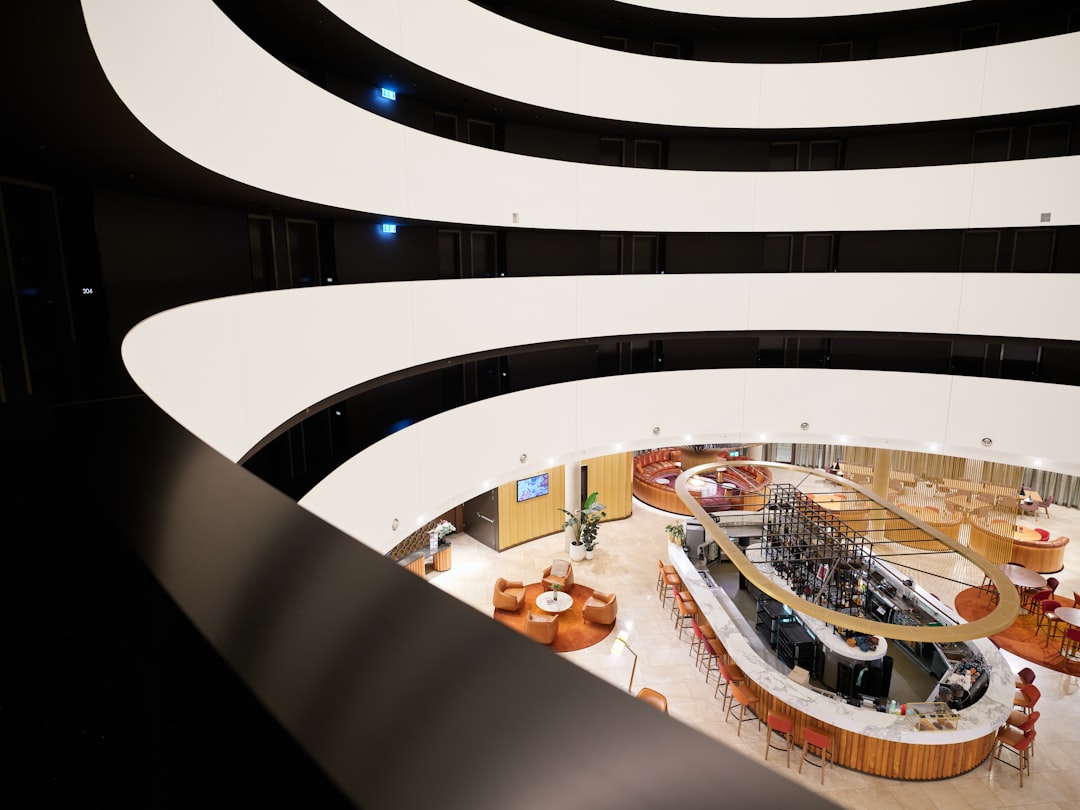
In the accommodation and hospitality sector, most marketing investment still gravitates toward OTAs, metasearch, consumer social, and search. These channels are powerful for filling transient demand, but they are not built for winning corporate contracts, long stay agreements, or high value events. LinkedIn is different. It focuses on professional identity and business context, which makes it uniquely suited to B2B hospitality outcomes. A report from Travel Media Group shows how hotels can tap LinkedIn specifically for business travel and group demand.
LinkedIn Ads allow hotel groups, serviced apartments, extended stay brands, and resorts to reach travel managers, event planners, HR teams, and property investors while they are in a work mindset. Instead of guessing who is behind an RFP or an anonymous booking engine session, you can target real decision makers by job title, company, seniority, and industry, then measure the impact on meetings, incentives, conferences, and events (MICE), corporate contracts, and relocation agreements.
This is where Sona adds another layer of value. Sona is an AI powered marketing platform that turns first party data into revenue through automated attribution, data activation, and workflow orchestration. Generic website analytics do not cut it in hospitality; you need account level granularity. Sona surfaces companies that visit your meetings, corporate, or long stay pages, scores their intent, and then syncs those accounts into LinkedIn and other ad platforms. That way your LinkedIn spend focuses on companies already showing buying signals, not just broad demographics. You can see how this works in practice in Sona’s blog post Account Identification Guide.
Hospitality deals are rarely driven by a single individual. A corporate travel contract might involve procurement, HR, travel managers, and finance. A large conference could involve an events agency, the client’s marketing team, and internal stakeholders. LinkedIn is the only advertising platform where you can reliably assemble those buying committees before and during your outreach. Industry guides on hotel LinkedIn marketing reinforce how important it is to reach these roles in a professional context.
Key stakeholder groups you can reach effectively include:
Failure to identify and reach these stakeholders results in slow sales cycles, misaligned outreach, and lost RFPs. LinkedIn gives you the tools to target them precisely, while Sona helps you understand which companies are already engaging with your properties so you can sequence outreach intelligently.
Other digital platforms rely heavily on inferred interests and cookies. LinkedIn is built on verified professional data, which is especially useful in hospitality where roles, seniority, and company size strongly influence deal value. Many hotel teams now pair this with LinkedIn strategies for hospitality to refine outreach.
Some of the most impactful targeting options for accommodation and hospitality brands include:
When you combine LinkedIn’s data with Sona, you move from static lists to dynamic targeting. Static lists get stale quickly in hospitality where staff turnover is high and buying intent shifts with budgets and seasonality. Sona automatically updates account audiences as visitors’ intent changes, so your LinkedIn campaigns always target the freshest, highest intent accounts without manual list maintenance. To go deeper into this kind of dynamic segmentation, see Sona’s Playbook Buying Stage Segmentation.
LinkedIn does not replace trade shows, hospitality publications, metasearch, or your direct digital channels. Instead it fills a professional targeting gap that those channels cannot address.
Used together, these channels create a full funnel B2B hospitality engine. LinkedIn Ads serve as the professional glue between offline events, direct sales, and consumer focused digital efforts. For a broader perspective on measuring marketing’s role across channels, Sona’s blog post Pipeline Influence Guide offers a helpful framework.
Below is a simplified view of where LinkedIn fits compared to Google Ads and metasearch when your objective is B2B hospitality growth.
| Use case | Platform | Typical intent | Targeting precision | Data depth | Cost predictability | Strength for B2B hospitality |
| Corporate contracts | LinkedIn Ads | Early to mid funnel, research | Very high: title, company, seniority | Strong account and role level signals | Moderate to high CPL | Excellent for reaching buying committees |
| Corporate contracts | Google Ads | Mid to late funnel, active search | High: keyword and query intent | Strong keyword, weak firmographic | More variable CPC | Good for in market RFP and rate searches |
| Corporate contracts | Metasearch | Consumer booking intent | Low: property based | Booking data but limited B2B context | Predictable CPC/CPA | Weak for B2B, focused on transient demand |
| Events and conferences | LinkedIn Ads | Research and planning | Very high with event roles and industries | Strong engagement and company insights | Higher CPL, high value | Ideal for planners and agencies |
| Long stay and relocation | LinkedIn Ads | HR and mobility evaluation | High with HR, mobility, and finance roles | Good job and company data | Moderate CPL | Strong for relocation and project housing |
| Brand awareness | LinkedIn Ads | Professional content consumption | High with broad industry filters | Good engagement metrics | Flexible | Strong for B2B brand building |
| Recruitment | LinkedIn Ads | Active and passive job seeking | Very high, recruitment focused | Excellent talent insights | Varies by market | Best in class for hospitality hiring |
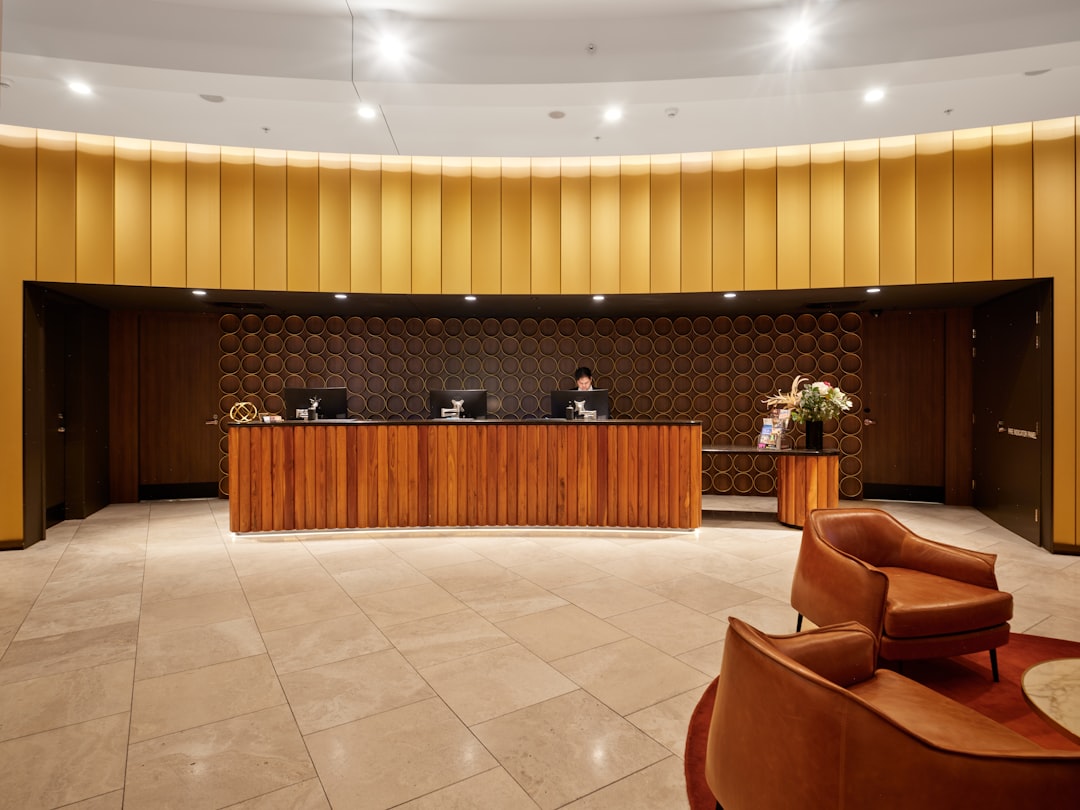
To turn LinkedIn into a predictable source of corporate enquiries, you need a structured framework that connects targeting, creative, measurement, and sales outcomes. The most successful hotel and accommodation teams treat LinkedIn as a long term B2B system rather than a one off campaign channel.
Sona’s role in this framework is to plug account intent into every step. If your hospitality brand spans multiple websites, brands, or CRMs, data quickly becomes fragmented. Sona consolidates visitor signals across domains and systems, feeds a single source of truth into LinkedIn and other ad platforms, and tracks accounts from anonymous visit to closed won contract. Revenue leaders looking to systematize this can borrow from Sona’s blog post Revenue Operations Guide.
A robust setup usually follows these stages:
The main pain point this framework solves is fragmented data. In many multi brand hospitality groups, one team manages the brand site, another owns the booking engine, a third runs the events microsite, and the CRM sits somewhere else entirely. Without a unified account view, marketing cannot prioritise spend, and sales cannot see which companies are warming up digitally before they appear in the pipeline.
Accommodation brands increasingly use QR codes at events, property tours, and site inspections alongside LinkedIn campaigns. Here is how to align both. Hotels that already invest in LinkedIn as a corporate channel can draw inspiration from innovative hotel ads to shape their creative.
Start by reviewing your current digital estate:
Once you know what exists, ensure reliable tracking:
Next, define how your portfolio translates into LinkedIn audiences:
QR codes extend this framework into the physical world:
With tracking and segmentation in place:
Finally, close the loop:
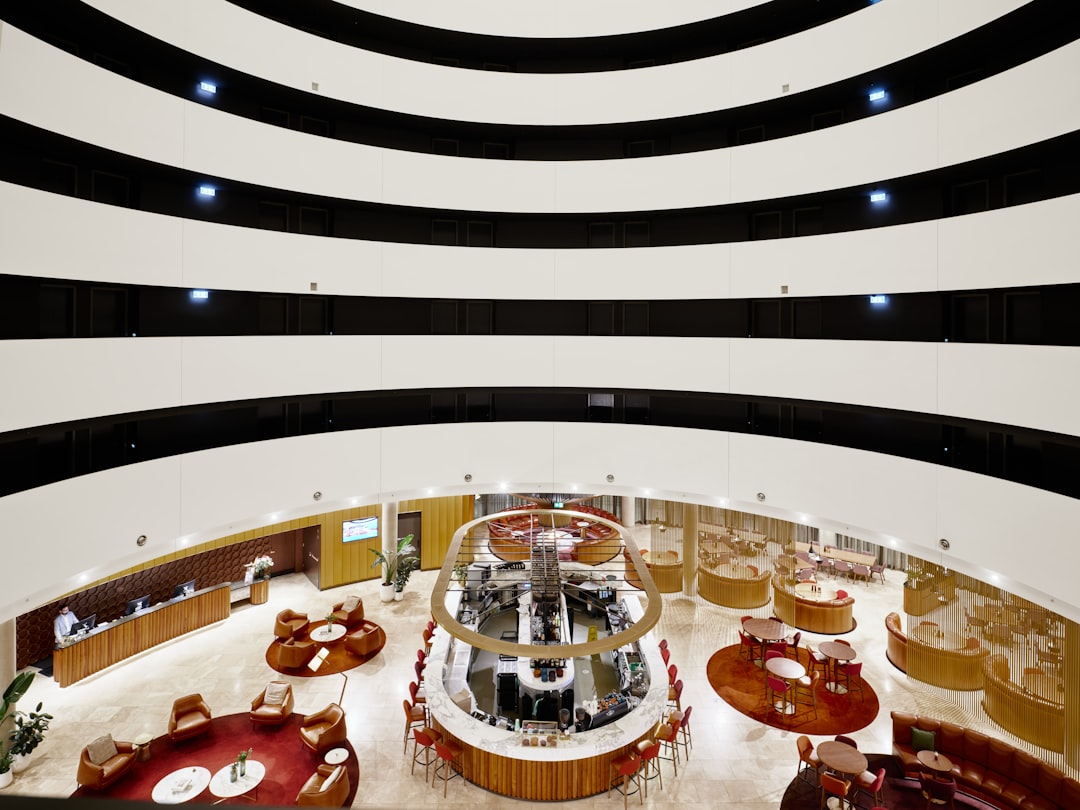
Powerful hospitality LinkedIn campaigns start with a deep understanding of who actually makes or influences buying decisions. In B2C channels you largely target demographics and interests. On LinkedIn you can construct precise professional personas.
Focus your energy on the professional roles that directly influence business travel, events, and long stay decisions.
Use LinkedIn’s demographic reporting to confirm that impressions and clicks are actually coming from these roles and seniority levels. If you see heavy engagement from unrelated functions, tighten your targeting before scaling.
Hospitality demand patterns vary dramatically between city business hotels, resorts, serviced apartments, and extended stay products. Your targeting should respect these differences.
Segment campaigns by region, city cluster, or drive/fly markets rather than running a single global campaign, especially if your product mix changes by region.
Beyond basic job title and industry, several advanced techniques help you reach more qualified audiences.
The key decision is when to use matched audiences versus lookalikes. Matched audiences work best for retention, upsell, and ABM, where you already know the accounts. Lookalikes are powerful for discovering new companies that resemble your best corporate clients.
Account based marketing fits hospitality naturally. Most corporate revenues concentrate in a relatively small number of accounts. LinkedIn and Sona together make ABM practical at scale. For a more detailed ABM overview, Sona’s blog post ABM Essential Guide is a useful companion.
ABM campaigns should be separate from broad prospecting. This allows clearer budget control, tailored messaging, and easier ROI analysis at the account level.
Even the best planned audience strategy requires testing and refinement.
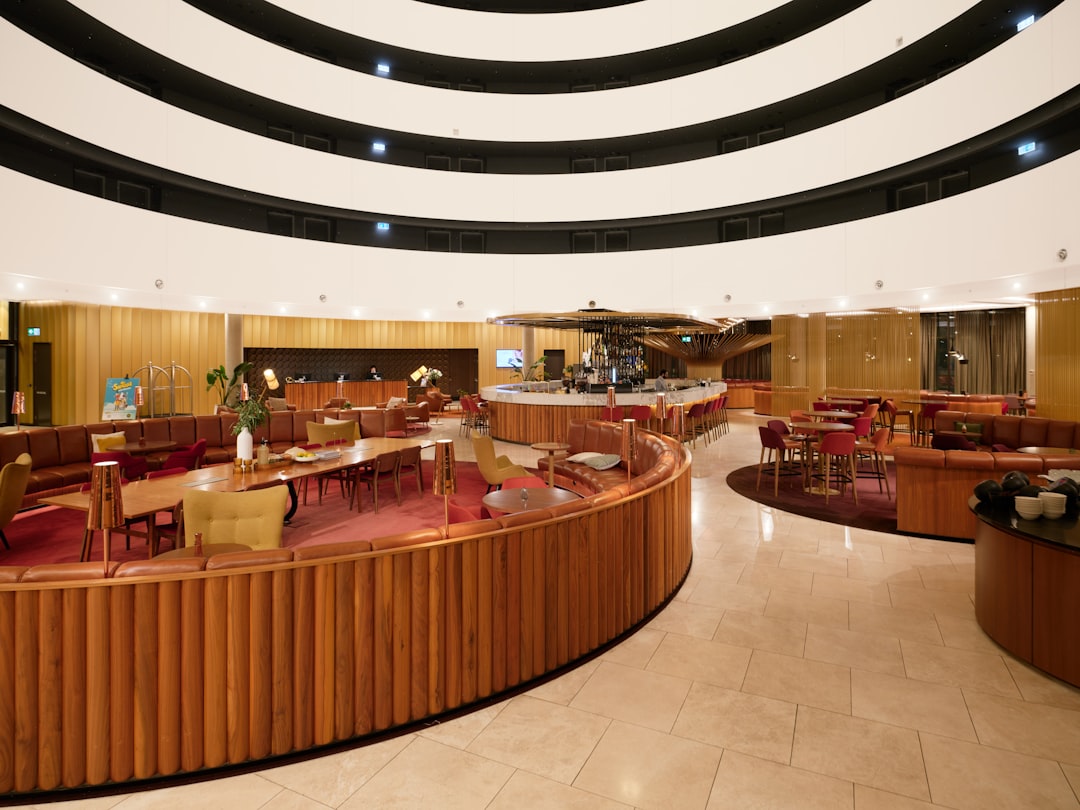
Once targeting is defined, you need to align campaign objectives and formats with your hospitality outcomes. LinkedIn offers multiple objective types that map well to the hospitality B2B funnel.
The most common objectives for accommodation and hospitality brands include:
For each objective, set clear KPIs: for example, cost per RFP, number of qualified enquiries per month, or video completion rate for MICE showcase videos.
Different LinkedIn ad formats lend themselves to different hospitality stories.
Match your ad formats to the stage of the funnel. Use video and single image for awareness, carousels and website visits for consideration, and Lead Gen Forms and Conversation Ads for conversion.
The table below outlines how common hospitality objectives align with LinkedIn campaign types and data inputs.
| Objective | Recommended formats | Example offer | Example CTA | Useful Sona data signals |
| Raise MICE awareness | Video, single image | “Explore our new waterfront conference center” | “Watch the venue tour” | Accounts visiting meetings and events pages |
| Generate event RFPs | Lead Gen Forms, carousel, website conversion | “Q4 conference packages with flexible terms” | “Request a proposal” | High intent accounts engaging with capacity content |
| Grow corporate travel contracts | Single image, Conversation Ads | “Corporate rates with last room availability” | “Talk to our sales team” | Accounts with repeated visits to corporate travel pages |
| Drive long stay enquiries | Single image, carousel, Lead Gen Forms | “Relocation stays from 30+ nights” | “Enquire about long stays” | Accounts showing extended stay or relocation intent |
| Promote multi property agreements | ABM campaigns, dynamic ads | “Portfolio solutions across 30+ cities” | “Schedule a portfolio review” | Accounts with cross property browsing patterns |
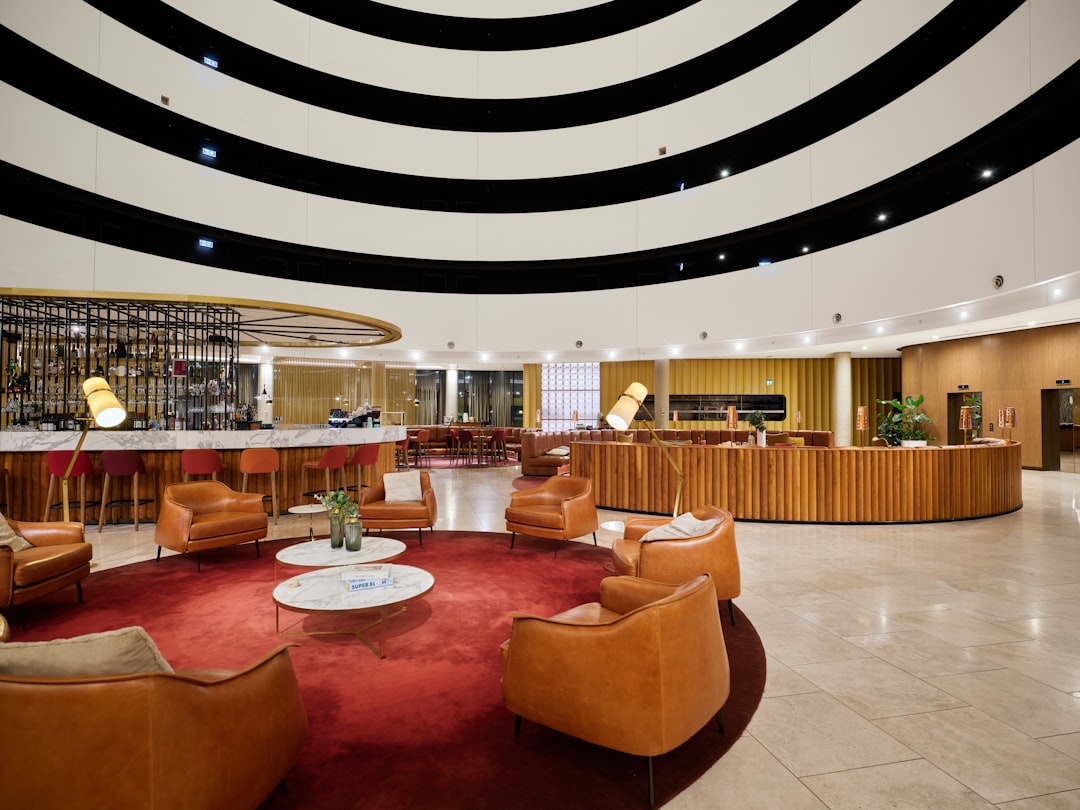
Targeting and structure set the stage, but creative ultimately earns attention and drives action. In hospitality, visuals, proof, and clarity about logistics matter as much as price.
Hospitality is inherently visual, which gives you an advantage on LinkedIn compared to more abstract B2B sectors. However, visuals must be chosen with professional buyers in mind.
Where possible, avoid over edited, generic stock images. Authentic photos from your own properties, even if slightly less polished, often outperform stock when paired with strong messaging and proof.
Video is especially powerful for MICE and long stay offerings since it removes ambiguity for planners and HR teams.
Adapt content length and style to objective. For awareness, keep videos under 30 seconds with a clear hook in the first 3 seconds. For consideration, slightly longer content that answers practical questions can be effective.
Good hospitality copy on LinkedIn balances emotion, reassurance, and hard business outcomes.
Sona can help inform your messaging by showing which content themes and pages generate the most engagement, for example, sustainability content for certain segments or flexible cancellation policies for others.
| Campaign type | Hook line example | Body copy skeleton | CTA examples | Recommended formats |
| MICE awareness | “Host your next conference 5 minutes from [Hub]” | Introduce venue, capacity, location, and unique advantages; mention key industries you serve. | “Watch the venue tour” | Video, single image |
| Event RFP generation | “Secure Q4 dates with flexible terms” | Address planners’ top pain point (availability or flexibility), add proof and simple next step. | “Request a proposal” | Lead Gen Form, carousel |
| Corporate travel contracts | “Simplify stays for your travelling teams” | Highlight rate consistency, reporting, and duty of care; mention account management support. | “Talk to our sales team” | Single image, Conversation |
| Long stay and relocation | “Make long projects feel like home” | Focus on space, comfort, and cost control; show how you support HR and mobility teams. | “Enquire about long stay rates” | Single image, carousel, form |
| Multi property agreements | “One portfolio, consistent standards globally” | Explain network coverage, service standards, and central contracting; add global client proof. | “Schedule a portfolio review” | ABM dynamic and single image |
Without robust tracking, LinkedIn can look expensive or opaque compared to OTAs and metasearch. The reality is that hospitality B2B sales cycles are longer and more complex, with plenty of offline interactions, so you need a measurement approach tailored to that reality.
Focus on metrics that align with your sales process, not just surface level engagement.
Relying solely on online conversions undervalues your hospitality leads. Many RFPs and contracts originate from a mix of website visits, phone calls, in person tours, and email exchanges.
Long, multi stakeholder sales cycles require more nuanced attribution.
In hospitality, proving ad ROI can be elusive when multiple touchpoints are involved. With Sona, you can tie revenue back to specific LinkedIn and other ad interactions, showing which campaigns are truly driving closed won deals.
| Metric group | Metric name | Definition | Source system | Cadence | Owner |
| Lead generation | Cost per lead (CPL) | Total LinkedIn spend divided by number of leads | LinkedIn, CRM | Weekly | Marketing |
| Lead quality | Sales qualified lead rate (SQL %) | Percentage of LinkedIn leads accepted as SQLs | CRM, sales feedback | Weekly | Sales + Marketing |
| Revenue | LinkedIn sourced revenue | Revenue from deals where LinkedIn was first touch | CRM, Sona | Monthly | Revenue leader |
| Pipeline | LinkedIn influenced pipeline | Value of opportunities with at least one LinkedIn touch | CRM, Sona, LinkedIn | Monthly | Marketing ops |
| Engagement | Click through and engagement rates | CTR, video completion, and form completion metrics | LinkedIn Campaign Manager | Weekly | Paid media |
| Audience | Top performing segments | Segments ranked by CPL, SQL rate, and revenue | Sona, LinkedIn, CRM | Monthly | Marketing analyst |
Once campaigns are live, ongoing optimization separates average programs from high performing B2B revenue engines. Hospitality brands must balance audience refinement, creative testing, and budget shifts according to demand patterns and seasonality.
Use structured tests rather than ad hoc changes.
Iterate visuals based on audience. For example, event planners might respond more to ballroom and breakout imagery, while relocation audiences engage with apartment and workspace visuals. Refresh creative every few weeks for always on campaigns to avoid fatigue.
Audience refinement is often the fastest route to improved ROI.
The combination of LinkedIn demographic data and Sona behavioral data provides a continuous feedback loop. If sales reports that leads from a specific segment are consistently weak, adjust targeting quickly instead of waiting for long term performance averages.
Hospitality demand is seasonal, and corporate calendars have their own rhythms. Your LinkedIn budget strategy should reflect that reality.
Regular reviews involving marketing, sales, and revenue management help ensure that LinkedIn investment matches current revenue priorities such as filling specific properties or maximising shoulder dates.
| Optimization area | Checks | Frequency | Owner | Tools and data |
| Creative | Rotate underperforming ads and test new variants | Weekly | Paid media | LinkedIn, creative library |
| Audience | Review demographic breakdown and refine targeting | Bi weekly | Marketing analyst | LinkedIn, Sona |
| Budget and bids | Adjust budgets based on CPL, SQL, and seasonality | Weekly | Marketing lead | LinkedIn, CRM, revenue reports |
| Landing pages | Check conversion rates and UX issues | Monthly | Web/CRM owner | Analytics, heatmaps, Sona |
| Sales feedback | Gather qualitative feedback on LinkedIn lead quality | Monthly | Sales + Marketing | CRM, feedback sessions |
For most accommodation and hospitality brands, LinkedIn will never be the largest channel by raw volume. Its impact is magnified when connected with search, metasearch, OTAs, email, and offline events.
Use LinkedIn data and campaigns to strengthen other channels.
LinkedIn B2B success in hospitality requires coordination beyond the marketing department.
Over time, LinkedIn should become a predictable input into your corporate, MICE, and long stay pipeline rather than an experimental line item. With the right strategy, tracking, and cross functional alignment, it can deliver some of the highest quality B2B opportunities available to accommodation and hospitality brands.
Marketing automation is revolutionizing the Accommodation & Hospitality industry by transforming how marketing managers and operations teams generate leads and elevate guest experiences. For hospitality groups in key markets, automation streamlines outreach, enabling personalized campaigns that resonate with prospects and deliver measurable growth. Imagine knowing exactly which promotions drive bookings in real time—and seamlessly nurturing those leads until they convert.
With Sona.com, you gain intelligent lead scoring, automated nurture sequences, and seamless CRM integration tailored for your hospitality business. This means no more missed opportunities or manual follow-ups—just data-driven campaigns that turn interest into loyal guests and repeat bookings.
Start your free trial with Sona.com today and unlock the full potential of marketing automation to grow your hospitality brand with precision and confidence.
Accommodation and hospitality businesses can use LinkedIn ads to target decision makers like travel managers, event planners, and HR teams by job title, company, and industry. Integrating tools like Sona helps identify high intent accounts, enabling precise, data-driven campaigns that improve lead quality and conversion.
The best strategies include targeting professional roles involved in corporate travel and events, using account-based marketing with matched and lookalike audiences, combining LinkedIn data with platforms like Sona for intent scoring, and aligning ad formats with specific hospitality objectives like RFP generation and long stay enquiries.
Single image ads work well for straightforward offers, video ads engage planners with property tours, carousel ads highlight multiple spaces or packages, and Lead Gen Forms simplify enquiry capture. Conversation and dynamic ads are effective for personalized outreach and ABM campaigns.
Targeted advertising on LinkedIn reaches verified professional audiences based on job titles, industries, and company size, ensuring ads connect with real decision makers. Using intent data from platforms like Sona further refines targeting to companies actively showing interest, boosting lead relevance and sales conversion.
Marketers should track cost per lead, sales qualified lead rates, conversion rates by audience, and revenue tied to LinkedIn touchpoints. Using multi-touch attribution and integrating CRM data with tools like Sona helps capture offline and online interactions, providing a clearer picture of LinkedIn’s impact on the sales pipeline.
Key audiences include corporate travel buyers and procurement, event planners and agencies, HR and mobility teams, travel management companies, and property owners or investors. Targeting these roles ensures marketing efforts reach those who influence business travel, events, and long stay decisions.
Brands should segment campaigns by region, city clusters, or drive/fly markets, matching property types and demand patterns. For example, urban business hotels focus on headquarters locations in business districts, while serviced apartments target industries with project-based teams in specific geographies.
Use high-quality, authentic visuals of property exteriors, meeting spaces, and rooms that emphasize professional appeal. Video tours, event setup clips, and client testimonials build trust. Copy should balance clear business promises with proof points, tailored by audience seniority and role.
Hotels can create unique landing pages for QR codes used at events or property tours, tagging visits with UTM parameters linked to LinkedIn campaigns. This allows tracking offline touchpoints, feeding data into platforms like Sona to connect physical engagement with digital marketing efforts.
Regularly test creative elements one at a time, refine audience targeting based on lead quality and engagement data, adjust budgets cautiously with seasonality in mind, and leverage intent data from Sona to prioritize high-value segments. Collaboration between marketing, sales, and revenue teams enhances campaign effectiveness.
"Really, really impressed with how we're able to get this amazing data ...and action it based upon what that person did is just really incredible."
"The Sona Revenue Growth Platform has been instrumental in the growth of Collective. The dashboard is our source of truth for CAC and is a key tool in helping us plan our marketing strategy."
"The Sona Revenue Growth Platform has been fantastic. With advanced attribution, we’ve been able to better understand our lead source data which has subsequently allowed us to make smarter marketing decisions."
Join results-focused teams combining Sona Platform automation with advanced Google Ads strategies to scale lead generation

Connect your existing CRM
Free Account Enrichment
No setup fees
No commitment required
Free consultation
Get a custom Google Ads roadmap for your business
Join results-focused teams combining Sona Platform automation with advanced Meta Ads strategies to scale lead generation
Connect your existing CRM
Free Account Enrichment
No setup fees
No commitment required
Free consultation
Get a custom Google Ads roadmap for your business
Join results-focused teams combining Sona Platform automation with advanced LinkedIn Ads strategies to scale lead generation
Connect your existing CRM
Free Account Enrichment
No setup fees
No commitment required
Free consultation
Get a custom Google Ads roadmap for your business
Join results-focused teams using Sona Platform automation to activate unified sales and marketing data, maximize ROI on marketing investments, and drive measurable growth
Connect your existing CRM
Free Account Enrichment
No setup fees
No commitment required
Free consultation
Get a custom Google Ads roadmap for your business
Over 500+ auto detailing businesses trust our platform to grow their revenue
Join results-focused teams using Sona Platform automation to activate unified sales and marketing data, maximize ROI on marketing investments, and drive measurable growth
Connect your existing CRM
Free Account Enrichment
No setup fees
No commitment required
Free consultation
Get a custom Google Ads roadmap for your business
Over 500+ auto detailing businesses trust our platform to grow their revenue
Join results-focused teams using Sona Platform automation to activate unified sales and marketing data, maximize ROI on marketing investments, and drive measurable growth
Connect your existing CRM
Free Account Enrichment
No setup fees
No commitment required
Free consultation
Get a custom Google Ads roadmap for your business
Over 500+ auto detailing businesses trust our platform to grow their revenue
Our team of experts can implement your Google Ads campaigns, then show you how Sona helps you manage exceptional campaign performance and sales.
Schedule your FREE 15-minute strategy sessionOur team of experts can implement your Meta Ads campaigns, then show you how Sona helps you manage exceptional campaign performance and sales.
Schedule your FREE 15-minute strategy sessionOur team of experts can implement your LinkedIn Ads campaigns, then show you how Sona helps you manage exceptional campaign performance and sales.
Schedule your FREE 15-minute strategy sessionOur team of experts can help improve your demand generation strategy, and can show you how advanced attribution and data activation can help you realize more opportunities and improve sales performance.
Schedule your FREE 30-minute strategy sessionOur team of experts can help improve your demand generation strategy, and can show you how advanced attribution and data activation can help you realize more opportunities and improve sales performance.
Schedule your FREE 30-minute strategy sessionOur team of experts can help improve your demand generation strategy, and can show you how advanced attribution and data activation can help you realize more opportunities and improve sales performance.
Schedule your FREE 30-minute strategy sessionOur team of experts can help improve your demand generation strategy, and can show you how advanced attribution and data activation can help you realize more opportunities and improve sales performance.
Schedule your FREE 30-minute strategy session




By continuing, I confirm that I’ve read and accept the Sona Master Services Agreement, Terms and Conditions and the Privacy Policy.


Launch campaigns that generate qualified leads in 30 days or less.