Supercharge your lead generation with a FREE Google Ads audit - no strings attached! See how you can generate more and higher quality leads
Get My Free Google Ads AuditFree consultation

No commitment
Supercharge your lead generation with a FREE LinkedIn Ads audit - no strings attached! See how you can generate more and higher quality leads
Get My Free Google Ads AuditFree consultation
No commitment
Supercharge your lead generation with a FREE Meta Ads audit - no strings attached! See how you can generate more and higher quality leads
Get My Free Google Ads AuditGet My Free LinkedIn Ads AuditGet My Free Meta Ads AuditFree consultation
No commitment

"Really, really impressed with how we're able to get this amazing data ...and action it based upon what that person did is just really incredible."


"The Sona Revenue Growth Platform has been instrumental in the growth of Collective. The dashboard is our source of truth for CAC and is a key tool in helping us plan our marketing strategy."


"The Sona Revenue Growth Platform has been fantastic. With advanced attribution, we’ve been able to better understand our lead source data which has subsequently allowed us to make smarter marketing decisions."


Supercharge your lead generation with a FREE Google Ads audit - no strings attached! See how you can generate more and higher quality leads
Get My Free Google Ads AuditFree consultation
No commitment
Calculating cost per click accurately is essential for measuring paid advertising performance and optimizing your marketing budget. CPC tells you exactly how much you're paying to drive traffic to your website, helping you identify which campaigns deliver the best value and where to allocate your ad spend for maximum ROI.
To calculate cost per click, divide your total advertising spend by the total number of clicks received. For example, if you spent $500 and got 200 clicks, your CPC is $2.50 per click. This metric helps you measure how efficiently your ads generate traffic and compare performance across different campaigns.
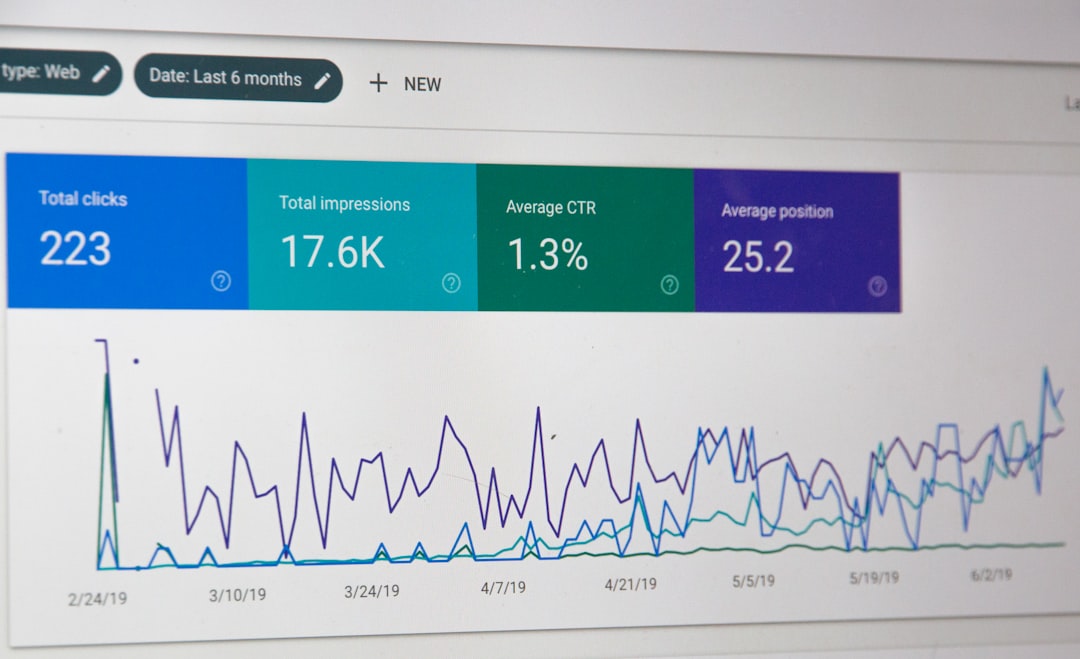
Cost per click (CPC) measures how much you pay each time someone clicks on your digital advertisement. It's the fundamental pricing metric for pay-per-click advertising across platforms like Google Ads, Meta, LinkedIn, and other digital channels where you bid for ad placement and pay only when users engage with your content.
CPC serves as a direct indicator of how efficiently your ads generate traffic. A lower cost per click means you're getting more visitors for your budget, while a higher CPC suggests either strong competition for your target audience or room for campaign optimization. Unlike cost per thousand impressions, CPC focuses specifically on engaged users who took action by clicking through to your landing page.
Marketers use CPC to compare performance across campaigns, channels, and audience segments. For example, if your Google search campaign generates clicks at $2.50 each while your Facebook campaign costs $4.00 per click, you can quickly identify which channel delivers more cost-effective traffic and adjust your budget allocation accordingly.
The metric appears across virtually every digital advertising platform, though each may calculate it slightly differently based on their auction mechanisms and fee structures. Understanding these nuances helps you make apples-to-apples comparisons and avoid misinterpreting your performance data.

The cost per click calculation uses a straightforward division formula that applies across all advertising platforms and campaign types.
Formula: Total Ad Spend ÷ Total Clicks = Cost Per Click
Where:
Pull your total advertising costs from your platform's reporting dashboard. This should include your actual ad spend plus any additional fees charged by the platform. For Google Ads, navigate to your campaign summary and note the "Cost" column. For Meta ads, check the "Amount Spent" in your Ads Manager.
Record the total number of clicks from the same reporting period and campaign scope as your spend data. Ensure you're using the platform's verified click count, which typically excludes invalid clicks and bot traffic. Most platforms automatically filter these out in their standard reporting.
Divide your total spend by your total clicks to get your average cost per click. You can use online CPC calculators to verify your manual calculations. For example, if you spent $500 and received 200 clicks, your CPC equals $500 ÷ 200 = $2.50 per click.
A B2B software company runs a Google Ads campaign targeting "project management software" keywords. Over one month:
This $3.00 CPC becomes the baseline for comparing other campaigns and optimizing budget allocation.
The same company runs ads across multiple platforms:
These calculations reveal that Meta delivers the lowest cost per click, while LinkedIn has the highest CPC but may attract higher-quality B2B prospects.

CPC benchmarks vary significantly by industry, platform, and campaign objective. Use these ranges as directional guidance rather than absolute targets, since your specific audience, competition, and market conditions create unique pricing dynamics.
B2B industries typically see higher cost per click rates due to longer sales cycles and higher customer lifetime values. Legal and financial services command premium CPCs because of intense competition and regulatory restrictions on advertising content.
Geographic targeting also impacts CPC significantly. Major metropolitan areas like New York, San Francisco, and London typically cost 40-80% more per click than smaller cities or rural areas. Device type matters too, with mobile clicks often costing 10-30% less than desktop clicks across most industries.

Cost per click directly connects your advertising investment to traffic generation, making it a critical metric for budget planning and performance evaluation. Unlike vanity metrics such as impressions or reach, CPC measures actual engagement and provides immediate feedback on how efficiently your campaigns convert ad spend into website visits.
CPC serves as the foundation for calculating downstream metrics like cost per acquisition and return on ad spend. If you know your conversion rate and average deal size, you can work backward from your target cost per acquisition to determine your maximum acceptable CPC. This creates a clear bidding strategy aligned with your business goals rather than arbitrary budget limits.
The metric also reveals market dynamics and competitive pressure in real time. Rising CPCs often signal increased competition, seasonal demand spikes, or changes in platform algorithms. Conversely, declining CPCs may indicate reduced competition, improved ad relevance, or successful optimization efforts.
Smart marketers track CPC alongside quality metrics like conversion rate and customer lifetime value. A $10 CPC that generates high-value customers proves more profitable than a $1 CPC that attracts browsers who never purchase. This holistic view prevents the common mistake of optimizing solely for low CPC while ignoring lead quality and revenue impact.
CPC data guides budget allocation across campaigns, audiences, and platforms. When you identify campaigns with low CPC and strong conversion rates, you can confidently increase their budgets. High-CPC campaigns with poor performance become candidates for optimization or pausing, freeing up budget for more effective initiatives.

Many marketers incorrectly combine branded and non-branded campaign data when calculating average CPC. Branded campaigns typically achieve much lower cost per click since you're bidding on your own company name with minimal competition. Non-branded campaigns face higher competition and command premium pricing. Mixing these creates misleading averages that hide the true performance of each campaign type. Always segment branded and non-branded campaigns when analyzing CPC trends and setting optimization priorities.
The basic CPC formula only accounts for direct ad spend, but many platforms charge additional fees that increase your true cost per click. Google Ads includes these costs in their reported spend, but third-party tools, agency management fees, and creative production costs don't appear in platform reporting. Create an "all-in" CPC calculation that includes these additional expenses to understand your real cost per click. This becomes especially important when comparing in-house management versus agency partnerships.
Social media platforms like Meta and LinkedIn report multiple click types, including clicks on your profile, reactions, shares, and link clicks to your website. Only link clicks drive traffic to your landing page and contribute to conversions. Using total clicks instead of link clicks artificially deflates your CPC and creates unrealistic performance expectations. Always filter for link clicks when calculating cost per click on social platforms to maintain accuracy across your reporting.
Most advertising platforms automatically detect and refund invalid clicks from bots, accidental clicks, or fraudulent activity. However, your initial spend reports may include these costs before the platform processes refunds. If you calculate CPC using preliminary spend data, you'll overestimate your true costs. Wait for platforms to process invalid click refunds, typically within 24-48 hours, before finalizing your CPC calculations. This ensures accuracy and prevents unnecessary campaign pessimism.
Seasonal trends, competitive changes, and market conditions significantly impact CPC over time. Comparing December holiday season CPCs to February CPCs without adjusting for seasonality leads to incorrect optimization decisions. Similarly, comparing pre-iOS 14.5 Facebook CPCs to current performance ignores major platform changes. Always contextualize CPC comparisons with market conditions, seasonal factors, and platform updates that affect pricing dynamics.
Most advertising platforms automatically calculate and display CPC in their native reporting dashboards, eliminating the need for manual calculations in day-to-day campaign management. Google Ads shows CPC in the main campaign table, while Meta Business Manager includes it in the Ads Manager performance columns. LinkedIn Campaign Manager and other platforms follow similar patterns, making CPC readily accessible during routine campaign reviews.
For comprehensive performance tracking, export CPC data weekly or monthly depending on your campaign volume and optimization frequency. High-spend campaigns benefit from daily CPC monitoring to catch sudden increases or anomalies quickly. Smaller campaigns can use weekly reporting cycles without losing optimization opportunities.
Platform-specific nuances affect CPC reporting accuracy. Google Ads includes invalid click refunds automatically, while some smaller platforms require manual adjustments. Meta separates link clicks from other engagement types, so ensure you're tracking the correct click metric for your analysis. Learn more about importing cost data in this comprehensive setup guide. Always verify that your tracking period aligns with your spend reporting period to avoid calculation errors.
Sona unifies cost per click data from all your advertising platforms alongside conversion tracking and revenue attribution. Rather than manually pulling CPC from multiple dashboards, Sona consolidates your Google Ads, Meta, LinkedIn, and other platform data into a single view. This unified tracking reveals which campaigns drive the lowest cost per click while generating the highest customer lifetime value, enabling smarter budget allocation across your entire marketing mix.
The platform automatically handles platform-specific reporting differences and provides standardized CPC calculations across all your advertising channels. You can track CPC trends over time, compare performance across platforms, and directly connect your cost per click to pipeline generation and revenue outcomes without switching between multiple tools or spreadsheets.
Cost Per Acquisition (CPA) builds directly on cost per click by measuring how much you spend to generate a conversion or lead. CPA equals your CPC divided by your conversion rate, making it essential for understanding the full cost of customer acquisition. While CPC tells you the cost of traffic, CPA reveals the cost of results.
Click-Through Rate (CTR) works inversely with CPC in most advertising auctions. Higher CTRs typically reduce your cost per click by signaling ad relevance to platform algorithms. Monitoring CTR alongside CPC helps identify whether rising costs stem from poor ad performance or increased market competition.
Return on Ad Spend (ROAS) provides the ultimate test of whether your cost per click generates profitable outcomes. ROAS calculations divide revenue by ad spend, incorporating both your CPC and conversion metrics. A campaign with high CPC can still deliver strong ROAS if it attracts high-value customers, while low CPC campaigns may underperform if they generate low-quality traffic that rarely converts.
Ready to connect your cost per click to actual revenue outcomes? Book a demo to see how Sona tracks CPC performance across all your advertising channels while providing complete attribution to pipeline and revenue.
Mastering cost per click calculation is essential for marketing analysts, growth marketers, CMOs, and data teams who want to drive smarter, data-driven decisions. By accurately tracking this key metric, you gain powerful insights that enable precise campaign optimization, smarter budget allocation, and clear performance measurement—transforming raw data into meaningful action.
Imagine having real-time visibility into which channels deliver the highest ROI, allowing you to shift spend instantly and maximize returns. With Sona.com’s intelligent attribution, automated reporting, and cross-channel analytics, you can effortlessly connect every click to revenue outcomes and continuously refine your marketing strategy for optimal results.
Start your free trial with Sona.com today and unlock the full potential of cost per click calculation to elevate your campaigns and accelerate growth.
The formula for cost per click calculation is Total Ad Spend divided by Total Clicks. This gives you the average amount paid per click in your account currency.
To calculate CPC, gather your total ad spend and total verified clicks from your advertising platform, then divide the total spend by the total clicks. Ensure you exclude invalid or fraudulent clicks for accuracy.
Cost per click measures how efficiently your ads generate traffic by showing how much you pay for each visitor. It helps identify which campaigns deliver the best value and guides budget allocation for maximum return on investment.
Understanding CPC allows you to compare campaign costs, optimize budget allocation, and align bidding strategies with business goals. Tracking CPC alongside conversion rates helps improve overall advertising return on investment.
In B2B marketing, factors like industry competition, longer sales cycles, geographic targeting, and platform fees influence cost per click. B2B CPCs tend to be higher due to premium prospects and competitive bidding.
Avoid mixing branded and non-branded campaign data, ignoring platform fees, using total clicks instead of link clicks on social platforms, excluding invalid click refunds, and comparing CPCs across different time periods without context.
Major metropolitan areas like New York, San Francisco, and London typically have 40-80% higher CPC than smaller cities or rural areas, due to greater competition and higher demand.
Most platforms display CPC in their reporting dashboards, but you can also use tools like Sona to unify CPC data from Google Ads, Meta, LinkedIn, and others for standardized tracking and easier performance comparison.
Cost per click measures how much you pay for each ad click, while cost per acquisition measures the cost to generate a conversion or lead. CPA is calculated by dividing CPC by your conversion rate.
"Really, really impressed with how we're able to get this amazing data ...and action it based upon what that person did is just really incredible."
"The Sona Revenue Growth Platform has been instrumental in the growth of Collective. The dashboard is our source of truth for CAC and is a key tool in helping us plan our marketing strategy."
"The Sona Revenue Growth Platform has been fantastic. With advanced attribution, we’ve been able to better understand our lead source data which has subsequently allowed us to make smarter marketing decisions."
Join results-focused teams combining Sona Platform automation with advanced Google Ads strategies to scale lead generation

Connect your existing CRM
Free Account Enrichment
No setup fees
No commitment required
Free consultation
Get a custom Google Ads roadmap for your business
Join results-focused teams combining Sona Platform automation with advanced Meta Ads strategies to scale lead generation
Connect your existing CRM
Free Account Enrichment
No setup fees
No commitment required
Free consultation
Get a custom Google Ads roadmap for your business
Join results-focused teams combining Sona Platform automation with advanced LinkedIn Ads strategies to scale lead generation
Connect your existing CRM
Free Account Enrichment
No setup fees
No commitment required
Free consultation
Get a custom Google Ads roadmap for your business
Join results-focused teams using Sona Platform automation to activate unified sales and marketing data, maximize ROI on marketing investments, and drive measurable growth
Connect your existing CRM
Free Account Enrichment
No setup fees
No commitment required
Free consultation
Get a custom Google Ads roadmap for your business
Over 500+ auto detailing businesses trust our platform to grow their revenue
Join results-focused teams using Sona Platform automation to activate unified sales and marketing data, maximize ROI on marketing investments, and drive measurable growth
Connect your existing CRM
Free Account Enrichment
No setup fees
No commitment required
Free consultation
Get a custom Google Ads roadmap for your business
Over 500+ auto detailing businesses trust our platform to grow their revenue
Join results-focused teams using Sona Platform automation to activate unified sales and marketing data, maximize ROI on marketing investments, and drive measurable growth
Connect your existing CRM
Free Account Enrichment
No setup fees
No commitment required
Free consultation
Get a custom Google Ads roadmap for your business
Over 500+ auto detailing businesses trust our platform to grow their revenue
Our team of experts can implement your Google Ads campaigns, then show you how Sona helps you manage exceptional campaign performance and sales.
Schedule your FREE 15-minute strategy sessionOur team of experts can implement your Meta Ads campaigns, then show you how Sona helps you manage exceptional campaign performance and sales.
Schedule your FREE 15-minute strategy sessionOur team of experts can implement your LinkedIn Ads campaigns, then show you how Sona helps you manage exceptional campaign performance and sales.
Schedule your FREE 15-minute strategy sessionOur team of experts can help improve your demand generation strategy, and can show you how advanced attribution and data activation can help you realize more opportunities and improve sales performance.
Schedule your FREE 30-minute strategy sessionOur team of experts can help improve your demand generation strategy, and can show you how advanced attribution and data activation can help you realize more opportunities and improve sales performance.
Schedule your FREE 30-minute strategy sessionOur team of experts can help improve your demand generation strategy, and can show you how advanced attribution and data activation can help you realize more opportunities and improve sales performance.
Schedule your FREE 30-minute strategy sessionOur team of experts can help improve your demand generation strategy, and can show you how advanced attribution and data activation can help you realize more opportunities and improve sales performance.
Schedule your FREE 30-minute strategy session




By continuing, I confirm that I’ve read and accept the Sona Master Services Agreement, Terms and Conditions and the Privacy Policy.


Launch campaigns that generate qualified leads in 30 days or less.