


Window shades collect dust, allergens, and grime in ways that make routine cleaning a recurring need, not a one-time purchase, and that recurring need is exactly what Google Ads is built to capture. Someone searching "window shade cleaning near me" at 9pm has already decided to hire; the question is only who shows up first. Offline tactics like community outreach or trade shows still build relationships, but they miss the buyer who is actively comparing vendors right now. A common gap is losing high-value prospects because they never surface in the CRM at all, so the ad spend that found them gets no credit. This guide covers how to use Google Ads to reach that in-market buyer, measure what actually turns into booked revenue, and connect offline follow-up back to the campaigns that started it.
How to Generate Window Shade Cleaning Leads with Google Ads: A Step-by-Step Guide

Precise digital marketing is essential for window shade cleaning businesses aiming to capture high-intent leads and maximize every advertising dollar. With Google Ads, targeted campaigns reach people actively searching for cleaning services, ensuring your message is delivered to those most likely to convert. For more best practices on driving demand and optimizing campaign strategies, explore the Sona blog.
Results-driven teams benefit from integrating Google Ads with advanced data and audience insights. By connecting search intent, visitor identification, and campaign performance, companies can refine their approach and unlock new sources of qualified demand.
- Keyword and Audience Targeting: Start by identifying high-intent and niche keywords, such as "window shade cleaning services near me," "professional window shade cleaning," or "eco-friendly window cleaning." Use keyword research tools, like this list of high-performing window cleaning keywords, to discover search volume and competition for each term. Incorporate negative keywords to filter out irrelevant clicks and focus spend on genuine prospects. Sona enriches Google Ads custom audiences with B2B company data, empowering revenue teams to reach business accounts demonstrating active buying signals.
- Ad Copy and Creative Alignment: Craft headlines and descriptions that showcase unique selling points like eco-friendly materials or same-day service. Emphasize what differentiates your business, fast response, satisfaction guarantees, or specialized cleaning for delicate shades. Align ad messaging to the keywords and intent behind each search, ensuring a seamless path from search to landing page. When audience segments update dynamically based on prospect behavior, ads can be personalized to match where buyers are in their decision process.
- Addressing Anonymous Traffic: Many valuable website visitors remain anonymous, making it difficult to follow up or retarget effectively. With Sona's Identity Resolution, marketers can match anonymous Google Ads clicks to enriched company profiles, uncovering the organizations engaging with their site. This approach transforms unknown traffic into actionable segments for nurture, retargeting, and direct outreach, extending the impact of every PPC campaign.
- Landing Page Optimization: Every Google Ads click should direct users to a landing page tailored for conversion. Pages must clearly state the value proposition, showcase trust signals (reviews, certifications), and use concise calls-to-action. Fast load times and mobile optimization are non-negotiable. When CRM and ad platforms are unified, landing page forms can instantly sync qualified leads and enrich them with business intelligence for rapid sales follow-up.
- Performance Enhancements: Campaign optimization is ongoing. Use A/B testing to refine ad copy, images, and calls-to-action, and leverage conversion tracking to measure which keywords and ads drive revenue, not just clicks. Advanced attribution models that connect both online and offline conversions reveal the true ROI of each Google Ads investment, enabling smarter budget allocation to top-performing strategies. With unified data and synced audiences, revenue teams can continually hone campaigns for efficiency and impact.
Why Google Ads Matter for Window Shade Cleaning Businesses
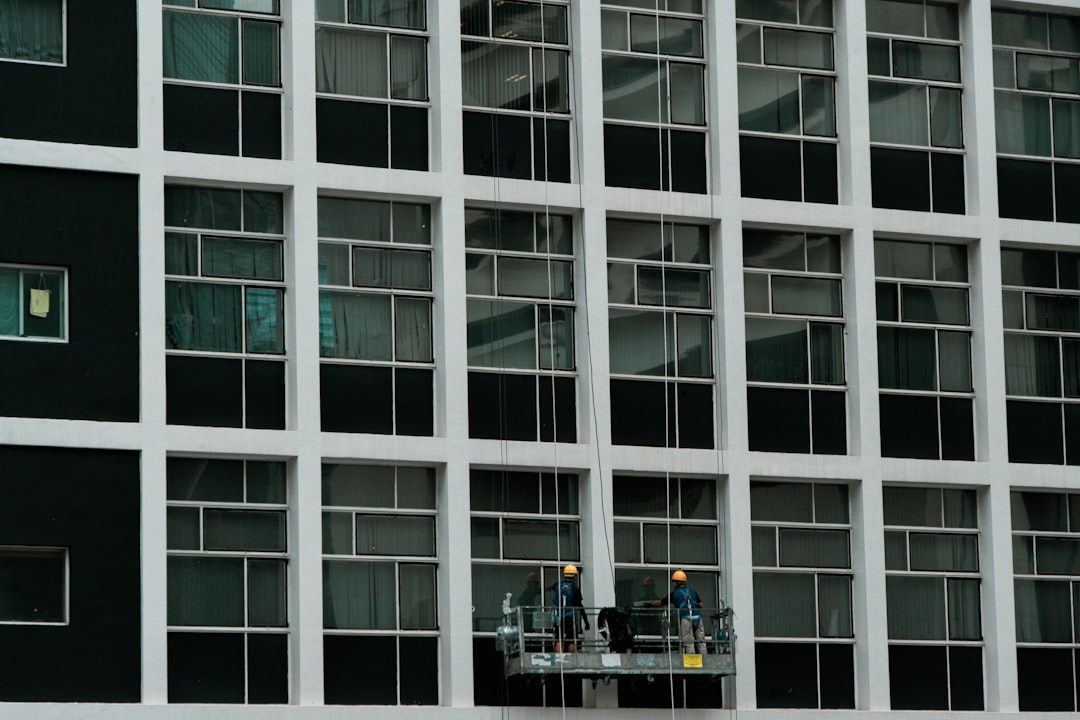
Window shade cleaning businesses face a unique challenge: reaching decision-makers who need specialized, often time-sensitive cleaning services. Standard digital marketing rarely pinpoints high-intent clients or adapts quickly to fluctuating local demand, which leaves revenue opportunities untapped. For a deeper dive into strategies that address these challenges, explore this comprehensive guide to account-based marketing.
Google Ads offers precision for this niche, enabling businesses to target property managers and homeowners actively searching for window shade cleaning. By leveraging high-performing keywords for window cleaning, you can ensure your ads appear exactly when prospects express intent, eliminating wasted spend on irrelevant clicks. For high-value services, such as premium or emergency cleaning, tailored ad copy and assets (formerly called extensions) highlight service differentiation and drive premium leads directly to your booking funnel.
Retargeting in Google Ads addresses a major revenue gap: unconverted website visitors. A quote request or booking form often goes unfinished, not for lack of interest but because a homeowner got pulled away or a property manager wanted to check with a second vendor. With intelligent retargeting, you can reconnect with these prospects using ads that speak directly to their previous engagement, whether reminding them of an unfinished quote or offering a limited-time discount for first-time service. Sona's Identity Resolution reveals which companies visited your site, so you can shift budget toward high-fit accounts, like property management firms or commercial facilities teams, and craft messaging that moves them toward booking.
Immediate demand capture is critical in cleaning services, where emergencies and last-minute needs are common. Google Ads lets you activate campaigns on short notice, capturing local searches for urgent cleaning with call or message extensions that convert on the spot. This is especially valuable during peak times or after local events, when intent spikes rapidly and responsiveness drives higher conversion rates. Learn more about optimizing your real-time ad strategy with signal-based audience segments.
Expanding into emerging neighborhoods or cities requires a data-driven approach. With geo-targeting and dynamic audience updates, you can efficiently test new markets, monitor conversion performance, and scale spend only where ROI is proven. Integrated platforms streamline this by syncing audience data into your CRM, ensuring every campaign targets your highest-value segments as they evolve. This unified approach maximizes both reach and efficiency, making Google Ads a foundational channel for growth-focused window shade cleaning businesses.
Common Types of Google Ads Campaigns for Window Shade Cleaning

Window shade cleaning businesses must align their ad strategy with how customers actually discover and evaluate local services. Investing in Google Ads for Window Shade Cleaning offers direct access to high-intent leads, enabling tailored messaging at every stage of the sales funnel. By leveraging campaign data and behavioral signals, organizations can allocate spend toward the channels and prospects most likely to convert.
- Search Campaigns: These campaigns target individuals actively searching for window shade cleaning or related services. Search campaigns are highly effective because they surface your business to users expressing real-time intent. With advanced visitor identification, revenue teams can prioritize budget toward keywords and search terms that consistently generate qualified leads.
- Performance Max Campaigns: Performance Max lets window shade cleaning advertisers run a single campaign across Search, Display, YouTube, and Gmail, with Google's bidding models allocating budget toward whichever channel is converting. It works best once you feed it clear signals about which leads actually became paying customers, so the algorithm learns to chase booked jobs rather than cheap form fills.
- Display Campaigns: Display campaigns serve visually engaging banner ads across industry-relevant websites, helping window shade cleaning companies remain visible to potential clients beyond search engines. Marketers can use audience sync to ensure that ads appear for prospects who have interacted with their site or shown prior interest, reinforcing brand presence throughout the research phase. For a list of high-performing keywords that can enhance both your Display and Search campaigns, see window cleaning keywords.
- Video Campaigns: Video ads enable companies to demonstrate their cleaning expertise, showcase customer testimonials, or highlight specialized cleaning techniques in a compelling, visual format. Responsive search ads, a format within Search campaigns that automatically tests headline and description combinations, can run alongside video to reinforce the same message once a prospect starts searching by name. Dynamic audience updates mean that video content can be targeted to viewers who have progressed through the funnel, ensuring messaging matches their stage of consideration.
- Remarketing Campaigns: Remarketing campaigns re-engage visitors who explored window shade cleaning services but have not yet converted. Personalized offers and tailored reminders are delivered based on precise behavioral data, and when integrated with CRM systems, marketers can automatically update remarketing lists as leads become customers or move between stages. This approach drives higher conversion rates and maximizes the value of every site visitor.
Where to Find Growth Opportunities?

Window shade cleaning businesses can accelerate growth by focusing on high-intent marketing opportunities tailored to their industry. Prioritizing data-driven tactics allows teams to uncover new revenue streams, engage the right audience, and maximize advertising ROI with precision. For actionable strategies, explore the collection of B2B marketing playbooks curated for growth-focused teams.
- Targeted Keywords: Vertical keyword targeting ensures ads reach prospects searching for specialized cleaning services. By analyzing search trends for terms such as PPC campaigns for window shade cleaning and cost-effective digital ads for window shade cleaning, campaigns capture demand from buyers actively seeking these services. Marketers should expand keyword lists to cover both service-specific and location-based queries, ensuring relevance in local and national searches. See a list of high-performing keywords for window cleaning businesses to help refine your targeting strategy.
- Competitor Analysis: Detailed analysis of competitor campaigns reveals underserved niches and messaging gaps. By monitoring which keywords and placements competitors target, window shade cleaning companies can identify overlooked opportunities and tailor offers to win over segments that are currently underrepresented. This approach also highlights pricing strategies and promotional angles that resonate in the market. For more guidance, consult the ultimate guide to account-based marketing.
- Solving Data Challenges: Incomplete or outdated account and CRM data can cause marketing teams to miss crucial personalization opportunities. Enriching CRM records with up-to-date firmographics and behavioral insights ensures that campaigns are always targeting the right accounts with tailored messaging. Platforms that enable real-time data enrichment allow marketers to dynamically update audience segments as contacts move through the funnel, leading to more precise targeting.
- Industry Placements: Placing ads on trade directories and industry-specific sites connects window shade cleaning providers with buyers who are actively comparing vendors. Investing in these placements ensures brand visibility at critical points in the buyer's journey, capturing traffic that is often primed for conversion. This strategy complements broader PPC and SEO efforts by reaching decision-makers outside of traditional search channels.
How to Apply Audience Segmentation for Window Shade Cleaning

Audience segmentation in Google Ads for window shade cleaning enables marketers to sculpt campaigns around distinct customer needs, leading to higher relevance and engagement. By leveraging data-driven insights, teams can prioritize high-converting segments and ensure budgets are allocated where they deliver the greatest return.
- Segment Definition: Differentiate by client needs (e.g., residential vs. commercial). Residential clients often seek convenience, affordability, and flexible scheduling, while commercial clients prioritize reliability, recurring contracts, and scalable service offerings. Segmenting these groups within your Google Ads account allows tailored messaging, landing pages, and offers that speak directly to each audience's motivations. This granularity not only improves click-through rates but also boosts conversion rates, as each ad resonates with the priorities of its intended recipient. For a deeper dive into effective Google Ads set-up for service businesses, watch this YouTube tutorial on Google Ads campaigns.
- Intent Marketing: Overlay signals such as seasonal or urgency-based cleaning needs. Window shade cleaning demand fluctuates with local climate, business turnover, and property management cycles, spring cleaning surges, move-in and move-out turnarounds, or pre-inspection scrambles for commercial tenants. By tapping into real-time intent data, marketers can identify prospects showing signs of immediate need, such as businesses preparing for inspections or homeowners post-renovation. Dynamic segmentation shifts budget automatically toward those prospects. Sona surfaces intent signals so marketers can unify visitor activity and buying signals across platforms and reach in-market accounts as soon as their need emerges.
- Custom Ad Groups: Tailor ads by segment-specific messaging and budget allocation. Structuring campaigns with custom ad groups for each segment allows for precision in both creative and spend. For residential segments, highlight ease of booking and eco-friendly cleaning products; for commercial, emphasize compliance, scalability, and after-hours service options. Budgets can be adjusted in real time as new high-intent leads are identified, and audience lists are synced with CRM and marketing automation platforms. This seamless integration enables window shade cleaning businesses to nurture leads through the funnel and drive measurable ROI from both online and offline conversions.
This is also where measurement changes the economics. With Sona Marketing Measurement you can identify the companies behind your ad clicks, not just anonymous sessions, and segment audiences by which accounts actually become customers. That lets you build bid adjustments and audience signals around the segments that convert and de-prioritize the ones that don't, so you feed Google's algorithms "this click became a paying window shade cleaning customer" instead of just "someone filled out a form."
Keyword Strategy & Sample Target Terms
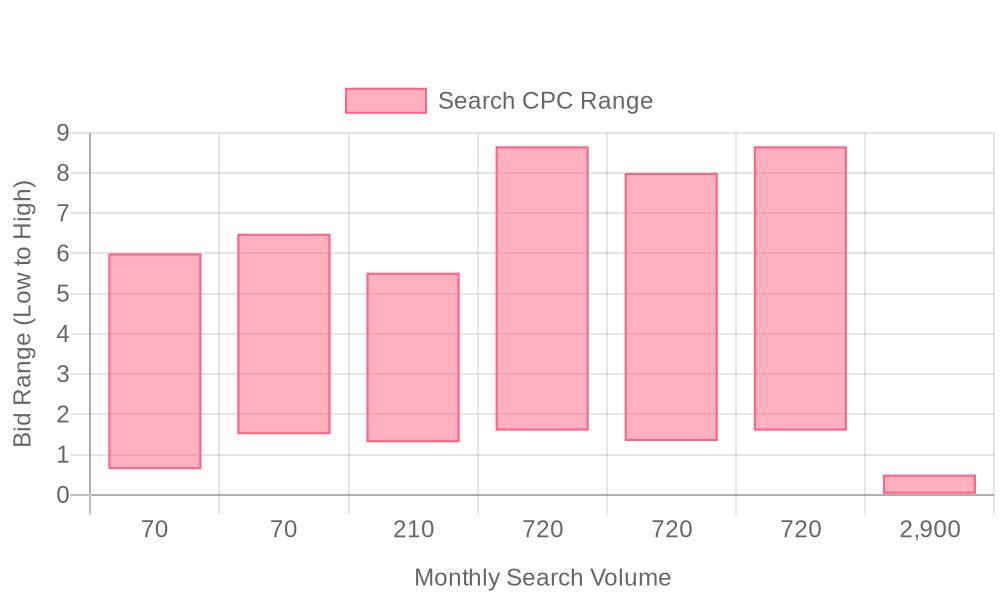
| Industry | Keyword | Monthly Search Volume | Competition Level | Low Bid | High Bid |
| Window Shade Cleaning | window shade cleaning | 70 | HIGH | 0.64 | 6 |
| Window Shade Cleaning | blinds cleaning service near me | 70 | MEDIUM | 1.51 | 6.49 |
| Window Shade Cleaning | window blind cleaning near me | 210 | MEDIUM | 1.31 | 5.52 |
| Window Shade Cleaning | blind cleaning near me | 720 | MEDIUM | 1.6 | 8.66 |
| Window Shade Cleaning | blind cleaning services near me | 720 | MEDIUM | 1.34 | 8 |
| Window Shade Cleaning | blinds cleaning near me | 720 | MEDIUM | 1.6 | 8.66 |
| Window Shade Cleaning | best way to clean blinds | 2900 | HIGH | 0.03 | 0.5 |
Effective keyword strategy underpins every successful Google Ads campaign in the window shade cleaning sector. Focusing on intent-driven and highly relevant terms ensures ad spend drives measurable business growth, not wasted impressions. For a comprehensive list of high-performing keywords tailored to this industry, review this window cleaning keywords resource.
- High-Intent Keywords: Prioritize phrases like "window shade cleaning near me," "professional window blind cleaning," or "local window shade cleaning service." These terms reflect strong purchase intent, positioning ads in front of users ready to book cleaning services. By monitoring real-time audience trends and in-market behaviors, teams can dynamically shift budgets toward the highest-converting keywords and locations.
- Long-tail Queries: Integrate highly specific searches such as "how to remove mold from window shades" or "eco-friendly window shade cleaning services for offices." Long-tail keywords capture niche segments, often yielding lower cost-per-click and higher conversion rates by matching tailored solutions to unique customer needs. As leads engage with these queries, dynamic audience updates ensure continuous campaign refinement and more precise retargeting.
- Negative Keywords: Apply filters to exclude terms like "window shade parts," "DIY window shade repair," or unrelated cleaning services. This prevents ads from displaying for irrelevant searches, safeguarding budget and focusing on users with genuine commercial cleaning intent. Regularly updating negative keyword lists, informed by ongoing audience and conversion data, improves campaign efficiency and reduces wasted spend.
When these targeted keyword strategies are combined with Sona's Identity Resolution and CRM audience sync, marketers gain the ability to pinpoint not just anonymous web traffic, but the actual companies searching for window shade cleaning solutions. This level of precision, paired with real-time intent tracking, allows revenue teams to continually optimize campaigns and maximize return on investment in the competitive cleaning services landscape.
Step-by-Step Campaign Execution Framework
A data-driven Google Ads strategy for window shade cleaning businesses transforms how local and regional providers reach high-value customers. By aligning campaign structure with real buyer intent and leveraging unified go-to-market data, teams can maximize both lead quality and advertising ROI. Clear, actionable insights reveal where budgets work hardest and which prospects are most likely to convert.
Step 1: Build Targeted Keyword Lists
Selecting high-intent keywords is essential for cost-effective lead generation in the window shade cleaning sector. Grouping keywords by service type such as "commercial window shade cleaning" or "residential blind cleaning" with local modifiers like city names ensures ads appear for relevant, purchase-ready searches. Employ negative keywords to exclude irrelevant terms, preventing wasted spend on unrelated queries. Explore this list of high-performing keywords for window cleaning businesses to further refine your targeting strategy.
Modern solutions allow marketers to move beyond guesswork by pinpointing which companies and individuals are actively searching for cleaning services in specific regions. Real-time intent data refines targeting even further, revealing prospects who show strong buying signals. This approach keeps campaigns focused on the most valuable leads, reducing customer acquisition costs and improving overall results.
The upgrade most window shade cleaning advertisers miss is going beyond raw keyword volume to layer in intent and identity signals. By connecting website-visitor data and CRM records with Sona Marketing Measurement, you can see which specific search terms bring in the accounts and customers that actually convert, and weight your keyword and bidding strategy toward those rather than the terms with the highest search volume alone.
Step 2: Develop Compelling Ad Copy
Well-crafted ad copy bridges the gap between a searcher's intent and your business offer. Highlight immediate benefits, such as "same-day window shade cleaning" or "eco-friendly methods," and incorporate strong calls-to-action like "Book Now for 15% Off." Tailoring ad messaging to specific keyword clusters and geographic locations raises click-through rates and drives higher engagement.
Dynamic audience insights enable marketers to personalize ad creative based on a user's stage in the buying journey or organizational profile. For actionable ideas, watch this step-by-step demonstration of creating a Google Ads campaign for a window cleaning company. Messaging can shift from general awareness to urgency-driven offers as prospects demonstrate increased interest. With audience segments continuously updating in sync with CRM and intent data, every ad impression is relevant and timely.
Step 3: Design Effective Landing Pages
Every click from your Google Ads campaign should direct users to a landing page tailored to their intent. Ensure each page mirrors the ad's promise by featuring clear service descriptions, trust signals, and frictionless booking forms. Visual consistency and concise, benefit-driven copy help reduce bounce rates and increase conversion rates.
Integrating landing page performance with unified go-to-market data enables granular tracking of visitor actions, from form submissions to offline sales calls. This closed-loop measurement provides revenue teams with a true picture of ad effectiveness, identifying which campaigns and pages drive real business outcomes. Optimizations can then focus on high-converting segments, further amplifying ROI.
Step 4: Implement Data-Driven Optimizations
Continuous performance monitoring is critical for Google Ads optimization for cleaning services. Analyze key metrics such as conversion rates, cost per lead, and return on ad spend to identify areas for improvement. Use A/B testing to refine ad copy, landing page layouts, and bidding strategies based on real-world data or reference this blog covering key considerations for window cleaning professionals before investing in Google Ads.
Advanced platforms provide deep attribution capabilities, connecting online ad engagements with offline conversions like phone bookings or in-person consultations. By syncing enriched audience and conversion data back into platforms, marketers can automate retargeting and budget allocation toward the most profitable prospects. This unified feedback loop ensures every advertising dollar works toward scalable, measurable growth for window shade cleaning businesses.
Sona Marketing Measurement closes the gap between clicks and revenue. It captures ad clicks with first-party measurement rather than third-party cookies, ties that click through UTM capture and ad-platform APIs to the actual record in your CRM, and reports ROAS by keyword and campaign instead of by last-click form fill. Feeding that revenue signal back into Smart Bidding and Performance Max compounds over time: the algorithms optimize toward booked window shade cleaning revenue, not cheap leads.
Tips on Expanding Your Window Shade Cleaning Presence
A unified approach to digital marketing allows window shade cleaning businesses to drive consistent growth by connecting every touchpoint in the customer journey. Strategic ad initiatives make it possible to reach the right prospects at the right time while maintaining a clear, authoritative brand identity across every channel. To further support your strategy, you can explore actionable guides for B2B marketing and ensure your campaigns are aligned with proven frameworks.
- Addressing Inconsistent Messaging: Fragmented campaigns often result in mixed messages and wasted spend, eroding trust and confusing high-value prospects. By aligning ad creatives, landing pages, and follow-up messaging, businesses ensure that every engagement reinforces the value proposition at the exact stage of the buyer's journey. Leveraging solutions that unify marketing and sales data helps eliminate silos, so teams can deploy coordinated campaigns that adapt to prospect behavior, whether someone first interacts on a search ad or through a remarketing display. This not only maintains brand clarity but also optimizes every marketing dollar spent.
- Retargeting Educational Assets: Retargeting goes beyond simple ad repetition, it's most effective when it delivers value at each interaction. Using detailed engagement data, marketers can serve educational content, such as guides on maintaining window coverings or videos that answer common questions, to users who have shown intent but have not yet converted. Integrating advanced visitor identification with dynamic audience segmentation ensures that educational assets reach prospects who are truly in-market, further nurturing leads and increasing conversion rates.
- Upsell Strategies: A robust CRM integration transforms upselling from a manual process into a data-driven opportunity. By segmenting audiences based on service history, contract terms, or property type, marketing teams can tailor upsell offers, such as premium cleaning packages or automated maintenance reminders, to existing clients with high lifetime value. When CRM and Google Ads platforms are tightly synced, enriched audience lists update in real time, allowing for hyper-personalized ads that drive higher conversion rates and maximize customer value.
- Geo-Targeting: Hyper-local targeting is essential for window shade cleaning businesses aiming to dominate specific markets. By analyzing location-based performance data, marketers can identify neighborhoods or commercial zones with the highest growth potential and allocate budget accordingly. Real-time intent data and granular geo-targeting in Google Ads make it possible to prioritize high-converting regions, ensuring each campaign delivers measurable ROI. For a step-by-step walkthrough, watch this YouTube tutorial on setting up effective Google Ads campaigns. Combining this with offline conversion tracking enables true attribution from ad click to booked appointment, further refining future campaigns for cost-effective growth.
Beyond Google Ads: Winning the AI Answers Window Shade Cleaning Buyers Now Trust
Paid search captures demand at the moment someone types a query. But a fast-growing share of window shade cleaning buyers no longer start at Google at all, they ask ChatGPT, Gemini, or Perplexity before they ever run a search, and Google's own AI Overviews increasingly summarize an answer above the traditional results. If your business isn't referenced in those AI answers, you're invisible at the exact moment buyers build their shortlist.
Sona AI Visibility shows where your business shows up across ChatGPT, Gemini, Perplexity, Google AI Overviews, and 10+ engines, and, much like a keyword report, which prompts actually send you buyers, so you can prioritize the ones that convert. Run the two together and you cover the entire buyer path: get cited where buyers research (AI Visibility), then prove which of that demand turns into booked revenue (Marketing Measurement).
Helpful resources
Conclusion
The advantage in this trade goes to whoever closes the loop between the click and the job. A window shade cleaning business that knows which keywords, ads, and accounts actually turned into booked revenue can keep feeding that signal back into Google's bidding systems, and into the AI tools buyers now consult before they search at all, while competitors are still optimizing for cheap clicks.
FAQ
How can I set up a Google Ads campaign for my window shade cleaning business?
To set up a Google Ads campaign, start by identifying high-intent keywords like 'window shade cleaning services near me,' craft ad copy highlighting unique selling points, and optimize landing pages for conversion. Use tools like CRM and audience insights to track and refine your campaigns.
What are the best keywords for Google Ads in the window shade cleaning industry?
Effective keywords include 'window shade cleaning near me,' 'professional window blind cleaning,' and 'eco-friendly window shade cleaning services.' These reflect strong purchase intent, ensuring your ads reach users ready to book services.
How can I track the success of my Google Ads for window shade cleaning?
Success can be tracked by monitoring conversion rates, cost per lead, and return on ad spend using advanced attribution models that connect online and offline conversions.
What is the average cost per click for Google Ads in the window shade cleaning niche?
The article does not specify the average cost per click, but emphasizes focusing on high-intent keywords and excluding irrelevant terms to manage costs effectively.
How can I optimize my Google Ads to get more leads for my window shade cleaning business?
Optimize by using precise keyword targeting, crafting compelling ad copy, optimizing landing pages, and utilizing retargeting strategies to capture high-intent leads.
What are some effective ad copy examples for window shade cleaning Google Ads?
Effective ad copy should highlight benefits like 'same-day window shade cleaning' and 'eco-friendly methods,' with strong calls-to-action like 'Book Now for 15% Off.'
How can I target local customers with Google Ads for my window shade cleaning business?
Use geo-targeting to focus on specific neighborhoods or commercial zones, and analyze location-based performance data to allocate budget effectively.
What is the return on investment (ROI) for Google Ads in the window shade cleaning industry?
The article emphasizes measuring ROI through advanced attribution models that connect online and offline conversions, enabling smarter budget allocation.
How can I use Google Ads to compete with larger window shade cleaning companies?
Compete by targeting high-intent keywords, using precise audience segmentation, and leveraging retargeting to capture and nurture potential leads.
How can I integrate Google Ads with my existing window shade cleaning website and SEO strategy?
Integrate by ensuring landing pages are optimized for conversion, synchronizing CRM data with ad platforms, and using audience insights for tailored messaging.







