


A curbed rim or a bent wheel rarely waits for a convenient time. Drivers search for repair the moment damage happens, and whoever answers that search first usually wins the job. For wheel repair shops, Google Ads is the tool that meets car owners at that exact moment, before they call a competitor. Pairing that visibility with CRM data to identify real decision-makers and follow up quickly turns more of those searches into booked repairs. This guide walks through the setup, from keyword strategy to attribution, for turning Google Ads into a reliable source of qualified leads.
How to Generate Google Ads for Wheel Repair Leads: A Step-by-Step Guide
Wheel repair businesses operate in a high-intent market, where customers frequently search for urgent solutions and expect rapid responses. Effective Google Ads campaigns can capture these opportunities, driving a steady flow of qualified leads and measurable revenue growth. To learn how auto repair shops are using Google Ads to attract more local customers, explore this in-depth guide for auto repair shops.
This playbook provides a proven workflow for leveraging Google Ads in the wheel repair sector. The following sections detail approaches to high-precision keyword targeting, landing page alignment, performance optimization, and cross-channel marketing integration, all tailored for B2B teams and revenue-focused marketers. For more ongoing industry insights, browse our marketing analytics blog.
- Keyword and Audience Targeting Strategies: Choosing the right search terms is critical in wheel repair advertising, where searches spike after potholes season, hailstorms, or curb strikes on newly resurfaced roads. Focus on keywords like "alloy wheel repair near me," "emergency rim restoration," and "curbed wheel fix," and expect a mix of price-sensitive DIY researchers and urgent, ready-to-book drivers. Use geo-modifiers and intent-based variations so your ads only display for prospects actively seeking services in your area, and segment further by repair urgency, vehicle type (standard alloy vs. specialty or fleet wheels), or company fleet status. Leveraging real-time audience data allows marketers to identify and prioritize high-value accounts, while website visitor identification reveals which prospects are engaging most with your campaigns.
- Landing Page and Creative Alignment: Conversion rates rise when your paid search ads and landing pages share a consistent message, look, and call to action. For wheel repair, this means using visual proof such as before-and-after galleries of curb rash and bent-rim repairs, trust badges for manufacturer or certification credentials, and a booking form that lets a driver describe the damage and get a same-day slot. Many of these searches happen from a phone in a parking lot right after the damage occurs, so mobile speed and a visible phone number matter as much as the copy. Unified data insights enable dynamic content adjustments, so visitors see offers and messaging tailored to their intent and service needs.
- Performance Optimization Tactics: Ongoing analysis and optimization are key to maximizing ROI for wheel repair advertising. Monitor click-through rates, conversion rates, and cost per lead, pivoting budgets to top-performing keywords and ad groups. Advanced attribution capabilities help accurately track both online form fills and offline conversions, such as in-shop visits or phone bookings.
- Cross-channel Integration Methods: The journey from first search to completed repair often spans multiple touchpoints. Syncing digital campaigns with CRM and sales tools ensures that enriched audience segments automatically flow into retargeting and nurture sequences. As leads engage with your landing pages or ads, dynamic audience lists update in real time, keeping your messaging relevant as prospects move through the buying funnel.
Why Does Google Ads Matter for Wheel Repair?
Wheel repair businesses face urgent, high-intent searches where timing and relevance determine profitability. Google Ads enables shops to intercept customers at the exact moment of need, capturing leads who are ready to book immediately and not just browsing options. For an in-depth look at effective ad strategies in this space, explore this comprehensive guide to Google Ads for auto repair shops.
- Targeted Precision: Google Ads cuts through the noise of broad digital marketing for auto services by reaching drivers experiencing real wheel issues, from curb rash to bent rims. Instead of waiting for organic traction, operators can put offers and expertise in front of audiences who are actively searching for solutions, ensuring every ad dollar is invested in tangible demand.
- Service Diversity Appeal: Many shops offer a spectrum of solutions, emergency fixes, cosmetic repairs, full refurbishments, but struggle to highlight this range through traditional channels. With Google Ads, campaigns can be segmented by service type, allowing targeted messaging that ensures no revenue stream is overlooked. Discover best practices for Google Ads campaigns for wheel refurbishment businesses to maximize your reach.
- Real-time Demand Capture: Wheel damage often triggers immediate searches and swift decisions. Google Ads for wheel repair allows businesses to address urgent needs right as they arise, reducing lead decay and capturing conversions that would otherwise slip away due to slow or generic outreach. Leverage intent signals to identify and prioritize your most engaged prospects in real time.
- Expanding Visibility: Local SEO for auto repair has limitations when entering new towns or targeting underserved neighborhoods. Google Ads bridges that gap by letting wheel repair services launch targeted campaigns in specific geographies, testing new markets, and scaling successful segments with speed and precision. For more actionable marketing strategies, check out our blog collection for auto repair shops.
- Data-driven Insights: Every Google Ads campaign for auto services generates granular data on search terms, conversion paths, and geographic hotspots. This intelligence not only refines future campaigns but also reveals broader patterns in customer needs, price sensitivity, and service gaps, fueling smarter, more strategic marketing decisions across the entire funnel. Integration with platforms that unify web, ad, and CRM data further amplifies this value, allowing revenue teams to move from surface-level metrics to actionable insights that drive measurable growth.
Common Types of Google Ads Campaigns for Wheel Repair Services
- Search Campaigns: Search campaigns capture prospects who are actively seeking immediate wheel repair solutions. These bottom-of-the-funnel campaigns are crucial for intercepting high-intent queries with urgency, such as "alloy wheel repair near me" or "emergency rim repair," and often use Responsive Search Ads, an ad format that tests headline and description combinations, to find the highest-converting message. Integrating real-time visitor identification lets marketers pinpoint which companies are searching, allowing response teams to prioritize leads that match ideal customer profiles for faster conversions. For a deeper dive into how Google Ads can attract more local customers to auto repair services, review this guide for auto repair shop Google Ads.
- Display Ads: Display ads help wheel repair brands remain visible across automotive and local service websites, extending reach to audiences who may not be searching yet but fit the right demographic or behavioral criteria. Highly visual creative assets showcase finished repairs, certifications, or shop environments, reinforcing brand recall. By leveraging dynamic audience updates, marketers ensure these ads reach users who recently engaged with core web content or joined relevant remarketing pools, increasing the likelihood of future engagement.
- Performance Max: Performance Max campaigns let wheel repair advertisers run a single campaign across Search, Display, YouTube, and Maps, using Google's automation to find converting combinations of creative and placement. It suits shops with enough conversion history to give the algorithm a clear signal, and works best when it's fed revenue data, not just form-fill counts, so it optimizes toward booked repairs.
- Remarketing: Remarketing campaigns precisely target users who previously visited a wheel repair website or interacted with service pages but did not convert. This approach keeps the brand top-of-mind as prospects move through their decision process, using tailored messaging to address previously viewed services or highlight new offers. When remarketing audiences sync bi-directionally with CRM or sales data, teams can re-engage the highest-value prospects at optimal moments, boosting reactivation rates and reducing churn.
- Video Ads: Video ads provide an immersive format to educate and persuade potential customers by visually demonstrating repair processes, technician expertise, and real customer testimonials. These assets are effective for building trust, especially when prospects can see the step-by-step transformation of damaged wheels restored to like-new condition. Video engagement data, combined with intent signals, allows marketing teams to dynamically retarget viewers with follow-up offers or service reminders, driving higher campaign ROI.
- Ad Assets: Ad assets add critical context to search ads by including business certifications, operating hours, and authentic customer testimonials directly in the search results. These enrichments increase click-through rates by establishing credibility and reducing friction for users seeking proof of reliability. Advanced conversion tracking ensures every call, form fill, or appointment booking linked to ad assets is measured, enabling precise attribution and ongoing optimization. If you're ready to elevate your wheel repair marketing strategy, get started for free with Sona.
Where to Find Growth Opportunities?
Wheel repair businesses can accelerate growth by moving beyond generic digital marketing and focusing on high-intent, service-specific strategies. Precision targeting and data-driven engagement consistently produce stronger lead quality, higher conversion rates, and improved ROI for teams seeking a competitive edge.
- Vertical Keyword Targeting: Use granular keywords directly aligned with specialized services such as "24/7 wheel repair solutions" or "mobile alloy wheel repair near me." This approach drastically reduces wasted ad spend and ensures your budget is directed at customers actively searching for immediate, relevant solutions. Integrating intent signals from real-time behavioral data allows marketing teams to prioritize only those segments demonstrating urgent repair needs, resulting in higher booking rates and lower cost-per-acquisition.
- Competitor Analysis: Leverage platforms like SEMrush to uncover gaps in your competitors' search strategies, identifying underutilized keywords or underserved geographies. By layering these insights with first-party engagement data, marketers can shift spend to outperform rivals where it matters most, capitalizing on moments when the competition is underserving the local market. This proactive approach delivers measurable improvements in campaign efficiency and market share.
- Industry Placements: Expand your reach by advertising on niche car enthusiast forums, owner communities, and specialty blogs where wheel repair prospects naturally congregate. These industry-specific placements consistently yield higher engagement rates than broader networks. Using audience enrichment and visitor identification, marketers can pinpoint high-value prospects frequenting these sites, then sync qualified audiences into retargeting and nurture streams for sustained pipeline growth.
- Content Retargeting: Deploy targeted retargeting campaigns using value-driven assets like repair guides or video tutorials to re-engage visitors who have shown interest but not yet converted. By dynamically updating audience lists as leads interact with educational content, teams can personalize follow-up messaging and offers, driving up return visit rates and accelerating funnel progression. Advanced conversion tracking makes it possible to attribute in-shop bookings or phone inquiries back to these retargeted touchpoints, revealing the true impact of content-driven engagement on overall revenue.
How to Apply Audience Segmentation for Wheel Repair
Laser-focused audience segmentation enables wheel repair businesses to optimize every dollar spent on digital marketing by reaching customers at their most important moments. By aligning campaign structures with nuanced customer journeys, marketing teams dramatically improve both lead quality and conversion rates while reducing wasted spend. Explore practical strategies for Google Ads campaign structure tailored to auto repair for additional optimization ideas.
- Define Segments: Segmenting audiences distinguishes between drivers with urgent repair needs and those interested in preventive maintenance or cosmetic touch-ups. Rather than casting a wide net that dilutes messaging and drains budget, businesses maximize returns by serving purpose-built ads to each group. This ensures that emergency repair seekers see rapid-response, mobile service offers, while routine service customers engage with content about long-term care, discounts, or wheel protection packages. Sona's Identity Resolution identifies website visitors and matches them to known companies, so marketers can enrich these segments beyond anonymous traffic, driving precision at scale.
- Overlay Intent Signals: Incorporating real-time intent cues, such as searches for "mobile wheel repair near me", allows campaigns to trigger specific ads for high-converting, geo-targeted services. By monitoring browsing activity, device type, and referral sources, marketers can prioritize outreach to users demonstrating in-market behaviors. Sona surfaces intent signals that let teams shift budget dynamically toward these high-intent accounts, making every impression count and surfacing the most valuable leads for immediate follow-up.
- Customization: Customizing ad content to fit segment-specific needs increases engagement and minimizes the cost of irrelevant impressions. For time-sensitive repair requests, messaging should prioritize rapid response and trust signals, while routine service ads can focus on value, convenience, or bundled offers. Sona ensures segmentation stays current as leads advance through the funnel, updating targeting criteria and creative assets in real time for ongoing relevance.
- Conversion Tracking: Accurate conversion tracking bridges the gap between Google Ads performance and actual business results. Integrating CRM systems with marketing platforms ensures all leads, whether generated through calls, forms, or in-person visits, are captured for timely nurture and follow-up. Sona enhances this by syncing enriched audiences and lead data directly into Google Ads, HubSpot, or Salesforce, enabling seamless attribution across online and offline touchpoints.
This is also where measurement changes the economics. With Sona Marketing Measurement you can identify the companies behind your ad clicks, not just anonymous sessions, and segment audiences by which accounts actually become customers. That lets you build bid adjustments and audience signals around the segments that convert and de-prioritize the ones that don't, so you feed Google's algorithms "this click became a paying wheel repair customer" instead of just "someone filled out a form."
Keyword Strategy & Sample Target Terms
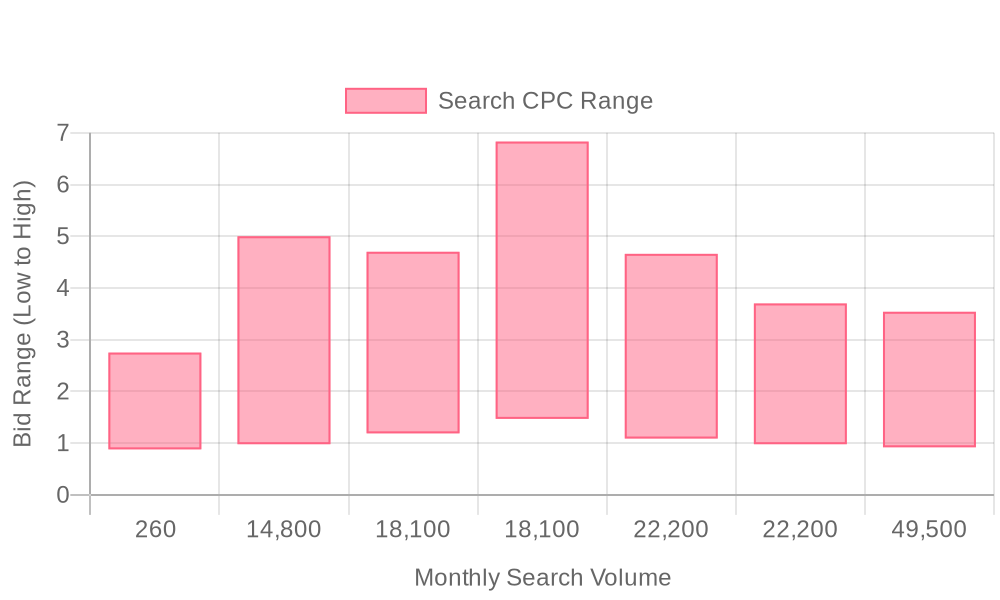
| Industry | Keyword | Monthly Search Volume | Competition Level | Low Bid | High Bid |
| Wheel Repair | alloy wheel refurbishment | 260 | LOW | 0.88 | 2.75 |
| Wheel Repair | alloy wheel repair | 14800 | LOW | 0.98 | 5 |
| Wheel Repair | wheel repair | 18100 | LOW | 1.19 | 4.7 |
| Wheel Repair | wheel balancing near me | 18100 | MEDIUM | 1.47 | 6.83 |
| Wheel Repair | wheel repair near me | 22200 | LOW | 1.09 | 4.66 |
| Wheel Repair | rim repair | 22200 | MEDIUM | 0.98 | 3.7 |
| Wheel Repair | rim repair near me | 49500 | MEDIUM | 0.92 | 3.54 |
Wheel repair businesses thrive when their Google Ads keyword strategy aligns with real-time audience intent and localized demand. Targeted, context-aware keyword selection ensures that every dollar spent attracts buyers genuinely seeking wheel repair, refurbishment, or urgent rim fixes. For a detailed overview of effective PPC strategies tailored to auto repair, refer to this PPC strategy for auto repair shops.
- High and low urgency coverage: Use intent-diverse keywords like "affordable wheel repair services" to engage budget-conscious customers alongside "emergency wheel refurbishment" for those with immediate needs. This dual approach increases campaign reach across the sales funnel, ensuring both volume and high-value leads are captured. Explore more playbooks for demand generation to further refine your keyword targeting and campaign structure.
- Location relevance: Phrases such as "wheel repair shop in San Diego" or "alloy wheel repair near me" directly align ads with local search behavior. By focusing spend on geo-relevant terms, marketers boost ad visibility in key service areas while minimizing wasted impressions in non-serviceable locations. Use Sona’s Destinations to automatically sync high-quality audience data into your ad platforms and maximize local targeting efficiency.
- Negative keyword integration: Adding terms like "DIY wheel repair" or "wheel repair kit" as negatives prevents budget drain from unqualified clicks. This step is critical for maintaining high lead quality and protecting return on ad spend. For ongoing tips and evolving strategies, visit our marketing analytics blog.
When advanced platforms unify account-level data and intent signals, marketers unlock the ability to recognize not just anonymous web visitors but specific companies and decision-makers searching for wheel repair. Audiences can be dynamically updated as prospects move from research to ready-to-buy, automatically shifting spend to those most likely to convert. Integrated CRM and ad platform sync ensures enriched audience segments feed directly into ad targeting, keeping campaigns focused and maximizing every opportunity for conversion.
Step-by-Step Campaign Execution Framework
Step 1: Build Targeted Keyword Lists
Precision in keyword targeting is the cornerstone of profitable Google Ads for wheel repair. Aligning specific repair offerings, such as alloy wheel repair, rim straightening, or curb damage fixes, with high-intent, localized keywords ensures every dollar reaches a motivated audience. This approach minimizes wasted spend on generic queries and boosts Quality Scores, giving your campaigns a competitive edge in crowded local markets.
Integrating unified data across CRM, web analytics, and real-time visitor identification unlocks granular insights into what drives search behavior at every buying stage. Marketers can pinpoint the companies or individuals who repeatedly visit, segment lists by intent signals, and ensure that high-value accounts see tailored ads matching their exact needs. As a result, budgets shift toward proven high-conversion segments, and lead quality rises week over week.
The upgrade most wheel repair advertisers miss is going beyond raw keyword volume to layer in intent and identity signals. By connecting website-visitor data and CRM records with Sona Marketing Measurement, you can see which specific search terms bring in the accounts and customers that actually convert, and weight your keyword and bidding strategy toward those rather than the terms with the highest search volume alone.
Step 2: Craft Compelling Ad Copy
Effective wheel repair advertising resonates by directly addressing the urgent pain points that trigger search activity, such as sudden flats, cosmetic rim damage, or the need for certified repairs on luxury vehicles. The best ad copy leverages urgency cues (“same-day service available”), trust signals (endorsements, guarantees), and hyper-local references to drive immediate action. Incorporating dynamic ad customization based on audience segments further personalizes the experience, increasing relevance and click-through rates.
As audiences evolve, dynamic data synchronization ensures every ad reflects the latest status of each lead, from new inquiry to repeat customer. Revenue teams can adjust messaging based on in-market behavior, surfacing specific offers or endorsements to prospects who have shown strong purchase intent. This continuous feedback loop amplifies ad resonance, reduces wasted impressions, and accelerates the path to conversion.
Step 3: Optimize Landing Pages
A seamless transition from ad to landing page is essential for converting high-intent wheel repair traffic. Every visitor should land on a page that mirrors the ad message, showcases clear pricing or guarantees, and offers frictionless appointment booking. Optimized landing pages also integrate trust elements, such as certifications, real customer testimonials, and clear calls to action, to reassure prospects and eliminate decision friction.
Unified analytics enable marketers to trace each visitor’s journey from search to form submission or call. By connecting ad clicks to specific user actions and enriching visitor profiles with CRM insights, teams identify which landing page elements drive the highest conversion rates. This data-driven approach supports rapid A/B testing and ensures every update is grounded in measurable impact, driving consistent uplift in lead volume and quality.
Step 4: Drive Data-driven Optimizations
Continuous improvement is essential for maximizing ROI in PPC for wheel refurbishment and related services. Marketers must monitor granular performance metrics, impressions, clicks, conversions, and true revenue attribution, across every campaign and audience segment. Real-time dashboards and automated alerts flag shifts in performance, enabling rapid budget reallocation or creative tweaks to capitalize on emerging trends. For practical strategies, explore this guide to PPC advertising for automotive repair businesses.
Syncing CRM and ad data delivers full-funnel visibility, bridging online and offline conversions. Marketers can attribute closed deals back to specific ad engagements, refine audience lists based on actual revenue contribution, and segment high-LTV customers for tailored remarketing. This closed-loop system turns every campaign into a learning engine, steadily increasing efficiency and supporting smarter spend decisions across all digital marketing for auto services.
Sona Marketing Measurement closes the gap between clicks and revenue. It captures every ad click with first-party measurement, then ties that click through UTM capture and ad-platform APIs to the actual record in your CRM, and reports ROAS by keyword and campaign instead of by last-click form fill. Feeding that revenue signal back into Smart Bidding and Performance Max compounds over time: the algorithms optimize toward booked wheel repair revenue, not cheap leads.
Tips on Expanding Your Wheel Repair Presence

Wheel repair businesses that prioritize data-driven strategies see measurable improvements in customer acquisition and market share. Focusing on informed marketing tactics allows operators to engage high-value prospects, build trust, and outpace competitors in crowded local markets.
- Cross-Promote Educational Content: Featuring high-quality guides and step-by-step tutorials in retargeting campaigns keeps potential customers engaged after their initial website visit. When these resources are paired with dynamic audience updates, each user receives content tailored to their stage in the buying journey, resulting in increased return visits and more service bookings.
- Leverage Industry Partnerships: Forming collaborations with local auto dealerships and related service providers can significantly increase referral traffic and brand recognition. By syncing enriched lead data and sharing intent signals with partners, wheel repair businesses can ensure a steady pipeline of qualified prospects, further reducing acquisition costs and accelerating deal cycles.
- Localize Campaigns: Adapting marketing strategies for specific geographic areas addresses the unique needs and search behaviors of local customers. Smart segmentation and real-time intent data allow for budget reallocation to high-converting zip codes, ensuring that messaging and offers resonate with each community and drive more walk-ins or calls. For actionable examples, explore best practices for wheel refurbishment Google Ads campaigns.
- Content Opportunities: Mining search term reports and on-site behavior uncovers emerging topics and pain points that should fuel your next round of content creation. Using this insight to launch targeted articles or video explainers not only improves organic reach but also supports ongoing PPC for wheel refurbishment campaigns, as new content assets can be integrated into ad creative and landing pages for better quality scores and higher conversion rates. Discover more wheel repair marketing strategies.
Beyond Google Ads: Winning the AI Answers Wheel Repair Buyers Now Trust
Paid search captures demand at the moment someone types a query. But a fast-growing share of wheel repair buyers no longer start at Google at all, they ask ChatGPT, Gemini, or Perplexity before they ever run a search, and Google's own AI Overviews increasingly summarize an answer above the traditional results. If your business isn't referenced in those AI answers, you're invisible at the exact moment buyers build their shortlist.
Sona AI Visibility shows where your business shows up across ChatGPT, Gemini, Perplexity, Google AI Overviews, and 10+ engines, and, much like a keyword report, which prompts actually send you buyers, so you can prioritize the ones that convert. Run the two together and you cover the entire buyer path: get cited where buyers research (AI Visibility), then prove which of that demand turns into booked revenue (Marketing Measurement).
Helpful resources
Conclusion
Google Ads works for wheel repair because it meets a driver at the moment a curb strike or bent rim becomes a same-day problem. Precise keywords, aligned landing pages, and well-built ad assets turn that moment into a booked appointment instead of a call to a competitor.
The shops that win this channel are the ones that treat every click as a specific driver with a specific problem, not just a keyword match. Pair that precision with measurement that follows the lead to a booked repair, and the campaigns keep improving instead of plateauing.
To connect your Google Ads spend to actual booked repairs and see which keywords and campaigns drive real revenue, start for free with Sona.
FAQ
What are the best practices for running Google Ads for wheel repair?
Best practices include precise keyword targeting, landing page alignment, performance optimization, and cross-channel marketing integration to capture high-quality leads.
How can I effectively target customers looking for wheel repair services?
You can target customers by using geo-modifiers, intent-based variations, and audience segmentation based on repair urgency, vehicle type, or company fleet status.
What keywords should I use for Google Ads in the wheel repair niche?
Focus on keywords like alloy wheel repair near me, 'emergency rim restoration,' and 'curbed wheel fix,' and include geo-relevant terms to target local searches.
How much should I budget for Google Ads for my wheel repair business?
Budgeting depends on targeting top-performing keywords and ad groups, monitoring click-through rates, conversion rates, and cost per lead, and adjusting based on performance.
What metrics should I track to measure the success of my Google Ads campaigns for wheel repair?
Track click-through rates, conversion rates, cost per lead, and use advanced attribution to monitor both online form fills and offline conversions.







