


When a washer stops draining or a dryer quits heating mid-cycle, the search happens within minutes, not days. For businesses in the washer and dryer repair services sector, Google Ads is the fastest way to reach someone standing in a flooded laundry room with their phone out. It bridges brand visibility and customer acquisition by targeting people on intent, not just demographics. The persistent challenge is speed: leads captured too late, or demo interest that never turns into a booked appointment, cost real revenue in a trade where customers call whoever answers first. Predictive modeling and intent-based audience segmentation help close that gap. Here's how Google Ads can work alongside your online and offline systems to turn urgent searches like "washer and dryer repair near me" into completed repairs.
How to Generate Washer and Dryer Repair Services Leads with Google Ads: A Step-by-Step Guide
Washer and dryer repair businesses operate in a high-intent, urgent service industry where immediate customer engagement translates directly to revenue. Today's most effective repair companies use Google Ads not just for visibility, but for rapid identity resolution, active retargeting, and data-driven optimization throughout the buying journey.
Sophisticated digital marketing strategies are no longer optional for appliance repair companies seeking to stay ahead in competitive local markets. Combining real-time audience identification with dynamic ad targeting, modern teams now track every touchpoint, ensuring marketing spend aligns with the most valuable segments and leads move seamlessly through the funnel.
- Early Lead Identification: Sona's Identity Resolution helps marketers identify site visitors and their companies as soon as they land on a washer or dryer repair page. This capability removes the lag between ad click and lead capture, giving teams the power to reach in-market prospects before they even submit a form. With enriched visitor data, outreach is more tailored, and follow-up is immediate, key for a category where service speed is critical. For step-by-step tactics, consult this Google Ads guide for appliance repair.
- Demo Retargeting: Not all visitors convert the first time, especially for higher-value repair requests or larger organizations managing multiple properties. By tracking who interacts with service demo requests or appointment calendars, marketers can create dynamic audience segments. These audiences update automatically as leads move from initial inquiry to quote, enabling precise remarketing campaigns that remind prospects of the unique value and reliability offered by the repair service.
- Data-Driven Paid Search: Appliance repair teams that unify ad performance, CRM data, and intent signals can shift budget in real time toward the keywords, locations, and audiences delivering the most conversions. This directs every dollar spent on Google Ads for Washer and Dryer Repair Services toward high-converting segments, improving efficiency and ROI. Attribution reveals which touchpoints, a Google search, a direct site visit, a retargeting ad, drive actual booked repairs, informing budget and bid adjustments.
- Keyword Targeting for Appliance Repair: Effective Google Ads campaigns for washer and dryer repair start with granular keyword selection. Teams map high-intent queries like “dryer not heating fix near me,” “emergency washer repair,” and “same-day laundry appliance repair” to tightly themed ad groups. Negative keywords such as “DIY,” “manual,” or unrelated appliances are layered in to prevent wasted spend on non-converting traffic. Regular keyword performance reviews keep the strategy aligned with evolving customer search behavior. Explore more about PPC strategies for appliance repair.
- Alignment for Conversion and ROI: Success requires more than ad clicks, it demands that every interaction is tracked and attributed back to revenue. With online and offline conversion tracking, repair companies know which keywords and campaigns generate not just calls or form fills, but actual booked appointments and completed repairs. Automated CRM and ad platform sync ensure that audience lists and conversion data are always up to date, allowing for smarter bidding and more relevant ad creative at every stage.
- Integration for a Unified Marketing Ecosystem: The most advanced washer and dryer repair teams connect Google Ads data with internal systems, creating a feedback loop between online engagement and offline sales outcomes. This integration allows for real-time audience updates, seamless lead routing, and accurate ROI measurement, unlocking new levels of efficiency and insight for revenue-focused marketing teams.
This playbook gives washer and dryer repair businesses a way to run Google Ads campaigns that are measurable, responsive, and tied to revenue. Combining identity resolution, targeted retargeting, and unified data shortens the path from ad click to scheduled repair and makes that path easier to predict and improve. To streamline your own process, get started for free with Sona.
Why Does Google Ads Matter for Washer and Dryer Repair Services?
Digital advertising has become indispensable for washer and dryer repair businesses seeking to reach customers the moment issues arise. Immediate online visibility ensures your services are the first option homeowners see when faced with urgent appliance breakdowns, driving high-value calls and bookings that directly impact revenue. Discover how Google Ads strategies can maximize ROI for repair services in 2024 or explore actionable marketing insights for appliance repair to strengthen your campaigns.
- Complex, Specialized Audience: Washer and dryer repair is a nuanced field where users often search with specific symptoms, brands, or models in mind. By leveraging detailed keyword targeting and dynamic audience segmentation, businesses can intercept prospects at the exact moment they indicate intent, preventing competitors from capturing these high-intent leads.
- Higher Margin Services: High-value repairs, such as drum replacement or control board fixes, require precise targeting to attract profitable service requests. Advanced solutions enable segmentation based on in-market behavior, ensuring ad budget is shifted toward audiences demonstrating readiness for premium repairs. As leads progress through the funnel, dynamic audience updates keep messaging relevant, maximizing the likelihood of securing lucrative projects.
- Faster Demand Response: The nature of appliance emergencies demands rapid response. Modern ad platforms allow for real-time adjustments to bids and messaging based on emerging search trends, weather events, or local surges in demand. With integrated CRM and ad platforms, enriched audience and lead data can be instantly synced, ensuring repair teams are equipped to respond to urgent inquiries as soon as they arise.
- Visibility in Emerging Regions: Growth areas and newly developed neighborhoods often present untapped opportunity for repair services. Precise geo-targeting and offline attribution ensure marketing dollars are focused on regions with the highest potential, capturing leads before competitors become established.
Common Types of Google Ads Campaigns for Washer and Dryer Repair Services
Successful washer and dryer repair providers know that not all leads are the same. Tailoring campaign formats to each customer’s buying journey can drive more high-quality requests and reduce wasted spend. To further refine this process, real-time audience insights help marketers target and engage the prospects most likely to convert.
- Search Campaigns: These campaigns target users actively searching for washer and dryer repair solutions. By matching ad copy to high-intent queries like “washer not draining service” or “dryer repair near me,” businesses maximize visibility at the moment of need. When enriched audience data and CRM insights are integrated, marketers can more precisely match ads to those most likely to convert, increasing both lead quality and campaign efficiency. For a step-by-step guide on setting up search campaigns for appliance repair, see this Google Ads for appliance repair guide.
- Display Ads: Display campaigns keep repair brands visible to homeowners comparing options or researching appliance issues. Custom banners and visual messaging remind prospects of your expertise while they browse relevant sites or forums. When dynamic audience updates are in place, display ads automatically focus impressions on site visitors showing renewed interest or those recently identified as in-market for appliance repair, optimizing ad spend on the most promising accounts.
- Video Ads: Video formats allow repair services to showcase expertise and build trust with compelling content. Demonstrating a common repair or explaining the process in a short video can differentiate your brand, especially on YouTube and Google’s video partners. By analyzing real-time engagement data, marketers can shift budget toward high-performing video campaigns that resonate with local households actively seeking repair help.
- Remarketing: Remarketing brings back visitors who expressed interest but didn’t book a service. By serving tailored ads to users who viewed repair pages or started a booking form, marketers can recover lost opportunities and nurture hesitant prospects. Leveraging advanced visitor identification and intent scoring, remarketing audiences are refreshed dynamically, ensuring follow-up messaging reaches only those with the highest likelihood of converting.
- Assets: Ad assets add crucial details that build trust and drive action. Call, location, and review assets highlight availability, service radius, and reputation, critical for local repair decisions. With direct CRM integration, asset content can be customized based on the visitor's stage in the funnel, displaying real-time ratings or limited-time offers for returning prospects. This personalization lifts conversion rates and keeps the service top-of-mind for urgent repair needs.
Where to Find Growth Opportunities?
Washer and dryer repair businesses operating in crowded digital ecosystems must look beyond traditional marketing playbooks to sustain meaningful growth. Identifying untapped channels and refining outreach strategies unlocks direct paths to higher-value customers and improved campaign efficiency.
- Vertical keyword targeting for unique services: Expanding keyword portfolios to include highly specific washer and dryer issues (such as "front-load washer drum repair" or "gas dryer thermostat replacement") attracts searchers with immediate intent who are underserved by broader appliance repair campaigns. This vertical focus reduces wasted spend and increases ad relevance, especially when combined with real-time visitor identification that reveals which searchers are actively in-market for these niche services.
- Competitor gap analysis for underserved markets: By auditing the paid search landscape, repair businesses can pinpoint neighborhoods, service types, or appliance brands with low competitor presence. Integrating intent signals from web traffic allows marketers to prioritize these gaps, dynamically shifting budget toward geographies and segments where winning new jobs is most cost-effective.
- Industry-specific ad placements in relevant directories: Featuring services in local home service directories and trade association sites builds visibility among audiences already seeking repair solutions. For step-by-step campaign planning, see this Google Ads for appliance repair guide. Enriching these placements with dynamic audience data ensures only the most relevant, high-intent prospects are retargeted, minimizing wasted impressions and maximizing ROI for every directory investment.
- Retargeting content for interested audiences: Following up with website visitors and previous leads using tailored messaging, such as reminders about recent appliance issues or new service promotions, keeps the brand top of mind during their decision-making journey. Advanced audience segmentation tools enable real-time updates as prospects move closer to booking, so retargeting dollars focus on those most likely to convert.
How to Apply Audience Segmentation for Washer and Dryer Repair Services
Accurate audience segmentation is essential for washer and dryer repair services aiming to maximize advertising ROI and minimize wasted spend. By aligning each segment with the broader customer journey, marketers can deliver messaging that precisely matches the needs and urgency of every potential client, from homeowners facing urgent breakdowns to property managers seeking routine maintenance contracts. For a deeper dive into building segmented campaigns, explore this step-by-step guide for Google Ads in appliance repair.
Defining distinct segments, such as residential versus commercial repair clients, enables teams to tailor ad copy, offers, and landing pages for each audience. Residential customers typically prioritize rapid response and cost transparency, while commercial clients may value preventive maintenance plans and service-level agreements. Leveraging visitor identification helps marketers go beyond basic demographics, pinpointing specific companies or households actively researching appliance repairs.
Overlaying intent signals onto these segments is crucial for timing outreach effectively. For example, real-time behavioral data can distinguish between users searching for "emergency washer repair tonight" and those browsing "dryer maintenance tips." Platforms that centralize these insights empower teams to dynamically shift budgets and creative focus toward high-converting accounts showing in-market behavior, ensuring ad spend is directed where it delivers the strongest returns.
Creating ad groups by segment further refines campaign performance. Individual ad groups allow for customized creative assets and message testing against each audience's motivations, for instance targeting commercial property managers with messaging about fleet discounts and priority scheduling, while simultaneously engaging homeowners with testimonials and warranty offers. As audiences move through the funnel, from initial research to requesting a quote, dynamic audience tools automatically update lists and sync enriched segments with ad platforms and CRM systems. This keeps messaging relevant, improves lead quality, and accelerates conversion rates across all channels.
This is also where measurement changes the economics. With Sona Marketing Measurement you can identify the companies behind your ad clicks, not just anonymous sessions, and segment audiences by which accounts actually become customers. That lets you build bid adjustments and audience signals around the segments that convert and de-prioritize the ones that don't, so you feed Google's algorithms "this click became a paying washer and dryer repair services customer" instead of just "someone filled out a form."
Keyword Strategy & Sample Target Terms
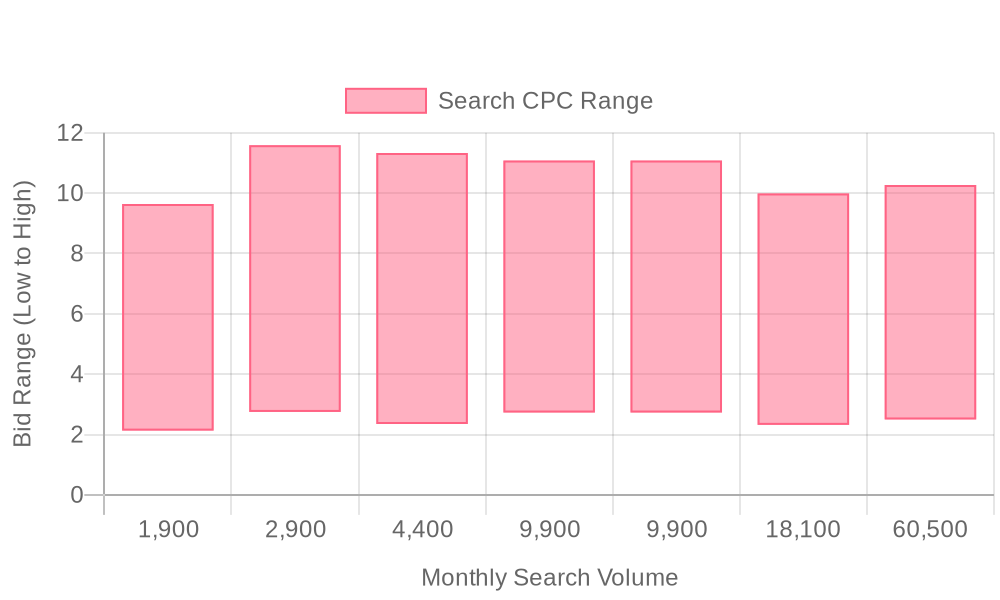
| Industry | Keyword | Monthly Search Volume | Competition Level | Low Bid | High Bid |
| Washer and Dryer Repair Services | washer dryer repair service near me | 1900 | MEDIUM | 2.13 | 9.64 |
| Washer and Dryer Repair Services | washer and dryer repair services | 2900 | LOW | 2.75 | 11.59 |
| Washer and Dryer Repair Services | washer & dryer repair service near me | 4400 | MEDIUM | 2.35 | 11.33 |
| Washer and Dryer Repair Services | washer dryer repair | 9900 | MEDIUM | 2.73 | 11.08 |
| Washer and Dryer Repair Services | washer and dryer repair | 9900 | MEDIUM | 2.73 | 11.08 |
| Washer and Dryer Repair Services | washer and dryer repair near me | 18100 | MEDIUM | 2.32 | 9.99 |
| Washer and Dryer Repair Services | washer dryer repair near me | 60500 | MEDIUM | 2.5 | 10.27 |
Washer and dryer repair services thrive when search intent aligns with urgent customer needs. Pinpointing the right keywords ensures that every advertising dollar targets prospects ready to book a repair, rather than those browsing for general information or DIY solutions. Explore our marketing analytics blog for more insights into keyword-driven advertising strategies.
- Strategic Value: Focusing on high-intent keywords like "washer repair near me," "dryer not heating fix," and "emergency washing machine repair" delivers leads in active buying cycles. These queries signal immediate problems, allowing repair businesses to intercept buyers who are most likely to convert. Integrating granular, symptom-based terms such as "front load washer leaking" or "dryer making loud noise" further increases qualified traffic, as users are searching for solutions to specific appliance breakdowns. For a comprehensive guide on campaign setup and management, see this Google Ads for appliance repair guide.
- Precision Targeting: Leveraging advanced keyword segmentation within Google Ads for washer and dryer repair services enables campaigns to reach decision-makers at the exact moment of need. Dynamic keyword insertion adapts ad copy to match the user’s search, increasing relevance and click-through rates. Negative keyword filtering, excluding terms like "DIY," "installation," or "buy new washer", prevents wasted spend on non-service-seeking users. With real-time visitor identification, marketers can refine targeting to focus on high-value accounts, responding to in-market signals and shifting budgets to keywords that drive the highest ROI.
Sample target terms for washer and dryer repair advertising should include:
- "Washer repair service near me"
- "Dryer repair same day"
- "LG washer error code fix"
- "Samsung dryer not heating"
- "Affordable appliance repair"
- "Commercial laundry equipment repair"
- "Certified washer and dryer technician"
- "Emergency dryer repair"
- "Schedule washer repair online"
- "Best washer and dryer repair company"
These targeted keywords, combined with dynamic audience segmentation and real-time intent data, allow teams to build effective Google Ads campaigns that intercept high-intent prospects and deliver measurable results for appliance repair businesses. Audience lists can update automatically as leads move through the funnel, ensuring ongoing optimization and sustained lead quality. To see how you can put these strategies into practice, get started for free with Sona.
Step-by-Step Campaign Execution Framework
Step 1: Build Targeted Keyword Lists
Effective campaigns for washer and dryer repair services begin with rigorous keyword research that isolates high-intent, service-driven queries. Focus on building lists that differentiate between appliance types, specific brands, and urgent repair problems, such as “dryer not heating fix,” “washer leaking repair near me,” and “emergency Samsung washer repair.” This granular approach ensures ad spend is allocated only to searchers ready to convert, reducing wasted clicks from general or DIY queries. By unifying search data with first-party signals, marketers can identify which keyword themes correlate with actual bookings, enabling smarter prioritization and more dynamic negative keyword management.
Integrating granular visitor identification technology allows marketers to match keyword-level intent with real-time company data, revealing which organizations are actively in-market for repair services. This enables teams to surface and prioritize high-value accounts and continuously refine keyword lists based on observed buyer behavior, not just search volume or historical performance. Automated syncing with CRM and ad platforms ensures these enriched audiences are always up-to-date, increasing precision and reducing manual segmentation work.
For a comprehensive guide on launching successful Google Ads campaigns for appliance repair services, review this step-by-step resource.
The upgrade most washer and dryer repair services advertisers miss is going beyond raw keyword volume to layer in intent and identity signals. By connecting website-visitor data and CRM records with Sona Marketing Measurement, you can see which specific search terms bring in the accounts and customers that actually convert, and weight your keyword and bidding strategy toward those rather than the terms with the highest search volume alone.
Step 2: Develop Compelling Ad Copy
Ad copy should speak directly to the urgency and specificity of appliance repair needs, addressing pain points like "24/7 dryer repair," "certified washer technicians," or "guaranteed same-day service." High-performing ads combine direct solutions with trust-building elements, including local credentials, warranty information, and real customer reviews. Responsive search ads, an ad format within Search campaigns, allow for dynamic testing, optimizing headlines and descriptions in real time to maximize engagement with each segment.
Data-driven creative optimization is key: by leveraging insights from real-time visitor intent and past conversion paths, marketers can tailor ad messaging to align with the exact stage of the buyer journey. This ensures that repeat visitors, known accounts, or high-value targets always see the most relevant offers and proof points, increasing click-through and conversion rates. Continuous feedback from CRM and web analytics further refines messaging, ensuring ad copy evolves alongside customer behavior.
Step 3: Design Effective Landing Pages
Landing pages for washer and dryer repair services must minimize friction and immediately validate the visitor’s need. Each page should reinforce the promise made in the ad, display service area coverage, and showcase technician certifications and customer testimonials. Conversion elements such as click-to-call buttons, instant booking forms, and live availability widgets reduce drop-off, while trust signals like Google Guaranteed badges and repair warranties address common objections.
Personalization based on real-time visitor data further increases conversion rates, serving location-specific offers, relevant appliance brands, or tailored service recommendations. Advanced analytics platforms allow teams to track not only standard conversions but micro-interactions, revealing which content and CTAs drive the highest quality leads. The combination of intent-driven design and automated audience syncing ensures every landing experience is optimized for each segment and lifecycle stage.
Explore creative advertising ideas to help appliance repair companies increase sales and brainstorm additional tactics for your landing pages.
Step 4: Implement Data-Driven Optimizations
Ongoing optimization is the backbone of effective Google Ads for washer and dryer repair services. Monitor conversion actions across calls, forms, and online bookings, and use attribution models that capture both online and offline activity. Make data-driven bid adjustments for top-performing keywords, times, and locations, reallocating budget to where ROI is highest.
Real-time audience updates, combined with unified reporting from CRM and ad platforms, allow teams to see which companies and segments progress through the funnel. Dynamic retargeting ensures that leads who engage but do not convert are nurtured with relevant offers, while automated suppression removes closed deals from remarketing pools. This closed-loop approach drives continuous improvement, maximizing Google Ads ROI for service businesses and ensuring every dollar spent is accountable to revenue outcomes.
If you're ready to automate your campaign optimizations and audience management, get started for free with Sona.
Sona Marketing Measurement closes the gap between clicks and revenue. It captures ad clicks with first-party, cookieless measurement, then ties that click through UTM capture and ad-platform APIs to the actual record in your CRM, and reports ROAS by keyword and campaign instead of by last-click form fill. Feeding that revenue signal back into Smart Bidding and Performance Max compounds over time: the algorithms optimize toward booked washer and dryer repair services revenue, not cheap leads.
Tips on Expanding Your Google Ads Presence for Washer and Dryer Repair Services
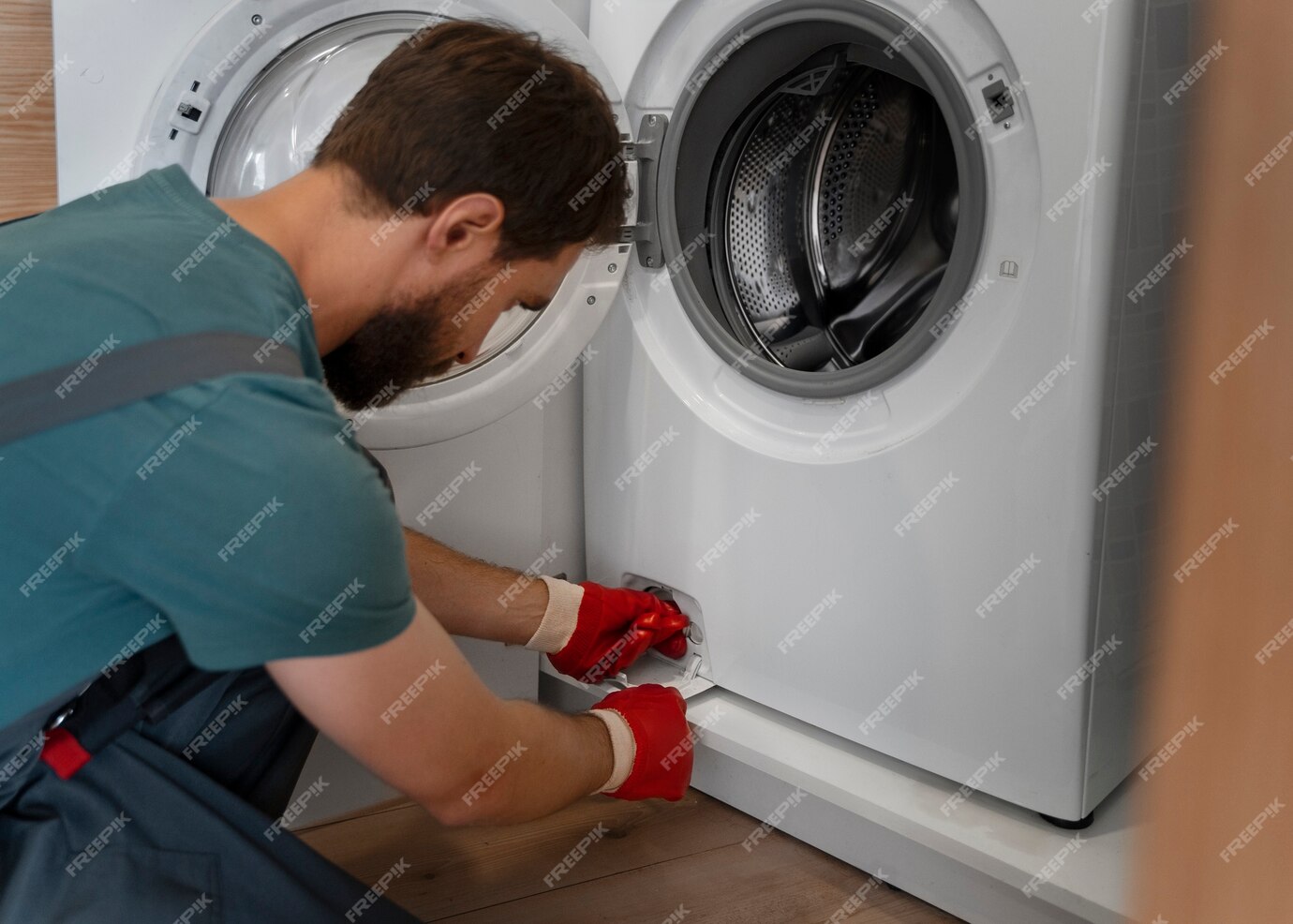
Washer and dryer repair businesses looking to scale must focus on more than just transactional ad campaigns. Sustainable growth demands a blend of authority-building, audience expansion, and ongoing relevance in a highly competitive market. For more insights, explore our blog articles on marketing analytics and strategy.
- Cross-promote educational content: Integrate how-to guides and troubleshooting resources directly into your ad extensions and sitelinks. This elevates your brand as a trusted local expert, increasing click-through rates while nurturing long-term customer loyalty. Highlighting video explainers or maintenance tips can also draw high-intent audiences seeking both immediate repairs and future preventative service, positioning your company as the go-to solution throughout the appliance lifecycle. To brainstorm new advertising ideas, check out appliance repair advertising ideas to win more sales.
- Upsell related services to segmented audiences: Use your campaign data to segment audiences based on service history, appliance type, or engagement level. Serve targeted offers for complementary repairs, such as dryer vent cleaning or washer hose replacements, to past customers or those who have shown interest in related services. With real-time audience segmentation, segmenting and retargeting become seamless, enabling you to boost customer lifetime value by delivering highly relevant upsell opportunities as users move from initial inquiry to loyal repeat business.
- Leverage partnerships with industry associations: Tap into broader visibility by running co-branded campaigns with local appliance retailers, home warranty providers, or industry associations. These partnerships can fuel referral traffic and enhance credibility. When integrated with a unified data platform, you can identify which referral sources generate the highest-quality leads, optimizing partnership investments for maximum ROI.
- Localize ads for enhanced regional reach: Tailor your ad copy and creative assets to reflect the language, needs, and pain points of each target region. For instance, ads in coastal cities might emphasize flood-related washer repairs, while suburban areas may respond better to messaging about family-friendly, same-day service. Real-time visitor identification enables dynamic ad customization based on location, ensuring every impression resonates with local context and drives higher conversion rates.
Mastering Google Ads for washer and dryer repair services requires a data-driven expansion strategy that balances reach with relevance. Embedding educational content, upselling intelligently, leveraging strategic partnerships, and localizing every campaign element helps repair businesses secure greater market share and maximize their Google Ads ROI.
Beyond Google Ads: Winning the AI Answers Washer and Dryer Repair Services Buyers Now Trust
Paid search captures demand at the moment someone types a query. But a fast-growing share of washer and dryer repair services buyers no longer start at Google at all, they ask ChatGPT, Gemini, or Perplexity before they ever run a search, and Google's own AI Overviews increasingly summarize an answer above the traditional results. If your business isn't referenced in those AI answers, you're invisible at the exact moment buyers build their shortlist.
Sona AI Visibility shows where your business shows up across ChatGPT, Gemini, Perplexity, Google AI Overviews, and 10+ engines, and, much like a keyword report, which prompts actually send you buyers, so you can prioritize the ones that convert. Run the two together and you cover the entire buyer path: get cited where buyers research (AI Visibility), then prove which of that demand turns into booked revenue (Marketing Measurement).
Helpful resources
Conclusion
Google Ads gives washer and dryer repair businesses a direct line to customers at the exact moment an appliance fails. Targeting the right audience and pairing it with ad copy built around urgency and trust turns that moment into a booked appointment rather than a lost call to a competitor.
The repair companies pulling ahead right now are the ones treating Google Ads as one part of a larger measurement system, one that connects ad spend to booked jobs and feeds that signal back into bidding. As AI tools increasingly mediate how customers find local services, the businesses that show up consistently, both in search results and in AI-generated answers, will be the ones winning the calls when the washer floods at 9pm on a Sunday.
FAQ
What are the best practices for Google Ads in the appliance repair industry?
Best practices include using predictive modeling, intent-based audience segmentation, precise targeting based on customer behavior, and integrating Google Ads with both online and offline strategies for measurable results.
How can I create effective Google Ads for washer and dryer repair services?
To create effective ads, focus on high-intent keywords, use dynamic ad targeting, track every touchpoint, and ensure ad spend aligns with valuable segments. Tailor ad copy to address urgency and specific appliance issues.
What budget should I allocate for Google Ads for appliance repair?
Allocate budget dynamically based on real-time performance data, focusing on high-converting keywords, locations, and audiences to optimize ROI and efficiency.
What keywords should I target for washer and dryer repair services?
Target high-intent keywords such as 'dryer not heating fix near me,' 'emergency washer repair,' and 'same-day laundry appliance repair,' while using negative keywords like 'DIY' to avoid non-converting traffic.
How do I measure the success of my Google Ads campaigns for appliance repair?
Measure success by tracking conversions from calls, forms, and bookings, using attribution models to capture online and offline activities, and continuously adjusting bids based on performance data.







