


Video duplication businesses live and die by response time: a client with a shelf of decaying tapes or a studio archive on deadline wants an answer within hours, not days. Google Ads, used well, puts your service in front of that buyer at the exact moment they search, and connects that click to the revenue it eventually produces. The harder problem is what happens after the click: high-value prospects browse and leave without filling out a form, and campaigns run disconnected from what actually closes. Identifying the companies behind that anonymous traffic, and feeding what converts back into your targeting, is what turns a scattered ad account into a repeatable growth channel.
How to Generate Google Ads for Video Duplication Leads with Google Ads: A Step-by-Step Guide
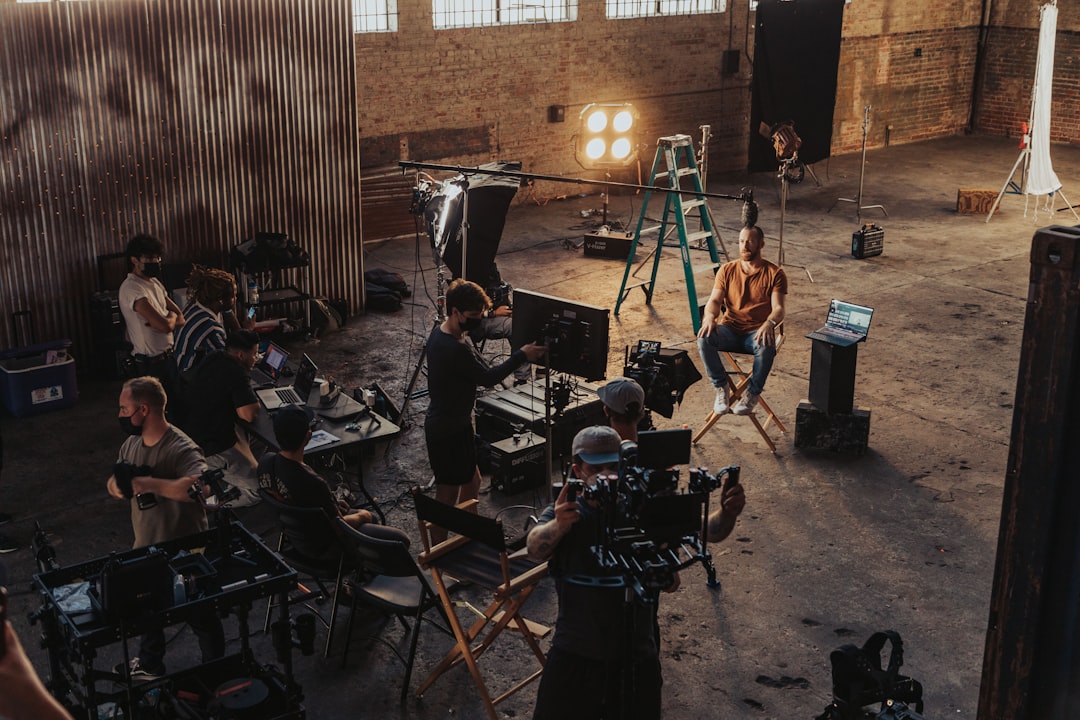
Video duplication services face unique challenges in capturing high-intent leads and converting interest into revenue. Precision targeting, actionable data, and seamless campaign execution are essential to outpace competitors and drive sustainable growth. For a deeper dive into advanced marketing analytics and strategies, visit our blog on attribution and revenue optimization.
A data-driven Google Ads strategy for video duplication combines keyword intelligence, real-time visitor identification, and advanced audience segmentation. Tailored workflows cut wasted spend, reach decision-makers, and unify messaging across every touchpoint. Sona's Identity Resolution reveals which companies and buying groups interact with your content, offering the visibility needed for instant budget shifts and accelerated sales cycles.
- Pinpoint data-driven approaches to streamline processes: Data is the foundation of efficient digital marketing for video duplication. Mine past campaigns for the keywords and placements that actually converted, whether that's "VHS to digital transfer" from a consumer browsing at midnight or "enterprise media migration" from a studio archivist on a deadline. Identity Resolution shows not just anonymous visitors but the companies and buying groups engaging with your content, so budget can shift immediately toward in-market accounts instead of waiting out a reporting cycle. For step-by-step campaign setup and optimization, watch this Google video ad tutorial.
- Optimize keywords and audience targeting for maximum impact: Effective Google Ads for Video Duplication starts with comprehensive keyword research tailored to both core services (tape transfer, DVD duplication, cloud migration) and pain points (secure archiving, fast turnaround). Sona's Audiences tool builds dynamic segments, combining intent, account attributes, and CRM data, for real-time, hyper-personalized outreach. For more hands-on playbooks, explore our step-by-step guides for growth.
- Address the pain of lost prospects due to form non-submission by integrating tools that identify and retarget these potential leads: Many high-value site visitors never fill out a form, slipping through standard retargeting nets. Visitor identification solutions reveal high-potential but non-converting traffic, enabling marketers to sync these audiences directly into Google Ads for immediate retargeting. By layering in real-time intent signals, campaigns dynamically adjust to prioritize accounts showing strong buying signals, minimizing lead leakage.
- Align landing pages and creatives for enhanced conversion rates: Consistent messaging between ad copy, landing experiences, and creative assets is critical for video duplication campaigns. Use insights from unified data platforms to A/B test headlines, visuals, and CTAs that mirror the specific needs of each segment. To learn more about optimizing and measuring video ad performance, review this Google Ads video performance guide.
- Leverage cross-channel techniques to solidify your marketing mix: Video duplication buyers, especially institutional ones like studios, libraries, or corporate archives, often need several touchpoints before committing. Pair Google Ads with LinkedIn, Facebook, and programmatic placements for a coordinated, multi-touch approach. Attribution models that track the full journey let teams shift budget toward the channels and messages that actually move decision-makers, rather than the ones that simply generate clicks. For deeper insights into measuring marketing's impact across channels, see our guide on quantifying marketing's influence on the sales pipeline.
With these foundations in place, revenue teams can confidently launch campaigns that generate and convert leads for video duplication services, using unified data at every step. Get started for free with Sona.
Why Google Ads Matters for Video Duplication
Effective video duplication businesses face urgent challenges: limited visibility in a crowded market, slow lead response, and the complexity of tracking multiple project touchpoints. Google Ads delivers targeted solutions that address these pain points with data-driven strategies and advanced targeting. For more strategies on optimizing campaign performance, explore our marketing analytics insights.
- Expertise Audiences: Google Ads lets video duplication providers reach decision-makers actively searching for transfer, restoration, or archiving solutions, using detailed in-market and custom-intent audiences. Precise audience intelligence raises engagement rates and cuts wasted ad spend.
- Premium Services: High-value projects often escape standard funnels, especially when prospects remain untracked across channels. Through real-time intent monitoring, marketers can identify and engage previously invisible leads, ensuring no valuable opportunity is overlooked.
- Rapid Response Needs: Video duplication often requires immediate action from both vendors and clients. Using Google Ads, businesses can launch campaigns that respond instantly to surges in demand or urgent project requests, while maintaining consistency in messaging and brand presence. For step-by-step guidance, see our detailed marketing playbooks.
- Expanding Visibility: Growth in new or underserved markets demands more than broad targeting. Google Ads enables video duplication companies to penetrate specific verticals, locations, or business segments, using lookalike and affinity audiences to find high-potential prospects before competitors do.
- Holistic Data Analysis: Integrating offline actions with digital intent is critical for optimizing video duplication campaigns. With robust attribution and ad conversion tracking, teams can connect ad interactions with final project outcomes, ensuring every marketing dollar is traceable and campaign alignment is maintained across all channels. When unified with CRM data, marketers gain a complete view of the customer journey, enhancing both strategic planning and real-time campaign adjustments.
Common Types of Google Ads Campaigns and Formats for Video Duplication
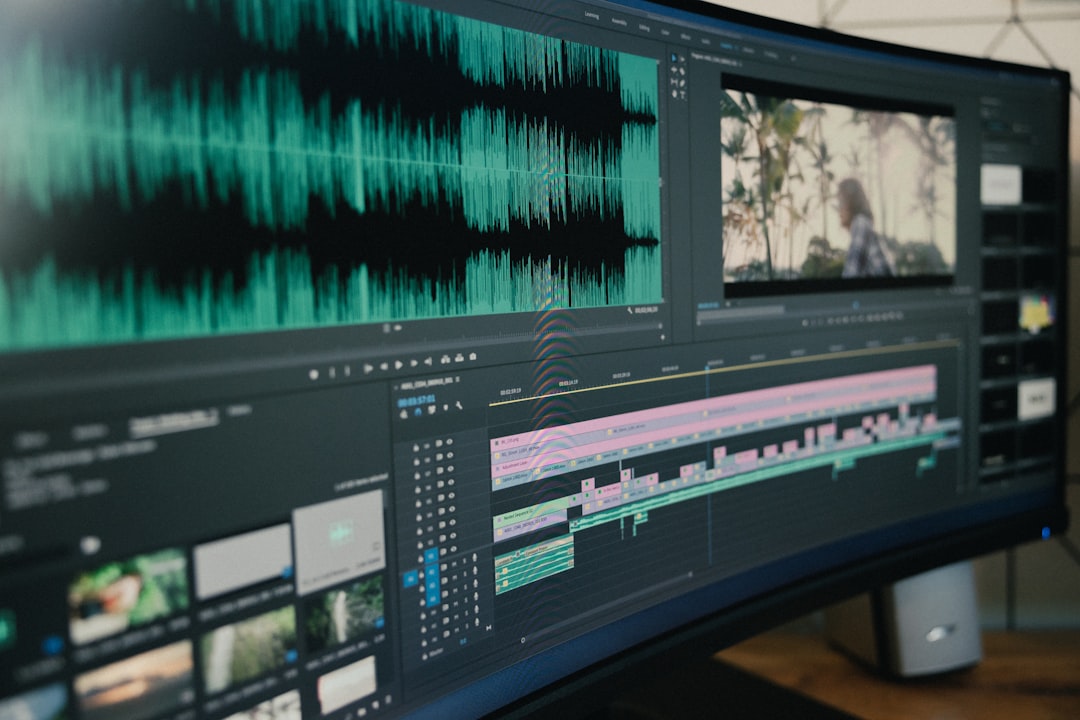
- Search Campaigns: Search campaigns capture demand from users actively seeking video duplication services. By targeting high-intent keywords, these campaigns put your brand in front of decision-makers ready to act. Leveraging advanced audience data, B2B marketers can segment search ads to focus on in-market companies, ensuring spend targets the right accounts. Integration with real-time visitor identification sharpens this approach by matching anonymous searchers to actual organizations, making follow-up and retargeting far more effective.
- Display Ads: Display advertising keeps your video duplication services top-of-mind as prospects browse industry news, forums, and resource hubs. Consistent, targeted banner ads counteract the common challenge of fragmented messaging across digital channels. Dynamic audience insights allow revenue teams to refresh display segments as leads move through their journey, preventing wasted impressions and keeping brand narratives relevant on the platforms your buyers trust. For more strategies, explore our marketing analytics insights.
- Video Ads: Video campaigns excel at demonstrating the intricate value and technical reliability of your duplication process, before-and-after transfer quality, secure handling of irreplaceable originals, turnaround speed. Through YouTube and Google video partners, you can walk through complex workflows, highlight differentiators, and answer the objections buyers raise most, especially around damage risk and file security. A unified data platform keeps every creative variant synced with audience intent and measured against actual conversions, rather than views alone. Learn about effective YouTube video ads.
- Remarketing: Remarketing reignites interest from visitors who reviewed your services but left without converting. Advanced remarketing strategies allow for granular segmentation, such as targeting decision-makers from specific industries or company sizes, based on real-time engagement signals. Modern platforms help marketers automate Google video ad campaigns by dynamically updating retargeting audiences and syncing enriched CRM data, ensuring outreach remains timely and relevant as prospects reconsider their options.
- Performance Max: Performance Max campaigns pool Search, Display, YouTube, and Discover inventory into a single goal-based campaign, useful for video duplication businesses that want Google's bidding models to find converting accounts across surfaces without managing each channel separately. Feeding it a clean conversion signal, a closed deal rather than a form fill, keeps its automation aimed at the traffic that actually becomes revenue.
- Ad Assets: Ad assets add depth and credibility to your core ads, offering site links, structured snippets, and direct contact options. For video duplication services, surfacing trust signals, such as client testimonials or certifications, directly in your ads helps break down engagement barriers. Tracking and CRM integration tie these engagements back to opportunity creation, giving B2B teams a full-funnel view of how assets contribute to optimizing Google video ad performance and overall ROI.
Where to Find Growth Opportunities?
Growth in video duplication rarely comes from broader targeting alone. Companies that segment deliberately, rather than running one generic campaign, see stronger conversion and retention, particularly when targeting draws on unified intent data and CRM records instead of guesswork.
- Vertical Keyword Targeting: Pinpointing audience intent starts with detailed keyword segmentation. By focusing on service-specific query variations, such as "enterprise video duplication," "bulk media conversion," or "archive digitization for studios", marketers can address high-value gaps often left by users who browse anonymously or avoid direct inquiry forms. Enriched website visitor data, including those unrecognized by traditional analytics, enables marketers to uncover which queries drive traffic but don't convert, allowing for tailored messaging that resonates at each stage of the funnel.
- Competitor Insights: Understanding where competitors under-serve or overlook segments opens the door to new business. Revenue teams can use advanced analytics to identify which companies are browsing their site, what content they engage with, and even which services are repeatedly researched but not purchased. Armed with these insights, marketers can build targeted outreach campaigns, optimize retargeting strategies, and reallocate budgets to engage high-intent accounts, boosting efficiency and deal velocity.
- Industry Placements: Expanding reach through placements on specialized forums, B2B directories, or industry-specific platforms offers a route to audiences not easily found through standard search. Targeted ad placements, supported by real-time audience data, make it possible to connect with decision-makers who require nuanced messaging. For a closer look at video ad campaign options that help you reach specialized audiences, explore Google video ad formats. This approach transforms generic brand presence into tailored, actionable engagement, increasing the likelihood of qualified inbound leads.
- Content Retargeting: Deploying high-value assets, such as technical guides, whitepapers on media preservation, or workflow optimization checklists, fuels systematic audience nurturing. Marketers who utilize unified data platforms can track anonymous visitor behavior, link content downloads to accounts, and synchronize audience segments with advertising platforms including Google Ads. This enables dynamic retargeting, with content and calls-to-action adapting as leads move from initial research to purchase consideration.
How to Apply Audience Segmentation for Video Duplication
Modern B2B marketers in the video duplication space gain a measurable advantage by leveraging audience segmentation to increase the efficiency of their campaigns. By deploying advanced segmentation, teams can curb wasted spend and drive higher engagement from the audiences most likely to convert.
- Define Segments: Start by creating distinct audience segments for commercial and social video duplication needs. Commercial clients often demand higher-volume, enterprise-grade solutions, while social users prioritize ease of use and creative flexibility. Crafting targeted messaging for each segment ensures campaigns address their unique pain points, leading to improved response rates and more qualified leads. For more step-by-step guidance, explore these marketing and sales playbooks.
- Overlay Intent Signals: Sona surfaces intent signals in real time to prioritize outreach. When a prospect suddenly researches urgent duplication turnaround or asks about service upgrades, dynamic audience adjustments let budget shift immediately. With Identity Resolution layered on top of intent tracking, marketers can see which companies are actively researching video duplication, moving past anonymous visits to account-level insight worth acting on.
- Segment Ad Groups: Assign separate ad groups tailored to each audience's journey and customize creative assets accordingly. Adjust budget allocations based on segment value and engagement history to minimize inefficient impressions and clicks. When new leads enter the funnel or existing accounts shift behavior, dynamic audience updates ensure that targeting evolves in lockstep with buyer progression, keeping messaging relevant and spend efficient. Learn how to set up and optimize a Google video ad campaign for maximum return.
- Validate Conversion Paths: Ensure that every touchpoint is measurable by connecting ad engagement with CRM and offline activity. Advanced platforms streamline the integration between Google Ads, CRMs, and sales tools, enabling both online and offline attribution across the buyer journey. This unified approach allows B2B marketers to capture complete intent signals, track true ROI, and automate follow-up for leads showing strong purchase intent, directly enriching Google Ads audiences for ongoing campaign optimization.
This is also where measurement changes the economics. Sona Marketing Measurement identifies the companies behind your ad clicks, not just anonymous sessions, and segments audiences by which accounts actually become customers. That lets you build bid adjustments and audience signals around the segments that convert, and de-prioritize the ones that don't, so you feed Google's algorithms "this click became a paying video duplication customer" instead of just "someone filled out a form."
Keyword Strategy & Sample Target Terms
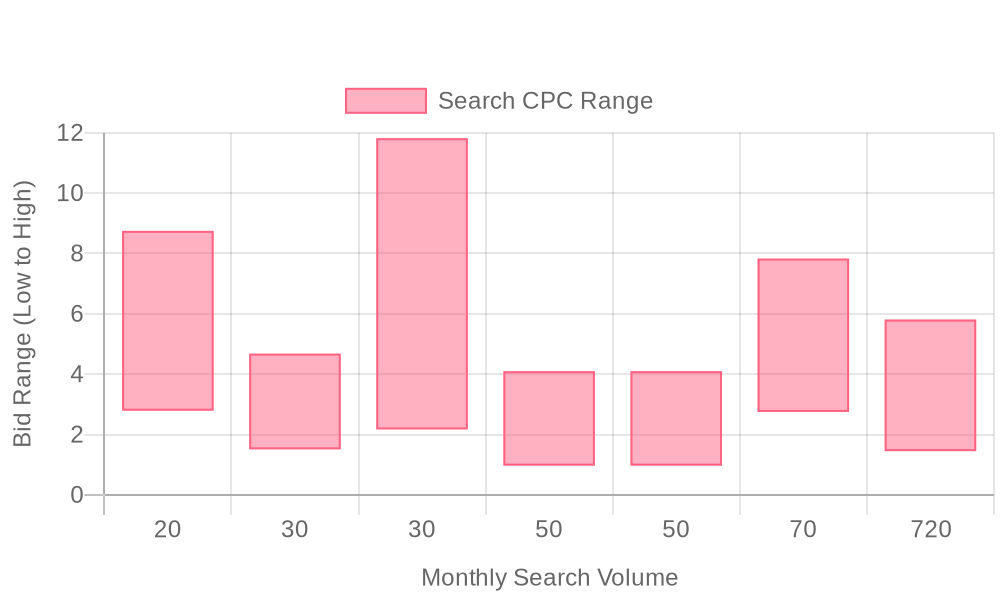
| Industry | Keyword | Monthly Search Volume | Competition Level | Low Bid | High Bid |
| Video Duplication | copy video tape to dvd | 20 | MEDIUM | 2.79 | 8.75 |
| Video Duplication | video duplication services near me | 30 | LOW | 1.51 | 4.68 |
| Video Duplication | video duplication near me | 30 | LOW | 2.17 | 11.82 |
| Video Duplication | copying vhs tapes to dvd | 50 | MEDIUM | 0.97 | 4.1 |
| Video Duplication | copying vcr tapes to dvd | 50 | MEDIUM | 0.97 | 4.1 |
| Video Duplication | video duplication | 70 | LOW | 2.75 | 7.83 |
| Video Duplication | video duplication service | 720 | LOW | 1.45 | 5.81 |
B2B revenue teams in the video duplication industry recognize that capturing high-intent leads requires more than broad digital tactics. Precision in keyword targeting ensures every campaign intercepts prospects exactly when they seek duplication solutions, driving relevant traffic to conversion-ready landing pages.
- Precision Targeting: Advanced targeting methods enable marketers to engage decision-makers as they research video duplication services, preventing wasted spend on untargeted impressions. By utilizing enhanced visitor identification, teams move beyond generic metrics to pinpoint which companies and roles are showing active buying signals, refining campaign focus and boosting qualified lead volume. For actionable strategies, explore these step-by-step guides.
- Measurable ROI: Transparent tracking from impression to closed deal enables revenue teams to validate every dollar invested in video duplication campaigns. Integrating real-time intent data and dynamic audience updates ensures ad spend shifts automatically toward accounts demonstrating the highest likelihood of conversion, elevating both efficiency and pipeline quality. For an overview of video ad formats and options, see Google's video ad formats. This approach, combined with CRM and ad platform sync, provides a unified view of attribution, from initial click to final purchase, empowering teams to optimize continually for ROI-positive outcomes.
Step-by-Step Campaign Execution Framework
Step 1: Build Targeted Keyword Lists
Precision in keyword targeting is essential for maximizing the ROI of Google Ads for video duplication services. Segment keywords by service type, duplication, transfer, restoration, or editing, to reflect the distinct offerings within your business. This granular approach keeps ad budgets in searches most likely to convert. Review our latest articles for keyword segmentation strategies.
Localizing keywords with geographic modifiers, such as city or neighborhood names, drives higher relevance and conversion rates from audiences seeking nearby providers. Applying negative keyword filters further refines your list by excluding irrelevant or low-intent queries, preventing wasted spend. Enhanced platforms can surface in-market intent data and identify high-value accounts, enabling marketers to prioritize keywords that align with buyer readiness and company fit.
The upgrade most video duplication advertisers miss is going beyond raw keyword volume to layer in intent and identity signals. By connecting website-visitor data and CRM records with Sona Marketing Measurement, you can see which specific search terms bring in the accounts and customers that actually convert, and weight your keyword and bidding strategy toward those rather than the terms with the highest search volume alone.
Step 2: Develop Compelling Ad Copy
Effective ad copy for video duplication must clearly communicate value and urgency. Use limited-time incentives, such as discounts for first-time customers or bundled service packages, to prompt action. Extensions like call buttons, structured snippets, and site links provide additional touchpoints, improving click-through rates and guiding prospects to the most relevant landing pages. For a deeper dive into crafting high-performing video ads, watch this YouTube video ad best practices.
With real-time audience insights, messaging can be dynamically tailored to reflect the current needs and interests of each visitor. Audience syncing between CRM and ad platforms ensures up-to-date targeting, allowing for seamless engagement as leads progress through the funnel. This level of personalization increases response rates and fosters higher conversion potential.
Step 3: Design Effective Landing Pages
Landing pages should align directly with campaign keywords to deliver a cohesive user experience. Each page must reinforce the service promise, include visible trust badges or customer testimonials, and feature a clear, prominent call-to-action. Optimizing load speed and mobile usability also reduces friction, improving the likelihood of conversion.
Identity Resolution captures company and contact information from both known and anonymous visitors, helping revenue teams build enriched lead profiles. This data informs future campaign personalization and gives sales a head start on follow-up. For video duplication, showing recent client results or certifications on the landing page itself further builds trust before the first call happens.
Step 4: Implement Data-Driven Optimizations
Continuous optimization based on real-time performance data is vital for sustainable growth. Conversion tracking should be set up across all digital touchpoints, including both online actions (form submissions, calls) and offline outcomes (in-store visits, closed deals). Smart bidding strategies leverage these signals to allocate budget toward the highest-converting segments. Learn more about measuring video ad performance to inform your optimization decisions.
AI-powered attribution modeling connects ad spend directly to revenue outcomes, allowing marketers to measure true ROI and adjust tactics accordingly. Dynamic audiences update automatically as lead status changes, ensuring retargeting campaigns remain focused on the most engaged prospects. Syncing enriched audiences into Google Ads and CRM platforms keeps every touchpoint informed, supporting ongoing optimization and growth. For additional detail on these techniques, review our retargeting strategies playbook.
Sona Marketing Measurement closes the gap between clicks and revenue. It captures every ad click with first-party measurement, ties that click through UTM capture and ad-platform APIs to the matching record in your CRM, and reports ROAS by keyword and campaign instead of by last-click form fill. Feeding that revenue signal back into Smart Bidding and Performance Max compounds over time: the algorithms optimize toward booked video duplication revenue, not cheap leads.
Tips on Expanding Your Google Ads for Video Duplication Presence
B2B marketers in the video duplication sector see stronger results when their campaigns reflect the way their prospects research, compare, and engage across channels. Precision targeting and actionable real-time audience data transform scattered awareness efforts into a connected, ROI-driven engine that consistently nurtures and converts high-intent leads.
- Cross-promote educational content in retargeting: Recapturing demo interest takes more than generic ads. By identifying visitors who showed real intent, watching a product demo, downloading a preservation guide, marketers can serve tailored educational content in retargeting sequences that speaks to specific objections, like concerns about master-tape handling or file-format longevity, keeping your service top-of-mind as prospects compare vendors. Sona's Identity Resolution reveals which companies and people are engaging with your content, enabling sharper retargeting.
- Upsell services based on segmented understanding: Effective upselling hinges on knowing exactly where each account is in the buying process. Using unified data from all touchpoints, marketers can build hyper-targeted ad groups for upselling video duplication add-ons or premium features. By dynamically updating audiences as leads move through the funnel, each ad feels timely and relevant, improving engagement rates and elevating customer lifetime value.
- Localize campaigns for high-value regions: Missing key accounts in specific geographies can hinder pipeline growth. Campaign localization, guided by advanced analytics and real-time company identification, ensures that high-value prospects in targeted regions receive tailored creative and offers. For a step-by-step approach to using visitor intelligence in outreach, review this playbook.
- Inform content strategy with search query data: Search query data reveals exactly what prospects want at each stage. By analyzing these signals, marketers can quickly spin up new campaign creatives, such as FAQs, how-to videos, or side-by-side comparisons, that speak directly to emerging needs. To understand the best video ad formats for your Google Ads campaigns, see this overview of video ad formats.
Mastering Google Ads for video duplication takes more than cloning a campaign and hoping performance holds. The strongest teams pair keyword precision, granular audience segmentation, and creative built around real objections (data security, turnaround time, handling of irreplaceable originals) with unified data and automated workflows. Closing the loop between ad spend and actual closed deals, rather than form fills, is what separates a channel that scales from one that plateaus.
Beyond Google Ads: Winning the AI Answers Video Duplication Buyers Now Trust
Paid search captures demand at the moment someone types a query. But a fast-growing share of video duplication buyers no longer start at Google at all, they ask ChatGPT, Gemini, or Perplexity before they ever run a search, and Google's own AI Overviews increasingly summarize an answer above the traditional results. If your business isn't referenced in those AI answers, you're invisible at the exact moment buyers build their shortlist.
Sona AI Visibility shows where your business shows up across ChatGPT, Gemini, Perplexity, Google AI Overviews, and 10+ engines, and, much like a keyword report, which prompts actually send you buyers, so you can prioritize the ones that convert. Run the two together and you cover the entire buyer path: get cited where buyers research (AI Visibility), then prove which of that demand turns into booked revenue (Marketing Measurement).
Helpful resources
Conclusion
Duplicating and scaling video ad campaigns on Google Ads works only when it's built on more than a copy-paste of what ran last quarter. Understanding how replication interacts with targeting, creative, and measurement lets you manage multiple campaigns without starting from zero each time.
The businesses winning in video duplication right now are the ones treating Google Ads as one part of a measurement loop, not a standalone channel: they know which keywords, campaigns, and creative actually produce paying customers, and they're starting to show up in the AI answers buyers consult before they ever type a search. That combination, provable ROI plus visibility where research now happens, is where the next round of growth in this category will come from.
To put these strategies to work, start for free and see the platform firsthand.
FAQ
How can I duplicate a Google Ads video campaign without affecting its performance?
To duplicate a Google Ads video campaign effectively, ensure that you utilize data-driven strategies, such as keyword intelligence and audience segmentation, to maintain performance and optimize ad spend.
What are the best practices for duplicating Google video ad campaigns?
Best practices for duplicating Google video ad campaigns include using analytics from previous campaigns to optimize keywords, identifying high-value prospects through visitor identification solutions, and integrating real-time intent signals for dynamic campaign adjustments.
How does duplicating a Google Ads video campaign impact my ad spend and budget?
Duplicating a Google Ads video campaign can impact ad spend and budget by allowing you to allocate resources towards high-converting segments and optimize budget shifts in real-time based on audience engagement and conversion signals.
What are the differences between duplicating and cloning a Google Ads video campaign?
Duplicating a campaign typically involves creating a new, similar campaign with adjustments for optimization, while cloning may imply a more straightforward copy without strategic adjustments, potentially leading to inefficiencies.
Can I duplicate a Google Ads video campaign to a different account or manager?
The article does not specifically address duplicating campaigns across accounts, but it suggests integrating insights and strategies across platforms, which may imply that duplication across accounts could involve strategic setup and data synchronization.







