Vacuum cleaners break down without warning, and the search that follows is almost always urgent: a belt snapped, a motor stopped pulling suction, a warranty is about to lapse. Google Ads lets repair shops meet that moment head-on, putting a booking link in front of someone who has already decided to pay for a fix rather than a replacement. Done well, it turns search intent into scheduled appointments and gives owners a clear line from ad spend to revenue. This guide covers keyword strategy, campaign structure, and the tracking setup that keeps a repair business from losing high-value calls to guesswork.
How to Generate Vacuum Cleaners Repair Leads with Google Ads: A Step-by-Step Guide

Precision in digital marketing is essential for vacuum cleaner repair businesses. With Google Ads, targeted campaigns offer a direct path to high-intent leads, allowing for more efficient use of marketing spend and increased customer acquisition. Explore best practices for structuring Google Ads campaigns for vacuum repair businesses in this comprehensive guide, and for deeper insights on digital marketing tactics, visit our blog library.
Success hinges on granular audience segmentation, message relevance, and seamless conversion tracking. Modern revenue teams can now unify fragmented data, act on real-time intent signals, and sync enriched audiences, so each marketing dollar drives a measurable result.
- Research Keywords: Identify target keywords and long-tail variations specific to vacuum cleaner repair, mitigating the issue of under-targeted segments.
Keyword research forms the foundation of every effective Google Ads for Vacuum Cleaners Repair campaign. Focus on specific service-based and brand-related keywords, such as "Dyson vacuum repair near me" or "upright vacuum cleaner service," to capture high-intent searchers. Long-tail keywords reduce wasted spend by narrowing targeting to ready-to-convert prospects. Integrating behavioral data and historical engagement allows marketers to pinpoint which queries are driving actual sales, not just clicks. Dynamic keyword lists can be continuously updated as new search trends emerge, ensuring campaigns remain relevant and aligned with in-market demand.
- Audience Targeting: Utilize geographic and demographic filters to hone in on the most promising prospects, ensuring resources aren’t wasted on cold traffic.
Precise audience targeting maximizes efficiency in vacuum cleaner advertising. Use geographic targeting to prioritize local service areas and exclude regions outside your operational footprint. Layer in demographic filters, such as household composition, homeownership status, or income brackets, to zero in on segments most likely to need repair rather than replacement. Learn more about how demographics impact Google Ads performance for vacuum repair businesses. By unifying first-party data across sessions, marketers can recognize returning visitors, map their journey, and shift budget in real time to the companies most likely to convert.
- Ad Copy Development: Craft messages that resonate by addressing common pain points of vacuum owners, facilitating higher engagement by avoiding generic messages.
Effective ad copy for vacuum repair speaks directly to customer frustrations and desired outcomes. Highlight quick turnaround times, certified technicians, and guarantees to build trust. Referencing specific vacuum brands or issues in the ad headline can boost relevance and click-through rates. Test multiple headlines and calls to action, using conversion data to refine messaging and eliminate underperforming variants. Syncing ad creative with CRM insights ensures personalization at scale, leading to more meaningful engagement and higher lead quality.
- Landing Page Optimization: Ensure a seamless experience from ad click to conversion with user-friendly and relevant pages, enhancing accuracy in lead prioritization and follow-up.
Optimized landing pages are critical for converting clicks into qualified vacuum repair leads. Pages should load quickly, be mobile-responsive, and present a clear path for booking service or requesting a quote. Use forms that pre-fill data where possible, and display trust signals like customer reviews or service badges to reinforce credibility. Advanced analytics track both online and offline conversions, enabling full-funnel attribution and accurate ROI measurement.
Why Does Google Ads Matter for Vacuum Cleaners Repair
Marketing teams in the vacuum cleaners repair industry face unique challenges, from missing high-intent leads to navigating wasted ad spend on broad, untargeted campaigns. Google Ads solves these pain points by enabling repair shops to reach customers the moment they search for services, capturing genuine demand and minimizing wasted impressions. For more insights into boosting lead generation and attribution, explore our marketing analytics blog.
- Capturing Active Repair Leads: With Google Ads, businesses can appear directly in front of users searching phrases like "vacuum repair near me" or "appliance repair services." This intent-driven targeting surfaces ads to those most likely to book a repair, significantly increasing qualified lead volume and reducing cost per acquisition. By leveraging real-time audience segmentation, marketers can further refine campaigns to reach those actively seeking repair services.
- Precision Targeting with Filters: Campaigns leverage location-based and behavioral targeting, letting marketers narrow their focus to the right neighborhoods, device types, and even user behaviors. By integrating real-time intent data, teams can prioritize spend on segments showing the highest likelihood of conversion, improving efficiency and maximizing every dollar invested in PPC for vacuum repair.
- Measurable ROI Through Tracking: Google Ads provides granular tracking from ad click to service booking. Advanced tracking setups, including online and offline attribution, reveal which campaigns drive actual repair appointments. By syncing enriched CRM data and tracking conversions across channels, marketers gain a clear understanding of campaign performance, enabling smarter budget allocation and iterative campaign optimization.
Common Types of Google Ads Campaigns for Vacuum Cleaners Repair
A tailored Google Ads approach enables vacuum cleaner repair businesses to engage potential customers at each stage of their buying journey. Precision targeting and campaign diversity support higher-quality leads, more relevant touchpoints, and measurable ROI across digital channels. Explore actionable frameworks for demand generation to further enhance your Google Ads strategy.
- Search Campaigns: Capturing high-intent queries is essential for vacuum cleaner repair services aiming to convert active searchers into paying clients. By targeting specific keywords such as “vacuum repair near me” or branded terms for popular vacuum models, businesses can reach users who are ready to take action. Advanced platforms can further enrich these campaigns by identifying which companies are visiting your website, allowing revenue teams to prioritize outreach and sync enriched leads into CRM systems for seamless sales follow-up.
- Display Ads: Display campaigns boost brand visibility across the web, placing service offers in front of homeowners or facility managers researching appliance solutions. Display ads keep vacuum repair services top-of-mind, especially during early research phases. Marketers can dynamically adjust audience segments using real-time, signal-based segments, ensuring budget is directed toward high-converting prospects as they engage with relevant content.
- Video Ads: Video advertising provides a compelling way to demonstrate repair expertise, showcase customer testimonials, or explain common vacuum issues. These campaigns engage users on platforms like YouTube and within the Google Display Network, increasing trust and conversion rates. Integrated data unification tools ensure video audiences are dynamically updated as leads progress through the funnel, enabling retargeting with personalized messaging based on real user behavior. For a visual walkthrough, see this video tutorial on setting up Google Ads for local services.
- Remarketing: Remarketing targets individuals who have previously visited the vacuum repair website or interacted with service content but have not yet converted. By delivering timely, relevant ads across search and display, remarketing campaigns increase the likelihood of re-engagement and booking. Platforms that connect ad performance with offline conversions provide a complete view of the customer journey, allowing for accurate attribution and optimization of remarketing strategies to drive more qualified vacuum repair leads.
Where to Find Growth Opportunities
Modern revenue teams in the vacuum cleaner repair industry must consistently seek new avenues for campaign growth as digital competition accelerates. Identifying these opportunities requires a data-driven approach that balances audience accuracy, efficient spend, and clear attribution to real business outcomes. Sona's Identity Resolution reveals which companies are visiting your website, helping teams turn anonymous traffic into qualified pipeline.
- Local campaign optimization: Start by refining your Google Ads for Vacuum Cleaners Repair with precise local targeting methods. Segmenting by neighborhood, zip code, or city ensures ads are only shown to high-potential prospects, eliminating wasted spend on broad or irrelevant audiences. Marketers using Sona Audiences can identify which local segments are most engaged and adjust bids or messaging in real time for greater impact.
- Competitor gap analysis and keyword expansion: Analyze the competitive landscape to spot underutilized keywords and address gaps in your current PPC for vacuum repair strategy. Many campaigns suffer from generic targeting, leading to ad spend on unqualified clicks. By leveraging a platform that connects CRM data with Google Ads search terms, such as Zigma’s marketing solutions for repair shops, you can uncover high-intent, niche phrases that competitors overlook and automatically funnel these into your campaigns. This not only expands reach but also improves lead quality by aligning ads with actual buyer intent.
- Content-driven retargeting for high-intent leads: Implement content retargeting campaigns targeting users who have already demonstrated strong interest, such as visiting service-specific pages or submitting inquiries. Deliver educational content like repair guides or how-to videos through display or video ads, nurturing these accounts toward conversion. When audience lists dynamically update based on real-time website activity, you can ensure only the most relevant leads receive follow-up, increasing conversion rates and improving the efficiency of your vacuum repair leads pipeline.
How to Apply Audience Segmentation for Vacuum Cleaners Repair
Effective audience segmentation transforms generic vacuum cleaner repair campaigns into high-performing, personalized experiences. By leveraging granular identity data, marketers create messaging that speaks directly to the needs and pain points of each group, increasing engagement and conversion rates.
- Defining audience segments: Start by dividing your customer base into clear categories such as residential and commercial repair needs. Residential clients often prioritize convenience and rapid scheduling, while commercial accounts may focus on service contracts and bulk repairs. This segmentation allows teams to tailor ad copy for vacuum repair and offers that directly address each segment’s priorities, improving relevance and lead quality. Advanced platforms help by identifying not just anonymous visitors but the actual companies interacting with ads, ensuring outreach is well-informed and actionable.
- Applying intent signals: Distinguish between emergency repair seekers and those interested in routine maintenance using behavioral data. Emergency repair leads display urgent online behaviors like late-night searches or immediate contact requests, while maintenance prospects might browse educational content or request quotes. Real-time intent data enables marketers to allocate more budget to high-converting emergency queries, while nurturing routine prospects with long-term offers. As leads move through the funnel, dynamic audiences update automatically, ensuring your Google Ads for Vacuum Cleaners Repair campaigns always target the most relevant segments.
This is also where measurement changes the economics. With Sona Marketing Measurement you can identify the companies behind your ad clicks, not just anonymous sessions, and segment audiences by which accounts actually become customers. That lets you build bid adjustments and audience signals around the segments that convert and de-prioritize the ones that don't, so you feed Google's algorithms "this click became a paying vacuum cleaners repair customer" instead of just "someone filled out a form."
Keyword Strategy & Sample Target Terms
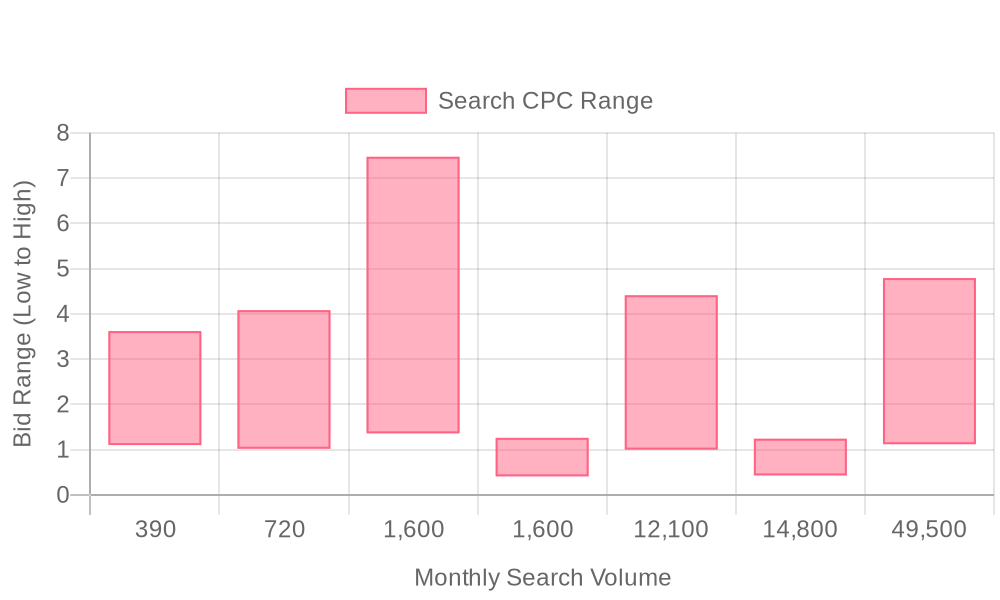
| Industry | Keyword | Monthly Search Volume | Competition Level | Low Bid | High Bid |
| Vacuum Cleaners Repair | hoover repairs near me | 390 | LOW | 1.1 | 3.62 |
| Vacuum Cleaners Repair | vacuum cleaners repair | 720 | MEDIUM | 1.02 | 4.08 |
| Vacuum Cleaners Repair | central vacuum repair near me | 1600 | MEDIUM | 1.36 | 7.47 |
| Vacuum Cleaners Repair | dyson head replacement | 1600 | HIGH | 0.41 | 1.26 |
| Vacuum Cleaners Repair | vacuum cleaner repair near me | 12100 | LOW | 1 | 4.41 |
| Vacuum Cleaners Repair | dyson replacement parts | 14800 | HIGH | 0.43 | 1.24 |
| Vacuum Cleaners Repair | vacuum repair near me | 49500 | LOW | 1.12 | 4.79 |
A precision-driven keyword strategy is essential for vacuum cleaners repair businesses seeking to scale marketing efficiency and capture high-intent demand. Effective targeting not only increases ad relevance but also positions brands in front of customers ready to engage, driving measurable business outcomes.
- Core service keywords: Focus on high-conversion terms such as 'vacuum repair service', 'vacuum cleaner repair', and 'appliance repair marketing'. These keywords directly reflect what users are searching for, reducing wasted spend and increasing qualified traffic.
- Location-specific variations: Integrate city, neighborhood, or zip code modifiers, such as 'vacuum repair service in [City]' and 'vacuum cleaner repair near me'. This approach narrows the audience to local prospects, amplifying ROI for businesses whose service is geographically bound.
- Long-tail and intent-based phrases: Identify and deploy high-volume, low-competition keywords tailored to user intent, like 'Dyson vacuum repair specialist in [Location]' or 'same day vacuum repair'. These terms tend to attract more informed, purchase-ready visitors and help avoid the pitfalls of incomplete ROI measurement by aligning spend directly with high-value search queries.
- Pain point-driven terms: Use language that mirrors common frustrations and needs, such as 'vacuum won’t turn on fix' or 'affordable vacuum cleaner repair', to intercept prospects at moments of urgency.
By combining these targeted keywords with Sona’s Audiences tool, marketers can continuously update their audience pools as prospects move through the funnel. When platforms enable CRM and ad audience sync, new leads and enriched profile data flow into campaigns in real time, ensuring ad spend is always focused on the highest-potential segments. This unified approach bridges the gap between anonymous website visits and actionable, revenue-focused outreach, helping teams attribute spend to actual pipeline and bookings. For additional tactical guidance, explore these best practices for structuring Google Ads for vacuum cleaner repair services in 2024 to further reduce wasted impressions and maximize return.
Step-by-Step Campaign Execution Framework
A streamlined Google Ads strategy is essential for vacuum cleaner repair businesses aiming to capture high-quality leads and optimize marketing spend. When every click counts, a data-driven approach ensures that budget and messaging stay focused on prospects who actually need repair services in specific local markets. For insights on structuring Google Ads for this industry, review current best practices for vacuum repair ads and explore our marketing blog for additional strategies.
An effective campaign execution framework minimizes wasted ad spend, boosts conversion rates, and supplies actionable visibility into which segments and offers drive real revenue. By integrating identity resolution and intent scoring, as well as CRM-connected campaign management, revenue teams can close the loop between advertising investments and measurable pipeline impact.
Step 1: Build Targeted Keyword Lists
- Service and location focus: Structure keyword lists around specific repair services (e.g., "Dyson vacuum repair," "upright vacuum cleaner service") and layer in geographic modifiers to capture local intent. This approach filters out irrelevant clicks and ensures ads reach homeowners or businesses actively searching for solutions nearby.
- Long-tail and intent-based keywords: Prioritize long-tail search terms such as "vacuum cleaner repair near me" or "same-day vacuum repair service," which signal immediate need and higher conversion likelihood.
- Dynamic audience syncing: Leverage real-time audience segmentation to keep keyword targeting aligned with CRM data. As new leads enter your funnel or existing contacts display high intent, ad audiences automatically refresh, making every keyword bid more relevant.
The upgrade most vacuum cleaners repair advertisers miss is going beyond raw keyword volume to layer in intent and identity signals. By connecting website-visitor data and CRM records with Sona Marketing Measurement, you can see which specific search terms bring in the accounts and customers that actually convert, and weight your keyword and bidding strategy toward those rather than the terms with the highest search volume alone.
Step 2: Develop Ad Copy
- Emphasize urgency and unique value: Headlines like "Fast, Reliable Vacuum Repair, Book Today" or "Expert Technicians for All Brands" distinguish your service from competitors who rely on generic language. Clear calls to action such as "Schedule Your Repair" or "Get Free Diagnostic" increase click-through rates.
- Personalization at scale: Use behavioral and firmographic data to tailor ad messaging for segmented audiences. For example, customize offers for residential versus commercial repair prospects, reflecting their unique needs and priorities.
- Real-time adaptation: Insights from campaign performance and CRM engagement can trigger dynamic copy updates, ensuring messaging remains relevant as market trends shift throughout the week or season.
Step 3: Design Landing Pages
- Alignment with ad promise: Ensure landing pages deliver exactly what the ad copy offers, from instant booking forms to transparent pricing and social proof. Consistency between ad and page content reduces bounce rates and improves conversion.
- Mobile-first experience: Mobile optimization is critical for local services, as many users search and contact repair shops from their phones. Fast load times, click-to-call buttons, and easy-to-complete forms drive higher lead capture.
- Enhanced visitor identification: Integrate Identity Resolution to reveal not just anonymous clicks but the companies visiting your site. This empowers sales teams to follow up more effectively and attribute leads to specific campaigns.
Step 4: Implement Optimizations
- Data-driven bid adjustments: Monitor click, impression, and conversion data to identify top-performing keywords, ad variations, and audience segments. Shift budget toward high-value opportunities in real time, maximizing ROI.
- Advanced conversion tracking: Tie ad engagement back to both online and offline conversions, such as booked appointments or phone calls, to understand the true business impact of each campaign. Learn more about offline attribution strategies to maximize ROI.
- CRM and ad platform sync: Ensure that new leads, qualified contacts, and sales outcomes flow seamlessly between your CRM and Google Ads. This seamless data sync supports ongoing optimization and helps prioritize spend on audiences most likely to convert.
Sona Marketing Measurement closes the gap between clicks and revenue. It captures every ad click with first-party, company-level measurement, then ties that click through UTM capture and ad-platform APIs to the actual record in your CRM, and reports ROAS by keyword and campaign instead of by last-click form fill. Feeding that revenue signal back into Smart Bidding and Performance Max compounds over time: the algorithms optimize toward booked vacuum cleaners repair revenue, not cheap leads.
Tips on Expanding Your Vacuum Cleaners Repair Presence
Vacuum cleaner repair businesses grow by staying visible in the exact moments customers need a fix, and by turning one repair into a longer relationship. Smart expansion relies on actionable data, local partnerships, and steady optimization to build market presence beyond the next click.
- Partnering with local businesses for co-marketing initiatives: Establishing partnerships with complementary local businesses, such as appliance retailers or cleaning services, creates mutual marketing opportunities. Joint promotions and bundled offers not only attract new leads but also increase customer lifetime value. By leveraging Sona Audiences, you can significantly expand brand reach within your target geography and collaborate more efficiently with local partners.
- Upselling complementary services through customized audience lists: Segmenting your remarketing audiences based on previous behaviors allows you to promote additional services, such as filter replacements or annual maintenance packages, to existing customers. Integrating your CRM with ad platforms ensures these audience lists update dynamically as customer profiles evolve, delivering more relevant offers and driving incremental revenue. Tools like Sona Destinations can automate real-time syncing for seamless campaign management.
- Constantly evaluating search query data to inform new content and ad updates: Analyzing live search terms and performance data helps identify new customer needs and trending keywords. This enables you to fine-tune ad copy and landing pages, keeping messaging consistent across channels. For best practices on structuring Google Ads campaigns for vacuum cleaner repair services, review this expert guide.
Beyond Google Ads: Winning the AI Answers Vacuum Cleaners Repair Buyers Now Trust
Paid search captures demand at the moment someone types a query. But a fast-growing share of vacuum cleaners repair buyers no longer start at Google at all, they ask ChatGPT, Gemini, or Perplexity before they ever run a search, and Google's own AI Overviews increasingly summarize an answer above the traditional results. If your business isn't referenced in those AI answers, you're invisible at the exact moment buyers build their shortlist.
Sona AI Visibility shows where your business shows up across ChatGPT, Gemini, Perplexity, Google AI Overviews, and 10+ engines, and, much like a keyword report, which prompts actually send you buyers, so you can prioritize the ones that convert. Run the two together and you cover the entire buyer path: get cited where buyers research (AI Visibility), then prove which of that demand turns into booked revenue (Marketing Measurement).
Helpful resources
Conclusion
A vacuum repair business that pairs sharp keyword targeting with real attribution stops guessing which ads pay for themselves. The shops winning right now are the ones tying ad clicks to booked jobs, not just form fills, and adjusting bids around what actually converts.
As more buyers ask AI tools for repair recommendations before they ever search Google, the shops that show up in both places, paid search and AI answers, will take the bulk of the calls. Pairing tighter Google Ads execution with visibility into AI-driven research now sets up that advantage before competitors catch on.
To put these strategies to work, start for free with Sona.
FAQ
What are the best practices for Google Ads in vacuum cleaner repair?
Best practices include precise audience targeting, using specific service-based and brand-related keywords, optimizing ad copy to address common vacuum owner pain points, and ensuring landing pages are user-friendly and relevant to drive conversions.
How can I target the right audience for my vacuum repair ads?
Utilize geographic and demographic filters to focus on local service areas and promising segments, and leverage unified first-party and third-party data to recognize returning visitors and prioritize high-converting accounts.
What budget should I allocate for Google Ads for vacuum cleaner repair?
Allocate your budget based on precise targeting and audience segmentation to ensure resources are efficiently used on high-intent prospects, optimizing spend for measurable results.
What keywords should I use for vacuum cleaner repair ads?
Focus on high-conversion terms like 'vacuum repair service', 'vacuum cleaner repair', and location-specific variations such as 'vacuum repair service in [City]' to attract local prospects ready to engage.
How do I measure the success of my Google Ads campaigns for vacuum repair?
Use advanced tracking setups to measure both online and offline conversions, syncing enriched CRM data to understand campaign performance and optimize budget allocation for the highest ROI.